



Happy Birthday to those who have passed on and to those great wrestlers still with us:
In Memoriam:
Paul Bowser 1886
James Harris\Kamala 1950
Barry Orton 1958
Happy Birthday:
Chaz Warrington\Mosh (55)
Colby Lopez\Seth Rollins (40)
Joseph Connors (39)
RIP Memorial: We stop & remember those who have passed on this day and gave themselves to the business for us, the fans. We salute you and thank you.
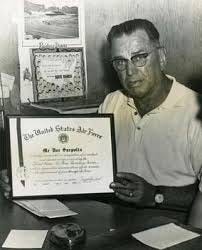
Karl “Doc” Sarpolis 5-28-1967 at the age of 69
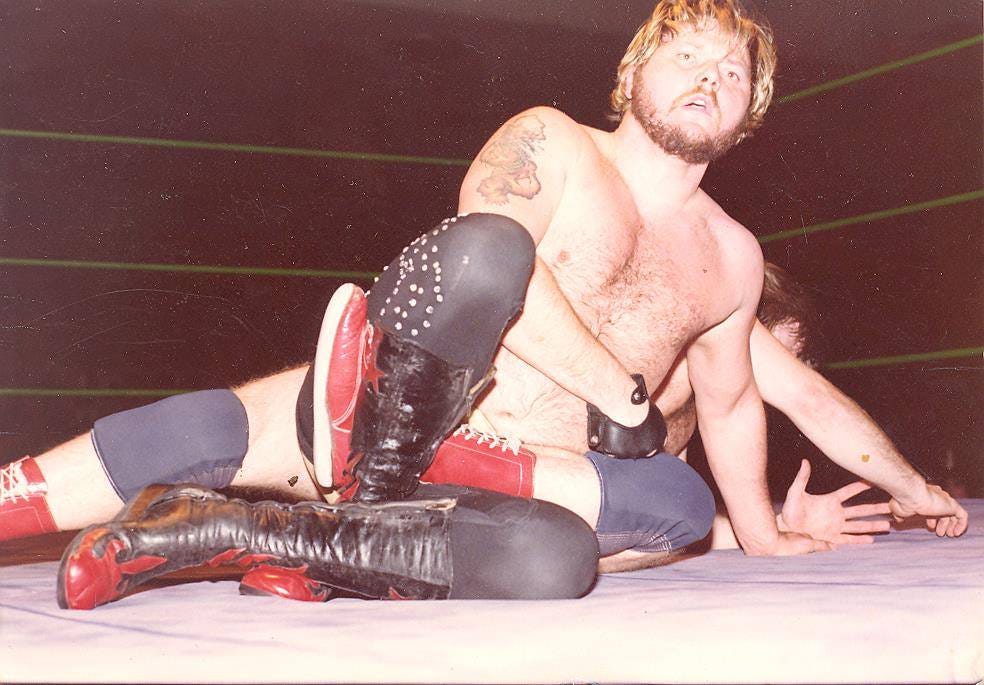
Chris Colt 5-28-1995 at the age of 48
Tony Marino\Battman 5-28-2001 at the age of 90
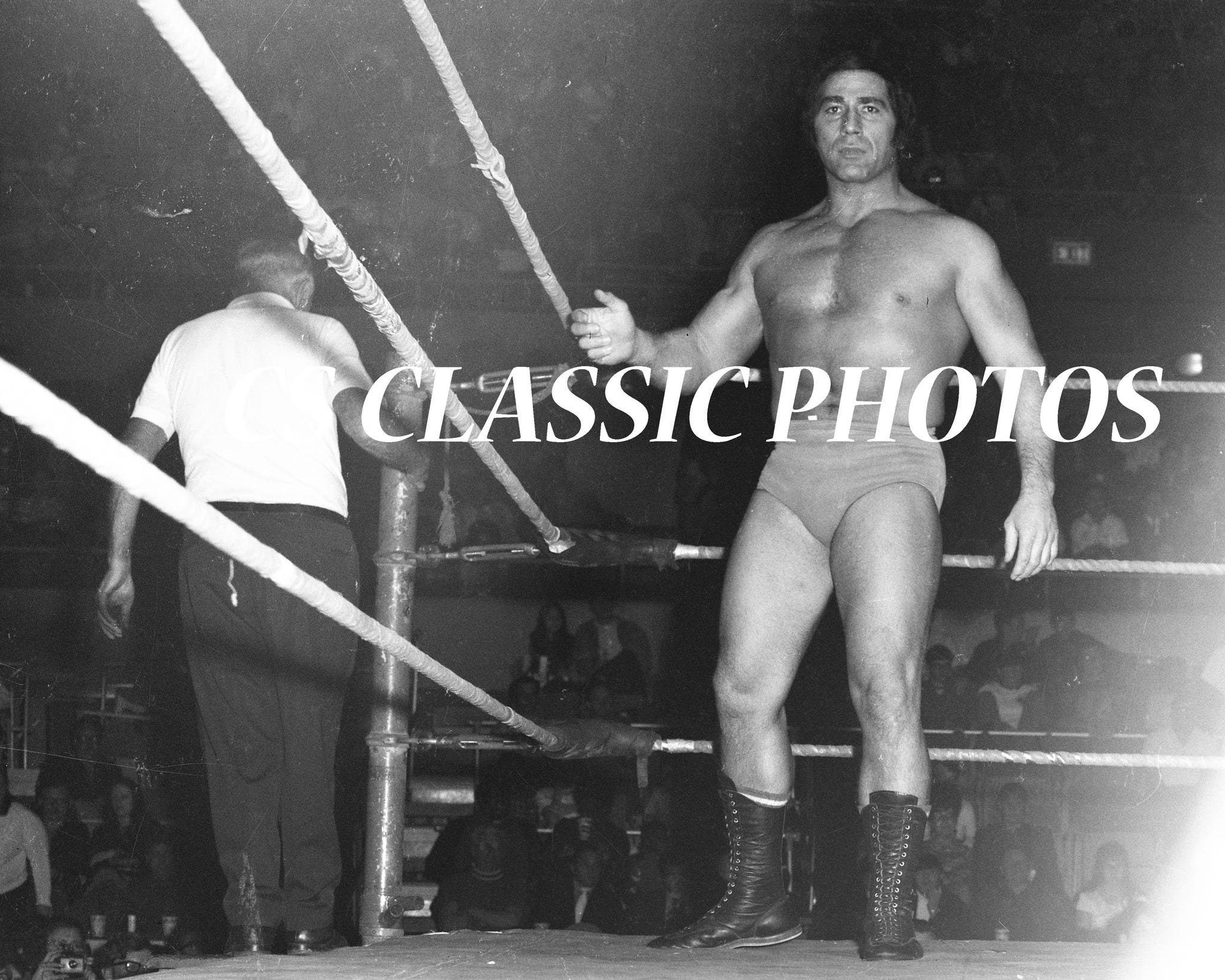
John Tolos 5-28-2009 at the age of 78
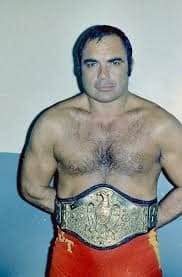
Buck Robley 5-28-2013 at the age of 68
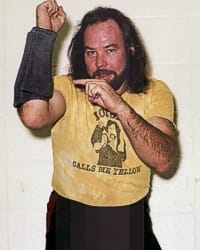
Salmon Hashmikov 5-28-2025 at the age of 72
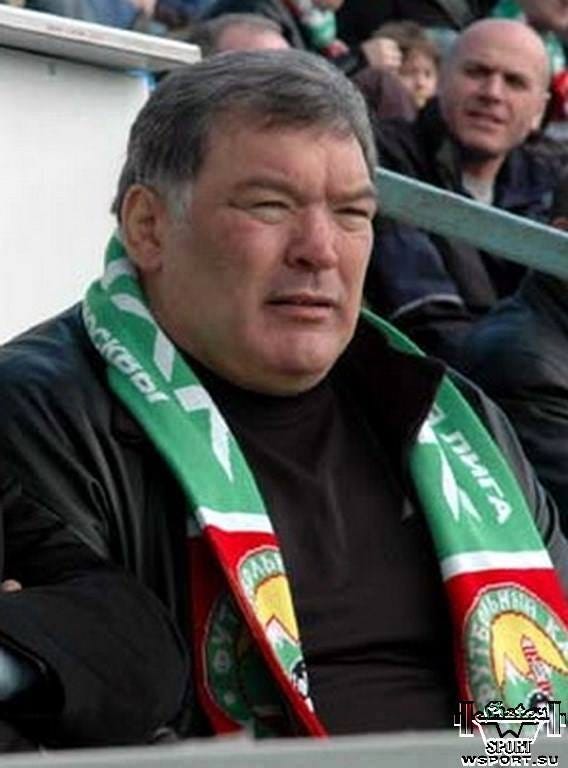
The Life and Career of Tex Hager
Nealon Walter “Tex” Hager was a professional wrestler, boxing promoter, and wrestling promoter whose career spanned the territorial era of American professional wrestling. Best known for founding and operating Tri-State Sports, Hager played a significant role in bringing wrestling to rural and mid-sized markets across Idaho, eastern Washington, western Montana, and parts of Oregon and beyond during the 1950s and 1960s. Though not a household name like some NWA world champions, his work as both an in-ring performer and a behind-the-scenes operator helped sustain the sport in the American West.
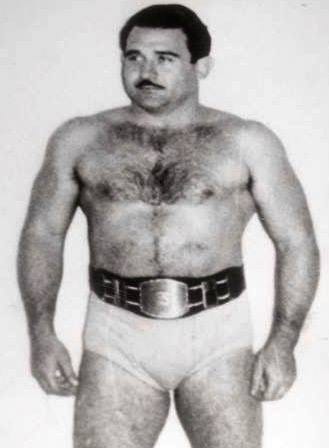
Born in Eugene, Oregon in 1915, Hager was raised in Lane County and attended Eugene High School. He entered the wrestling business in the mid-1930s, debuting in the Pacific Northwest. He competed in British Columbia and for promoters like Herb Owen in Oregon. Standing at around 5’6” and weighing about 185 pounds, Hager was not a physical giant but carved out a career as a capable junior heavyweight and welterweight-style competitor.
His active wrestling career lasted into the early 1950s. He captured regional titles, including the Idaho Heavyweight Championship and Intermountain Junior Heavyweight and Welterweight titles. These reigns reflected his status in the loosely connected territories of the pre-NWA and early NWA years. Hager wrestled extensively, with records showing over 1,200 matches in some databases.
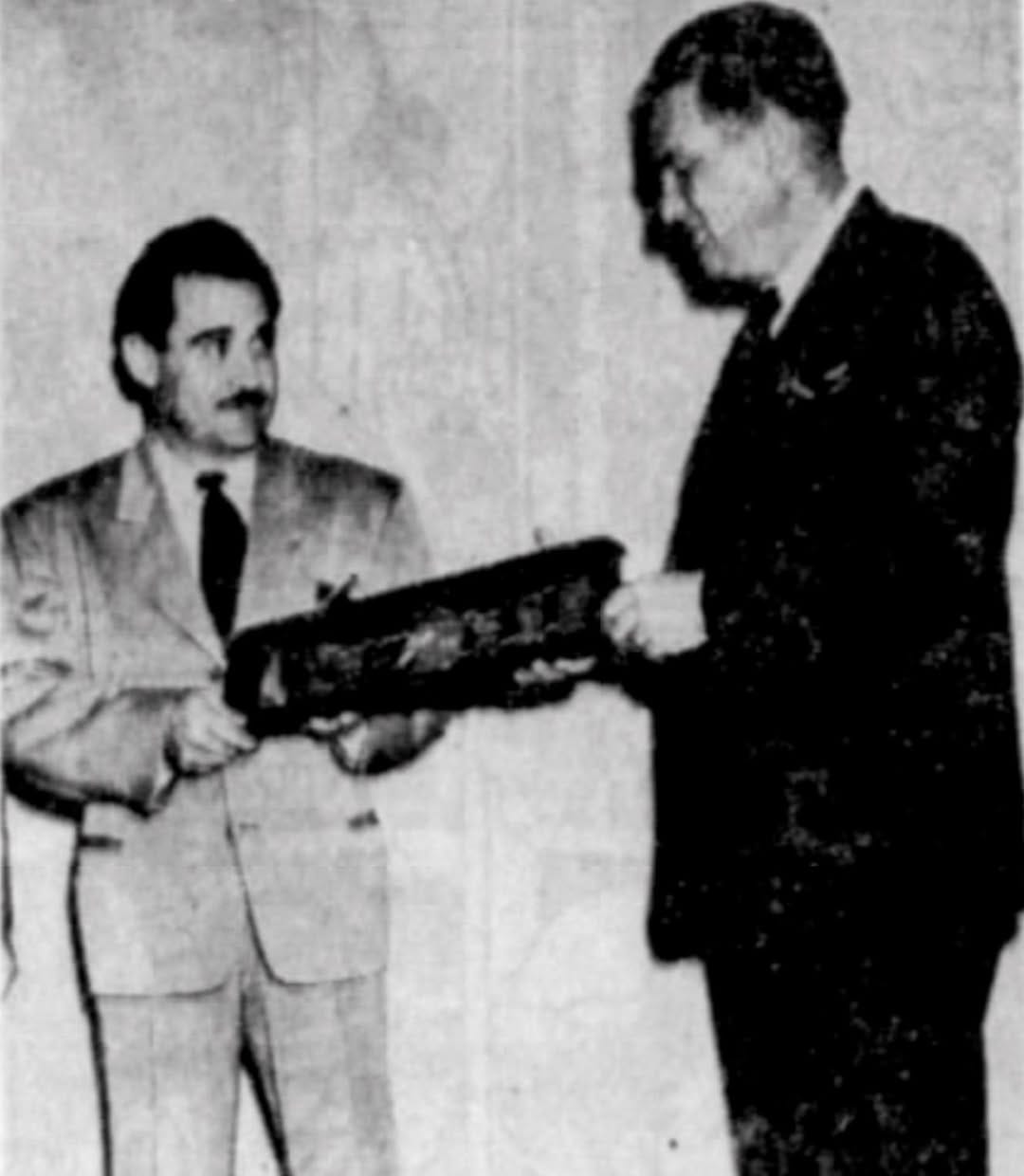
Pictured: Tex Hager receives the Texas Light Heavyweight Championship belt from newly appointed boxing and wrestling commisioner Jeff Isbell of El Paso in March of 1947
In the early 1950s, like many wrestlers of his generation, Hager transitioned from performer to promoter. He settled in Boise, Idaho, and established Tri-State Sports, which focused on wrestling and boxing in the “Tri-State” region encompassing Idaho, eastern Washington, and western Montana. Hager joined the National Wrestling Alliance (NWA) around September 1951, becoming one of the recognized booking office owners in the organization. His membership was approved alongside other notables, solidifying his place in the national territorial system. He operated primarily out of Boise initially, later relocating his main office to Spokane, Washington, in 1955 while continuing to run shows in Boise, Helena, and smaller Idaho towns. His Spokane base was at the Sillman Hotel.
His office served a vast, predominantly rural territory that spanned Idaho, eastern Washington, western Montana, and extended into parts of Oregon and occasionally Utah. This made it one of the more geographically expansive but sparsely populated promotions of the territorial era, relying on a mix of regular town shows and “spot shows” in smaller communities.
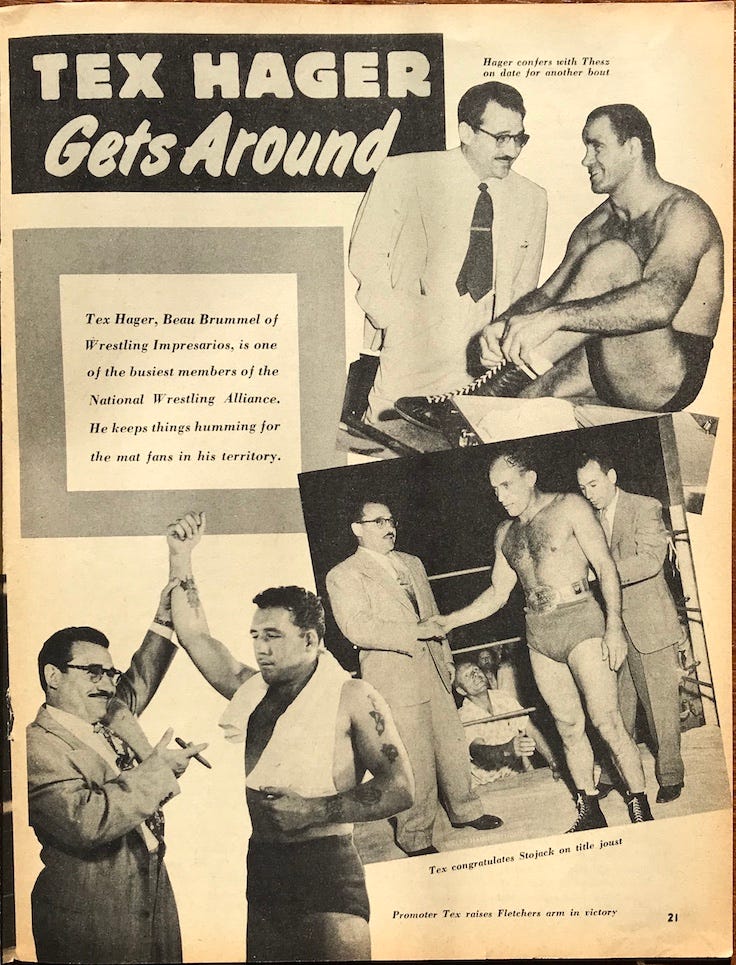
Hager initially based operations in Boise, Idaho, where he promoted events at venues like the Riverside Arena. In 1955, he relocated his main office to Spokane, Washington, located at the Sillman Hotel, while continuing to run cards in Boise on a more irregular basis, as well as in Helena, Montana, and other rural stops. His NWA membership ran from September 1951 to August 1958, during which Tri-State maintained cooperative relationships with larger neighboring territories, especially Don Owen’s Portland promotion, which frequently supplied talent.
Key Markets and Operations
• Idaho: Core of the territory, with regular activity in Boise, Coeur d’Alene, Kellogg, Wallace, Lewiston, Pocatello (promoted locally by Milt Olsen & Del Holland), and Idaho Falls (Cliff Thiede). Hager emphasized smaller venues suited to the state’s demographics.
• Eastern Washington: Spokane served as a major hub after 1955. Other stops included Walla Walla (promoted with Dale Haddock and Jack Kennedy), Kennewick (Ivan Mickailoff), Pasco (Luke Dailey), and Pendleton, Oregon (on the border).
• Western Montana: Helena was a consistent market, with local promoter Tony Bernardi active from 1954–1957. Cards reached other Montana towns as well.
• Outlying Areas: Occasional shows extended as far west as Pendleton, Oregon; east to Idaho Falls and even Provo, Utah; and north into Trail, British Columbia. This wide reach allowed championships to be defended across a four-state footprint.
Rather than running weekly arena residencies in big cities, Hager focused on a touring model. This involved traveling long distances across mountainous and rural landscapes to bring live wrestling to isolated communities. In smaller towns, shows were often promoted as special events rather than weekly programming, helping maximize attendance where population density was low.
Championships and Talent
Tri-State Sports recognized and defended several regional titles that helped anchor storylines:
• Idaho Heavyweight Championship (active as early as 1947, primarily in Idaho Falls).
• Intermountain Junior Heavyweight Championship.
• Intermountain Welterweight Championship.
• Intermountain Tag Team Championship.
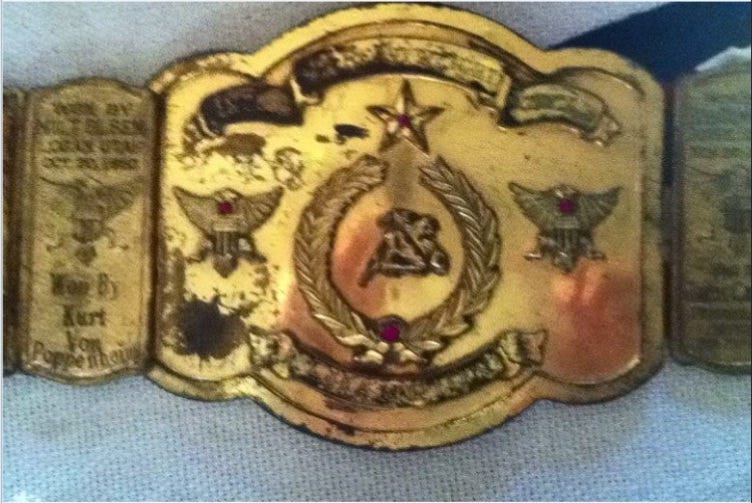
Pictured: Intermountain Junior Heavyweight Championship belt that was defended in Tex Hager's Tri-State Sports promotion in the 1950s.
These belts provided local heroes and rivalries tailored to the territory’s audiences. Talent often crossed over from Portland and other NWA territories. Notable figures included Jack Kiser, Bill Fletcher, the Donovan Brothers (who captured Intermountain Tag Titles in the promotion), and visiting NWA stars. Hager, a former junior heavyweight himself, favored lighter, agile competitors who suited the style of his territory.
Beyond wrestling, Hager promoted boxing events featuring names like Harry “Kid” Matthews, blending the two sports to sustain interest and revenue in markets where pure wrestling crowds might fluctuate.
The territory’s rural nature presented logistical challenges—long travel, modest crowds, and dependence on seasonal or event-driven shows. By the late 1960s and into 1970, activity declined significantly as the broader NWA territorial system faced pressures from changing entertainment options and shifting economics. Later attempts to revive wrestling in the I-15 corridor (Utah-Idaho-western Colorado) referenced Hager’s former footprint, highlighting the gap left by Tri-State’s reduced presence.
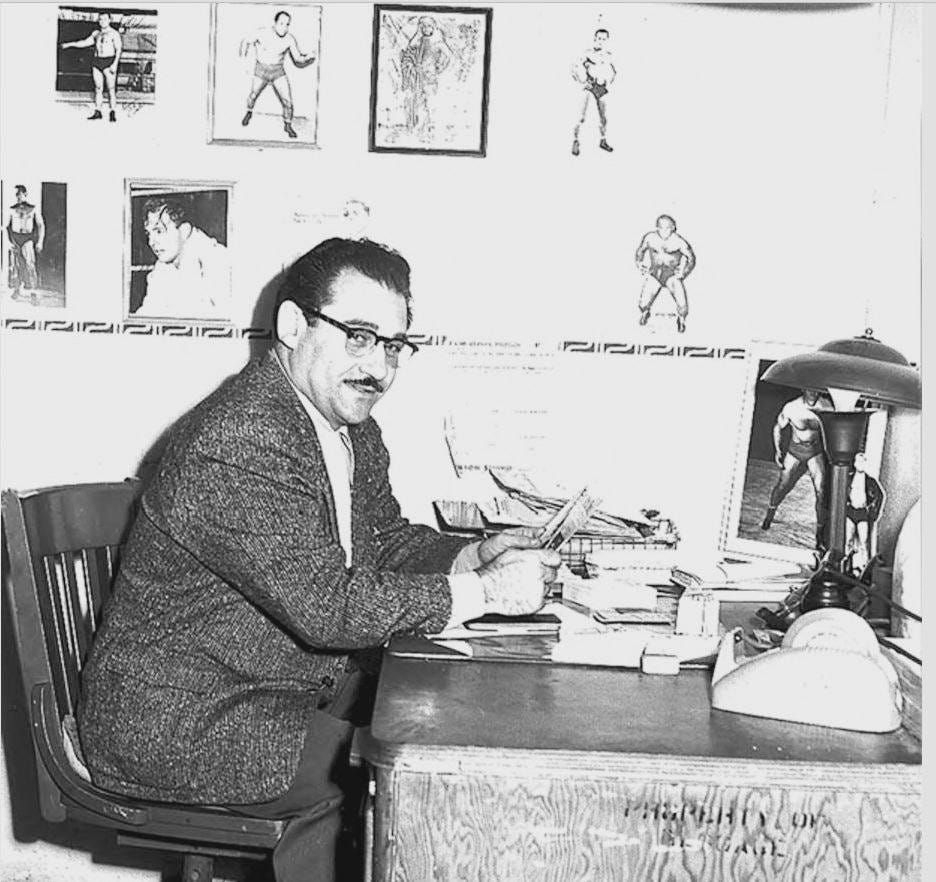
Pictured: Booking Office Owner and Event Promoter Tex Hager in his office
Historian Kevin Orcutt (known online as @kevinorcutt97 and prowrestlingarchivist) has extensively documented this promotion through scans of 1950s NWA/Wrestling World magazines, programs, and newspaper clippings. His research underscores how Hager’s operation brought consistent professional wrestling to the Intermountain West during its peak in the 1950s, sustaining the sport in areas far from major urban centers.
Tex Hager remained active into the early 1970s, though wrestling in his region became increasingly sporadic as the territorial system faced mounting challenges. By 1970, activity in parts of his former territory had declined significantly. Like many independent promoters, he witnessed the industry’s gradual shift toward disintegration and nationalization in the following decades.
Tex Hager passed away on May 25, 1989, at the age of 74 in Reno, Nevada. He was buried in Creswell, Lane County, Oregon, near his childhood home.
Though often overlooked in mainstream wrestling histories, Tex Hager exemplifies the dedicated territorial promoters who formed the backbone of the NWA era. His Tri-State Sports operation helped popularize wrestling across Idaho and the broader Intermountain West, delivering live events, championships, and big-name talent to communities that might otherwise have been overlooked. In an industry built on larger-than-life personalities, Hager’s legacy is one of quiet perseverance—wrestling in small arenas, booking talent across vast distances, and sustaining the sport where it was needed most. His story is a reminder that professional wrestling’s golden age was defined not only by arena-filling superstars but also by the regional visionaries who made it all possible.
One Thing I Learned About Man Mountain Dean
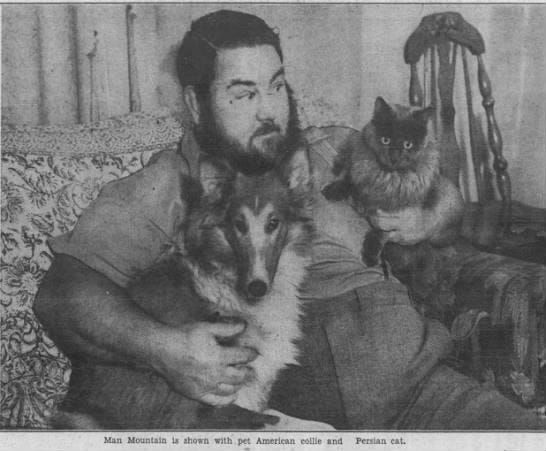
During World War II, the massive Man Mountain Dean (real name Frank Simmons Leavitt) reenlisted in the U.S. Army and served as a hand-to-hand combat instructor at the secretive Camp Ritchie in Maryland (training the famed “Ritchie Boys” intelligence unit). He was so enormous that he couldn’t fit into a public telephone booth and had to stand outside it to make calls.
This chapter adds a layer of real toughness and patriotism to the bearded 300+ pound showman known for his long wrestling career, Hollywood roles, and larger-than-life persona in the 1930s.
Thank You for Reading
I’m Tony Richards, Pro Wrestling Historian, Author and Storyteller. I share pro wrestling historical items in each issue of the Time Tunnel Pro Wrestling History Newsletter. Thanks for reading! If you enjoy my information on select events, matches and insights, please share it with folks you think might like to be a subscriber!
Remember, premium investors get access to exclusive and special content such as some special issues including a multi-part deep dives on wrestling territories, wrestler bios and championship title histories, special audio and video interviews on territory pro wrestling and more available in the Pro Wrestling Time Tunnel for Premium Investors..
Tex wasn't born in Amarillo. I know there are several sources that list it as his place of birth, but he was born in Eugene, Oregon and grew up in the town of Creswell, Oregon, which is about 14 miles south of Eugene. I know that is a fact because I was told that by one of Tex's sons several years ago. From what I gathered, Tex got the cowboy gimmick because he participated in rodeo when he was growing up.