


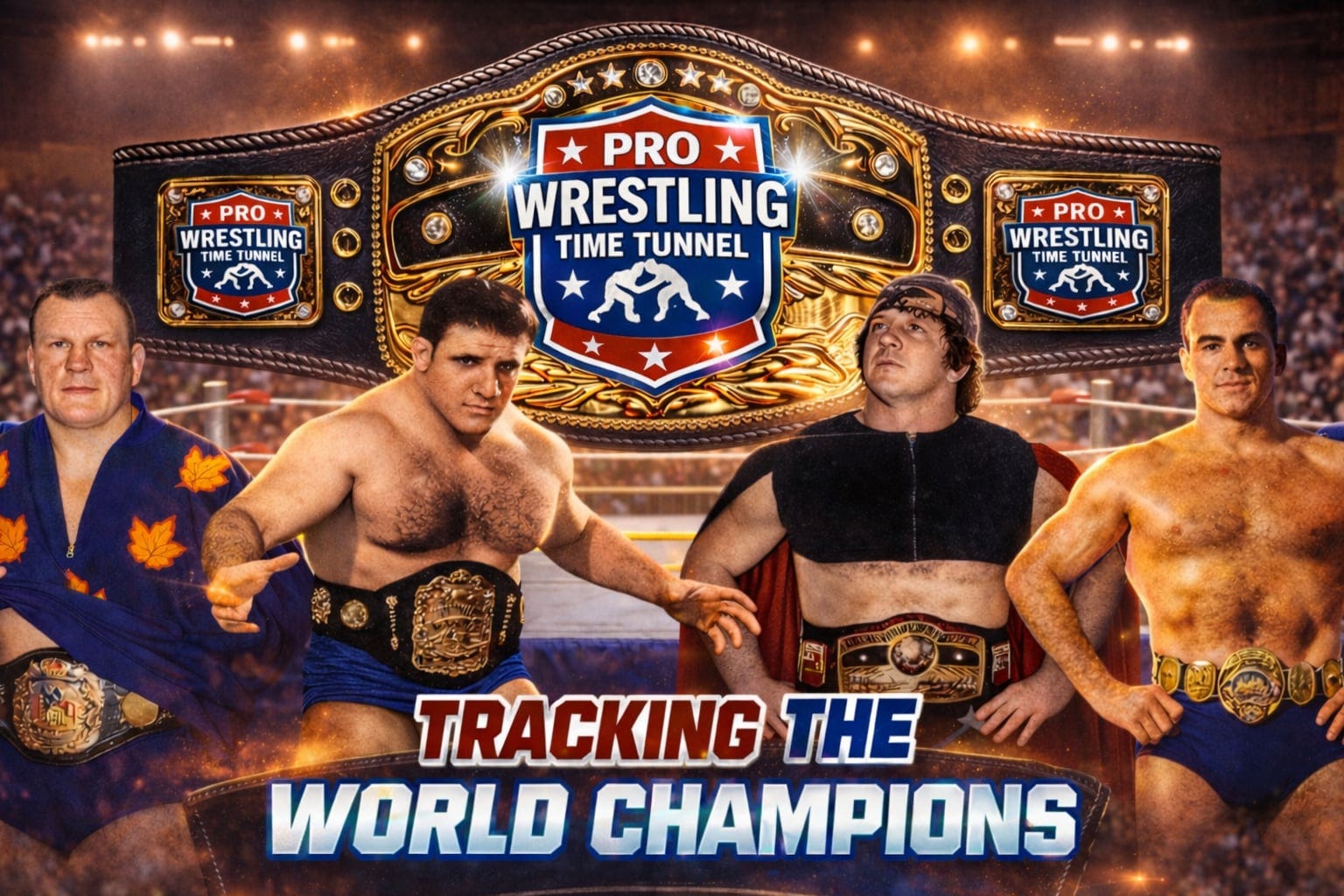
The Roots of Dave Levin
From a butcher shop worker and high school cross-country runner with no prior pro experience, he debuted in late 1934 and claimed versions of the World Heavyweight Championship by mid-1936—at just 23 years old, becoming one of the youngest recognized world champions of the era.
His story exemplifies the chaotic, fragmented world title landscape of the 1930s, where multiple promoters, state athletic commissions, and “trusts” (booking alliances) recognized competing claimants. Levin’s ascent blended genuine athletic talent, rapid in-ring development, shrewd management (notably by Jack Pfefer and later Toots Mondt), and opportunistic booking amid title splintering following the Dick Shikat “shoot” on Danno O’Mahony and subsequent disputes.
Before wrestling, Wenzel worked as a butcher in Jamaica, Queens—hence the ring name “Butcher Boy” or “Jamaica Butcher Boy.” He attended Bushwick High School, where he ran cross-country, and dreamed of becoming a firefighter (he reportedly passed the physical but failed the mental exam). He had some amateur wrestling exposure but was not a polished grappler when discovered.
The discovery story (per contemporary accounts) has a touch of wrestling lore: Mrs. Rose, wife of a local figure, spotted the athletic young man at a butcher shop while buying lamb chops and alerted her husband, Lloyd Rose. Levin was then funneled to promoter Jack Pfefer, who had him train at Bothner’s Gym under Herb Freeman and Bobby Managoff Sr. Pfefer quickly saw star potential, comparing him favorably to legends like George Hackenschmidt.
