



August 1976

August 1976 offers one of the clearest snapshots of the National Wrestling Alliance operating at the height of the territorial era while simultaneously entering its second year of fragmentation. In the terminology of the seven-stage model, this was Year Two, Month Eight of Stage 6: Fragmentation (1975–1985). The wrestling business was becoming increasingly divided into powerful regional promotions, each with its own stars, television programs, audiences and promotional identities. Yet the NWA World Heavyweight Championship still possessed the extraordinary ability to connect those territories.
No wrestler demonstrated that better in August 1976 than Terry Funk.
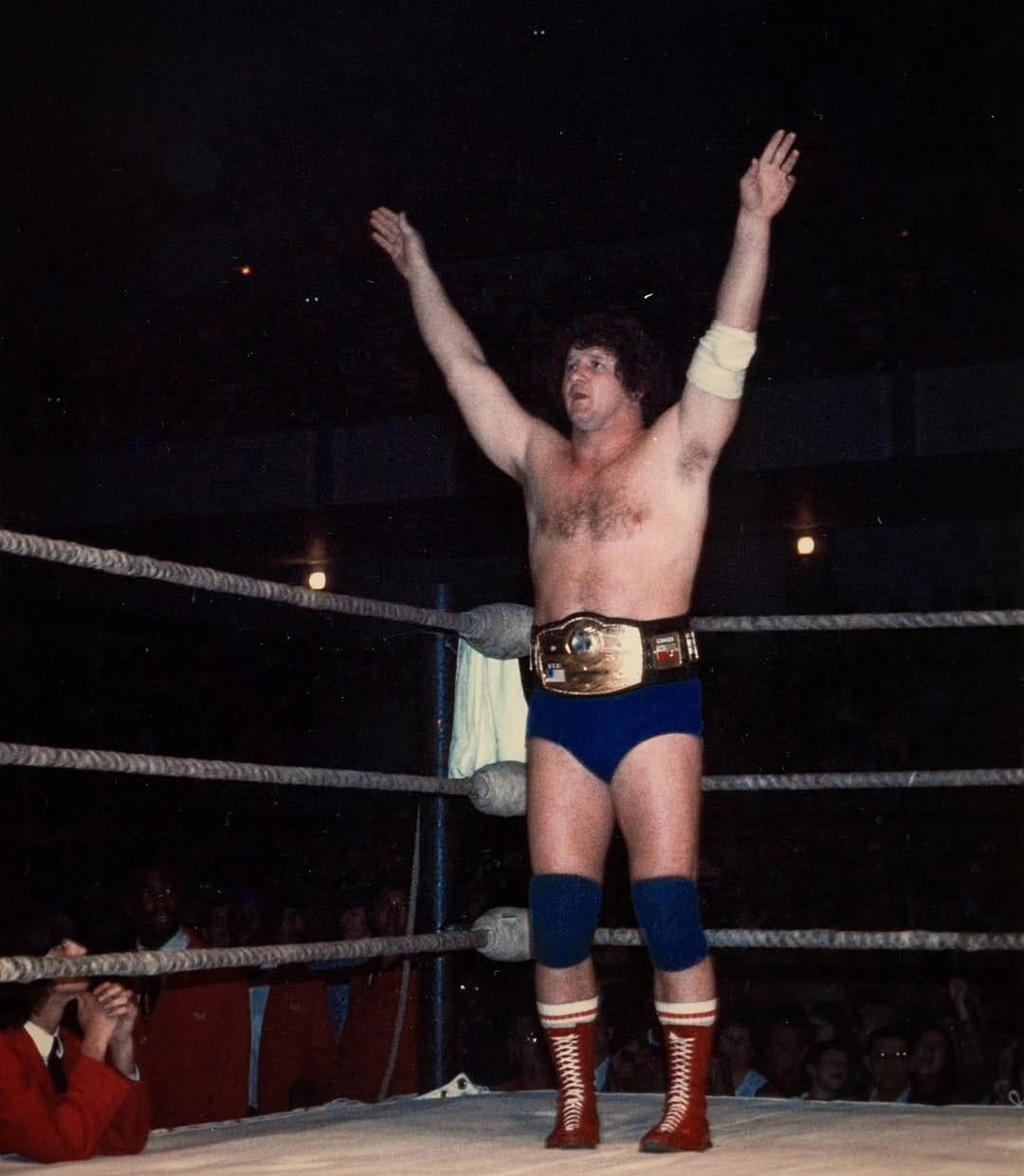
Funk had been NWA World Heavyweight Champion since December 10, 1975, when he defeated Jack Brisco in Miami. By August, his reign had become established enough that he was no longer simply the new champion being introduced to the wrestling world. He was the traveling representative of the NWA, carrying its most prestigious championship from territory to territory and defending it against the wrestler each market believed was capable of challenging for the world’s championship.
What makes August remarkable is the sheer variety of the territories Funk visited and, even more importantly, the thought that went into selecting his opponents. The challengers were not interchangeable. They were selected because they meant something in the particular markets in which Funk appeared. The month therefore becomes a remarkable demonstration of how the NWA World Championship worked in practice.
The champion traveled. The territories remained distinct. The local stars remained local stars. But the championship tied the entire system together.
The World Champion Goes on the Road: Central States
Funk opened the month in the Central States territory, working four dates from August 2 through August 5 in Wichita, Des Moines, Trenton, Missouri, and Kansas City. His opponents included Bob Brown and Harley Race.
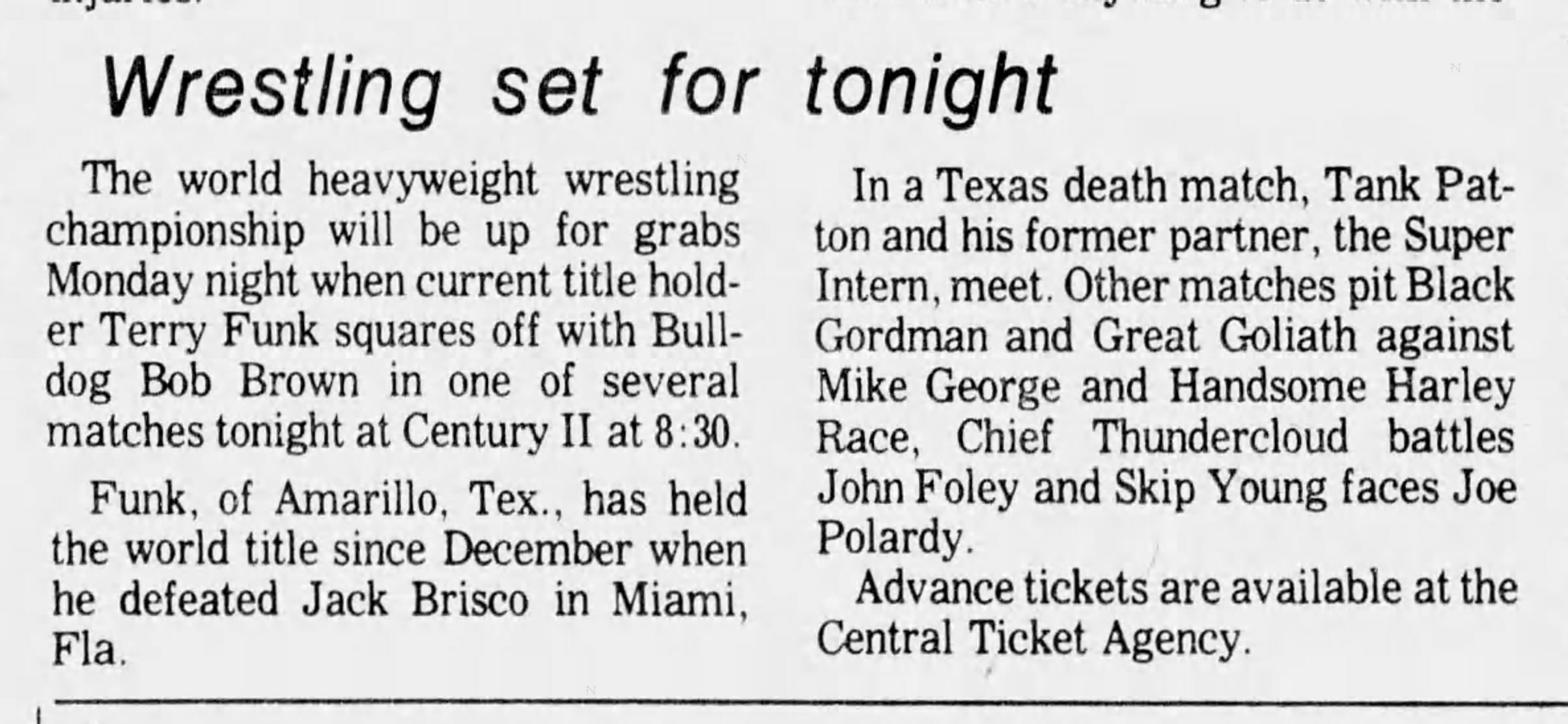
Pictured: August 2nd Wichita Beacon, Wichita, Kansas
Harley Race’s presence immediately gave the defenses additional significance. Race was not simply a prominent regional wrestler. He was one of the most important wrestlers in the NWA system and a former World Champion who would eventually become one of the defining champions of the territorial era.
