


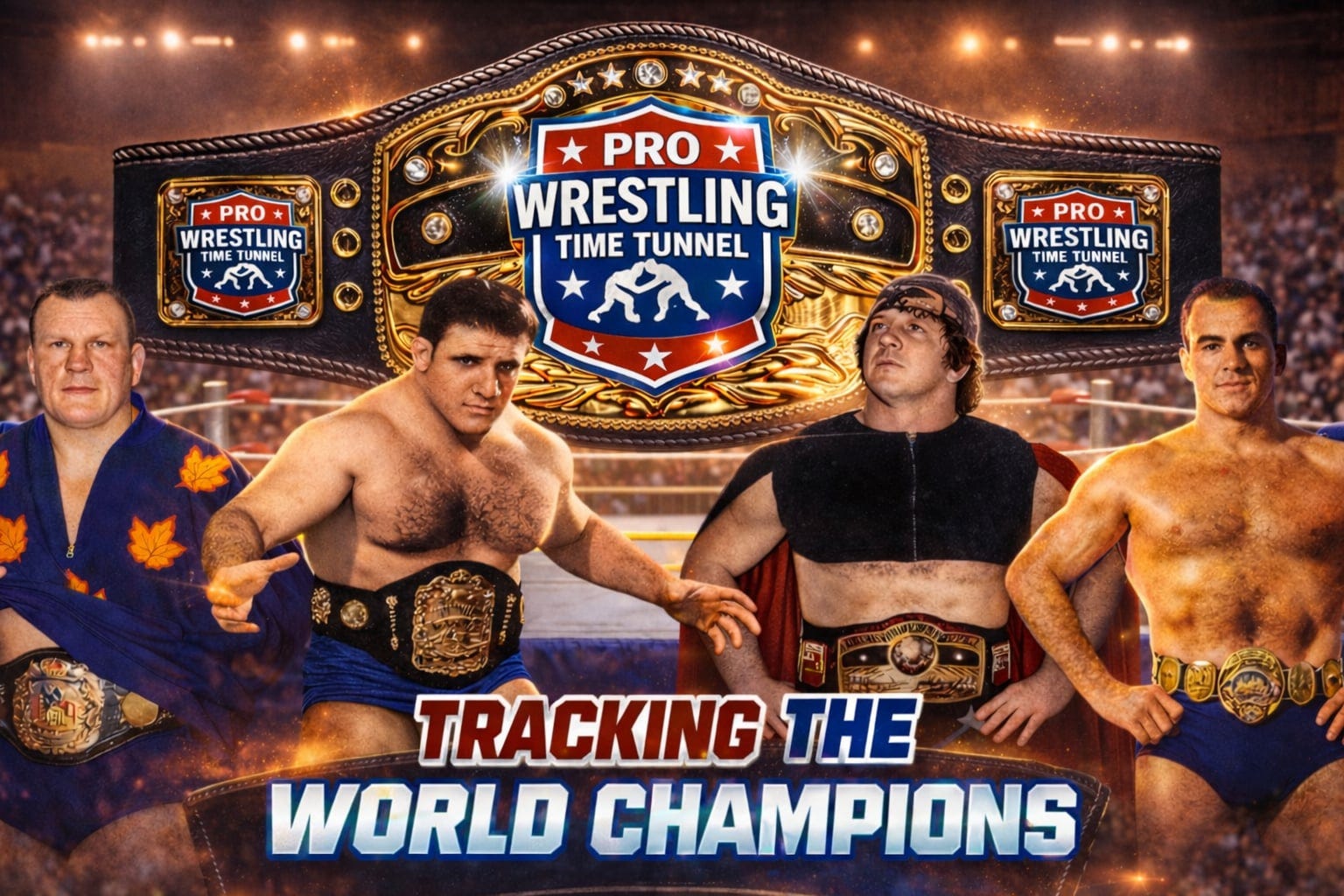
August 1966 in the Territory Era
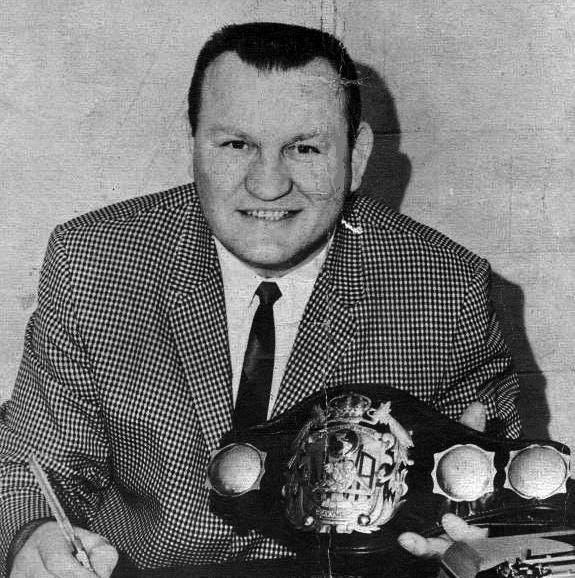
August 1966 provides one of the clearest snapshots of Gene Kiniski’s first NWA World Heavyweight Championship reign and, more broadly, of how the National Wrestling Alliance world championship functioned during the constant maturing and growth of the Territory Era.
August 1966 was month 8 of the second year of the strongest 10 year period in the territory era, Stage 5: Consolidation.
Kiniski had defeated Lou Thesz for the championship on January 7, 1966, at Kiel Auditorium in St. Louis before 11,612 fans, ending Thesz’s remarkable 1,079-day reign. Seven months later, Kiniski was no longer simply the new champion. He had become the traveling representative of the entire NWA system, moving from territory to territory, defending the championship against the most important local and regional stars, protecting the title while allowing those challengers to remain strong enough to generate additional business.
August was particularly revealing because Kiniski was not being used as a champion who simply appeared in one city and defended against the same challenger repeatedly. Instead, he was being circulated through several different wrestling markets. Florida, Texas and Indianapolis each used him differently. In Florida he was inserted into an already established group of major stars, including Eddie Graham and Lou Thesz. In Texas he became the outsider against the Von Erich family, creating one of the most logical and emotionally effective championship programs available to the Dallas and Houston offices. In Indianapolis he faced Dick the Bruiser, the WWA World Heavyweight Champion, in an interpromotional confrontation that symbolized the fragmented but still interconnected wrestling world of 1966.
This was the territorial system functioning exactly as its architects intended.
Kiniski entered August as a champion whose greatest asset was credibility. He was not presented as an unbeatable superhero. He was a massive, physical, technically competent heel who could lose a fall, be counted out, be disqualified, or wrestle to a time-limit draw without losing the championship. That distinction was essential. The NWA World Heavyweight Championship was not supposed to change hands every time the champion encountered a popular local challenger. The challenger’s objective was to prove that he could defeat the champion, while the champion’s objective was to survive, retain the title and move on to the next territory.
That formula allowed Kiniski to work an enormous number of different programs without exhausting any one market.
The First Florida Tour (August 1st-August 5th, 1966)
Kiniski opened August in Eddie Graham’s Championship Wrestling from Florida, one of the stronger NWA territories of the mid-1960s. Graham, a top babyface and eventual promoter, was the natural challenger, and Lou Thesz remained a major attraction even after losing the title.
