


In 1975, professional wrestling was firmly entrenched in the territory system. Regional promotions under the National Wrestling Alliance (NWA), along with the AWA and WWWF, operated as self-contained fiefdoms, each with its own champions, television shows, and house-show circuits. While singles competition revolved around individual world titles and long-term personal rivalries, tag team wrestling provided high-energy, multi-wrestler spectacle that often anchored cards and drew consistent crowds. Tag teams were not mere undercard filler; in many territories they were co-equal draws with singles stars, but their booking emphasized teamwork psychology, interference, and chaotic action in ways singles matches rarely did.
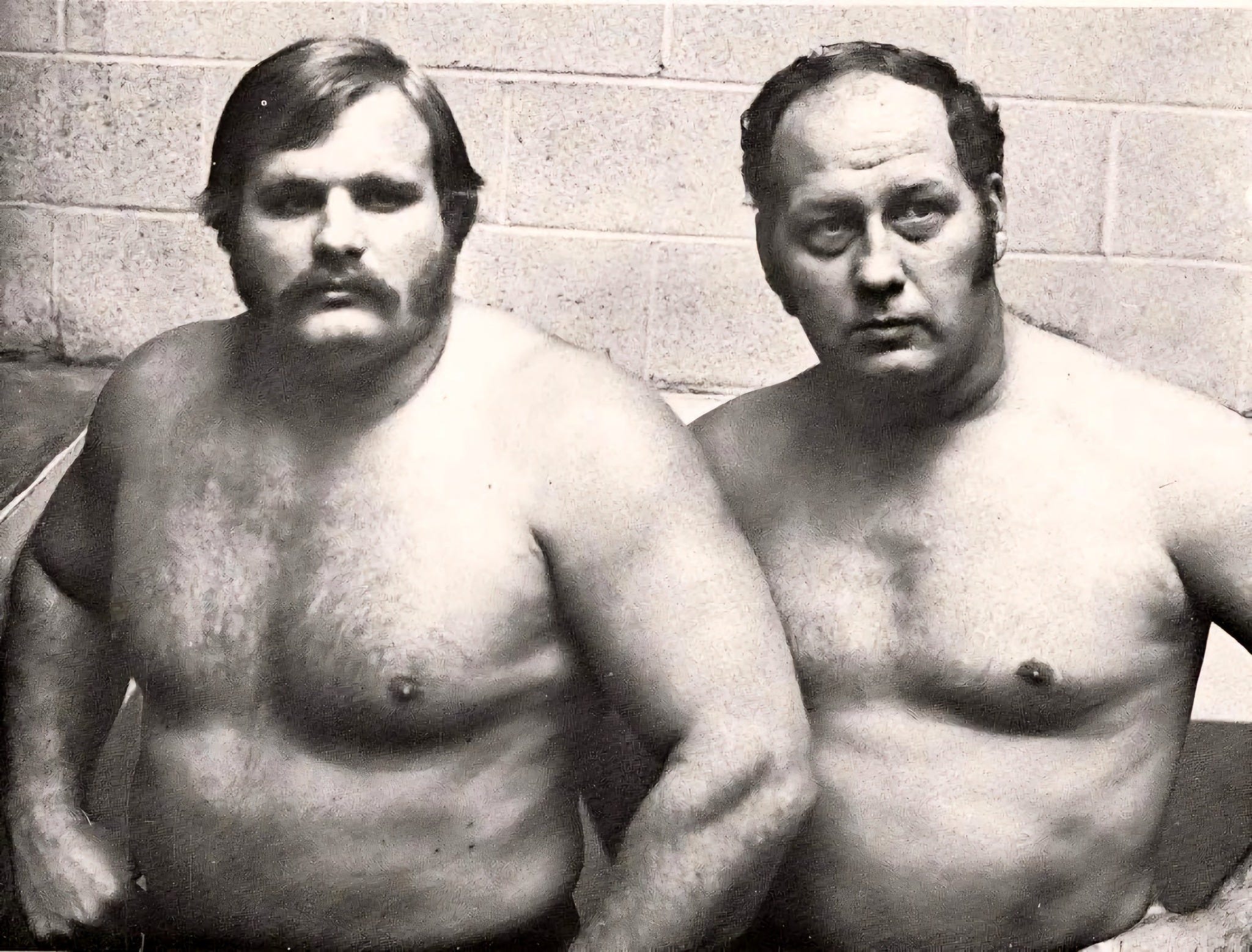
Tag team championships were ubiquitous and actively defended. In the NWA’s Mid-Atlantic territory (Jim Crockett Promotions), the Mid-Atlantic version of the NWA World Tag Team Championship—introduced as the first new “world” tag title in nearly a decade—emerged as the de facto undisputed NWA World Tag Team Championship by mid-1975. The Minnesota Wrecking Crew (Gene and Ole Anderson) captured the belts on June 11 in a high-profile television match from Paul Jones and Wahoo McDaniel, solidifying their role as dominant heel enforcers. The Andersons’ reign exemplified classic NWA tag booking: long, grinding programs built on double-team psychology, illegal switches, and heel heat that carried over into singles feuds when partners turned or challenged for the NWA World Heavyweight Title
