


Professional wrestling has always been a nomadic profession, but in the territorial era of the 1950s through the 1980s—and even into today’s independent scene—wrestlers lived life on the highway.
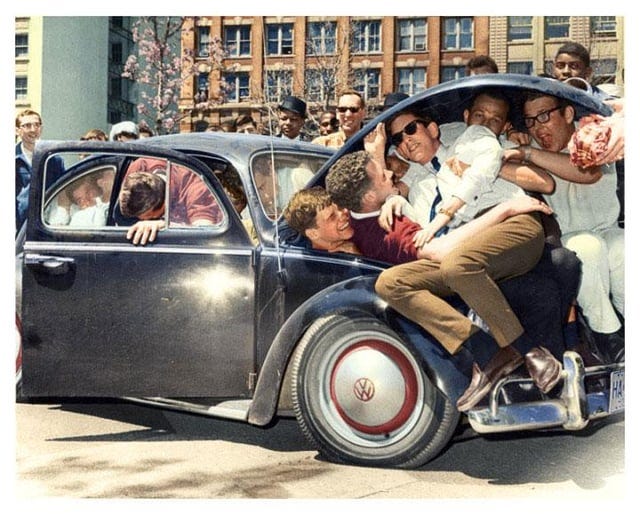
Before the 1980s national expansion era and the rise of commercial and private flights, performers drove hundreds of miles every night, often logging 2,000–3,000 miles per week. Matches typically ended around 11 p.m.; wrestlers would pile into cars or vans, grab a quick bite, and hit the road to the next town, arriving just in time for the following evening’s show. Sleep came in shifts, in the passenger seat, or not at all.
The physical and mental toll was staggering. After an hour of high-impact bumps, suplexes, and chair shots, bodies already ached. Adrenaline faded fast, replaced by exhaustion. Drowsy driving became the silent killer of the industry. Long hauls through rain, snow, or fog, combined with overcrowded vehicles and poor maintenance, turned every interstate into a potential death trap. The documentary 350 Days—named for the average time wrestlers spent away from home—captures this reality: “They wrestled every night of the week and twice on Sundays,” enduring loneliness, injuries, and fatigue that made the ring feel like the only relief.
The human cost is heartbreaking. Adrian Adonis died in a 1988 van crash in Newfoundland while traveling between shows. The Junkyard Dog perished in a 1998 automobile accident. Magnum T.A.’s 1986 wreck shattered his neck and ended a promising career. As recently as 2023, Jay Briscoe was killed in a car crash en route to an event. Lists of wrestling fatalities include dozens more names tied directly to road travel—proof that the miles were not just tiring but lethal.
