


The seven stages of the territory era and the NWA women’s championship are not separate histories that happen to share dates. They are the same system viewed from the men’s offices and from the women’s booking office. What the National Wrestling Alliance did with towns, television, and the world heavyweight title, Moolah did with girls, dates, and a strap that could be sold. Here’s my look at how the Women’s World Championship evolved through the 7 Stages of the Territory Era and how it fits within the story of The Evolution of Pro Wrestling!
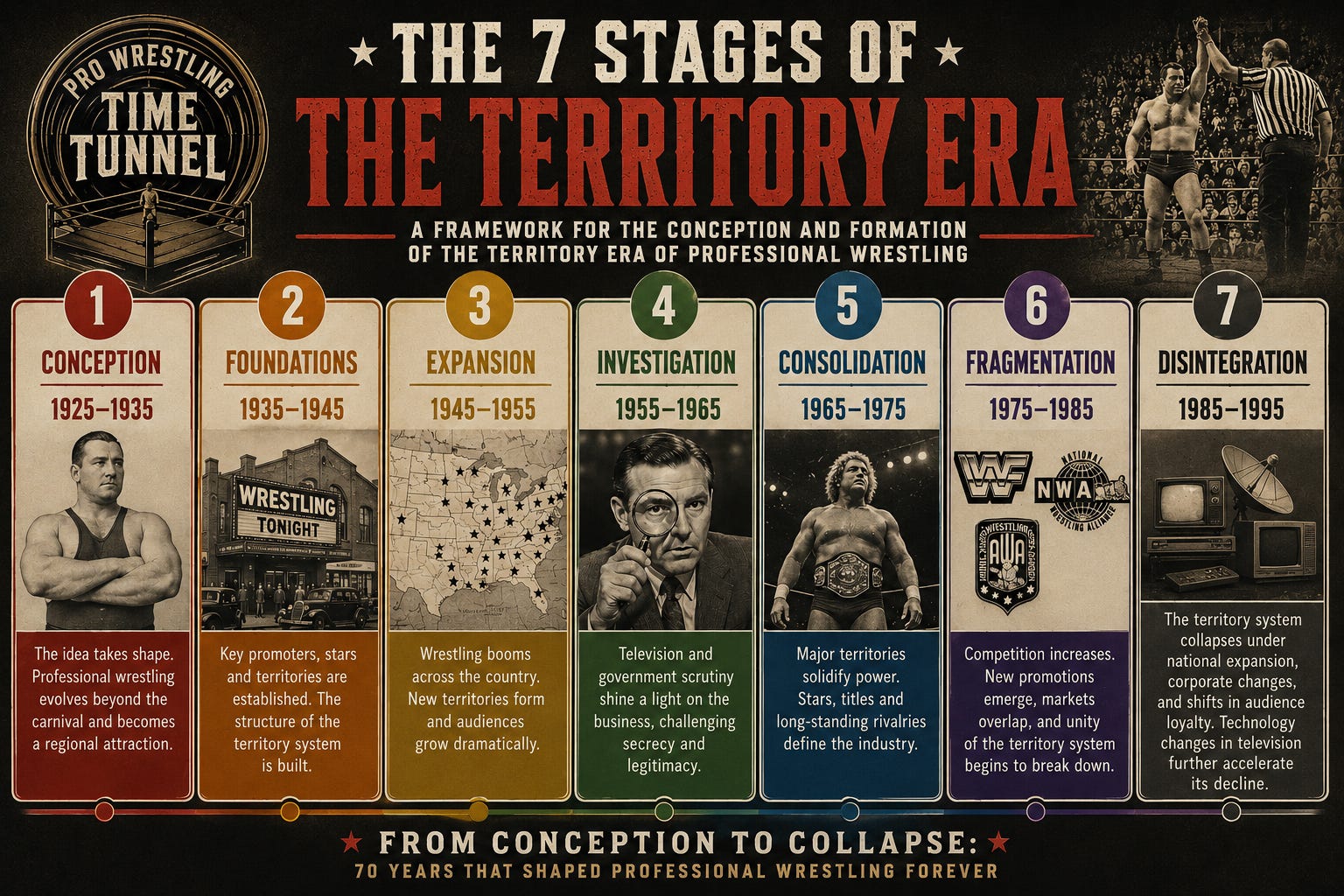
Stage One: Conception (1925–1935)
Women’s parallel: A world title before there was an Alliance
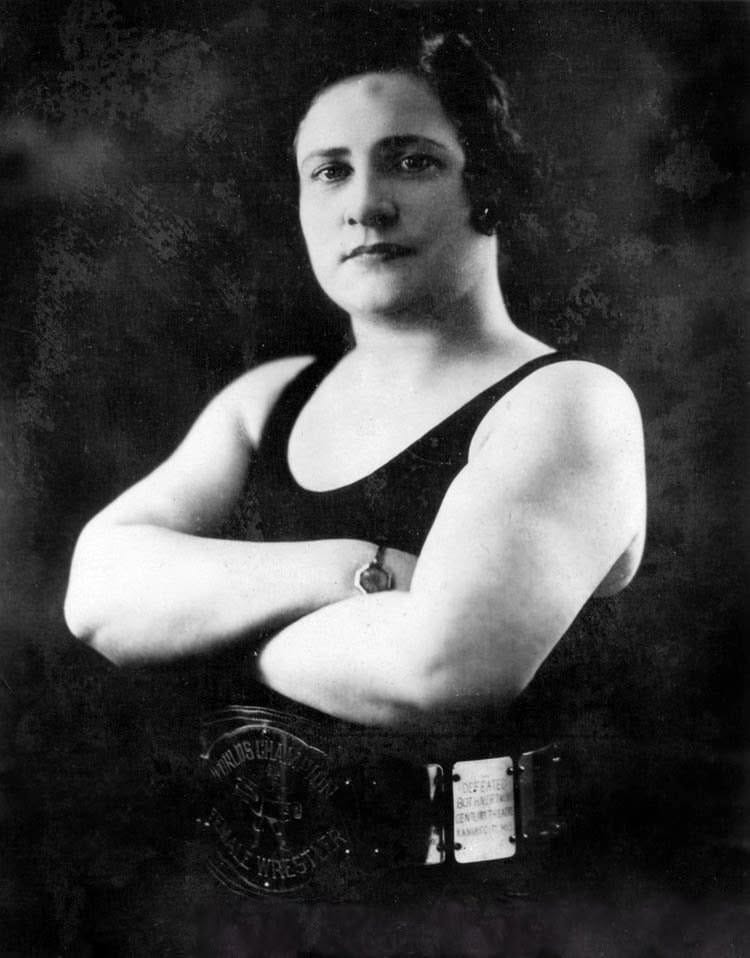
Pictured: Cora Livingston
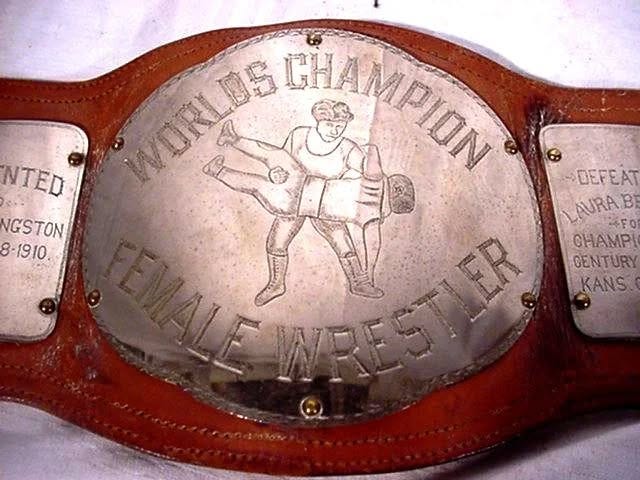
Pictured: The main plate of the Women’s World Title Belt
Conception is the decade when carnival attractions hardened into regional offices. Promoters learned that a town could be owned, a roster could be repeated, and a champion could make Friday night feel like an institution. Women’s wrestling was in the same laboratory. Mildred Burke rose in the 1930s under Billy Wolfe and became proof that a woman could draw like a territorial ace. There was not yet an NWA women’s championship, but the idea was already there: one recognized queen, traveling claims, and a booker who treated the girls as a portable circuit. The seed of later monopoly was planted beside the seed of the territory map.
Stage Two: Formation (1935–1945)
Women’s parallel: Professionalizing the women’s circuit
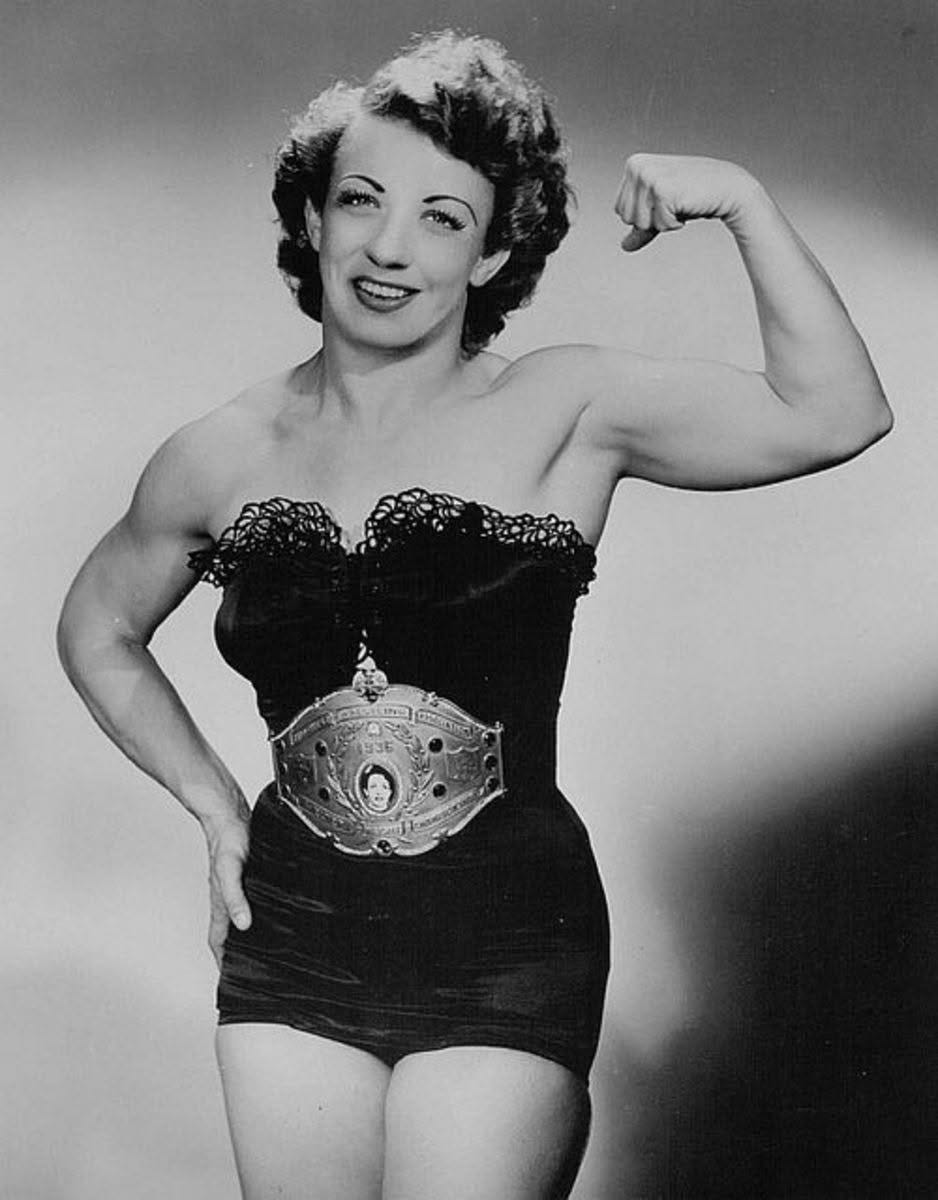
Pictured: Mildred Burke
Formation is Depression and war, when offices drew borders and built booking networks that could survive hard times. Wolfe’s women’s troupe formed in the same weather. Championships became recognized claims rather than carnival banners. Personalities were built to carry a territory week after week. Burke was the drawing card; Wolfe was the office. The later disaster of Atlanta was already encoded in that marriage of champion and booker. When the man who owned the dates also owned the champion’s life, a title change would never be only a match.
