


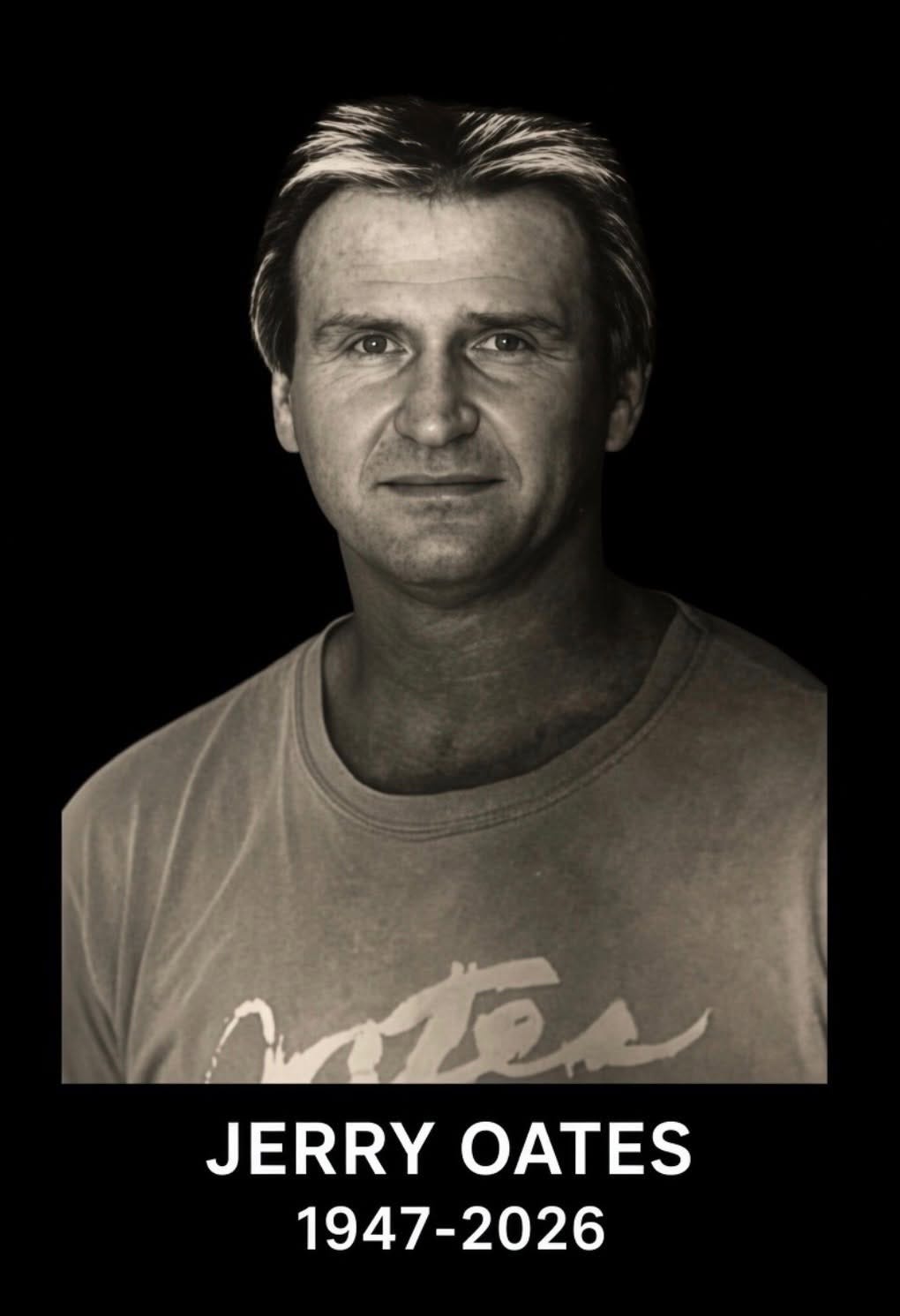
Jerry Wayne Oates lived a life that never strayed far from work, physicality, and Columbus, Georgia. He was born there on September 5, 1947, the son of James and Ermine Oates, and he died there on September 4, 2026, one day short of his seventy-ninth birthday. In the years between, he became one of the last durable figures of the National Wrestling Alliance’s territorial era: a tall, technically sound babyface who could travel, hold titles, sell a town, and then come home to run a gym, train the next generation, and later put on a badge.
Oates was billed at six feet four and a little more than 250 pounds. In the ring he was not a cartoon strongman or a talker first. He was a technician. His signature work included the spinning toe hold and the brainbuster, holds that rewarded timing more than spectacle. That style suited the world he entered. In 1970 the American wrestling business was still a map of fiefdoms. Promoters guarded territories. Wrestlers lived out of cars and motel rooms. A man who could work, take care of the local star, and get over with crowds without burning a town had a living.
Jerry Oates was the kind of professional wrestler whose career tells the story of an era. He was never dependent upon national television exposure, a carefully manufactured superstar persona, or a single promotion to establish his reputation. Instead, Oates built his career the old-fashioned way—one territory, one town, one opponent, and one match at a time. He was a technically sound, physically tough and dependable wrestler who could work as either a singles competitor or tag team wrestler, could function as a babyface or heel, and could step into a new territory and immediately become a credible performer.
For more than four decades, Oates remained connected to professional wrestling. He wrestled throughout the great territorial era of the 1970s and 1980s, traveled extensively throughout the United States, made eight tours of Japan, primarily with All Japan Pro Wrestling, became a champion in several important territories, promoted wrestling, operated a respected gym, trained younger wrestlers and continued performing well into the modern independent era. His career ultimately stretched from 1970 to 2010.
When Jerry Oates died on September 4, 2026, one day before his seventy-ninth birthday, professional wrestling lost one of the last genuine links to the territorial system. His significance was not simply measured by the championships he won. It was measured by the number of wrestling worlds in which he was trusted to perform and, later, by the number of wrestlers whose careers he helped shape.
His growing Up in Columbus, Georgia was key because professional wrestling was already an important part of his life before he ever entered the ring. Like many future wrestlers of his generation, Oates grew up watching live wrestling and developed an appreciation for the business long before he understood that he might eventually become part of it. Columbus was particularly important to his development because wrestling was a regular part of the local sporting culture. Oates later recalled that his family attended wrestling matches in Columbus on a weekly basis. Those experiences gave him something that cannot be learned from a book: an understanding of how a territorial wrestling audience reacted to wrestlers, personalities, entrances, interviews, rivalries and finishes.
He learned the trade from Milo Steinborn and Milo’s son Dick Steinborn, who was also Oates’s brother-in-law. His sister married professional wrestler Dick Steinborn, and Steinborn became Jerry’s mentor. Oates was trained by Dick Steinborn and Steinborn’s father, Milo. The training was not easy, and Oates later acknowledged that it was considerably more difficult than he had imagined. The Steinborns belonged to an older strain of the business, the kind that treated wrestling as a craft rather than a television product. Milo would also influence Jerry beyond wrestling, as he was the local promoter for Orlando, Florida and the owner of a private gym there. Dick Steinborn was a legitimate veteran of the business, and training under him meant that Oates learned wrestling from people who understood the physical and psychological fundamentals of the territorial system.
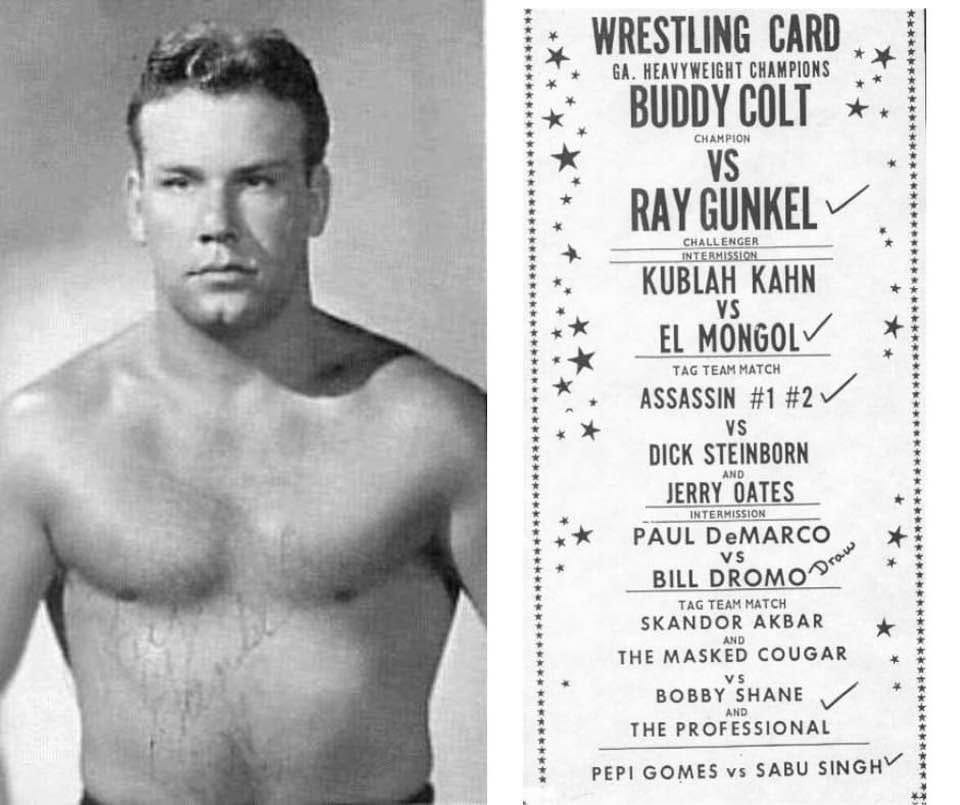
Pictured: Jerry’s very first time to wrestle in Atlanta, Georgia with his trainer as his tag partner Dickie Steinbirn taking on possibly the greatest team in Georgia History, The Original Assassins (Hailton\Renesto)_
Oates made his professional debut on June 16, 1970, in the National Wrestling Alliance’s Tampa, Florida territory, Championship Wrestling from Florida, losing to Duke Keomuka. It was an unglamorous beginning and a typical one. Within months he was bouncing between Tampa and ABC Booking in Atlanta, then into Gulf Coast Championship Wrestling based in Mobile, Alabama, working the tri-state circuit that fed small buildings across Alabama, Florida, and Mississippi.
The early 1970s were a period of constant motion. He wrestled for Gulas-Welch Wrestling Enterprises and the Tennessee Territory based in Nashville, LeRoy McGuirk’s Tri-State Wrestling, based in Tulsa, Oklahoma and Ann Gunkel’s All-South Wrestling Alliance, the opposition to the NWA in Georgia.
During this time in Georgia in 1973, Jerry formed a tag team with a young, Norvell Austin. Austin, two years into the business and coming off his pioneering mixed-race heel run with Sputnik Monroe, was a quicker, more explosive 5-foot-10 worker who had just captured the NWA Mississippi Heavyweight title that October. In an era when promoters mixed and matched talent night to night, the two were paired in tag matches more than once that year—Oates providing the size, leverage, and spinning toe hold, Austin bringing speed, diving headbutts, and the kind of fire that made crowds take notice.
Their pairing never became a headline act like the Oates Brothers or Austin’s later Midnight Express and Pretty Young Things runs. It was typical territorial work: two reliable hands thrown together against the likes of the Fullers, local heels, or visiting veterans on cards that rarely made the national magazines. What it showed was Oates’ early versatility. Even as a young babyface still finding his footing, he could work with a Black partner at a time when Southern bookers were still cautious about those combinations. Austin, already known for breaking barriers, got a big, skilled teammate who could control the pace and sell the heat. Those 1973 tags were short-lived and lightly documented, but they fit the pattern of Oates’ career—showing up, getting the job done, and leaving an impression on the people who saw him in person.
Jerry’s Marriage To Kathy Newman
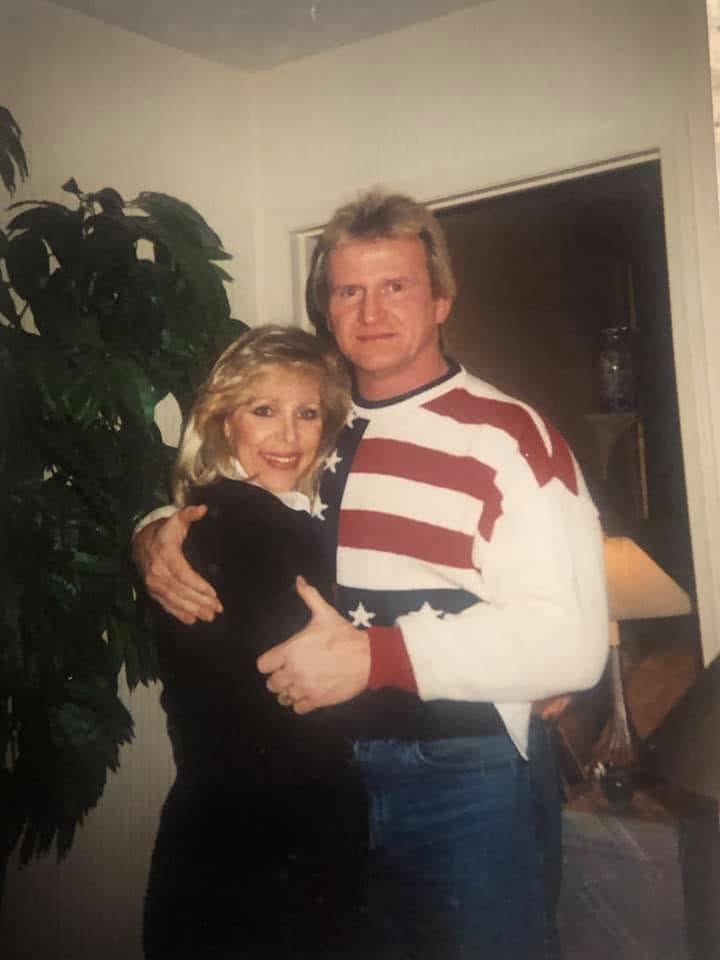
An important chapter in Jerry Oates’ personal life began in the early 1970s, when he met Kathryn Newman, the woman who would become his wife and lifelong partner. Known affectionately as Kathy, Kathryn was raised in Savannah, Georgia, and was the daughter of Aaron K. Newman Sr., a longtime wrestling promoter whose operations extended throughout southeastern Georgia. Jerry and Kathy married around 1973, beginning a relationship that would last more than four decades.
The marriage connected Oates to another important Georgia wrestling family. Aaron Newman promoted wrestling in Savannah, Statesboro, Baxley, and other smaller markets, operating within the regional network that helped sustain professional wrestling throughout Georgia. His position as a local promoter placed him among the people who helped bring wrestling to audiences outside the major Atlanta and Columbus markets. For Jerry, marrying Kathy meant becoming part of a family that was already deeply involved in the wrestling business.
A colorful story about the early days of Jerry and Kathy’s relationship was recalled years later by Rocket Monroe, a longtime friend and fellow wrestler. According to Monroe’s account and re-told by Bobby Simmons on the Pro Wrestling Time Tunnel History Show, the two were beginning to date when they were in Statesboro, Georgia, for a wrestling event. Aaron Newman was apparently not enthusiastic about his daughter dating a professional wrestler. On that evening, Newman confronted Jerry beneath the bleachers. Monroe recalled that the older promoter, who smoked a pipe, removed it from his mouth and placed it in his shirt pocket before squaring up as though he intended to fight Oates. Jerry, understandably, attempted to calm the situation rather than turn a family disagreement into a physical confrontation. The story offers a humorous glimpse into the protective father’s reaction to his daughter’s romance with a professional wrestler, while also illustrating how closely the personal and professional worlds overlapped in the territorial business.
Oates’ family connections in Georgia extended beyond the Newman family. His brother and tag team partner Ted was married to Ralph Freed’s daughter, Missy. Freed was one of the sons-in-law of the Columbus Promoter, Fred Ward and those relationships would become relevant as the Georgia wrestling landscape evolved. In later recollections, Jerry acknowledged that his family ties to both Ward’s Columbus operation and Newman’s Savannah territory sometimes complicated his position within the broader Georgia wrestling structure. He believed that those connections may have limited the opportunities he received under Jim Barnett, whose influence in Georgia grew substantially during the 1970s.

Kathy Newman Oates, like her husband Jerry was also a phenomenal athlete as an accomplished ice skater and also shared Jerry’s passion for fitness and kept herself in amazing physical condition, right up to her passing in the Summer of 2019. Besides the Oates Gym she co-owned with Jerry, she performed for several years with the Holiday on Ice Skating Show, a well-known touring ice production.
1974 started off well for Jerry working in Big Time Wrestling in the Dallas, Texas booking office. Jerry debuted there in the Northside Coliseum in Fort Worth on New Year’s Eve at the end of 1973 defeating Blackjack Slade and working for booker Leo Garibaldi. Oates always praised Garibaldi as perhaps the best and smartes pro wrestling booker he ever worked with in a territory.
He worked the loop, Fort Worth on Monday, the Sportatorium in Dallas on Tuesday, San Antonio on Wednesday, Corpus Christ on Thursday and the famous Sam Houston Coliseum in houston on Friday nights. Garibaldi pushed Oates well giving him wins over Slade, time limit draws with Bob Orton, Jr, wins over both Blackjacks, Mulligan and Lanza in singles matches in Dallas, he was put over both Tiger Conway, Sr and Apache Bull Ramos in Houston as well as The Great Mephisto (Frankie Caine) and Professor Dale Lewis. Bubt by April, he was in a tag team with Bob Roop and his wins were becoming time limit draws and losses. Oates later reflected that Garibaldi apologized for putting him over too fast in the territory and getting the message from Fritz Von Erich (Jack Adkisson) to stop the push. April Fools Day was his last match in the Dallas territory as Jerry packed his bags and headed back for home.
His first championship arrived in his home town. In June 1974 he defeated Bob Sweetan for the NWA Columbus Heavyweight Championship and held it nearly three months before dropping it to Harley Race at the end of August at the building where he attended wrestling matches as a fan, the Municipal Auditorium in Columbus, Georgia. Through the Summer of 1974, Oates had also worked with the Garvin Brothers, who were the hot act in Georgia during this time, as Jim Barnett was putting the pressure on with his booker at the time, Harley Race, to end the Georgia Wrestling War by the end of 1974.
Oates worked the Georgia territory through the Summer of 1974, finishing up there on an Omni Show in Atlanta on September 20th, 1974 putting over Tom Jones on his way out of town to Missouri.
The Central States Years
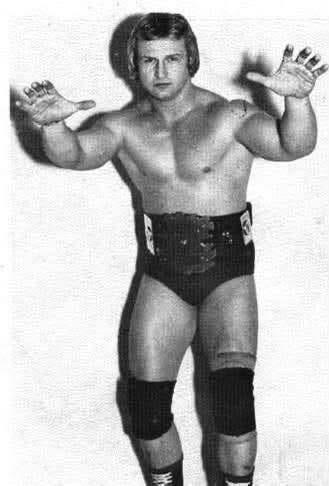
One of the first major territories in which Oates established himself was Central States Wrestling.
Here he found his first real run of gold. In January 1975 he and Mike George won the Central States version of the NWA World Tag Team Championship from The Interns. A month later Oates captured the NWA Central States Heavyweight Championship from Terry Martin (Romeo Cormier), briefly holding singles and tag gold at the same time. He later recaptured the tag titles with his younger brother Ted and they had sensational matches, including several time limit broadways, against both Cormier Brothers (Leonce working as Tommy Martin and Romeo Cormier working as Terry Martin)..
What made Oates valuable was his versatility.
He was not simply a tag team wrestler, even though some of his greatest accomplishments came in tag competition. He could work singles matches against established stars, wrestle technically oriented opponents, work a rugged brawl when necessary and function effectively in longer television matches.
His primary finishing hold was the spinning toe hold, a move that immediately connected him to the traditional wrestling style of the era. The move was especially appropriate for a wrestler who emphasized control, fundamentals and ring psychology rather than spectacular athleticism.
Oates became one of those wrestlers promoters could depend upon.
That quality is sometimes overlooked when modern fans evaluate wrestlers from the territorial period. A territory needed wrestlers who could do more than have one spectacular match. They needed performers who could wrestle several nights a week, travel hundreds of miles, work television, help establish younger wrestlers, work different opponents and maintain the illusion that the matches were part of an ongoing competitive world. The Kansas City territory produced a hard-edged working class type of Midwestern product.
Jerry Oates fit that description perfectly.
In Central States, Oates began demonstrating that he was capable of succeeding as both a singles wrestler and tag team competitor. He captured the Central States Tag Team Championship with Mike George in January 1975, defeating The Interns. Only a few weeks later, in February, Oates defeated Terry Martin to win the Central States Heavyweight Championship.
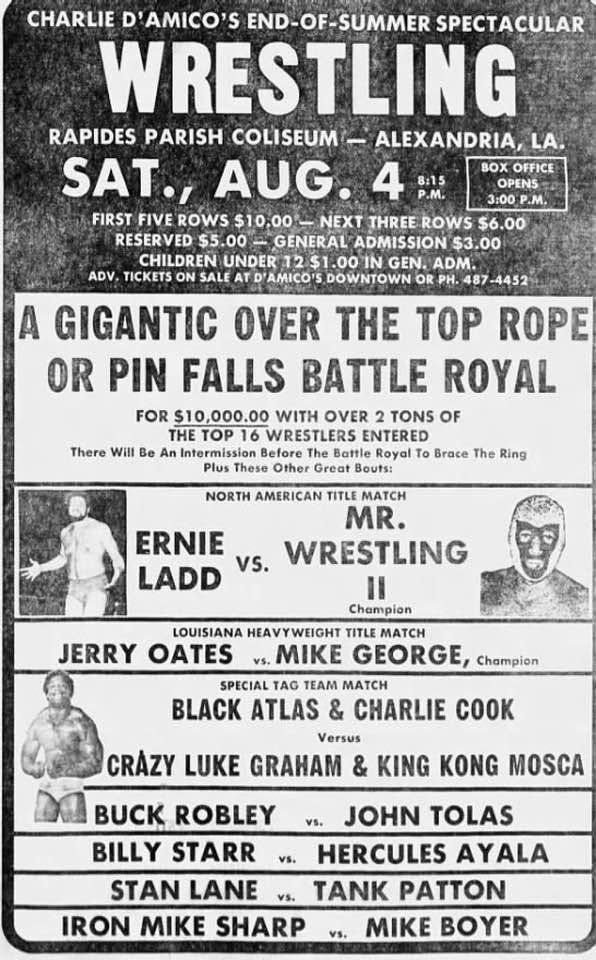
Pictured: Jerry was proud of this card, he got to wrestle his dear friend, Mike George when Jerry held the NWA Louisiana Heavyweight Title
Those accomplishments were significant because Central States was not merely a developmental territory. It was an important wrestling region with its own established stars, promoters and championship structure. Oates’ success there established him as more than a regional supporting wrestler. He could be trusted with a singles championship. He could also work as one-half of a major tag team.
Later in 1975, he returned to the tag ranks with his brother Ted. That partnership would become one of the defining features of his career.
The Tag Team with Mike George
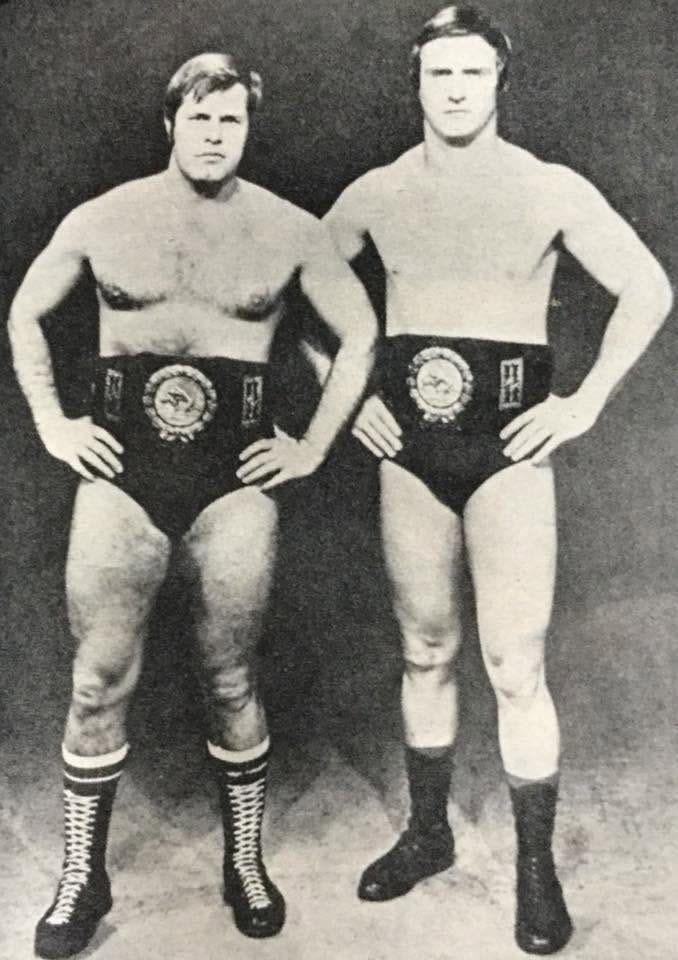
Pictured: Jerry’s first NWA World Tag Team Partner in Central States, Mike George
Mike George played an important role in Jerry Oates’ successful run in the Kansas City territory in the mid-1970s. Oates arrived in the area in September 1974. By January 1975 he was teaming with George, a well-established local babyface and former Central States Heavyweight Champion. Together they defeated The Interns to win the Central States version of the NWA World Tag Team Championship. That title win immediately put Oates in the main-event picture and helped him get over with Kansas City fans who already knew and trusted George.
The partnership also created a strong foundation for Oates’ singles work. A month after winning the tag titles, Oates captured the NWA Central States Heavyweight Championship. Teaming with a respected hometown wrestler like George gave him credibility as both a tag-team and singles star in a territory that valued reliable, athletic babyfaces. Their time together as champions was relatively short, but it marked one of the high points of Oates’ stay in Kansas City and showed how pairing a newcomer with a proven local talent could quickly elevate both men. They later worked together again in other territories, including NWA Tri-State.
Central States booker, Bob Geigel used George as an important bridge for Jerry’s run on top in the Kansas City territory. Ted Oates was embroiled in a hot program with Wayne Keown (Dirty Dutch Mantell) for Gunkel’s All South Wrestling and neither Geilge nor Tom Renesto, the booker at the time for All South wanted to hold either brother back. Once the run with Mantell was over in Georgia, Ted could move to Central States and the territory would get a healthy dose of the Oates Brothers team. According to Jerry, while he was in Central States, booker and NWA member Bob Geigel told Jerry in confidence that he was going to try to get the Championship Committee to consider Jerry for the transitional Champion spot to move the title from one wrestler to another. The NWA world Title reign never transpired, but Jerry noted it did amazing wonders for his confidence in the ring that he would be considered for the boggest prize in wrestling.
The Oates Brothers
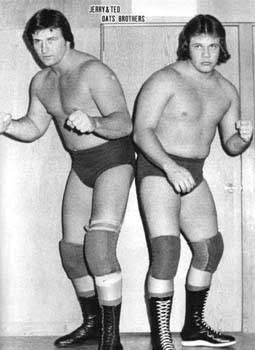
Jerry and Ted Oates became one of the more successful brother combinations of the territorial era.
They were not a gimmick team in the sense of having to depend upon elaborate costumes or a cartoonish identity. Their strength was that they were believable as brothers and experienced wrestlers who understood tag-team wrestling.
That authenticity mattered.
The territorial tag-team system was built around teams that audiences could see repeatedly. A successful team needed to have identifiable strengths, complementary styles and the ability to work long programs with multiple opponents.
Jerry and Ted Oates developed that reputation.
Once Ted’s program with Wayne Keown (Dirty Dutch Mantell) came to an end in Georgia for Gunkel’s All South Wrestling, he arrived in Central States in early 1975 and was not initally too happy with not being able to team with Jerry right away. Jerry and Mike George were the tag champs when Ted arrived and had a long established program with The Interns and Dr. Ken Ramey that needed to play out, as it was drawing significant money for the office. Significant money for the standards of the Kansas City office at the time.
Once Ted was willing to listen to his brother Jerry about being patient and waiting his turn, the time finally arrived when the program with the Interns ended in a series of Loser Leaves Town matches around the loop forcing the lead heel team out of town. Jerry resumed his singles matched being the NWA Central States Champion against Bulldog Bob Brown and other regular challengers, while the Oates Brothers team was being eased into action.
They won the Central States Tag Team Championship (which were promoted as the NWA World Tag Titles at the time) together in Wichita, Kansas on May 28th, 1975 and returned to the championship picture repeatedly over the years. There were amazing matches with Yasu Fuji and Oki Shikina, The Martin Brothers (Cormier Brothers) as well as singles matches in the mix. Jerry often talked about how smooth the Cormier brothers were in the ring, and they were calling spots to each other in French, that neither the crowd could pick up on and that he and Ted could understand. He said the mixture of the two brothers teams was magic in the ring during their series togther.
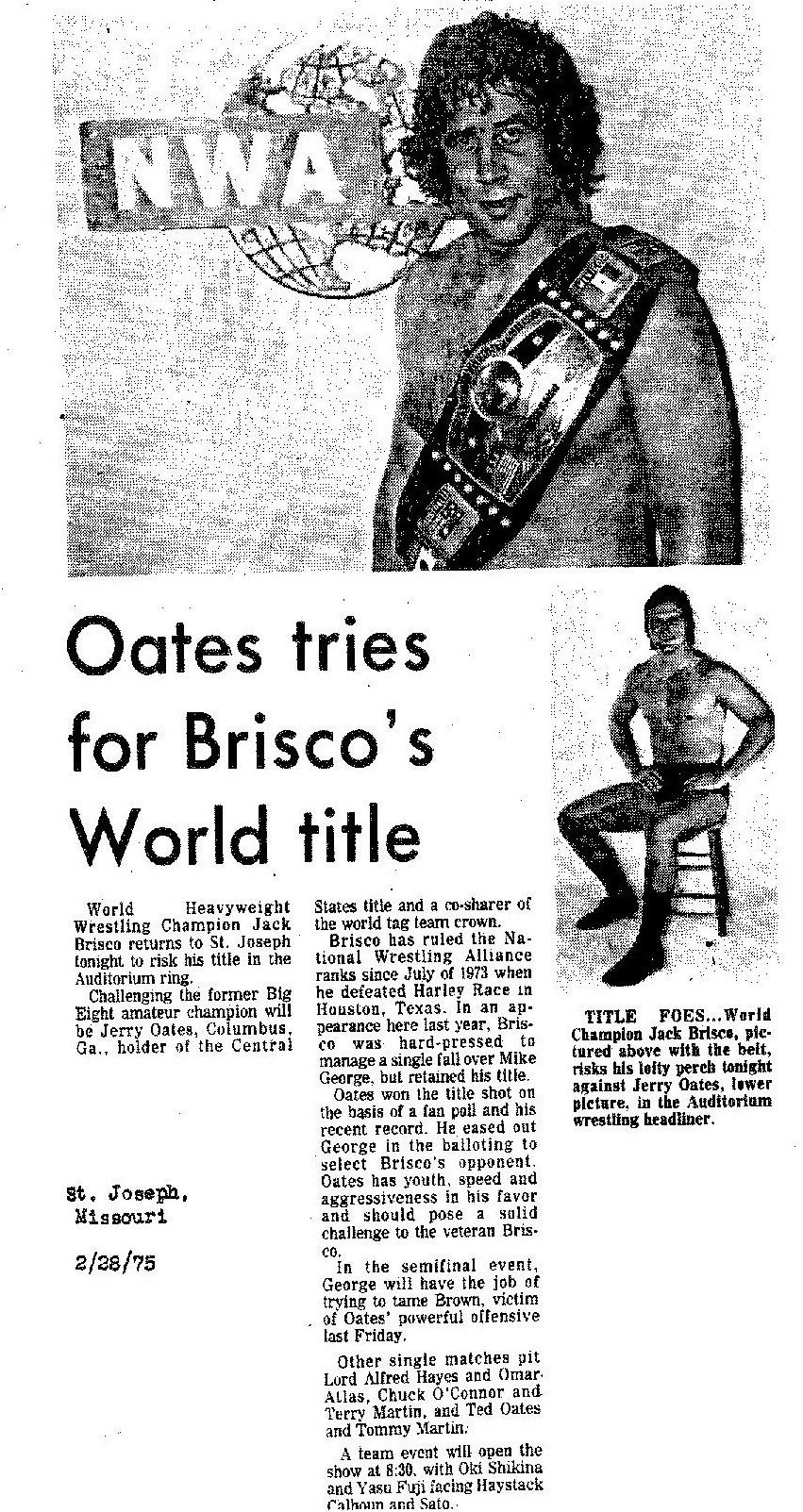
Jerry’s same 1975 Central States run produced his most prominent singles program in the territory. He won the NWA Central States Heavyweight Championship from Terry Martin on February 7 in St. Joseph and defended it for 113 days against Bob Brown, Lord Alfred Hayes, and others. The defining feud was with hometown heel Ed Wiskoski, a 6-foot-3 St. Joseph native who would later become better known as Colonel DeBeers. The two met repeatedly across Kansas and Missouri, including a two-out-of-three-falls title defense Oates won in St. Joseph on May 2. Three weeks later, on May 31 in Kansas City, Wiskoski took the belt. It was the biggest program in the territory that year: the tall, technical Georgia babyface against the powerful local villain, drawing strong houses as they worked the title back and forth through the spring.
The Oates Brothers and The Outlaws—Ron Bass and Dutch Mantell—collided over the Central States version of the NWA World Tag Team Championship in late 1975. After Jerry and Ted had already held those belts earlier that spring, they dropped them to the cowboy-themed heel team around November. The Outlaws were a natural contrast: Bass the bigger, brawling presence and Mantell the craftier, more talkative partner, working a rough, rule-breaking style that played well against the Oates’ cleaner, brotherly teamwork and Jerry’s spinning toe hold. The program ran through the usual Kansas-Missouri-Iowa loop, with title matches and non-title brawls in Kansas City, Wichita, and St. Joseph that gave local fans a clear babyface-versus-heel story.
The tag team belts changed hands more than once in that stretch. Some records show the Oates Brothers recapturing them from Bass and Mantell in January 1976 before the titles moved on to Bob Geigel and Akio Sato. Exact dates vary across sources, which is common for mid-1970s house-show territories, but the pattern is consistent: two credible teams trading wins and heat through the winter. By early 1976 the Oates were moving on after losing a few Loser Leaves Town matches, while The Outlaws continued working the territory.
Returning to Georgia
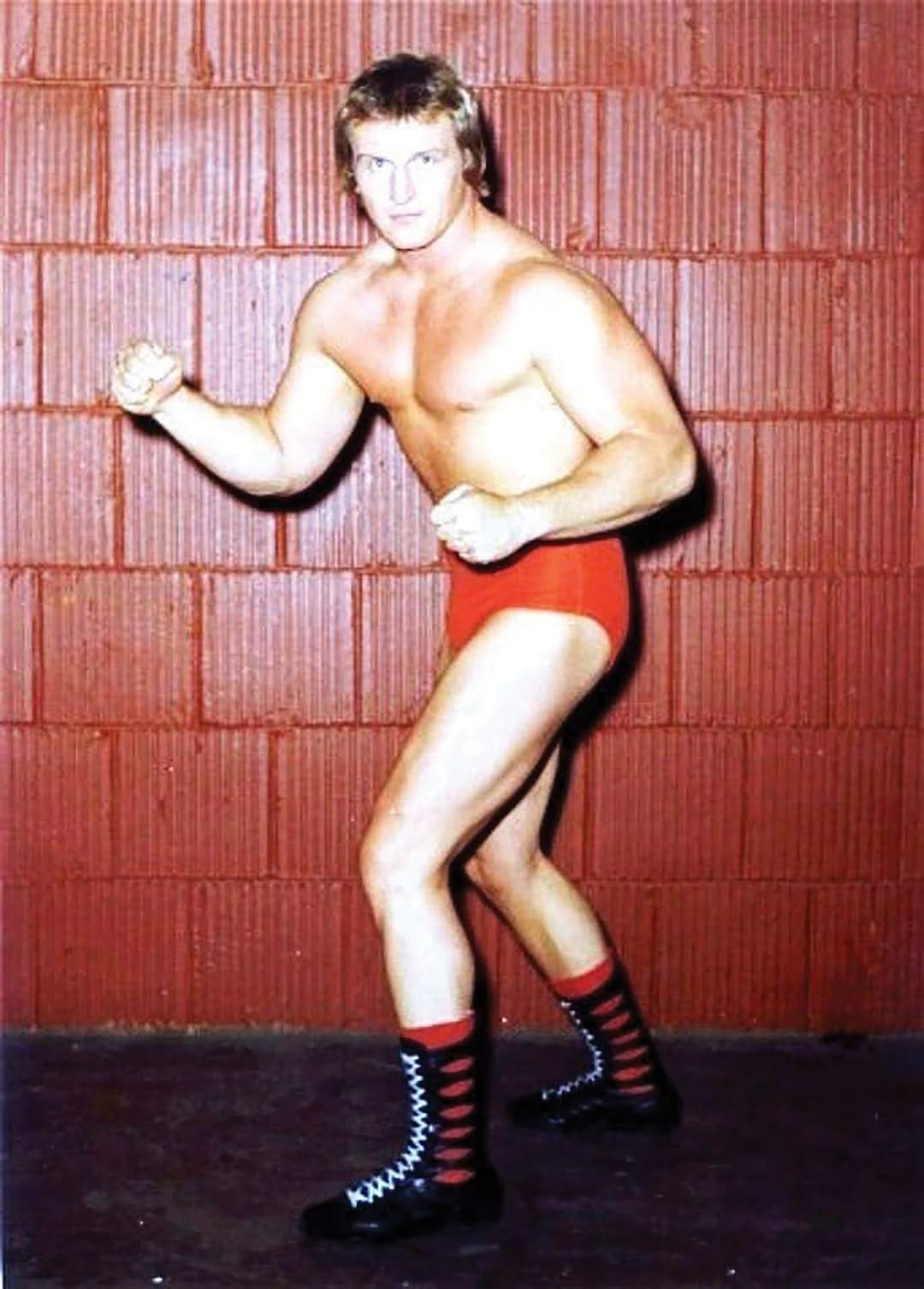
Georgia remained one of the central pillars of Oates’ career.
In March 1976, Jerry and Ted won the NWA Georgia Tag Team Championship in a tournament at the City Auditorium in Atlanta over Les Thornton and Tony Charles. The series with Thornton and Charles again produced some of the most classic matches in territory history, as the Oates Brothers were gaining experince and confidence and Thornton and Charles were highly skilled British wrestlers who knew how to have great matches.. Referee Bobby Simmons once said that Thornton and Charles would be so good, they would get bored in the match and tell Simmons to take over and call the spots. The Oates Brothers dropped the titles back to Thornton and Charles on April 21st at the Auditorium in Columbus, Georgia.
Georgia Championship Wrestling was one of the most important wrestling territories in the country, and it was becoming increasingly significant because of its strong television presence.
This was the Georgia wrestling world associated with promoters such as Fred Ward and Paul Jones and, eventually, the remarkable television presentation of Gordon Solie.
Oates was a natural fit for Georgia.
He had the look and physical credibility of a professional wrestler, but he also possessed the technical ability and ring discipline necessary for television wrestling. He could work a match without making the action appear rushed or chaotic.That ability became particularly valuable as Georgia wrestling expanded its television footprint.
Jerry Oates had developed the reputation that would define much of his career. He could work with almost anybody. That is one of the most important characteristics of the classic territorial wrestler.
Oates could work with a technical wrestler. He could work with a powerhouse. He could work with a younger wrestler who needed experience. He could work with a veteran whose style was already established. He could wrestle singles or tags. He could be a babyface or heel.
That versatility explains why his career remained remarkably durable. During his time this round in Georgia, he wrestled Greg Valentine to a time limit draw. He defeated Karl Von Steiger, he teamed with Thunderbolt Patterson and Mr Wrestling II.
During May, The Oates Brothers had the titles back and ran into a total styles clash as booker Tom Renesto put them in matches with Black Gordman and Great Goliath. While the series drew fine, mostly as a result of the territory being on fire at the moment, Jerry was always highly critical of the Gordman and Goliath team. Even though there was drama and excitement for the program that culimated in cage matches, Jerry was not complimentary of the feud or the work. Gordman and Goliat defeated the Oates Brothers for the Georgia Tag Titles on June 7th at the Bell Auditorium in Augusta, Georgia.
At the start of July 1976, just as the program was beginning with The Valiant Brothers, Jerry got hurt for the first time in his career. He tore some ligaments in his knee. He utilized the skills of the renowed Dr. Andrews who opened up the front of the knee and the side and repaired the damage. The procedure was, like many of Andrews’ patients, an overwhelming success.
That success led to opportunities for the Oates’ Brothers outside the United States.
And that took Jerry Oates into one of the most important chapters of his career.
Japan and All Japan Pro Wrestling
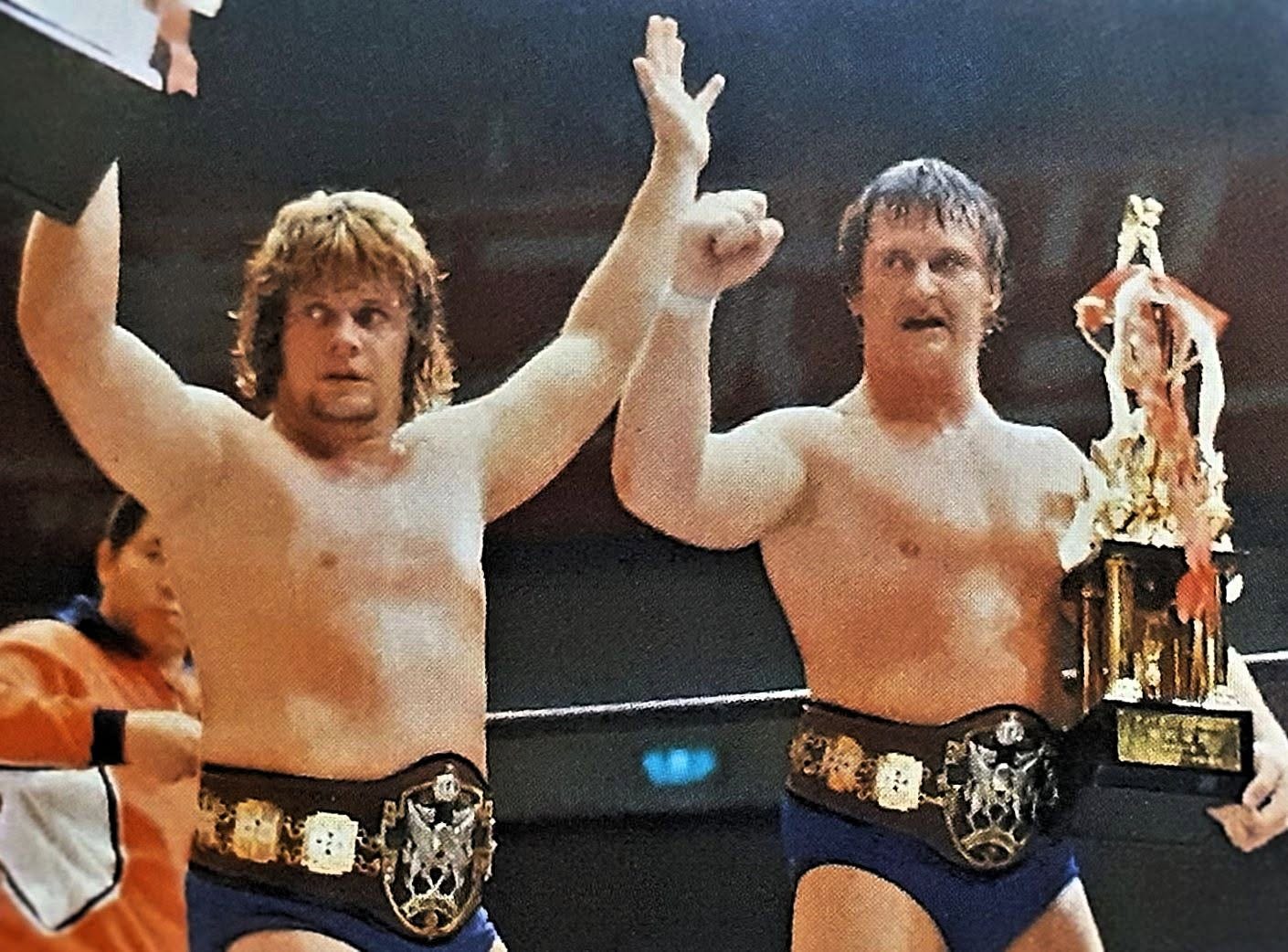
Pictured: According to Jerry, the all-time highlight of his career, the All Asian Tag Team Championship for All Japan Pro Wrestling in October 1976. Jerry kept his tropy in his den until the day he passed.
Oates made eight tours of Japan during his career, primarily working for All Japan Pro Wrestling.
For a territorial wrestler of the 1970s, Japan represented an important opportunity. Japanese wrestling was becoming increasingly respected by American performers, and All Japan was developing a style that emphasized strong physical matches and athletic, competitive tag-team wrestling.
Immediately, Joe Higuchi and the All Japan leadership recognized Jerry’s excellent ring abilities and the first match-up off the long plane ride from the United States was with Jumbo Tsuruta. Tsuruta was Shohei Baba’s tag team partner and hand picked futire singles ace. Tsuruta was a handful in the ring, young, strong and not far from his performance in the 1972 Summer Olympics.The Japanese bookers thought enough of Oates to book him in a 30-minute time limit draw with Jumbo. That should have signaled to Jerry this was going to be a significant run.
The Oates Brothers were an excellent fit in All Japan.
On October 2, 1976, Jerry and Ted Oates defeated Great Kojika and Motoshi Okuma in Tokyo to win the All Asia Tag Team Championship. The title had only recently been revived by All Japan, making the Oates Brothers among the earliest champions of the newly reactivated championship.
Their reign lasted nineteen days before Akihisa Takachiho and Samson Kutsuwada defeated them on October 21. The reign lasted only nineteen days, but the title itself was a marker. Few midcard American teams of that era left Japan with championship gold.
The reign itself was relatively short, but its historical importance was considerably greater.
Jerry and Ted Oates had become recognized champions in Japan.
That was a major accomplishment for two American territorial wrestlers.
It also demonstrated that Oates’ wrestling style traveled well. He was not dependent upon a particular American television format or promoter’s presentation. His ability to work technically sound, physical tag matches translated into the Japanese environment.
His Japanese tours became an important component of his career and helped give him a level of international experience that many American regional wrestlers never achieved.
A Singles Star in McGuirk’s NWA Tri-State Wrestling
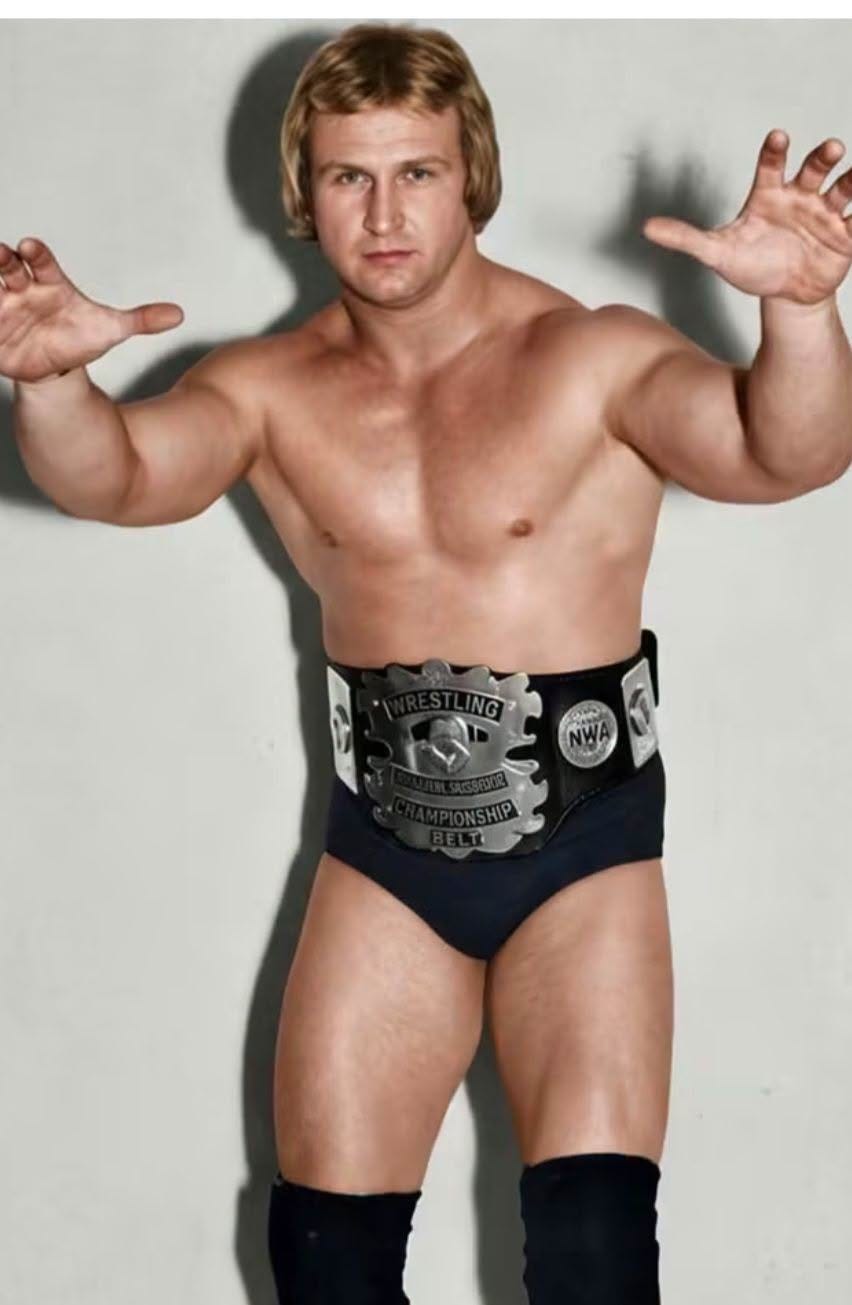
Pictured: Jerry Oates, NWA Tri-State North American Heavyweight Champion for LeRoy McGuirk and Bill Watts in 1976-1977
Although the Oates Brothers were an important part of Jerry’s identity, Oates continued to establish himself as a singles wrestler.
In 1977, he moved into the NWA Tri-State championship picture and won the North American Heavyweight Championship. The title was the major regional championships of the territory and had been held by wrestlers the previous few years such as Skandor Akbar, Stan Hansen, Waldo Von Erich, Dick Murdoch and Bill Watts.
Oates defeated Dick Murdoch to win the championship in August 1977.
That victory was a particularly important statement.
Murdoch was one of the quintessential tough territorial wrestlers of his generation. To defeat him for the championship established Oates as a legitimate main-event singles wrestler rather than simply a strong tag-team performer.
His reign lasted until November 6t, when he lost it back to Murdoch and the championship reign served its purpose. Jerry Oates had demonstrated that he could headline as a singles wrestler.
The Pacific Northwest
The Pacific Northwest provided another major chapter in Oates’ career.
In 1978, Oates entered the territory and quickly established himself as a major player.
He teamed with Jesse Ventura to win the NWA Pacific Northwest Tag Team Championship on March 21, 1978, defeating Ed Wiskoski and Buddy Rose.
That partnership is one of the more interesting footnotes of Oates’ career because Ventura was still years away from becoming the nationally known “Body” Ventura. At this stage, he was another ambitious territorial wrestler working his way upward.
Oates’ partnership with Ventura produced a championship team in one of the Pacific Northwest’s most competitive periods.
But Oates’ singles success in Portland was even more significant.
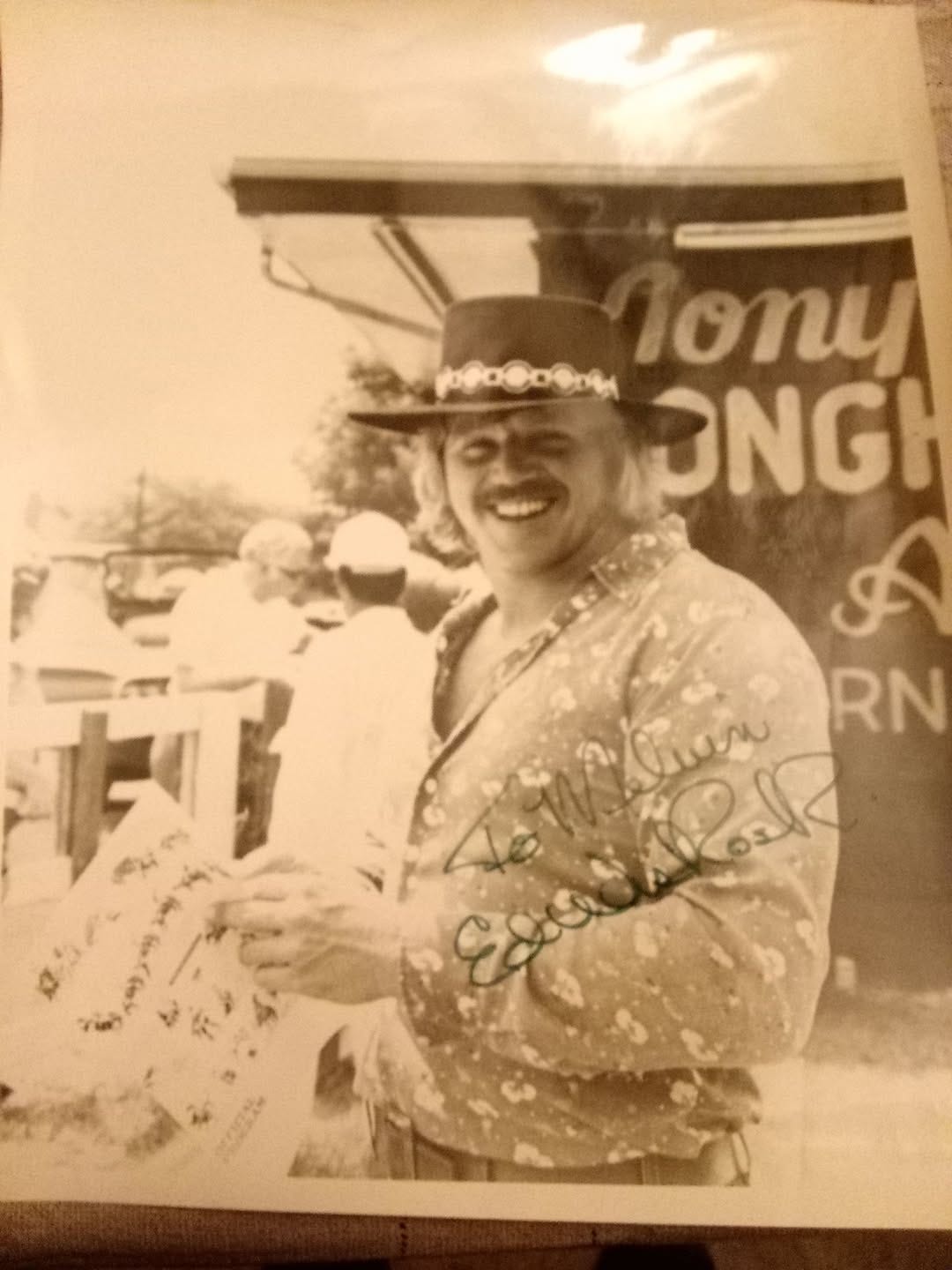
Pictured: Ed Wiskoski
When Oates arrived in Portland, he recognized an old friend and competitor from Central States, Ed Wiskoski. In these days, the Portland Territory operated differently than most territories in that owner, Don Owen did not employ Bookers to manage talent, schedule talent write television or book the programs. He basically oversaw everything and gave the talent the ability to work out their own programs among themselves. Oates and Wiskoski had already had a successful program in the Kansas City Territory, so they immediately saw themselves as a nagtural match-up.
On May 6, 1978, Jerry Oates defeated Ed Wiskoski to win the NWA Pacific Northwest Heavyweight Championship.
Wiskoski—better known later as “Superstar” Billy Graham’s protégé and eventually as the grappler who became the Dynamite Kid’s American counterpart? No. More accurately, Wiskoski would later become known as “The Superstar” Billy Graham-inspired heel. His career would eventually include the identity of “Col. DeBeers.” But in Portland he was already an established heel and an important championship-level performer.
Oates defeating him made clear that he had become one of the territory’s principal singles wrestlers.
His Pacific Northwest run is therefore an important part of understanding his career. He was not simply a Georgia wrestler who occasionally traveled. He was capable of becoming a championship-level wrestler in an entirely different regional market.
By the end of the 1970s, Jerry Oates had developed the reputation that would define much of his career.
He could work with almost anybody.
That is one of the most important characteristics of the classic territorial wrestler.
Oates could work with a technical wrestler. He could work with a powerhouse. He could work with a younger wrestler who needed experience. He could work with a veteran whose style was already established. He could wrestle singles or tags. He could be a babyface or heel.
That versatility explains why his career remained remarkably durable.
His championship résumé reflects that versatility:
NWA Central States Heavyweight Champion
NWA Pacific Northwest Heavyweight Champion
NWA Central States Tag Team Champion
NWA Georgia Tag Team Champion
All Japan Pro Wrestling All Asia Tag Team Champion
NWA Pacific Northwest Tag Team Champion with Jesse Ventura
The list does not include every championship and regional honor associated with his career, but it demonstrates the geographic breadth of his accomplishments.
Ronnie Garvin and the Georgia Main Event Scene
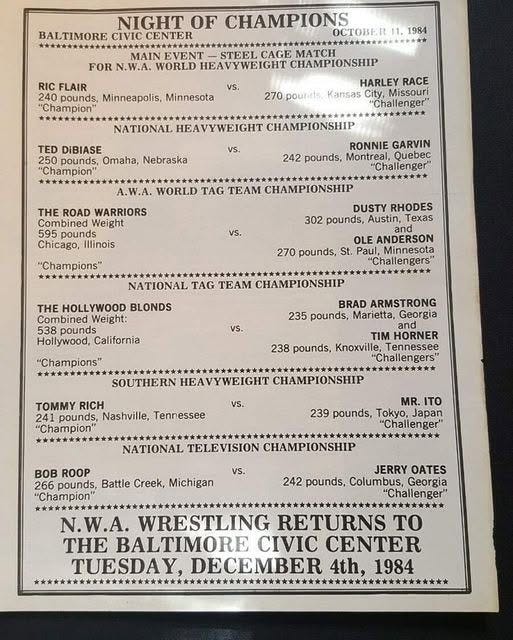
Picrured: Night of Champions Card, Baltimore, Maryland. Show opened with an amzing opening match of Jerry Oates vs Bob Roop, October 11th, 1984 at the Civic Center in Baltimore, Maryland.
One of the most important partnerships of Oates’ later Georgia career was with Ronnie Garvin. Garvin and Oates became a successful combination during a particularly turbulent period in Georgia wrestling.
By 1984, Georgia Championship Wrestling was operating in an increasingly complicated wrestling environment. The WWF’s expansion was beginning to threaten the traditional territorial system, while the NWA territories were trying to maintain their regional identities.
The performance that wrestling historians still cite came on July 4, 1984, in Columbus. Teaming with Ronnie Garvin, Oates defeated The Road Warriors for the NWA National Tag Team Championship. The Road Warriors were then the most physically imposing act in American wrestling, a pair built for the coming national television age. The Warriors had become one of the most dominant and recognizable tag teams in wrestling. They represented the new generation of physically imposing, visually distinctive stars that were beginning to change the traditional tag-team landscape.
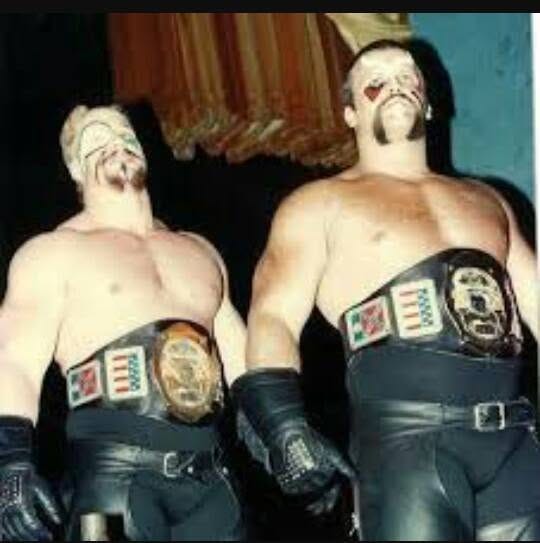
Pictured; The Road Warriors in 1984
Beating the Road Warriors in Oates’s hometown was both a local triumph and a snapshot of a business already changing underneath him. Georgia Championship Wrestling was sold to Vince McMahon that same year. Ole Anderson launched Championship Wrestling from Georgia. Oates and Garvin, as a team, represented something different. They were experienced territorial professionals who could match the Road Warriors in a traditional wrestling environment. Their championship victory also placed Oates directly in the middle of one of the most important periods in Georgia wrestling history.
Oates and Garvin remained champions for nearly four months before losing the belts to The Hollywood Blonds, Rip Rogers and Ted Oates. Even the finish had a family twist. Ted, so often Jerry’s partner, was on the other side of the ring.
Black Saturday and the End of the Old Georgia Territory System
Only days after Oates and Garvin became National Tag Team Champions, Georgia wrestling entered one of the most famous—and disruptive—episodes in wrestling history.
On July 14, 1984, Vince McMahon’s World Wrestling Federation took over Georgia Championship Wrestling’s television time slot on WTBS.
This became known as “Black Saturday.” The event symbolized the beginning of the collapse of the traditional territorial system.
Jerry Oates was therefore not merely a wrestler who happened to work in Georgia during this period. He was one of the wrestlers who was actually part of the Georgia territory as the old system began to break apart. Oates and Garvin were still National Tag Team Champions when the television landscape changed. They remained associated with the title through one of the most unstable periods in Georgia wrestling. When McMahon’s WWF eventually took over the WTBS slot, Oates and Garvin did not simply disappear into the new WWF system.
Instead, Oates continued to work within the regional wrestling world.
That decision says something about his career philosophy. He was a territorial wrestler, and he continued working where his particular skills were valued. The National Tag Team Championship was particularly important to Georgia wrestling because it represented the territory’s attempt to establish a championship with broader significance. xOates and Garvin became champions at a crucial point in the title’s history.
Their reign also reflected the changing nature of the Georgia tag-team scene. Teams such as the Road Warriors, the Hollywood Blonds of Rip Rogers and Ted Oates, the Long Riders, and eventually Ole and Arn Anderson would become associated with the title. Jerry Oates was right in the middle of that transition. Interestingly, Ted Oates would later hold the same championship with Rip Rogers as the Hollywood Blonds. Thus, the Oates family remained deeply embedded in Georgia tag-team wrestling even as the territory itself underwent enormous changes.
The Oates Brothers in the 1980s
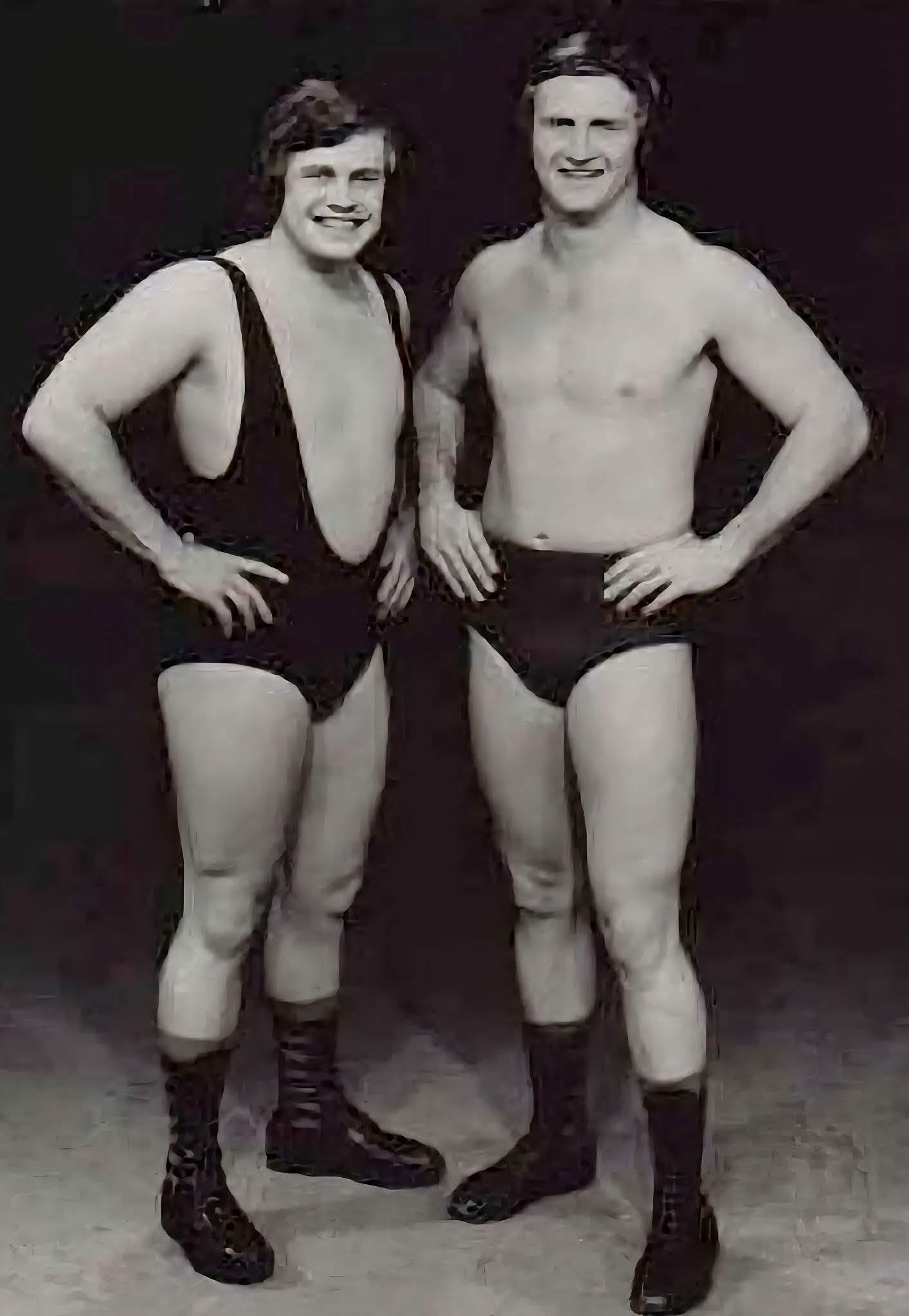
Jerry and Ted continued to work together periodically throughout the 1980s.
Their longevity was unusual.
Many brother tag teams of the territorial era had short life spans. Wrestlers moved, promoters changed, teams split or one member moved into singles competition.
The Oates Brothers were different. Their partnership could be revived whenever circumstances called for it. In 1984 they captured the Central States Tag Team Championship once again, defeating the Grapplers. That championship victory illustrated another important point about Jerry Oates: even after years of wrestling, he remained a championship-level performer.
He was not simply trading on past accomplishments. He continued to work.
Jerry Oates’ career is especially valuable to wrestling historians because it parallels the rise and fall of the territorial system. He entered professional wrestling in 1970, when territories were still the foundation of the industry. He worked in Georgia, Central States, Mid-South, the Pacific Northwest and Japan.
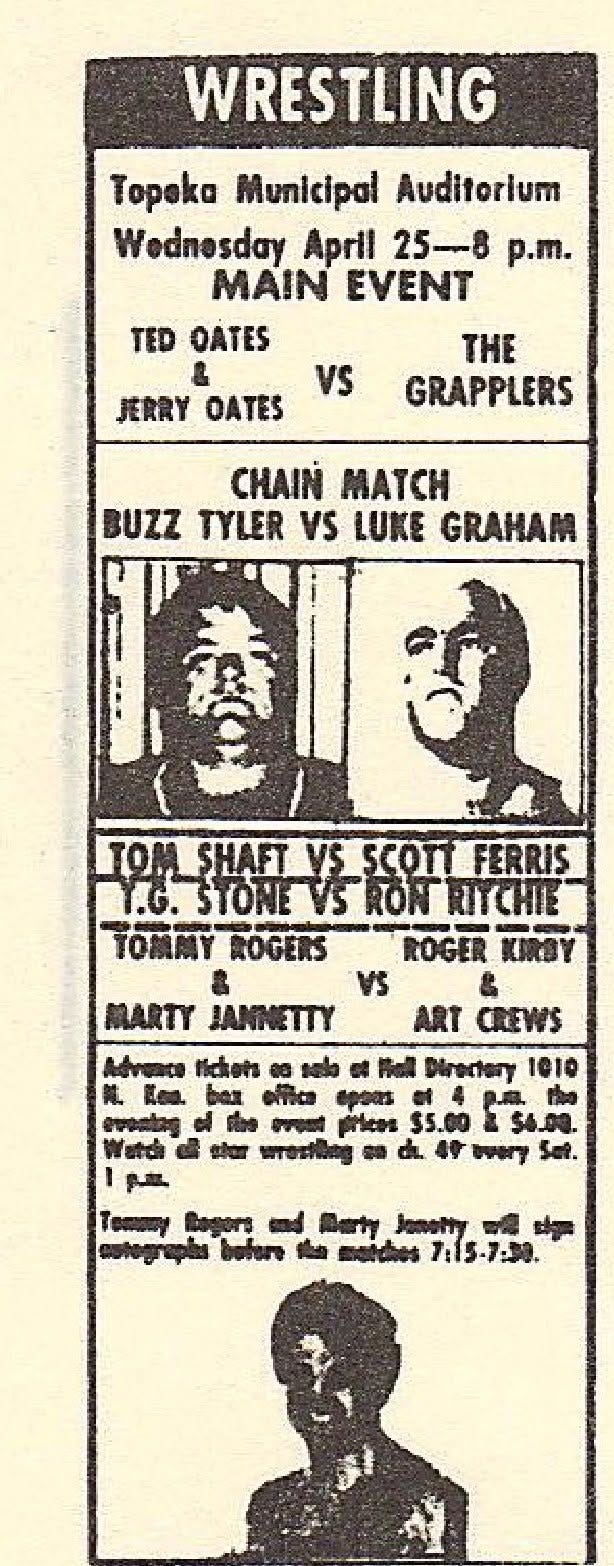
He wrestled for regional championships that were considered important within their respective markets. He worked with wrestlers who would become major national stars. And then he watched the entire system change. The WWF expansion, the growth of cable television, the increasing importance of national exposure and the consolidation of wrestling promotions fundamentally changed the profession. For wrestlers like Oates, this did not necessarily mean retirement.
Instead, it meant adapting. Oates continued working in the wrestling business long after the world in which he had developed had disappeared. That longevity is one of the most impressive aspects of his career.
Perhaps the most important part of Jerry Oates’ legacy came after his championship years.
He became a teacher.
This was not a surprising development. A wrestler who had worked in so many territories had accumulated a tremendous amount of practical knowledge. He understood how to work a match. He understood timing. He understood physical conditioning. He understood how to communicate with an audience. He understood the importance of making an opponent look good. And he understood the discipline required to survive in professional wrestling for decades.
Oates did not become a WWF star.
He remained a regional worker, returning to Georgia, Alabama, Tennessee, and Missouri, taking All Japan tours in 1982, 1983, 1987, 1988, and 1989. In 1986 the brothers won the Deep South Wrestling Tag Team Championship from The Nightmares. In 1987, working AWA Georgia, Oates even wrestled under a mask as Mr. USA. In January 1991 he appeared at a WWF Superstars taping in Macon, teaming with The Brooklyn Brawler against The Rockers. The match was a television enhancement bout, the sort of booking that told the truth about where the industry now placed men of his generation.
Those lessons became increasingly valuable to younger wrestlers.
Among the wrestlers associated with his training were Marty Jannetty, Randy Hogan, J-Rod, A.J. Steele, Tom Ivy and Craig Brown. Jannetty is particularly notable because he would become one-half of The Rockers with Shawn Michaels and a major figure in the national wrestling business. Oates’ role in training younger wrestlers represents a continuation of the old territorial tradition in which experienced professionals passed the craft from one generation to the next. That may ultimately be his most important contribution.
Oates Gym
Jerry Oates’ influence extended beyond the wrestling ring.
He and his late wife, Kathy, operated Oates Gym in Columbus for more than two decades, from 1979 into the early 2000s. The gym became an important part of the Columbus fitness community. For wrestlers, a good gym was more than a place to lift weights. It was often a meeting place, training center and informal wrestling school.
Oates Gym provided that kind of environment.
Oates understood the relationship between professional wrestling and physical conditioning better than most people because he had spent his adult life living it. He also became involved in bodybuilding promotion, including the Southeastern Bodybuilding Championships.
The gym was not a boutique fitness studio. It was a hard room with a family culture, a place where bodybuilders, wrestlers, police officers, and ordinary people trying to change their lives shared the same floor. In the back, on horsehair mats pulled together after hours, Oates trained wrestlers. Marty Jannetty, then a gifted amateur from Hardaway High School who had been driving a furniture truck, talked his way into those sessions. The training was once a week and unforgiving. Jannetty later said Oates did not need to run anyone off. If a prospect could take slams on those mats and still come back, he had already passed the first test. Oates used his Central States connections to get Jannetty into the Kansas City territory, sometimes presenting him as a kid brother. Jannetty went on to the World Wrestling Federation as one half of The Rockers. Oates and Ted also trained Selina Majors, better known as Bambi, along with Randy Hogan, J-Rod, AJ Steele, Tom Ivy, and Craig Brown.
The gym and the ring were never separate businesses in Oates’s mind. Through the 1980s and into the 1990s he promoted the Southeastern Bodybuilding Championships, events that brought competitors and spectators into Columbus and, in the family’s telling, put money back into the city. He promoted wrestling as well. In 2004 he launched his own version of Georgia Championship Wrestling, renaming it Great Championship Wrestling the following year. On July 22, 2006, he wrestled what is generally recorded as his last match, teaming with Scott Fantastic against Harley Wood and Death Row. He later sold the promotion to Bill and Diane Hewes, who kept it going until 2010. The family’s account of a career spanning 1970 to 2010 is therefore not a contradiction so much as a broader definition. The in-ring years were the core. The promoting, training, and local shows were the long coda.
His work in fitness allowed him to influence people who had absolutely no interest in professional wrestling. That is an important part of understanding the man beyond the ring.
Promoter and Wrestling Businessman
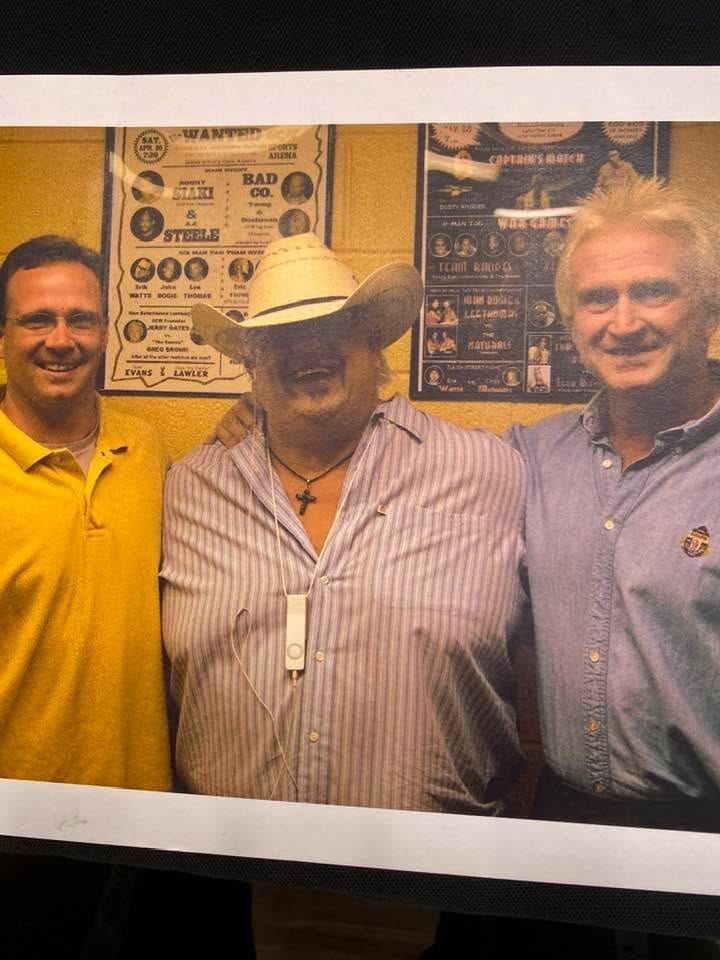
Pictured: Bo Oates, Dusty Rhodes and Jerry Oates
Oates also became involved in promoting wrestling.
In the 2000s he promoted Georgia Championship Wrestling and later Great Championship Wrestling. This brought his career full circle. He had entered wrestling as a young man fascinated by the matches he watched in Columbus.
Decades later, he was responsible for helping put wrestling shows together in the same general region. The promotion under Oates’ leadership featured both established veterans and younger wrestlers.
He was particularly interested in giving wrestlers opportunities.
That was consistent with his broader philosophy. He had benefited from the knowledge of older wrestlers such as Dick Steinborn, and he subsequently attempted to provide similar opportunities to younger performers. In 2004, Georgia Championship Wrestling was operating in Columbus under Oates’ promotion, and he remained an active performer as well. Oates was still wrestling. One of the most memorable aspects of his later career was the occasional reunion with Ted.
In 2005, Jerry and Ted Oates reunited as a tag team. For fans who remembered Georgia wrestling in the 1970s, seeing the Oates Brothers together again was an opportunity to see a piece of the territorial era come alive. The reunion also demonstrated how much respect the brothers had retained. They were no longer young men traveling the highways looking for their next championship opportunity. They were veterans. But they still understood how to work together.
The Final Years in the Ring
Oates remained active in professional wrestling remarkably late into his life.
He continued appearing for Great Championship Wrestling through 2006 and wrestled his final major matches around that period before officially retiring.
His final retirement came in September 2006, when the promotion changed hands. Yet even then, “retirement” did not mean complete separation from wrestling. His career is officially described as extending through 2010, reflecting continued involvement in the business even after his regular in-ring career had wound down. For Jerry Oates, wrestling was not simply something he had done for a living.
It was a lifelong vocation.
A Second Career in Public Service
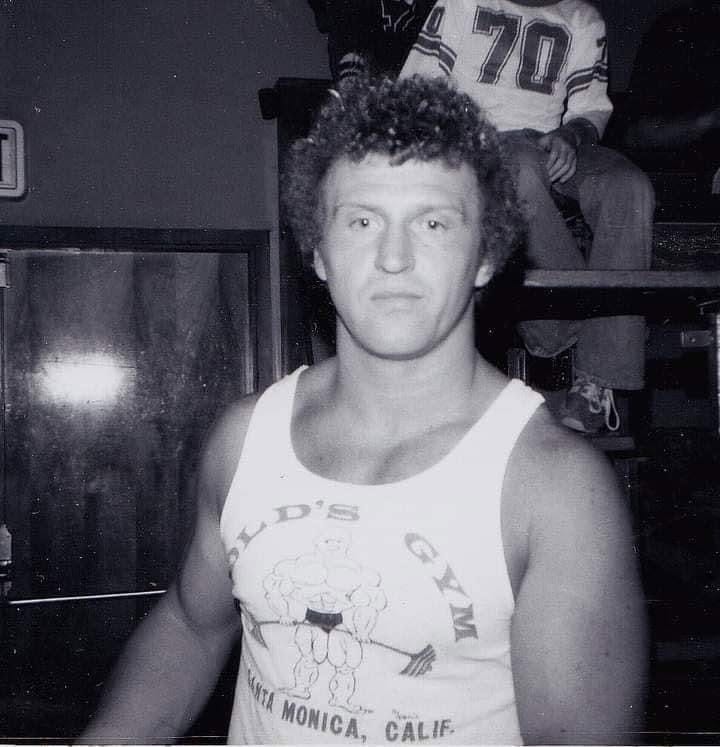
Oates’ life after his major wrestling years also reflected another side of his personality.
There was still another career after the lights dimmed. Oates served as a deputy with the Tybee Island Police Department and later as a bailiff with the Muscogee County Sheriff’s Office. The work suited a man whose public identity had always been a mix of physical presence and local duty. He was a Christian by faith, remembered by those around him as generous to a fault, a mentor to young wrestlers and a patient presence for gym members who needed more than a workout plan.
This career path might seem unusual for a professional wrestler, but there was actually a natural connection.Professional wrestling demanded discipline, physical conditioning, emotional control and an ability to deal with people from widely different backgrounds.
Oates carried those qualities into public service.
His family described him as someone whose life was marked not only by wrestling and fitness but also by service to his community. That becomes an important part of his legacy because it demonstrates that his life after wrestling was not an afterthought.
He continued finding ways to help people.
Family, Death and Legacy
Kathy and Jerry had been married for 46 years at the time of her death. After a life that included performing with Holiday on Ice, co-owning The Oates Gym, and working as a fitness instructor for more than three decades, she spent her final days in the hospital and Jerry never left her side. The emotion was obvious when he would give an occasional “good day” or bad day” type of short update to his partners, Bobby Simmons and Michael Norris on their old-school internet radio show, but the desperation in his voice was always there. When Kathy passed on June 22, 2019, at seventy-nine to go be with her Lord, family and friends gathered shortly afterward for a service to celebrate her life. The celebration of life emphasized her faith, her love of family, and the long partnership she shared with Jerry.
Jerry and Kathy had a son, Bo Oates, who himself became involved in wrestling promotion. In April 2020, after the original gym had been closed for nearly two decades, Oates reopened Oates Gym a short distance from the first location. The gesture was characteristic. He was in his early seventies, the territorial world that made him was gone, and he still wanted a room in Columbus where people trained together.
In later years, Jerry found love again for a second time in his life. Jerry’s fiancée at the time of his death was Helen Guarnieri. She is listed among his survivors in his obituary. I spoke with her just briefly as she would assist Jerry in getting set up for his interviews with me for our podcast. In private conversations, i could tell he really thought the world of Helen and cared for her very deeply.
Jerry died in hospice care in his beloved hometown of Columbus, Georgia. He was survived by his son Bo and Bo’s wife Carin; his fiancée, Helen Guarnieri; grandchildren Abigail, Jackson, and Madison Oates and Stefan Burkhalter; great-grandson Holland Oates; brother Ted and Ted’s wife Lynn; sister Janelle Studdard; and a former wife and close friend, Patti Trotter. A memorial service was held September 12, 2026, at Evangel Church, hosted by Von Hardin and Les Thatcher, with Minister Bobby Simmons officiating. Friends were asked to wear Oates Gym gear.
Oates never became a household name in the way Hulk Hogan, Ric Flair, or even Jesse Ventura did.
That fact is part of how to understand him. He belonged to the generation that kept the territories standing: the men who wrestled Friday in Dothan, Thursday in Kansas City, and a month later in Tokyo, then came home and opened the gym at dawn. He won real titles in real towns. He beat The Road Warriors on the Fourth of July in the city that raised him. He put Marty Jannetty on a path that reached national television. He gave Columbus a gym that people still talk about as a family rather than a brand.
The wrestling business that exists now is a corporate entertainment industry. The business that made Jerry Oates was a traveling trade. He mastered that trade, outlived most of the offices that employed him, and spent the rest of his life doing the same essential thing in a smaller room: teaching bodies how to work, and people how to last. His eight Japanese tours deserve special emphasis.American wrestlers traveling to Japan during the 1970s were participating in one of the most important international exchanges in professional wrestling.
Japan respected American wrestlers who could work.
Oates could work.
Winning the All Asia Tag Team Championship with Ted demonstrated that he was not merely being brought over as an American attraction. The Oates Brothers were trusted to compete for a major championship. That achievement placed Jerry Oates in the international history of All Japan Pro Wrestling.
The significance becomes even greater when considering the wrestlers who preceded and followed him as champions. The title had been held by wrestlers such as Dory Funk Jr. and Dick Murdoch, while later champions included teams such as the Von Erich Brothers. The Oates Brothers therefore occupy a legitimate place in the lineage of major Japanese tag-team wrestling.
Jerry Oates deserves particular recognition in the history of Georgia wrestling.
Georgia produced an extraordinary number of important wrestlers, including Jack and Jerry Brisco, Ole Anderson, Gene Anderson, Mr. Wrestling II, Bob Armstrong, Tommy Rich, Ronnie Garvin, Ted DiBiase, Dusty Rhodes and countless others.
Oates belonged to that generation.
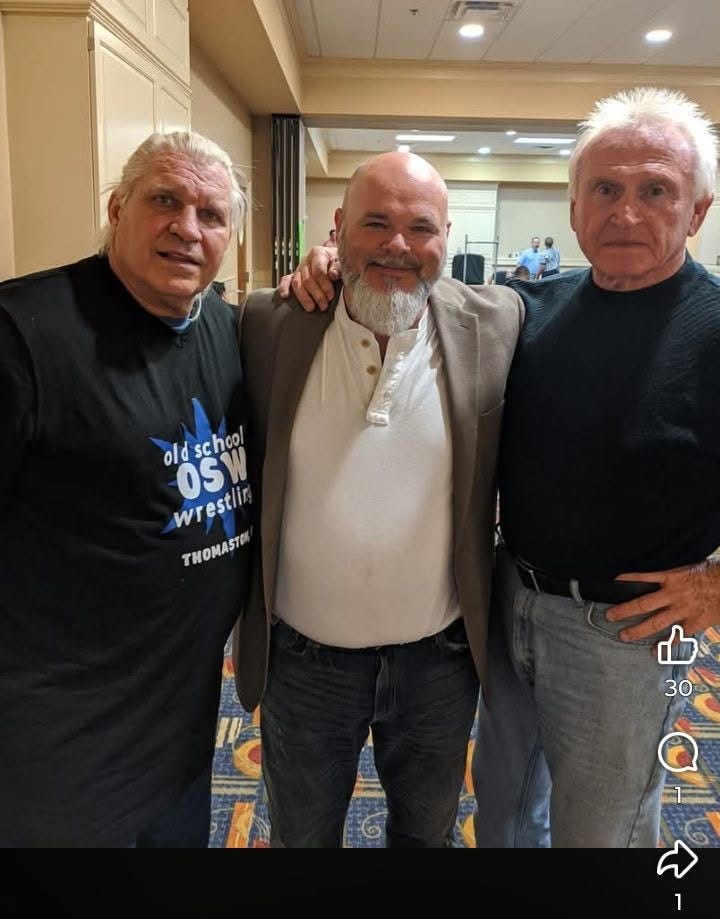
Pictured: Tommy Rich, Big Steel , Jerry Oates in Macon, Georgia
He was not always the most heavily promoted wrestler in the territory, but he was one of the dependable professionals who made the territory function. That distinction is crucial. The history of a wrestling territory cannot be written only around its world champions and biggest television stars. A territory was a living ecosystem.
It required main-event stars, heels, babyfaces, tag teams, enhancement wrestlers, veteran hands, television wrestlers, traveling wrestlers and reliable professionals who could step into virtually any role. Jerry Oates was one of those essential professionals. In many ways, that makes his career more representative of the territorial era than the career of a wrestler who spent his entire life at the very top.
Jerry Oates’ reputation among those who knew his work was based largely on craftsmanship.
He was not remembered because he had one spectacular finishing move or a flamboyant gimmick. He was remembered because he knew how to wrestle. That sounds simple, but in professional wrestling it is one of the highest compliments that can be paid. A great territorial wrestler needed to understand the rhythm of a match. He needed to know when to slow things down, when to increase the intensity, when to sell, when to make an opponent look dominant and when to create the emotional moment that made the audience care.
Oates came from a generation that treated those skills as the foundation of professional wrestling.
That is why his career remained useful for so long.
There is also something symbolic about the timing of Oates’ death.
He entered wrestling in 1970, when the territorial system was still flourishing. He lived through the great expansion of cable television. He experienced the rise of Georgia Championship Wrestling. He watched the NWA territories become increasingly interconnected. He worked internationally.
He adapted to independent wrestling. He became a promoter. He trained a new generation. And he continued working until the modern wrestling world bore little resemblance to the one into which he had originally entered. Few wrestlers could claim such a direct connection to so many different eras of professional wrestling.
Jerry Oates could.
That is what makes his career historically important.
Jerry Oates died on September 4, 2026, one day before his seventy-ninth birthday.
He left behind his son, grandchildren and great-grandchild, his brother Ted and his sister Janelle, along with countless friends, students, wrestling colleagues and fans. His wife Kathy had preceded him in death. But the most fitting way to remember Jerry Oates may be as a professional.
He was a professional wrestler in the fullest meaning of the term. He learned the craft. He respected the craft. He traveled for the craft. He competed for championships. He helped other wrestlers. He promoted shows. He trained wrestlers. He maintained a gym. He remained connected to the wrestling community long after many of his contemporaries had walked away.
Jerry Oates was never defined by a single territory, a single championship or a single tag team. His career was the territory system. His career represents something that has become increasingly rare: a professional wrestler whose reputation was built almost entirely on the quality of his work. For historians of the territorial era, Jerry Oates deserves to be remembered not merely as the brother of Ted Oates, not merely as a former champion, and not merely as a Georgia wrestling veteran.
He was one of the dependable craftsmen who made the territorial system work. He was a champion in several important regions, an international competitor, a successful tag-team wrestler, a respected singles wrestler, a promoter, a trainer and a mentor. And when the wrestling business changed around him, he changed with it without ever abandoning the principles he had learned at the beginning. That is the real measure of Jerry Oates’ career. He was there when the territories were thriving. He was there when they disappeared. And for forty years, he kept wrestling.
When looking at Jerry Oates’ career historically, it is tempting to focus primarily on his championship record. He was part of a generation in which professional wrestlers were expected to be complete performers rather than specialists. There was no guarantee that a wrestler would receive national exposure. There was no guarantee of a lucrative contract. There was no guarantee that a promoter would keep him in one place. The wrestler had to earn his position.
Oates did.
That makes Jerry Oates not simply a wrestler who belonged to the Territory Era.
It makes him one of the people who helped define what that territory era was.
One of the hearts of Georgia Wrestling and THE heart of Oates Gym has left the building.
Thank You for Watching and Listening
I’m Tony Richards, Pro Wrestling Historian, Author and Storyteller. I share pro wrestling historical items in each issue of the Time Tunnel Pro Wrestling History Newsletter and each episode of our podcast show. Thanks for your support! If you enjoy my information on select events, matches and insights, please share with folks you think might like to be a subscriber!
Remember, Premium subscribers get access to exclusive and special content such as some special issues including a multi-part deep dives on wrestling territories, wrestler bios and championship title histories, special audio and video interviews on territory pro wrestling and more available in the Pro Wrestling Time Tunnel for Premium Subscribers. Being a Premium Subscriber also means you support me in my efforts to document Pro Wrestling History through my research, writing, books, vidoes and podcasts. And…I have something very special planned for our Premium Subscribers on the Podcast side of things in 2026! Details soon here in the Pro Wrestling Time Tunnel.