


On May 6, 2026, Robert Edward “Ted” Turner III passed away at the age of 87 in the United States. The founder of CNN, pioneer of the cable superstation, and one of the most transformative figures in modern media left behind a legacy that reshaped news, sports, entertainment, and even professional wrestling. While Turner is best remembered for launching the world’s first 24-hour news network and championing environmental causes, his ownership of World Championship Wrestling (WCW) represented one of his most unlikely yet impactful ventures. For more than a decade, Turner’s financial backing and strategic platform turned a struggling territorial promotion into a national powerhouse that briefly dethroned Vince McMahon’s WWF during the legendary Monday Night Wars. His involvement was never about creative control or personal glory; it was rooted in a pragmatic belief that wrestling was essential, profitable programming that helped build his cable empire.
Born on November 19, 1938, in Cincinnati, Ohio, Turner endured a turbulent childhood marked by boarding school and a strained relationship with his father, Ed Turner, a billboard magnate. His early childhood included separation from his family during World War II: at around age four or six, while his father served in the Navy, Ted was placed in a boarding school in Cincinnati, while his mother and younger sister Mary Jean followed Ed to his posting. This experience was reportedly tough, with Ted later describing it as prison-like.
When Ted was nine, the family moved to Savannah, Georgia, where his father bought and expanded a small billboard company into Turner Advertising. Discipline in the household was strict; Ed insisted that Ted work from a young age in the family business, learning everything from manual labor and maintenance to sales and finance. Summers often involved long hours, and the father enforced rigorous habits, such as reading a new book every two days. Despite the demanding environment, the prospering business allowed some rewards—Ed gifted his son a sailing dinghy around this time, sparking a lifelong passion.
Sailing quickly became a major outlet for young Ted. He began sailing seriously around age eight or nine in Savannah and was competing by age 11 in junior regattas at the Savannah Yacht Club. He showed early determination, persisting through initial losses with the mindset that he was “learning how to win.” This competitive drive carried into his teens; he attended the McCallie School (a private boys’ preparatory/military-style academy in Chattanooga, Tennessee) starting around age 12, where he excelled in debating while continuing to work in the billboard business during summers. He later captained the sailing team at Brown University.
This period of upbringing—marked by a strict, work-focused father, boarding school routines, and an emerging talent in sailing—lasted until his father’s suicide in March 1963, when Ted was 24. Up to that point, Ted had been building experience in the family business while pursuing his education and sailing, setting the stage for him to take over and transform the company.
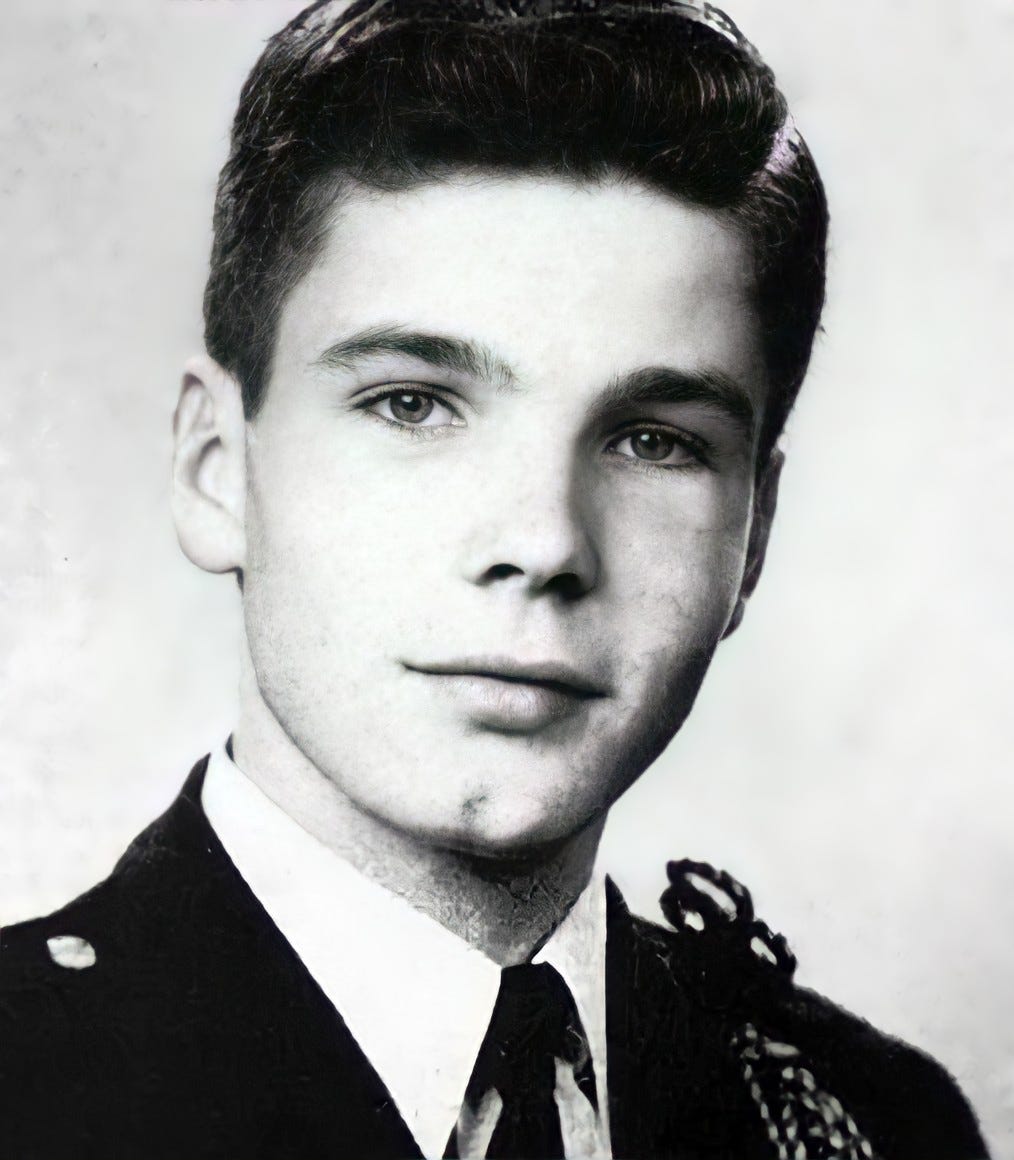
When Ted’s Father, Ed died by suicide in 1963 amid massive business debts, the 24-year-old Ted took over Turner Outdoor Advertising and stabilized the company through aggressive expansion. He soon pivoted into broadcasting, purchasing the struggling Atlanta UHF station WTCG (Channel 17) in 1970. Wrestling became an early cornerstone of his programming strategy. In December 1971, Turner secured rights to Georgia Championship Wrestling (GCW), which quickly became the station’s highest-rated content alongside Atlanta Braves baseball games.
The intertwined professional and personal relationships between Ted Turner, Buddy Fuller, Ray Gunkel, and Ann Gunkel played a significant role in shaping professional wrestling’s presence on Atlanta television in the early 1970s.
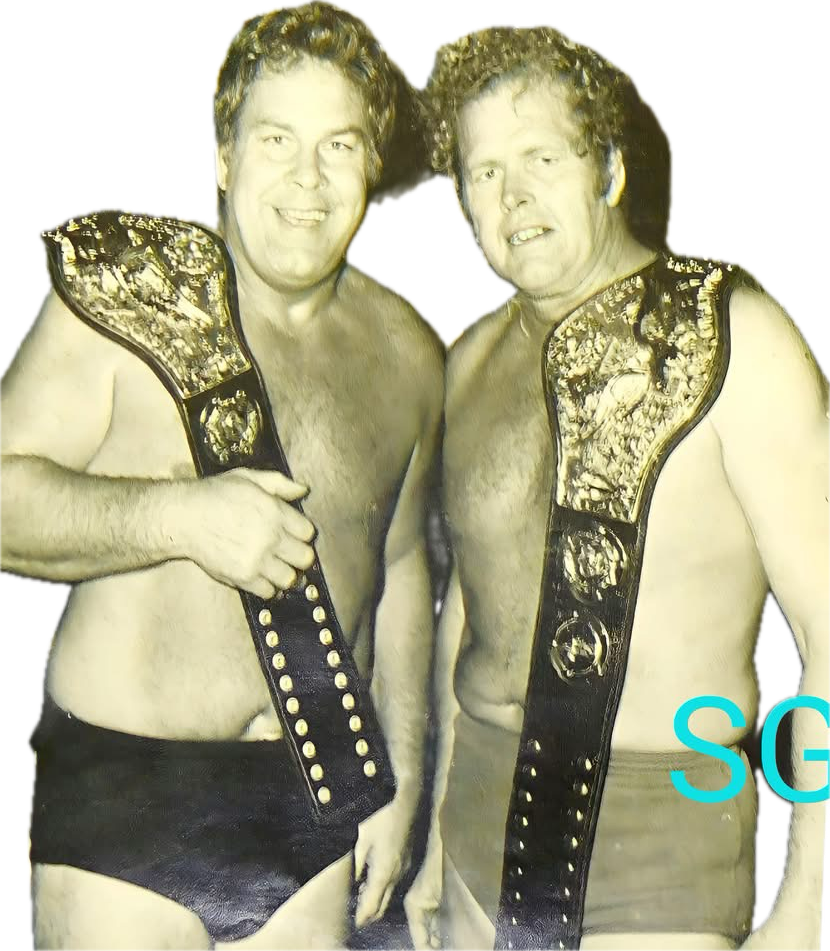
Pictured: Ray Gunkel and Buddy Fuller, NWA Georgia Tag Team Champions
**Photo Credit: Scott George
In the late 1960s and early 1970s, Buddy Fuller and Ray Gunkel served as co-promoters of Georgia Championship Wrestling (GCW). Their popular program, Live Atlanta Wrestling, was then airing on WQXI, a strong ABC network affiliate. Fuller aggressively pressed Gunkel to move the show from the established network station to Ted Turner’s smaller, independent UHF station WTCG (Channel 17). Ray Gunkel became resentful of Fuller’s persistent insistence on the switch. Compounding this tension was the fact that Gunkel was not particularly fond of Ted Turner personally, largely due to Turner’s earlier relationship with his wife, Ann, who had been known as Ann Campbell when she and Turner were students together at Brown University in the late 1950s.
Ted Turner and Ann Campbell had first met years earlier while both were students at Brown University. Turner was a colorful and rebellious figure on campus — he captained the sailing team, served as vice president of the Brown Debating Union, and studied classics and economics. He was famously expelled twice, one of those expulsions coming after he was caught having a female visitor in his dorm room. Ann Campbell was a fellow student during the overlapping period, and the two developed a close friendship that later carried over into their professional dealings in Atlanta. Persistent rumors have long suggested their relationship may have been more than platonic.
Eventually, Fuller convinced Gunkel to make the switch. On Christmas Eve 1971, Live Atlanta Wrestling made its debut on WTCG. In a bold and somewhat underhanded maneuver, Fuller and Gunkel instructed the ring crew to physically move the studio ring from WQXI’s facilities directly to the studios of WTCG — without ever notifying WQXI management that they were leaving. For this special Christmas program, the show was renamed Georgia Championship Wrestling. This stealthy transition gave Ted Turner his first major pro wrestling “coup,” instantly providing his fledgling UHF station with a proven, high-rated program.
Ray Gunkel and Buddy Fuller had long been partners, both as in-ring wrestlers (they frequently teamed together to capture the NWA Georgia Tag Team Championship) and as promoters. Their business relationship was often strained by clashing personalities and visions for the territory. Months prior to Gunkel’s death, Fuller sold his ownership stake in GCW to Lester Welch.
On August 1, 1972, Ray Gunkel suffered a fatal heart attack in the dressing room after a match in Savannah. His widow, Ann Gunkel (née Campbell), a highly intelligent and successful businesswoman who had built a strong career as an executive in the hotel and hospitality industry, expected to assume a major ownership role in the promotion but was frozen out by the remaining partners. Feeling deeply betrayed, she launched her own rival promotion, the All-South Wrestling Alliance, in late 1972, taking many top stars with her and igniting a heated promotional war.
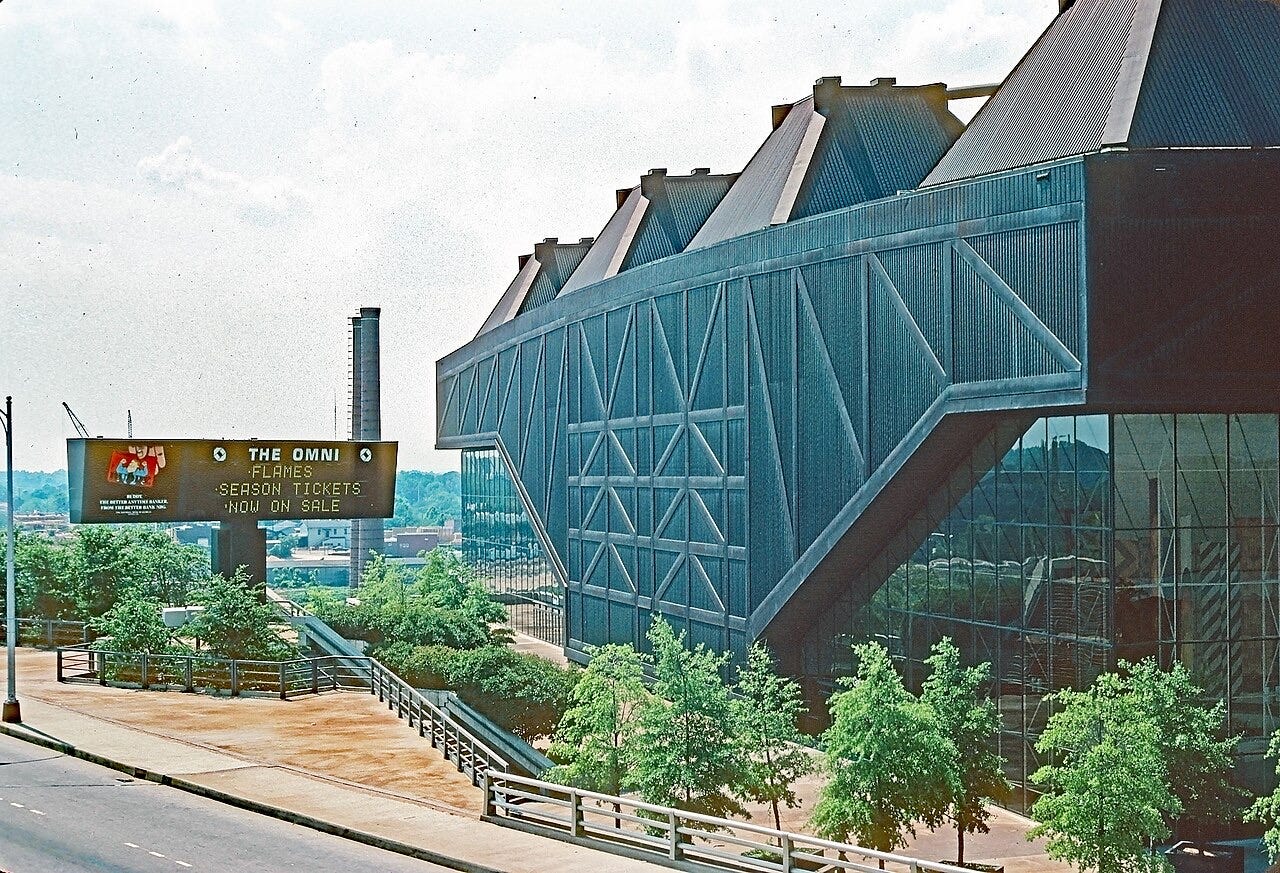
Pictured: The Omni Coliseum in Atlanta, Georgia
The opening of the brand-new Omni Coliseum in downtown Atlanta on October 14, 1972 added another dramatic layer to the conflict. Ted Turner had no involvement whatsoever in the building or original ownership of the Omni (it was developed by real-estate magnate Tom Cousins and partners). Nevertheless, the state-of-the-art arena quickly became a major battleground in the wrestling war. Georgia Championship Wrestling held its first show at the Omni on May 18, 1973, drawing a strong crowd of approximately 13,000 fans. This gave the established GCW promotion a significant prestige advantage, as they could now promote large-scale, big-league events in Atlanta’s newest and most modern venue while the promotional war with Ann Gunkel raged on. Turner reportedly said, “Southern Wrestling now has its own Madison Square Garden.”
When the Georgia wrestling war erupted on television, Turner refused to take sides. Instead, he granted Ann Gunkel’s new All-South Wrestling Alliance a one-hour Saturday night time slot immediately following the GCW program on WTCG. This created the now-legendary two-hour wrestling block that became a ratings powerhouse for Turner’s emerging superstation. Although Ann’s All-South Wrestling Alliance eventually folded in 1974, Turner’s decision to support both promotions during the conflict — rooted in his persuasive relationship with Fuller and Gunkel and his personal connection to Ann — ensured that professional wrestling remained a vital, long-term part of his broadcasting strategy.
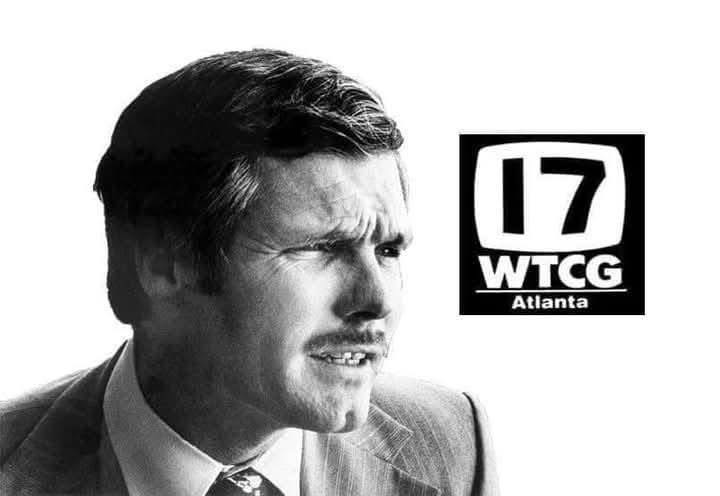
In 1976, Ted Turner executed one of the most visionary and consequential decisions in broadcasting history. On December 17, 1976, he uplinked the signal of WTCG to RCA’s Satcom 1 communications satellite, making WTCG the very first television station in the United States to be distributed nationally via satellite. This revolutionary step transformed the previously local Atlanta UHF channel from a terrestrially broadcast station into America’s first “superstation.” Almost overnight, WTCG became available to cable systems across the country, expanding its reach from the Atlanta market to millions of households nationwide. The move proved to be a game-changer for professional wrestling, as Georgia Championship Wrestling was suddenly exposed to a national audience, significantly boosting its popularity and laying important groundwork for the sport’s national expansion in the years ahead.. The low-cost, high-engagement sport proved a perfect fit for Turner’s vision of broad-appeal cable television.

In 1979, Ted Turner officially rebranded his Atlanta station when the call letters changed from WTCG to WTBS on August 27, 1979. The new call sign stood for Turner Broadcasting System, reflecting both the parent company’s updated name and the channel’s evolution from a local UHF outlet into a fully national cable service. While it continued to serve Atlanta viewers, WTBS was now aggressively marketed nationwide as “SuperStation WTBS” (often called “America’s SuperStation”), building on the satellite distribution pioneered three years earlier. This rebranding gave the station a stronger, unified national identity and dramatically expanded its reach to millions of cable households across the United States. Georgia Championship Wrestling, a programming staple since its Christmas Eve 1971 debut on the station, benefited enormously as the SuperStation branding delivered the promotion to a vastly larger audience and helped lay the foundation for wrestling’s national explosion in the years ahead.
The rivalry between Vincent Kennedy McMahon and Robert Edward “Ted” Turner was never a personal feud fought in the squared circle, yet it stands as one of the most consequential wars in sports-entertainment history. On one side stood Vince McMahon, the third-generation promoter who transformed his father’s Northeast territory into a national juggernaut. On the other was Ted Turner, the cable-television visionary who stumbled into wrestling as cheap, high-rated programming and ended up bankrolling its greatest challenger. Their indirect clash—known as the Monday Night Wars (1995–2001)—pushed professional wrestling into its most creative and profitable era, forever changing how the industry was produced, marketed, and consumed. Turner’s unexpected death on May 6, 2026, at age 87, provides a poignant moment to reflect on how two larger-than-life billionaires, operating from opposite philosophies, redefined an American cultural institution.
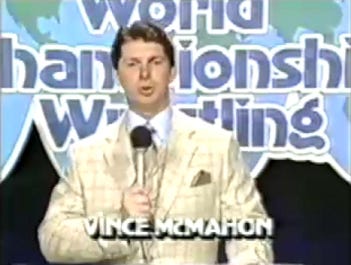
Pictured: Vince McMahone introduces WWF Programming on Superstation WTBS, also known as “Black Saturday”
The seeds of conflict were planted more than a decade earlier. In 1984, McMahon executed the infamous “Black Saturday” takeover: he purchased Georgia Championship Wrestling’s valuable two-hour Saturday night slot on Turner’s superstation WTBS without first consulting Turner. The move backfired spectacularly. Southern fans, loyal to the traditional NWA style, rejected McMahon’s cartoonish, rock-and-roll presentation. Ratings began to decay. Turner, furious that his prized programming had been hijacked, forced McMahon to sell the time slot back to Jim Crockett Promotions. It was a rare early defeat for Vince and a clear signal that Turner would protect his airwaves. That grudge quietly simmered as both men expanded their empires.
Ted Turner and “Cowboy” Bill Watts shared one of the most consequential yet ultimately unfulfilled professional relationships in the history of 1970s and 1980s professional wrestling. Their connection began in the early 1970s when Watts served as head booker for Georgia Championship Wrestling (GCW) from late 1972 through early 1974. At the time, GCW had just made its landmark move to Turner’s fledgling UHF station WTCG in Atlanta, and Watts was tasked with shaping the territory’s creative direction during a turbulent period following the death of co-promoter Ray Gunkel. The two men developed a working rapport built on mutual respect for hard-hitting, traditional Southern-style wrestling and Turner’s growing recognition that quality wrestling programming was essential to building his station’s audience. This early collaboration planted the seeds for a relationship that would resurface dramatically more than a decade later.
The bond between Turner and Watts proved especially valuable in the aftermath of the infamous “Black Saturday” incident on July 14, 1984. When Vince McMahon purchased controlling interest in GCW and replaced the long-running Saturday night program on WTBS (by then the SuperStation) with WWF content, Turner was deeply unhappy. Southern fans overwhelmingly rejected the WWF’s cartoonish, entertainment-focused presentation in favor of the gritty, realistic NWA-style wrestling they had come to expect. In response, Turner reached out to his old acquaintance Bill Watts, who by then was successfully running Mid-South Wrestling out of Louisiana, Oklahoma, Arkansas, and Mississippi. Turner offered Watts a prime Sunday afternoon time slot on WTBS, creating a direct counter-program to the WWF’s Saturday show.
Mid-South Wrestling quickly became one of the highest-rated programs on the entire SuperStation. The promotion’s intense, athletic, and no-nonsense style resonated powerfully with Southern viewers who craved “their kind of wrestling.” According to Watts, the show frequently outperformed the WWF programming that remained on Saturdays, drawing strong household numbers and proving that traditional territorial wrestling could still thrive on national cable television. The success of the Sunday afternoon program led to serious discussions between Turner and Watts about an even larger collaboration. Watts later recalled that the two men explored the possibility of a formal partnership that would allow Mid-South Wrestling to expand beyond its traditional territory boundaries using Turner’s powerful national platform. For a brief window in 1985, it appeared that Bill Watts might become Ted Turner’s primary wrestling partner, potentially creating a formidable national alternative to Vince McMahon’s expanding empire.
Those ambitious plans, however, never came to fruition. Jim Crockett Jr. and veteran promoter Jim Barnett stepped in and negotiated an exclusive long-term deal for Jim Crockett Promotions (JCP) to become the sole wrestling presence on WTBS. As part of the agreement, Crockett paid Vince McMahon’s Titan Sports $1 million to acquire the Saturday time slot contract. Some have suggested this payment provided McMahon with much-needed cash flow just prior to his massive national expansion push and the launch of the first WrestleMania, which took place on March 31, 1985 — only days before JCP made its debut on WTBS in the first week of April 1985. Mid-South Wrestling was subsequently removed from the station in 1985, ending the highly successful Sunday afternoon run.
Although their potential national partnership never materialized, the relationship between Ted Turner and Bill Watts remains a fascinating footnote in wrestling history. It illustrated Turner’s pragmatic approach to programming—he was willing to back the style of wrestling he believed his audience wanted most—and highlighted Watts’ credibility as both a booker and promoter. Their early connection in Georgia and later collaboration on WTBS showed how personal relationships and strategic television deals helped shape the territorial wars of the 1980s.

The 1985 exclusive deal between Jim Crockett Promotions (JCP) and Ted Turner’s SuperStation WTBS stands as one of the most pivotal moments in the transition from the territorial era to the national wrestling wars. Negotiated by Jim Crockett Jr. and veteran promoter Jim Barnett (working on behalf of Vince McMahon, Jr. and Linda McMahon), the agreement gave JCP sole control of the valuable Saturday night time slot on America’s first superstation — effectively ending the multi-promotion experiment Turner had allowed after the Black Saturday fiasco. As part of the transaction, Crockett paid Vince McMahon’s Titan Sports $1 million to buy out the existing WWF contract for the slot. That payment reportedly provided McMahon with critical cash flow just weeks before he launched the first WrestleMania on March 31, 1985, helping finance the massive national expansion and celebrity crossovers that defined the WWF’s rise. JCP made its debut on WTBS during the first week of April 1985, immediately replacing the WWF and Mid-South Wrestling programs and restoring the traditional NWA-style wrestling that Southern audiences craved.
For Jim Crockett Promotions, the WTBS deal was transformative. Overnight, the Charlotte-based territory gained coast-to-coast cable exposure that no other NWA member could match. The SuperStation reached millions of households via satellite, turning local stars like Ric Flair, Dusty Rhodes, the Road Warriors, and the Four Horsemen into national television personalities. This visibility fueled aggressive territorial acquisitions: Crockett bought out or absorbed promotions in the Mid-Atlantic, Florida, Georgia, and even parts of the Midwest, creating what was briefly the largest single wrestling entity in the country. The deal also enabled high-profile events like the Great American Bash tour and the ambitious Starrcade pay-per-view attempts, positioning JCP as the clear flagship of the National Wrestling Alliance and the primary alternative to the WWF. Ratings on WTBS soared, and the station’s wrestling block once again became a cornerstone of Turner’s programming strategy.
However, the impact extended far beyond JCP’s short-term gains. The exclusive deal accelerated the collapse of the traditional territorial system. By removing Mid-South Wrestling (and any hope of other NWA territories sharing the platform), it eliminated the last meaningful national television outlet for smaller promotions. Bill Watts’ highly rated Sunday afternoon show was unceremoniously canceled, dealing a financial and promotional blow that contributed to Mid-South’s eventual sale to the WWF in 1987. For Ted Turner, the arrangement satisfied his desire for the “real” Southern wrestling style he believed his core audience wanted, while locking in reliable, high-rated content without the creative headaches of dealing with McMahon. The deal also laid the direct foundation for World Championship Wrestling: when JCP began to falter under massive debt in 1988, Turner purchased the company outright and rebranded it WCW, ensuring wrestling would remain on his networks for another decade.
In the broader context of the 1980s wrestling boom, Crockett’s WTBS deal was a double-edged sword. It gave the NWA a powerful national voice and briefly created genuine competition for the WWF, pushing both sides to innovate and spend more aggressively. Yet it also concentrated power in fewer hands, hastening the end of the independent territories and setting the stage for the eventual Monday Night Wars. The $1 million paid to McMahon, the restoration of traditional wrestling on Saturday nights, and the national platform granted to JCP collectively reshaped the industry’s geography and economics. What began as a pragmatic programming decision by Ted Turner became one of the key catalysts that transformed professional wrestling from a collection of regional fiefdoms into a national — and eventually global — entertainment spectacle.
By the late 1980s, Jim Crockett Promotions’ aggressive national expansion had become financially unsustainable. After pouring millions into talent raids, arena tours, the ambitious Starrcade pay-per-view events, and the purchase of multiple rival territories, Crockett Jr. found himself saddled with crushing debt. The company’s ambitious spending—coupled with disappointing pay-per-view buys and the relentless pressure of competing head-to-head with Vince McMahon’s WWF—pushed JCP to the brink of bankruptcy. In November 1988, facing insolvency, Jim Crockett Jr. sold the entire promotion to Ted Turner for approximately $9 million. What began as a simple programming deal on WTBS had now given Turner the opportunity to own the production company outright.
For Ted Turner, the acquisition was a shrewd business decision rather than a passion project. He had long recognized that wrestling was one of the lowest-cost, highest-rated forms of programming on his networks. By purchasing JCP and rebranding it World Championship Wrestling (WCW), Turner gained complete control over a ready-made production operation that delivered exactly the kind of hard-hitting, Southern-style content his core audience loved—without the high production expenses associated with scripted television series or feature films. In Turner’s mind, pro wrestling fit perfectly alongside the other major sports properties he already owned, such as Major League Baseball’s Atlanta Braves and the NBA’s Atlanta Hawks; it was live, athletic entertainment that appealed to the same regional fan base and could be cross-promoted across his television outlets. This in-house ownership allowed him to keep wrestling on TBS and TNT at minimal marginal cost while maintaining strong ratings and viewer loyalty. The move ensured that the popular programming that had helped build his superstation empire would remain under his direct control for years to come, reinforcing wrestling’s role as a foundational, profitable cornerstone of the Turner Broadcasting System.
Turner’s ownership of professional sports teams was a deliberate extension of his broadcasting strategy, using live athletic events as high-engagement, relatively low-cost programming to build and sustain his cable networks. In 1976 he purchased the Atlanta Braves (MLB) for approximately $12 million, primarily to secure national broadcast rights for WTCG/WTBS and create America’s first true superstation sports audience; the Braves became the cornerstone of his programming, with games televised coast-to-coast and helping turn regional fans into a nationwide following (they later won the 1995 World Series under his ownership, and Turner Field was named in his honor). The following year, 1977, he acquired the Atlanta Hawks (NBA) for similar reasons, ensuring a steady supply of live basketball content that complemented the baseball schedule and appealed to the same Southern demographic. In 1999 Turner added the NHL’s expansion Atlanta Thrashers, completing a full Atlanta-based professional sports portfolio under the Turner Broadcasting umbrella.
These teams were cross-promoted relentlessly across TBS, TNT, and later 8pCNN, reinforcing Turner’s brand as the go-to destination for live sports and entertainment. When he acquired Jim Crockett Promotions in 1988 and rebranded it World Championship Wrestling, he viewed WCW in exactly the same light—as another live, athletic, fan-loyal property that fit seamlessly alongside the Braves, Hawks, and Thrashers. In Turner’s mind, pro wrestling was simply another form of sports entertainment: cost-effective, high-rated, and perfectly compatible with the regional, action-oriented audience that already tuned in for his baseball, basketball, and hockey teams. This holistic portfolio approach allowed him to dominate weekend and prime-time cable slots with authentic, homegrown content while keeping production expenses far lower than traditional scripted programming.
By late 1988, Turner had acquired the financially struggling Jim Crockett Promotions for roughly $9 million and rebranded it World Championship Wrestling (WCW). His motivation was pragmatic: wrestling had been a ratings cornerstone for WTBS since the early 1970s, helping launch the superstation concept itself. Turner viewed WCW as vital “content” rather than a passion project. McMahon, meanwhile, had already gone national, signing top NWA talent and launching WrestleMania. The stage was set for a coast-to-coast territorial war that would become a national television ratings duel.
On October 11, 1988, JCP was reincorporated as the Universal Wrestling Corporation, soon operating publicly as World Championship Wrestling (WCW). Yet from the moment the ink dried on the sale—completed November 2, 1988, at an Atlanta TV taping—WCW proved stubbornly resistant to assimilation into Turner Broadcasting’s sleek, corporate media empire. Through 1994, repeated executive experiments, cultural clashes, and operational friction demonstrated that pro wrestling’s carny roots, kayfabe secrecy, and creative volatility simply refused to align with Turner’s news-and-entertainment bureaucracy. The Turner executive team never achieved the “proper alignment” the query describes because the two worlds operated on incompatible logics: one demanded quarterly profits and brand consistency; the other thrived on chaos, personal charisma, and suspension of disbelief.
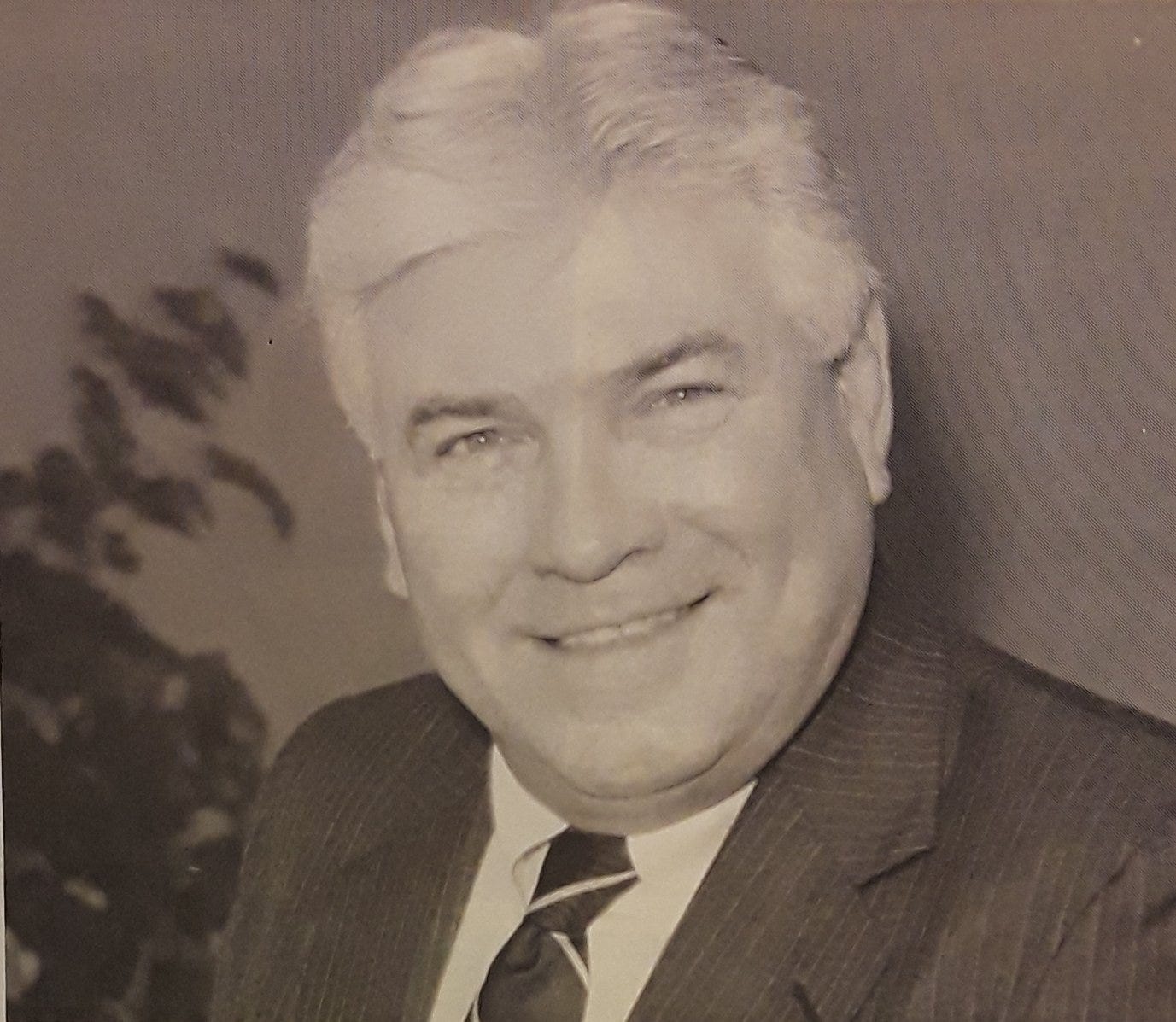
Pictured: Jim Herd, WCW Executive Vice President
The first and most emblematic misstep was the appointment of Jim Herd as WCW’s inaugural Executive Vice President (later President) in early 1989. Herd was no wrestling insider. A former regional Pizza Hut manager and general manager of St. Louis’s KPLR-TV (home of the once-popular Wrestling at the Chase), he embodied the corporate “suit” Turner executives believed the promotion needed. Herd’s mandate was to professionalize operations, cut costs, and compete with Vince McMahon’s WWF. Instead, his inexperience produced a cascade of disasters. He clashed immediately with holdover talent and bookers. Ric Flair, the NWA World Champion and the promotion’s biggest draw, was ordered to drop his iconic “Nature Boy” persona, shave his head, and adopt a Roman-gladiator gimmick called “Spartacus.” Flair later quipped that Herd knew “nothing about wrestling, other than the fact that the station he ran had a hot show.”
The relationship deteriorated into open warfare: Herd stripped Flair of the title in July 1991, prompting Flair’s departure to the WWF—where he carried the Big Gold Belt onto Prime Time Wrestling. Other stars followed: the Road Warriors, the Midnight Express, and Stan Hansen all exited amid creative and contractual disputes. Herd’s short-term cost-cutting and gimmick-heavy booking (RoboCop appearances, the Black Scorpion) alienated the core audience without attracting new viewers. By the time Herd was fired in January 1992, WCW had hemorrhaged talent and credibility.
Turner executives viewed these failures through a purely corporate lens. Bill Shaw, Ted Turner’s right-hand man, commissioned comprehensive internal research—focus groups, talent audits, merchandise analyses—to diagnose why WCW lagged behind the WWF. Corporate researcher Richard Steinberg was embedded to overhaul non-television revenue streams. Wrestling personnel, led by booker Dusty Rhodes, treated the intervention as an existential threat—an unwelcome intrusion by outsiders who did not understand the business. Steinberg’s 100-plus-page report proposed sweeping changes, but implementation met passive-aggressive resistance. Merchandise revenue eventually quadrupled under Steinberg’s watch, yet the episode underscored the core misalignment: Turner’s team saw WCW as a troubled division needing rationalization; the wrestlers and bookers saw it as their domain, governed by road logic rather than spreadsheets.
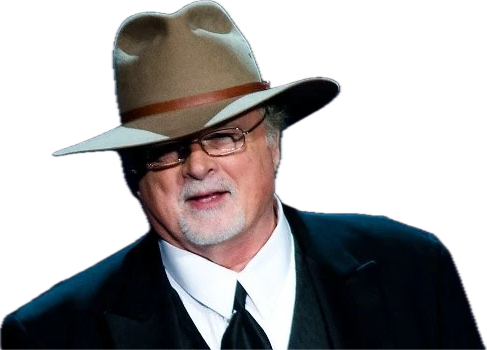
Pictured: Bill Watts
Desperate for stability, Turner executives turned in late 1992 to Bill Watts, the grizzled veteran with decades of territorial experience. Watts arrived as Executive Vice President with a mandate to restore profitability and “save our industry,” as he wrote in a blunt internal memo to the roster. He imposed old-school discipline—no top-rope moves, stricter conduct rules—and preached a return to NWA fundamentals. Ratings stabilized somewhat, and Watts publicly framed 1993 as the year WCW would justify “Ted’s vision.” Yet Watts’s tenure collapsed almost as quickly as Herd’s. His conservative style clashed with evolving audience tastes and, crucially, with Turner corporate sensitivity. Comments perceived as racially insensitive drew the ire of Atlanta Braves legend Hank Aaron (a Turner executive), [while accusations of antisemitism from others added fuel. Watts also chafed at bureaucratic interference; he later complained he had been promised autonomy but found himself unable to fire underperforming staff or override corporate agendas. By early 1993 he had resigned (or been forced out), leaving another vacuum.
Eric Bischoff’s promotion to Executive Vice President in February 1993 marked a partial pivot toward business-savvy leadership. Unlike Herd or Watts, Bischoff impressed Turner brass with his polished presentation and willingness to operate within corporate boundaries. By 1994 he was recruiting outside talent (including, quietly, future stars) and laying groundwork for the 1995 launch of Monday Nitro. Yet even Bischoff operated under constraints. Turner executives still demanded fiscal restraint and “family-friendly” content that sometimes undercut wrestling’s edgier appeal. Financial losses remained staggering—WCW reportedly was losing around $6 million over the course of 1989 through 1993 while TBS continued to treat the promotion as a programming filler rather than a core asset. International tours exposed the logistical nightmare: wrestlers wrecked hotel rooms, left unpaid bills, and operated with a looseness that horrified corporate handlers. Steinberg’s road stories of ambulances, police interventions, and emergency cash payouts read like dispatches from two alien civilizations forced into uneasy coexistence.
At the heart of the difficulty lay a fundamental cultural incompatibility. Turner Broadcasting was built on CNN’s journalistic credibility, TBS’s family programming, and ownership of the Atlanta Braves and Hawks. Pro wrestling, by contrast, was still steeped in 1970s territorial traditions: worked shoots, territorial loyalties, and a distrust of outsiders. Ted Turner himself remained a supporter—he granted WCW valuable airtime and occasionally intervened personally—but he delegated day-to-day oversight to executives who saw wrestling as lowbrow or, at best, a necessary evil to fill Saturday-night slots. Corporate accounting practices, content restrictions (no blood), and the constant pressure to justify investment created friction at every level. Wrestlers and bookers resisted “suits”; executives viewed wrestling personnel as undisciplined and unprofessional. No single leader—Herd the corporate neophyte, Watts the successful wrestling businessman, or even the more adaptable and creative Bischoff—could bridge the gap.
By the end of 1994, WCW had survived four executive regimes, multiple talent purges, and persistent red ink, yet it remained only marginally aligned with its parent company. The Monday Night Wars and Nitro’s eventual explosion would come later, fueled by Bischoff’s risk-taking and Turner’s personal backing. But the period from late 1988 through 1994 proved that assimilation was never truly achieved. Turner Broadcasting could buy the promotion; it could never quite domesticate the sport. The corporate structure demanded predictability and brand synergy; professional wrestling demanded autonomy and spectacle. The two never quite fit, and the friction defined WCW’s early years under the Turner banner.
But things turned a bit for the positive when WCW and Turner decided to go on the offensive side of strategy and attack WWF head up.
The war with McMahon and his WWF truly ignited on September 4, 1995, when WCW—under the leadership of Eric Bischoff—launched WCW Monday Nitro live on TNT, directly opposite WWF’s Monday Night Raw on USA Network. Turner personally greenlit the risky prime-time experiment despite internal opposition. For 83 consecutive weeks, Nitro dominated the ratings. The nWo (New World Order) invasion storyline, the meteoric rise of Goldberg, Sting’s brooding vigilante persona, and the introduction of cruiserweight high-flying action gave WCW an edgy, sports-like feel that resonated with younger male viewers. McMahon countered with the Attitude Era—edgier, adult-oriented content featuring Stone Cold Steve Austin, The Rock, and DX—eventually reclaiming the ratings lead in 1998 and never relinquishing it.
Their management styles could not have been more different. McMahon was a hands-on micromanager who booked creative, approved every segment, and pushed the envelope with sex, violence, and celebrity crossovers. He treated wrestling as his personal fiefdom, famously declaring “Wrestling is entertainment” while blurring the lines between sport and spectacle. Turner, by contrast, remained largely hands-off. He rarely attended shows or called creative meetings, delegating to executives while providing an almost unlimited financial safety net. Bischoff later recalled that Turner’s only real directive was “keep it entertaining and don’t lose too much money.” When WWF produced the satirical “Billionaire Ted” skits mocking Turner as a clueless hillbilly trying to buy success, the cable mogul reportedly found them more amusing than offensive—an attitude McMahon himself would never have tolerated.
The personal and corporate animosity surfaced in subtler ways. Turner publicly blamed McMahon for pushing wrestling toward “raunchy” content that forced WCW to compete on the same level. McMahon, in turn, filed complaints with the FCC about WCW’s violence and used every opportunity to portray his rival as an out-of-touch billionaire meddling in a business he didn’t understand.
The end came swiftly after the AOL-Time Warner merger in 2001 stripped Turner of much of his decision-making power. With WCW hemorrhaging $60–80 million annually and no longer protected by its founder, the company was sold to the WWF in March 2001 for a reported $3–5 million—a fraction of what Turner had invested. On the final Nitro (March 26, 2001), McMahon appeared via satellite to announce he had “bought” WCW, symbolically ending the war on live television. The Monday Night Wars had concluded with McMahon as the undisputed victor, but the rivalry had elevated the entire industry: mainstream popularity soared, production values skyrocketed, and pay-per-view buys reached record heights.
In the end, Vince McMahon’s ruthless creativity and willingness to adapt outlasted Ted Turner’s deep pockets and protective platform. Yet without Turner’s stubborn refusal to abandon wrestling—and his willingness to let WCW spend freely—the sport might never have experienced its most explosive creative renaissance. The “vs.” was never about ego alone; it was about two visions of entertainment colliding: one built on centralized control and shock value, the other on decentralized opportunity and old-school ratings pragmatism.
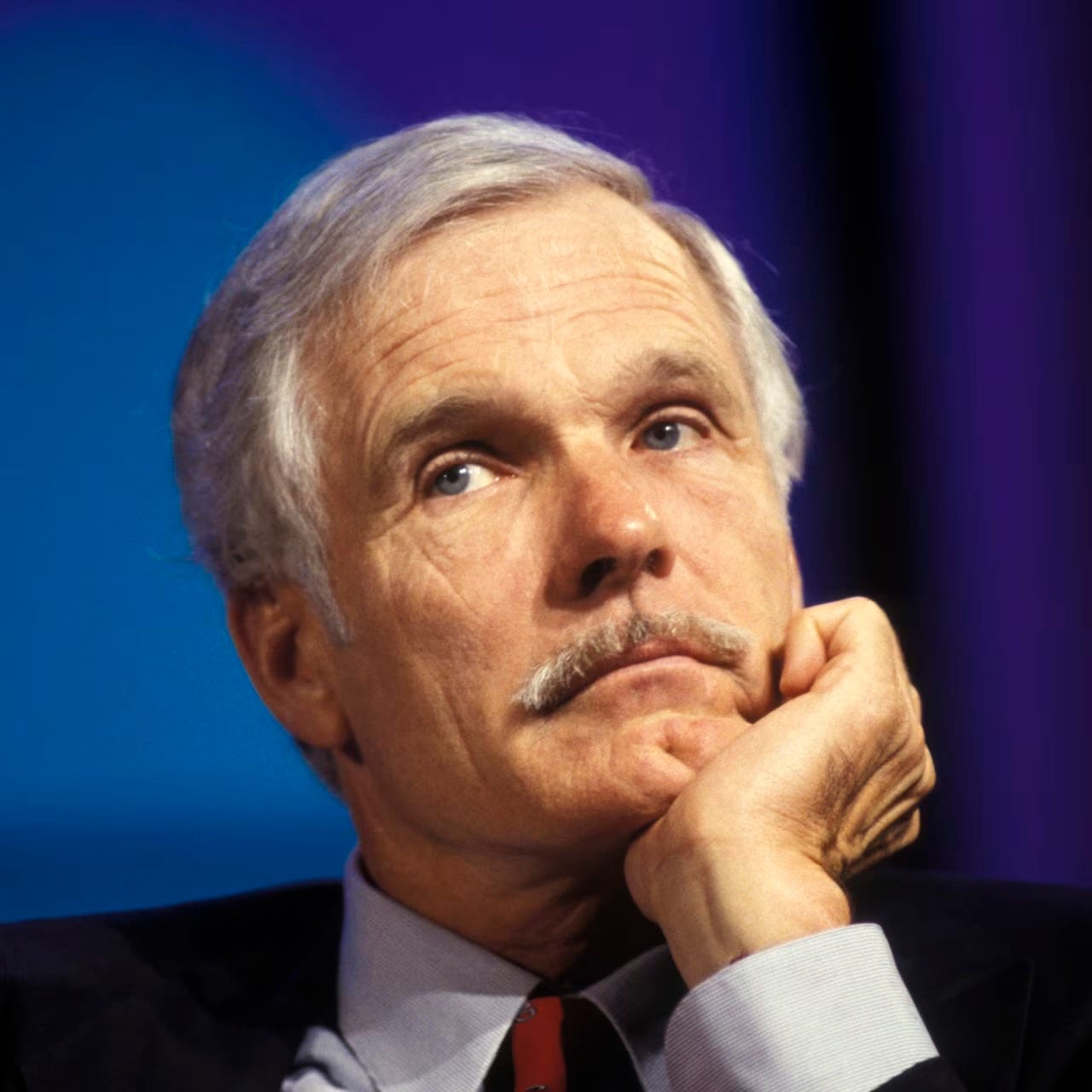
Turner’s personal style as a wrestling owner was that of a supportive but distant benefactor rather than a micromanager. He loved the sport’s entertainment value and its proven ability to deliver ratings, yet he rarely interfered with booking or storylines. When the WWF produced the satirical “Billionaire Ted” skits lampooning him as a bumbling hillbilly trying to buy success, Turner reportedly found them amusing rather than offensive—a rare display of good humor amid the heated rivalry. His protection of WCW became legendary among insiders. Multiple times, Turner Broadcasting executives urged him to shut down the money-losing operation, but he consistently refused, viewing it as vital content for TBS and TNT. As Eric Bischoff later reflected, Turner was one of the five most significant figures in wrestling history precisely because his resources and platform enabled WCW to challenge the established order.
Another example of Turner’s highly competitive nature and behavior, besides the McMahon relationship is the relationship with Rupert Murdoch.
Ted Turner and Rupert Murdoch were two of the most ambitious, self-made media titans of the late 20th and early 21st centuries. Turner, the brash Southerner who founded CNN and pioneered 24-hour cable news, built an empire from a small billboard company in Georgia. Murdoch, the Australian-born globalist, transformed a single newspaper into News Corp, a sprawling conglomerate that included Fox News, newspapers, film studios, and satellite television. Their relationship was defined by fierce personal animosity, cutthroat business competition, and public mudslinging that often overshadowed the profound ways their rivalry reshaped television news. What began as a yachting mishap escalated into a decades-long feud that pitted CNN’s perceived liberal ethos against Fox News’s conservative challenge, polarizing the American media landscape while driving innovation in round-the-clock journalism.
The personal roots of their conflict traced back to 1983 during the Sydney-to-Hobart Yacht Race. A yacht sponsored by Murdoch’s company collided with Turner’s boat, Condor, causing it to run aground just miles from the finish line. At the post-race dinner, a drunken Turner verbally assaulted Murdoch and, in a moment of theatrical bravado, challenged him to a televised fistfight in Las Vegas. The incident set the tone for their relationship: raw, ego-driven, and unfiltered. Turner, known for his colorful outbursts, later revisited the challenge multiple times, including in 2003 when he offered Murdoch headgear because of their age difference.
Business rivalry ignited the feud into full flame in the mid-1990s. Turner had revolutionized news with CNN’s 1980 launch as the first 24-hour cable news network, proving that continuous coverage could captivate audiences during crises like the Gulf War. Murdoch, ever the opportunist, saw an opening. In 1996, he launched Fox News Channel as a direct counter to what he viewed as CNN’s liberal slant, hiring Roger Ailes to steer it toward a more populist, conservative voice. The timing was explosive: Turner had just merged his Turner Broadcasting System with Time Warner in October 1996, becoming the conglomerate’s largest shareholder and vice chairman. When Time Warner refused to carry Fox News on its lucrative New York City cable system (serving over a million subscribers), citing regulatory requirements to add a competing news channel but ultimately choosing MSNBC instead, Murdoch declared war.
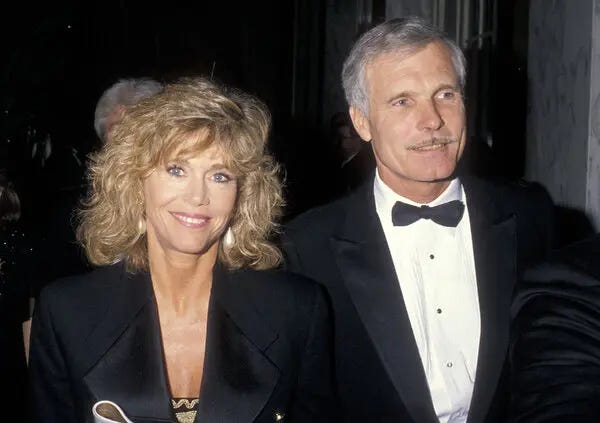
The 1996 cable news wars were as much about distribution and dollars as ideology. Murdoch reportedly offered Time Warner $125 million upfront for carriage and threatened antitrust lawsuits and retaliation by pulling Fox programming from Time Warner systems. Turner, protective of CNN’s dominance, famously declared he was “looking forward to squishing Rupert like a bug.” The mudslinging reached theatrical heights. Turner compared Murdoch to “the late Führer,” accused him of “yellow journalism” and Hitler-like obsession with crushing competitors, and called him a “scumbag” and “megalomaniac” with “not a spark of human decency.” Murdoch’s New York Post fired back, questioning Turner’s mental health and speculating about manic depression. Jane Fonda, Turner’s then-wife, even accused Murdoch of bribing New York Mayor Rudy Giuliani by hiring his wife. Murdoch retaliated with a stunt plane flying taunting messages over Yankee Stadium during the World Series.
Despite the vitriol, insiders noted it was often more rivalry than pure hatred. Both men were voracious competitors who respected each other’s business acumen in private. Turner had once sought Murdoch’s help during financial troubles in the 1980s, and they had even skied together at Turner’s Montana ranch. Analysts observed that their empires were too interdependent—HBO aired Fox films, Fox carried Warner shows—for all-out destruction. The fight was fundamentally about money and control of the exploding 24-hour news market, where startups burned hundreds of millions with no guarantee of profit. Fox News ultimately thrived by paying cable operators upfront for carriage, while CNN faced new pressure from both Fox and MSNBC.
The barbs continued well into the 2000s. In 2003, as Fox News surged in ratings during the Iraq War—thanks in part to its staunch pro-Bush coverage—Turner called Murdoch a “warmonger” who “promoted” the conflict. He revived the fistfight challenge and labeled him “the most dangerous man in the world.” Murdoch’s outlets portrayed Turner as unhinged. Yet even as Turner’s influence at Time Warner waned after the disastrous AOL merger (costing him billions personally), and he resigned as vice chairman in 2003, the rivalry lingered as a symbol of clashing media philosophies: Turner’s idealistic, sometimes liberal-leaning globalism versus Murdoch’s conservative, profit-driven populism.
Over time, the intensity cooled. By 2019, Turner acknowledged in a Variety interview that he and Murdoch had made amends. Their empires had evolved—Turner focused increasingly on philanthropy, environmental causes, and nuclear disarmament after stepping back from day-to-day operations, while Murdoch’s family navigated succession at News Corp and Fox. The competition they sparked, however, left a lasting legacy: cable news became faster, more partisan, and more profitable, for better or worse. CNN set the template for nonstop coverage; Fox proved a counter-narrative could dominate ratings. Together, they accelerated the fragmentation of American media.
Ted Turner and Rupert Murdoch embodied the cutthroat ambition of media moguls who built empires from scratch. Their turbulent relationship—marked by yacht crashes, Hitler comparisons, and threatened brawls—often played out like tabloid drama. Yet beneath the insults lay a shared understanding of the industry’s ruthless economics.
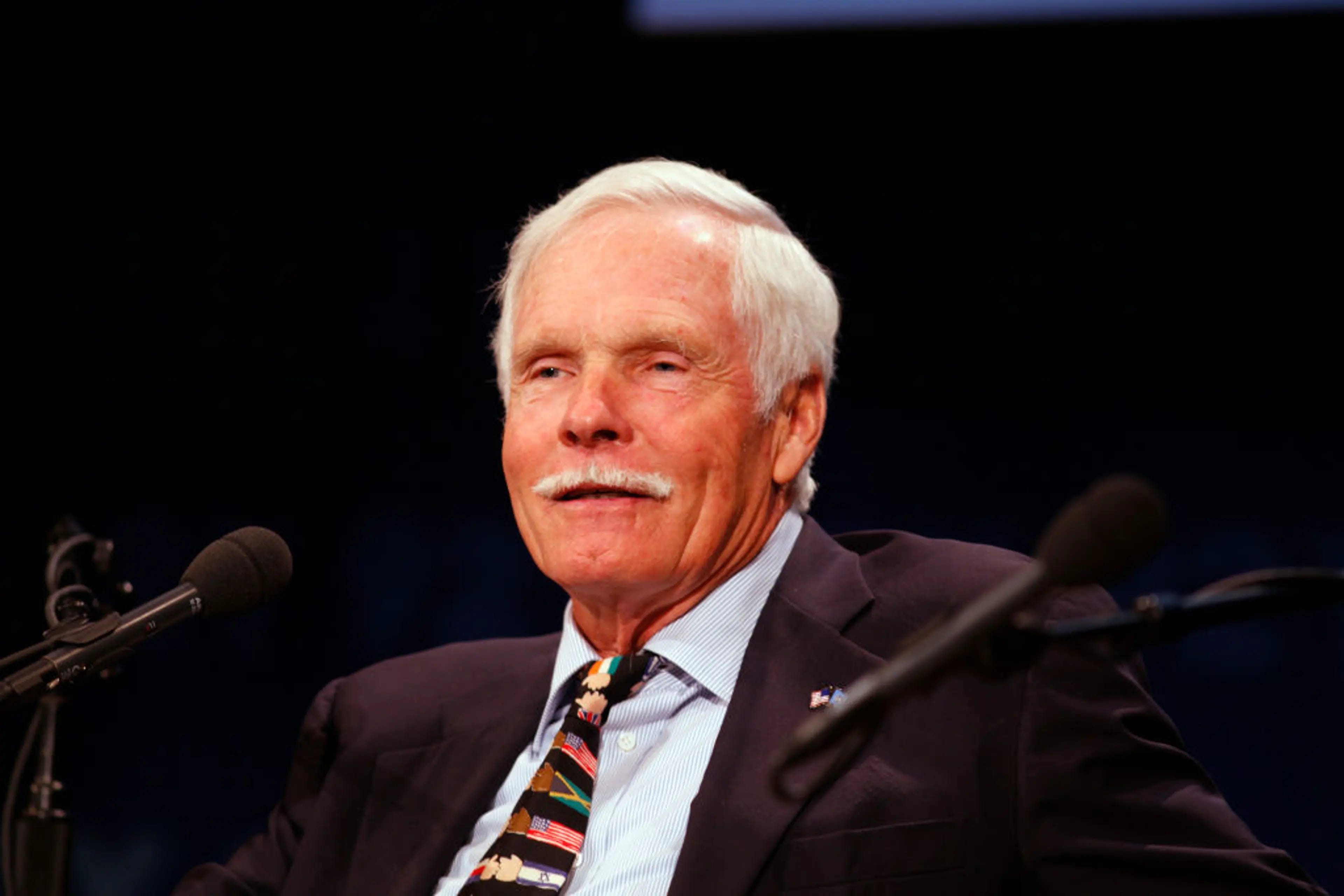
The end of Turner’s direct influence on wrestling came with corporate upheaval. The 1996 merger of Turner Broadcasting with Time Warner made him vice chairman, but the subsequent AOL-Time Warner merger in 2000 eroded his power. By early 2001, with WCW hemorrhaging money and Turner no longer in a position to shield it, the company was sold to the WWF for a fraction of its earlier value. On March 26, 2001, Nitro and Raw aired a historic simulcast as Vince McMahon symbolically “bought” WCW on live television. For Turner, it marked the quiet conclusion of more than 30 years of wrestling on his networks.
Beyond wrestling, Turner’s broader legacy is monumental. He founded CNN in 1980, revolutionized cable with TNT and Cartoon Network, owned the Atlanta Braves (who won the 1995 World Series under his watch), and became a leading philanthropist—pledging $1 billion to the United Nations Foundation and championing nuclear nonproliferation and environmental conservation. In later years, he battled Lewy body dementia, publicly discussing the diagnosis in 2018 and continuing his advocacy work despite health challenges that included a bout of pneumonia in early 2025.
Ted Turner deserves induction into the Wrestling Observer Hall of Fame in the non-wrestler category because his decisions literally made the 1990s wrestling boom possible. In 1988 he bought Jim Crockett Promotions and folded it into Turner Broadcasting, rebranding it World Championship Wrestling and giving it the financial muscle and national reach of TBS and later TNT. That platform kept wrestling alive as a weekly television staple when many territories were dying, and it allowed WCW to grow into a legitimate national promotion. Then, in 1995, Turner backed Eric Bischoff’s crazy idea for a live prime-time show on Monday nights. Without that green light—and without Turner’s deep pockets to fund the talent raids, the nWo storyline, and the production values—there is no Monday Night Wars, no Attitude Era explosion, and no modern wrestling industry as we know it. He didn’t book the shows or cut the promos, but he created the arena where those things could happen on the biggest stage possible.
I’ve been vocal about this on my Substack and in every Observer Hall of Fame discussion I’ve joined: Ted Turner is an obvious non-wrestler inductee. Some voters point out that he only thought about wrestling a few minutes a year, and that’s probably true. But the same could be said of any media owner who greenlit a sport-changing project. The fact remains that without his vision for cable television and his willingness to treat wrestling as serious programming rather than filler, WCW dies in the late ’80s and the entire second boom period never happens. The Wrestling Observer Hall of Fame exists to honor people who fundamentally changed the business, and no one changed its national television footprint quite like Ted Turner. It’s past time the voters recognize that
Ted Turner’s passing on May 6, 2026, closes a chapter on an extraordinary life. In the world of professional wrestling, he was never a promoter in the traditional sense, yet his decision to acquire and sustain WCW helped usher in the sport’s modern cable-television era. Without Turner’s deep pockets, national platform, and stubborn refusal to abandon wrestling, the Monday Night Wars—and the creative explosion they produced—might never have happened. He didn’t seek the spotlight, but he provided the stage that allowed an entire generation of wrestlers and fans to experience wrestling at its most vibrant. In an industry built on larger-than-life personas, Ted Turner proved that sometimes the most enduring impact comes from the quiet, visionary owner in the background.
Thank You for Reading
I’m Tony Richards, Pro Wrestling Historian, Author and Storyteller. I share pro wrestling historical items in each issue of the Time Tunnel Pro Wrestling History Newsletter. Thanks for reading! If you enjoy my information on select events, matches and insights, please share it with folks you think might like to be a subscriber!
Remember, premium investors get access to exclusive and special content such as some special issues including a multi-part deep dives on wrestling territories, wrestler bios and championship title histories, special audio and video interviews on territory pro wrestling and more available in the Pro Wrestling Time Tunnel for Premium Investors.