


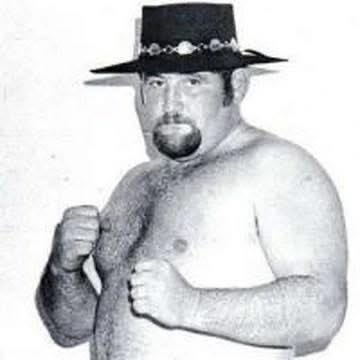
Phil Hickerson (born Phillip Hickerson, October 4, 1946) was a lifelong product of West Tennessee, born and raised in Jackson, a mid-sized city known for its railroad history, college presence (including Lambuth University), and working-class culture. He remained deeply rooted there throughout his life, later living in nearby Henderson, TN, with his wife Anita. Public details about his earliest childhood and family background are relatively sparse—typical for wrestlers of his generation who kept personal lives private—but available anecdotes, tributes, and local recollections paint a picture of a big, tough, blue-collar kid who grew into a larger-than-life local figure.
Jackson in the late 1940s and 1950s was a quintessential Southern town transitioning through post-WWII growth. Hickerson was born into this environment, and like many boys of the era, he developed a rugged, physical persona that served him well in wrestling. Comments from locals who knew him or his family suggest he came from a working-class background.

Pictured: Phil Hickerson in High School
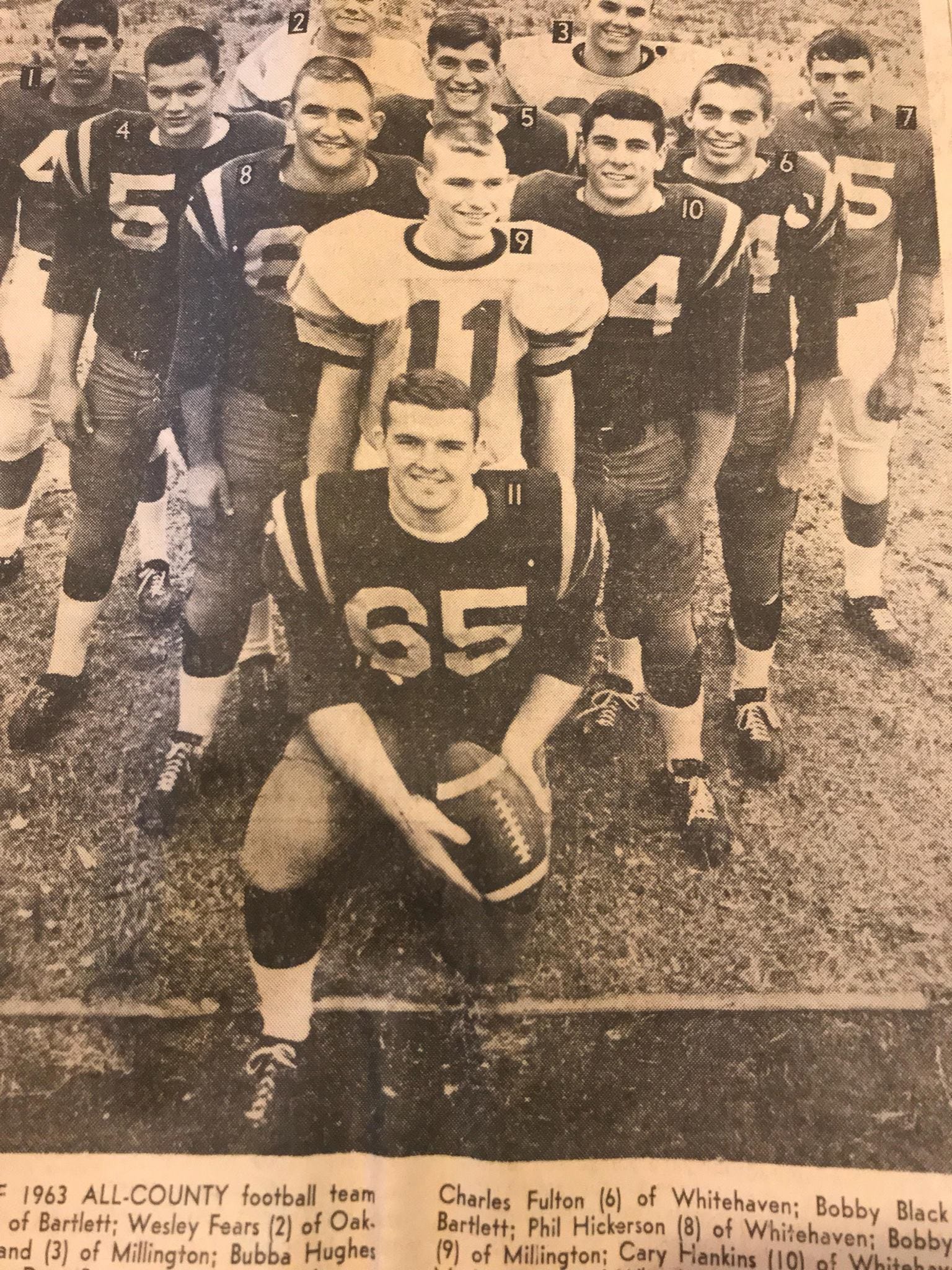
He attended high school in the Jackson area (with some local memories referencing school connections and training in an old Jackson high school building), though some anecdotes mentioned possible football involvement at Whitehaven High School in Memphis (class of ~1963-64), where he was described as a “terror on the field.” The team photo below show Phil (No 8) also includes a Charles Fulton, who I also wonder if that was the guy who worked under a mask for many years and as himself in the Tennessee Territory (No 6) This may reflect family moves, playing for a Memphis-area team, or a mix-up with another athlete, but it aligns with his later billed size and toughness (6’1”, 300+ lbs as a wrestler). Peers anecdotally recalled him as “mean in high school,” hinting at a strong, intimidating presence even as a youth.
Jackson, Tennessee as a southern town in the Gulas-Welch Tennessee Territory of towns, offered a mix of industrial work, Southern traditions, and proximity to the Nashville (central booking office) and Memphis (biggest wrestling town in the territory) wrestling scenes (about 80 miles each way and in each direction), which proved crucial. The city’s blue-collar ethos—factories, railroads, and a no-nonsense attitude—mirrored the physical, gritty style of Roy Welch and Nick Gulas wrestling where Hickerson thrived. Growing up in the 1950s-60s South likely exposed him to regional sports, honky-tonk culture, and the kind of tough-guy authenticity that translated perfectly to his heel personas.
Phil enlisted in the United States Marine Corps in 1964 and was stationed at Quantico, Virginia. It was during this time, while stationed at Quantico, that he met his future wife, Anita, who was working in Washington, D.C. The couple married in January 1967 and settled first in Memphis before making their home in the Jackson area, where they raised their son Terry (born 1967) and daughter Kathryn. Anita would remain by his side for nearly six decades, anchoring a family life that Phil cherished deeply as a devoted husband, father, and grandfather.
Back in civilian life in West Tennessee, Phil took a blue-collar job driving a concrete truck and working at the Owens Corning plant in Jackson. It was there, around 1971, that he connected with a co-worker named Jerry Baker. The two men shared a dream of breaking into professional wrestling and took matters into their own hands. They built a full-size wrestling ring in a backyard in Jackson, training rigorously while neighborhood kids occasionally got to bounce around in it when it sat idle. This DIY setup became the launching pad for Hickerson’s career.
Baker and Hickerson began wrestling together in the early 1970s, working small independent cards across Tennessee, Alabama, and Arkansas. They performed as a masked heel team known as The Assassins (distinct from the more famous version of Jody Hamilton and Tom Renesto), complete with a memorable mismatched black-and-white boot gimmick. Hickerson wrestled under the Assassin #2 name in 1973, and the pair appeared on cards such as a July 14, 1973, match in Birmingham, Alabama, against Frankie and Billy Lane on Birmingham TV42 WMBG, and an August 18, 1973, bout in Jonesboro, Arkansas. While Baker’s involvement in the ring was brief—he stepped away after a short run—Hickerson’s natural presence, toughness, and commitment shone through immediately. That backyard ring and early partnership with Baker marked the true beginning of a career for Hickerson that would span from 1971 until 1996.
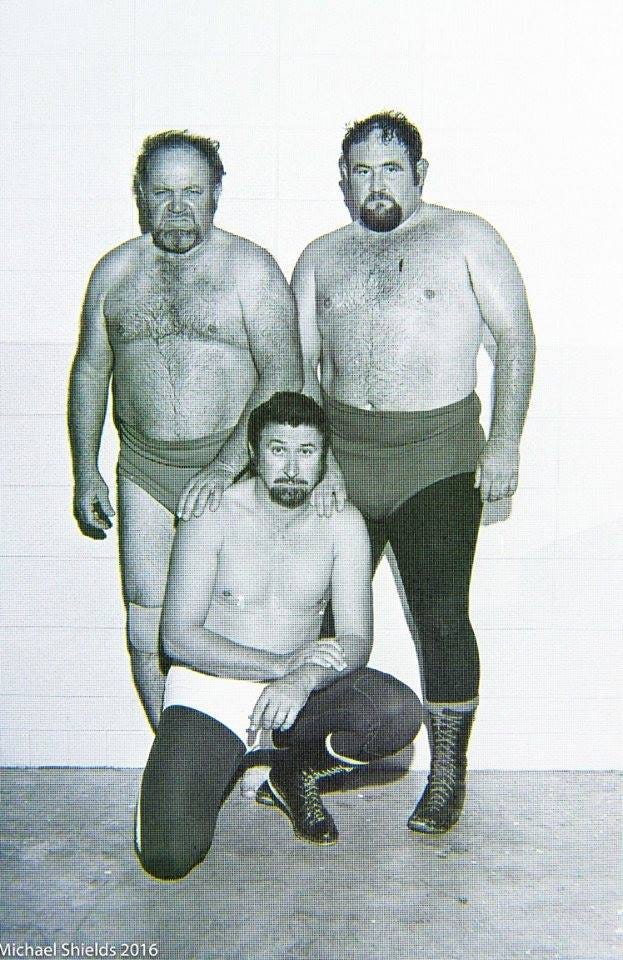
Pictured: The Sherman Tanks, Al Greene, Phil Hickerson and manager Sam Bass
**Photo credit: Mike Shields
By 1974, Hickerson had transitioned into quickly forming the Sherman Tanks with veteran Al Greene and working around the Gulas-Welch Tennessee Territory. The duo formed in July 1974, Hickerson stood at around 6’1” and over 300 lbs, the “country-strong” Hickerson brought legitimate toughness and believability to his work. He quickly established himself as a reliable performer in the rugged Southern style. Al Greene was the veteran of the pair. Active since the late 1950s, Greene had a long history in the territory. He previously teamed with “brother” Don Greene as The Heavenly Bodies (aka The Greene Brothers), a big, scary brawling duo that dominated tag team scenes in the Gulas/Welch promotion. Greene was known for his size, brawling style, and multiple title reigns prior to the Tanks.
Together, they formed a massive, plowing tandem—hence the “Sherman Tanks” name, evoking the heavy WWII armored vehicles. Opponents and announcers (including Jerry Lawler) sometimes mocked them as the “Septic Tanks” or “Tank Brothers: Sherman and Septic” for added heat. The team debuted as heels under the management of Sam Bass, a key figure in the territory who also managed or was associated with other acts (including early work with Jerry Lawler). Bass added managerial interference and storyline depth. The Tanks were portrayed as overpowering bullies who “plowed through” opposition with double-team maneuvers, stomps, and brawls.
This fit perfectly into the Tennessee Territory’s style: physical, story-driven feuds with frequent title changes to drive attendance on the house show loop. Hickerson was green but learning fast alongside the experienced Al Greene. The Sherman Tanks achieved immediate success, capturing the NWA Southern Tag Team Championship three times in 1974 alone. Key documented reigns include:
• First reign: Around August/September 1974.
• Additional reigns involving wins over teams like Jerry Lawler & Tojo Yamamoto (e.g., December 1974).
• They traded the belts rapidly with top babyface combinations, holding them for short periods (e.g., one noted 21-day reign in late 1974).
These frequent switches kept the division hot. Overall, Hickerson’s tag title record with Greene contributed to his 14 total Southern Tag reigns across his career (3 with Greene). In 1975, Hickerson, Greene, and Dennis Condrey (Hickerson’s future Bicentennial Kings partner) briefly held the NWA World Six-Man Tag Team Championship, defeating Tommy Rich, Tojo Yamamoto, and George Gulas on October 31, 1975, before losing it back after about 12 days.
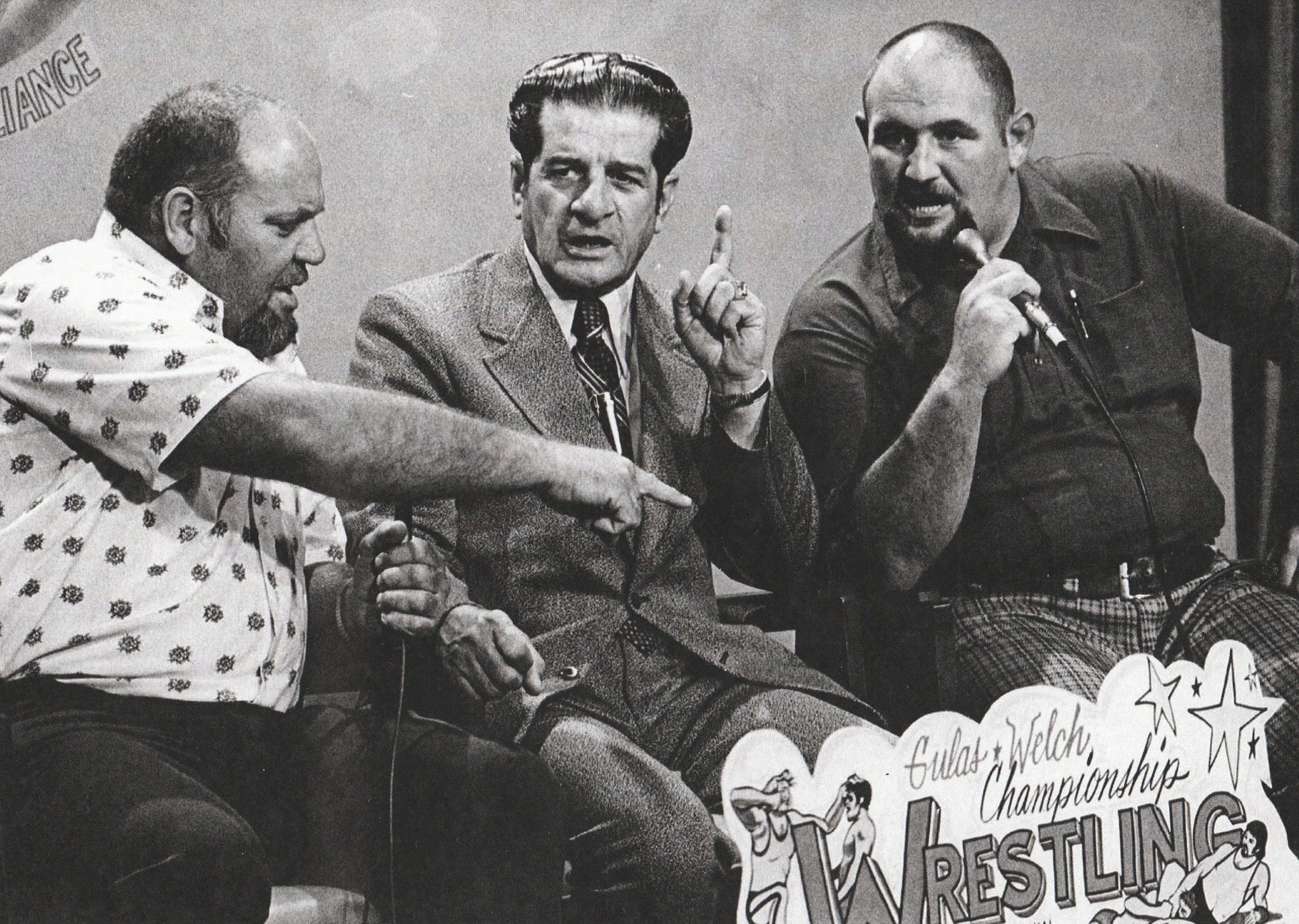
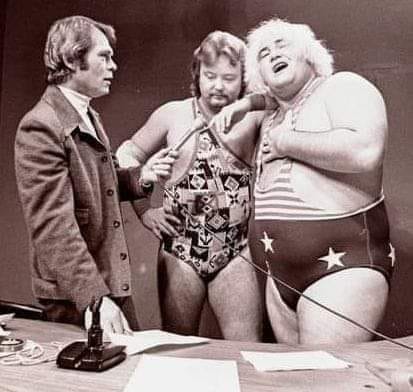
Pictured: Nick Gulas interviews The Sherman Tanks, Al Greene and Phil Hickerson on WNGE-TV-2, Nashville, Tennessee
The primary rivalry The Sherman Tanks had was with Jerry Lawler & Tojo Yamamoto, a cornerstone babyface team. The Tanks’ matches against them were physical showcases, with the big heels getting heat through cheating while elevating the rising stars. Other feuds involved teams like Jackie Fargo & partners, the Fullers, and various regional acts.
A notable angle involved tension between manager Sam Bass and Jerry Lawler. Early on, the Tanks (with Bass) were positioned in a way that led to Lawler’s face turn and the Tanks fully committing as heels. Hickerson and Greene were part of a broader heel stable dynamic in the territory. Their matches emphasized power: bearhugs, slams, double-team splashes, and brawling to control the ring. As a rookie team, it helped Hickerson gain experience while Greene provided veteran credibility.
The Sherman Tanks era was brief—primarily 1974 into 1975. By 1975–1976, Hickerson shifted toward partnerships with Dennis Condrey as the Bicentennial Kings, where he found even greater tag team success. Greene continued working but was late in his career and retired from wrestling not long after.
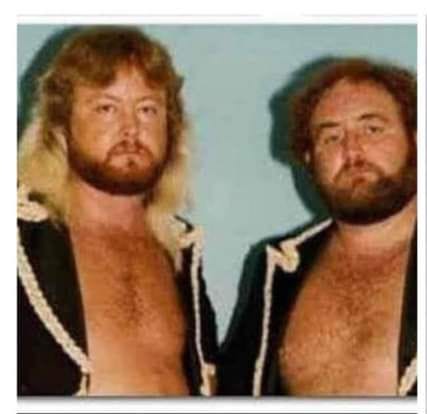
Pictured: Dennis Condrey and Phil Hickerson, The Bicentennial Kings
The name “Bicentennial Kings” tied directly into the 1976 United States Bicentennial celebrations. Formed in mid-1975, they adopted a regal, entitled persona—portraying themselves as kings ruling over the wrestling world during America’s 200th birthday. This gimmick blended patriotism with heel entitlement, making them perfect antagonists in conservative Southern markets.
Condrey, trained by Joe Turner and debuting in 1973, paired with the rugged Hickerson and their chemistry clicked immediately in Roy Welch and Nick Gulas Tennessee Territory.
They were initially managed by “Kangaroo” Al Costello (of the Fabulous Kangaroos fame), who added veteran heat. Later, they worked with Ron Wright, a legendary Southern heel manager known for adding intensity and interference. Managers like Bruce Swayze and Rock Hunter also appeared in various runs. Wright, in particular, was iconic in photos and footage, standing ringside as the Kings defended their gold.
The Kings were one of the most decorated teams in the territories during their active years (primarily 1975–1979):
• NWA United States Tag Team Championship (Mid-America version): Held a record five times, including the final reign when the titles were abandoned in 1976. They defeated teams like Tommy Rich & Tojo Yamamoto, Don Carson & Jackie Fargo, and Jerry Lawler & Jackie Fargo. Having the US Tag Team Titles fit in with the huge bicentennial celebration America was having in 1976. “These titles here prove we are the best in the USA!”
• NWA Southern Tag Team Championship (Gulas-Welch Tennessee / later AWA Southern): Multiple reigns. They won key bouts in 1975–1977 and additional reigns post-1977 split.
• NWA Mid-America Tag Team Championship: At least twice.
• NWA Southeastern Tag Team Championship (Knoxville version): Multiple reigns, including four in one Southeastern run.
• NWA World Six-Man Tag Team Championship (Gulas-Welch Tennessee version): With Al Greene in 1975.
Pictured: The Bicentennial Kings, Dennis Condrey and Phil Hickerson interviewed by Sterling Brewer on WBMG-TV42 in Birmingham, Alabama
They also captured versions of the titles in CWA after the 1977 Gulas-Jarrett split in the Jarrett-Welch company. Their reigns were typically short and frequent, following the territorial formula of hot title swaps to keep fans engaged week after week.
Hickerson brought size (billed around 300+ lbs) and country toughness; Condrey added speed, technical ability, and promo sharpness. Together, they excelled in bloody brawls, double-team maneuvers, and making babyfaces look strong. They were house show draws across Nashville, Memphis, Knoxville, Birmingham, Huntsville and beyond.
Key feuds included:
The Fabulous Fargos (Jackie, Roughhouse and Randy Fargo). This feud helped introduce Randy to the Fargo unit in Chattanooga and Birmingham.
Jackie Fargo & Tojo Yamamoto — A long-running rivalry; Yamamoto famously insulted them on promos (calling Hickerson a “septic tank” and Condrey a “Pekinese dog”).
Bill Dundee & Tojo Yamamoto / Bill Dundee & various partners.
Tommy Rich & Tojo Yamamoto /(whom they beat for the NWA United States Tag Team Titles in late 1975 (perfect for the Bicentennial Run in 1976, “Best is the USA”)
The Gibson Brothers (Ricky & Robert).
Tommy Gilbert & Tommy Rich.
Jimmy Golden & various partners in Southeastern in Knoxville.
Their style was physical and heat-driven—ideal for the era’s loops and TV tapings.
1976 was a pivotal and transitional year for professional wrestling in Tennessee. It marked the height of the U.S. Bicentennial celebrations, which bookers leaned into heavily for storylines and gimmicks. In the Gulas-Welch NWA Tennessee Territory, it operated with a loose East-West division. This set the stage for the full promotional split in early 1977 when Jerry Jarrett broke away to form the Continental Wrestling Association (CWA).
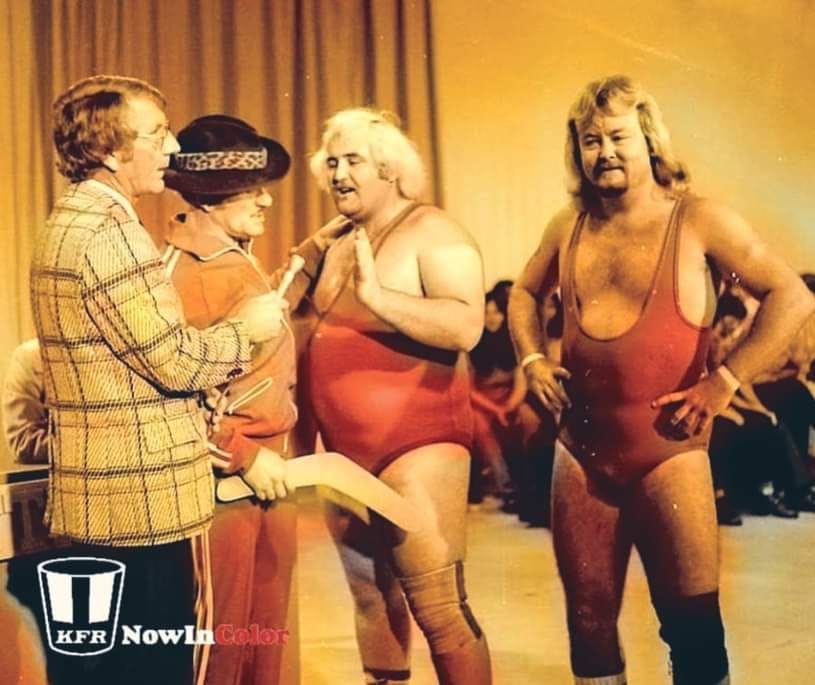
Pictured: The Bicentennial Kings, Phil Hickerson and Dennis Condrey with manager Kangaroo Al Costello interviewed by Lance Russell on WHBQ-TV13, Memphis, Tennessee
Phil Hickerson and Dennis Condrey as the Bicentennial Kings were one of the top heel acts in Gulas’s assigned booking portion of the territory, which included the towns of Nashville, Chattanooga, Birmingham, Huntsville and surrounding areas) They embodied arrogant, rule-breaking “kings” ruling during America’s 200th birthday, often managed by “Kangaroo” Al Costello and later others like Ron Wright. Their gimmick blended patriotism with heel entitlement, making them perfect antagonists in conservative Southern markets.
A major feud on the Gulas-booked end involved The Fabulous Fargos (primarily Jackie Fargo and his brother/partner Sonny “Roughhouse” Fargo). Matches in Nashville and eastern towns frequently turned into very bloody gimmick bouts, including best-of-three-falls, No DQ, lumberjack, and stretcher-style contests. Fargo famously mocked Condrey’s hair and mustache, calling him a “Pekinese dog,” which fueled months of heated promos and physical brawls. Big Bad John later joined the Fargos as the self-proclaimed “Bicentennial Baby” to counter the Kings. These programs drew strong houses and exemplified the territory’s emphasis on personal, violent rivalries.
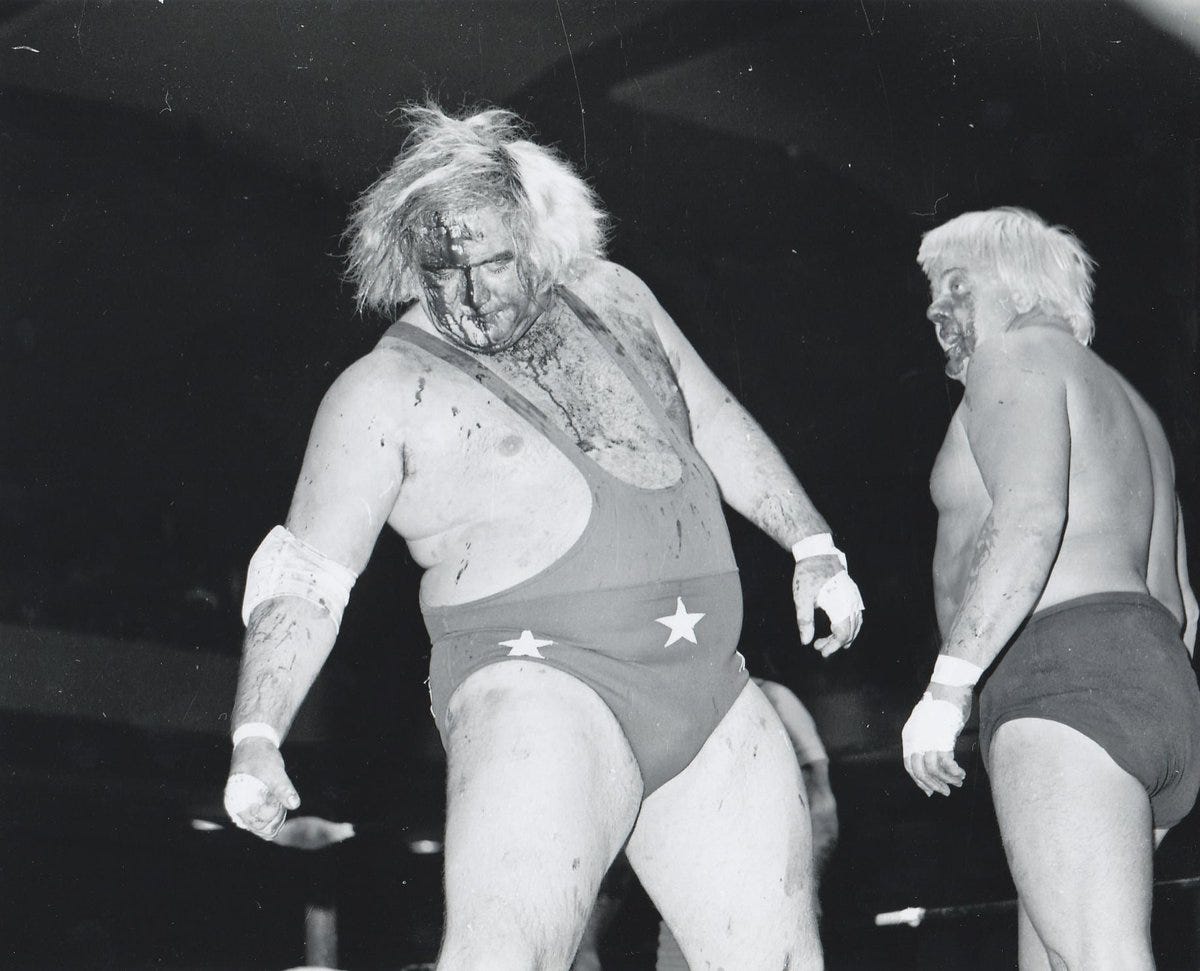
Pictured: January 17th, 1976 Jackie Fargo vs Phil Hickerson in a lights out, no DQ, stretcher match at the Memorial Auditorium in Chattanooga, Tennessee
**Photo credit: Scott Teal
On the western/Memphis-centric end, Jerry Jarrett handled much of the booking and promoting. This included towns Memphis, Louisville, Kentucky, Evansville, Indiana and Lexington, Kentucky and again shared booking interest in Nashville, which was the central booking office town for the massive territory. Jarrett positioned Jerry Lawler as the territory’s top heel as 1976 opened while elevating young Tommy Rich as a promising singles babyface. Lawler and Rich had notable programs in 1976, including a February 22, 1976, match in Memphis where Rich defeated Lawler for the NWA Southern Heavyweight Championship.
This setup created an interesting dynamic in the shared central booking office of Nashville: Gulas’s eastern-leaning cards often featured the Bicentennial Kings in bloody tag and singles wars with the Fargos, while Jarrett’s influence pushed Lawler as the marquee name with Rich as the up-and-coming face. The dual booking in Nashville highlighted tensions that would soon boil over in the next 12-18 months.
The Bicentennial Kings represented the peak of 1970s Southern territorial tag team wrestling: reliable, believable heels who anchored promotions during a transitional time (pre-national expansion). They weren’t national TV stars like the Midnight Express would become, but in the rings of Tennessee and the Southeast, they were kings—packing arenas, trading titles, and creating memories for fans who valued grit over spectacle.
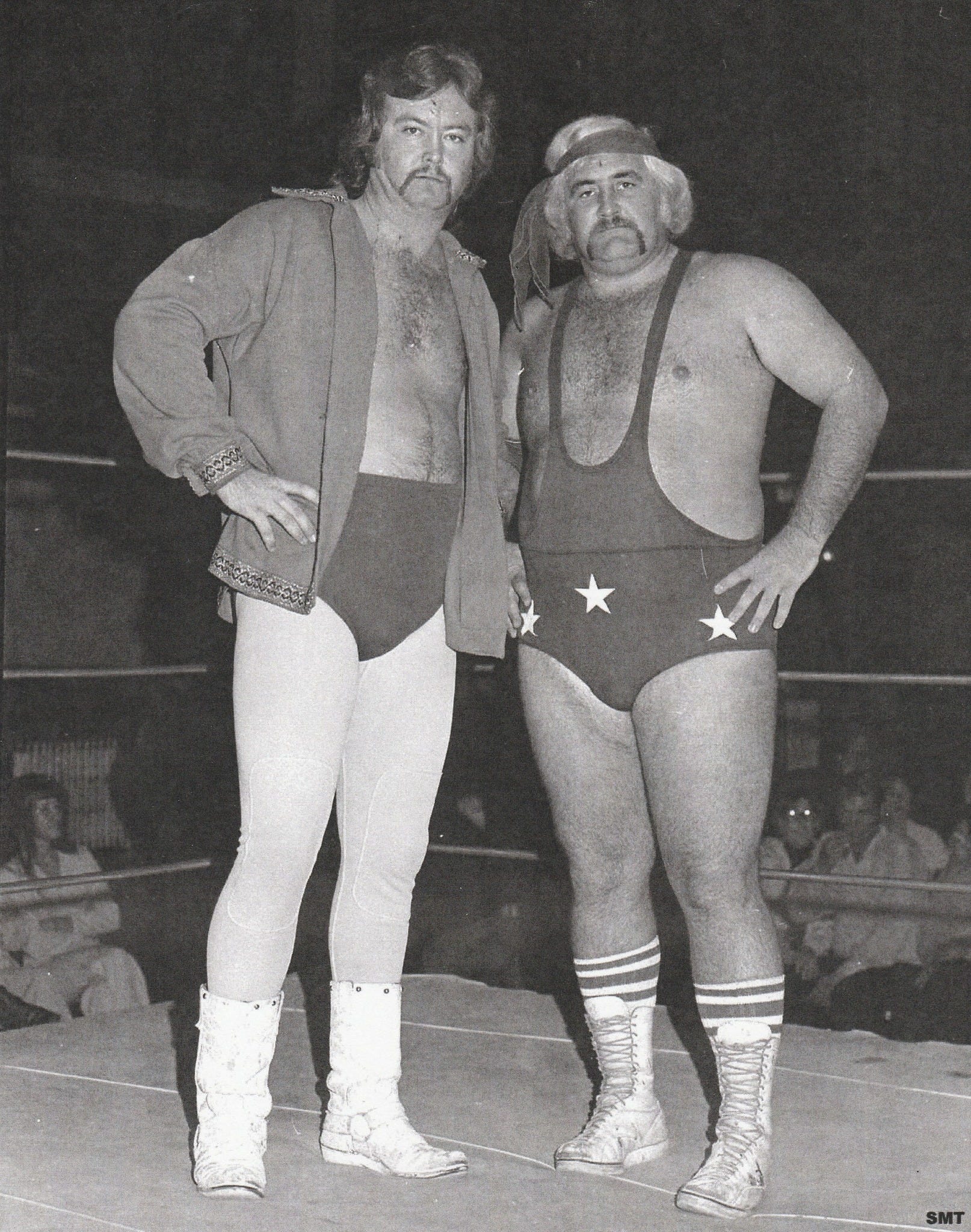
Pictured; The Bicentennial Kings, Dennis Condrey and Phil Hickerson
In 1977, Hickerson jumped to Jerry Jarrett and Buddy Fuller’s Continental Wrestling Association in Memphis, after they split from the Gulas-Welch Tennessee Territory. It proved to be an intelligent decision, as Jarett\Welch, even as underdogs, proved to survive, while Nick Gulas went out of business in 1980.
The Bicentennial Kings team split around 1979. Condrey went on to greater fame as part of The Midnight Express (with Bobby Eaton and manager Jim Cornette), becoming a tag team legend in Mid-South, JCP/WCW, and beyond. He passed away on March 20, 2026.
An injury sidelined Hickerson in the early 1980s, but he returned stronger in 1984. He teamed again with The Spoiler (Frank Morrell) for more Southern Tag title success before transitioning to singles.
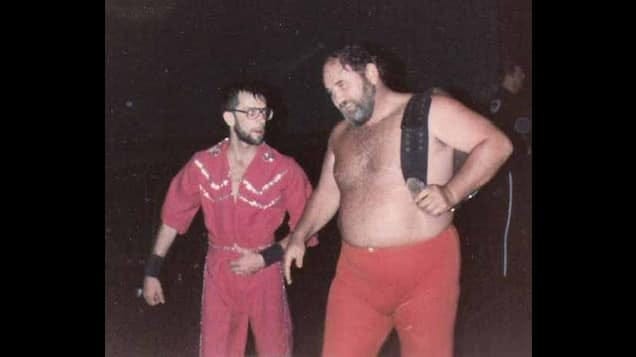
Pictured: Hickerson leaves a match with his manage Downtown Bruno and the AWA International Title in tow
His singles peak arrived in 1985 with three reigns as AWA International Heavyweight Champion. He feuded with credible opponents like Harley Race, Dutch Mantell, The Mongolian Stomper, Terry Taylor, and Koko Ware. These programs highlighted his ability to work as a “gatekeeper”—a tough veteran who elevated younger talent or visiting stars while maintaining main-event credibility.
In 1988, Hickerson captured the CWA Heavyweight Championship (the territory’s top prize) from Max Pain, holding it for one of the longer reigns in promotion history. That same year, he toured Japan with All Japan Pro Wrestling (AJPW), teaming with Jerry Blackwell in the World’s Strongest Tag Determination League. The trip exposed him to a different style, though he remained most at home in the South.
Where did I meet Phil Hickerson?
During the latter part of his active wrestling career, Phil Hickerson balanced the demands of the territorial road with local business involvement in his hometown area of Jackson. The most prominent of these was his management role at Tremors Nightclub in Jackson, which he oversaw from 1981 to 1987. This period overlapped with his stronger singles push in the Continental Wrestling Association (CWA) and his transition toward later gimmicks and eventual retirement around 1991. From 1987 until 1991, I was married to a girl who grew up near Bolivar, Tennessee and he sister (my sister-in-law at the time) had a boyfriend who was close friends with Phil and was a part-time bouncer at Tremors. When we visited my ex-wife’s family, we often ended up at Tremors, where Phil would be.
My experiences were limited with him, but the times I interacted with him, he was a funny, funny guy. You could tell there was a big-time serious side, obviously, but he told stories and had a ton of jokes. As a big, tough, charismatic figure with real ring credibility, Hickerson’s presence added security and star power to the venue—qualities that were very valuable in the 1980s bar scene. Fans and locals have recalled Tremors fondly as one of Jackson’s popular 1980s–1990s hangouts. It was a steady side venture that allowed him to stay rooted in West Tennessee while still working house shows and TV tapings and a good landing spot when he got hurt in the early 1980s.
As I mentioned, an injury sidelined him in the early 1980s, but he returned stronger in 1984. He teamed again with The Spoiler (Frank Morrell) for more Southern Tag title success before transitioning to singles.
His singles peak arrived in 1985 with three reigns as AWA International Heavyweight Champion. He feuded with credible opponents like Harley Race, Dutch Mantell, The Mongolian Stomper, Terry Taylor, and Koko Ware. These programs highlighted his ability to work as a “gatekeeper”—a tough veteran who elevated younger talent or visiting stars while maintaining main-event credibility.
In late 1985, during the Continental Wrestling Association (CWA) era in Memphis under Jerry Jarrett, Phil Hickerson played a pivotal veteran role in one of the most memorable early storylines for two future superstars: Steve Borden (Sting) and Jim Hellwig (The Ultimate Warrior). The pair arrived in Memphis as The Freedom Fighters (also known as The Blade Runners in other territories), a muscular but raw, inexperienced babyface tag team struggling to connect with fans. Hickerson, the established territory tough guy and singles competitor, became their primary antagonist in a short but impactful feud that helped give the rookies credibility and exposure.
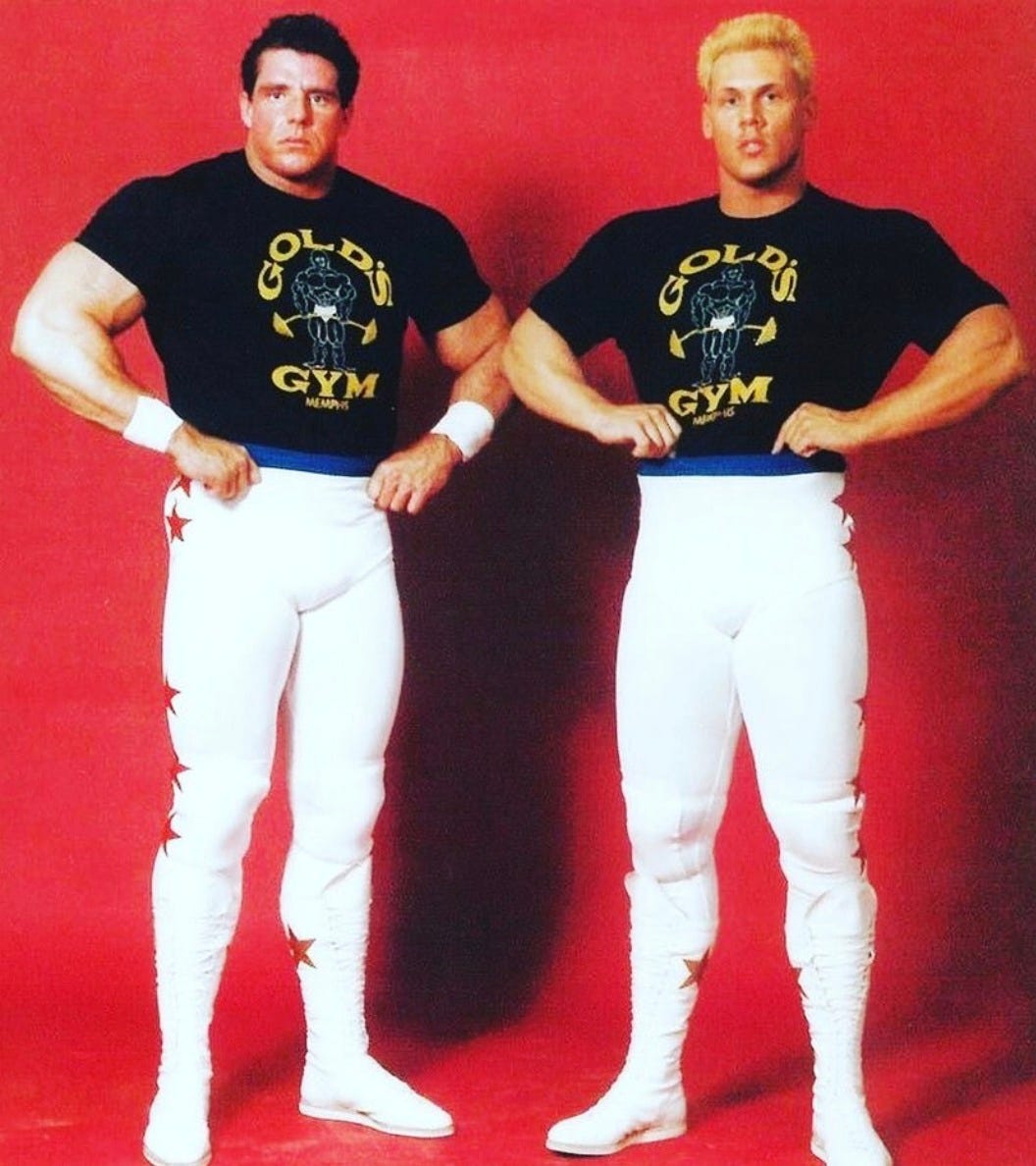
Pictured: The Freedom Fighters
The Freedom Fighters debuted in Memphis around November–December 1985 as athletic, bodybuilder-type faces with face paint and a high-energy look, but they lacked ring psychology and experience. Behind the scenes, Jim Hellwig (billed as Jim Justice or Flash) reportedly criticized the physiques of veteran wrestlers like Hickerson and Jerry Lawler, dismissing their more traditional, less-chiseled builds in favor of the steroid-enhanced 1980s bodybuilder aesthetic that Hellwig embodied. Hickerson caught wind of these comments and turned the real-life tension into on-screen gold.
This was classic Roy Welch-Jerry Jarrett southern style-booking: using a credible local veteran to “test” incoming talent, generate heat, and create buzz through unscripted or semi-worked promos. Hickerson’s no-nonsense heel persona made him the perfect gatekeeper to humble the cocky newcomers.
The highlight occurred on a Saturday morning TV episode (December 7, 1985, WMC feed). While the Freedom Fighters were cutting a promo boasting about their superior physiques and subtly (or not-so-subtly) knocking veterans, Hickerson—dressed in street clothes—marched out to confront them live on air. In a fiery, unfiltered response, he called them “green” and delivered the now-legendary line:
“All you know how to do is pull down your britches and put the steroids in your booty.”
The promo was blunt, personal, and perfectly in character for Hickerson’s sharp-mic Southern heel style. It immediately elevated the angle by bleeding real heat into the television product, a hallmark of Memphis wrestling’s success in the 1980s. The line has since become one of the most quoted and memed moments in territorial wrestling history, often cited in tributes to both Hickerson and the early careers of Sting and Warrior.
The verbal confrontation spilled into the ring. Key matches included:
• Hickerson vs. Jim Hellwig (singles).
• Tag bouts featuring Hickerson & partners (such as Billy Joe Travis or Jerry Lawler) against the Freedom Fighters.
• A notable angle where the rookies attacked Hickerson, injuring his arm with the ring bell and turning heel under manager Buddy Wayne. 
These programs ran primarily through December 1985 into early January 1986 at the Mid-South Coliseum and on TV. The feud helped the Freedom Fighters get partially over—first as faces getting sympathy, then as heels—before they moved on. Within a few years, Borden became Sting in Jim Crockett Promotions/ WCW, and Hellwig exploded as The Ultimate Warrior in the WWF.
This angle perfectly illustrates Hickerson’s value as a territorial veteran. At nearly 40 years old and with over a decade of experience, he wasn’t chasing national stardom but excelled at making others look good (or appropriately humbled). The “steroids in your booty” promo showcased his quick wit and ability to ad-lib authentically—turning backstage friction into compelling TV without breaking kayfabe entirely.
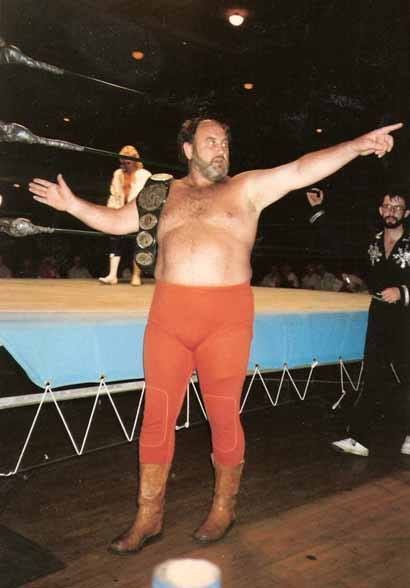
Pictured: December 1985, Phil Hickerson wins his 2nd CWA Heavyweight Championship
In 1988, Hickerson captured the CWA Heavyweight Championship (the territory’s top prize) from Max Pain, holding it for one of the longer reigns in promotion history. That same year, he toured Japan with All Japan Pro Wrestling (AJPW), teaming with Jerry Blackwell in the World’s Strongest Tag Determination League. The trip exposed him to a different style, though he remained most at home in the South.
In 1989, Hickerson joined the USWA and adopted the comedic faux-Japanese heel persona PY Chu-Hi (a pun on Tojo Yamamoto’s “PY Chung” and the drink chu-hi), managed by Yamamoto himself. The gimmick played on cultural stereotypes for laughs and heat, contrasting his earlier straightforward tough-guy image. He feuded memorably with Eric Embry over the WCWA Texas Heavyweight Championship (winning it in July 1989 in a steel cage) and worked programs with Scott Steiner, Billy Travis, Jeff Jarrett, and others.
While some viewed the gimmick as entertaining camp, it marked a shift toward comedy in his later years. Hickerson continued working until around 1991, retiring after a 20- year career in professional wrestling.
Hickerson’s title history underscores his value:
• Multiple NWA Southern / AWA Southern Tag Team reigns (14+ total across partners).
• AWA International Heavyweight Championship (3 times).
• CWA Heavyweight Championship.
• Various regional tag titles.
• Memphis Wrestling Hall of Fame (inducted 1995; some references note 2017 events or clarifications).
He was praised by peers for underrated heel work, mic skills, and toughness. Dave Meltzer, Jim Cornette and myself and Tennessee Historian and author, Tim Dills on our 1970s Tennessee Time Tunnel History Shows and others have noted his contributions to Tennessee wrestling’s last amazing eras of the 1970s and 1980s.
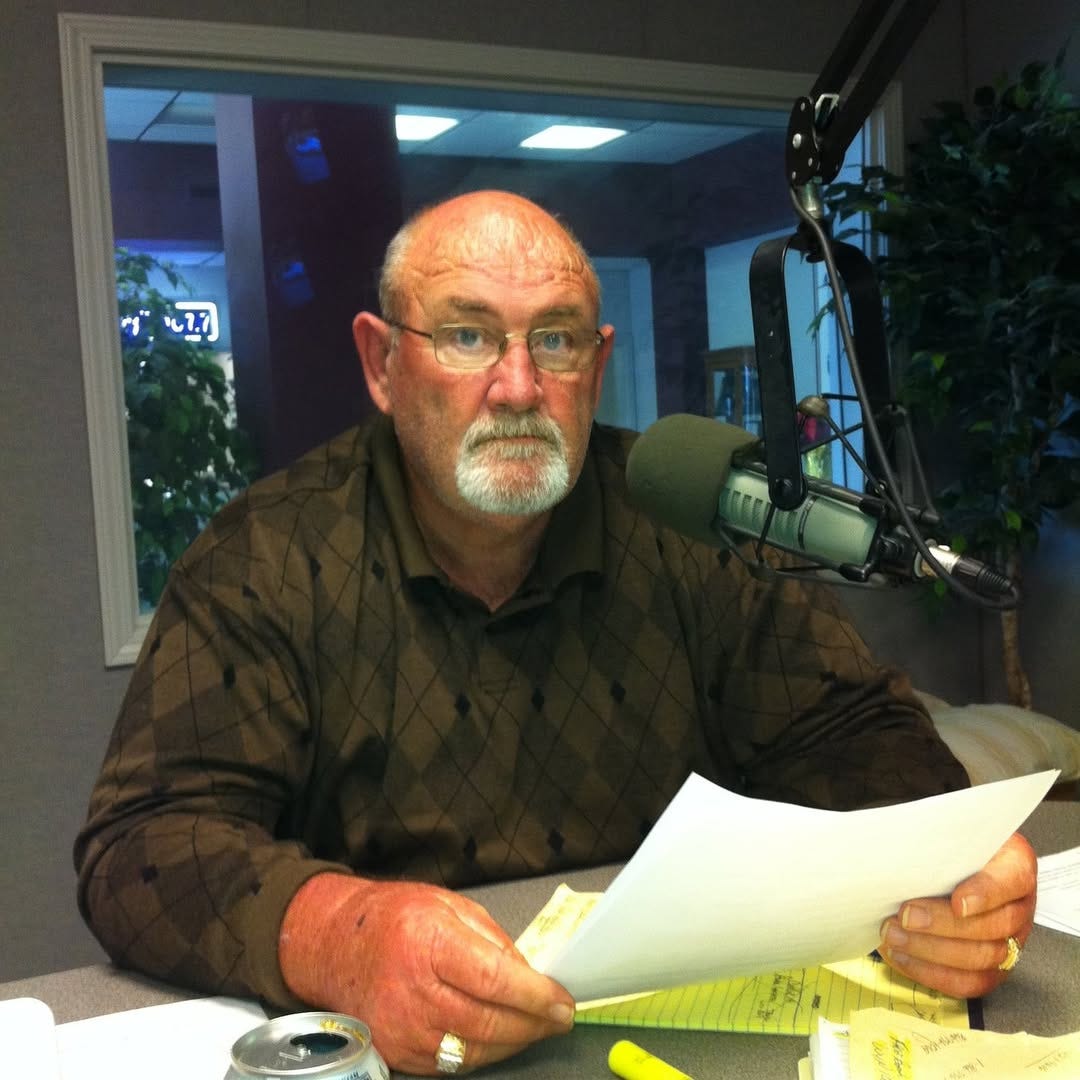
Post-wrestling retirement, Phil Hickerson transitioned successfully into a second career as a popular radio personality in his West Tennessee home area. He began working at WHHM 107.7 in Henderson, Tennessee, where he teamed up with Shane Connor. The duo later moved together to WYN 106.9 in Jackson after Thomas Media purchased the Henderson station. Their morning show, “Shane & Phil in the Morning” (typically 6 a.m. to 10 a.m.), became a local staple blending country music, community talk, humor, charity segments, and Hickerson’s larger-than-life personality and wrestling stories.
Hickerson co-hosted for a full 18 years, retiring in late March 2016. In a Jackson Sun article marking his sign-off, he spoke warmly of his partnership with Shane Connor, calling him “one of the smartest people I’ve run across” and a genuinely kind person. The pair emphasized charity work, supporting causes like Le Bonheur Children’s Hospital, Relay For Life, and the Carl Perkins Center for Child Abuse Prevention. Listeners and tributes recall the show as warm, engaging, and filled with Hickerson’s booming laugh, quick wit, and relatable “good ol’ boy” charm—the same traits that made him an effective heel on the mic in wrestling. After his departure, Shane continued with a revamped “Real Country Morning Show” focused on faith, family, community, and country values, with rotating local co-hosts.
Tributes following Hickerson’s passing this past Wednesday, May 20th, 2026 frequently highlighted how the show became a beloved part of daily life in Jackson and surrounding areas. Fans remembered calling in, hearing wrestling anecdotes, and feeling like Phil was “family.” His radio work mirrored his in-ring style: authentic, entertaining, and deeply rooted in the community he never left.
Hickerson was widely regarded by friends, family, and locals as a phenomenal cook, with a particular specialty in Hawaiian/Asian-inspired dishes. His signature recipe, “Phil’s ‘Down for the Count’ Pineapple Chicken & Fried Rice,” was featured in a detailed Southern Discourse article and cooking feature. He learned the dish on the wrestling circuit by watching and eventually assisting his manager and friend Tojo Yamamoto, a noted cook among the Memphis crew. Phil would observe Tojo chopping, dicing, and stir-frying after long days of training or matches, eventually gaining the confidence to try it himself.

The recipe involves marinated chicken tenderloins stir-fried with pineapple (chunks and juice), carrots, bell peppers, onions, water chestnuts, soy sauce, oyster sauce, sesame oil, and a cornstarch thickener—served over rice and garnished with green onions. It’s described as sweet-and-savory, family-friendly, and perfect for meal prep. Hickerson joked about its origins while demonstrating it in the kitchen, blending his straightforward personality with evident pride in the dish. Those who tasted it or watched him cook (including the article’s author) praised not just the food but his comfort and skill in the kitchen, calling him a natural who was “in his element.”
This culinary side added another layer to his post-wrestling life—hosting family and friends, sharing stories, and turning lessons from the road (like Tojo’s influence) into something nourishing at home in Henderson with his wife Anita. It reinforced the image of Hickerson as a multifaceted West Tennessee original: tough enough for the ring and radio, warm enough to cook for loved ones.
He remained a local figure in West Tennessee, occasionally appearing at wrestling events or reunions. He lived in the Henderson, TN area with his wife Anita and was known as a fun guy and great friend in personal circles.
In an era of larger-than-life personalities, Hickerson succeeded through authenticity and work ethic. He wasn’t the most athletic or charismatic in a modern sense, but he was believable—a big, tough Tennessee boy who could brawl, sell, and get heat. As a tag specialist in the Bicentennial Kings and a singles gatekeeper later, he helped anchor promotions during transitions from NWA territories to the Jarrett/CWA/USWA era.
His career spanned the peak and decline of the territories, including international exposure. More than titles or gimmicks, Hickerson represented the blue-collar foundation of Southern wrestling: long roads, bloody feuds, and loyalty to the business. Inducted into the Memphis Hall of Fame, his legacy endures as a reminder of the men who made regional wrestling matter to local fans night after night.
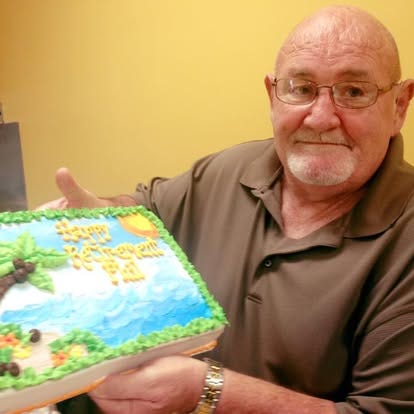
Phil Hickerson wasn’t a national superstar, but in the rings of Tennessee and the South, he was a legend. Tougher than a two-dollar steak, his contributions helped define an amazing era of territory wrestling that still captivates wrestling enthusiasts today.
Hickerson passed away on May 20, 2026, at age 79, just months after tag partner Dennis Condrey’s death. Tributes poured in from the wrestling community, highlighting him as one of the “true tough men” who built the territorial system through grit rather than spectacle. Forums and social media remembered his physical credibility, house-show drawing power, and role as the man opponents had to beat to establish themselves.
Phil Hickerson never left his Jackson, Tennessee roots which made him the quintessential “West Tennessee Tough Guy”.
My Special RIP Features Archive:
August 14th, 2025: RIP: The Passing of the Great Wojo
January 23rd, 2026: RIP: The Life and Career of Bobby Duncum, Sr
March 23rd, 2026: RIP: The Life and Career of "Loverboy" Dennis Condrey
April 6th, 2026: RIP: The Life and Career of "Flying" Fred Curry
Thank You for Reading
I’m Tony Richards, Pro Wrestling Historian, Author and Storyteller. I share pro wrestling historical items in each issue of the Time Tunnel Pro Wrestling History Newsletter. Thanks for reading! If you enjoy my information on select events, matches and insights, please share it with folks you think might like to be a subscriber!
Remember, premium investors get access to exclusive and special content such as some special issues including a multi-part deep dives on wrestling territories, wrestler bios and championship title histories, special audio and video interviews on territory pro wrestling and more available in the Pro Wrestling Time Tunnel for Premium Investors.