



Today’s Favorite Quote: Patience is something you can admire in the driver behind you & scorn in the one ahead- Mac MaCleary
Happy Birthday to those who have passed on and to those great wrestlers still with us:
In Memoriam:
Tex Riley 1916
Jack Dempsey 1921
Charles Raymond Frostand\Ivan The Terrible 1924
Jim Osborn 1935
Marva Scott 1937
Babs Wingo 1937
Afa Anoa’i 1942
Happy Birthday:
Ted Oates (75)
Shane Douglas (62)
Cassidy Riley (50)
Brianna Danielson\Brie Bella (43)
Stephanie Nicole Garcia-Colace\Nikki Bella (43)
RIP Memorial: We stop & remember those who have passed on this day and gave themselves to the business for us, the fans. We salute you and thank you.
Jess McMahon 11-21-1954 at the age of 72
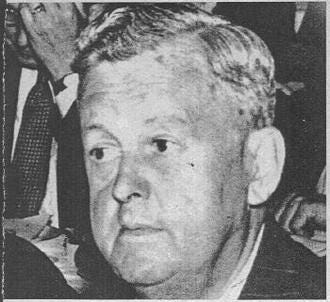
Max Baer 11-21-1959 at the age of 50
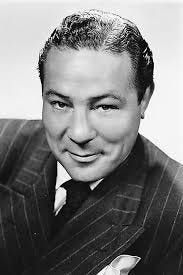
Jerry Miller 11-21-1976 at the age of 48

Dean Hart 11-21-1990 at the age of 36

Wild Bill Zim 11-21-1993 at the age of 80

Charles Sinkey 11-21-1997 at the age of 92

Ben Sharpe 11-21-2001 at the age of 84

Benny Matta 11-21-2011 at the age of 83
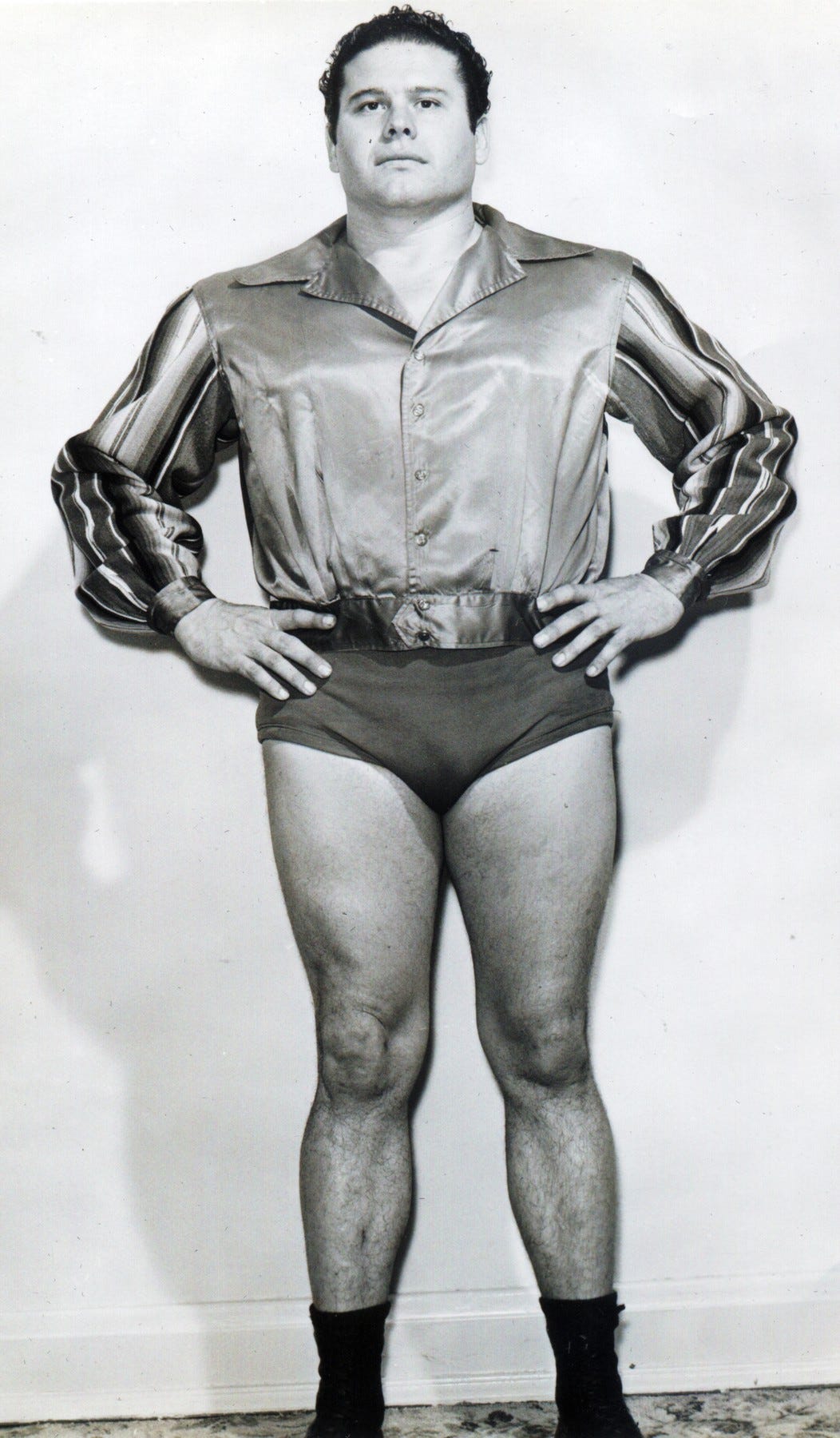
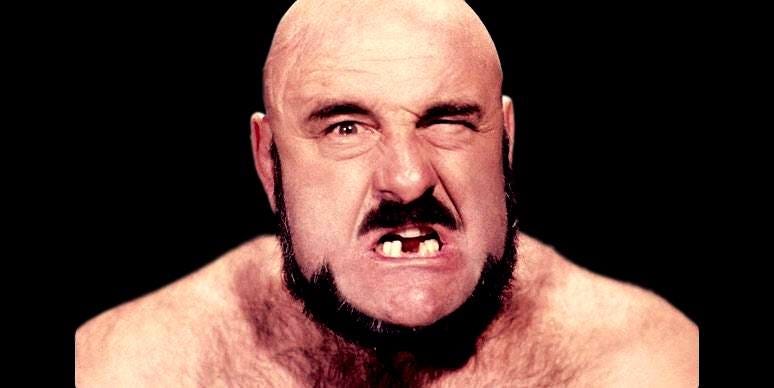
Mad Dog Maurice Vachon 11-21-2013 at the age of 84
The Life and Career of Marva Scott
Pioneer of the Squared Circle and Trailblazer in a Segregated Era
Marva Aniece Goodwin, better known by her ring name Marva Scott, stands as one of the earliest and most resilient Black women to compete in American professional wrestling. Born into a working-class family in the Jim Crow South and raised in Columbus, Ohio, she joined her older sisters Babs Wingo and Ethel Johnson to form the first Black sister trio in the sport.

Active from the early 1950s through 1979, Scott helped integrate women’s wrestling during the Golden Age, drew large crowds as a youthful sensation and agile competitor, captured regional tag team gold, and toured internationally—all while navigating systemic racism, physical danger, and the demanding realities of a male-dominated industry that often treated women’s wrestling as a novelty.
Though long overlooked in mainstream histories, her career, alongside those of her sisters, challenged both racial and gender barriers decades before broader civil rights and women’s movements reshaped American sports and society. Posthumous recognition, including induction into the Women’s Wrestling Hall of Fame, has begun to restore her place among the pioneers who expanded what was possible in the ring.
Marva Aniece Wingo was born on November 21, 1937, in Decatur, Georgia, to Gladys Chase and Clifford Wingo. The family soon relocated north to Columbus, Ohio, joining the Great Migration of African Americans seeking escape from the rigid segregation and violence of the Jim Crow South. In Columbus, the Wingo sisters grew up in a close-knit household amid the constraints of a still-segregated city.
Athletic outlets were limited; the Spring Street YMCA, one of the few recreational spaces open to Black residents, became a vital training ground. There, the girls developed skills in tumbling, gymnastics, judo, and strength work that later translated into ring athleticism. Neighborhood roughhousing and lessons from an older brother further built toughness.
Billy Wolfe, the dominant promoter and trainer of women’s wrestling in the postwar years (working closely with his then-wife, champion Mildred Burke), actively sought Black talent. Inspired by Jackie Robinson’s integration of Major League Baseball, Wolfe aimed to open the “lady wrestler” circuit. He first recruited the oldest sister, Betty “Babs” Wingo, who debuted professionally around 1951–52. Ethel followed, and the youngest, Marva, entered around 1954 at age 16.
The sisters, along with their friend Kathleen Wimbley, trained under Wolfe and Burke in Columbus gyms. Early on, they were largely restricted to sparring among themselves or against other Black wrestlers because of informal and formal barriers to interracial matches. Their shared athletic foundation—dropkicks, flying headscissors, atomic drops, and high-energy maneuvers—stood out in an era when women’s wrestling could devolve into slower, more theatrical contests.
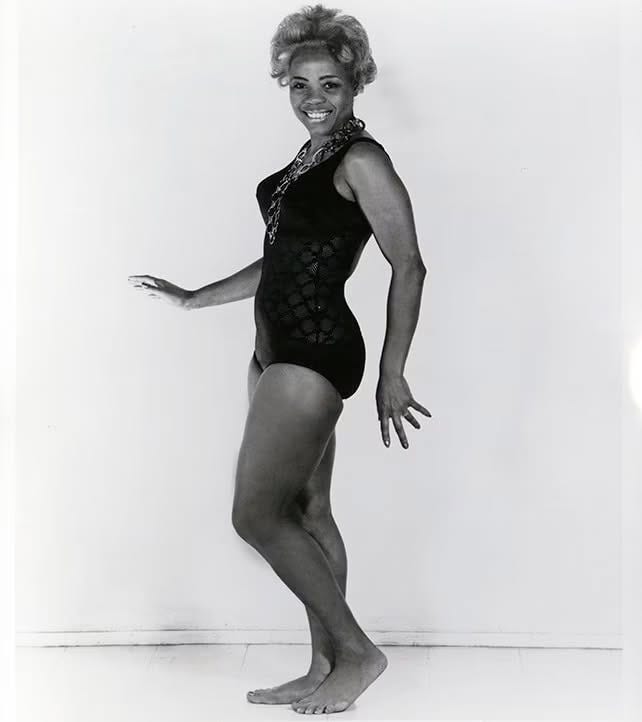
Scott was typically billed from Detroit, Michigan, and competed under several names: Marva Scott, Marva Wingo, Martha Scott, Marva Johnson, Mary Scott, and, for a period as a bleach-blonde heel, “The African Black Cat.” Her signature maneuver was the cartwheel, an acrobatic flourish that showcased the tumbling background shared by the sisters. Promoters billed her as Babs’s sister; the three often worked tag matches against one another or in mixed combinations that highlighted family dynamics while the public was not always told of the blood relation. Scott and Babs were promoted as the first “Negro Women’s Tag Champions.” With Ethel, Scott captured the Ohio Women’s Tag Team Championship on October 8, 1959, in Mansfield, Ohio, defeating Betty Clark and Carol Cook under Clete Kaufman Promotions.
Wrestling historian Jim Melby ranked Scott among the top six female wrestlers of the Golden Age and singled her out as one of the great “teenage sensations.” Ring Magazine rated her as high as No. 3 in the world in a 1968 issue—higher than then-NWA Women’s Champion The Fabulous Moolah in the same ranking. She worked territories including NWA affiliates, the AWA, Capitol Wrestling (a precursor to what became WWE), Big Time Wrestling, and others across the Midwest, South, and Canada.
Matches appear on cards from Boston Garden, Milwaukee Arena, Houston, Dallas, Cleveland, and numerous smaller venues. She was a reliable draw in an era when the sisters and their peers regularly main-evented and set attendance marks: a 1952 Baltimore show featuring the group drew a record 3,611, and Kansas City cards later pulled crowds in the thousands.
At their peak, the sisters were among the highest-paid Black athletes in the country, with reports of earnings reaching roughly $300 per week—far above median household incomes of the time. The money brought a measure of comfort and visibility rare for Black women in sports, yet it came with constant travel, physical risk, and the knowledge that the business could change with a promoter’s whim or a divorce (Burke and Wolfe split in 1954, after which Moolah’s influence grew and the overall skill level of women’s wrestling often declined into more stylized catfights).
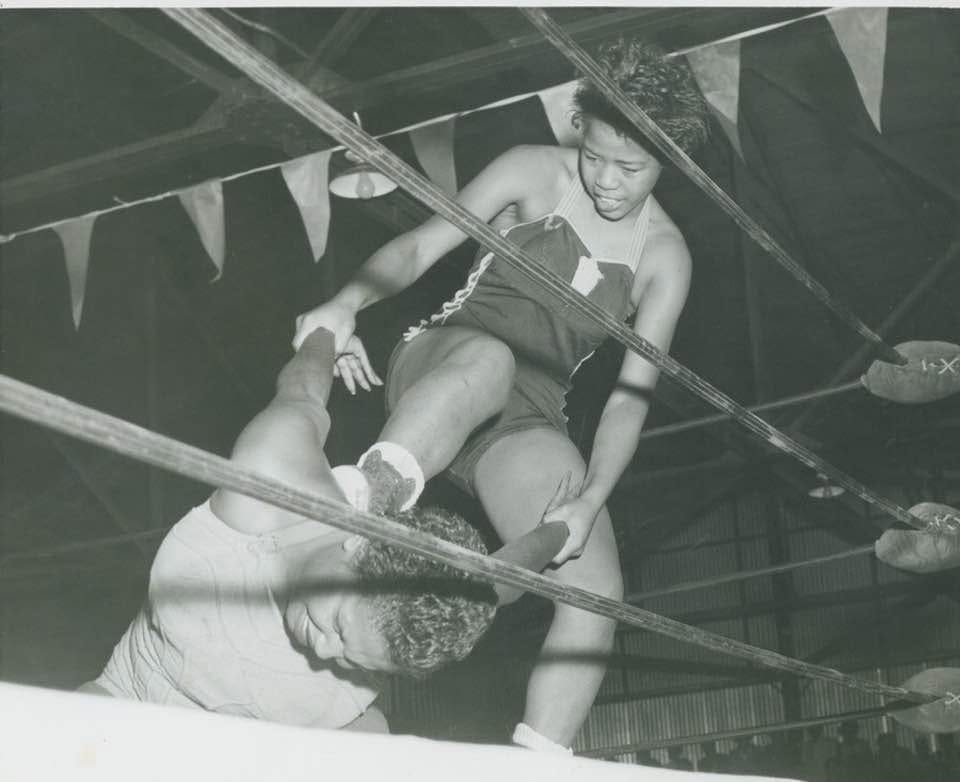
Pictured: Marva Scott and Babs Wingo, who were sisters, working’ it out in the ring
Racism was not abstract. In the Deep South, Scott and her sisters confronted segregation at every turn: separate entrances and water fountains, hotels that would not house them, and restaurants that forced them to the back door. Travel with white wrestlers sometimes required Black performers to hide in trunks to avoid trouble with local authorities or vigilantes. Fans directed racial slurs at the ring, and the threat of violence was real; Babs Wingo was once stabbed by a fan with broken glass in Mexico. Even outside the South, promoters and venues could enforce racial restrictions on matches or seating.
International tours brought different pressures. In the late 1970s and into the 1980s, Scott worked in Japan, Australia, and Korea, where the women were sometimes treated as celebrities and earned strong pay. In Japan, however, fans claiming yakuza ties allegedly threatened to throw her from a skyscraper window if she did not lose a match as ordered. The cumulative stress of racism, travel, physical demands, and such intimidation contributed to a severe nervous breakdown; she spent months in a sanitarium before returning. Afterward, the passion that had sustained her for decades was diminished, though she continued wrestling part-time on weekends while building a more stable life.
Scott married Clesson H. Goodwin and raised four children while maintaining a career that required long absences. Her daughter Kim Goodwin Martin later became a professional wrestler herself and has worked to preserve the family’s history. Ethel Johnson’s final match came in 1976 against Scott; Ethel retired at 41 to focus on her children. Scott continued until 1979. In retirement she worked as a youth counselor and mentor at the Training Institute of Central Ohio, channeling the discipline of the ring into guidance for young people. She remained in the Columbus area that had shaped her.
Marva Scott died of cancer on August 15, 2003, in Columbus, Ohio, at the age of 65. Babs Wingo also died that year; Ethel Johnson lived until 2018.
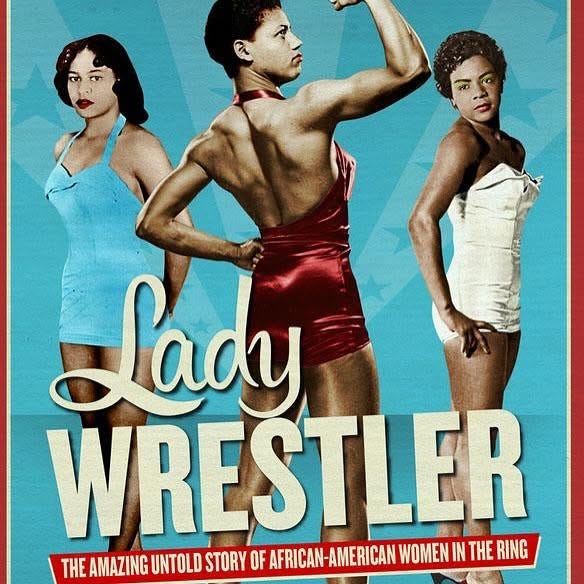
For decades the Wingo sisters existed largely outside official narratives. A 2018 documentary, Lady Wrestler: The Amazing, Untold Story of African-American Women in the Ring, directed by Chris Bournea, brought their experiences—racism, earnings, family life, and ring craft—to a wider audience through interviews with Ethel and with Scott’s children and grandchildren. In April 2021, WWE ranked Marva Scott 51st on a list of the best wrestlers of all time. In 2023 she was posthumously inducted into the Women’s Wrestling Hall of Fame alongside her sisters as part of the inaugural recognition of the first Black trio sister team. Her daughter accepted the honor.
Scott’s career demonstrates both the possibilities and the costs of early integration in professional wrestling. She and her sisters proved that Black women could headline, draw money, execute high-level athletic sequences, and sustain careers measured in decades rather than novelty appearances. They did so under conditions that demanded physical excellence, emotional fortitude, and strategic navigation of a business that was still deeply segregated and gendered. The cartwheels, tag-team chemistry, and quiet determination of Marva Scott helped expand the boundaries of who belonged in the ring—and of what audiences would accept—long before the industry fully acknowledged the debt.
ONE Thing I Learned Today About Princess Little Cloud
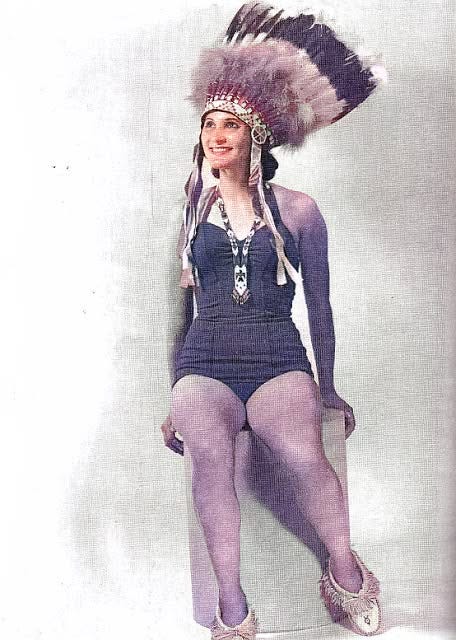
She apparently defeated The Fabulous Moolah for a brief (roughly four- or five-day) women’s world title reign in the mid-1960s—and she had no idea about it at the time.
Decades later, a wrestling historian showed her a results record indicating she had beaten Moolah and held the title for those few days before Moolah regained it. In a 2022 podcast interview, Jordan reacted with genuine surprise: she didn’t know she had been recognized as champion, found the short reign amusing (“that’s longer than some of McMahon’s today”), and joked that she should ask for a belt.
(This lines up with a documented October 17, 1964 match in Beaumont, Texas, where she beat Moolah in a best-two-out-of-three-falls bout under Southwest Sports.)
Jordan, of Apache and Eastern Cherokee descent, was trained solely by Moolah, debuted as a teenager around 1963–64, worked extensively in the AWA and other territories (plus international tours including Australia), and later married wrestler Eddie Sharkey. After retiring in her early 20s, she became an advocate for troubled Native American youth and received the 2005 Outstanding Advocacy Award for that work.

Thank You for Watching and Listening
I’m Tony Richards, Pro Wrestling Historian, Author and Storyteller. I share pro wrestling historical items in each issue of the Time Tunnel Pro Wrestling History Newsletter and each episode of our podcast show. Thanks for your support! If you enjoy my information on select events, matches and insights, please share with folks you think might like to be a subscriber!
Remember, Premium subscribers get access to exclusive and special content such as some special issues including a multi-part deep dives on wrestling territories, wrestler bios and championship title histories, special audio and video interviews on territory pro wrestling and more available in the Pro Wrestling Time Tunnel for Premium Subscribers. Being a Premium Subscriber also means you support me in my efforts to document Pro Wrestling History through my research, writing, books, vidoes and podcasts. And…I have something very special planned for our Premium Subscribers on the Podcast side of things in 2026! Details soon here in the Pro Wrestling Time Tunnel.