


Today’s Favorite Quote: A man too busy to take care of his body is like a mechanic too busy to take care of his tools - Spanish Proverb
Happy Birthday to those who have passed on and to those great wrestlers still with us:
In Memoriam:
Edwin Bibby 1848
Masanobu Kirisu 1946
Randy Poffo\Randy Savage 1952
Michiyoshi Ohara 1967
Happy Birthday:
Cary Silkin (70)
Nobuhiko Oshima\Cima (49)
Steffanie Newell\Tegan Nox (32)
RIP Memorial: We stop & remember those who have passed on this day and gave themselves to the business for us, the fans. We salute you and thank you.
Willie Gilzenberg 11-15-1978 at the age of 77

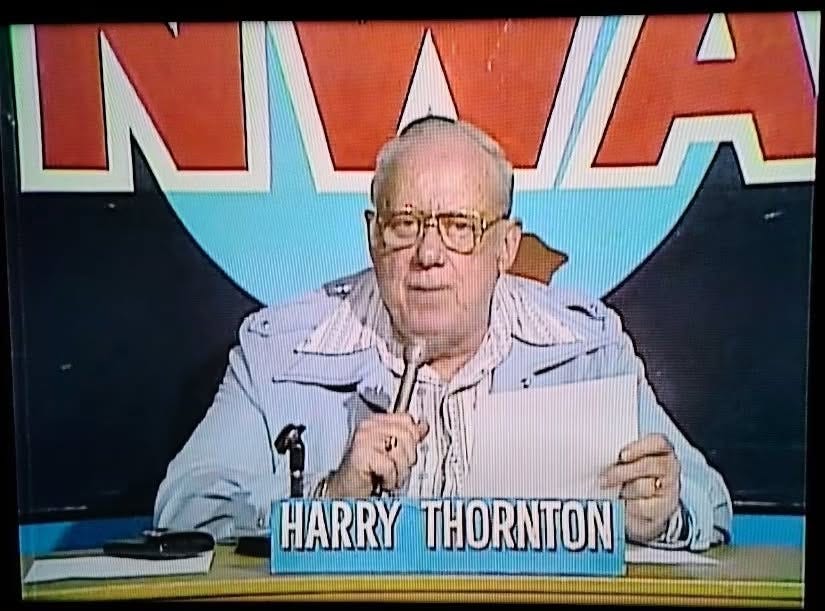
Harry Thornton 11-15-1982 at the age of 64
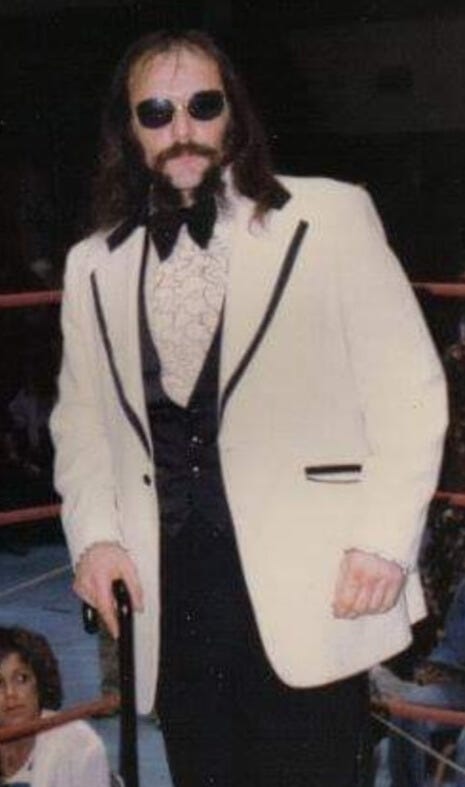
Juan Galacia\Gran Markus 11-15-2007 at the age of 68

Steve Cooper 11-15-2011 at the age of 61
1976 Flashback
Q4 Territory and Business Analysis
October-December 1976
WWWF Territory
New York City, New York Office
In the final quarter of 1976 the World Wide Wrestling Federation remained a Northeast powerhouse built around Bruno Sammartino’s second reign as WWWF Heavyweight Champion. The product centered on Madison Square Garden as the flagship, with the Spectrum in Philadelphia and Boston Garden as the other major stops. Vince McMahon Sr. and the New York office booked a circuit that still drew strongly on the combination of Sammartino’s popularity, hard-hitting main events, and a rotating cast of large, physical heels. The quarter saw the tail end of the Stan Hansen program (stemming from the legitimate neck injury Hansen inflicted on Sammartino in April at the Garden), continued use of Bruiser Brody and Nikolai Volkoff as top challengers, and a late-year tag-team transition.
October
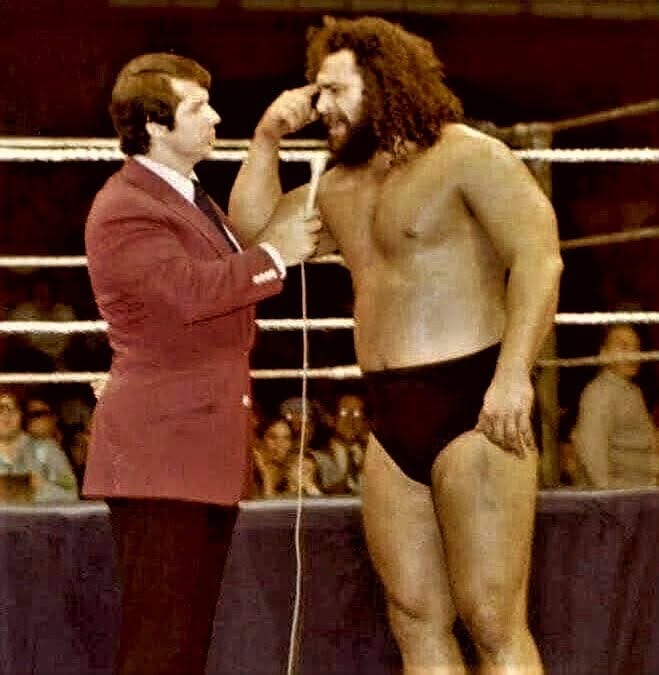
Pictured: Vince McMahon Jr interviews Bruiser Brody
October opened at Madison Square Garden on the 4th with an attendance of 19,418. Bruno Sammartino defeated Bruiser Brody in a Texas Death Match in the main event, giving the champion a decisive win over one of the territory’s most imposing heels. On the undercard, Chief Jay Strongbow and Billy White Wolf came close to unseating the Executioners for the WWWF Tag Team titles in a best-of-three-falls match; they won the third fall by disqualification, so the titles did not change hands. Other results included Bobo Brazil over Baron Mikel Scicluna, a double disqualification between Stan Hansen and Ivan Putski, and Nikolai Volkoff pinning Gorilla Monsoon.
On October 9 at Boston Garden the attendance was 11,755 for a card headlined by Stan Hansen defeating Sammartino by count-out. Later in the month, on October 25, the Garden again hosted a televised card. Sammartino defeated Nikolai Volkoff (managed by Captain Lou Albano) in the main event. The show also featured a multi-man match involving Andre the Giant, Strongbow, and White Wolf against the Executioners and Brody. Secondary towns and house shows continued the Hansen and Brody programs, with non-decisive finishes used to keep the main-event challengers alive for return dates.
November
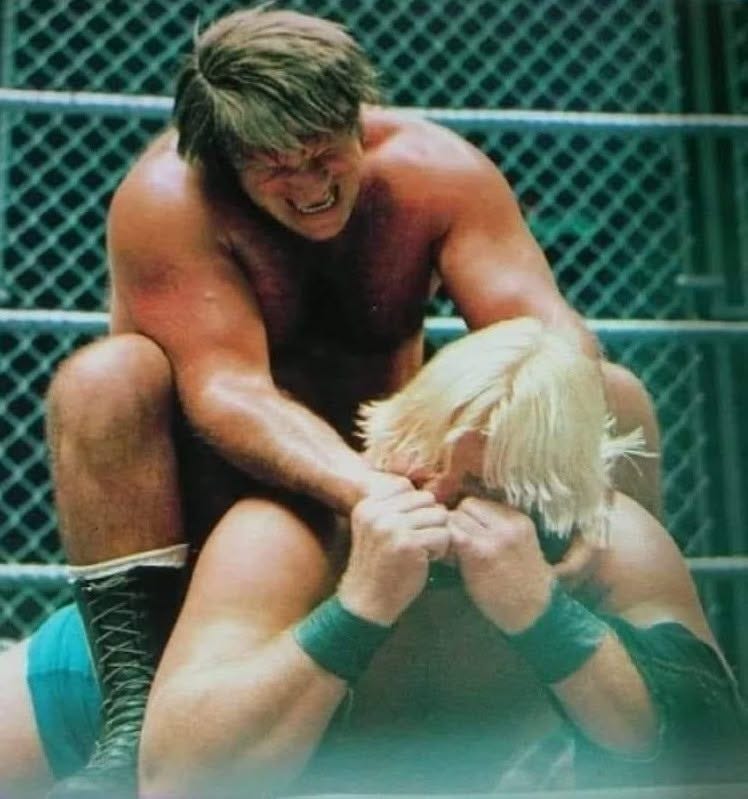
Pictured: Bruno cranks down on a blonde Stan Hansen inside the steel cage in Boston Gardens, Boston, Massachusetts , November 6th, 1976
November kept the same main-event focus. On November 6 at Boston Garden (attendance 13,288), Sammartino defeated Stan Hansen inside a steel cage in a high-profile defense. The strong number showed that the Hansen program still carried residual heat months after the April injury angle.
The November 22 card at Madison Square Garden (attendance 18,112, and televised) produced a rare non-decisive result for the champion: Stan Stasiak defeated Sammartino by count-out. This protected Bruno while allowing Stasiak a measure of momentum for a later rematch. The undercard included Bobo Brazil drawing with Bruiser Brody and Strongbow beating one of the Executioners by disqualification.
At the Spectrum in Philadelphia on November 27 (attendance 12,005), Sammartino defeated Hansen in a lumberjack match. Brody continued to be used as a destructive force, stopping Chief Jay Strongbow by blood. The Spectrum remained a reliable secondary house in the 12,000 range when the champion was present. Across the circuit, the office continued to rotate Hansen, Brody, Volkoff, and Stasiak through the top of the cards while Strongbow and White Wolf built toward a more serious tag-team push.
December
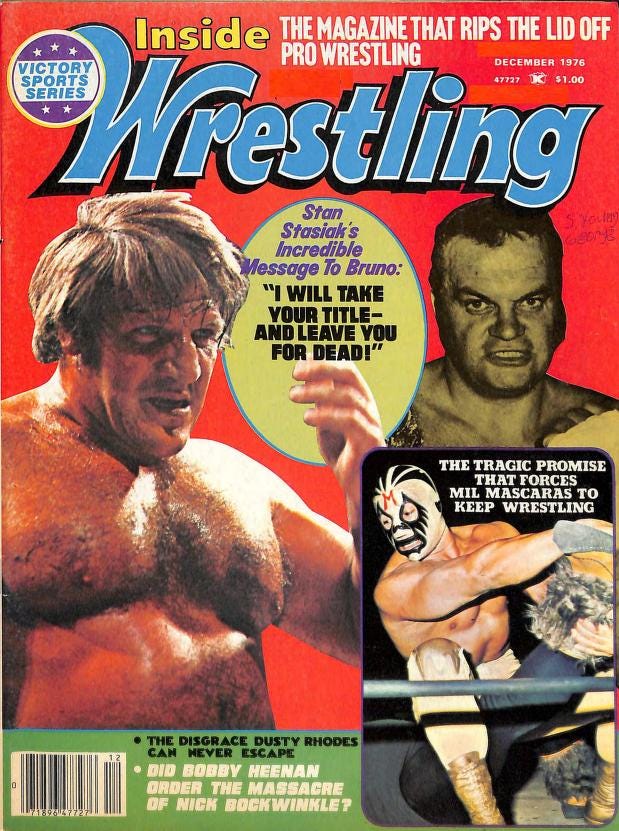
Pictured: Bruno and Stan Stasiak on the cover of December 1976 issue of Inside Wrestling
December closed the year with strong Garden business and a tag-title change. On December 4 at Boston Garden the attendance dropped to 7,800 for Sammartino versus Brody (Bruno winning by pin). The lower number reflected the building’s variability when the card lacked a fresh or especially heated challenger.
The December 20 Madison Square Garden show drew 22,090. Sammartino defeated Stan Stasiak in a Sicilian Stretcher Match, giving the champion a clear, violent win after the earlier count-out. The card also featured Andre the Giant teaming with Dominic DeNucci against the Executioners. Around the same period a WWWF Tag Team Championship tournament reached its conclusion on television and house shows. Chief Jay Strongbow and Billy White Wolf defeated Nikolai Volkoff and Tor Kamata in the finals to win the vacant titles (the Executioners having been stripped or otherwise vacated). The win gave the territory a fresh babyface tag team heading into 1977.
Bob Backlund made early appearances on Philadelphia television tapings during the month, signaling the office’s interest in younger talent even while Bruno remained the undisputed top draw. Secondary towns continued to run the established undercard names (Johnny Rodz, Rocky Tamayo, SD Jones, Kevin Sullivan, Baron Mikel Scicluna, and the midget teams) that filled the lower half of the cards at MSG, the Spectrum, and Boston Garden.
Business and booking analysis
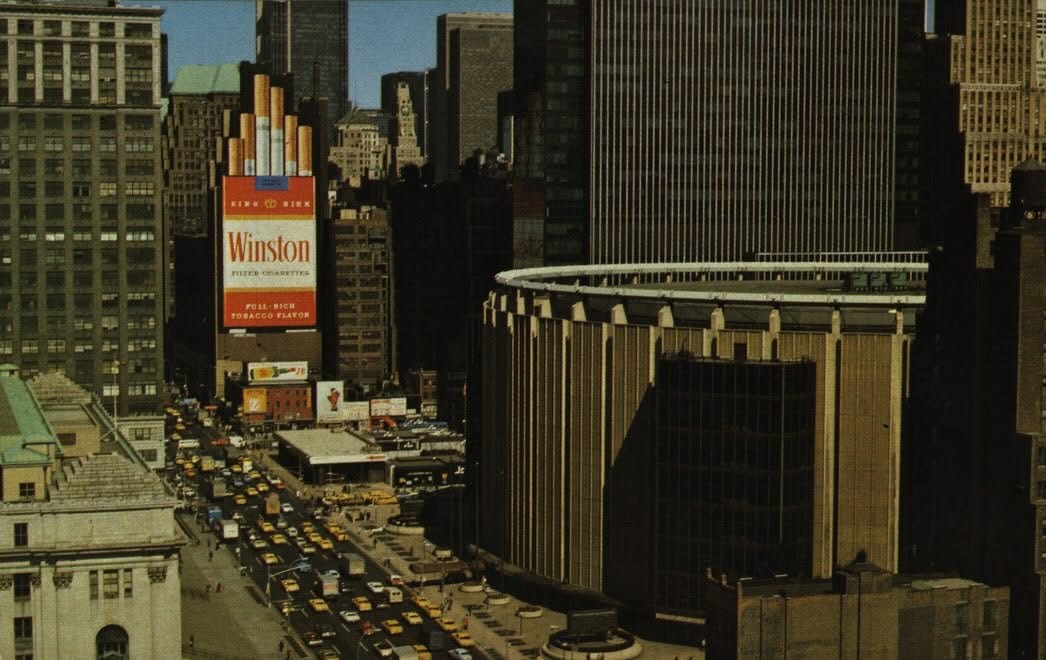
Pictured: Outside view of Madison Square Garden, New York City
The territory’s business in Q4 1976 was still healthy by the standards of the Northeast circuit. Madison Square Garden remained the clear flagship: 19,418 on October 4, 18,112 on November 22, and a near-capacity 22,090 on December 20. The Spectrum held steady at 12,005 for the November 27 Hansen lumberjack match. Boston Garden fluctuated more sharply—13,288 for the November 6 Hansen cage match, but only 7,800 for the December 4 Brody card—depending on the quality of the main event and the day of the week.
The office continued to rely on a relatively small core of main-event heels—Hansen (still carrying residual heat from the neck injury), Brody, Volkoff, and Stasiak—rather than a constant influx of new top talent. Non-decisive finishes (count-outs, double disqualifications, and blood stoppages) were used liberally to protect both the champion and the challengers for future bookings. The tag-team picture shifted late in the quarter when Strongbow and White Wolf won the titles through a tournament, giving the promotion a more recognizable babyface team. Under the cards remained consistent: a mix of solid workers (Putski, Monsoon, Bobo Brazil, the Rivera brothers, DeNucci) and lighter attraction bouts (midgets, women’s matches featuring Moolah).

Pictured: Outside The Spectrum, Philadelphia, Pennsylvanoa
Overall, Q4 1976 showed a stable, Bruno-centric territory that still drew well in its primary buildings. The Hansen program was winding down through a series of cage and specialty matches, Brody and Volkoff provided physical threats, and the late-year tag title change set up a new babyface combination. The attendance figures at MSG (consistently in the high teens to low twenties) and the Spectrum confirmed that the traditional WWWF formula—long title reign, high-profile Garden main events, and careful protection of the champion—continued to work through the end of the year.
One thing that 1976 will always be remembered for is Bruno’s broken neck at the hands of Stan Hansen. It made me think about the overall impact on the business of the WWWF so I thought we’d explore that.
Stan Hansen’s Injury Impact on Bruno Sammartino and the WWWF in 1976
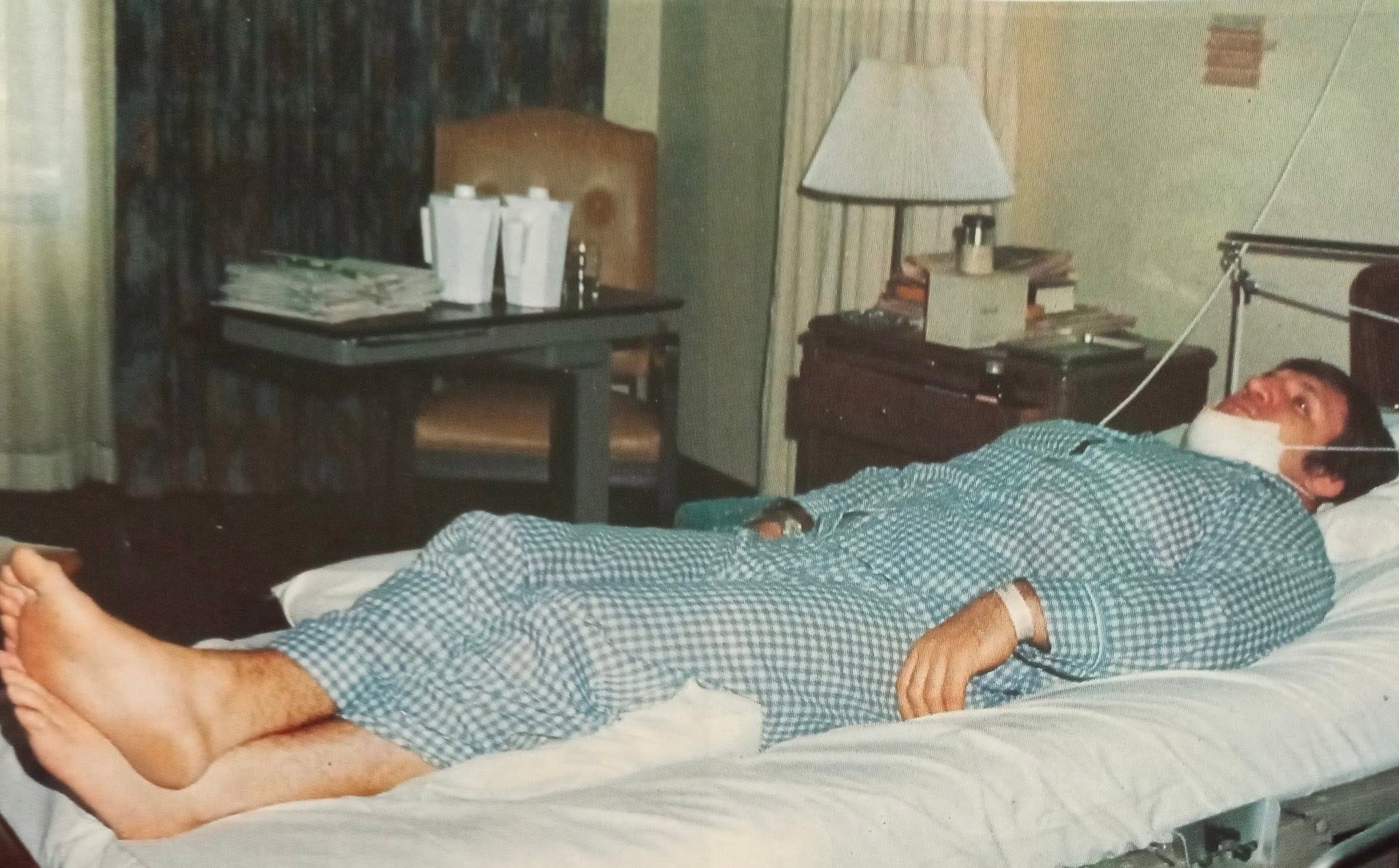
On April 26, 1976, at Madison Square Garden, Stan Hansen legitimately broke Bruno Sammartino’s neck during a title match. The injury occurred on a botched scoop slam: Hansen failed to complete the move cleanly, and Sammartino landed on the crown of his head and the back of his neck rather than flat on his back. He suffered a fracture of the sixth cervical vertebra. Doctors later told him he had come within a millimeter of paralysis. The match was stopped due to blood and the injury; Hansen was awarded a technical victory, but Sammartino retained the WWWF Heavyweight Championship because he was never pinned or submitted.
The promotion publicly attributed the injury to Hansen’s lariat (often presented as a loaded-armband clothesline), which better served the storyline. In reality, the slam was the primary cause. Hansen, still relatively green in the territory, later described the miscommunication: Sammartino stiffened on a move Hansen had previously used successfully on others. Bruno finished the bout despite the damage, then returned to Pittsburgh and was hospitalized.
Creative and booking impact
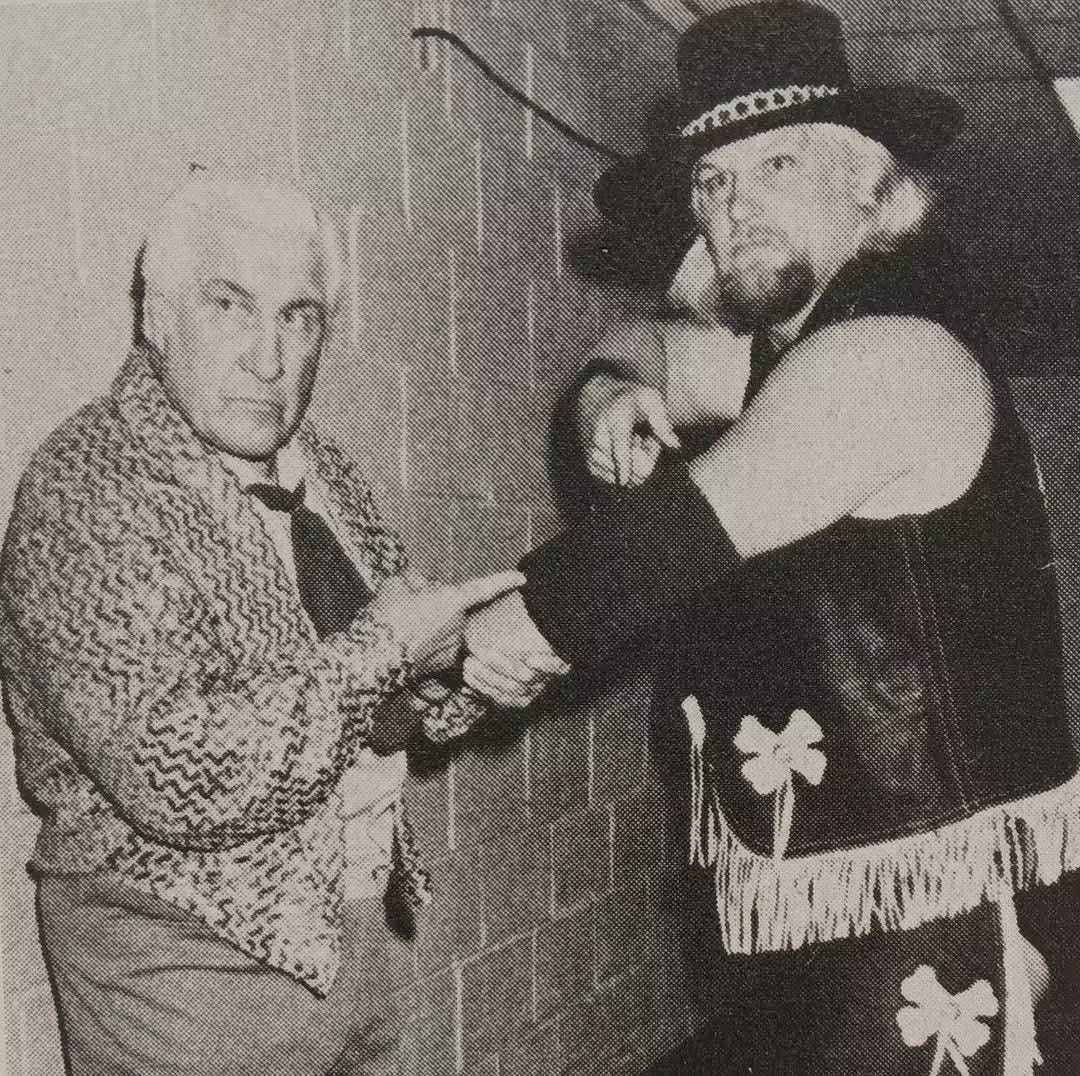
The injury immediately elevated Hansen from a promising tough-guy heel into the most credible threat to Sammartino in years. The office protected both men: Bruno kept the title, while Hansen was booked as the man who had nearly ended the champion’s career. This residual heat carried through the rest of 1976.
• Bruno was out roughly two months. He returned on June 25, 1976, at Shea Stadium (on the closed-circuit undercard of the Muhammad Ali–Antonio Inoki match) and defeated Hansen by count-out. The match was later named Match of the Year by Pro Wrestling Illustrated.
• The feud continued with a series of high-stakes rematches, most notably the August 7 steel-cage match at MSG in which Sammartino walked out of the cage after dominating a bloodied Hansen.
• Into the fall and Q4, Hansen remained a top challenger. He received further title matches (including cage matches in Boston and Pittsburgh and a lumberjack match at the Spectrum on November 27), usually losing by decisive or specialty finishes while retaining credibility through earlier non-decisive results (count-outs, double disqualifications).
The program also bought the office time. With Bruno limited and healing, the territory could rotate other large heels (Bruiser Brody, Nikolai Volkoff, Stan Stasiak) through main-event slots without needing an immediate new long-term challenger. The legitimate injury gave Hansen lasting “killer” credibility that pure kayfabe angles rarely matched.
Business and longer-term effects
Business did not collapse. MSG still drew strongly once Bruno returned (19,418 on October 4; 18,112 on November 22; 22,090 on December 20). The Shea Stadium rematch and subsequent cage matches benefited from the real-life heat. However, the injury accelerated the end of Bruno’s second reign. By early 1977 he informed Vince McMahon Sr. that accumulated damage, including the neck fracture, made continued championship wrestling unsustainable. On April 30, 1977, he lost the title to Superstar Billy Graham. (Complete analysis and coverage coming in 2027).
Hansen’s reputation was permanently enhanced. The “man who broke Bruno’s neck” story followed him for the rest of his career and helped establish him as a legitimate top heel wherever he worked. For the WWWF, the incident demonstrated both the physical risk of the style and the promotional value of turning a real injury into a long-running program. It also underscored how dependent the territory still was on Sammartino’s drawing power: the office protected him, stretched the feud, and kept the title on him until he was ready to relinquish it.
In short, Hansen’s botched slam produced a rare case in which a legitimate near-catastrophic injury simultaneously protected the champion, elevated the challenger, generated months of residual heat, and contributed to the eventual transition away from Bruno’s long second reign.
Thank You for Watching and Listening
I’m Tony Richards, Pro Wrestling Historian, Author and Storyteller. I share pro wrestling historical items in each issue of the Time Tunnel Pro Wrestling History Newsletter and each episode of our podcast show. Thanks for your support! If you enjoy my information on select events, matches and insights, please share with folks you think might like to be a subscriber!
Remember, Premium subscribers get access to exclusive and special content such as some special issues including a multi-part deep dives on wrestling territories, wrestler bios and championship title histories, special audio and video interviews on territory pro wrestling and more available in the Pro Wrestling Time Tunnel for Premium Subscribers. Being a Premium Subscriber also means you support me in my efforts to document Pro Wrestling History through my research, writing, books, vidoes and podcasts. And…I have something very special planned for our Premium Subscribers on the Podcast side of things in 2026! Details soon here in the Pro Wrestling Time Tunnel.