


Today’s Favorite Quote: Too often we underestimate the power of a touch, a smile, a kind word, a listening ear, a compliment or the smallest act of caring, all of which have the potential to turn life around - Leo Buscaglia
Happy Birthday to those who have passed on and to those great wrestlers still with us:
In Memoriam:
Bob Cummings 1909
Frank Tunney 1912
Alan Blake\Vladimir Pietrov 1957
Matt Cappotelli 1979
Happy Birthday:
Glenn Gilberetti\Disco Inferno (59)
Lena Yada (48)
Stokely Hathaway (36)
RIP Memorial: We stop & remember those who have passed on this day and gave themselves to the business for us, the fans. We salute you and thank you.
Roy Lee Alpern\Ripper Collins 11-12-1991 at the age of 58
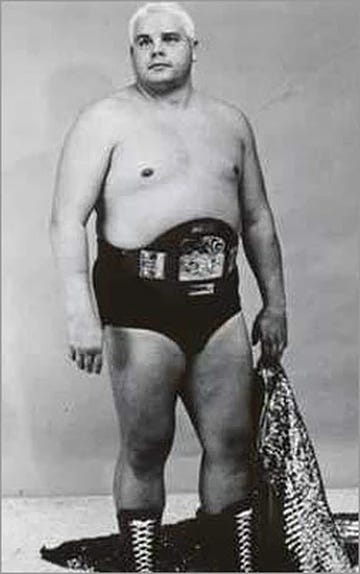
Randy Fargo 11-12-1996 at the age of 50
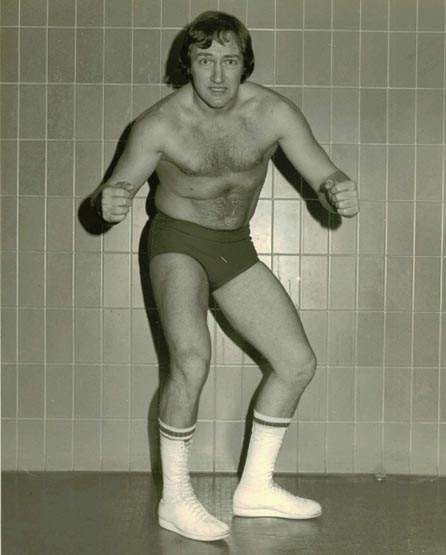
Luke Brown 11-12-1997 at the age of 62
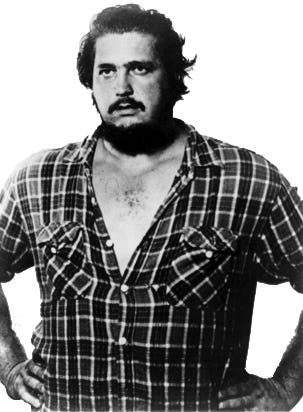
William Lehman\Siegfried Stanke 11-12-2012 at the age of 74
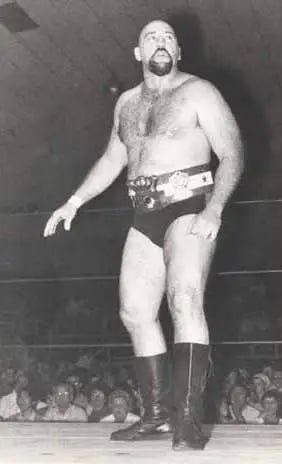
Significant Pro Debuts
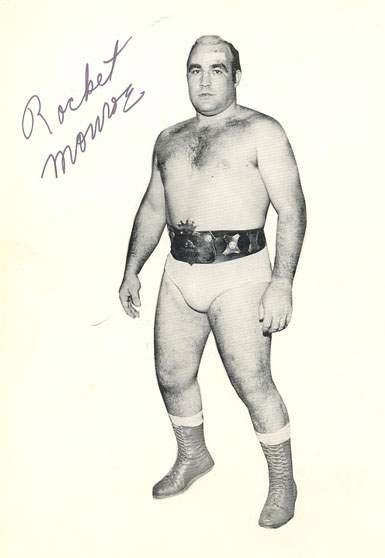
11-12-1960 Rocket Monroe (Maury High) vs Big Jim Holly in Marked Tree, Arkansas
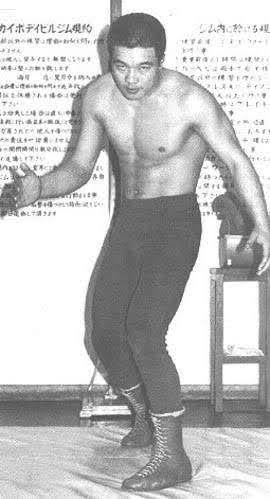
11-12-1972 Yoshiaki Fujiwara made his pro debut on the New Japan Pro Wrestling Diamond Series in a loss to Tatsumi Fujinami
60 Year Flashback
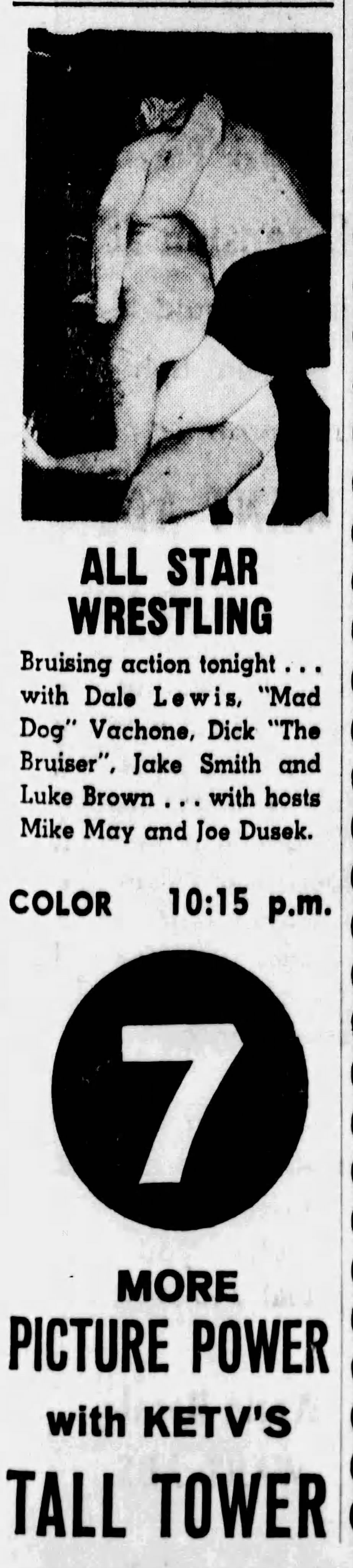
Pictured: Ad for the Monday night AWA All-Star Wrestling Program on KETV Channel 7 in Color in Ohama, Nebraska
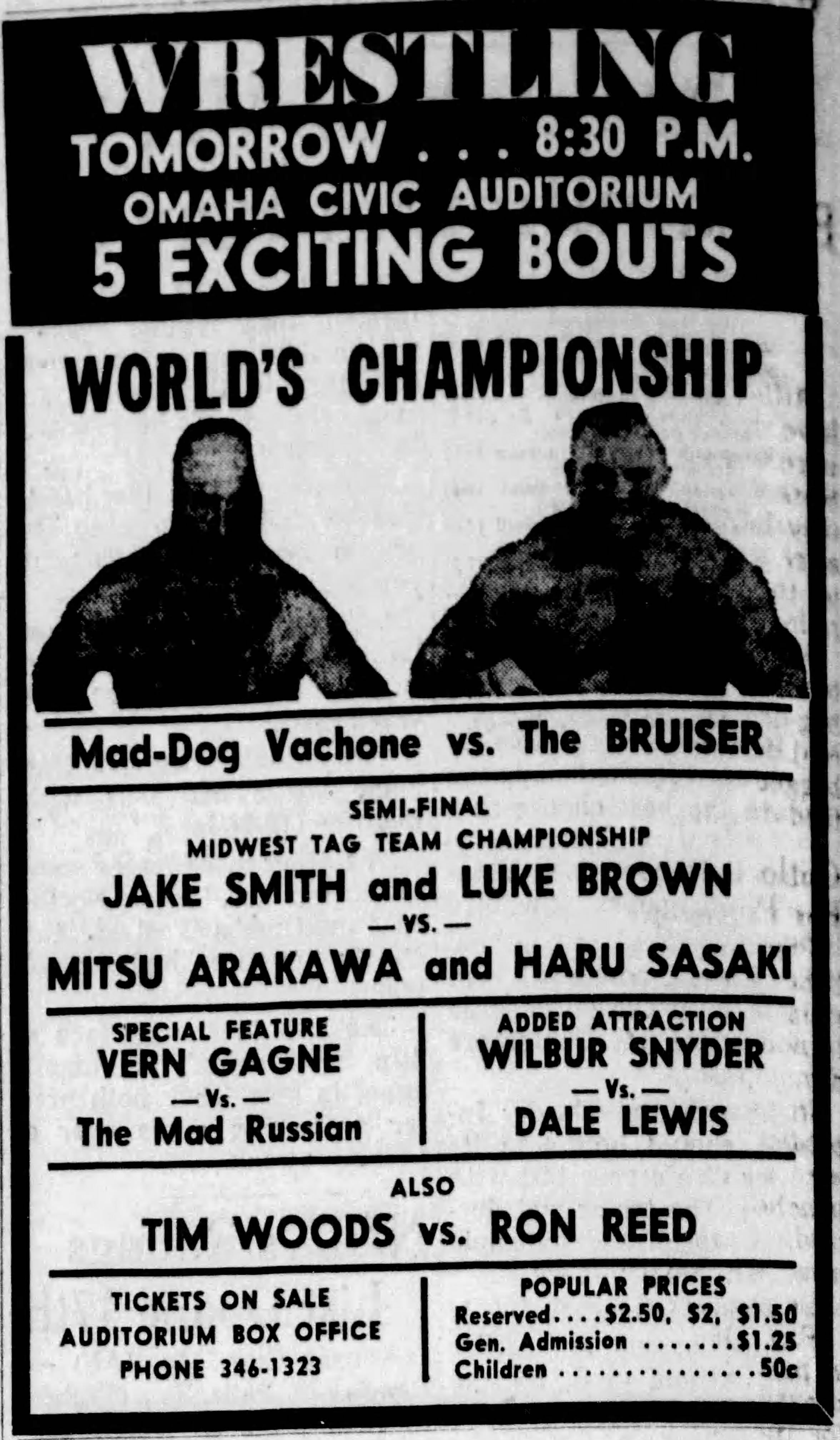
Pictured: November 11th, 1966 Omaha World
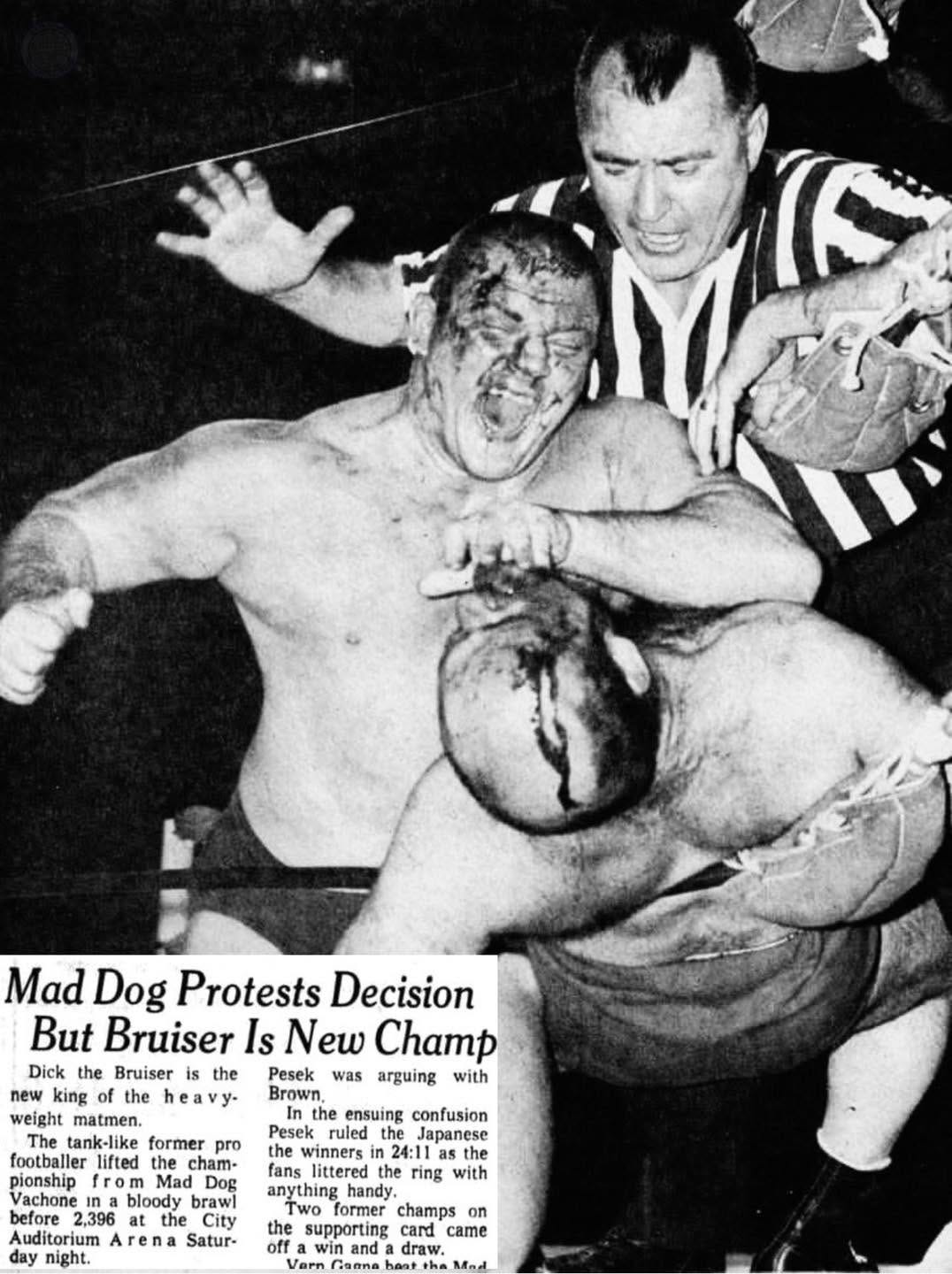
November 12, 1966, at Omaha’s Civic Auditorium, Dick the Bruiser dethroned Mad Dog Vachon for the AWA World Heavyweight Championship in a best-of-three-falls match, winning two falls to one. It was the only time the gravel-voiced powerhouse from Indiana held the AWA’s top prize, and the reign lasted exactly seven days.
The American Wrestling Association, founded in 1960 by Verne Gagne and Wally Karbo after breaking from the National Wrestling Alliance, dominated the Midwest. Its World Heavyweight Championship carried genuine prestige across Minnesota, Wisconsin, Illinois, Nebraska, Iowa, and beyond. Gagne, an amateur standout and multiple-time champion, ran the territory with a firm hand. Title changes were rarely accidental; they served booking needs, drew money in key cities, and protected the promotion’s hierarchy.
The Mad Dog
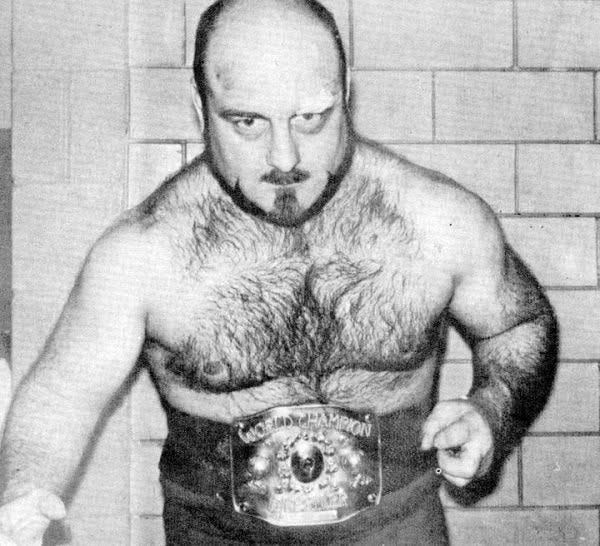
Maurice “Mad Dog” Vachon entered the match as a dominant champion. Born in Montreal in 1929, the stocky, bald, bearded Canadian had a legitimate amateur background but reinvented himself in 1962 as a snarling, unpredictable heel after a wild Portland match. He bit, clawed, used foreign objects, filed his nails, and thrived on chaos. Fans hated him, which made him box-office gold. Between 1964 and 1967 he held the AWA title five times, repeatedly clashing with Gagne and other top stars. His fourth reign began on November 12, 1965, in Denver; by the time he defended against Bruiser in Omaha he had carried the belt for nearly a full year (interrupted only by a briefly recognized but later nullified loss to Tim Woods in January 1966). Omaha, promoted locally by Joe Dusek, was a reliable AWA stronghold, and Civic Auditorium routinely hosted title matches.
The Bruiser
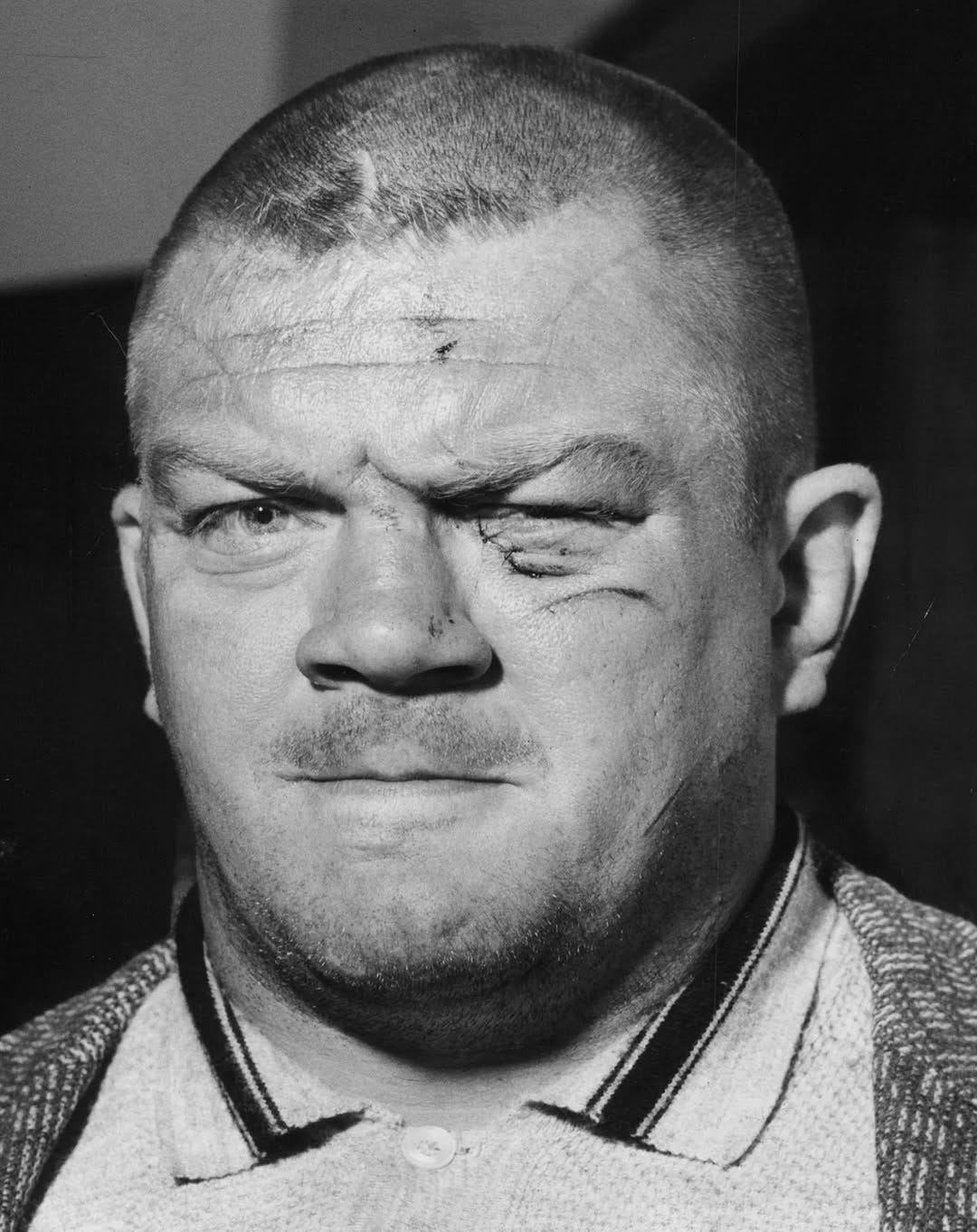
William Fritz Afflis Jr.—Dick the Bruiser—was his opposite in style yet equally dangerous. Born in Indiana in 1929, he played offensive line for the Green Bay Packers from 1951 to 1954. A throat injury there left him with the distinctive gravelly voice that became part of his persona. After turning pro in 1954 (trained in part by Gagne), he built a reputation as a pure brawler who preferred punching, stomping, and power moves over scientific wrestling. Billed as “The World’s Most Dangerous Wrestler,” he headlined across the country and, from 1964, co-owned the World Wrestling Association based in Indianapolis. The WWA operated independently but maintained a working agreement with the AWA, exchanging talent and recognizing each other’s titles. Bruiser held the WWA World Heavyweight Championship a record thirteen times and, with his frequent partner The Crusher (Reggie Lisowski), won the AWA World Tag Team titles five times. By late 1966 the two “cousins” were already established as one of the territory’s most popular and violent teams.
The Feud
The two men had crossed paths earlier in 1966. In Chicago and Milwaukee, Bruiser took Vachon to the limit or beat him by disqualification in title matches, keeping the champion’s heat while giving the challenger credibility. Their styles meshed perfectly for a blood-and-guts affair: Bruiser’s raw power and toughness against Vachon’s vicious, mauling aggression. No detailed contemporary blow-by-blow has survived in public records—the event was a standard territorial house show—but the result is consistent across title histories and match databases: Bruiser won the best-of-three-falls contest 2–1 and left Omaha as champion.
The victory was real in the sense that the AWA recognized it, yet it proved fleeting. Seven days later, on November 19, 1966, the same two men met again at the same Civic Auditorium. Vachon regained the title in another best-of-three-falls match, winning 2–1 in 20 minutes and 5 seconds. Bruiser’s reign of seven days stands as one of the shortest in AWA history. In the territorial system of the era, such short switches were common when promoters wanted a strong local pop without permanently altering the national picture. Vachon was a proven heel draw; a longer reign by the co-owner of a partner promotion carried political risk. Gagne preferred to keep the top belt on figures he controlled or on himself for extended periods. The quick return match also guaranteed a hot rematch gate in a strong town.
The episode fit the larger pattern of the AWA-WWA relationship. Bruiser and Crusher continued to dominate the tag division for years, later losing the belts to Mad Dog and his brother Paul “Butcher” Vachon in 1969. Those battles, including a famous steel-cage match at Comiskey Park, helped define the brutal, brawling style that influenced later hardcore stars. Both men remained major attractions into the 1970s and 1980s. Bruiser promoted and wrestled in Indianapolis until the late 1980s, later working as a talent agent and commentator. Vachon eventually turned babyface, teamed with Gagne for tag gold, and continued until the mid-1980s; he was later inducted into the WWE Hall of Fame. Both are remembered as pure products of the territorial era—tough, charismatic, and willing to bleed for the crowd.
The November 12, 1966 title change remains a footnote in official histories precisely because it was so brief, yet it captures the era perfectly: two larger-than-life brawlers, a major territory’s world title, a packed Midwestern arena, and the pragmatic booking that kept the business running. For one week, Dick the Bruiser was the AWA World Heavyweight Champion. In the world of 1960s professional wrestling, that week was enough to become part of the permanent record.
Thank You for Watching and Listening
I’m Tony Richards, Pro Wrestling Historian, Author and Storyteller. I share pro wrestling historical items in each issue of the Time Tunnel Pro Wrestling History Newsletter and each episode of our podcast show. Thanks for your support! If you enjoy my information on select events, matches and insights, please share with folks you think might like to be a subscriber!
Remember, Premium subscribers get access to exclusive and special content such as some special issues including a multi-part deep dives on wrestling territories, wrestler bios and championship title histories, special audio and video interviews on territory pro wrestling and more available in the Pro Wrestling Time Tunnel for Premium Subscribers. Being a Premium Subscriber also means you support me in my efforts to document Pro Wrestling History through my research, writing, books, vidoes and podcasts. And…I have something very special planned for our Premium Subscribers on the Podcast side of things in 2026! Details soon here in the Pro Wrestling Time Tunnel.