



Today’s Favorite Quote: Life shrinks or expands in proportion to one’s courage-Anais Nin
Happy Birthday to those who have passed on and to those great wrestlers still with us:
In Memoriam:
Yaqui Joe 1896
Rube Wright 1907
Allan “Mystery Man” Stewart 1931
“Boston Bad Boy” Tony Rumble 1956
Happy Birthday:
Ken Patera (84)
Nick Aldis (40)
RIP Memorial: We stop & remember those who have passed on this day and gave themselves to the business for us, the fans. We salute you and thank you.
Clara Mortensen 10-6-1988 at the age of 72

Marcel Gauthier\Sky Low Low 10-6-1999 at the age of 70

Mike Lockwood\Crash Holly 10-6-2003 at the age of 32
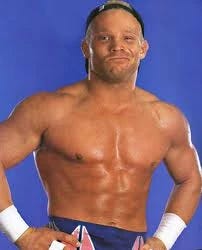
William Howard Clark\The Great John L 10-6-2005 at the age of 80
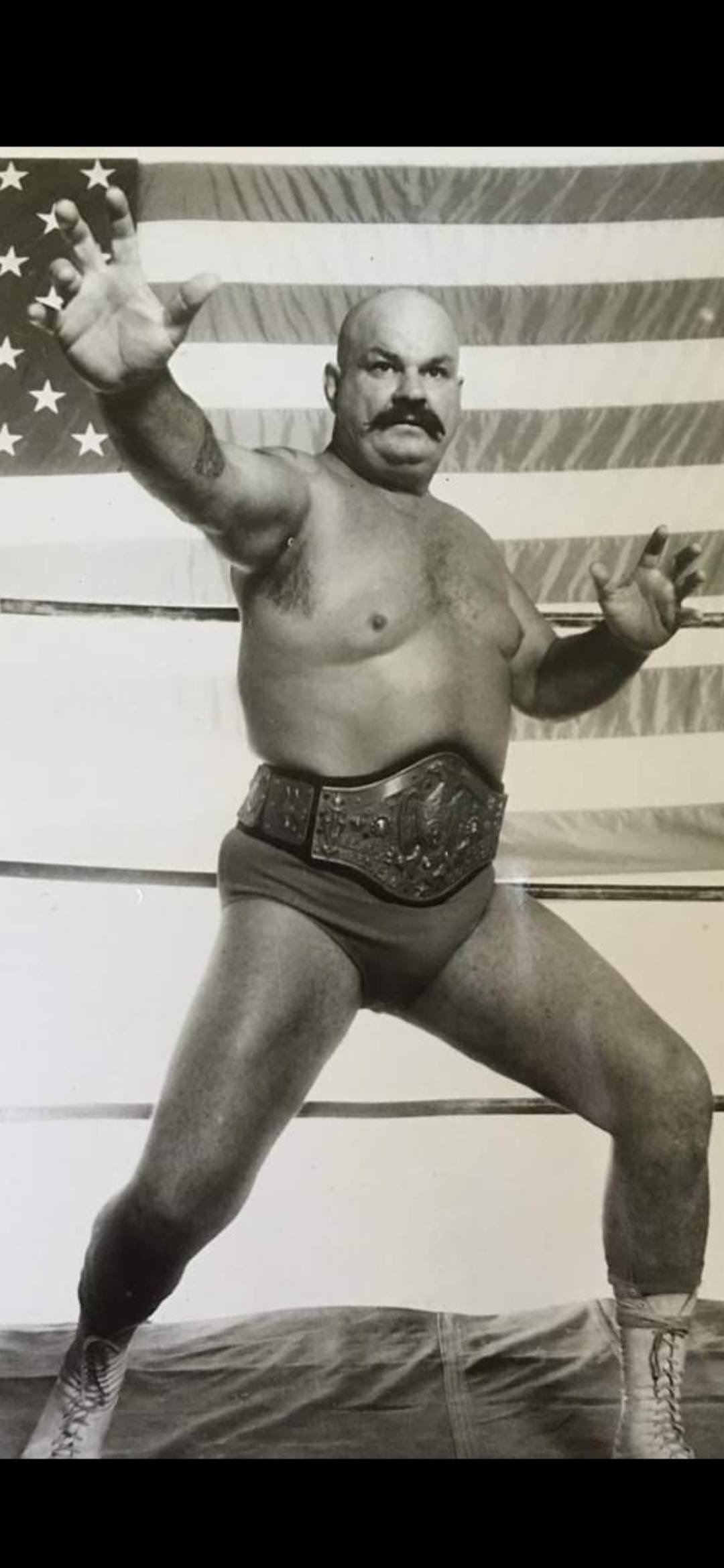
Jose Lothario 10-6-2018 at the age of 83
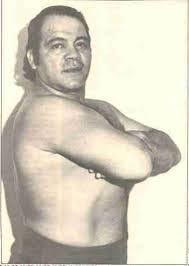
Angelo Mosca 10-6-2021 at the age of 84
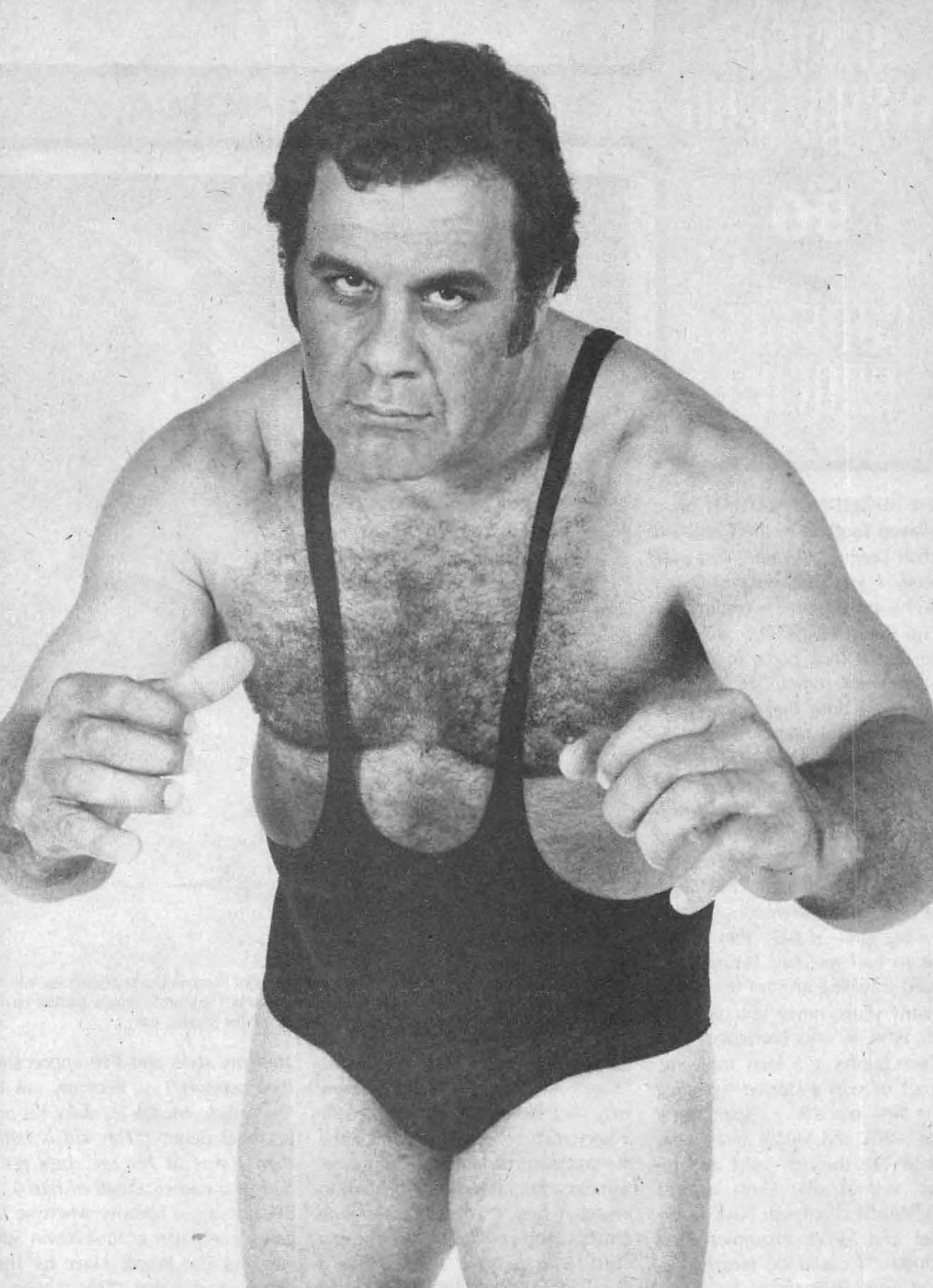
The Life and Career of Jose Lothario
The Pride of Texas and Florida, and the Architect of a Modern Superstar
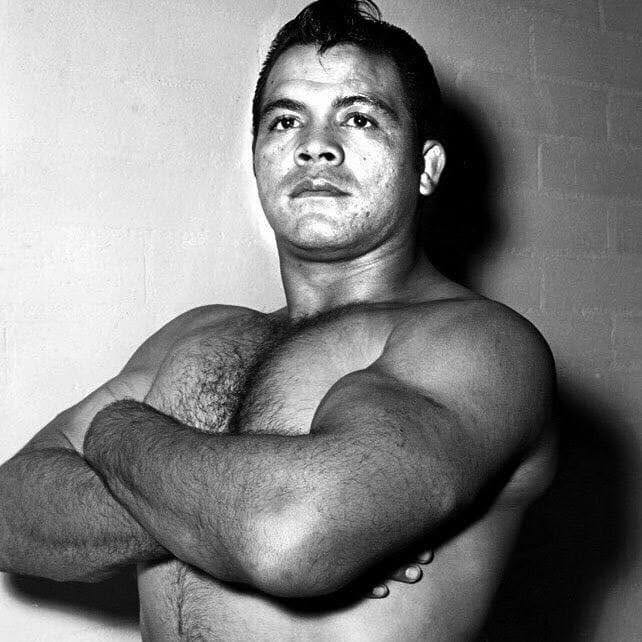
Guadalupe Robledo, better known to generations of wrestling fans as José “El Gran” Lothario or “Super Sock,” was one of the defining babyfaces of the territorial era. Born on December 12, 1934, in Mexico (sources vary between Monterrey and Torreón), he rose from a background in boxing and lucha libre to become a main-event draw across the American Southwest and Florida for more than two decades. A rugged, believable performer whose boxing roots shaped his signature comebacks,
Lothario headlined for promoters such as Doc Sarpolis, Eddie Graham, Fritz Von Erich, and Paul Boesch. Dusty Rhodes, who worked opposite him early in his own career, later called him the greatest Latin American wrestler and babyface in the world and ranked him among his top five performers of all time. Jack Brisco described him as one of his favorite opponents—a fantastic worker who always looked capable of taking the NWA World Heavyweight Championship. Beyond the ring, Lothario’s greatest long-term impact came as a trainer: he molded Shawn Michaels, helped launch the careers of Gino Hernandez and Tully Blanchard, and later contributed to the early development of wrestlers such as Bryan Danielson and Brian Kendrick. He died on November 6, 2018, at age 83 in San Antonio, Texas.
Lothario grew up in a large family of ten children. He began as a middleweight boxer in Mexico, earning modest purses of 65–70 pesos a bout. A chance incident at a lucha libre show—where he accidentally knocked out a grappler—led promoters to invite him into the ring. As he later explained, he was gaining weight and outgrowing the Mexican heavyweight boxing scene, so wrestling offered a better path. He debuted in the early 1950s with Empresa Mexicana de Lucha Libre (the precursor to CMLL) and also held regional titles such as the Occidente Heavyweight Championship. By the mid-1950s he was an established luchador, but opportunities in the United States soon beckoned.
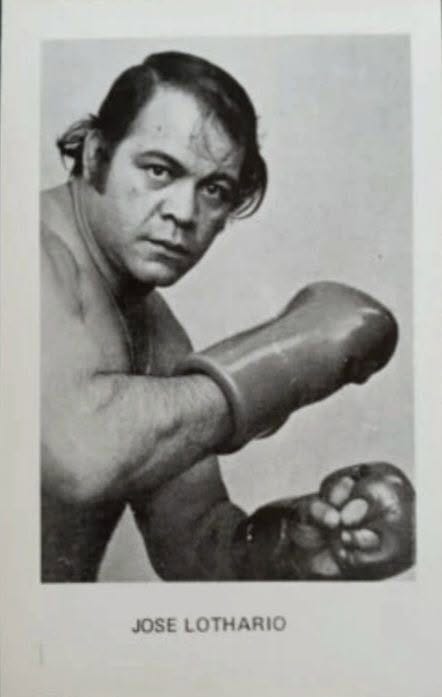
He arrived in the U.S. in 1957, initially working the Carolinas under the name Joe Garcia. His breakthrough came in the Gulf Coast territory as “El Gran” Lothario, where he captured the heavyweight title and began building the persona that would define him. From there he linked up with Pepper Gomez, the popular bodybuilder known for his “cast-iron stomach” gimmick. Lothario consistently named Gomez as the best tag-team partner he ever had; together they held versions of the NWA World Tag Team Championship in both San Francisco and Amarillo. The partnership helped establish Lothario as a reliable, crowd-pleasing babyface who could carry matches and sell tickets in multiple regions.
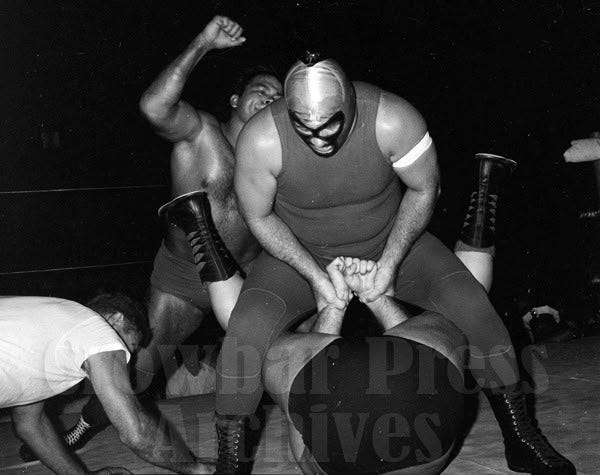
Pictured: October 4th, 1966: Jose Lothario attacks the Inferno (Frankie Cain) from behind as he attempts to pin Eddie Graham.
Throughout the 1960s and 1970s, Lothario became a fixture in two of the strongest NWA territories: Championship Wrestling from Florida under Eddie Graham and the Texas promotions (Big Time Wrestling / later World Class, Houston Wrestling under Paul Boesch, and related Southwest offices). In Florida he won the Southern Tag Team Championship five times (with partners including Joe Scarpa / Chief Jay Strongbow, Don Curtis, and Dory Funk Sr.), the Florida Tag Team Championship, multiple versions of the Florida World Tag Team titles (with Wahoo McDaniel, Eddie Graham, and Sam Steamboat), and the Florida Brass Knuckles title several times.
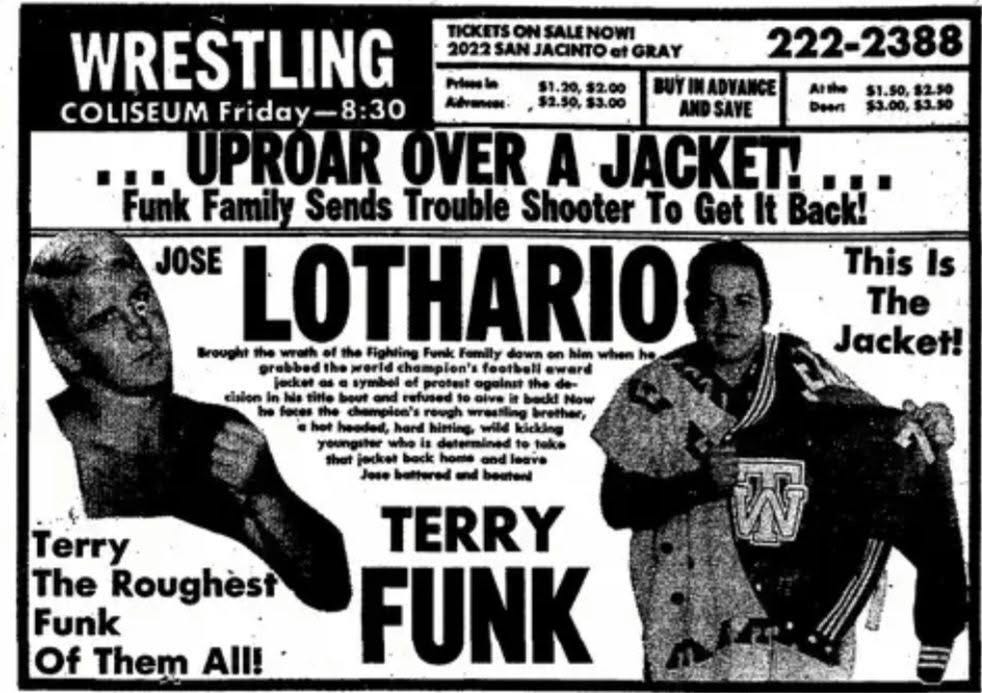
Pictured: 1972 Houston, Texas angle with Jose Lothario had the NWA World Champion, Dory Funk, Jr’s West Texas Jacket and brother Terry is sent to get it back
In Texas the numbers were even more impressive: seven reigns as NWA Texas Heavyweight Champion, five as Texas Brass Knuckles Champion, multiple American Tag Team titles (notably with El Halcón, Mil Máscaras, Tiger Conway Jr., and Ivan Putski), and numerous Texas Tag Team titles. He also held regional titles in the Carolinas, Western States, and Caribbean promotions. His boxing background made taped-fist and Brass Knuckles matches a natural specialty; referees and opponents alike praised his legitimate toughness and the believability of his punches and comebacks.
Lothario’s style was traditional rather than high-flying lucha. At a billed 5’10” and around 227 pounds (some contemporaries remembered him larger), he was bigger than most Mexican stars of the era. He relied on solid wrestling, sharp striking, and fiery comebacks that made him a reliable hero. Tommy Fooshee, the longtime Texas referee, called him “the best babyface ever in Texas,” noting that you could beat him every week and the fans still supported him. Blackjack Mulligan ranked him among the greatest Mexican workers of all time for his ability and toughness. He regularly challenged NWA World Champions such as Jack Brisco, Dory Funk Jr., Terry Funk, and Harley Race, and he drew large houses teaming with Mil Máscaras against Black Gordman and Great Goliath in Houston and San Antonio.
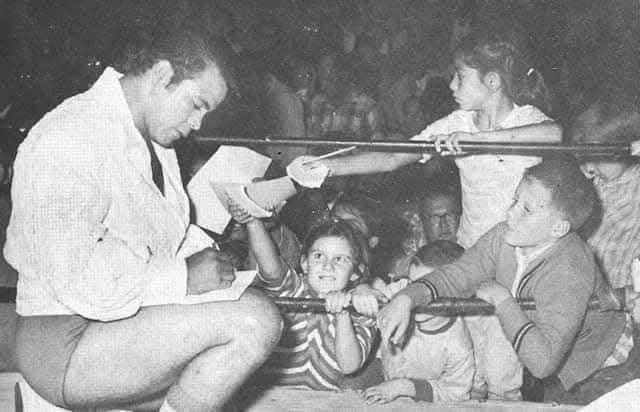
One of his most memorable feuds was with Gino Hernandez, a young protégé he had trained. The cocky Hernandez turned on his mentor, leading to a lengthy, heated program in Texas that included chain matches, cage matches, and Texas Death matches. It culminated in a hair-versus-hair match (sometimes contested inside a cage) at the Sam Houston Coliseum in late 1978 or early 1979, which Lothario won, forcing Hernandez to have his head shaved. The rivalry produced strong business and showcased Lothario’s ability to work intense, heat-filled programs. He also had notable runs against Johnny Valentine, The Missouri Mauler, and other hard-hitting heels.
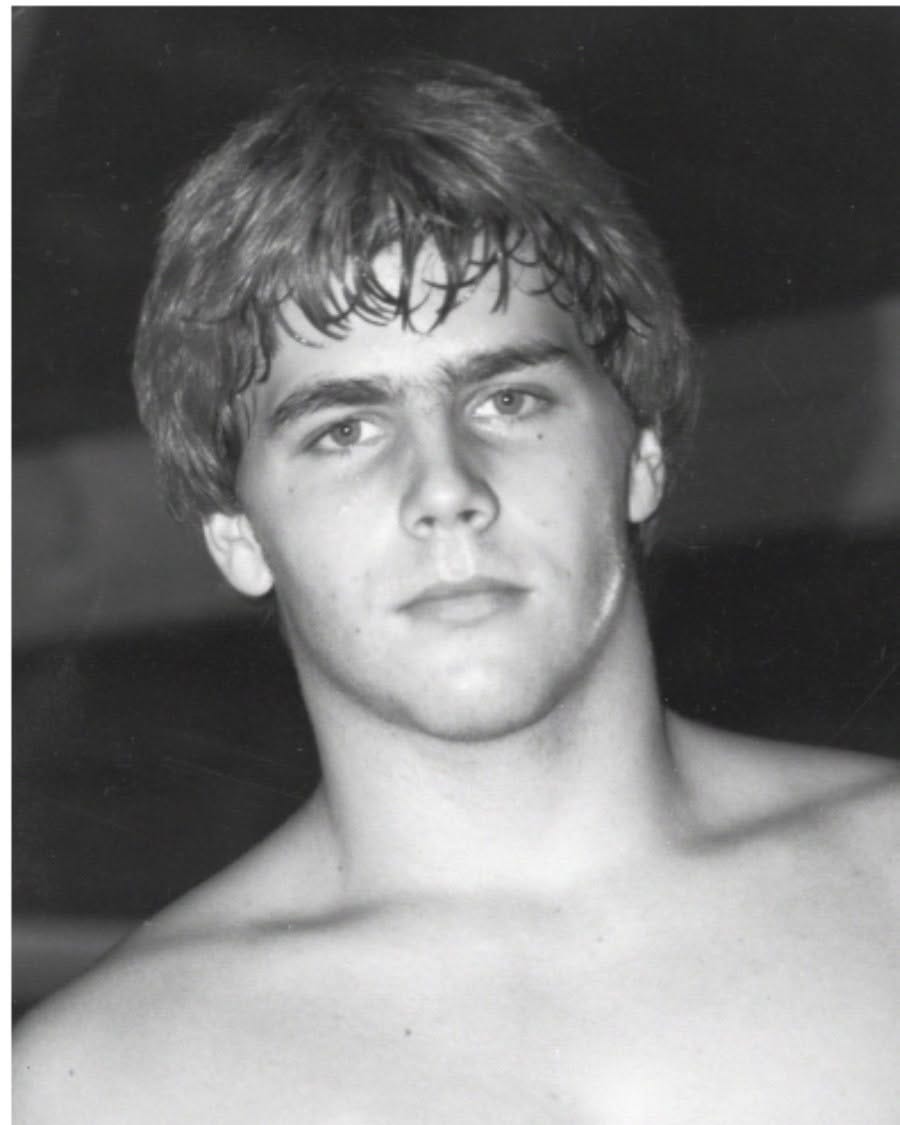
Pictured: a young Shawn Michaels
By the mid-to-late 1980s, Lothario scaled back his in-ring schedule and focused more on training. His most famous student was Michael Shawn Hickenbottom of San Antonio. Lothario charged a substantial fee, trained the teenager several times a week in a storage facility near the Freeman Coliseum, taught fundamentals, helped craft the ring name Shawn Michaels, and contributed to the development of the inverted savate kick that became Sweet Chin Music.
When Michaels was ready, Lothario personally contacted Bill Watts; Jim Ross later recalled that Watts hired the unknown rookie sight unseen purely on Lothario’s recommendation. Lothario also trained or influenced Gino Hernandez and Tully Blanchard earlier, and in the 1990s he helped operate a San Antonio school and small promotion with Michaels that launched the early careers of Bryan Danielson and Brian Kendrick.
In 1996, Vince McMahon brought the then-retired Lothario into the WWF as Michaels’ on-screen manager during the build to the Iron Man Match against Bret Hart at WrestleMania XII. Lothario stood in Michaels’ corner for the bout that fulfilled the “boyhood dream,” and he later defeated Jim Cornette in a squash match at In Your House 10: Mind Games. He remained associated with Michaels through early 1997 and made a brief return appearance in 1999. While the managerial run was relatively short, it introduced Lothario to a national audience that had largely known him only through territorial lore. Michaels later described him as a supportive, encouraging teacher who was not the stereotypical gruff old-timer.
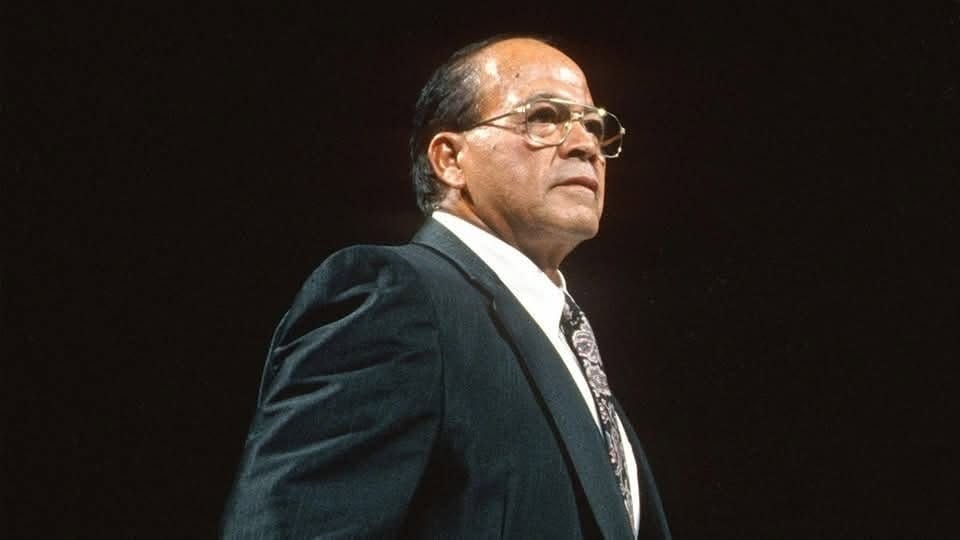
Lothario lived much of his later life in San Antonio. He was married to Jean Robledo, a wrestler who worked for Joe Blanchard’s Southwest Wrestling Alliance); they had children including son Pete, who also wrestled, and daughter Gina. In the early 1970s he and his brother Salvador opened the Casa Lothario restaurant in Tampa. He was inducted into the NWA Hall of Fame in 2017 and posthumously recognized by the Professional Wrestling Hall of Fame. Contemporaries remembered him as a consummate professional whose life revolved around the business, a man who could own a town and whose word carried weight with promoters.
José Lothario’s career spanned the golden age of territories and bridged into the national era through the wrestler he helped create. He was never a national television star in the way later generations would recognize, yet in Houston, San Antonio, Tampa, and other strongholds he was a consistent main-event attraction who delivered believable matches, sold tickets, and earned the respect of peers such as Rhodes, Brisco, and the Funks. His boxing-rooted style, multiple championship reigns, high-profile feuds, and role in launching Shawn Michaels secure his place as one of the most important Latin American performers in American wrestling history—a true territorial legend whose influence continues through the stars he trained.
One Thing I Learned About Angelo Mosca
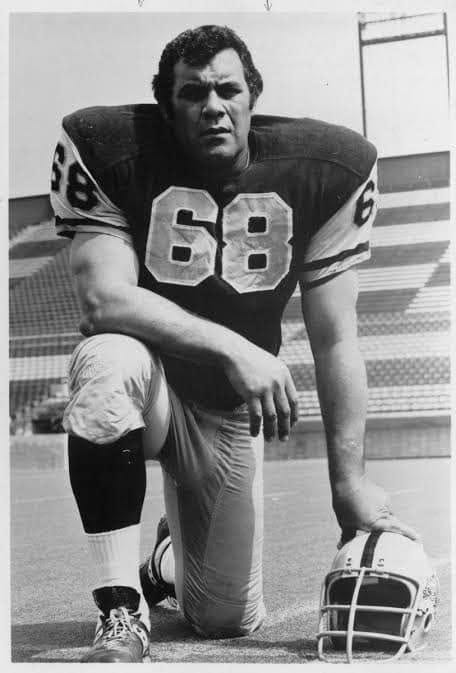
In his 2011 autobiography Tell Me to My Face, the longtime Hamilton Tiger-Cats star and “King Kong” Mosca wrestler publicly revealed that he was the son of a white Italian-American father and a mother who was half-Black (his maternal grandmother was African-American). He identified as roughly one-quarter Black.
Growing up in a working-class, segregated neighborhood near Boston in the 1940s and 1950s, his parents made him feel ashamed of that side of his background and insisted he present himself solely as Italian. Mosca later wrote that living with the secret had been difficult—“a lie by omission”—and that he only found the courage to tell his own family after he turned 70.
For decades, the public knew him only as the tough, larger-than-life Italian-American defensive lineman and pro wrestling heel. The revelation added a deeper layer to the hardscrabble childhood and dual careers that made him a Canadian sports icon.

Thank You for Watching and Listening
I’m Tony Richards, Pro Wrestling Historian, Author and Storyteller. I share pro wrestling historical items in each issue of the Time Tunnel Pro Wrestling History Newsletter and each episode of our podcast show. Thanks for your support! If you enjoy my information on select events, matches and insights, please share with folks you think might like to be a subscriber!
Remember, Premium subscribers get access to exclusive and special content such as some special issues including a multi-part deep dives on wrestling territories, wrestler bios and championship title histories, special audio and video interviews on territory pro wrestling and more available in the Pro Wrestling Time Tunnel for Premium Subscribers. Being a Premium Subscriber also means you support me in my efforts to document Pro Wrestling History through my research, writing, books, vidoes and podcasts. And…I have something very special planned for our Premium Subscribers on the Podcast side of things in 2026! Details soon here in the Pro Wrestling Time Tunnel.
That's heartbreaking hearing about Angelo and the secret he had to keep for so long. Sadly that kind of thing was common in those days. I put his book in my Amazon cart and will have to order it on payday.