


Today’s Favorite Quote: People are always blaming their circumstances for what they are. People who succeed look for circumstances they want and if they can’t find them, they make them - George Bernard Shaw
Happy Birthday to those who have passed on and to those great wrestlers still with us:
In Memoriam:
Frank Sexton 1910
Sandy Parker 1944
Bobby Heenan 1944
Happy Birthday:
Bugsy McGraw (82)
Billy Gunn (63)
Shaun Ricker\L.A. Knight (44)
RIP Memorial: We stop & remember those who have passed on this day and gave themselves to the business for us, the fans. We salute you and thank you.
Rick McGraw 11-1-1985 at the age of 30

Pinkie George 11-1-1993 at the age of 88

Hurracan Ramirez 11-1-2006 at the age of 80

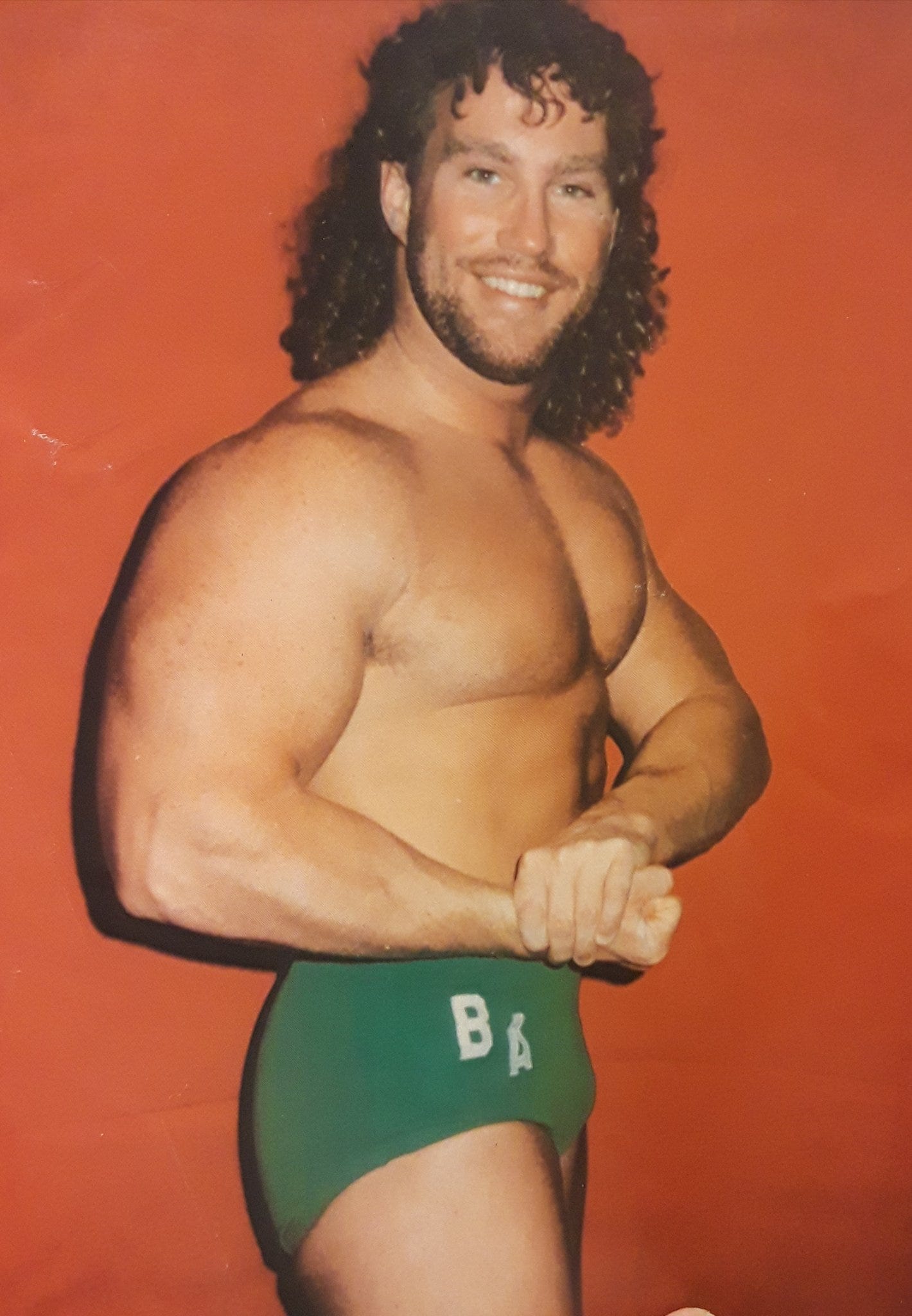
Brad Armstrong 11-1-2012 at the age of 50
Significant Pro Debuts
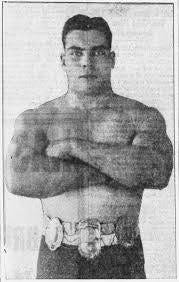
The Debut of Dave Levin
11-1-1934 Dave Levin defeated Sammy Gold in 24 seconds at the Jamiaca Arena in New York City, New York
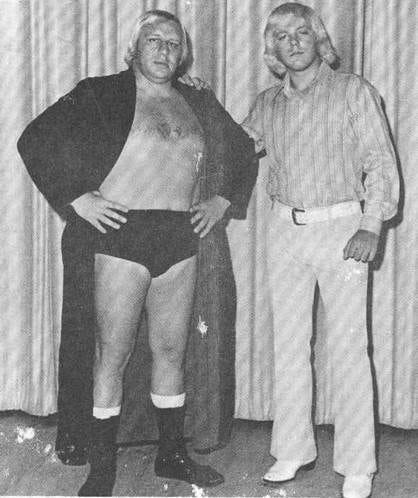
The Debut of Jimmy Garvin
11-1-1968 Jimmy Garvin debuted as the manager for Terry Garvin at Madison Square Garden in Phoenix, Arizona
1976 Flashback
Q4 Territory and Business Analysis
October-December
Championship Wrestling from Florida Territory
Tampa, Florida Office
Championship Wrestling from Florida, promoted and booked by Eddie Graham (who also served as NWA President in 1976), ran one of the NWA’s most consistent and creatively strong territories in the final quarter of 1976. The office operated from Tampa, with the Fort Homer Hesterly Armory as the primary flagship venue and the Sportatorium serving as the television studio. Gordon Solie’s authoritative commentary and post-match interviews on the weekly syndicated show built programs that played out across a statewide circuit covering Tampa, Miami and Miami Beach (Convention Center and Jai-Alai Fronton), West Palm Beach (Auditorium), St. Petersburg (Bayfront Center), Sarasota, Punta Gorda, Jacksonville, the Orlando area (Sports Stadium), Fort Myers, Sebring, Live Oak, Venice, Tallahassee, and related secondary towns. The product emphasized realistic psychology, layered personal angles, rapid title turnover on secondary belts, and frequent visits by the NWA World Heavyweight Champion. Dusty Rhodes stood as the territory’s top babyface draw for most of the quarter.
October 1976
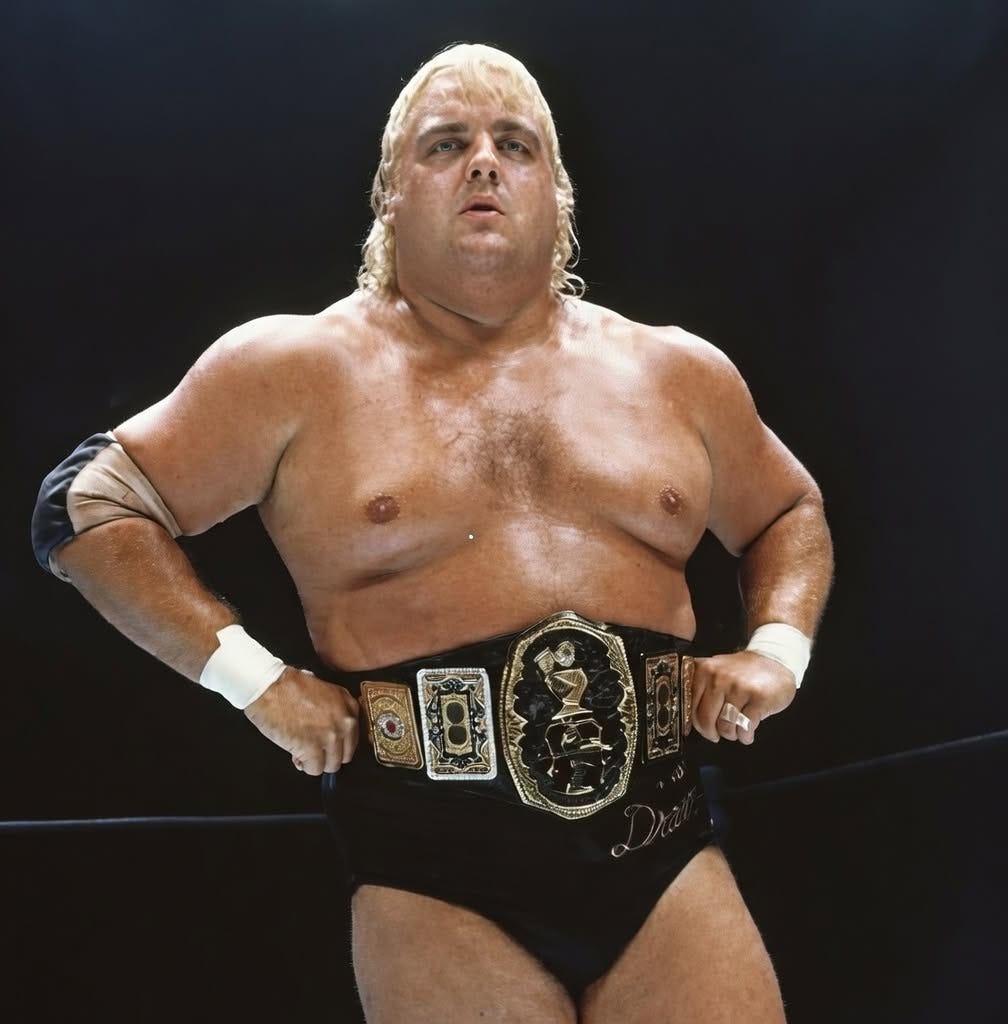
Pictured: Dusty Rhodes, NWA Florida Heavyweight Champion
October opened with Dusty Rhodes as NWA Florida Heavyweight Champion, a reign that had begun on July 27 when he defeated Bob Orton Jr. in a no-disqualification match at the Hesterly Armory with Don Curtis as special referee. Rhodes defended the title across the loop in physical matches that mixed technical work with brawling and stipulations. Documented defenses included a lights-out match against Ray Stevens on October 5 in Tampa and a standard title match against Stevens on October 6 in Miami. On October 9 in Venice he defeated The Missouri Mauler. These programs recycled heat from earlier in the year involving the Mauler, the Assassin, and associated heels while keeping Rhodes positioned as the people’s champion.
Terry Funk, the NWA World Heavyweight Champion, made multiple Florida stops. On October 2 in Punta Gorda he retained the world title against Steve Keirn. On October 30 at the Bayfront Center in St. Petersburg, Rhodes defeated Funk by disqualification in a world title match, continuing a pattern of non-decisive finishes that protected Funk while elevating Rhodes as a legitimate contender. Supporting talent filled the undercard and secondary main events: the Brisco Brothers (Jack and Jerry), Bob Orton Jr., Bob Roop, Mike Graham, Hiro Matsuda, Ray Candy, The Assassin, and the Hollywood Blondes (Buddy Roberts and Jerry Brown). The circuit ran regularly through Tampa, West Palm Beach, Miami, Sarasota, Jacksonville, and smaller towns, with television interviews and angle advancements feeding the house shows. Business remained solid on the classic territorial model—consistent local exposure, Solie’s narration lending weight to the programs, and Dusty’s popularity drawing reliable crowds without requiring record-breaking supercards.
November 1976
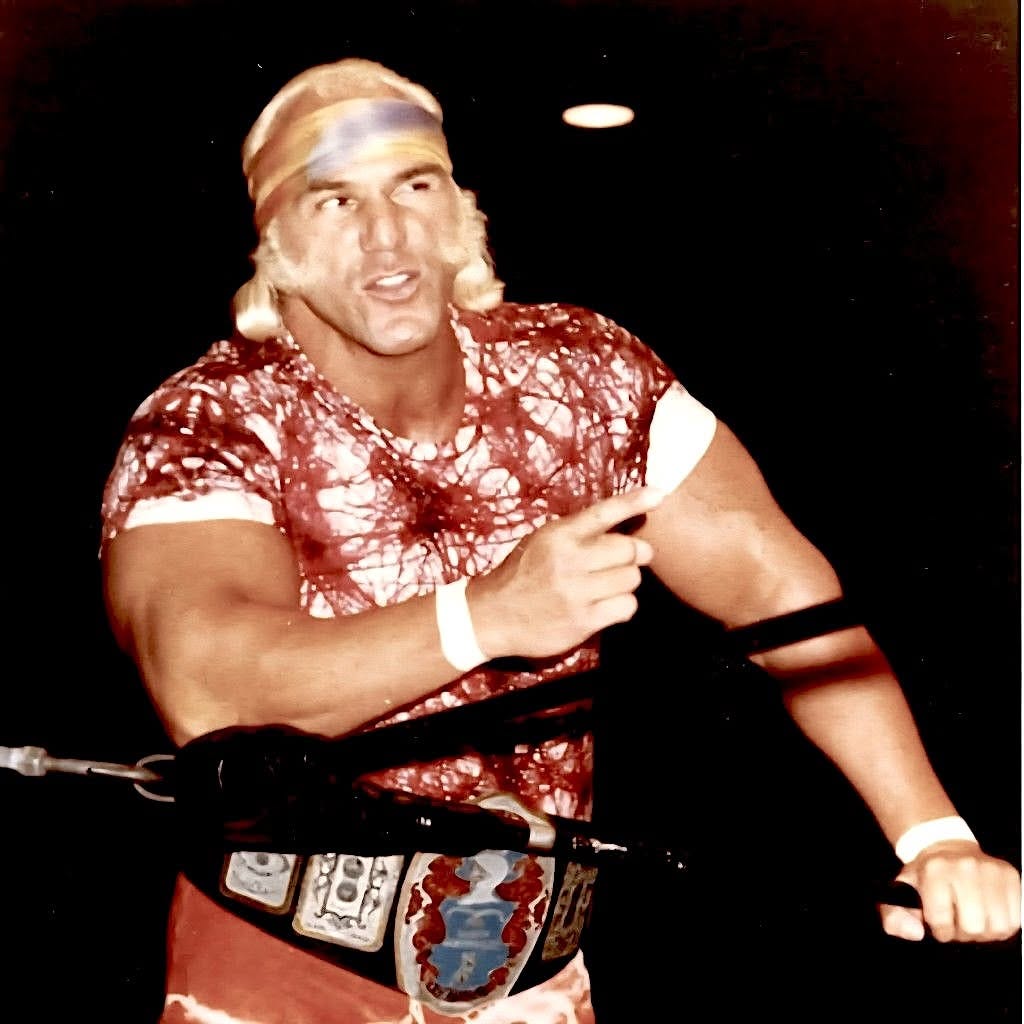
Pictured: Superstar Billy Graham, NWA Florida Heavyweight Champion
November brought a major title change and continued world title activity. Dusty Rhodes retained the Florida Heavyweight Championship in early-month defenses, including against Ox Baker on November 1 in West Palm Beach, against Bob Orton Jr. by disqualification on November 2 in Tampa, and against Bob Roop on November 3 in Miami. On November 22 in West Palm Beach, Superstar Billy Graham defeated Rhodes to win the Florida Heavyweight title, ending Rhodes’ 118-day reign. Graham’s arrival injected a new, charismatic heel into the top of the singles picture while Rhodes remained a primary attraction through other programs.
Funk continued defending the NWA World title on the Florida circuit. On November 8 in West Palm Beach he defeated Jack Brisco. The following night in Tampa he defeated Jerry Brisco. On November 10 in Miami he defeated Bob Backlund. These matches kept the world title visible and gave local stars credible challenges. Rhodes worked additional matches, including a chain match against Rock Hunter on November 9 in Tampa and a no-contest with Ox Baker on November 8 in West Palm Beach.
The Brisco Brothers, Orton Jr., Roop, Mike Graham, Steve Keirn, the Assassin, and the Missouri Mauler remained active in singles and tags. The Hollywood Blondes appeared in several secondary programs. The loop stayed busy: Tampa, West Palm Beach, Miami, Sebring, Live Oak, and related towns all hosted cards. Graham’s booking continued to favor layered angles, interference, and non-decisive finishes that extended feuds while Solie’s television work framed the narratives. The Florida Heavyweight title switch refreshed the top of the card without removing Rhodes from the main-event conversation.
December 1976
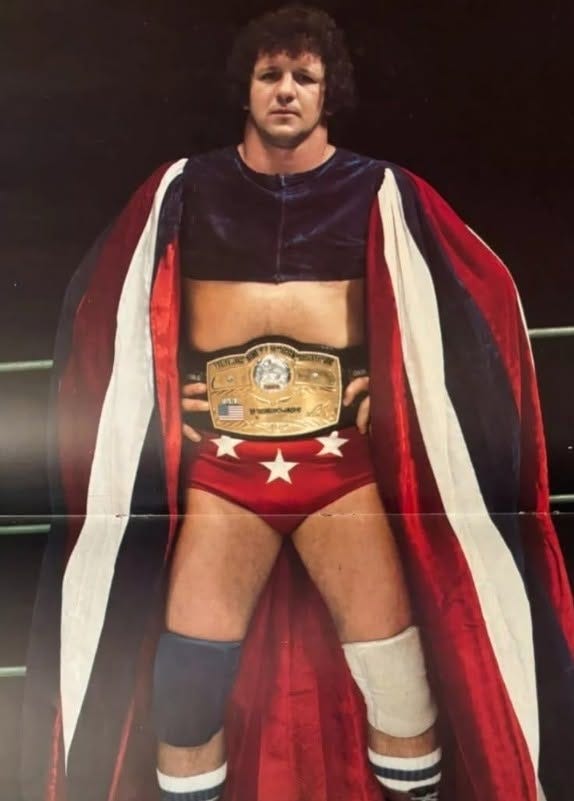
Pictured: Terry Funk NWA World Heavyweight Champion
December closed the year with Graham as Florida Heavyweight Champion and Funk still the world champion. On December 6 in West Palm Beach, Rhodes defeated Funk in a Texas Bullrope match (non-title). On December 7 in Tampa, Mike Graham defeated Funk by disqualification in a world title match. On December 8 in Miami Beach, Rhodes again defeated Funk by disqualification in a world title bout. These results maintained the pattern of protecting the world title while allowing Florida’s top babyfaces to score meaningful wins. Graham defended or was positioned with the Florida title on several cards, including activity involving Dusty and other challengers.
Secondary titles and programs continued across the circuit. Steve Keirn, Bob Orton Jr., Bob Roop, Mike Graham, the Assassin, and others contested the Florida Southern, Television, and Tag Team championships in matches that filled out cards in Tampa, Miami Beach, West Palm Beach, Fort Pierce, and smaller towns. The undercard remained deep with workers such as Tommy Seigler, Ray Candy, Hiro Matsuda, and various midcard acts.
The statewide schedule held steady through the holiday period, with the television show continuing to advance angles into the new year. By the end of December the office had a clear hierarchy: Graham as the new Florida champion, Rhodes as the established top draw still chasing Funk, the Brisco Brothers and other local favorites in strong supporting roles, and a functional heel group built around the Ortons, Roop, and associated villains.
Business and Overall Assessment
Q4 1976 demonstrated CWF’s strength as a self-contained NWA territory under Eddie Graham. The combination of Dusty Rhodes as the primary babyface, frequent NWA World title defenses by Terry Funk, rapid but logical secondary title movement, and a dense statewide circuit produced consistent business. The Hesterly Armory in Tampa served as the prestige building, while Miami, West Palm Beach, St. Petersburg, and the secondary towns (Sarasota, Punta Gorda, Jacksonville, Orlando-area venues, Fort Myers, and others) provided volume.
Gordon Solie’s presentation elevated the in-ring product and the angles. Graham’s booking emphasized realistic psychology, family and personal stakes, and finishes that protected long-term programs. The quarter maintained the territory’s reputation for strong storytelling and reliable gates in an era when many offices were already feeling pressure from larger markets. CWF entered 1977 with its core talent intact, a refreshed Florida Heavyweight picture, and the same television-to-house-show pipeline that had defined its success.
Thank You for Watching and Listening
I’m Tony Richards, Pro Wrestling Historian, Author and Storyteller. I share pro wrestling historical items in each issue of the Time Tunnel Pro Wrestling History Newsletter and each episode of our podcast show. Thanks for your support! If you enjoy my information on select events, matches and insights, please share with folks you think might like to be a subscriber!
Remember, Premium subscribers get access to exclusive and special content such as some special issues including a multi-part deep dives on wrestling territories, wrestler bios and championship title histories, special audio and video interviews on territory pro wrestling and more available in the Pro Wrestling Time Tunnel for Premium Subscribers. Being a Premium Subscriber also means you support me in my efforts to document Pro Wrestling History through my research, writing, books, vidoes and podcasts. And…I have something very special planned for our Premium Subscribers on the Podcast side of things in 2026! Details soon here in the Pro Wrestling Time Tunnel.