


Today’s Favorite Quote: Courage is the most important of all virtues. Without that virtue you can’t practice any other virtue with consistency - Maya Angelou
Happy Birthday to those who have passed on and to those great wrestlers still with us:
In Memoriam:
(none)
Happy Birthday:
Ata Maivia Johnson (78)
Atsushi Onita (69)
Charles Scaggs\2 Cold Scorpio (61)
Perry Satullo\Perry Saturn (60)
Rosa Mendes (47)
RIP Memorial: We stop & remember those who have passed on this day and gave themselves to the business for us, the fans. We salute you and thank you.
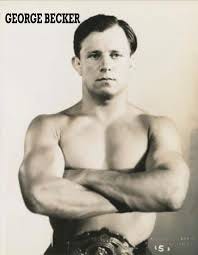
George Becker 10-25-1999 at the age of 85
Flashback 1976
Q4 Analysis
October-December
NWA Hollywood Territory
Los Angeles, California Office
NWA Hollywood Wrestling, promoted by Mike LeBell (with Gene LeBell’s involvement in production and on-screen roles), ran a compact and efficient Southern California circuit throughout the fourth quarter of 1976. The promotion’s strength remained its weekly loop, culturally charged main-event storytelling, and a reliable mix of local Mexican-American favorites, international heels, and midcard workers. The Grand Olympic Auditorium in Los Angeles served as the flagship venue—atmospheric, historically rich, and the site of the biggest reactions. Secondary towns filled out the calendar: San Diego’s Coliseum (typically Tuesdays), Bakersfield’s Strelich Stadium (Saturdays), San Bernardino’s Arena (Sundays), Ventura’s County Fairgrounds (Mondays), and occasional other stops. Wednesday television tapings at the Olympic and Friday house shows formed the core of the Los Angeles presence. Attendance in secondary markets such as San Diego generally clustered in the low-to-mid 2,000 range on documented nights, while the Olympic drew stronger crowds for key feud cards. The product blended technical wrestling, brawling, masked wrestlers, and stipulations without relying on massive supercards.
October 1976
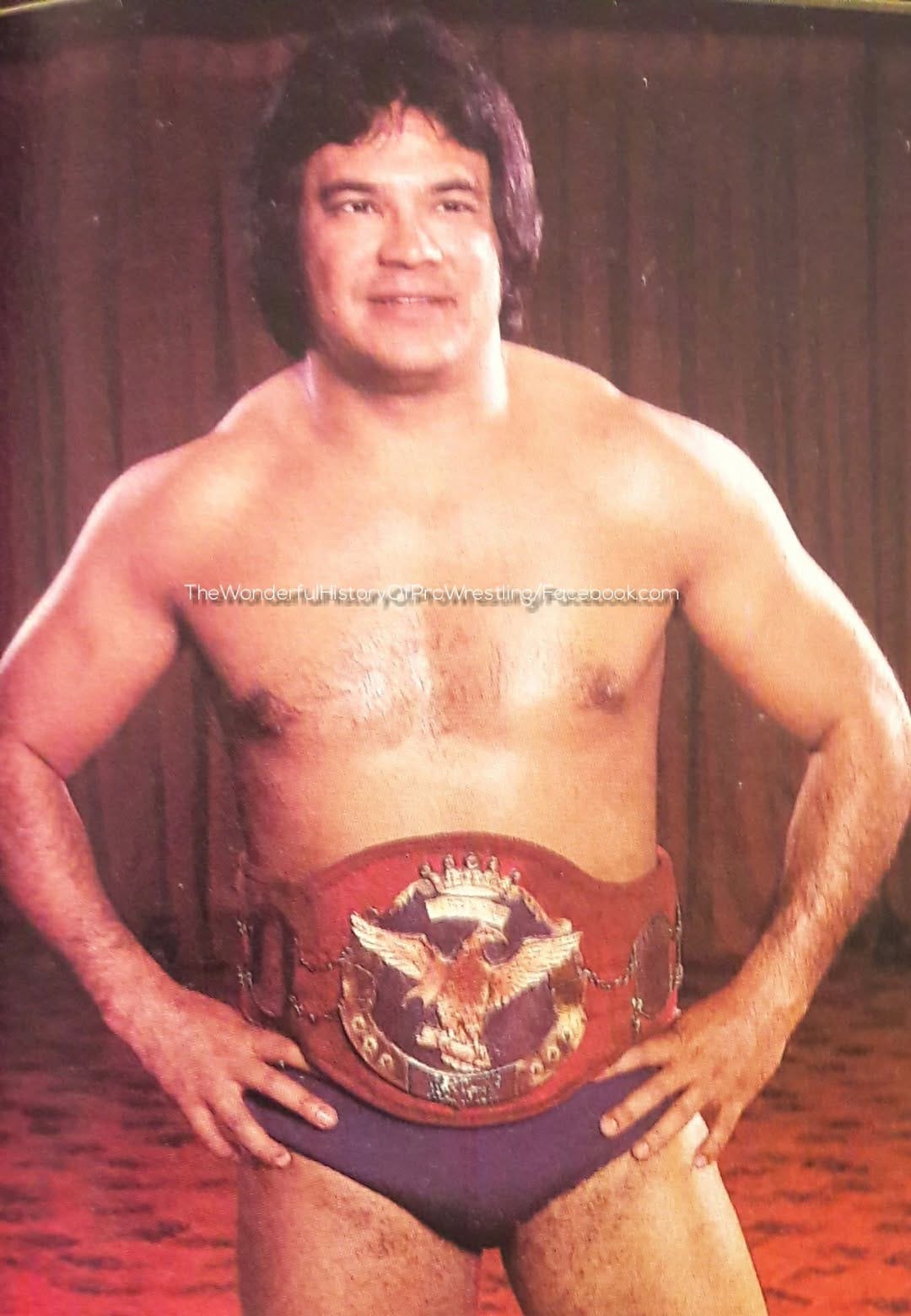
Pictured: Chavo Guerrero, NWA Americas Champion
October opened with Chavo Guerrero firmly positioned as the territory’s top babyface and NWA Americas Heavyweight Champion. He had regained the title from The Hangman around October 1. The ongoing program with heel Roddy Piper continued to generate heat through Piper’s provocative style—Scottish bravado, bagpipe antics, and culturally pointed promos aimed at the Guerrero family and the large Mexican-American audience. Supporting talent included Butcher Vachon, The Hangman, the Scorpions, the Mata brothers (Carlos and Raul), Ken Mantell, and others who filled midcard and tag spots across the loop.
Key documented activity included October 6 at the Olympic Auditorium in Los Angeles and October 7 in Bakersfield. On October 14 in Bakersfield, Piper competed in multiple matches, including a Captain’s match and an elimination bout. October 21 in Bakersfield featured Piper and Scorpion II against Carlos Mata and Don Stevenson, plus a singles match in which Mata defeated Piper. October 26 in San Diego (Coliseum, attendance 2,119) included action involving the Scorpions, Vachon, Mantell, and the Mata brothers.
On October 27 the office returned to the Olympic. Title activity peaked mid-month when Ken Mantell defeated Guerrero for the Americas Heavyweight Championship on or around October 15; Guerrero would regain it in November. In the tag division, Carlos and Raul Mata held the Americas Tag Team titles entering late October before losing them to The Hangman and Roddy Piper on October 29. The circuit stayed busy with the standard rotation through Los Angeles, Bakersfield, San Diego, and related towns, recycling the Piper-Guerrero heat alongside midcard programs involving Vachon and masked teams. Business remained steady for weekly territorial shows, driven by the ethnic angle and consistent local favorites rather than record gates.
November 1976
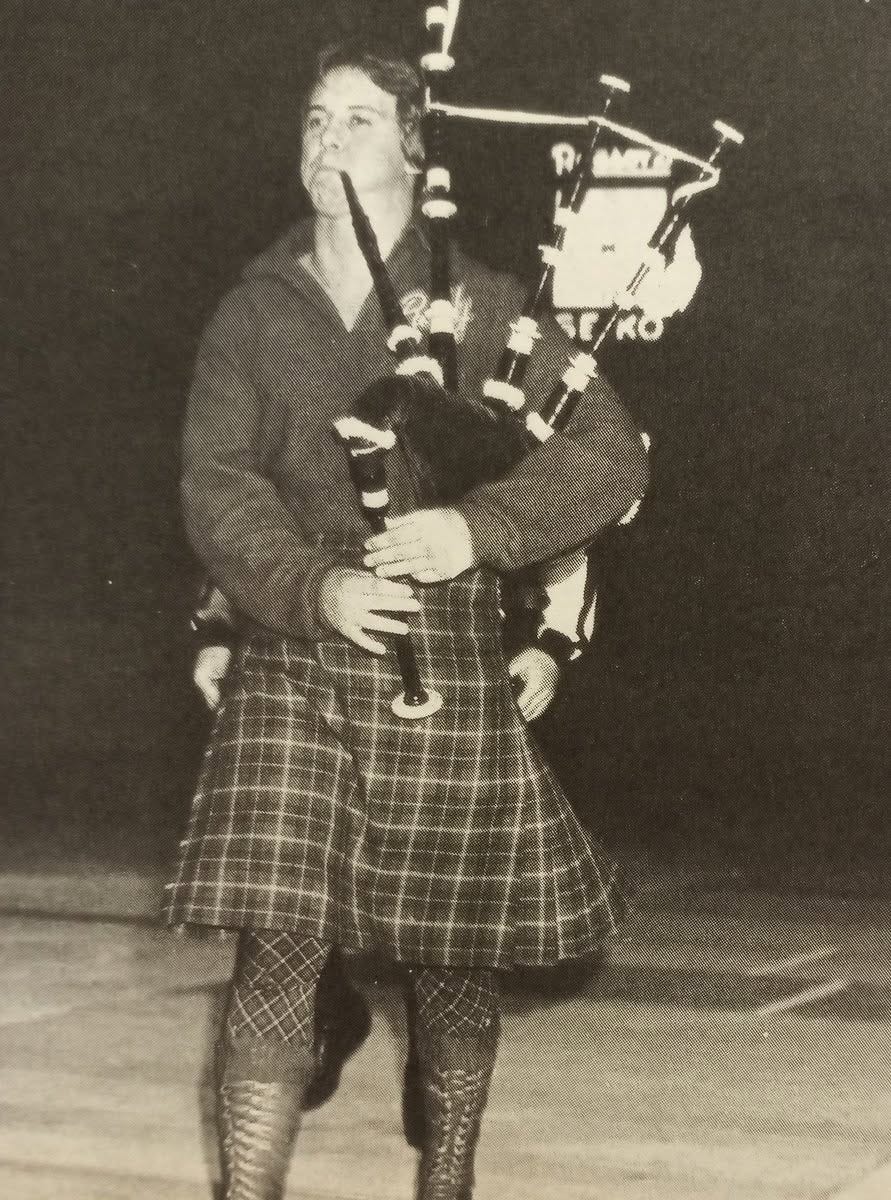
Pictured: Roddy Piper
November maintained the same loop while the Americas title picture turned over rapidly, a hallmark of the territory’s booking. Chavo Guerrero regained the NWA Americas Heavyweight Championship from Ken Mantell on or around November 19. Days later, on November 26 at the Olympic Auditorium, Dr. Hiro Ota (Yasu Fujii) defeated Guerrero to claim the belt. Guerrero would win it back on December 3. These short reigns kept the singles division fluid and gave multiple challengers television and house-show visibility while preserving Guerrero as the primary babyface draw.
Roddy Piper remained active across the circuit in both singles and tags. On November 3 and November 5 at the Olympic he worked matches that included action against Larry Zbyszko and the Scorpions. November 4 in Bakersfield and November 9–10 in San Diego and Los Angeles continued the pattern. A notable stipulation bout occurred on November 16 in San Diego, where Guerrero defeated Piper in a Mexican Death match. November 17 at the Olympic and November 18 in Bakersfield featured additional Piper activity, including tags with The Hangman.
On November 24 at the Olympic, Piper and Scorpion I lost a tag match to Larry Zbyszko and Mike Adams; the card also included Vachon, Dr. Hiro Ota, Raul Mata, Sal Lothario, and The Hangman. November 26 saw both title and non-title action at the Olympic, including Vachon and Zbyszko defeating Piper and The Hangman by disqualification, plus a singles loss for Piper to Scorpion I. November 30 in San Diego closed the month on the secondary circuit.
The Piper-Guerrero program continued to supply the emotional core, with Piper’s heel tactics and occasional punishment-style matches (against Vachon and others) keeping him viable even when not holding the Americas title. Midcard depth from the Scorpions, Mata brothers, Zbyszko, and Vachon prevented the cards from becoming one-dimensional. San Diego attendances stayed in the familiar low-2,000 range, supporting reliable secondary-market revenue.
December 1976
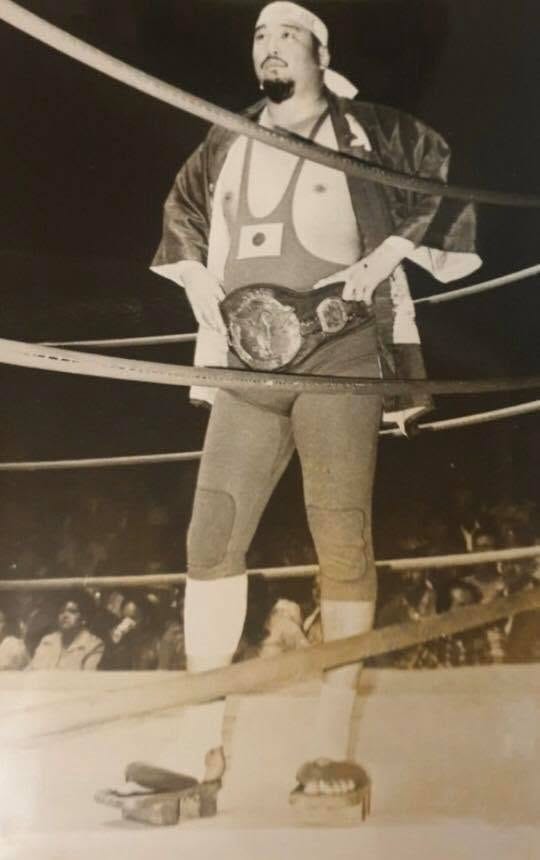
Pictured: Dr. Hiro Ota (aka Yasu Fuji), NWA Americas Champion
December closed the year with Guerrero once again the Americas Heavyweight Champion after defeating Dr. Hiro Ota on December 3. The title would change hands again in mid-January 1977 when Dory Funk Jr. won it, but through the end of 1976 Guerrero remained the central singles figure. In the tag division, The Hangman and Roddy Piper held the Americas Tag Team titles (won October 29) through the quarter and into early 1977 before losing them in January.
Documented December activity included December 2 and December 11 in Bakersfield, December 8 and December 17 at the Olympic Auditorium in Los Angeles, and December 14 and December 16 in San Diego and Bakersfield. On December 14 in San Diego, Butcher Vachon and Chavo Guerrero defeated Piper and The Hangman by disqualification. December 17 at the Olympic featured Piper defeating Larry Zbyszko, with additional matches involving Vachon and others.
The circuit continued its weekly rhythm across Los Angeles, San Diego, Bakersfield, San Bernardino, and Ventura. Piper’s programs with Guerrero, Vachon, and various midcard opponents supplied consistent heat, while the short Americas title reigns earlier in the quarter had refreshed the singles picture without removing Guerrero from the top. Supporting workers such as the Scorpions, Mata brothers, Hangman, Zbyszko, and Ota filled out cards in every town.
Business and Overall Assessment
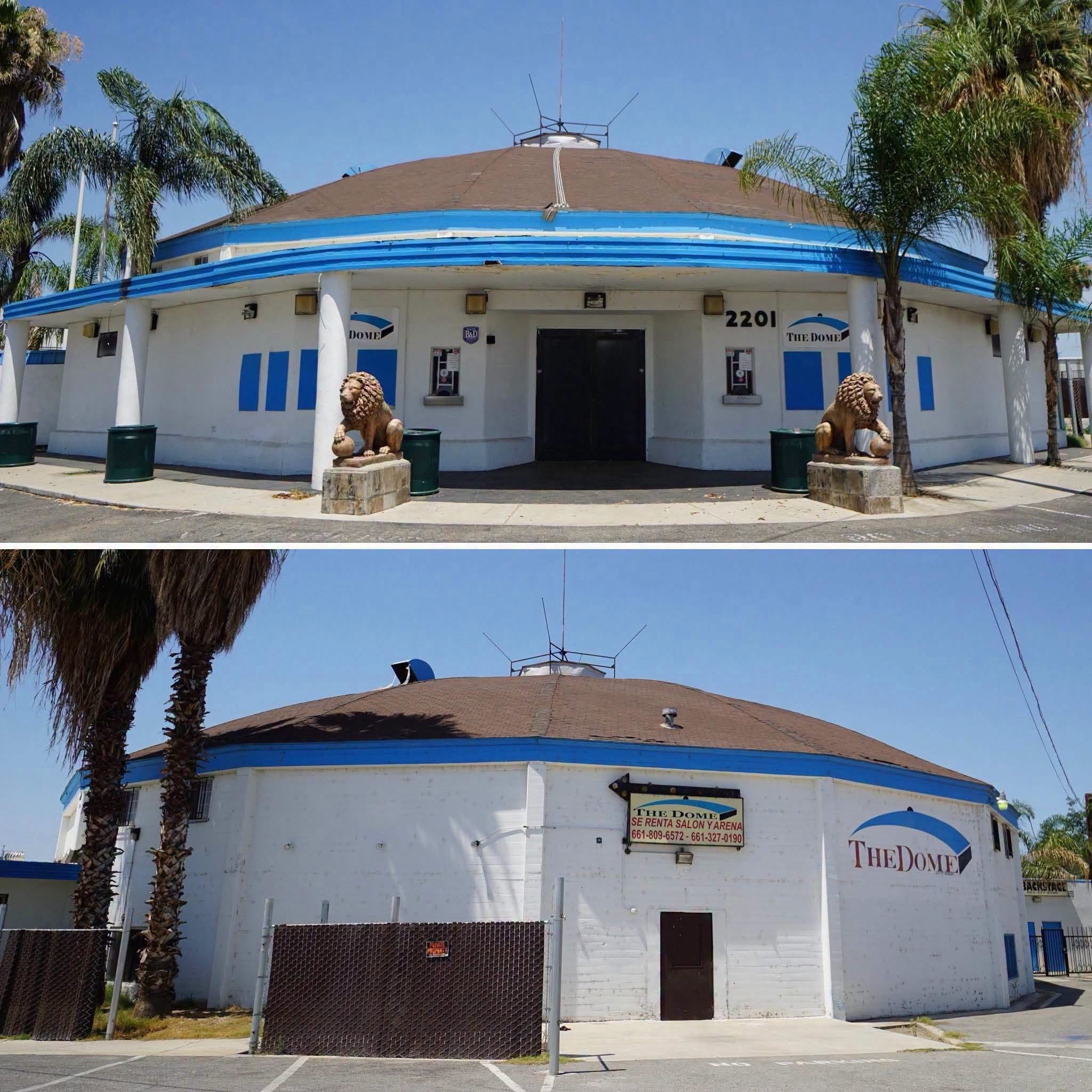
Pictured: Strelich Stadium (aka The Dome) in Bakersfield, California
Q4 1976 reflected classic territorial wrestling under Mike LeBell: an efficient multi-town loop, strong local television builds, and a culturally resonant main-event program between Piper and Guerrero that generated repeatable heat among the territory’s diverse (especially Mexican-American) audience. The Olympic Auditorium remained the prestige venue for the biggest reactions and key matches; San Diego’s Coliseum, Bakersfield’s Strelich Stadium, and the San Bernardino and Ventura stops provided volume and consistency. Documented secondary-market attendances in the low-to-mid 2,000s were solid for weekly 1976 territory business and indicated a promotion that did not need record gates to remain viable.
Title turnover on the Americas Heavyweight Championship kept the singles division active, while the longer Hangman-Piper tag reign gave the tag division a clearer program. Stipulations such as the Mexican Death match added variety when the feud escalated. The office entered 1977 with Guerrero still the primary babyface attraction, Piper as a proven heel drawing card, and the same functional circuit intact. The quarter demonstrated NWA Hollywood’s ability to sustain interest through ethnic storytelling, physical matches, and regular local exposure rather than national expansion or massive one-off events.
Thank You for Watching and Listening
I’m Tony Richards, Pro Wrestling Historian, Author and Storyteller. I share pro wrestling historical items in each issue of the Time Tunnel Pro Wrestling History Newsletter and each episode of our podcast show. Thanks for your support! If you enjoy my information on select events, matches and insights, please share with folks you think might like to be a subscriber!
Remember, Premium subscribers get access to exclusive and special content such as some special issues including a multi-part deep dives on wrestling territories, wrestler bios and championship title histories, special audio and video interviews on territory pro wrestling and more available in the Pro Wrestling Time Tunnel for Premium Subscribers. Being a Premium Subscriber also means you support me in my efforts to document Pro Wrestling History through my research, writing, books, vidoes and podcasts. And…I have something very special planned for our Premium Subscribers on the Podcast side of things in 2026! Details soon here in the Pro Wrestling Time Tunnel.