Today’s Favorite Quote: Everyone has to figure to get beat sometime. The question isn’t did you fail, but did you pick yourself up and move ahead? - Joe Louis
Happy Birthday to those who have passed on and to those great wrestlers still with us:
In Memoriam:
Wild Red Berry 1906
Ed Sharpe 1920
Emile DuPree 1936
Gil Hayes 1939
Scott Hall 1958
Happy Birthday:
Chavo Guerrero, Sr (56)
Humberto Carillo\Ultimo Ninja (31)
RIP Memorial: We stop & remember those who have passed on this day and gave themselves to the business for us, the fans. We salute you and thank you.
Ivan The Terrible 10-20-1968 aty the age of 52
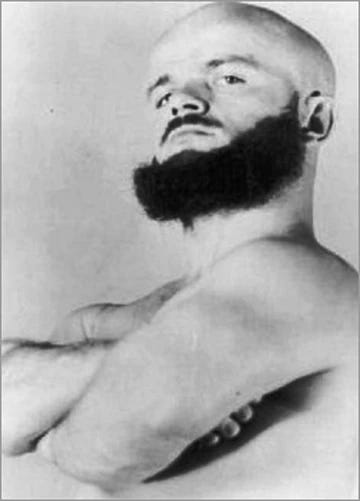
Ox Baker 10-20-2014 at the age of 80
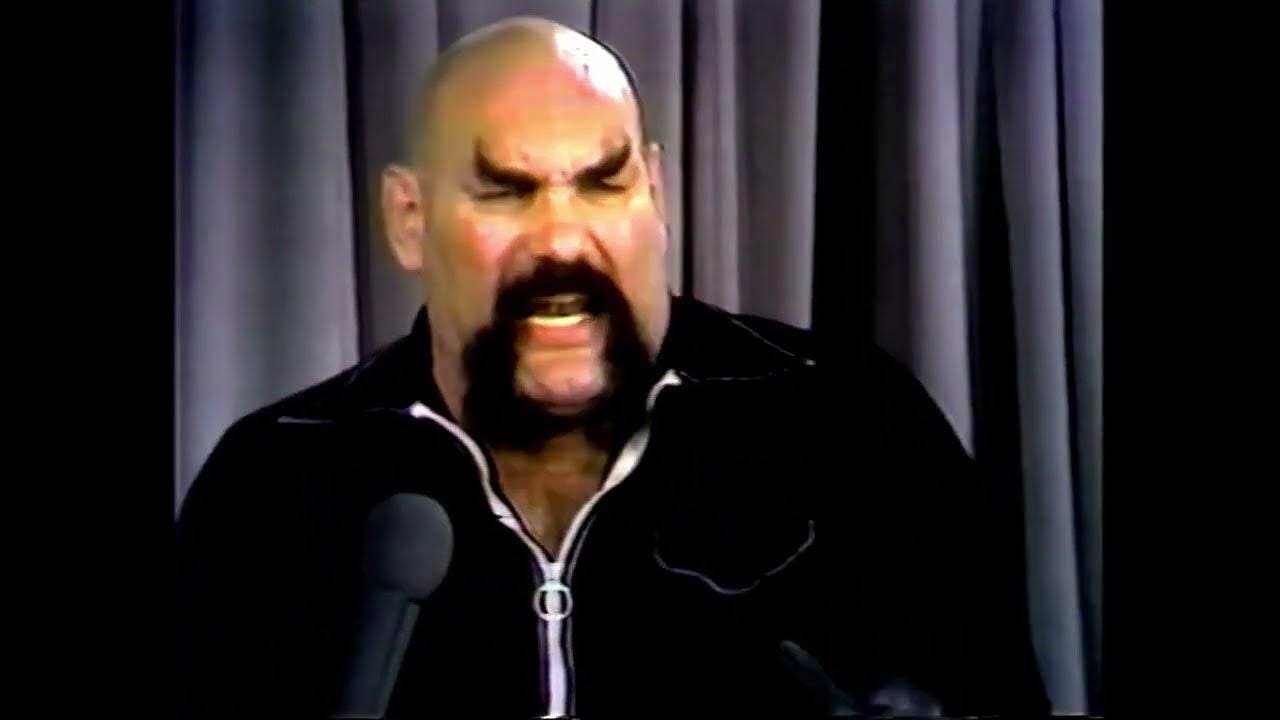
Stan Kowalski 10-20-2017 at the age of 91

Bill Kersten 10-20-2017 at the age of 84
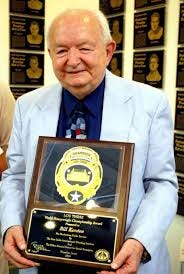
Significant Pro Wrestler Debuts
10-20-1938: Ronnie Etchison vs Abe Friedman ended in a 15 minute time limit draw at the Auditorium in St. Joseph, Missori for Etchison’s first pro match
10-20-1979: Tom Prichard vs El Satanico II in Bryan, Texas is all the information we could find on Prichard’s first pro match for this date
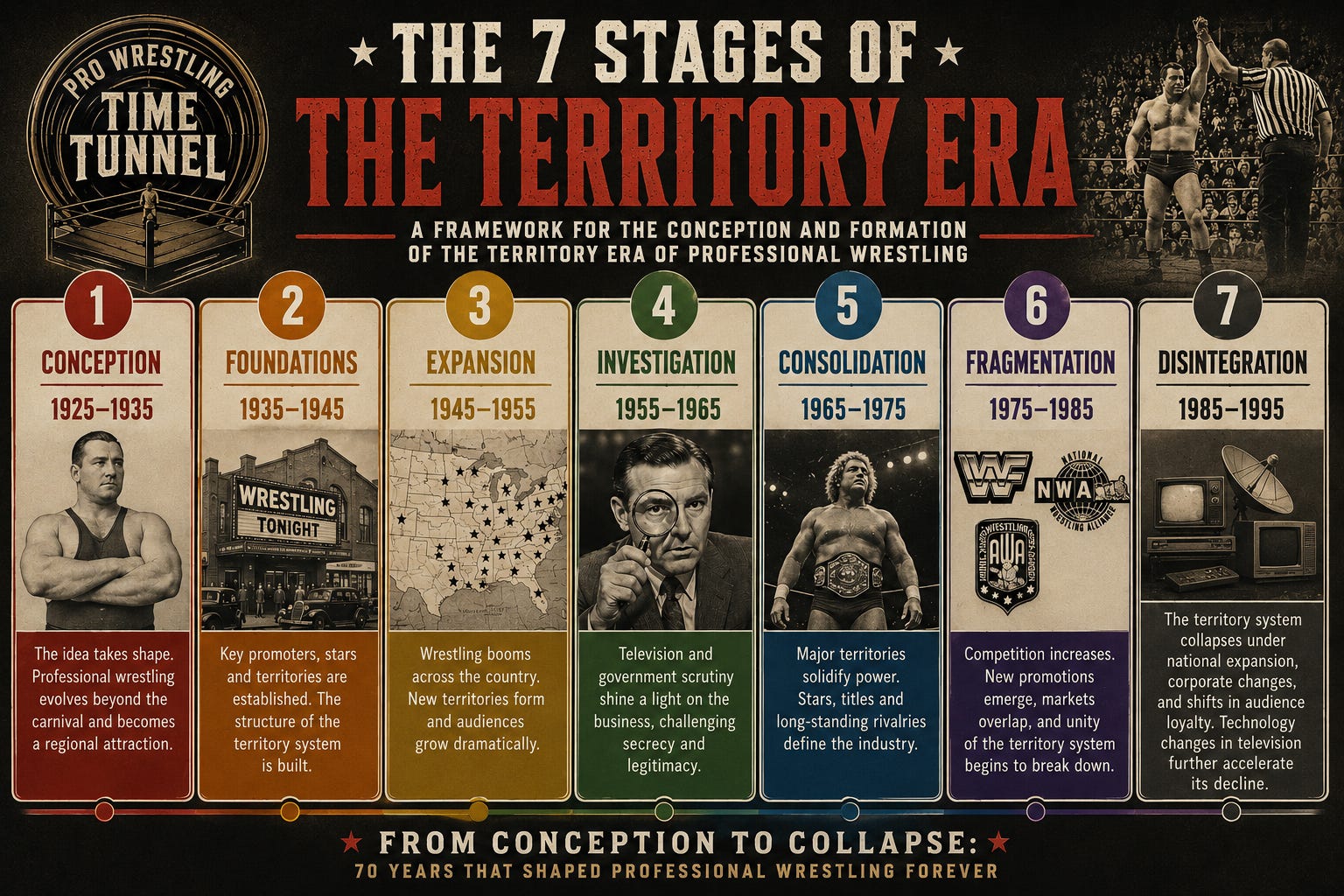
7 Stages of the Territory Era
Stage 6: Consoldiation (1975-1985)
Year Two Month Ten
The One-Year Presidency of Fritz Von Erich
NWA President, August 1975 – August 1976
In the 7 Stages of the Territory Era model, Stage 6 is Fragmentation: the decade from 1975 to 1985 when the old map still looked intact and the pieces had already begun to drift. The National Wrestling Alliance was still the governing body of the territorial system. It still recognized one world heavyweight champion, still held an annual convention, and still expected its members to honor one another’s towns. What it no longer had, after the summer of 1975, was Sam Muchnick at the head of the table.
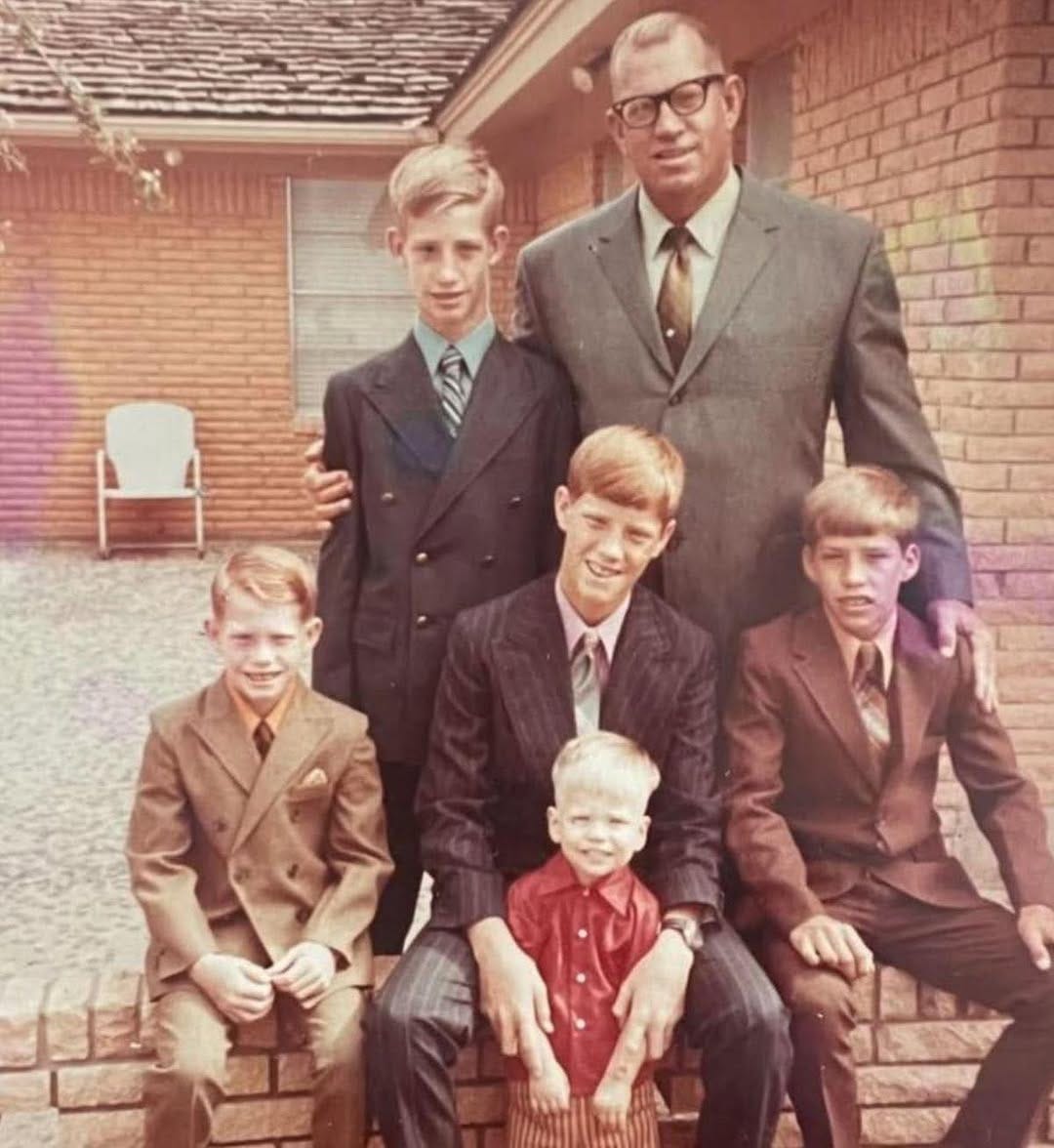
The handover did not wait until September. The annual convention met in New Orleans from August 1 to 3, 1975. Muchnick refused to run again. He wanted to concentrate on St. Louis. The members voted unanimously for Jack Barton Adkisson of Dallas, known to the public as Fritz Von Erich. One year later, on August 7, 1976, the convention met at Lake Tahoe and elected Eddie Graham of Tampa. The term people remember as “Fritz’s year” was a convention year, August to August, sitting at the exact opening of Stage 6.
It was not a long presidency. It was a consequential one, mostly for what it revealed about the office he inherited.
The Man Who Inherited the Chair
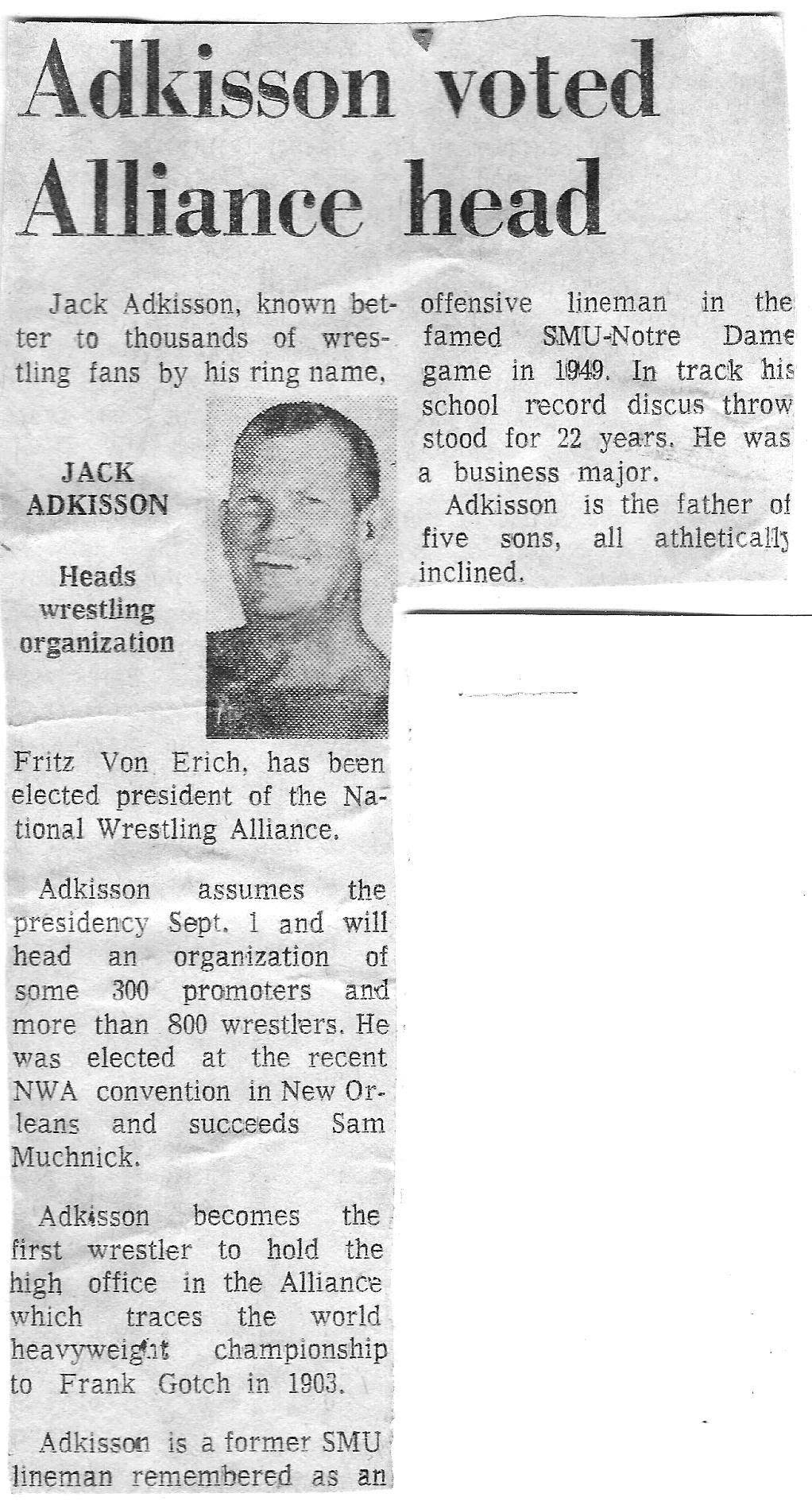
Adkisson was not a caretaker picked from the lobby. He was a second-generation power inside the Alliance, even if he was not a founding member. He had been a top heel in Muchnick’s St. Louis, a world-title challenger to Gene Kiniski, and, with Muchnick’s blessing in the late 1960s, the man who took the Dallas office after Ed McLemore. By 1975 Southwest Sports was his. The Sportatorium was his building. The NWA American Heavyweight Championship, which he had won from Blackjack Lanza on December 29, 1974, was his local crown. He was still an active wrestler and a working promoter, not a retired statesman.
That distinction mattered. Muchnick’s authority had rested on a reputation for honest payoffs, a long memory, and a willingness to put the membership ahead of his own town. Adkisson’s authority rested on size, Texas money, a useful relationship with the Funk family in Amarillo, and the fact that the room needed somebody. The members trusted him enough to vote him in without a fight. They did not trust him enough to give him Muchnick’s job as it had actually been done.
The officer slate told the story. Adkisson was president. Jim Barnett of Atlanta was first vice president and secretary. Mike LeBell of Los Angeles was second vice president. Barnett, not Adkisson, replaced Muchnick as booker of the world heavyweight champion. Barnett’s office at 310 Chester Street in Atlanta became the working headquarters of the Alliance. He was not paid what Muchnick had been paid. The presidency had become a title. The booking of the belt, the real lever, had moved to Georgia.
Muchnick, for his part, did what a man who had spent years under the eye of the Justice Department’s Antitrust Division would do. On August 9, 1975, he wrote Assistant Attorney General Thomas Kauper and reported the new officers, as he had done for years. The letter was courtesy and cover. The Alliance was still a cartel that preferred to look like a trade association. The old president was still the one who knew how to write to Washington.
The Vote That Defined the Year
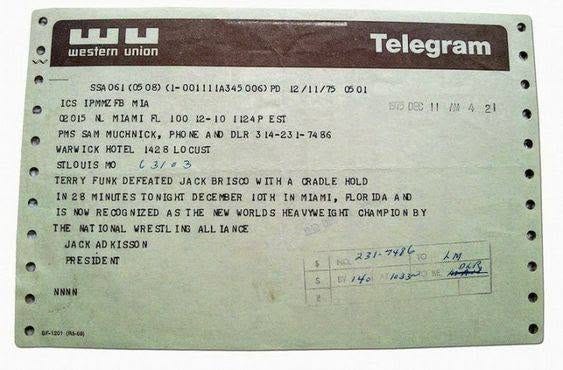
The other election in New Orleans mattered more than the presidency. Jack Brisco was ready to give up the NWA World Heavyweight Championship.
The board split on the successor. Harley Race had the résumé and the St. Louis credibility. Terry Funk had the family, the Amarillo office, and the argument that a younger, rougher champion would travel. The vote deadlocked, three to three. Adkisson cast the deciding ballot for Funk.
That was the presidential act of the term. Everything else was atmosphere.
Funk did not win the belt in New Orleans. Brisco carried it through the fall. On December 10, 1975, in Miami Beach, Terry Funk — a late substitute for his brother Dory Jr. — beat Brisco and began the reign that would run through the whole of Adkisson’s presidency and past it, into February 1977. The champion the new president had chosen spent 1976 on the road the Alliance had been built to provide: Georgia, Florida, the Carolinas, St. Louis, Texas, the Pacific Northwest, Canada, Japan. Jim Barnett booked the dates. Eddie Graham, the man who would replace Adkisson, was one of the promoters who used Funk best.
The choice of Funk over Race was defensible as booking. It was also a Texas decision made by a Texas president in a room that still believed the heavyweight belt should move. Race would get his turn. He beat Funk on February 6, 1977, in Toronto, after both Adkisson and Graham had already passed the gavel. The New Orleans vote did not make Funk a permanent king. It made him the champion of the first year of Fragmentation.
What the Presidency Actually Did
The NWA presidency had never been a dictatorship. Power sat with the membership. The president kept the peace, ran the convention, and, when he was Muchnick, booked the champion and wrote the letters. Adkisson’s year shows what the office looked like once those last two jobs had been separated from the title.
The membership map of 1976 is the Fragmentation roster in one list. Eddie Graham in Tampa. Shohei Baba in All Japan. Vince McMahon Sr. in New York, back inside the Alliance but running his own world title. Jim Crockett Jr. in Charlotte. Ed Farhat in Detroit. Stu Hart in Calgary. Jim Barnett in Atlanta. Nick Gulas and Roy Welch in Tennessee. Bob Geigel in Kansas City. Sam Muchnick in St. Louis. Gene LeBell in Los Angeles. Salvador Lutteroth Jr. in Mexico City. Hisashi Shinma in New Japan, admitted at the 1975 convention and still not allowed to book the world heavyweight champion. Don Owen in Portland. Jack Adkisson in Dallas. Dory Funk Jr. and Terry Funk in Amarillo. Roy Shire in San Francisco. Frank Tunney in Toronto. Lord Blears in Honolulu. The Alliance still had a letterhead. It no longer had a single product.
New Japan’s admission is the quiet structural fact of the Adkisson convention. The Alliance now had three Japanese members: the fading Japan Pro Wrestling Alliance under Junzo Hasegawa, Baba’s All Japan, and Shinma’s New Japan. The heavyweight champion could work Baba. He could not work Inoki’s office. The Alliance was willing to collect a new member and unwilling to let that member touch the belt. That is Fragmentation as policy: expand the roster, protect the old booking lanes, and hope the contradiction holds.
Antitrust pressure had not gone away. Muchnick’s August letter was a reminder that the Department of Justice still had a file. Complaints about exclusive towns, blocked talent, and the world-title monopoly were part of the mid-1970s background noise. A president whose real business was the Sportatorium was not going to solve that. He was going to keep his own towns hot and let Barnett move the champion.
Dallas, during the presidential year, did exactly that. The June 5, 1976 Super Bowl of Wrestling at Texas Stadium put Funk against Fritz in front of a crowd reported around 17,000. The match went to a double count-out. The belt stayed with Funk. The feud between the two Texas offices stayed alive. A president defending the world title in his own stadium against the champion he had voted into office is a perfect Stage 6 picture: the Alliance as a family argument conducted in public, with the gavel in one hand and the Iron Claw in the other.
Lake Tahoe
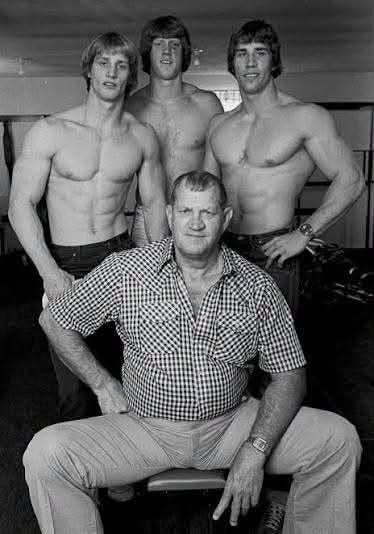
On August 7, 1976, the convention met at Lake Tahoe. Eddie Graham was elected president. Mike LeBell moved up to first vice president. Jim Crockett Jr. became second vice president. Barnett stayed on as secretary and treasurer, appointed by Graham, and remained the champion’s booker. Muchnick was named advisor to the president.
The slate is the story of the year. The wrestler-promoter from Dallas had held the chair. The booker from Atlanta had held the belt. The promoter from Tampa, whose territory was in the middle of one of its great runs with Dusty Rhodes and the Funk chase, took the title back toward a working office. Muchnick did not return to the presidency. He returned as advisor, which is what a founding power does when he is finished and not yet gone.
Graham would hold the office into 1978, then step down. Bob Geigel filled the vacancy and was confirmed at the next convention. The presidency was becoming a rotation. That was new. Muchnick had held it from 1950 to 1960 and again from 1963 to 1975. The men who followed him would hold it for a year or two. Fragmentation is not only a map of territories. It is a shortening of institutional memory.
Business Analysis: The Gavel Without the Booking
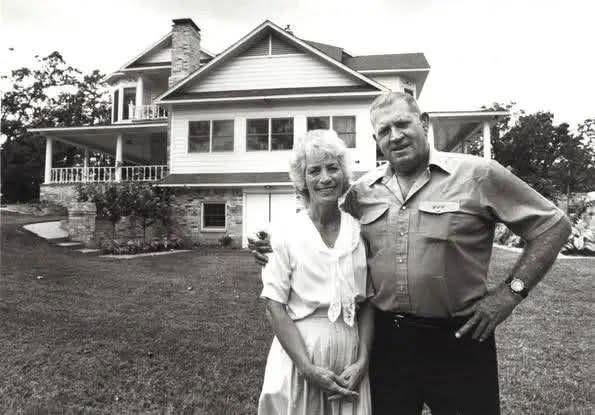
Pictured: Fritz Von Erich and wife Doris
Fritz Von Erich’s presidency is easy to overrate and easy to dismiss. He did not break the Alliance. He did not save it. He occupied it for the first year in which the old center had already stepped aside.
The strengths of the year were real. The membership accepted a unanimous transition instead of a fight. The world title changed hands on a vote rather than a raid. Funk’s reign gave every major office a traveling main event through 1976, from the Superdome to Texas Stadium to the Kiel Auditorium to All Japan. Barnett’s booking kept the champion moving. Dallas drew. Florida drew. Memphis drew. The Garden drew for a different world champion. The system still paid.
The weaknesses were the ones Stage 6 would spend a decade enlarging.
The presidency and the booking had been split. Once the man with the gavel was not the man who sent the champion, the office became ceremonial. Later presidents — Graham, Geigel, Crockett — would try to pull the levers back toward their own towns. Adkisson’s year is the moment the split became visible.
The champion had been chosen by a tie-breaking vote from the president’s own region. That was legal under the rules. It was also a preview of the complaint that would harden in the 1980s: that the belt moved according to who sat in the room, not according to a neutral standard. Muchnick had been accused of the same thing for years. The difference was that Muchnick’s reputation absorbed the accusation. Adkisson’s did not have twenty years of credit in the bank.
The Alliance had admitted New Japan and refused it the champion. It had a member in New York who recognized a different world title. It had a member in Minneapolis who had been outside the Alliance since 1960. The letterhead said one world. The arenas said three.
And the old president had written to the Justice Department on his way out, because somebody still had to. The Adkisson year did not produce a new settlement with Washington. It produced a Dallas promoter in the chair, an Atlanta booker on the telephone, and a Tampa promoter waiting at Lake Tahoe.
What the Year Meant
Stage 6 did not begin because Fritz Von Erich became president. It began because the conditions that made a one-year Dallas presidency possible were already in place: a founder ready to leave, a membership too large and too jealous to accept another long reign, a world title that had to be voted on because no single office could simply take it, and a cable and closed-circuit future that none of the men in New Orleans yet controlled.
Adkisson went back to the Sportatorium. He kept the American title. He built the office that would become World Class. In February 1986 he would take that office out of the Alliance altogether, which is its own later chapter of Fragmentation. In August 1975 he was still the man the room trusted to hold the gavel for a year.
He held it. He broke the tie for Funk. He let Barnett book. He defended the belt in his own stadium and did not win it. Then he handed the office to Eddie Graham, with Muchnick sitting as advisor, and the territorial system entered the autumn of 1976 still profitable, still divided, and already short one irreplaceable president.
The gavel had moved. The center had not come with it.