


Today’s Favorite Quote: Pain is temporary. It may last a minute or an hour or a day, or a year, but eventually it will subside and something else will take it’s place. If I quit, however it lasts forever - Lance Armstrong
Happy Birthday to those who have passed on and to those great wrestlers still with us:
In Memoriam:
(none)
Happy Birthday:
James “Baron Von” Raschke (85)
Cien Caras (77)
John Nord (67)
Caarlos Cabrera (67)
Simon Gotch (44)
RIP Memorial: We stop & remember those who have passed on this day and gave themselves to the business for us, the fans. We salute you and thank you.
Dirty Dick Raines 10-18-1979 at the age of 68
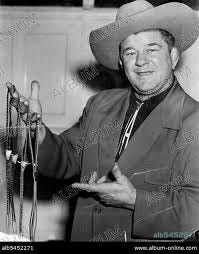
Doc Gallagher 10-18-1994 at the age of 78

Dennis Hall 10-18-2013 at the age of 75
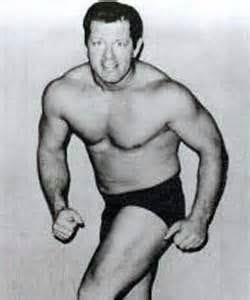
Dick Slater 10-18-2018 at the age of 67
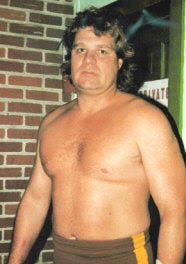
Flashback 1976
Q4 Analysis
October-December
Northern California Territory
San Francisco, California Office
Roy Shire’s Big Time Wrestling (NWA San Francisco) ran a steady circuit in the final three months of 1976. The Cow Palace in Daly City served as the flagship venue, supported by regular dates in Sacramento (Memorial Auditorium), Stockton, San Jose, Richmond, Modesto, Reno, Fresno, Santa Rosa, and other Northern California and Nevada towns. The product centered on Mr. Fuji’s long United States Heavyweight Championship reign and the Royal Kangaroos’ tag-team title run, which ended in December. Television (primarily KTXL in Sacramento and related outlets) built the house shows. Surviving records are sparse, but the documented main events, title matches, and attendances provide a clear picture of the quarter’s wrestlers, matches, angles, and business.
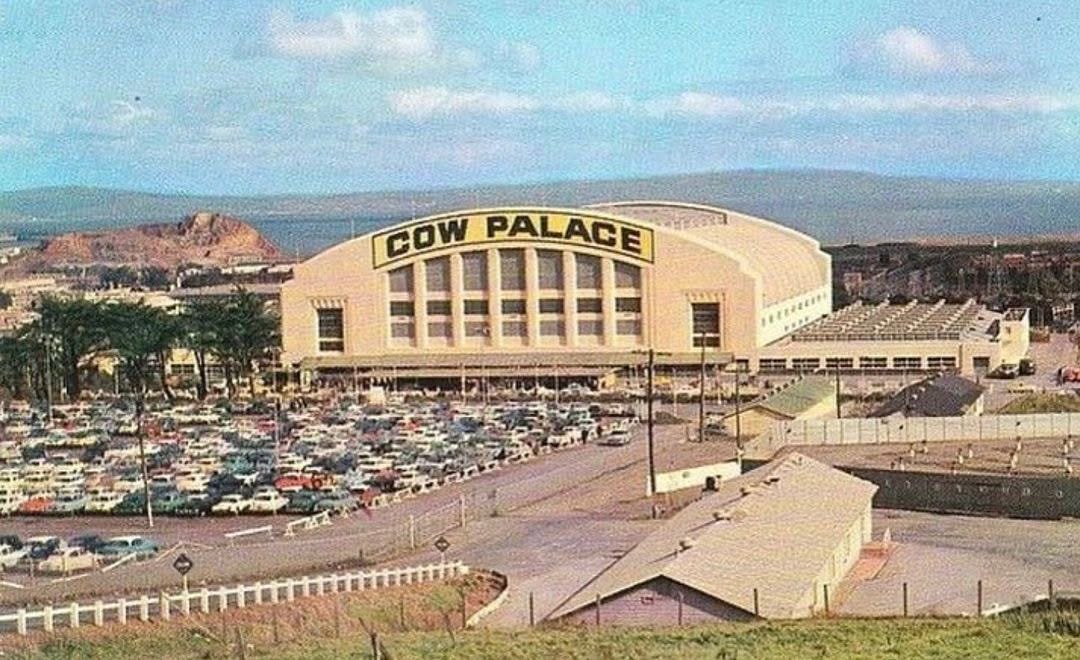
Pictured: The Cow Palace, Daly City (San Francisco) California
October 1976
October opened with the Royal Kangaroos (Lord Jonathan Boyd and Norman Frederick Charles III) as NWA World Tag Team Champions (San Francisco version), having taken the belts from Pat Patterson and Tony Garea on September 18 at the Cow Palace. The Australian cousins continued their rulebreaking foreign-heel program across the circuit. On October 2 they appeared in Fresno at the Selland Arena. On October 9 the office ran Stockton. Mid-month activity included a Santa Rosa date on October 15 and the major Cow Palace card on October 16.
The October 16 Cow Palace show drew 6,646 fans. It featured a best-of-three-falls United States title defense by Mr. Fuji (the Great Fuji) against Moondog Lonnie Mayne, plus a best-of-three-falls World Tag Team title match in which the Royal Kangaroos defeated Pat Patterson and Tony Garea 2-1. Fuji’s Japanese heel presentation remained the singles centerpiece; he had held the U.S. title since defeating Patterson on February 7. Patterson and Garea’s challenge kept the tag division hot, with the Kangaroos’ boomerang-assisted antics and stiff work generating heat.
Supporting talent included the usual mix of local favorites and mid-card workers. Secondary-town cards in the same period recycled these programs at smaller houses, keeping the loop active without diluting the Cow Palace main events. Business sat in the solid mid-range for a non-Battle Royal Cow Palace show; Shire’s typical gates had long hovered near $25,000, and this attendance fit that pattern.
November 1976
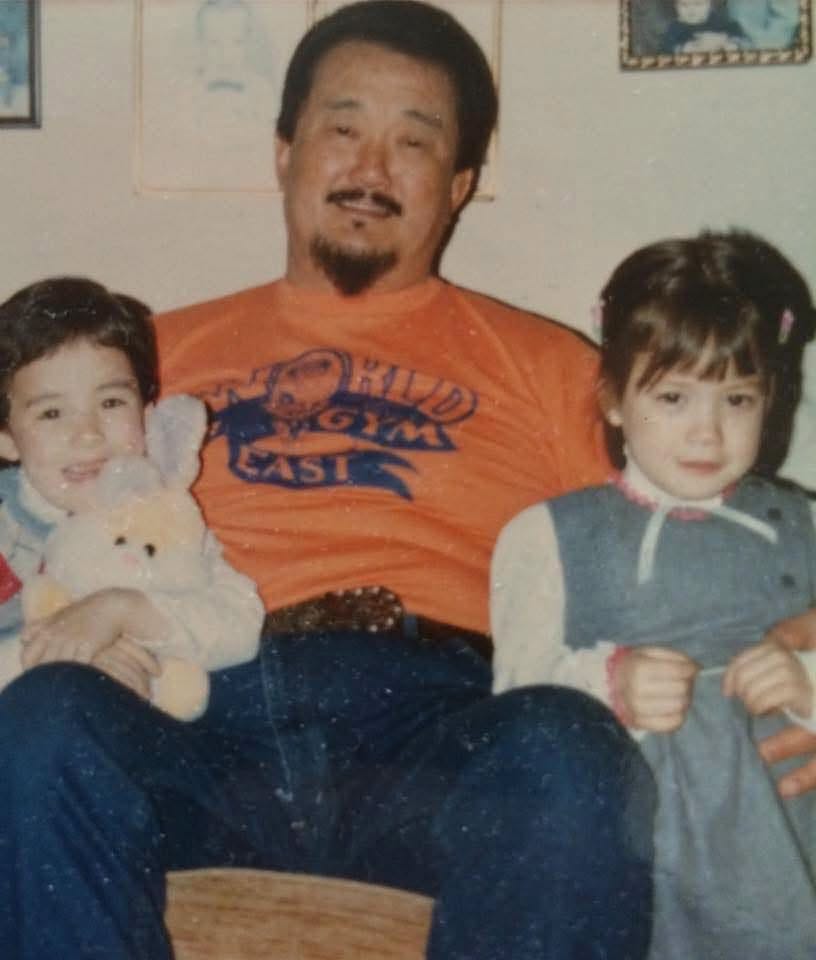
Pictured: The NWA United States Heavyweight Champion, The Great Fuji with his children at home
November maintained the same two-division focus. On November 3 at Sacramento’s Memorial Auditorium, Fuji retained the United States title by defeating Tony Garea in a best-of-three-falls match (2-1). The same night the Royal Kangaroos wrestled Pepper Gomez and Al Madril to a double count-out in a World Tag Team title match. Sacramento continued to function as a reliable secondary market for title defenses and programs that had been previewed on television.
The November 6 Cow Palace card drew 6,073. Fuji retained the U.S. title with a best-of-three-falls victory over Al Madril (2-1). In the tag main event, Ray Stevens and Tony Garea defeated the Royal Kangaroos 2-1. The champions retained via the finish and booking continuity; the loss was positioned as a non-decisive setback that kept the Kangaroos’ reign alive while elevating Stevens and Garea as credible challengers. Patterson remained the territory’s primary babyface attraction, often working in tags or singles supporting roles while the Fuji program continued.
Angles stayed direct: foreign-heel heat against technical and local faces, with the physical style Shire preferred. The November attendances (roughly 6,000 at the Cow Palace) indicated steady rather than spectacular business, supported by the secondary loop through Stockton, San Jose, Modesto, Reno, and related towns.
December 1976
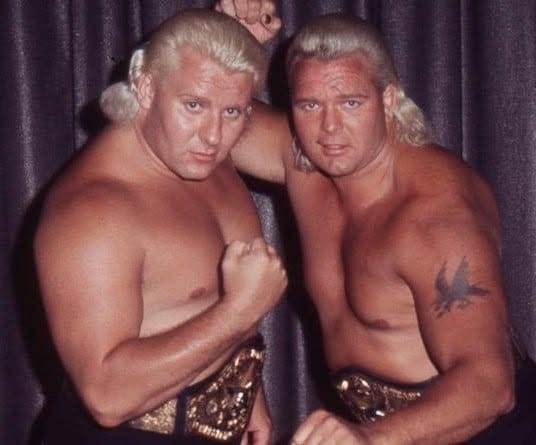
Pictured: The Valiant Brothers
December delivered the quarter’s clearest title change and strongest storyline payoff. On December 4 at the Cow Palace (attendance 6,842), the Valiant Brothers (Jimmy and Johnny Valiant) defeated the Royal Kangaroos in a best-of-three-falls match to win the NWA World Tag Team Championship (San Francisco version). The same card saw Fuji wrestle Ray Stevens to a draw in a United States title match. The Valiants’ wilder, chaotic style contrasted with the Kangaroos’ structured international heel act and gave the tag division fresh energy heading into 1977. The Kangaroos’ September-to-December reign had served its purpose: building heat, defending across the circuit, and exiting cleanly to a popular team.
Christmas night (December 25) at the Cow Palace featured Fuji retaining the U.S. title over Moondog Mayne in a best-of-three-falls match. On December 30 in Sacramento, Fuji defeated Ray Stevens by count-out to again retain the title. These late-month defenses closed the year with Fuji still firmly on top of the singles division. The Valiants carried the tag belts into the new year; Patterson and Pepper Gomez would later regain them in Sacramento in February 1977. Supporting names—Patterson, Garea, Stevens, Gomez, Maivia, Mayne, and Madril—continued to populate both main events and the secondary-town cards in Richmond, Modesto, San Jose, Stockton, Reno, and elsewhere.
Business and Overall Assessment
Cow Palace attendances in the documented Q4 shows ranged from about 6,000 to 6,800. These figures were consistent with Shire’s long-term description of typical (non-Battle Royal) gates near $25,000 and reflected a territory still operating profitably under the classic model. The January 1976 Battle Royal had drawn nearly 15,000 and topped $70,000; Q4 did not match those peaks but did not show sharp decline. Television kept the Fuji and Kangaroos programs visible, and the secondary circuit through Sacramento, Stockton, San Jose, Richmond, Modesto, Reno, Fresno, and related towns filled the calendar and supported the overall economics.
Storyline-wise, the quarter was straightforward and effective. Fuji’s extended U.S. title reign provided a stable heel anchor. The Royal Kangaroos’ tag reign supplied international heat and multiple defenses before the clean December 4 transition to the Valiant Brothers. Matches emphasized physicality, best-of-three-falls formats on title bouts, and clear babyface challenges. The office entered 1977 with the same core roster strengths and a fresh tag-team picture, still functioning as one of the NWA’s more reliable West Coast territories.
SPECIAL EXTRA:
Roy Shire’s Booking Patterns in Big Time Wrestling (NWA San Francisco)
Roy Shire’s booking was built around a consistent, territory-tested formula that prioritized athletic performance, clear heel-versus-face dynamics, and television-driven builds to large Cow Palace shows. From the early 1960s through the mid-to-late 1970s, the approach stayed largely stable even as specific talent rotated.
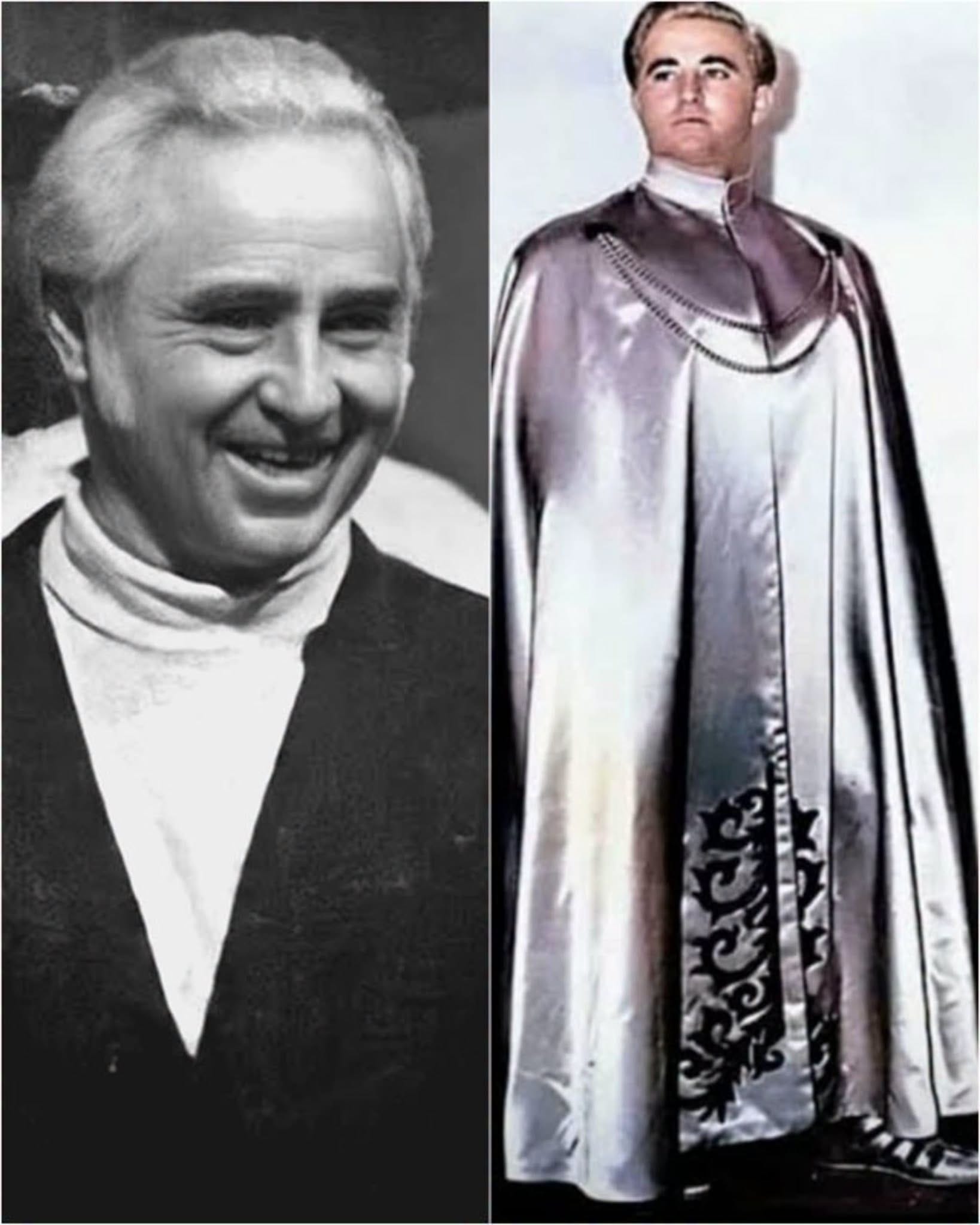
Pictured: Roy Shire as booking office owner\promoter and as a performer as Professor Roy Shire
Core Philosophy
Shire (with bookers including Johnny Doyle and later Red Bastien) centered the product on “action, high spots and realistic matches.” He demanded excellence in the ring. Contemporary accounts note that he would openly criticize wrestlers whose matches failed to deliver the expected level of athleticism and crowd response. Personality mattered, but so did the ability to execute dynamic, high-impact work. Pure brawling or slow technical matches were secondary to athletic, believable contests that looked stiff without descending into pure chaos on every card.
This produced a style that mixed scientific wrestling, high spots, and selective blood-and-guts elements. When a feud heated up, Shire favored chain matches, no-holds-barred stipulations, or matches that could not be stopped for blood. The goal was a worked but credible presentation that rewarded fans who came expecting physical, exciting action rather than pure comedy or pure mat wrestling.
Heel-Face Structure and Title Booking
Shire typically protected a strong foreign or international heel at the top of the singles division while keeping the tag-team division more fluid. In 1976 this was visible in Mr. Fuji’s long United States Heavyweight Championship reign (February 1976 into early 1977). Fuji’s arrogant Japanese heel persona, often supported by partners such as Masa Saito, gave the territory a durable top villain who could be challenged repeatedly by local favorites without immediately losing the belt. Defenses against Patterson, Garea, Stevens, Mayne, and Madril followed a pattern of building heat on television, delivering a physical main event, and preserving the champion for the next cycle.
The tag division operated differently. Title changes occurred more frequently, and foreign heel teams (the Invaders earlier, then the Royal Kangaroos in September–December 1976) were used to generate heat before dropping the belts to popular babyface combinations (Patterson & Garea, later the Valiant Brothers, then Patterson & Gomez). This created a reliable contrast: a stable singles heel champion and a more changeable tag picture that could produce feel-good title switches.
Local heroes—Pat Patterson, Pepper Gomez, Peter Maivia, Ray Stevens (who could work either side), and others—were positioned as the credible challengers and crowd favorites. Shire’s Bay Area market was diverse, and he consistently featured wrestlers of color and international talent in prominent roles, which helped the product connect with the local audience.
Television and House-Show Structure
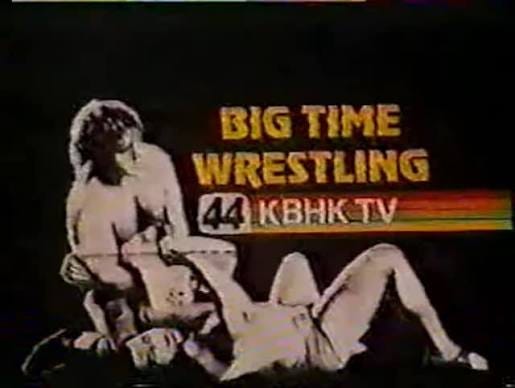
Pictured: KBHK-TV San Francisco, California
Television was the engine. Weekly shows (originally on KTVU, later primarily on KTXL in Sacramento and edited for other markets) featured matches, interviews, and angles that built specifically toward the next Cow Palace card and the secondary-town loop (Sacramento, Stockton, San Jose, Richmond, Modesto, Reno, Fresno, etc.). Interviews and post-match attacks on television hyped the monthly or near-monthly Cow Palace spectaculars. Secondary towns recycled the same programs at smaller houses, keeping the circuit busy and profitable between the big gates.
Finishes were carefully managed to protect rematches. Shire understood the value of non-decisive outcomes—draws, count-outs, double count-outs, or referee stoppages—that kept programs alive. When blood or a stipulation was used, it was typically to escalate an existing feud rather than as a constant gimmick.
Flagship Events and Business Alignment
The annual Battle Royal (usually in January at the Cow Palace) served as the territory’s tentpole event. These drew the largest crowds (often 14,000–15,000) and highest gates, with the winner receiving storyline prize money. Shire used them to showcase the full roster and create fresh momentum for the year. Typical non-Battle Royal Cow Palace gates in the mid-1970s sat in the $25,000 range; the office remained profitable when the television-to-house-show pipeline functioned.
Payouts were tied closely to house draws, which reinforced the emphasis on drawing matches. Shire maintained strict kayfabe discipline and ran the promotion with a hands-on, sometimes abrasive style. By the late 1970s this control became a liability as he burned out on finishes and the national landscape changed, but through 1976 the patterns still produced consistent results.
Summary of the Pattern in 1976 Context
In Q4 1976 the patterns were fully visible: Fuji’s extended heel title reign as the singles anchor, the Royal Kangaroos as a temporary foreign-heel tag team that defended across the circuit before losing cleanly to the Valiant Brothers, physical best-of-three-falls title matches, and television builds that fed both the Cow Palace and the secondary towns. The product stayed athletic and clear rather than convoluted. Shire’s booking succeeded when it delivered excellent in-ring work, protected the right champions long enough to generate heat, and used television to turn that heat into reliable gates. It began to fray later in the decade when the same formulas grew stale and external competition increased, but the underlying patterns remained recognizable throughout the territory’s peak years.
Thank You for Watching and Listening
I’m Tony Richards, Pro Wrestling Historian, Author and Storyteller. I share pro wrestling historical items in each issue of the Time Tunnel Pro Wrestling History Newsletter and each episode of our podcast show. Thanks for your support! If you enjoy my information on select events, matches and insights, please share with folks you think might like to be a subscriber!
Remember, Premium subscribers get access to exclusive and special content such as some special issues including a multi-part deep dives on wrestling territories, wrestler bios and championship title histories, special audio and video interviews on territory pro wrestling and more available in the Pro Wrestling Time Tunnel for Premium Subscribers. Being a Premium Subscriber also means you support me in my efforts to document Pro Wrestling History through my research, writing, books, vidoes and podcasts. And…I have something very special planned for our Premium Subscribers on the Podcast side of things in 2026! Details soon here in the Pro Wrestling Time Tunnel.