



Today’s Favorite Quote: The writer wants to be understood much more than he wants to be respected or praised or even loved. And that perhaps, is what makes him different from others - Leo C. Rosten
Happy Birthday to those who have passed on and to those great wrestlers still with us:
In Memoriam:
Karl Von Stroheim 1928
Kay Noble 1940
Al Greene 1955
Randy Fargo 1946
Jeff Gaylord 1955
Happy Birthday:
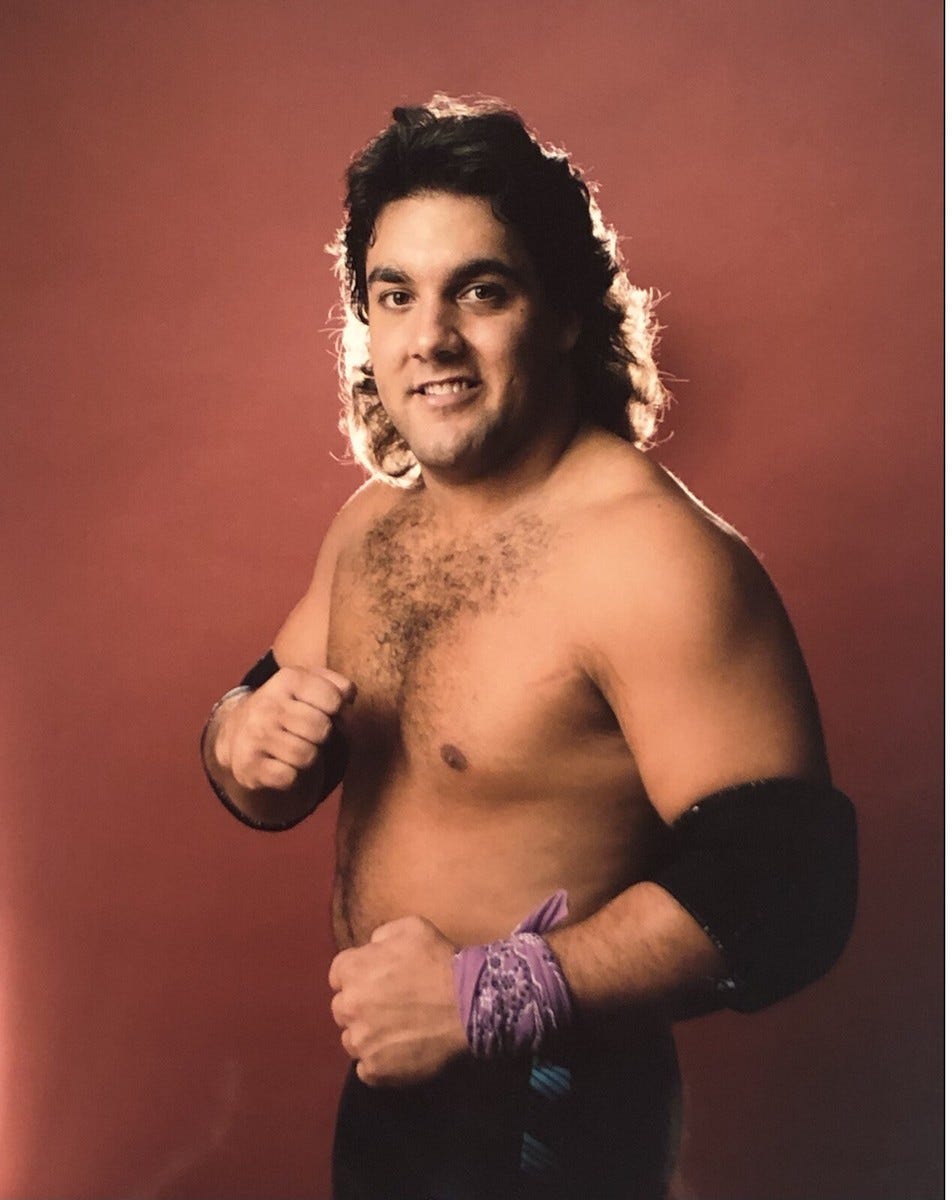
Joey Abs (55)
RIP Memorial: We stop & remember those who have passed on this day and gave themselves to the business for us, the fans. We salute you and thank you.
Ada Ash 10-15-2003 at the age of 78

Joey Maggs 10-15-2006 at the age of 36
The Wrestling Observer Hall of Fame Case for Cowboy Bob Ellis
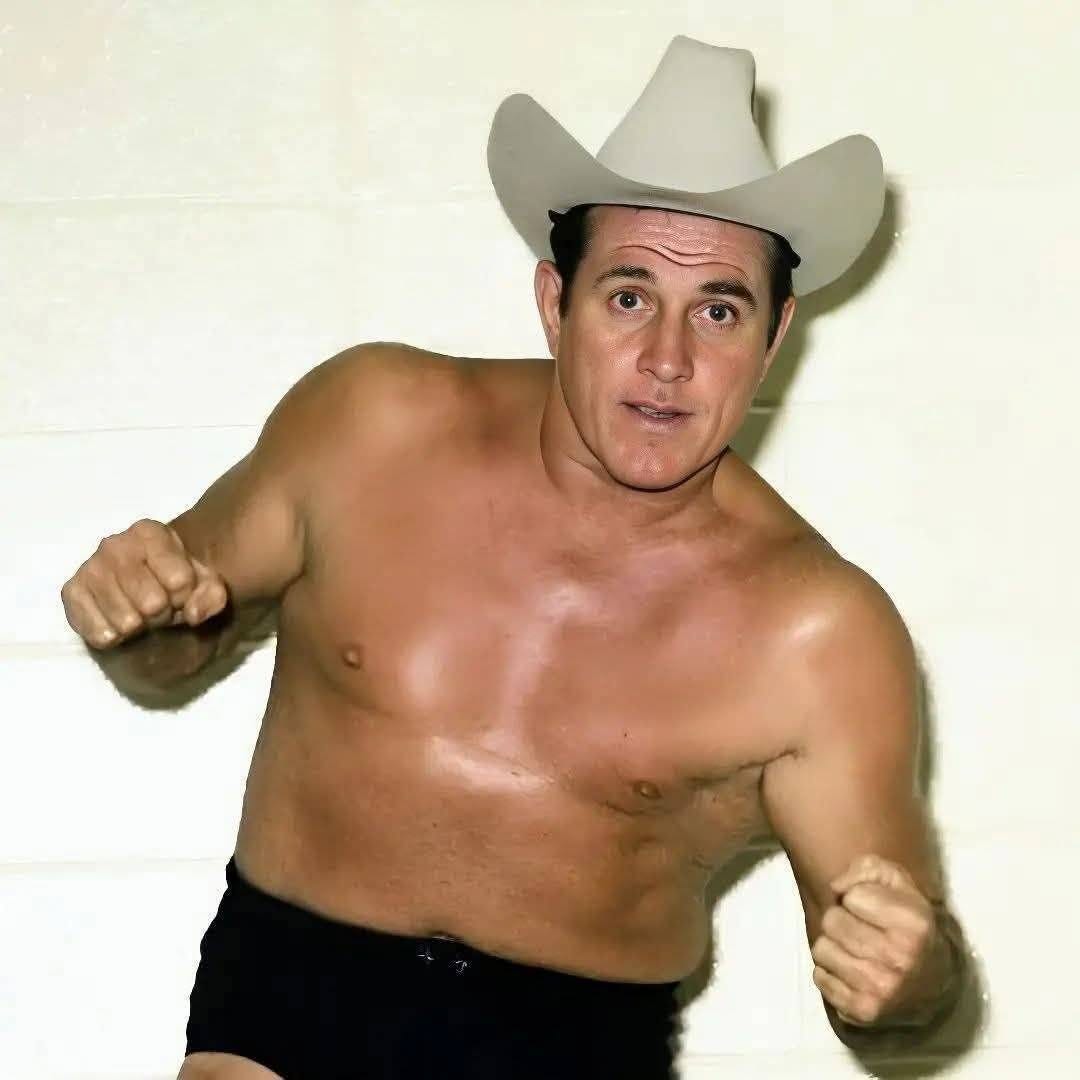
Professional wrestling history has a peculiar way of remembering its biggest stars. Some wrestlers remain household names decades after their careers end, their greatest matches preserved on videotape and their legacies reinforced through documentaries, anniversary programs, and generations of fans. Others, despite drawing enormous crowds, headlining major arenas, and working alongside the most important performers of their era, gradually disappear from the industry’s collective memory.
“Cowboy” Bob Ellis belongs firmly in the second category. His career is a compelling argument for why the Wrestling Observer Newsletter Hall of Fame must look beyond modern name recognition and recognize the historical importance of the performers who helped make professional wrestling a major attraction across North America.
Ellis was not merely a regional champion who enjoyed a few successful years. From the late 1950s through the 1970s, he established himself as one of the business’s most dependable main-event babyfaces. He drew money in major American markets, headlined Madison Square Garden, challenged for world championships, won recognized world titles, and worked with some of the most dangerous and influential heels of his generation. His appeal extended from the Midwest to Texas, California, New York, and overseas.
The central argument for Ellis’s induction is straightforward: he was a proven drawing card during a period when professional wrestling depended on territorial stars who could repeatedly persuade paying customers to leave their homes and purchase tickets. His career deserves to be judged by what he accomplished in that environment, not by how much footage survives today or how familiar his name is to contemporary fans.
The Making of Cowboy Bob Ellis
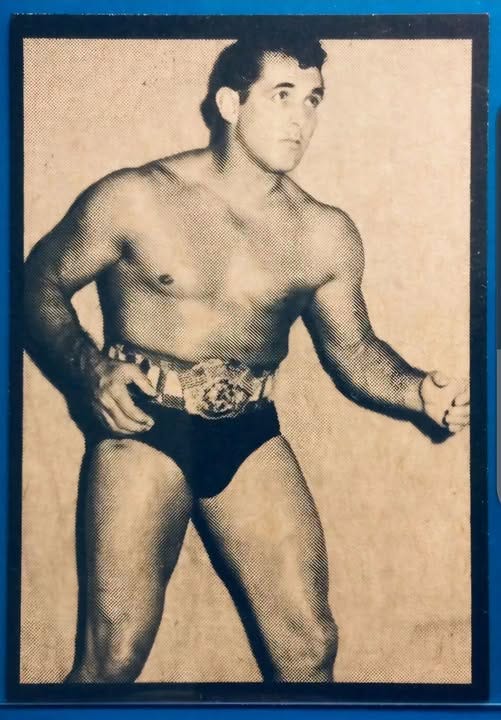
Born Robert Al Ellis on March 15, 1929, in San Angelo, Texas, Ellis possessed the athletic background and physical presence necessary to become a professional wrestler. He played football before serving in the United States Army as a paratrooper during the Korean War. He subsequently entered professional wrestling in the late 1950s, developing his craft under experienced veterans, including Sandor Szabó and the legendary Ed “Strangler” Lewis.
His early career included appearances under the name Bob Elliott before he emerged as Cowboy Bob Ellis. The cowboy identity was an inspired fit. Ellis was tall, athletic, handsome, and believable in a role that American audiences immediately understood. His presentation connected him to the independent, rugged Western hero who stood up to bullies, fought through punishment, and refused to surrender.
That distinction mattered. Professional wrestling in the 1950s and 1960s depended heavily on recognizable personalities. A fan could understand a cowboy battling an arrogant champion or a brutal rule-breaker without needing an elaborate backstory. Ellis had a character that translated across territorial boundaries, and he carried it into arenas with very different audiences.
He also understood the fundamental requirements of a successful babyface. He could absorb punishment, make an opponent’s offense look devastating, and give the audience a reason to believe that a comeback was possible. His matches often involved blood, sustained physical punishment, and the kind of dramatic adversity that made spectators emotionally invest in the outcome.
Ellis did not have to be the most technically sophisticated wrestler on every card. His particular strength was making the struggle believable. Against the right opponent, he could turn a wrestling match into a fight for survival, with the crowd waiting for the moment when the Cowboy would finally rally.
That was not a minor talent. It was one of the essential skills of a top-drawing babyface.
Madison Square Garden: The Evidence That Ellis Drew Money
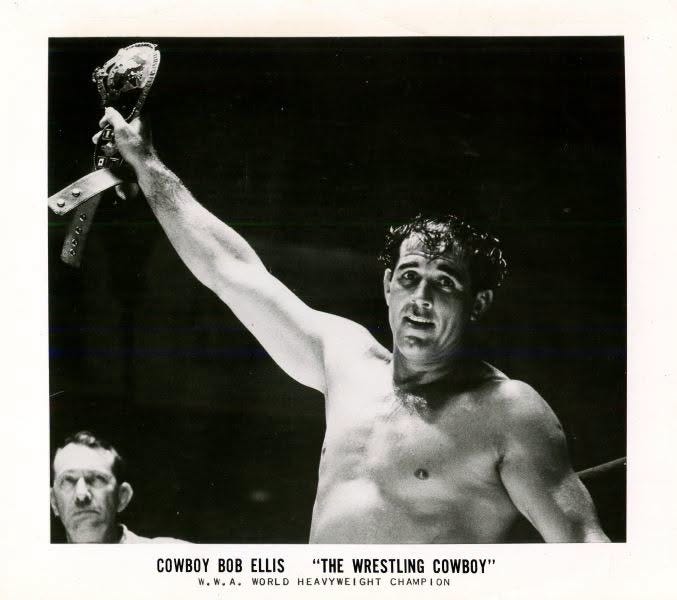
The strongest argument for Ellis’s historical importance is not a championship list or a collection of favorable recollections. It is the record of the buildings he headlined and the business generated by his appearances.
In 1962, Ellis became a major attraction at Madison Square Garden, one of professional wrestling’s most important stages. His debut at the Garden on February 26 took place before a reported crowd of 19,633. The following month, on March 19, he challenged NWA World Heavyweight Champion Buddy Rogers in a 33-minute, 42-second match before 18,777 spectators. The reported gate was $58,889.72.
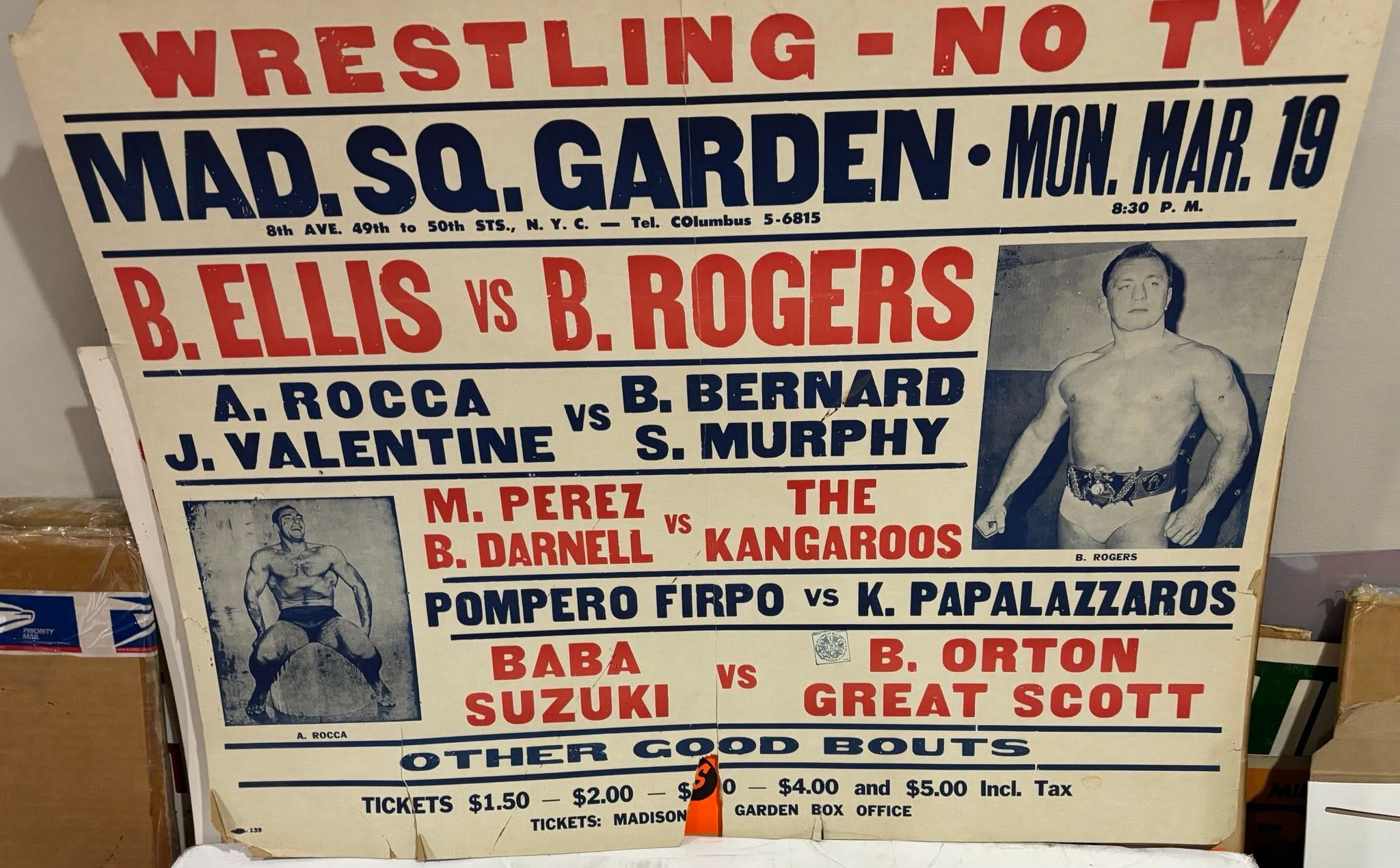
Those figures are essential to understanding Ellis’s place in wrestling history. He was not simply appearing on a prestigious card to fill out the lineup. He was entrusted with a world championship program in the country’s largest city, against a champion whose flamboyant personality and extraordinary confidence made him one of the defining performers of his generation.
Rogers was a particularly revealing opponent. He was a master of provoking an audience, drawing heat, and making his opponents’ struggles compelling. Ellis provided the credible, sympathetic challenger who could stand opposite him and give the audience a reason to believe that the champion might finally be defeated.
The two met again at Madison Square Garden in May and June 1962. Their May 25 encounter ended in a double count-out, while Rogers retained the championship in their June 22 meeting. The repeated bookings demonstrated that Ellis was a viable opponent for the NWA’s most prestigious championship and a performer promoters were willing to feature in successive major attractions.
These were not minor accomplishments. The Garden was a measuring stick for the drawing power of professional wrestling’s leading names. Ellis demonstrated that he belonged in that company.
His work with Rogers also illustrates an important distinction when evaluating historical wrestlers. Ellis never needed to become the NWA World Heavyweight Champion to establish himself as a major star. The world champion’s challenger could be an equally important part of a successful program, particularly when the challenger could sell tickets, sustain audience sympathy, and return for another match.
Ellis repeatedly occupied that role. His career offers a reminder that the value of a main-event wrestler cannot be measured exclusively by the championships he won.
The Perfect Opponent for Wrestling’s Most Dangerous Heels
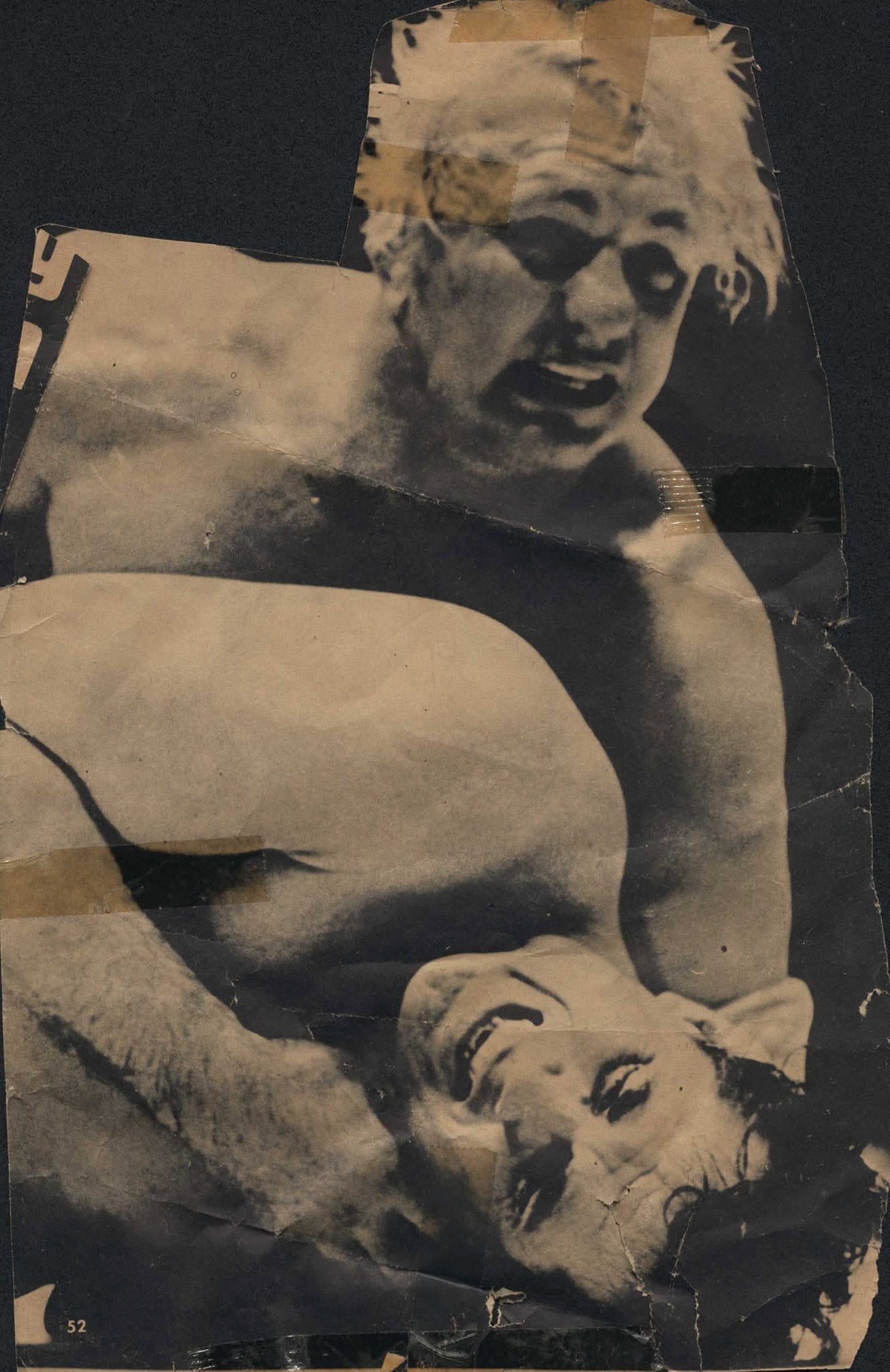
Pictured: NWA World Champion Buddy Rogers struggles to keep his hold on Cowboy Bob Ellis
If Buddy Rogers provided the polished, arrogant champion for Ellis to chase, Dick the Bruiser provided something entirely different: an opponent who made the Cowboy’s matches feel like genuine physical confrontations.
The Bruiser’s reputation was built around toughness, aggression, and a willingness to take a match into violent territory. Ellis’s ability to sell punishment and fight back made him an effective counterpart. Their encounters fit the expectations of audiences who wanted to see a popular hero stand up to a man who seemed capable of overwhelming him.
Ellis’s programs with Ray Stevens were similarly important. Stevens was one of the most accomplished performers of his era, combining viciousness with considerable wrestling ability. Against a heel of that caliber, Ellis could play the courageous underdog without appearing helpless. His comebacks had purpose because the audience had watched him endure the punishment that preceded them.
Fritz Von Erich was another opponent who could make Ellis’s toughness central to a program. Ellis also worked against The Sheik and Killer Karl Kox, men whose reputations for brutality and unorthodox tactics made them natural antagonists for a straightforward, clean-cut babyface.
These programs reveal why Ellis was valuable to promoters across different territories. He could be placed opposite a variety of heel personalities without requiring a complete reinvention of his character. The cowboy remained the cowboy. The opponent changed, the local stakes changed, and the particular grudge changed, but the audience understood the basic conflict.
His willingness to bleed and sell the damage inflicted by his opponents reinforced that presentation. Such performances were not simply a matter of enduring physical punishment. They were part of the storytelling language of the era. A babyface who appeared to be fighting through genuine adversity could make an audience emotionally invested in the eventual comeback.
Ellis understood that role and performed it consistently enough to become a trusted main-event attraction.
The Wrestling Observer Hall of Fame should recognize that ability as an important historical skill. Wrestling’s greatest draws have not all been the same kind of performer. Some were spectacular athletes, some were charismatic talkers, some were master technicians, and others were exceptionally effective at making the audience care about the struggle unfolding in the ring.
Ellis belonged to that last group. His effectiveness depended on the relationship he established with the audience and the credibility he brought to his matches.
The Bulldog and a Lasting In-Ring Legacy
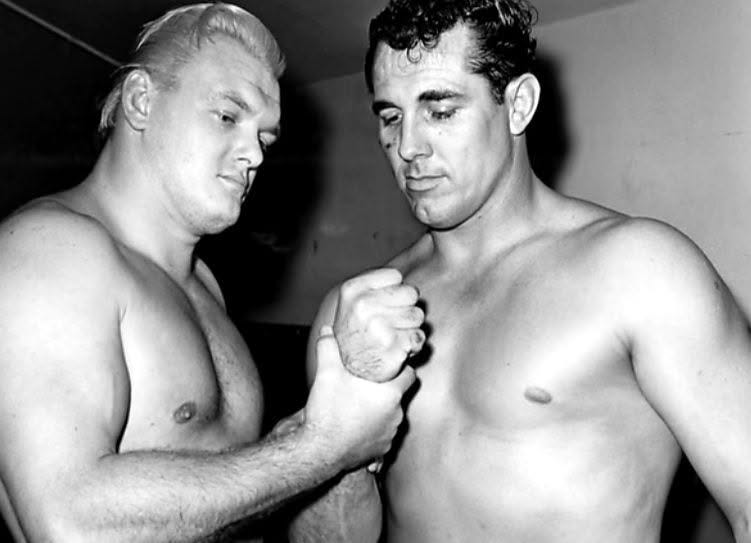
Pictured: Johnny Valentine inspects the fist of Cowboy Bob Ellis
Ellis is also associated with the development and popularization of the bulldog headlock, a maneuver that became one of his signature offensive weapons.
The bulldog was particularly appropriate for his style. Rather than relying exclusively on a complicated technical hold, Ellis had a recognizable move that could be introduced into a match as the potential turning point. After absorbing punishment, the Cowboy could suddenly seize an opportunity, drive his opponent down, and turn the momentum in his favor.
The importance of a signature maneuver in professional wrestling should not be underestimated. A finishing move gives the audience something specific to anticipate. It creates a visual shorthand for the possibility of victory, allowing a crowd to respond before the outcome is certain.
Ellis’s bulldog served that purpose. It became part of his identity and helped distinguish him from the many other babyfaces working the territorial system.
Claims that Ellis was the sole inventor of every version of the bulldog should be approached cautiously, since wrestling techniques frequently evolved through the contributions of multiple performers. Nevertheless, his association with the move is a meaningful part of his legacy.
His repertoire also included the ability to work special matches built around the expectations of his cowboy character. Texas Death matches and stipulations involving Western imagery complemented the rugged persona that audiences had come to recognize.
The broader point is that Ellis had more than a costume and a nickname. He had an established character, a recognizable finishing maneuver, and a style of match that supported the character’s central promise: the Cowboy might be beaten down, but he would keep fighting.
That combination helped make him a marketable attraction over a career that extended well beyond his initial breakthrough.
A Champion Across Multiple Territories
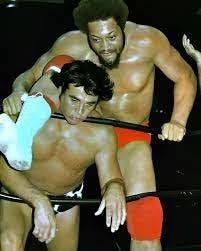
Pictured: Ernie Ladd chokes Cowboy Bob Ellis across the top rope
Ellis’s championship record reinforces the evidence provided by his major arena appearances. He captured titles in several territories and worked in different promotional environments, demonstrating that his appeal was not confined to a single promoter’s home market.
In California, Ellis reached the highest level of the Worldwide Wrestling Associates, winning its World Heavyweight Championship from The Destroyer in September 1964. The championship was a major accomplishment in the Los Angeles wrestling scene, where the WWA had established its own identity and attracted prominent international and American talent.
Ellis subsequently won the title again during the 1970s. These reigns mattered because they established him as more than a challenger who could make a champion look good. He could also be trusted to carry a major championship and serve as the central attraction in a promotion’s title picture.
His championship career included important regional United States titles, the NWA Southern Heavyweight Championship, and tag-team honors with partners including Johnny Valentine, Eddie Graham, and Édouard Carpentier. He also accumulated championship success in the Midwest and other territories, including the Central States region.
These accomplishments show how adaptable he was. Ellis could compete as a singles headliner, enter a tag-team program alongside another established star, or move into a territory where audiences needed to become acquainted with him. His established presentation gave promoters a recognizable attraction, while his championship credentials provided an immediate reason for local fans to take him seriously.
His success also extended internationally. Ellis toured Australia and worked in other overseas markets, carrying his familiar character into wrestling environments beyond the United States. His career included a later association with Puerto Rico, where he continued to work during the 1970s.
The significance of that geographical reach should not be lost. The territorial system depended on the movement of established performers among different promoters. A wrestler who could succeed in New York, California, the Midwest, and overseas was demonstrating a degree of portability that many regional stars never achieved.
Ellis was not simply a product of one successful territory. He was a performer whose identity could be understood and marketed across the wider wrestling business.
The Importance of the Territory-Era Babyface
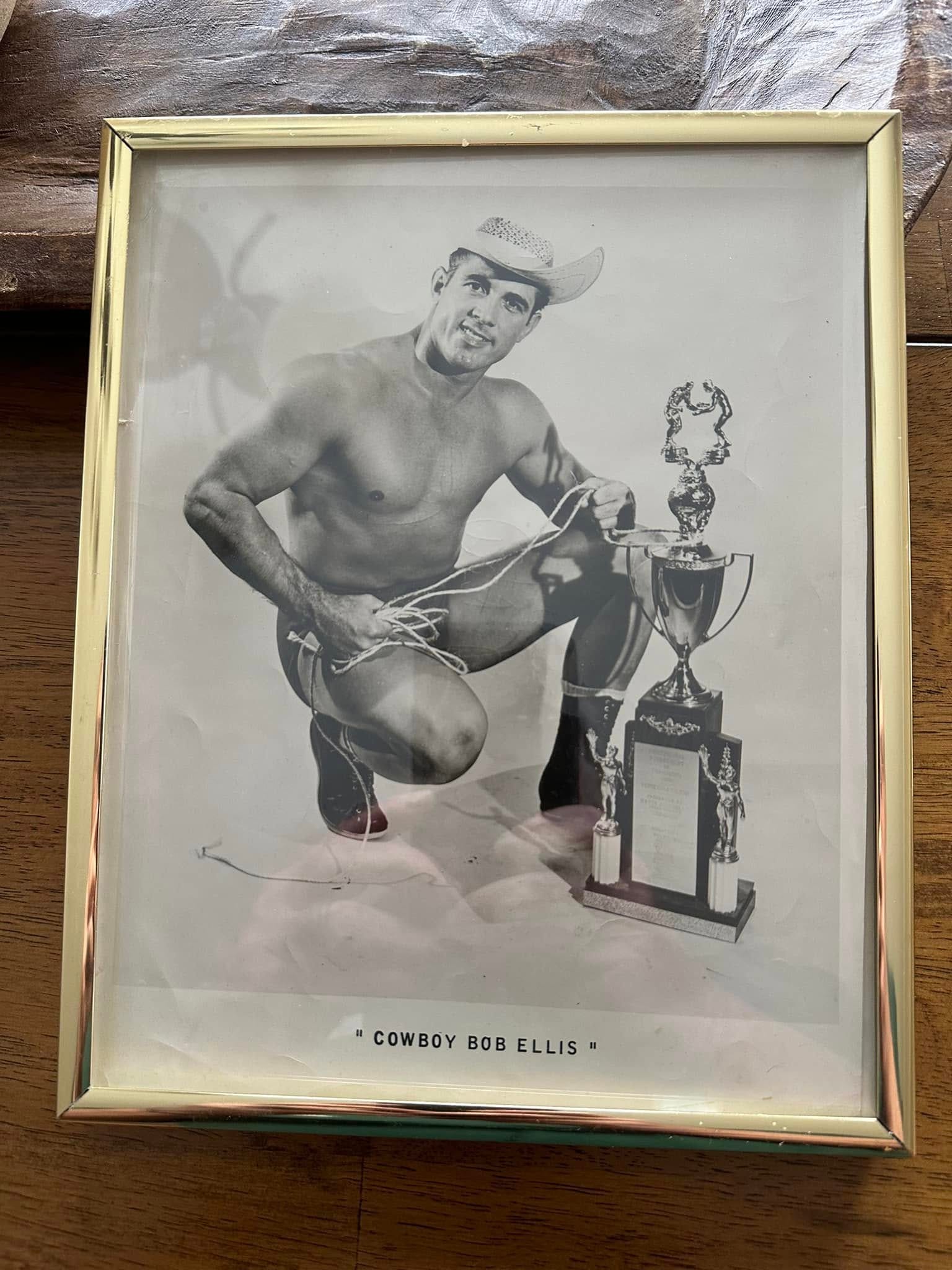
To appreciate Ellis’s career fully, it is necessary to understand the economic and cultural environment in which he worked.
Professional wrestling in the 1950s, 1960s, and much of the 1970s was organized around territories. Local promoters controlled their markets, developed their television programs, brought in visiting wrestlers, and built cards around established rivalries. National exposure was limited compared with the modern era, and performers did not benefit from the same continuous distribution of matches and promotional material.
A wrestler’s reputation could therefore be enormous among fans who attended events in several cities while remaining relatively unfamiliar to audiences elsewhere.
The most successful traveling stars were those whose characters translated quickly. A promoter needed to be able to introduce a visiting wrestler to local fans, explain why he mattered, and place him into a compelling program without spending months establishing his identity.
Ellis was particularly suited to this environment. His cowboy character was immediately recognizable, his championship history established credibility, and his work as a sympathetic babyface provided a foundation for programs against local villains.
He could be promoted as a nationally known star while still fitting into the specific traditions and rivalries of an individual territory.
This is where his Hall of Fame case becomes more substantial than a list of accomplishments. Ellis represented a highly effective model of the traveling territorial attraction. He was a familiar name who could help anchor a card, support a major championship program, and give a promoter a credible hero around whom to build an evening’s entertainment.
His career also illustrates the importance of the relationship between a babyface and the heels he faced. The hero’s popularity was often inseparable from the villain’s ability to generate hostility. Ellis’s matches against performers such as the Bruiser, Stevens, Rogers, Von Erich, and Kox demonstrate how his established character could be used in dramatically different programs.
A Hall of Fame devoted to wrestling history must account for this kind of contribution. The business was not built exclusively by champions who carried world titles for extended periods. It was also built by the dependable main-event performers who made those championships, rivalries, and arenas commercially meaningful.
Ellis was one of those performers.
Why the Numbers Matter More Than Nostalgia
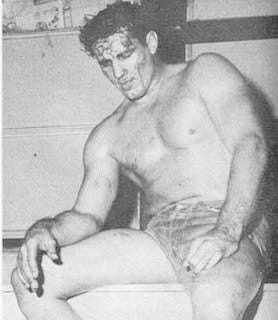
There is a danger in historical wrestling discussions of allowing affection for a particular era to substitute for evidence. A wrestler may be remembered fondly by the fans who saw him, but nostalgia alone cannot establish a Hall of Fame case.
Ellis has a stronger argument because his career can be evaluated through several independent measures: major arena business, championship programs, repeated bookings against elite opponents, success across territories, and a character that remained recognizable over many years.
The Madison Square Garden figures are particularly useful because they provide concrete evidence of his place in a major market. The March 1962 match with Buddy Rogers was not an obscure regional attraction. It was a world championship contest in one of wrestling’s most prestigious venues, drawing nearly 19,000 spectators and generating a substantial gate.
The subsequent meetings with Rogers reinforce the point. Ellis was not a one-night experiment. He remained part of the championship picture, and his matches were presented repeatedly to New York audiences.
His championships in California and elsewhere provide another layer of evidence. A wrestler may receive a major opportunity because of a particular promoter’s preferences, but sustained success in multiple markets suggests a broader level of professional usefulness.
None of this means that Ellis should automatically be ranked above every wrestler who appeared on a Hall of Fame ballot. The historical record is incomplete, and comparisons across eras are difficult. Nor does every championship reign carry the same significance. The quality of the opposition, the scale of the promotion, and the role a wrestler played in drawing an audience all matter.
But applying those standards strengthens Ellis’s case rather than weakening it.
He worked against major stars, appeared in significant championship programs, won important titles, and demonstrated that he could be a credible attraction in more than one part of the country. His achievements are not dependent on a single spectacular match or a short-lived burst of popularity.
They are the cumulative record of a long and productive career.
The Problem of Historical Visibility
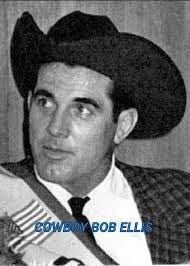
One of the principal obstacles to Ellis’s recognition is that his career is difficult for modern fans to experience directly.
Much of his prime occurred before widespread home-video circulation, and relatively little readily accessible footage captures him during his strongest years. Surviving recordings from later in his career cannot necessarily convey the qualities that made him an effective headliner in the early and middle 1960s.
This creates an imbalance in the way wrestling history is remembered. Performers whose best matches survive in excellent condition can be studied, shared, and reassessed by successive generations. Those whose greatest work survives primarily through results, newspaper accounts, attendance figures, and the memories of contemporaries are harder to evaluate.
The result is that historical reputation can become disproportionately dependent on footage availability.
Ellis’s career demonstrates why that is a problem. If the principal evidence available to a modern viewer comes from the later stages of a wrestler’s career, it is easy to judge the performer by a version of himself that no longer represents his peak.
Ellis’s case requires a different approach. His strongest evidence includes the major programs in which he participated, the crowds he helped attract, the championships he won, and the confidence promoters placed in him.
Those sources cannot answer every question about his match quality. They can, however, establish that he occupied a significant position in the professional wrestling business.
A Hall of Fame is precisely the kind of institution that should help bridge this historical gap. Its purpose should not be limited to honoring the performers whose work remains easiest to watch. It should also preserve the memory of those whose contributions are documented in the business records and competitive histories of their time.
Ellis deserves that consideration.
The Wrestling Observer Hall of Fame Question
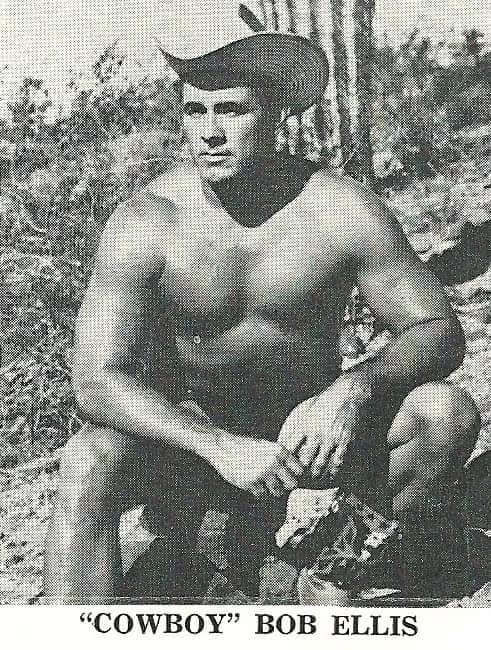
The Wrestling Observer Newsletter Hall of Fame is not simply a lifetime achievement award. Its historical performers category asks voters to evaluate the importance of wrestlers whose influence, drawing power, and accomplishments may not fit neatly into modern measures of popularity.
That makes Ellis a particularly appropriate candidate for serious consideration.
His career offers a persuasive combination of longevity, major-market success, championship credibility, and adaptability. He was a recognizable babyface during a period when that role was central to the economics of professional wrestling. He worked with some of the era’s most important performers and repeatedly appeared in programs that placed him near the top of the card.
He also provides a useful test of how the Hall of Fame evaluates historical evidence. If the absence of widely available prime footage becomes an insurmountable obstacle, then some of the most commercially successful performers of the territorial era will remain underrepresented.
The answer is not to induct every wrestler who held a championship or worked for several promoters. The answer is to examine the evidence carefully and give appropriate weight to what the performer accomplished in the environment of his time.
By that standard, Ellis has a legitimate case.
His name has appeared on the Wrestling Observer Hall of Fame ballot, but he has not yet received the level of support necessary for induction. His continuing presence in the discussion is an opportunity for voters to reconsider what his career represents and how the business measured success during his prime.
The case for Ellis does not rest on sentimentality or a desire to reward every wrestler from an earlier generation. It rests on his demonstrated ability to draw, his sustained position as a main-event babyface, and his success in multiple territories.
Those are precisely the kinds of historical contributions that a wrestling Hall of Fame should recognize.
A Cowboy Who Belonged in the Main Event
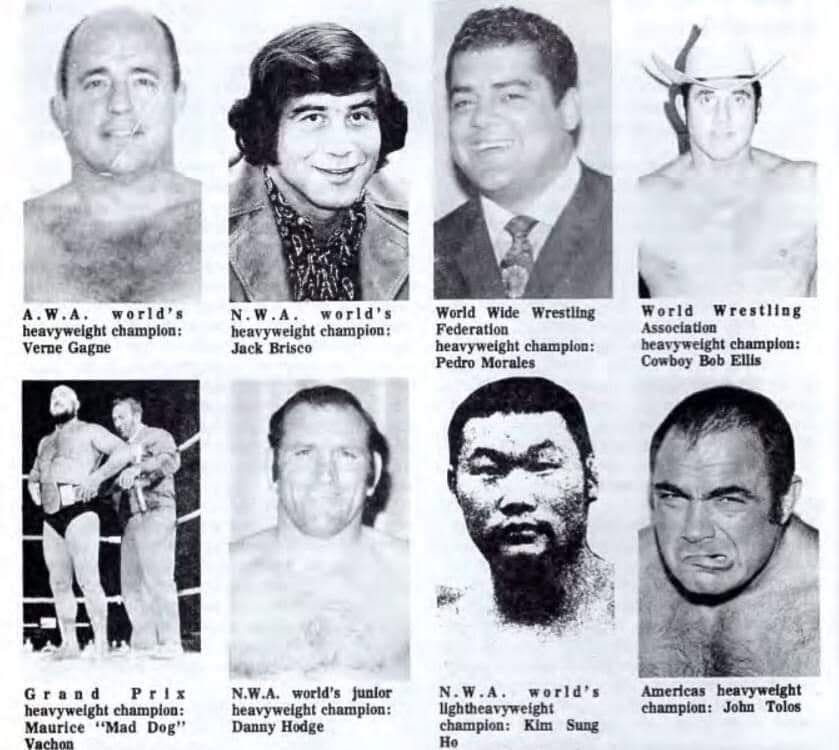
Pictured: A listing of the current world champions in 1973 showinbg Cowboy Bob Ellis as the Indianapolis-based World Wrestling Alliance (WWA) as their world champion
Cowboy Bob Ellis spent his career portraying a straightforward American hero, but his significance to professional wrestling was more complex than his character suggested.
He was an athletic performer who developed into a major attraction. He was a trusted opponent for world champions, a credible challenger in Madison Square Garden, a champion in his own right, and a traveling star whose identity could be sold across a geographically diverse wrestling industry.
He helped make villains look dangerous, gave audiences a hero to support, and provided promoters with a dependable performer who could be placed in important matches. His career extended across multiple territories and into international markets, while his cowboy presentation and bulldog finishing move gave him an identity that fans could readily recognize.
The evidence is not difficult to find. It is simply less visible than the evidence available for many performers whose careers came later.
Ellis’s legacy deserves to be judged through the lens of the business he helped build. In that business, a wrestler’s value was measured not only by championships or technical ability, but also by whether audiences believed in him, whether they would pay to see him fight, and whether promoters could trust him to help deliver a successful main event.
Ellis repeatedly demonstrated those qualities.
The Wrestling Observer Hall of Fame should recognize Cowboy Bob Ellis because his career represents an important part of professional wrestling’s history: the traveling babyface who could draw money, challenge the biggest names, win major championships, and remain a meaningful attraction across the territorial landscape.
He was not merely a cowboy who happened to wrestle.
He was one of the men who helped make professional wrestling work.
Thank You for Watching and Listening
I’m Tony Richards, Pro Wrestling Historian, Author and Storyteller. I share pro wrestling historical items in each issue of the Time Tunnel Pro Wrestling History Newsletter and each episode of our podcast show. Thanks for your support! If you enjoy my information on select events, matches and insights, please share with folks you think might like to be a subscriber!
Remember, Premium subscribers get access to exclusive and special content such as some special issues including a multi-part deep dives on wrestling territories, wrestler bios and championship title histories, special audio and video interviews on territory pro wrestling and more available in the Pro Wrestling Time Tunnel for Premium Subscribers. Being a Premium Subscriber also means you support me in my efforts to document Pro Wrestling History through my research, writing, books, vidoes and podcasts. And…I have something very special planned for our Premium Subscribers on the Podcast side of things in 2026! Details soon here in the Pro Wrestling Time Tunnel.