


Today’s Favorite Quote: Where do many hours have been spent in convincing myself that I am right, is there not some reason to fear I may be wrong-Jane Austen
Happy Birthday to those who have passed on and to those great wrestlers still with us:
In Memoriam:
(none)
Happy Birthday:
Rodney Mack (56)
Karen Jarrett (54)
RIP Memorial: We stop & remember those who have passed on this day and gave themselves to the business for us, the fans. We salute you and thank you.
Buddy O’Brien 10-12-1941 at the age of 32

Nat Pendleton 10-12-1967 at the age of 72
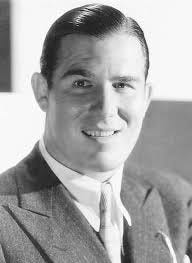
Ernie Roth\The Grand Wizard 10-12-1983 at the age of 57
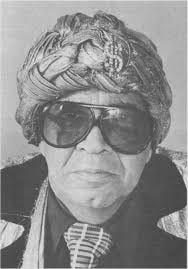
Lana Lamar 10-12-1983 at the age of 54
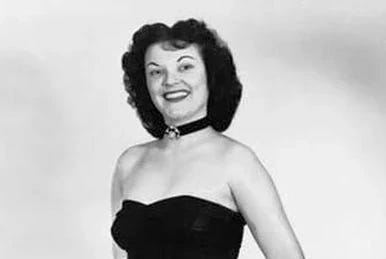
Cowboy Bob Kelly 10-12-2014 at the age of 78

Katsuya Kitamura 10-12-2022 at the age of 36

The Daily Chronicle Special Monday Section
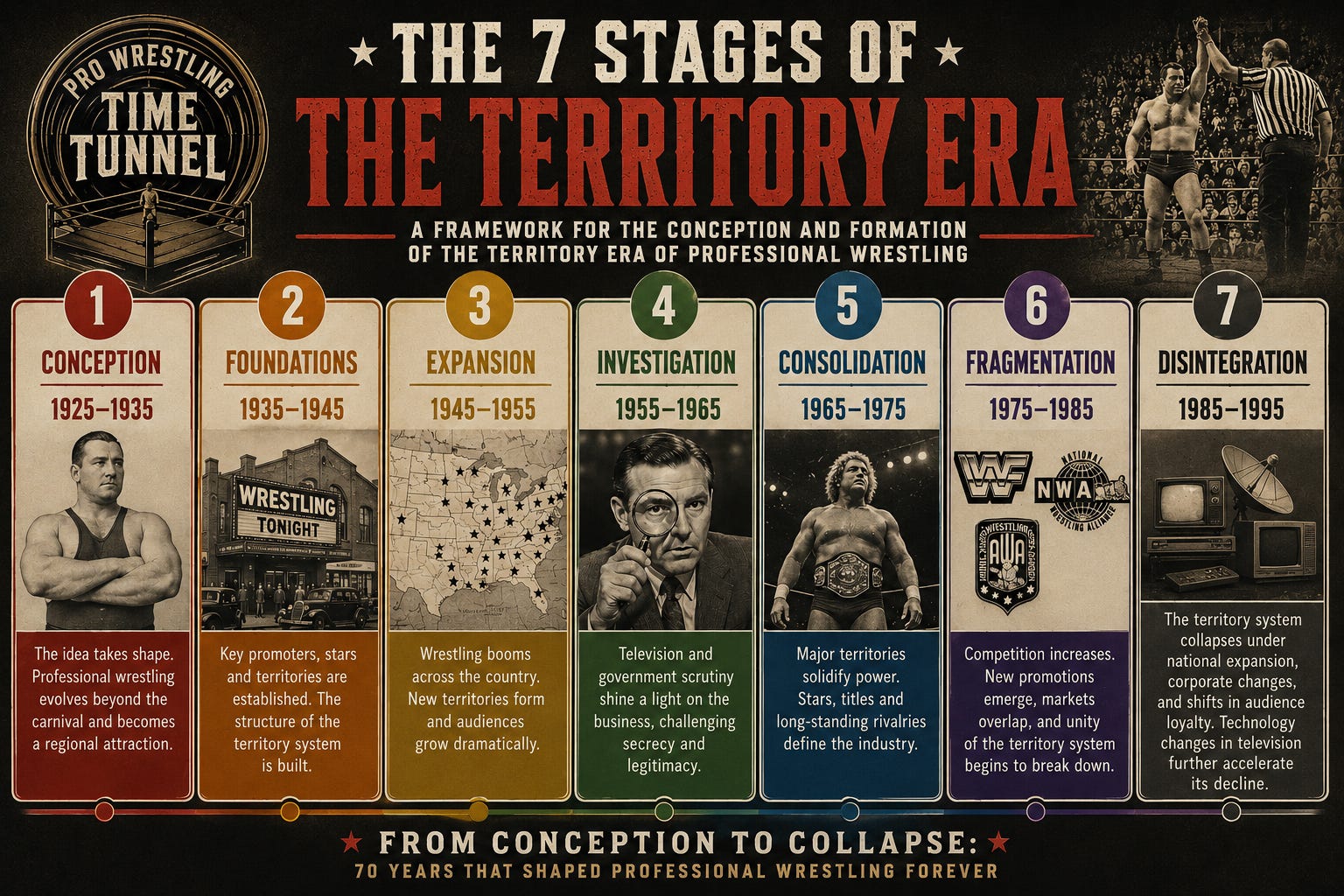
7 Stages of the Territory Era
Stage 5: Consolidation (1965-1975)
Year Two Month Ten
October 1966: Peak Territorial Efficiency in Stage 5 Consolidation
October 1966 stands as a clear snapshot of Stage 5 of the Territory Era—Consolidation (1965–1975). After the antitrust scrutiny and adaptations of Stage 4 (Investigation, 1955–1965), the territorial system had re-stabilized. The National Wrestling Alliance reinforced boundaries and cooperative talent exchanges. Non-aligned promotions such as the WWWF and AWA operated successfully alongside NWA offices.
The most powerful new innovation at the time, regional television syndication served as a low-cost promotional engine, building stars and angles that drove arena attendance. Passionate local fanbases supported consistent booking. Promoters protected markets while delivering high-quality matches that kept crowds returning. This was the model operating near peak efficiency, a second golden period of regional strength before later fragmentation.
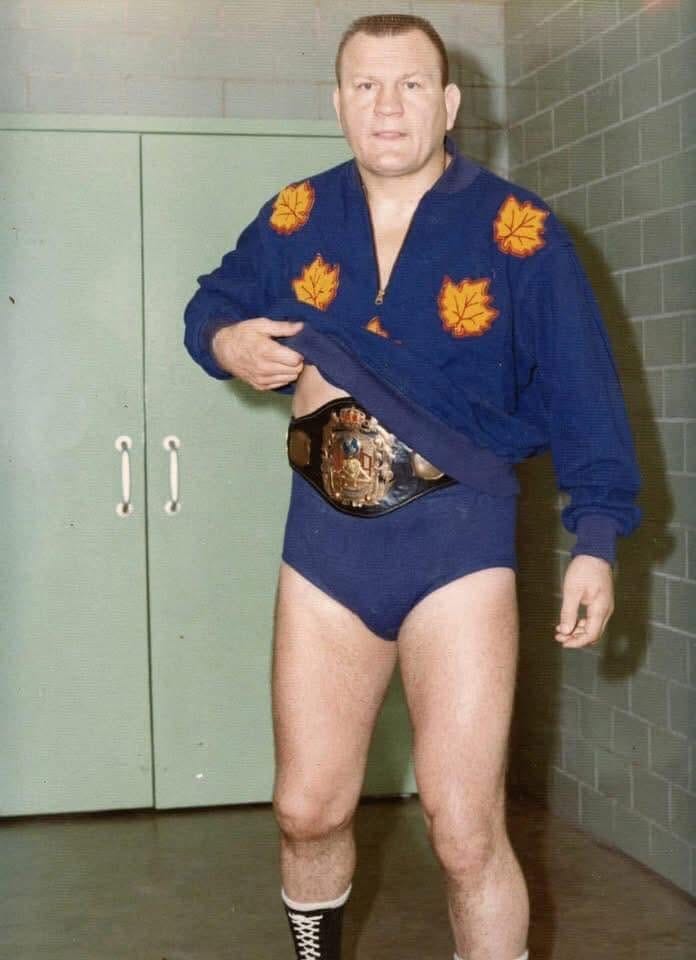
Gene Kiniski held the NWA World Heavyweight Championship, having defeated Lou Thesz on January 7, 1966, at St. Louis’ Kiel Auditorium before 11,612 fans. The Canadian heel champion (“Big Thunder”) traveled widely across NWA territories, defending against local draws and reinforcing the world title’s prestige as the Alliance’s central coordinating device.
On October 4 in Kansas City, Kiniski retained against Dick the Bruiser in a two-out-of-three-falls match at the Municipal Auditorium. The undercard included NWA North American Tag Team champions Bob Geigel and Bob Brown defending against The Viking and Bobo Brazil, plus Pat O’Connor versus Sonny Myers. Tickets ranged from $1.50 to $3. On October 14 in Atlanta, Kiniski defeated Butcher Vachon by disqualification. Later in the month he worked Canada: on October 23 at Maple Leaf Gardens in Toronto he beat Édouard Carpentier, and on October 30 he faced Whipper Billy Watson (reports indicate a count-out or similar non-clean finish in one account). Kiniski’s heel style and willingness to travel exemplified the consolidated system—world-title prestige generating local heat without disrupting territorial control.
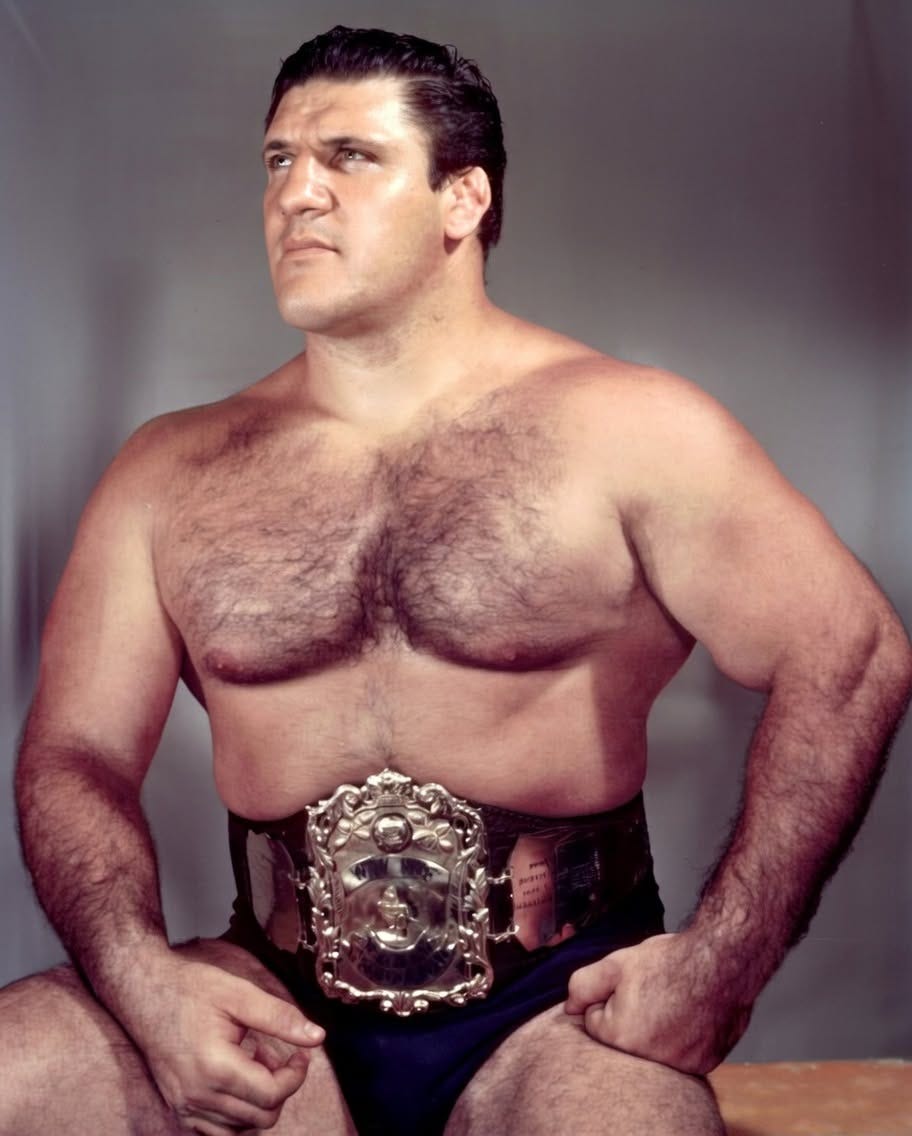
In the Northeast, Bruno Sammartino continued his long WWWF World Heavyweight Championship reign that had begun in May 1963. The Italian strongman defended primarily against mid-card challengers in house shows across New York, New Jersey, Pennsylvania, Maryland, and Connecticut. Notable October defenses included victories over Baron Mikel Scicluna (Newark on the 15th, Pittsburgh on the 21st) and Bill Miller (West Hempstead on the 28th, with a draw in New Haven the next night). Tag matches paired Sammartino with Antonio Pugliese against Scicluna and Smasher Sloan.
The WWWF’s studio television—taped shows from Washington and elsewhere, syndicated regionally—built Sammartino as an unstoppable draw while keeping the product distinct from NWA territories. Attendance was solid for the era’s house-show model; Madison Square Garden cards later in the fall drew over 14,000. Bruno’s reign embodied the stability of Stage 5: a protected regional champion generating consistent gates without national overreach.
St. Louis under Sam Muchnick remained a model NWA stronghold. The October 7 Kiel Auditorium card drew 9,410. The main event saw Dory Funk Jr. and Terry Funk defeat Fritz von Erich and The Crusher in two-out-of-three falls. Other matches included Dick the Bruiser beating Hercules Graham in a Texas Death Match, Pat O’Connor over Johnny Powers, Wilbur Snyder over Mitsu Arakawa, and Sweet Daddy Siki over Dan Plechas. Muchnick’s booking mixed established stars with rising talent (the young Funk brothers) and maintained high production standards. St. Louis routinely drew near-capacity crowds for major cards, illustrating how strong local promotion, television support, and careful talent use produced reliable business.

Pictured: The young Funk Brothers, Dory Jr and Terry
Texas territories were active and character-driven. In the Dallas–Fort Worth area (Big Time Wrestling / Southwest Sports), Fritz von Erich held the NWA United States Heavyweight Championship (won August 4). He worked programs with Cowboy Bob Ellis, Joe Blanchard, and others. On October 18 in Dallas, Fritz defeated Joe Blanchard by disqualification to earn an NWA World Title shot. Waldo von Erich held the NWA Texas Brass Knuckles title. Nick Kozak and Dory Dixon held the NWA Texas Tag Team titles. The Funk brothers appeared in both Texas and St. Louis. Amarillo (Western States) and Houston offices ran regular cards featuring the same talent pool. These promotions exemplified territorial cooperation: talent moved between offices, local titles created ongoing feuds, and the NWA World Title provided occasional big-event payoff.
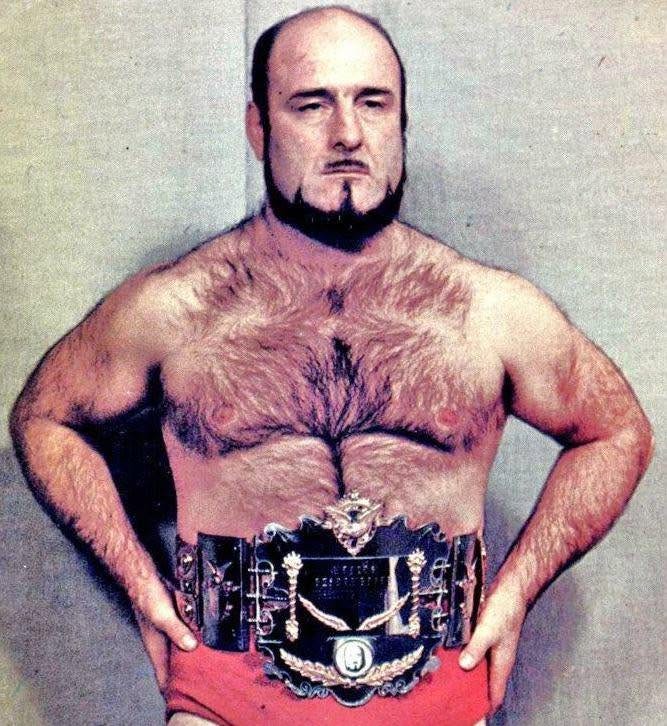
Pictured: Mad Dog Vachon, AWA World Champion
The American Wrestling Association under Verne Gagne operated independently in the Midwest. Mad Dog Vachon was the primary AWA World Heavyweight Champion for much of the period. Cards in Omaha, Lincoln, Minneapolis, and other cities featured Vachon, Mr. Wrestling (Tim Woods), the Kentuckians (Jake “Tiny” Smith and Luke “Big Boy” Brown) as Midwest Tag Team champions, Harley Race, Dale Lewis, and imports such as The Crusher and Carlos Colón. Attendance in secondary cities often ranged from 2,000–6,000, with stronger gates in Minneapolis and Chicago. The AWA’s studio television and protected regional stars fit the Stage 5 pattern of stable, profitable territories operating outside strict NWA membership while still participating in broader talent exchanges.
Canada reflected the same stability. Maple Leaf Wrestling in Toronto drew 5,500–6,100 for Kiniski NWA World title defenses against Carpentier and Watson. Fred Atkins and Tiger Jeet Singh held the NWA International Tag Team titles. Vancouver promotions (All-Star Wrestling) featured Kiniski defenses earlier in the year and local talent such as Don Leo Jonathan. The system allowed Canadian offices to import American stars for major cards while building local followings.
In Mexico, Empresa Mexicana de Lucha Libre (EMLL) ran its regular Super Viernes and Martes de Coliseo shows at Arena México and other venues. El Santo remained a central figure. On October 14 he won the Mexican National Light Heavyweight Championship. Cards featured multi-man matches, tag teams, and ruleta rusa (battle-royal style) bouts involving Santo, Ray Mendoza, Angel Blanco, Dr. Wagner, Black Shadow, Karloff Lagarde, René Guajardo, and Mil Máscaras. Mexican National titles and apuestas (hair/mask) matches sustained local heat. EMLL’s consistent arena schedule and culturally specific style demonstrated how a major non-U.S. promotion thrived under the broader territorial logic of protected markets and established stars.
Japan showed both consolidation and the first clear signs of future tension. The Japan Pro Wrestling Alliance (JWA) remained dominant, with Giant Baba as the top star. Baba defended the International Heavyweight Championship against Gorilla Monsoon (Sapporo on the 20th, Sendai on the 28th) and teamed with Michiaki Yoshimura to retain the Asian Tag Team titles against Monsoon and partners. Foreign talent such as Monsoon, Man Mountain Cannon, and Fritz von Goering worked the tours. Attendance at major shows reached several thousand. Simultaneously, internal fractures produced new promotions.
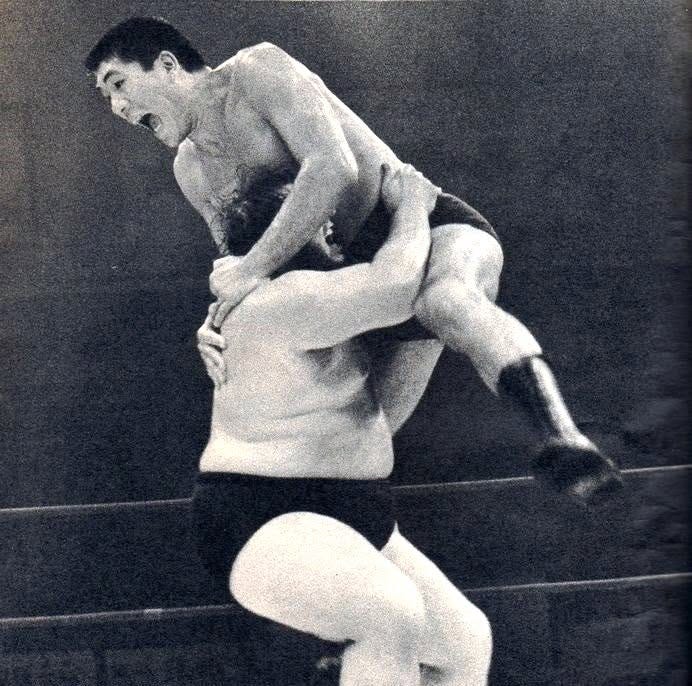
Pictured: Gorilla Monsoon lifting Giant Baba for his next move
On October 12, Tokyo Pro Wrestling—launched by Toyonobori and featuring Antonio Inoki—opened at Kuramae Kokugikan (Sumo Hall) before approximately 10,500 fans. Inoki defeated Johnny Valentine by count-out in the main event (reported time around 32 minutes); other matches included Dean Higuchi and Toyonobori versus Sonny Myers and Johnny Powers. The promotion faced obstruction from the JWA but completed early shows. Around the same time, Isao Yoshihara (with Hiro Matsuda involvement) began organizing International Wrestling Enterprise (IWE). These splits did not yet destroy the JWA’s position, but they illustrated the limits of consolidation when internal disputes over money, booking, and status arose.
Key wrestlers and storylines reinforced the period’s character. Danny Hodge, the dominant NWA World Junior Heavyweight Champion for most of 1966, defended in Oklahoma, Texas, and Louisiana against Rocky Montero, Nick Kozak, and others, providing technical excellence in the lighter division. The Fabulous Moolah regained the NWA Women’s World Championship on October 3 in Vancouver from Bette Boucher. Regional tag teams and mid-card heels (Baron Mikel Scicluna, Smasher Sloan, Fritz Von Erich, the Funks) filled cards. Storylines were largely localized: title defenses, personal feuds, and the occasional world-title tour. There were no system-wide invasions or major title controversies that threatened the Alliance structure.

Pictured: The NWA Southern Tag Team Champions in October 1966 in Jim Crockett Promotions, Aldo Bogni & Bronko Lubich with Homer O’Dell
My research and business analysis confirms Stage 5 peak efficiency. Television remained the primary marketing tool—studio shows and limited syndication within territorial boundaries created stars and created longer programs within geographic boundaries and logical program payoffs without national oversaturation. Major arenas (Kiel Auditorium, Maple Leaf Gardens, Arena México, Kuramae) drew strong crowds for the era. Talent exchanges kept cards fresh while promoters controlled their markets. The NWA World Title under Kiniski functioned as a unifying prestige item rather than a disruptive force.
Groups outside the National Wrestling Alliance, WWWF, AWA, prospered by focusing on their regions. Japan’s new promotions were an early exception that would grow more significant later; in October 1966 they remained secondary to the established JWA. Overall, the month shows a system that had recovered from external legal pressure, refined its internal cooperation, and delivered consistent product to regional audiences.
Attendance, television reach, and the continued drawing power of established champions and rising stars (Funk brothers, Inoki) indicate a business operating at high capacity within its territorial framework. This was consolidation in practice: stable boundaries, reliable booking, and profitable local operations before the media and economic shifts of later stages began to erode the model.
Thank You for Watching and Listening
I’m Tony Richards, Pro Wrestling Historian, Author and Storyteller. I share pro wrestling historical items in each issue of the Time Tunnel Pro Wrestling History Newsletter and each episode of our podcast show. Thanks for your support! If you enjoy my information on select events, matches and insights, please share with folks you think might like to be a subscriber!
Remember, Premium subscribers get access to exclusive and special content such as some special issues including a multi-part deep dives on wrestling territories, wrestler bios and championship title histories, special audio and video interviews on territory pro wrestling and more available in the Pro Wrestling Time Tunnel for Premium Subscribers. Being a Premium Subscriber also means you support me in my efforts to document Pro Wrestling History through my research, writing, books, vidoes and podcasts. And…I have something very special planned for our Premium Subscribers on the Podcast side of things in 2026! Details soon here in the Pro Wrestling Time Tunnel.