


Today’s Favorite Quote: Perhaps the most valuable result of all education is the ability to make yourself do the thing you have to do, when it ought to be done, whether you like it or not - Walter Bagehot
Happy Birthday to those who have passed on and to those great wrestlers still with us:
In Memoriam:
Yvon Robert 1914
Ripper Collins 1933
Art Barr 1966
Happy Birthday:
Judy Martin (71)
Diana Hart (63)
Michael Nakamura (51)
Paul Burchill (47)
Mike Mizanin\The Miz (46)
Mike Rome (45)
RIP Memorial: We stop & remember those who have passed on this day and gave themselves to the business for us, the fans. We salute you and thank you.
Red McKim 10-8-1994 at the age of 64
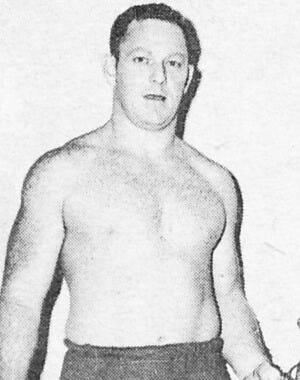
Significant Debuts
10-8-1954: Ray Mendoza
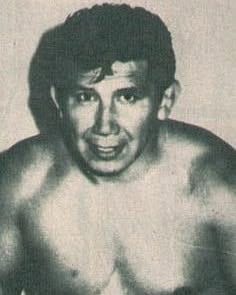
Ray Mendoza made his professional wrestling debut on October 8, 1954, in Monterrey, Nuevo León, Mexico, under the ring name “El Pelón” Chato Díaz. I could not locate his opponent for the match.
10-8-1978: Blue Panther
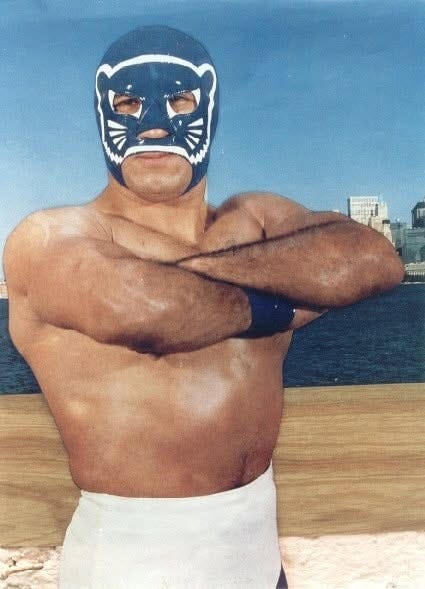
Blue Panther (real name Genaro Vázquez Nevarez) made his professional wrestling debut in his hometown of Gómez Palacio, Durango, Mexico. He debuted under the ring name El Cachorro. I could not locate his opponent for the match.
10-8-1984: Shawn Michaels lost to Art Crews at the Suddeth Coliseum in Lake Charles, Louisiana

The Case Study for why June Byers Should Be Elected to the Wrestling Observer Hall of Fame
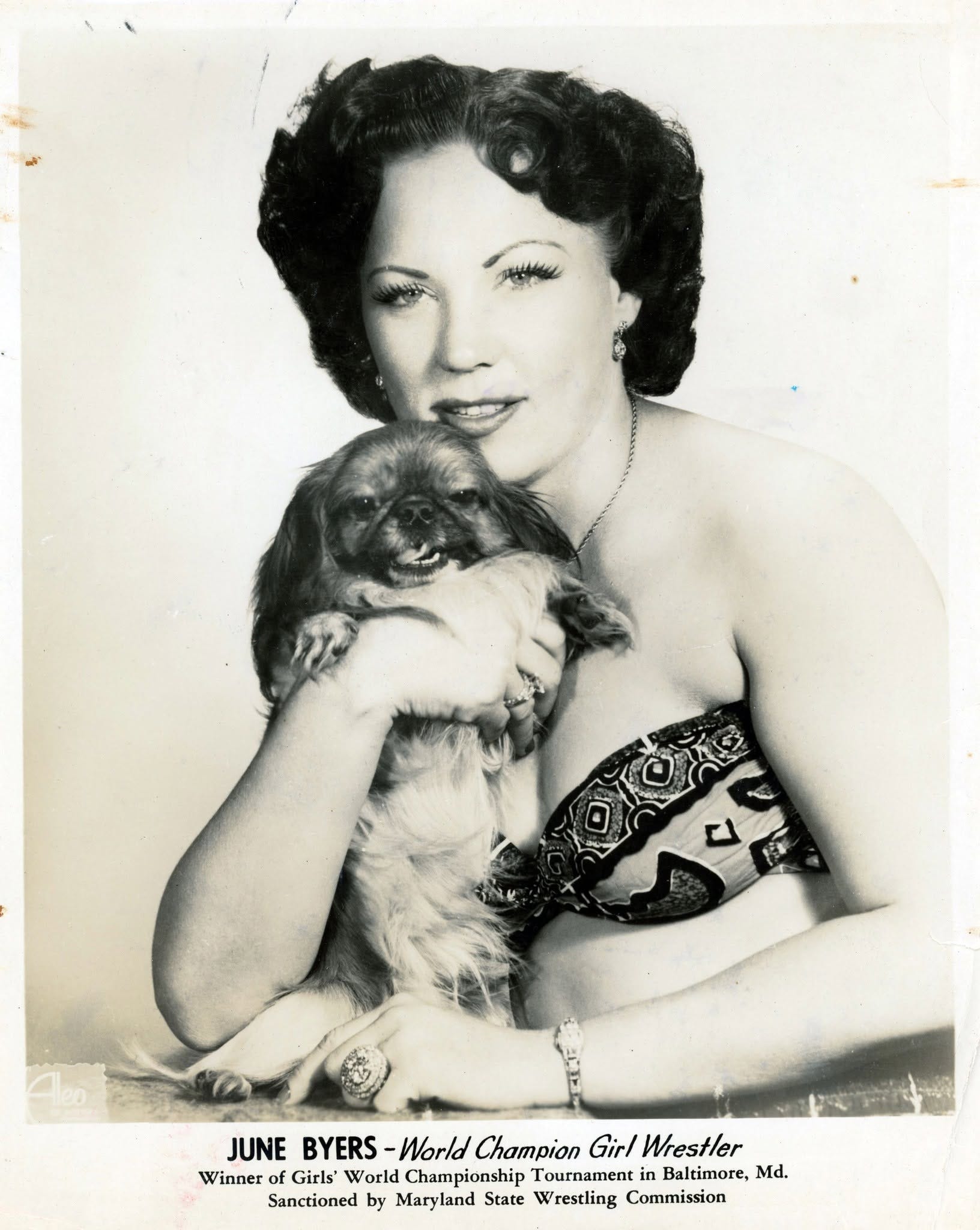
There are certain professional wrestlers whose historical importance is immediately recognizable. Their championships, accomplishments, drawing power, and influence on the business are so well established that their Hall of Fame credentials require little explanation. Then there are performers whose careers have become increasingly obscured by time, whose accomplishments are not always fully understood by modern audiences, and whose contributions have been overshadowed by the better-known names who came before or after them.
June Byers belongs in the latter category.
Her career deserves considerably more attention than it has traditionally received. She was not simply another women’s wrestler who happened to hold a world championship during the 1950s. She was one of the central figures in women’s professional wrestling during an important transitional period, a performer who stood at the intersection of the Mildred Burke era and the rise of The Fabulous Moolah, and a champion whose presence helped sustain women’s wrestling as a traveling attraction throughout the National Wrestling Alliance’s territorial network.
Byers was a Houston, Texas, native who entered professional wrestling in 1944 and remained active for approximately twenty years. During that time, she established herself as a leading performer in a division that operated under very different circumstances from men’s professional wrestling. Women’s wrestling faced restrictions, inconsistent promotional support, limited opportunities, and considerable resistance from athletic commissions and segments of the public. The women who succeeded had to establish their reputations through their performances, their ability to draw an audience, and their willingness to travel wherever the business took them.
Byers accomplished all of those things.
The question surrounding her Wrestling Observer Newsletter Hall of Fame candidacy should not be whether she was an important women’s wrestler. The historical record establishes that she was. The more important question is whether her accomplishments satisfy the standards of a Hall of Fame that considers drawing power, in-ring ability, longevity, and positive historical significance.
When those standards are applied to her career, there is a substantial case for her inclusion.
The Foundation: Establishing Herself Before the Championship
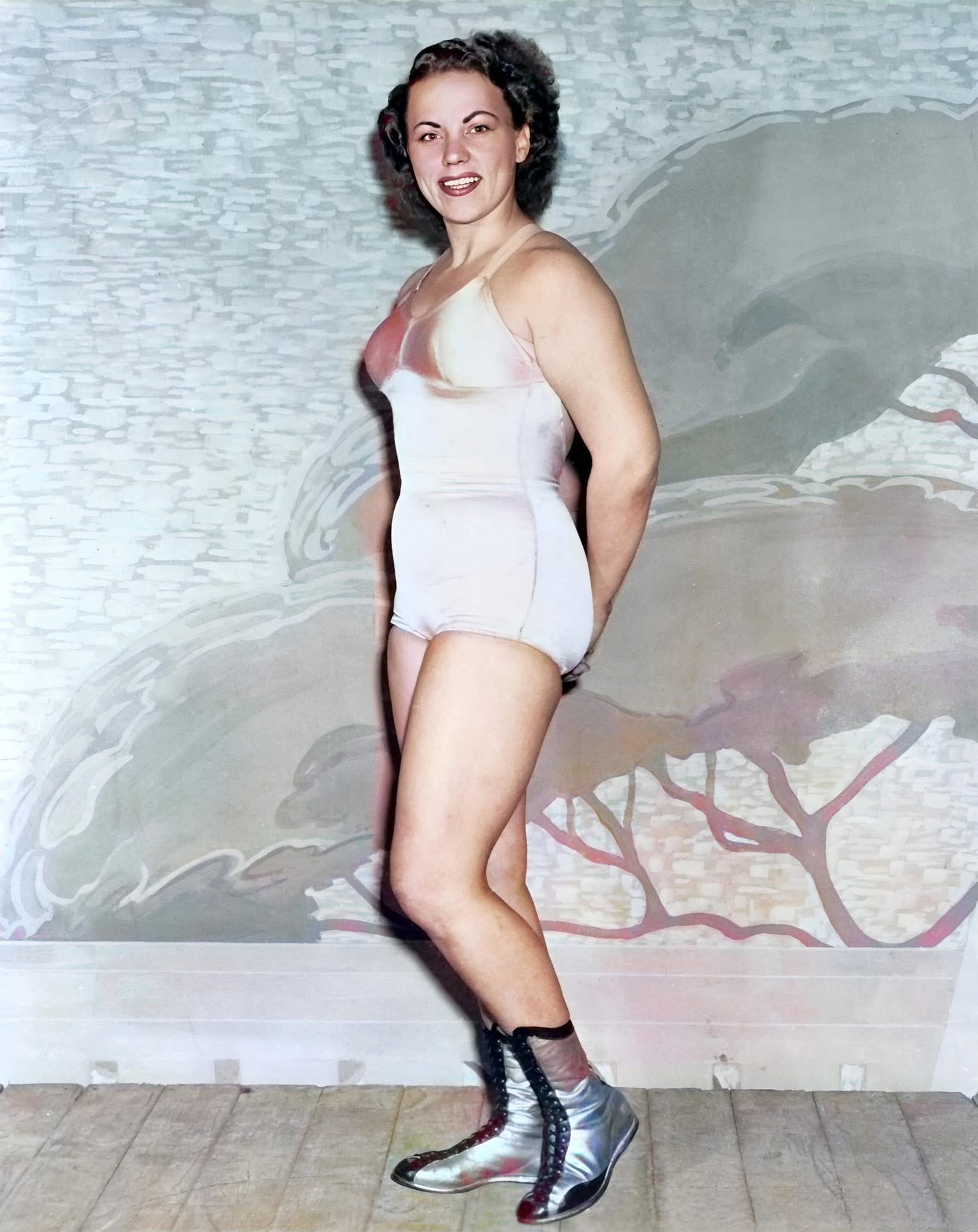
June Byers entered the business during the final years of Mildred Burke’s extraordinary reign as the leading attraction in women’s professional wrestling.
Burke had established a standard that few women could approach. She was recognized as the dominant women’s champion, and her matches were promoted throughout the country. Her influence extended beyond the ring through her relationship with promoter and manager Billy Wolfe, whose organization controlled much of the women’s wrestling business.
Byers came through that same wrestling environment, learning the profession and gradually establishing herself as one of the leading challengers in the division.
This distinction is important. Byers did not suddenly become a significant performer because she was awarded a championship in 1954. She had already spent years working her way through the women’s wrestling circuit. She was a recognized competitor before the championship controversy with Burke ever occurred.
In 1953, Byers won a women’s world championship tournament in Baltimore, establishing another important milestone in her career. Her success in tournament competition demonstrated that she was already being positioned among the leading women in the business.
She also competed extensively in tag team wrestling, partnering with women such as Millie Stafford and Mary Jane Mull. These championship opportunities were important because women’s wrestling was not built exclusively around singles matches. Tag team competition allowed promoters to develop additional attractions, introduce challengers, and keep established performers working together across multiple territories.
Byers was versatile enough to succeed in both formats.
Her reputation was growing, her championship credentials were developing, and she was becoming a performer whom promoters could position against the established names in women’s wrestling.
The next step would change the direction of her career and the championship history of the entire division.
August 20, 1954: The Match That Changed Women’s Wrestling
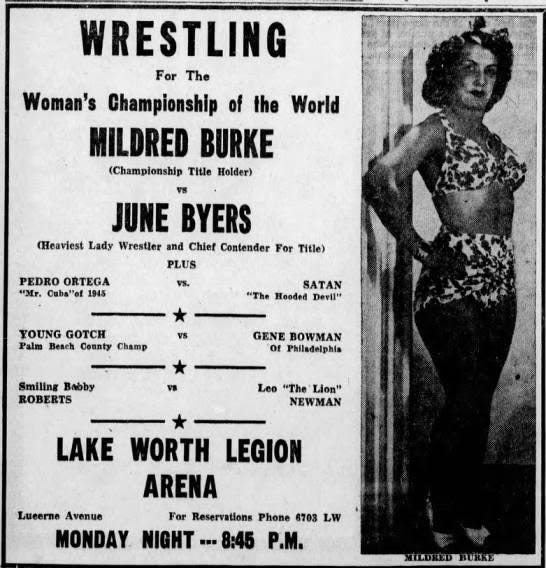
The date August 20, 1954, is essential to understanding June Byers’ historical importance.
On that evening in Atlanta, Georgia, Byers faced Mildred Burke in a two-out-of-three-falls match for the women’s world championship.
It was not an ordinary championship contest. The relationship between Burke and Billy Wolfe had deteriorated, and the personal and business disagreements surrounding the women’s wrestling organization had become increasingly bitter. Byers was associated with Wolfe, while Burke was his estranged wife and former business partner.
The match carried enormous implications.
Byers won the first fall. The contest continued, but the remaining falls were never completed. After approximately one hour, officials stopped the match. The local commission and the promoters supporting Byers recognized her as the winner, and the championship was subsequently awarded to her.
However, Burke did not accept the result as a legitimate defeat.
Accounts of the evening differ regarding the precise circumstances, including the championship belt’s disposition and Burke’s response to the decision. What is clear is that the match did not conclude with either woman winning the required two falls.
Burke continued to recognize herself as the women’s world champion and subsequently established her own championship lineage through the World Women’s Wrestling Association.
Byers, meanwhile, became the recognized women’s world champion among the majority of the NWA-affiliated promoters supporting Wolfe’s organization.
The championship was effectively divided.
This controversy should not be treated as an embarrassment that diminishes Byers’ career. It is an essential part of the historical story. Professional wrestling championships have always been connected to promotional recognition, organizational authority, and the relationships between the people controlling the business.
Byers became the central figure in one of the most consequential championship disputes in women’s wrestling history.
There is also an important distinction between winning a championship and becoming the recognized champion. Byers’ claim was supported by the commission and a substantial portion of the wrestling industry, even as Burke maintained her own championship claim.
The resulting division affected women’s wrestling for years.
For the Wrestling Observer Hall of Fame, the historical significance of this moment is considerable. Byers was not simply a participant in an important match. She became one of the principal figures in a dispute that reshaped the championship structure of an entire division.
The Champion and the Face of Women’s Wrestling
Following the Atlanta match, Byers established herself as the leading women’s champion within the promotional network that recognized her claim.
This was not a short championship run built around one memorable match. She continued defending her position throughout the United States and Canada, working against many of the leading women of the period.
Among her important opponents were Mars Bennett, Penny Banner, Bonnie Watson, Theresa Theis, and other established competitors who helped make up the women’s wrestling circuit.
These were not interchangeable opponents. They represented different styles, personalities, and levels of experience. Byers had to be able to work with established veterans, developing challengers, and women who were themselves recognized champions.
Her matches with Mars Bennett are particularly important when examining her position within the division.
Bennett was an athletic and physically imposing competitor who became one of the most recognizable women in the business. The two women also worked together as tag team partners, demonstrating that their professional relationship was not limited to a traditional champion-versus-challenger arrangement.
Their relationship illustrates how women’s wrestling operated during this period. The same performers could be rivals in singles competition, championship challengers one week, and tag team partners the next.
Byers and Bennett were among the women who helped sustain that traveling circuit.
Byers also worked extensively against Penny Banner, who would eventually become one of the most accomplished women’s wrestlers of her generation. Banner was younger and developing into a major attraction, while Byers represented the established champion she had to overcome.
The two competed repeatedly during the 1950s. Their rivalry provided a recognizable championship storyline that could be carried from one territory to another.
One particularly interesting example of Byers’ position came in March 1957, when she successfully defended her championship against Bonnie Watson in a two-out-of-three-falls match.
The significance of these matches is not simply that Byers continued winning. It is that she remained the established standard against which other women were measured.
A champion who does not have credible challengers eventually loses the value of the championship. Byers had an ongoing group of opponents who could be presented as legitimate threats, and the promoters continued using her as the central figure in the division.
That is an important part of her historical record.
A National Attraction and a Traveling Champion
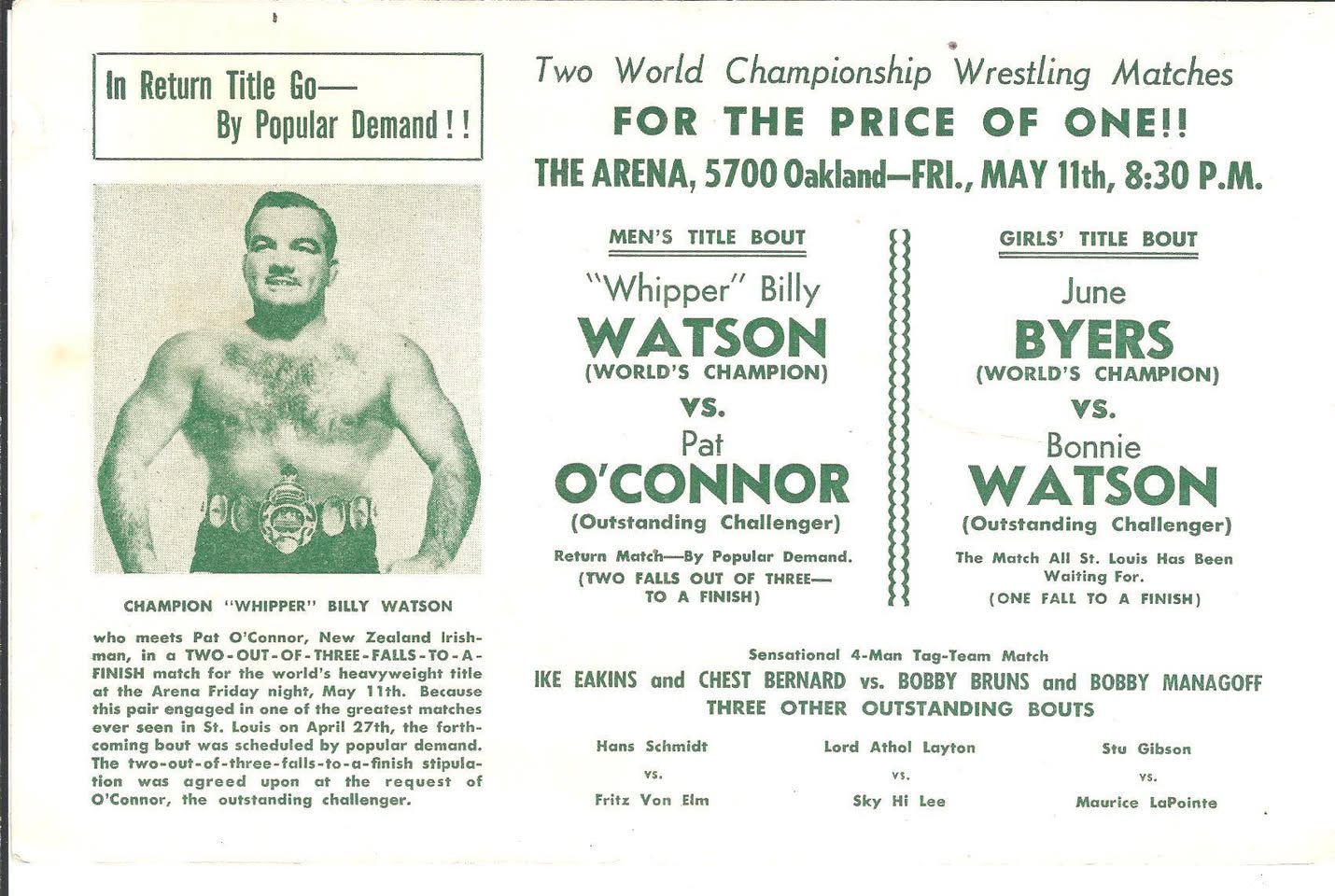
One of the challenges in evaluating wrestlers from the 1940s and 1950s is that modern audiences often judge their importance through surviving television footage, documented attendance figures, and readily available match recordings.
That approach can create an incomplete picture.
Much of the wrestling business during Byers’ prime was built around live events, regional television exposure, and traveling promotional organizations. Women’s wrestling was part of that system, even though its opportunities were considerably more restricted than those available to men.
Byers worked across the United States and Canada and appeared in multiple wrestling territories. Her career was not confined to one promoter or one geographic area.
She was also a recognizable public figure outside the wrestling arena.
Byers appeared on the popular television programs What’s My Line? and I’ve Got a Secret, demonstrating that her reputation extended beyond the regular wrestling audience. These appearances are significant because they show that a woman professional wrestler could be marketed as a recognizable personality on national television during an era when opportunities for women in the sport were limited.
She was not simply a name appearing on a wrestling poster. She was a representative of the profession who could be presented to a mainstream television audience.
Her public profile was an important part of her historical contribution.
The available record also demonstrates the geographical reach of her championship work. Byers appeared in the major wrestling markets and traveled wherever the promoters needed an established women’s attraction.
One particularly revealing example comes from May 1956.
During a four-day Texas championship tour, Byers defended her title against Mars Bennett in Houston on May 18, Waco on May 21, Dallas on May 22, and San Antonio on May 23.
The results recorded for that series show Byers winning each of the four matches, including two-fall victories.
That itinerary tells us something important about her place in the business.
She was being moved through multiple major Texas markets as the central women’s championship attraction. Houston, Waco, Dallas, and San Antonio were not isolated appearances. They represented a coordinated championship program that could be promoted across the state.
This is precisely the type of historical evidence that should be considered when evaluating her career.
While surviving attendance figures for individual women’s matches are incomplete, the repeated use of Byers in championship programs across multiple markets demonstrates the confidence promoters placed in her as a traveling attraction.
It also connects her career directly to the broader history of Texas wrestling.
The Athletic Side of June Byers
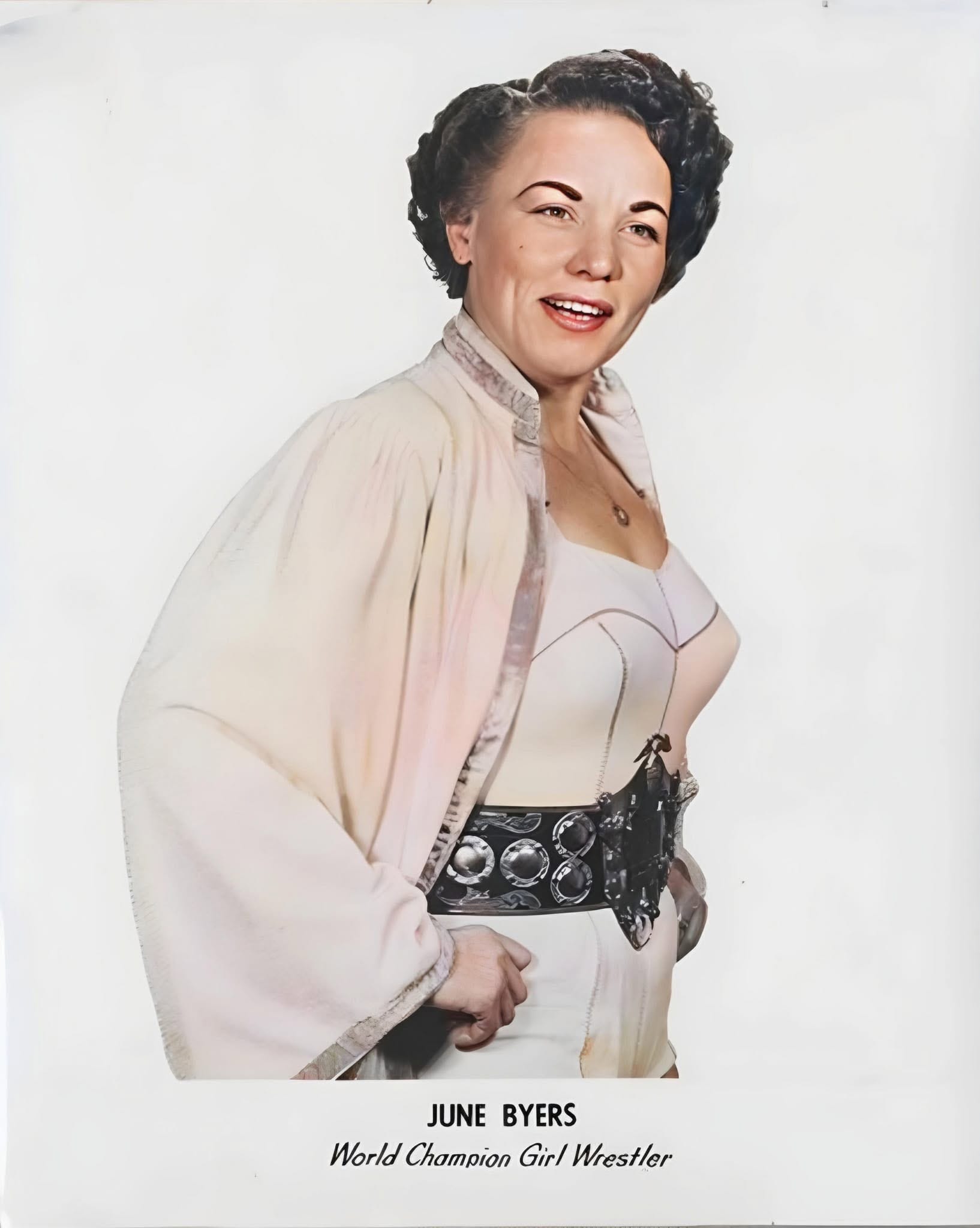
The discussion of June Byers should not be limited to championship history and promotional politics.
There is also the question of her ability as a professional wrestler.
Byers was recognized as a physically capable competitor who could work a variety of opponents and match formats. Her wrestling style included traditional mat wrestling, pinning combinations, submissions, and the use of leverage to defeat opponents.
Her signature finishing maneuver became known as the Byers Bridge, a bridging pinning technique associated with her name.
The importance of a signature maneuver in professional wrestling is not simply its effectiveness. It provides a recognizable identity for the performer and gives the audience something to associate with the wrestler’s character and style.
Byers had that identity.
She was also a product of an era in which women’s matches were frequently structured around two-out-of-three-falls competition, time limits, and point-based scoring. These formats required stamina, conditioning, and the ability to maintain a consistent pace throughout a contest.
The physical demands of the profession were substantial.
The women traveled extensively, worked multiple matches, and performed in an environment where the physical risks were real. The fact that women’s wrestling was often treated as a secondary attraction did not make the actual work any less demanding.
Byers developed a reputation as a tough competitor who could withstand the physical demands of the profession.
There are also accounts of her dealing with injuries and hostile spectators, a reminder that the women working during this period faced challenges that extended beyond their opponents inside the ring.
The historical record does not provide enough surviving footage to conduct the kind of modern match-by-match technical evaluation that can be applied to later generations. That limitation should be acknowledged rather than filled with speculation.
Nevertheless, her sustained position as a leading champion, her repeated championship defenses, and the caliber of the women she faced provide substantial evidence of her standing within the division.
June Byers and the Rise of The Fabulous Moolah
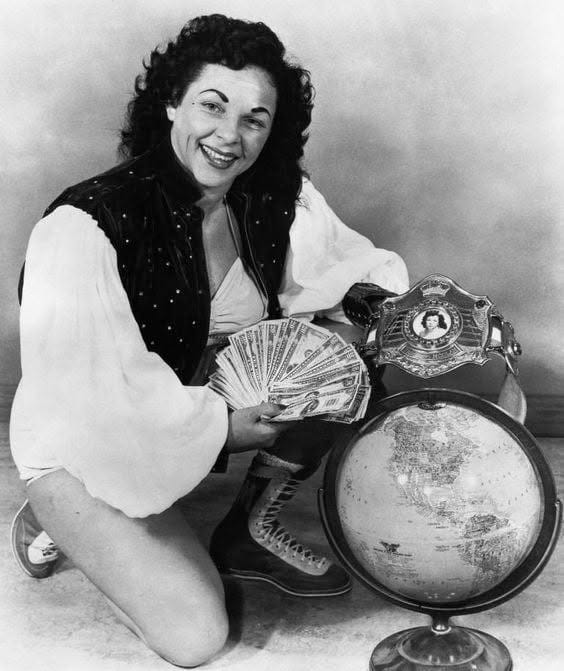
Pictured: The Fabulous Moolah
No examination of June Byers’ historical importance would be complete without considering The Fabulous Moolah.
Moolah emerged as the dominant women’s champion during the second half of the 1950s. Her rise is generally associated with September 18, 1956, when she won a thirteen-woman battle royal in Baltimore.
However, the championship situation was considerably more complicated than the simplified historical narrative often suggests.
Byers remained recognized as champion by much of the NWA network, while Moolah’s championship recognition developed through a different promotional relationship. The transition was not universally accepted at the same time by every promoter.
Indeed, the competing claims and territorial differences continued into the 1960s.
This is an important distinction because Byers’ career did not simply end when Moolah won the Baltimore battle royal. Byers continued to be recognized as a world champion in important portions of the wrestling business.
The two women represented different stages of women’s wrestling history, and their championship lineages overlapped in ways that are still sometimes misunderstood.
Burke had established the original standard. Byers became the leading champion within the Wolfe-associated promotional network following the 1954 controversy. Moolah subsequently emerged as the dominant figure in another championship lineage that would eventually become the most widely recognized in American women’s wrestling.
Byers belongs in that historical conversation because she was one of the people who made the transition possible.
It would be inaccurate to tell the story of women’s wrestling during the 1950s as though it moved directly from Burke to Moolah without an important intervening period.
June Byers was that intervening champion.
Her position in the history of women’s wrestling should be evaluated on its own merits rather than simply as a footnote to the careers of Burke and Moolah.
The Texas Connection: A Houston Wrestling Institution
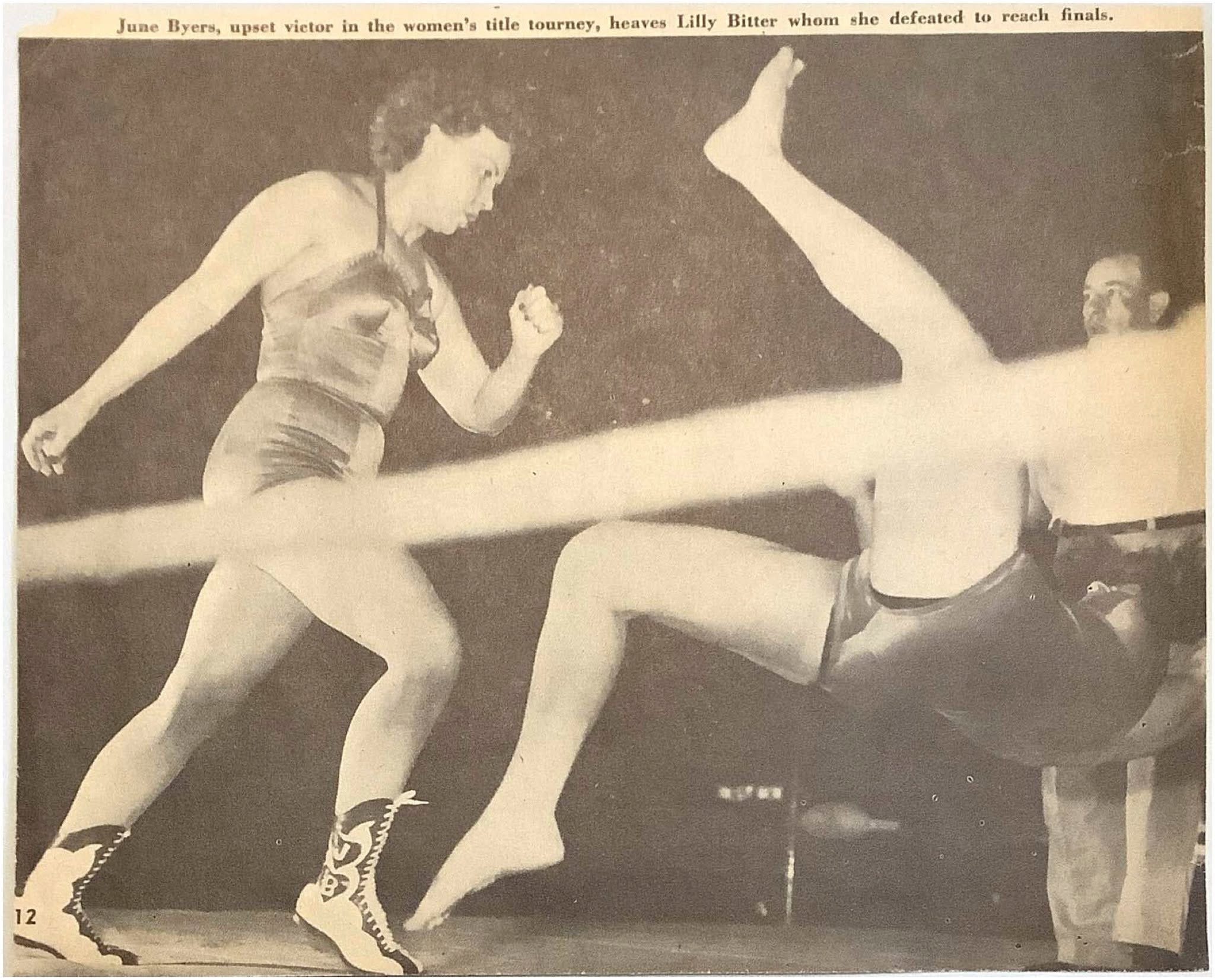
June Byers’ connection to Houston deserves particular attention.
She was born in Houston on May 25, 1922, and was billed from the city throughout her career. Her identity was connected to the Texas wrestling scene, and she remained an important figure in a state where professional wrestling had a substantial network of promoters and regular venues.
Houston was one of the major centers of the Texas wrestling business, and the city’s promotional history was closely associated with Morris Sigel and the Houston Wrestling organization.
Byers’ career intersected with the broader Texas promotional network, and her championship appearances throughout the state demonstrated the ability of women’s wrestling to function within the same territorial structure that supported the men’s division.
This is particularly relevant to the history of the NWA.
The Alliance was not simply a collection of champions. It was a network of promoters who exchanged talent, recognized championships, and developed attractions that could be carried from territory to territory.
Byers was an important part of that system.
Her championship recognition depended on the support of promoters, while her continued success depended on her ability to deliver as an attraction in the different markets where she appeared.
That relationship between performer and promotional network is central to understanding the territory era.
Byers was not operating outside the wrestling business. She was working within its established structure, and her career provides another example of how the women’s division was integrated into the broader professional wrestling industry.
Her Houston roots also make her an important figure in the state’s wrestling history.
For a Texas wrestling historian, there is an additional reason to appreciate her career: Byers represents an important connection between the early postwar period and the development of the more familiar territorial wrestling business of the 1960s and 1970s.
She was part of the generation that established the foundations upon which later women’s performers would build.
Longevity and the End of Her Career
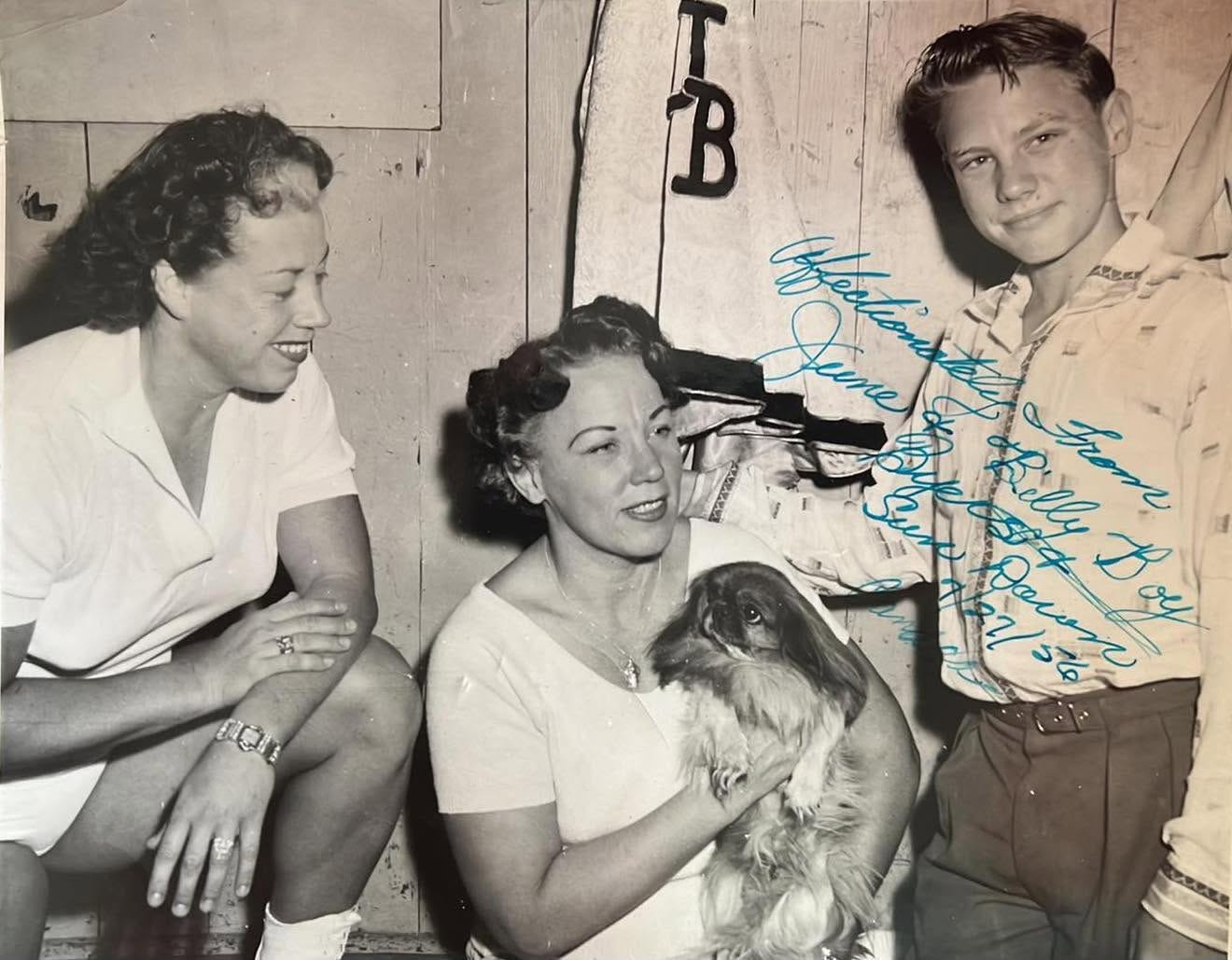
Pictured: June Byers, her son and Mars Bennett
Byers’ career lasted approximately twenty years, beginning in 1944 and ending in 1964.
That is a substantial period of activity, particularly considering the physical demands and limited opportunities available to women in professional wrestling during those years.
Her career encompassed several different periods of the business.
She began during the years when Mildred Burke was the leading women’s attraction. She became a central figure in the championship controversy of 1954. She remained a prominent champion through the middle and latter part of the decade, and she continued competing into the early 1960s as the women’s wrestling landscape changed.
Her retirement in 1964 brought an end to a career that had extended across two decades.
Accounts of her final years associate her retirement with a serious automobile accident and resulting physical problems. The precise circumstances surrounding the accident and the injuries have not been consistently documented, but the important point is that her active career came to an end while she was still relatively young.
She died in Houston on July 20, 1998, at the age of 76.
Byers was subsequently recognized by other wrestling institutions, including the Professional Wrestling Hall of Fame and the WWE Hall of Fame Legacy wing. Her induction into the International Professional Wrestling Hall of Fame further acknowledged her place in the history of women’s wrestling.
Those honors are meaningful, but they do not eliminate the importance of considering her candidacy for the Wrestling Observer Newsletter Hall of Fame.
Each institution has its own standards and voting process.
The Observer’s historical category provides an opportunity to evaluate Byers alongside the other major performers of her generation, using criteria that specifically consider historical influence, drawing power, in-ring ability, and longevity.
The Wrestling Observer Hall of Fame Case
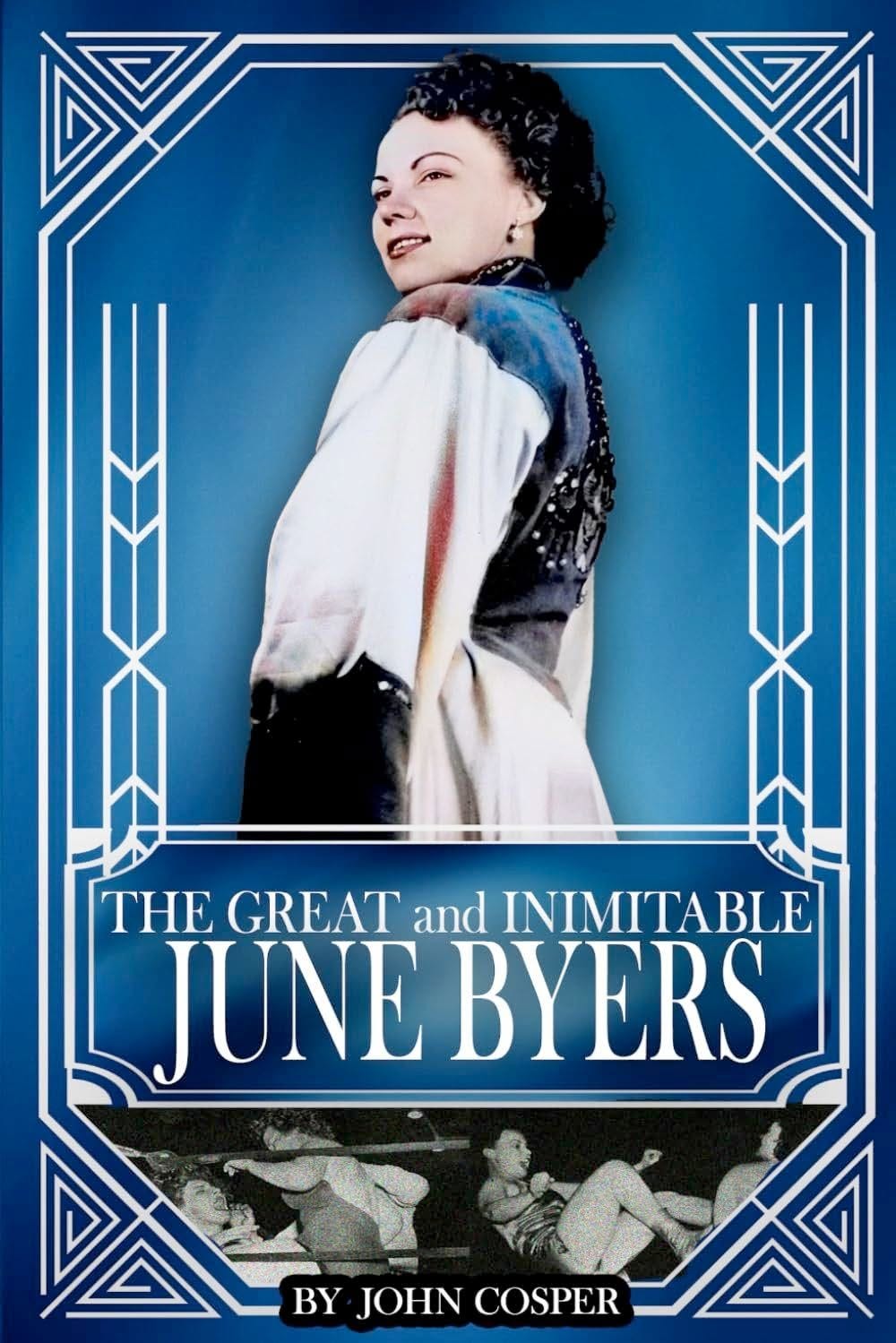
Pictured: Tee biographic history of her life and career by Eat, Sleep and Wrestle author and historian John Cosper
GET THE BOOK:
Eat Sleep and Wrestle The Great and Inimitable June Byers
The Wrestling Observer Newsletter Hall of Fame is not simply a championship recognition program. Its published standards place particular emphasis on a performer’s overall contribution to the wrestling business.
Four areas are especially relevant to June Byers.
Historical importance
This is arguably the most compelling part of her candidacy.
Byers was a central figure in the division’s transition from the Mildred Burke era to the period associated with The Fabulous Moolah. Her 1954 championship controversy created competing championship lineages, and her continued recognition by much of the NWA network made her an important figure in the political and organizational history of women’s wrestling.
Her career cannot be removed from the historical narrative without leaving a significant gap.
Drawing power
The surviving attendance information is incomplete, and it would be irresponsible to invent box-office figures or claim that every appearance was a major financial success.
However, her repeated use as a traveling world champion, the four-market Texas title tour in May 1956, her national television appearances, and her continued championship programs demonstrate that promoters considered her a valuable attraction.
The historical case for drawing power should be built from those documented patterns, while recognizing that more complete financial records would strengthen the argument.
In-ring ability
Byers competed against many of the leading women of her generation and maintained her position as the established champion through years of championship competition.
Her ability to work singles matches, tag team matches, and different championship formats was an important part of her value.
The surviving record is not sufficient to make sweeping claims about her technical superiority over every contemporary, but it does establish that she was a highly experienced and consistently utilized performer.
Longevity
A twenty-year career in women’s professional wrestling during the 1940s, 1950s, and early 1960s is a substantial accomplishment.
More importantly, Byers was not simply working for twenty years. She spent much of that time as one of the central performers in her division.
Longevity matters most when it is accompanied by sustained importance, and Byers’ career provides that combination.
The Growing Recognition of Her Candidacy
The voting history provides another interesting perspective.
In the 2021 historical North American category, Byers received 32 percent of the vote. By 2024, her support had increased to 50.4 percent. In the 2025 election, she received 57.6 percent.
The required threshold for induction is 60 percent.
These numbers are significant because they demonstrate that her historical profile has been receiving increasing attention among the Observer’s voting body.
The 2025 discussion by Voices of Wrestling contributor Jesse Collings specifically identified a lack of historical knowledge as an important obstacle to her candidacy. His interpretation was that as more voters learned about Byers’ career, her level of support increased.
That observation touches on one of the greatest problems facing wrestlers from the pre-television and early television generations.
Their careers are not always supported by extensive surviving footage. Their accomplishments are spread across newspaper advertisements, local results, championship histories, promotional records, and the recollections of people who witnessed them.
For a modern voter, it is considerably easier to evaluate a performer whose entire career can be watched through a video library than someone whose greatest matches may exist only in the memories of the people who attended them.
Byers’ career requires historical research.
It requires understanding the territorial system, the championship politics of the 1950s, the importance of Billy Wolfe’s organization, and the distinction between the competing women’s world championships.
It also requires recognizing that women’s wrestling operated under circumstances that were very different from those faced by male performers.
The absence of extensive footage should not automatically become a reason to overlook historical importance.
That is where the work of wrestling historians becomes particularly valuable.
The Final Case for June Byers
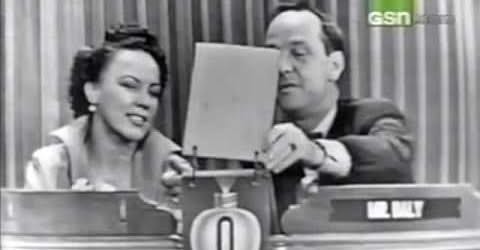
Pictured: June Byers appearance on “What’s My Line?”
When the career of June Byers is examined in its proper historical context, the argument for her Wrestling Observer Hall of Fame inclusion becomes much clearer.
She had a lengthy career, established herself as one of the leading women’s wrestlers of her generation, became a recognized world champion, and remained a central figure in the championship structure of women’s wrestling during an important transitional period.
She competed against the leading women of her era, worked across multiple territories, participated in singles and tag team championship programs, and achieved a level of public recognition that extended beyond the wrestling business.
Her importance also extends beyond her individual accomplishments.
The history of women’s professional wrestling is often reduced to a handful of familiar names. Mildred Burke, The Fabulous Moolah, Mae Young, and a few others tend to dominate the conversation. Their accomplishments deserve recognition, but the historical story is incomplete without June Byers.
She was not merely someone who happened to hold a championship between two more famous champions.
She was a major figure in her own right.
The 1954 match with Burke changed the championship landscape. Her subsequent championship reign helped sustain women’s wrestling as a traveling attraction. Her matches with Mars Bennett, Penny Banner, Bonnie Watson, and others provided the competitive foundation for the division during the 1950s. Her continued presence into the early 1960s connected two generations of women’s wrestling.
There is also something particularly important about recognizing performers whose careers took place before the modern wrestling industry developed its extensive video libraries and promotional machinery.
The history of professional wrestling did not begin with television syndication reaching every household, national cable networks, or the modern pay-per-view era. It was built by performers who traveled, competed, drew audiences, and established reputations in markets that were often separated by hundreds or thousands of miles.
June Byers was one of those performers.
Her career represents a significant chapter in the development of women’s professional wrestling, and her place in the history of the NWA territorial system deserves to be recognized alongside the leading performers of her generation.
The Wrestling Observer Hall of Fame is intended to recognize people whose contributions to professional wrestling warrant lasting historical recognition. Byers’ career meets the central spirit of those standards.
She has the longevity. She has the championship credentials. She has the historical importance. She has the record of competing against the leading women of her era, and she has a documented place in the development of women’s professional wrestling that cannot be adequately explained without discussing her.
The fact that her candidacy has continued to gain support suggests that more people are beginning to appreciate the significance of her career.
But the argument should not depend on whether she receives 57.6 percent, 60 percent, or any other voting figure.
The historical record stands independently of the ballot.
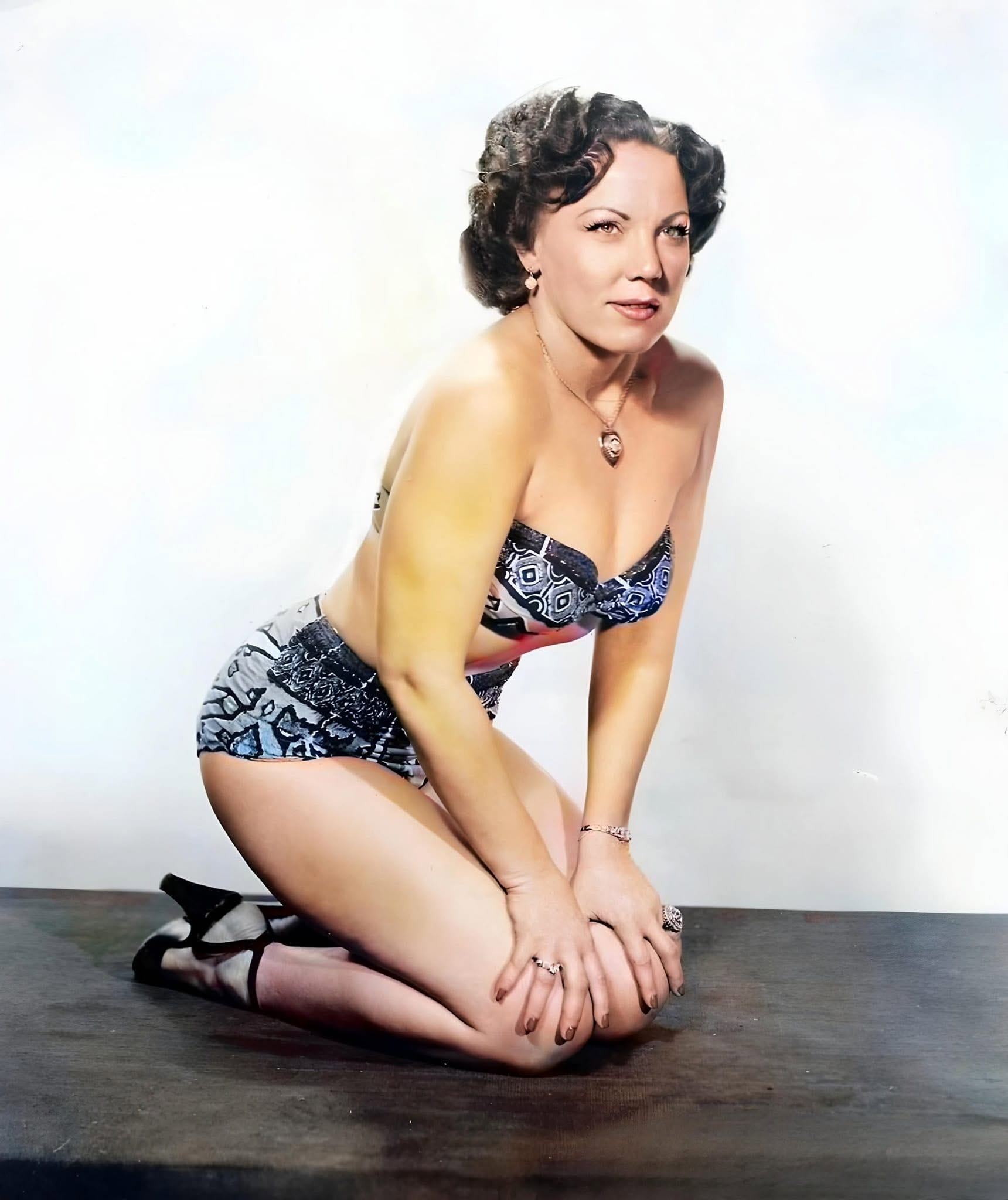
June Byers was one of the defining women’s professional wrestlers of the 1950s. She helped shape the championship history of the division, represented an important link between two generations of women’s wrestling, and remained a major figure in the business for approximately twenty years.
Her career deserves to be remembered, studied, and recognized.
And when the history of professional wrestling is considered in its entirety, June Byers belongs in the Wrestling Observer Newsletter Hall of Fame.
Thank You for Watching and Listening
I’m Tony Richards, Pro Wrestling Historian, Author and Storyteller. I share pro wrestling historical items in each issue of the Time Tunnel Pro Wrestling History Newsletter and each episode of our podcast show. Thanks for your support! If you enjoy my information on select events, matches and insights, please share with folks you think might like to be a subscriber!
Remember, Premium subscribers get access to exclusive and special content such as some special issues including a multi-part deep dives on wrestling territories, wrestler bios and championship title histories, special audio and video interviews on territory pro wrestling and more available in the Pro Wrestling Time Tunnel for Premium Subscribers. Being a Premium Subscriber also means you support me in my efforts to document Pro Wrestling History through my research, writing, books, vidoes and podcasts. And…I have something very special planned for our Premium Subscribers on the Podcast side of things in 2026! Details soon here in the Pro Wrestling Time Tunnel.
Man she had a beautiful smile. Hopefully she gets in, sadly just like you said without footage most people can't see the bigger picture. It would be like not putting people like Frank Gotch in because there's no film of him.