


Today’s Favorite Quote: If you think part of your life is luck, you better have discipline because without it, you won’t know what to do with the luck - Carl Zuckmayer
Happy Birthday to those who have passed on and to those great wrestlers still with us:
In Memoriam:
(none)
Happy Birthday:
Ricky Fuji (61)
Cathy Kelley (38)
Ortiz (34)
Leyla Hirsch (30)
RIP Memorial: We stop & remember those who have passed on this day and gave themselves to the business for us, the fans. We salute you and thank you.
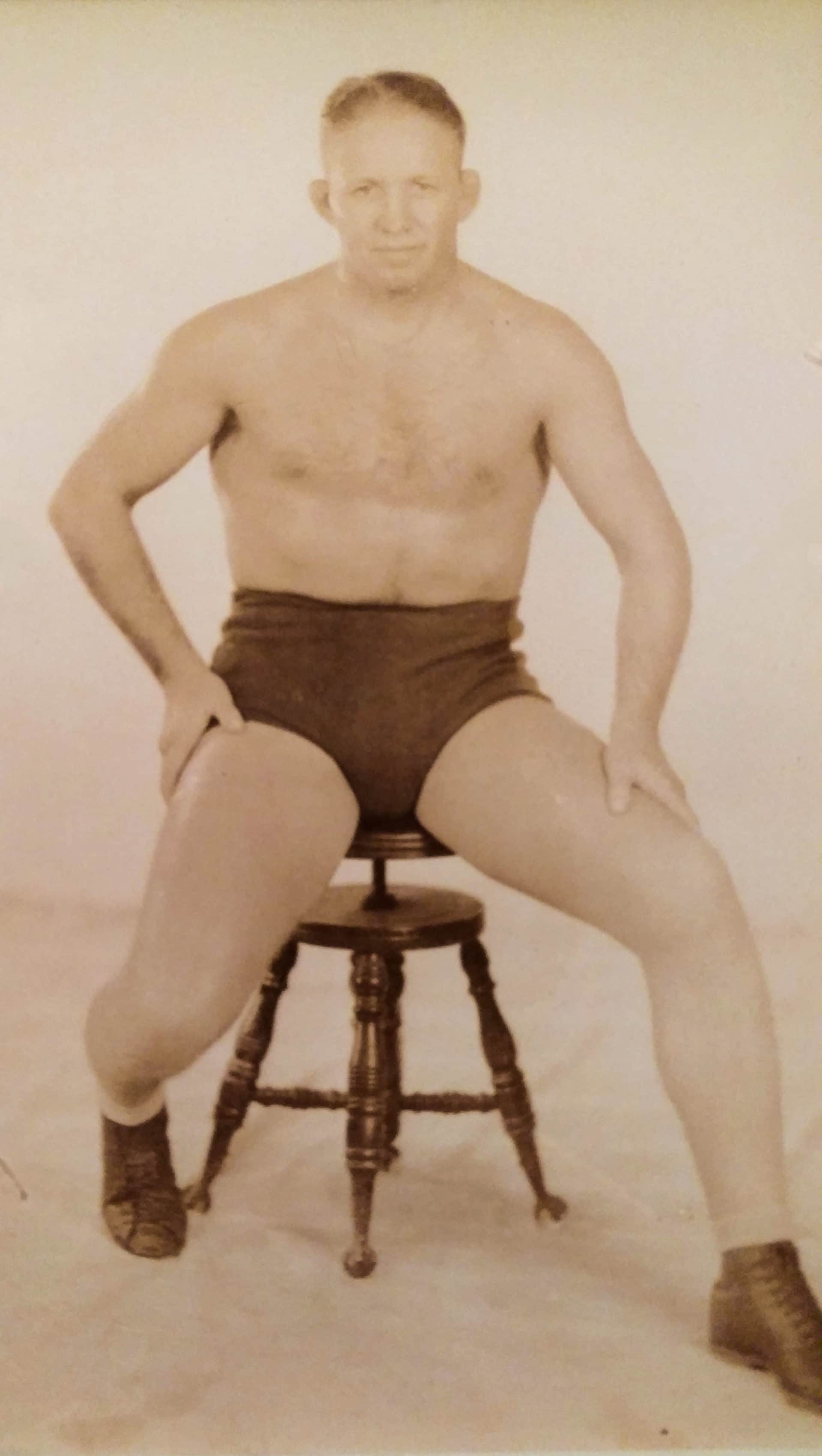
Charley Fox 9-27-1951 at the age of 60

Roy Welch 9-27-1977 at the age of 75
Flashback 1976
Q3 Analysis
July-September
West Texas Territory
Amarillo Office
This region encompassed cities like Amarillo, Lubbock, El Paso, Odessa, Abilene, and San Angelo, with extensions into New Mexico and Colorado. The territory was known for its rugged, hard-hitting style, emphasizing technical wrestling, bloody feuds, Texas Death Matches, and titles like the NWA International Heavyweight Championship, the Western States Heavyweight Championship, the Brass Knuckles Championship, and the Western States Tag Team belts.
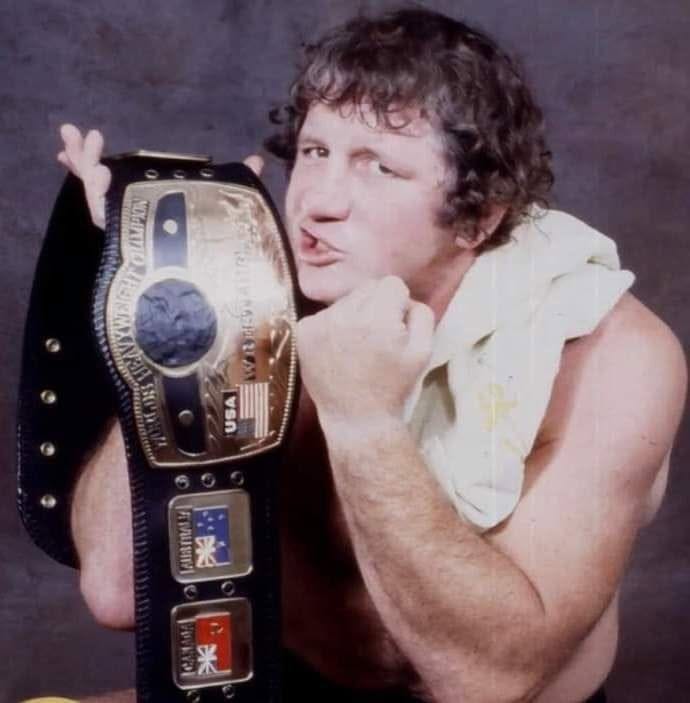
The third quarter of 1976 sat in the middle of Terry Funk’s reign as NWA World Heavyweight Champion. That fact gave the Panhandle office prestige it could not buy, and it also created the central booking problem of the summer: how to keep the weekly loop hot when the world champion was often on the road, and how to turn his home dates into something more than a one-night attraction. The answer was the same language West Texas had spoken for years. Death matches, brass knuckles bouts, chain matches, fence matches, and a tag-team invasion that would last into the fall.
July
July 1976 reset the singles picture and installed the heels who would carry the rest of the quarter. The month opened on July 1 at the Amarillo Sports Arena with the most important singles match of the summer. NWA World Heavyweight Champion Terry Funk defeated the Super Destroyer in 41:03. The Super Destroyer, Art Nelson under a red-and-black hood, had been the International Heavyweight Champion and the office’s top masked heel. The stipulation forced him to surrender either the mask or the International Title. He gave up the belt. Funk then vacated the International Title within days so he could concentrate on world-title defenses. That one night did three jobs at once. It protected the champion in his hometown. It kept the Super Destroyer’s identity intact. It freed a secondary championship the office could put on someone new.
Pictured: Art Nelson, The Super Destroyer (without mask)
The first week of the month kept the regular loop moving. On July 2 in Lubbock, Ricky Romero beat Davey O’Hannon, Dory Funk Jr. beat Dennis Stamp, the Super Destroyer beat Larry Lane, and Abe Jacobs and Pez Whatley beat the Lawman and Wayne Hammer. Odessa on July 6 and Abilene on July 7 rotated the same names. The Abilene card also brought Fritz Von Erich in against Terry Funk, with Funk winning by disqualification, another short chapter in the family feud that had already produced the Texas Stadium supercard in June.
July 8 in Amarillo changed the tag division. Jacobs and Whatley defeated Stamp and O’Hannon for the Western States Tag Team Titles. The same night Rip Hawk beat the Lawman and Swede Hanson beat Reggie Parks. The Blond Bombers were in, billed as Southern Tag Team Champions, and they immediately looked like the team the office intended to keep. The Super Destroyer then took the non-world-title main events. On July 15 in Amarillo he beat Dory Jr. in a Texas Death Match, repairing himself after the July 1 world-title loss. The next night in Lubbock, Hawk and Hanson took the tag titles from Jacobs and Whatley. The babyface reign had lasted eight days. From July 16 forward the Blond Bombers owned the division.
July 22 in Amarillo was the loaded house show of the month. Lane beat Parks, then Jose Lothario, then Stamp in a one-night tournament final to win the vacant International Title. Around that tournament the office also ran Hawk and Hanson over Jacobs and Whatley, Dory over Siegfried Stanke, Stamp over Romero, and Stamp over Dory. Lane left the building as a singles champion who was not a Funk and not a masked man. The last week of July split the world champion’s heat from the title itself. On July 29 in Amarillo the Super Destroyer beat Terry Funk in a Texas Death Match advertised as non-title. The champion could lose when the belt was not on the line. On July 30 in Lubbock Funk beat Stamp, Hawk and Hanson beat Dory and Lane, and the Super Destroyer drew Whatley. July ended with a clear map: Funk as world champion, Lane as International champion, Hawk and Hanson as tag champions, the Super Destroyer as the man who could beat a Funk when the rules came off, and Stamp as the brass-knuckles heel working Romero and Dory.
August
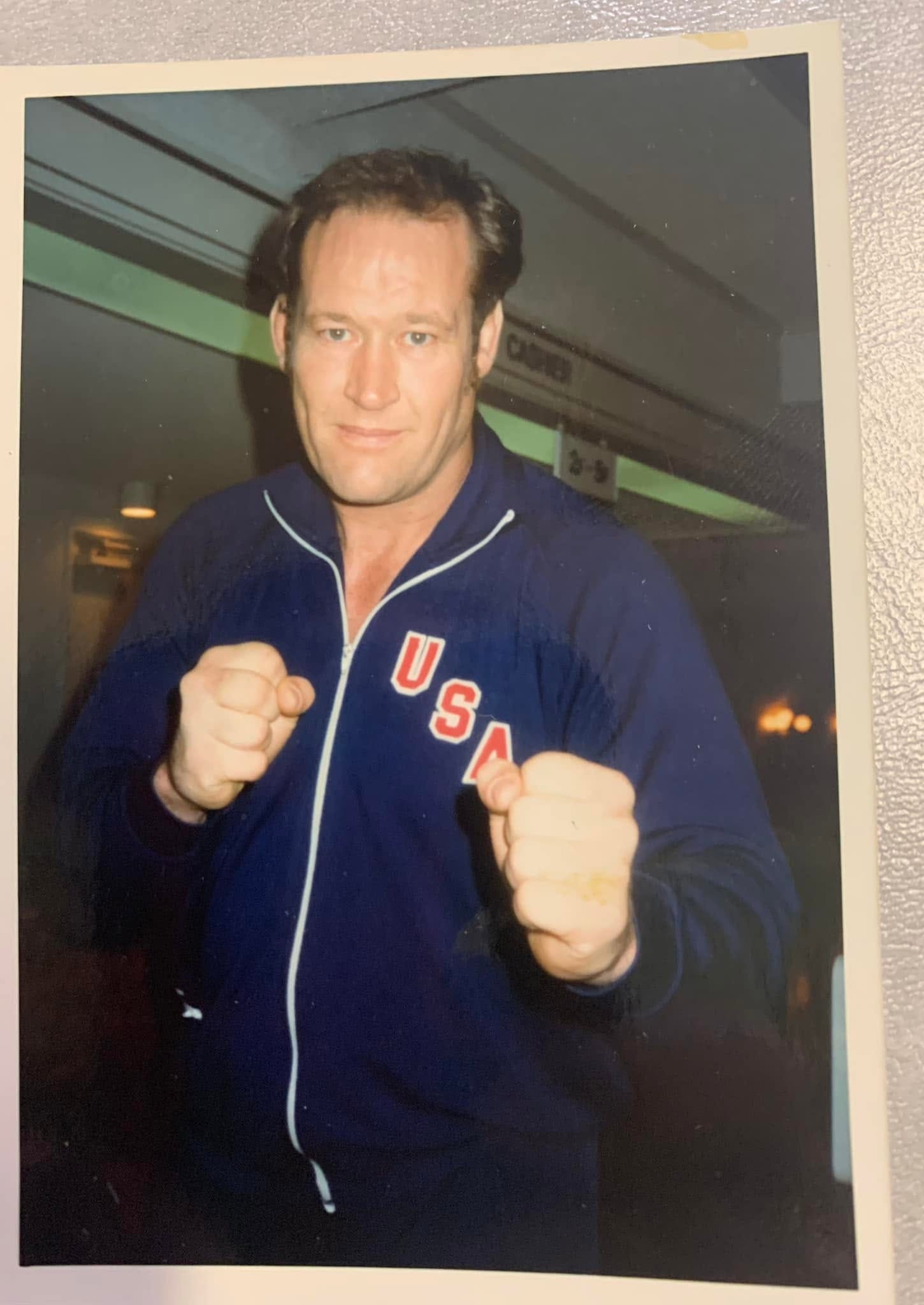
Pictured: “Red Dog” Larry Lane
August 1976 was the grind month. There is no world-title match in the surviving West Texas results. Terry Funk was on the road. Dory Jr., Romero, Lane, the Super Destroyer, and the Blond Bombers had to carry Amarillo, Lubbock, Abilene, and Odessa without the champion in the building. That is the purest look at how the territory worked when the co-owner with the belt was gone.
The first Amarillo card, August 5, set the tone. The Super Destroyer drew Lane. Hawk and Hanson went to a double disqualification with Whatley and the Lawman. Stamp beat Romero by disqualification. Nothing closed. Everything pointed to the next town. Abilene on August 11 put Lane over the Super Destroyer by disqualification and Hawk and Hanson over Dory and the Lawman. Amarillo on August 12 gave Romero a fence-match win over Stamp and ran a six-man draw of Whatley, Dory, and Lane against Hanson, Hawk, and the Super Destroyer. Lubbock on August 13 repeated the six-man idea with Casey, Romero, and the Lawman drawing the same heel trio. Odessa on August 17 let Romero and the Lawman beat Hawk and Hanson by disqualification and gave the Super Destroyer a win over Scott Casey. The office was not changing champions. It was changing partners and stipulations.
The International Title became messy in the middle of the month. On August 19 in Amarillo the results list Lane beating the Super Destroyer for the title. Other title records note a Super Destroyer win that night that NWA president Eddie Graham later overturned. The practical effect in the territory was that Lane remained champion and the masked man remained the challenger. The controversy itself was useful. It gave television something to argue without a clean title change.
The Lawman, Don Slatton, became the human cost of the Hawk and Hanson program. On August 25 in Abilene he beat Hanson in a Texas Death Match. The next night in Amarillo, Hawk beat the Lawman in a Texas Death Match. That two-town split is classic loop booking: the babyface gets the win in one city, the heels get it back in the flagship, and both buildings feel like they saw the important match. On August 26 Casey also beat Hanson by disqualification and Dory beat Larry Sharpe, while Stamp and the Super Destroyer drew Whatley and Romero. Lubbock on August 27 closed the month with Hawk and Hanson over Romero and Casey, the Super Destroyer over Lane, and Stamp over Dory in a lumberjack brass-knuckles match.
August’s midcard filled the undercards without getting in the way of the mains. Randy Colley worked as a young heel against Casey and Romero. Marie Laverne and Early Dawn appeared on the mid-month cards. Little Farmer and Billy the Kid did the opening comedy. Parks, Jacobs, and Jerry Kozak kept the same six men from wrestling every night in every town. The money in August had to come from rematches and stipulations: fence match, Texas Death Match, six-man draws, disqualification title defenses. That is how a territory pays the fuel bills between the nights Terry Funk can appear. Hawk and Hanson did not drop the belts. They did not need to. Their job in August was to make every babyface pair look like it had a reason to come back.
September
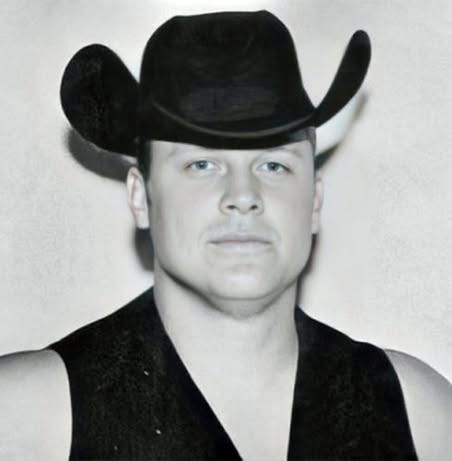
Pictured: “The Lawman” Don Slatton
September 1976 brought the champion home and started handing the roster to names who would matter in October. The first week stayed local. On September 2 in Amarillo the Lawman beat Hanson in a chain match, Lane beat the Super Destroyer, Romero and Bob Ellis beat Hawk and Randy Colley by disqualification, Stamp beat Jacobs, and Casey drew Parks. Ellis’s arrival is the first new babyface tag piece of the late summer. Lubbock on September 3 gave Dory the Brass Knuckles Title over Stamp in a fence match, while Hawk and Hanson beat the Lawman and Ellis. Amarillo on September 9 had Dory beat Stamp again and Hawk and Hanson beat Ellis and Don Slatton. Lubbock on September 10 flipped the chain-match result: Hawk beat the Lawman, Stamp beat Casey, and the Super Destroyer beat Ellis.
Then the champion came home. On September 13 in San Angelo, Terry Funk beat Swede Hanson, Ellis beat Hawk in a Texas Death Match, Romero beat the Super Destroyer, and Casey and Whatley beat Colley and Stamp. That is a full-loop card with the world champion in a mid-week town, which is how the Funks extracted value from a titleholder who could not work Amarillo every Thursday. September 16 in Amarillo was the biggest card of the quarter after July 1 and July 22. Funk beat Fritz Von Erich by disqualification. Lane beat the Super Destroyer to keep the International Title. Dory beat Harley Race. Hawk and Hanson beat Casey and Ellis. Romero beat Colley. Stamp beat Parks. Whatley beat Jacobs. In one building the office had the world champion, the Dallas family rival, a future world champion, the tag champions, and the International champion. Lubbock on September 17 repeated the swing: Funk beat the Super Destroyer in a Texas Death Match, Romero beat Race, Hawk and Hanson beat Casey and Ellis, and Stamp beat Lane.
The Brass Knuckles Title was September’s secondary story. Dory took it on September 3, Stamp took it back on September 9, and on September 30 in Amarillo Stamp beat Dory again in a brass-knuckles match, only to have the title change voided because Stamp used the ropes for leverage. The belt stayed in the Dory–Stamp program without a clean resolution, which is exactly what a specialty title is for when the world title and the International Title are already occupied.
The last week of the month pointed forward. Odessa on September 28 gave the Super Destroyer a battle royal, Romero a win over Hawk, Dory a win over Stamp, and Casey and Ellis a win over Hanson and Ted DiBiase, DiBiase’s first recorded appearance in the surviving results. Amarillo on September 30 closed the quarter. Whatley won a battle royal. Hawk and Hanson beat Romero and Ellis. Haystacks Calhoun beat the Super Destroyer. DiBiase beat Casey. Colley beat Whatley. Calhoun was a one-night size novelty. DiBiase was inventory. Ellis had already been written into the tag scene as the new partner for Romero, Casey, and the Lawman.
Thank You for Watching and Listening
I’m Tony Richards, Pro Wrestling Historian, Author and Storyteller. I share pro wrestling historical items in each issue of the Time Tunnel Pro Wrestling History Newsletter and each episode of our podcast show. Thanks for your support! If you enjoy my information on select events, matches and insights, please share with folks you think might like to be a subscriber!
Remember, Premium subscribers get access to exclusive and special content such as some special issues including a multi-part deep dives on wrestling territories, wrestler bios and championship title histories, special audio and video interviews on territory pro wrestling and more available in the Pro Wrestling Time Tunnel for Premium Subscribers. Being a Premium Subscriber also means you support me in my efforts to document Pro Wrestling History through my research, writing, books, vidoes and podcasts. And…I have something very special planned for our Premium Subscribers on the Podcast side of things in 2026! Details soon here in the Pro Wrestling Time Tunnel.