


Today’s Favorite Quote: Whatever has to be done, it’s always your choice - Wayne Dyer
Happy Birthday to those who have passed on and to those great wrestlers still with us:
In Memoriam:
Billy Joyce 1916
Jack Pesek 1923
Johnny Valentine 1928
Alan Rogowski\Ole Anderson 1942
Mike Graham 1951
Doug Somers 1951
Happy Birthday:
Matt Wise\Luther Reigns (54)
Bob Sapp (51)
Nick Gage (45)
RIP Memorial: We stop & remember those who have passed on this day and gave themselves to the business for us, the fans. We salute you and thank you.
Lou Plummer 9-22-1985 at the age of 78
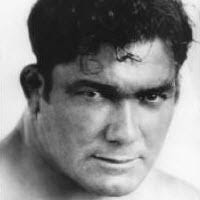
Ray Traylor\Big Bubba\Boss Man 9-22-2004 at the age of 41
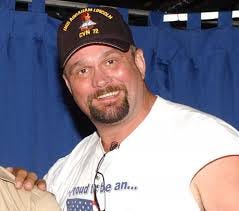
Eugene Zygowicz\Gene Stanlee 9-22-2005 at the age of 83
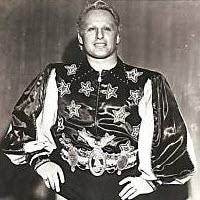
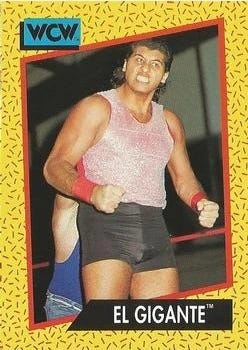
Jorge Gonzalez\El Gigante 9-22-2010 at the age of 44
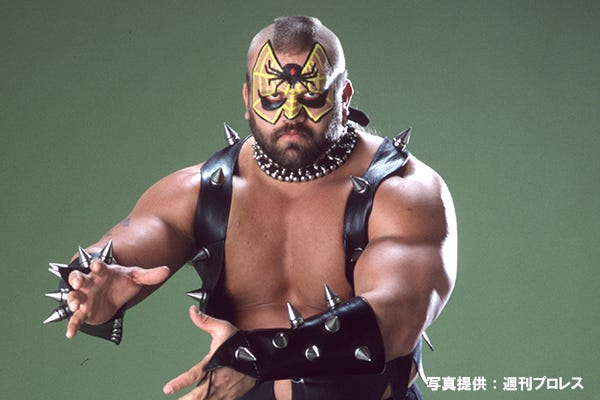
Joe Laurenitis\Road Warrior Animal 9-22-2020 at the age of 60
7 Stages of the Territory Era
Stage 6: Fragmentation
Year 2 Month 9
September 1976
43rd Annual EMLL Anniversary Show
In the 7 Stages of the Territory Era model, Stage 6 is Fragmentation: the years from 1975 to 1985 when the old map still looked intact, yet the pieces had already begun to drift. In the United States that drift showed up as independent AWA and WWWF claims, NWA offices that treated the world champion as a rented attraction, and regional kingdoms that guarded their towns and television slots with fierce autonomy. In Mexico the same year produced a cleaner, more visible fracture.
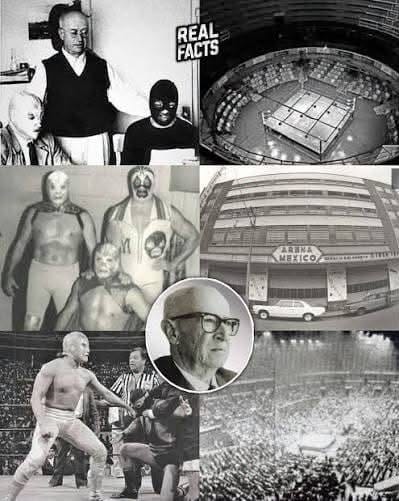
Empresa Mexicana de Lucha Libre had been founded by Salvador Lutteroth González on September 21, 1933. By the mid-1950s the aging founder had begun ceding day-to-day control to his son, Salvador “Chavo” Lutteroth II. By the 1970s Chavo was the man running the office. The founder was still alive and still the symbolic father of the business, but the daily decisions belonged to the next generation. That transition mattered. On January 16, 1975, NWA World Light Heavyweight Champion Ray Mendoza walked out with promoters Francisco Flores and Benjamin Mora Jr. and launched Lucha Libre Internacional, the promotion that became the Universal Wrestling Association. The stated complaint was the conservative, restrictive style of the newer EMLL management. Mexico City suddenly had two major houses instead of one.
Fourteen months later, on September 24, 1976, EMLL answered the only way a cathedral answers a new church: it held its anniversary in Arena México and shaved a head.
Stage 6 in the Cathedral
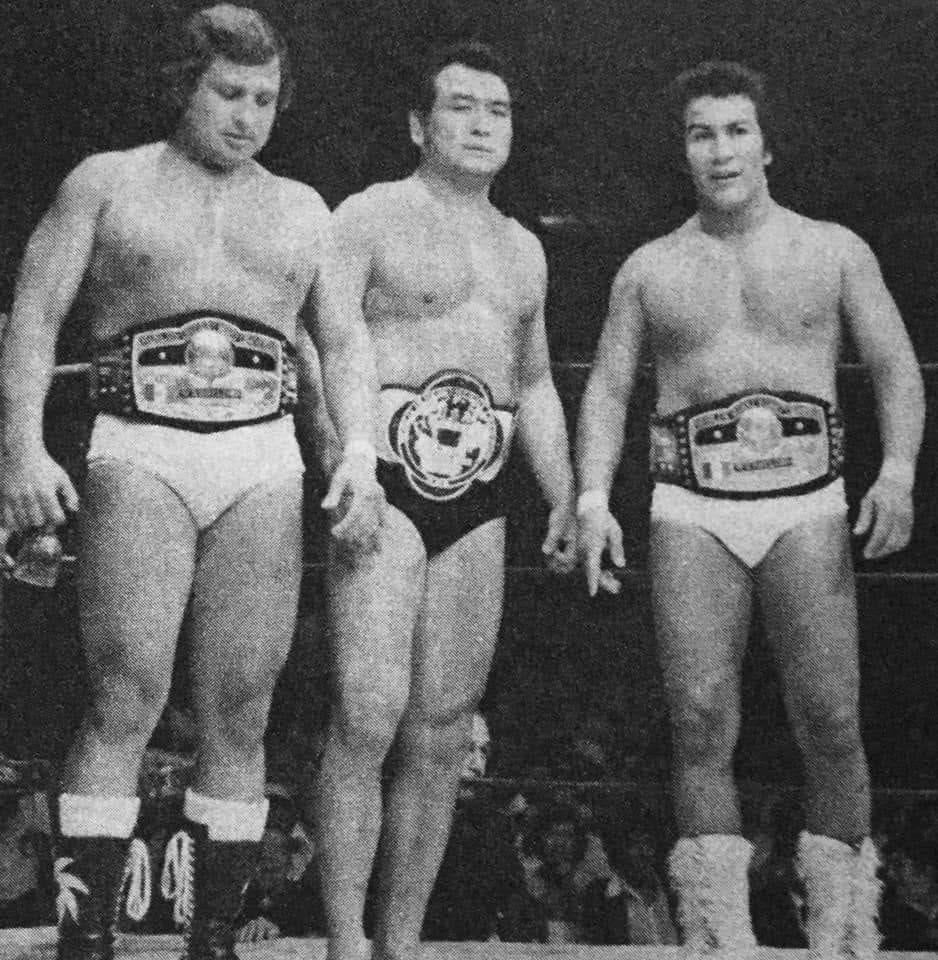
Pictured: On March 5th of 1976, EMLL had a show in Mexico City with three of the current NWA World Champions, Adorable Rubi, NWA World Light Heavyweight) Hiro Matsuda NWA Junior Heavyweight Champion, Perro Aguayo NWA World Middleweight Champion. Danny Hodge had regained the title from Matsuda three days before this photo was taken but Matsuda awas billed as champion on this tour.
The 43rd Aniversario de EMLL was not an international supercard. Terry Funk was NWA World Heavyweight Champion that night and was working Florida and Texas. Bruno Sammartino was in the Northeast. Nick Bockwinkel was in the AWA. None of them appeared. EMLL did not need them. The company still administered the NWA World Middleweight, Welterweight, and Light Heavyweight titles, the lighter belts that fit the Mexican style and the Alliance relationship Lutteroth had secured in 1953. But the anniversary itself stayed local. National titles, apuestas, and the weekly Super Viernes language were enough.
That isolation was Stage 6 strength. A fan in Colonia Doctores did not require a magazine from New York or a closed-circuit feed from Tokyo to understand the night. The story had been built inside the same building for more than a year.
The Road That Led to the Razor
Perro Aguayo had already been the rudo of the previous anniversary cycle. In September 1975 he beat El Santo for the NWA World Middleweight Championship. A week later Santo put the silver mask against Aguayo’s hair and kept the mask. Aguayo left Arena México bald. The sequence was classic: title heat first, identity heat second, the anniversary as the only night large enough to hold both.
El Faraón, José Luis Barajas Fernández, entered 1976 as a masked Egyptian-themed rudo. On April 9 he took Tony Salazar’s hair. Two weeks later, on the 20th Aniversario de Arena México (April 23), Fishman beat him in a mask-versus-mask match. The unmasking did not bury him. It created “El Rudo de los Ojos Esmeralda.” Good looks and a freshly exposed face are currency in a culture that treats the mask as sacrament. Faraón spent the summer spending that currency.
By June the two men were already colliding over the middleweight picture. Aguayo, still champion, beat Faraón. The September anniversary was the next raise. Faraón no longer had a mask to risk. He risked the face Fishman had given him against the hair Santo had already taken once.
Arena México, Friday, September 24, 1976
The card that survives in the contemporary sheets is a six-match Super Viernes with an apuesta on top.
Dardo Aguilar beat Tauro.
David Taylor beat Raúl Reyes by disqualification.
Jon Güil Don and Tigre Colombiano beat Tony Salazar and Tug Wilson. Güil Don was a Colombian karate fighter debuting in a gi; the notes are blunt that he did not impress. Stage 6 offices everywhere were trying the same experiment that month with foreign bodies. EMLL tried it in the third match and moved on.
El Halcón retained the Mexican National Heavyweight Championship against Gran Markus in best two-of-three-falls. The previous Friday Markus had scored a fall and the papers had treated it as a challenge for both the title and the mask. The anniversary gave Halcón the clean retention. Putting the national heavyweight title on the birthday card instead of an NWA world title was a territorial statement: this championship belonged to the house and the commission.
Adorable Rubí, Alfonso Dantés, and César Valentino beat Blue Demon, Carlos Plata, and El Santo two falls to one. Santo on the undercard of an anniversary is the detail that reveals the booking confidence. The Man in the Silver Mask was still the most famous wrestler in the country. He did not have to close. The apuesta closed. Using the legends as architecture rather than as the entire roof is Stage 6 maturity.
El Faraón beat Perro Aguayo, best two of three falls, lucha de apuestas. Faraón took two falls. Aguayo sat in the ring and was shaved for the second time in eleven months, this time by the man Fishman had unmasked in the same building in April. EMLL was stacking humiliations until the humiliation became the character. It worked. Aguayo would spend the rest of the decade as one of the defining rudos of either Mexican office.
What the Night Refused
The 43rd Anniversary refused to become an American-style house-show special. No visiting heavyweight world champion. No closed-circuit experiment. No attempt to explain itself to outsiders. The product was two-out-of-three-falls, rudo and técnico, mask and hair, a national title, a six-man that still carried Santo, and a main event that paid off a year of local memory.
That refusal is pure Fragmentation. Memphis could draw ten thousand for a Southern title change without mentioning Funk. The Garden could sell a Brody disqualification without needing Bockwinkel. Arena México could shave Aguayo without needing anyone north of the Rio Grande. The walls still held because each office still believed its own zip code was the center of the world.
Business Analysis: Strength Through Isolation, Crack in the Foundation
By September 1976 the founder had long since stepped back from daily operations. Chavo Lutteroth II was the man whose management style had helped produce the 1975 split. The anniversary proved the original company could still own the ritual. Hair on the mat. A national champion protected. A legend used correctly. A newly unmasked rudo elevated by taking the lock from a man the country already knew by his shaved scalp.
The strengths of Stage 6 were on full display: geographic and cultural isolation that kept labor costs local, angles unspoiled by traveling fans, and a product language so specific that outsiders could not easily copy it. The vulnerabilities were equally visible. The talent glut that had driven men toward the UWA had not disappeared. The dual-office labor market meant stars could work both sides. Television remained a live-gate discipline rather than a national weapon. Succession sat with a generation that had already lost a major piece of the roster once.
October proved the September haircut was a down payment. On October 22 in the same building, with the sheets calling it a full house, Faraón beat Aguayo for the NWA World Middleweight Championship. Same two men. Title after hair. The rivalry was now a loop the rival office could not simply purchase.
The 43rd Anniversary did what a Stage 6 flagship is supposed to do. It reminded the capital that the original office still controlled the calendar and the razor. North of the border that same Friday the numbers were uneven and the champions were scattered. In Arena México the walls still felt load-bearing. The razor was already out. The next decade would test whether isolation remained a fortress or became a cage.
Thank You for Watching and Listening
I’m Tony Richards, Pro Wrestling Historian, Author and Storyteller. I share pro wrestling historical items in each issue of the Time Tunnel Pro Wrestling History Newsletter and each episode of our podcast show. Thanks for your support! If you enjoy my information on select events, matches and insights, please share with folks you think might like to be a subscriber!
Remember, Premium subscribers get access to exclusive and special content such as some special issues including a multi-part deep dives on wrestling territories, wrestler bios and championship title histories, special audio and video interviews on territory pro wrestling and more available in the Pro Wrestling Time Tunnel for Premium Subscribers. Being a Premium Subscriber also means you support me in my efforts to document Pro Wrestling History through my research, writing, books, vidoes and podcasts. And…I have something very special planned for our Premium Subscribers on the Podcast side of things in 2026! Details soon here in the Pro Wrestling Time Tunnel.