


Today’s Favorite Quote: Allow time and moderate delay; haste manages all things badly - Publius Papinius Statius
Happy Birthday to those who have passed on and to those great wrestlers still with us:
In Memoriam:
Dottie Downs 1936
Jack Brisco 1941
Happy Birthday:
Ricky Morton (70)
RIP Memorial: We stop & remember those who have passed on this day and gave themselves to the business for us, the fans. We salute you and thank you.
Jonathan Heaton\Brother Jonathan 9-21-1987 at the age of 83
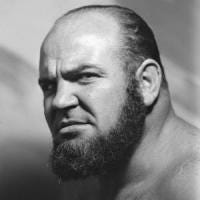
Flyboy Rocco Rock\The Cheetah Kid 9-21-2002 at the age of 49
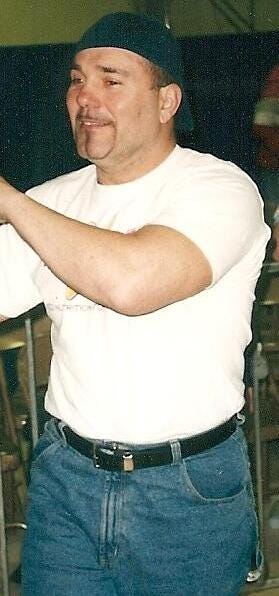
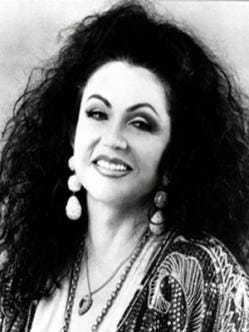
Jackie Stallone 9-21-2020 at the age of 98
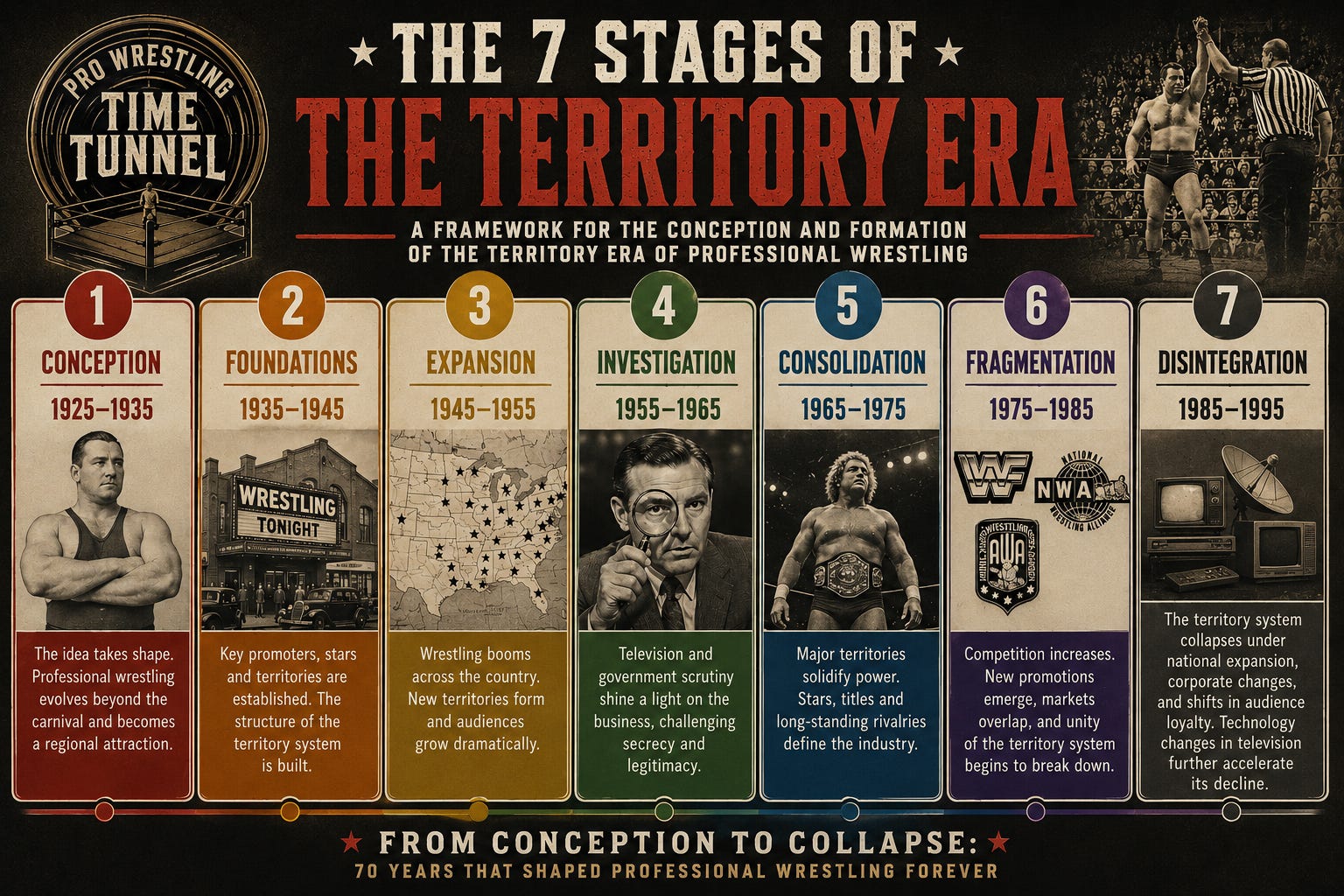
7 Stages of the Territory Era
Stage 6: Fragmentation
Year 2 Month 9
September 1976
In the 7 Stages of the Territory Era model, Stage 6 is Fragmentation: the years from 1975 to 1985 when the territorial map still looked like a completed puzzle, but the pieces had already begun to drift. By September 1976 the system was not collapsing. It was thriving in separate rooms. Promoters guarded towns, television windows, and local heroes with a jealousy that looked like stability. The National Wrestling Alliance still supplied a touring World Heavyweight Champion. The American Wrestling Association and the World Wide Wrestling Federation still sold their own world titles as if the NWA belt were a rumor from another country. Mexico and Japan ran parallel civilizations with their own calendars, their own gods, and only occasional borrowed foreigners. That patchwork was the business. It was also the seed of everything that would later undo it.
September sat in the second year of Fragmentation and in the long afterglow of the bicentennial summer. Muhammad Ali and Antonio Inoki had fought to a draw in Tokyo on June 26. Bruno Sammartino had returned from a broken neck to beat Stan Hansen in front of a packed Shea Stadium on June 25. Terry Funk was deep into an NWA title reign that had begun the previous December in Miami Beach. Nick Bockwinkel still wore the AWA strap. The magazines on the newsstand that month—The Wrestler, Inside Wrestling—were still selling those summer shocks as current events: Bruno’s comeback, Funk’s refusal to concede that Dusty Rhodes would ever take the belt, Jack Brisco’s hunger to be champion again, the Executioners’ claim on the WWWF tag titles, Andre the Giant talking like a man who wanted a world championship of his own.
The month itself was not a stadium month. It was a working month. That is how Fragmentation looked when it was healthy: forty or fifty offices running their own stories on the same nights, sharing a champion only when the check cleared.
The World Titles in Motion
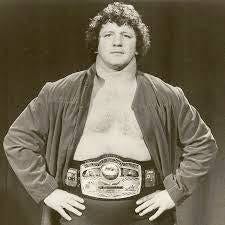
Terry Funk remained the NWA World Heavyweight Champion throughout September, a traveling attraction rather than a resident king. His itinerary was the old alliance working as designed. On September 10 in Atlanta he went sixty minutes with Georgia Heavyweight Champion Dick Slater at the Municipal Auditorium. Mid-month he was home in the Funks’ Western States loop: Dennis Stamp in Odessa, Swede Hanson in San Angelo, Fritz Von Erich by disqualification in Amarillo on September 16, then a Texas Death defense against the Super Destroyer in Lubbock on September 17. Late in the month Eddie Graham brought him into Florida, where the American Dream was waiting. Funk and Dusty Rhodes went to a double count-out on September 27 in West Palm Beach. Funk beat Ray Candy in Tampa the next night and The Assassin in Miami Beach on September 29. The belt never changed. The towns got their picture with the champion, sold the near-falls, and sent him to the next airport.
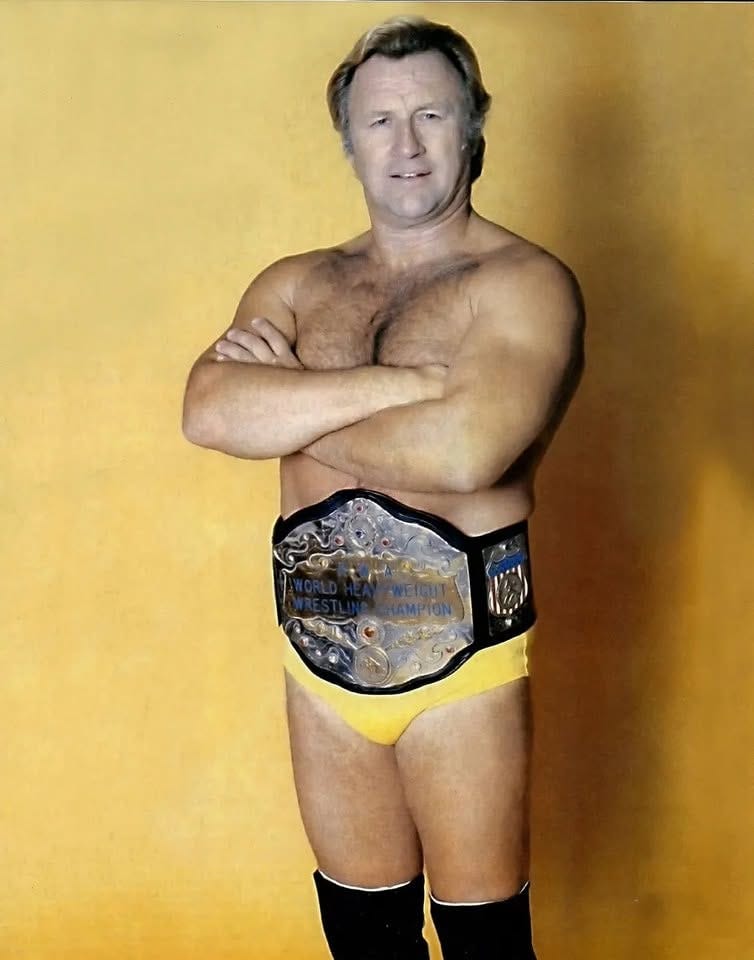
Nick Bockwinkel’s AWA World Heavyweight Championship lived a different life. Verne Gagne’s office did not need a touring outsider to validate Minneapolis, Milwaukee, Omaha, Denver, or Winnipeg. September was a month of disqualifications, count-outs, and tag-team heat. The Crusher beat Bockwinkel by disqualification in Davenport on September 6. On September 18 in Chicago, Bockwinkel beat Dick the Bruiser by disqualification. Bill Francis scored a non-title win over the champion in St. Paul on September 24, the kind of local shock that only works when a territory trusts its own logic. Blackjack Lanza and Bobby Duncum, with Bobby Heenan in their orbit, held the AWA World Tag Team titles and spent the month trading falls with Greg Gagne and Jim Brunzell, the High Flyers, and with the older wrecking crew of Bruiser and Crusher.
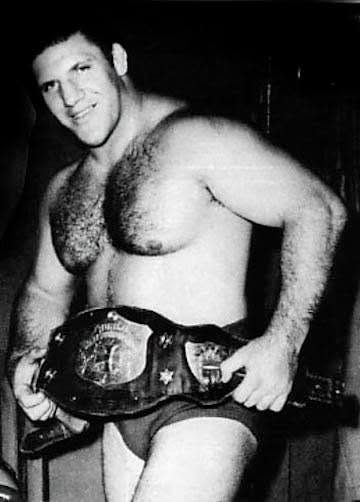
Bruno Sammartino was still WWWF Champion. The April 26 Madison Square Garden match against Stan Hansen—the bodyslam that broke Bruno’s neck—had already become legend. The June 25 Shea Stadium return had closed that chapter in public. September was the next turn of the machine. On September 4 at Madison Square Garden, Bruiser Brody, working as Frank Goodish’s wild-man persona on the Vince McMahon Sr. circuit, appeared to pin Bruno after using the ropes for leverage. The referee reversed it to a disqualification. The Garden also put Andre the Giant with Chief Jay Strongbow and Billy White Wolf against Hansen and the Executioners in a best three-of-five-falls six-man. The Executioners—Killer Kowalski and Big John Studd, managed by Captain Lou Albano—were the WWWF Tag Team Champions, a pair of hooded brutes who had taken the belts from Tony Parisi and Louis Cerdan in May. They would keep them until late October, when a third Executioner in a title match (Nikolai Volkoff under the hood) got the championship stripped. That was still a month away. In September the Northeast product was Bruno’s dignity, Hansen’s lariat hangover, Brody’s first real Garden heat, and Albano’s tag-team army.
Three world champions. Three television languages. Three sets of fans who could believe, without contradiction, that their man was the man. That is Fragmentation in a single sentence.
Northeast: Capitol Wrestling and the Garden Circuit
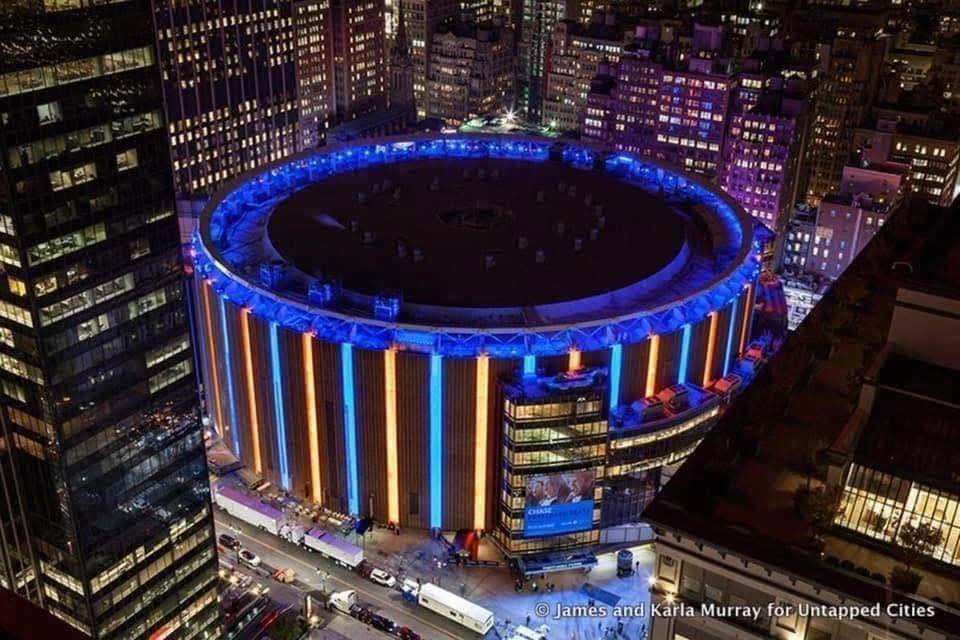
The WWWF of September 1976 was a closed loop of arenas: Madison Square Garden, the Philadelphia Arena, Boston Garden, Pittsburgh, the smaller buildings in Maine, New Jersey, and upstate New York, plus the Philadelphia tapings that fed Championship Wrestling and All-Star Wrestling. Vince McMahon Sr. still booked like a man who owned a neighborhood, not a continent. The babyfaces were Bruno, Gorilla Monsoon, Ivan Putski, Chief Jay Strongbow, Billy White Wolf, Bobo Brazil when he came in, and the Riveras. The heels were Hansen, Brody, the Executioners, Baron Mikel Scicluna, Tor Kamata, Nikolai Volkoff, and the Grand Wizard’s leftover inventory.
Superstar Billy Graham was not on the September Garden cards. He was in Japan. That absence is itself a Stage 6 fact. A top heel could vanish into another country’s tour and the home office would simply plug Brody or Hansen into the main event and keep selling tickets. Graham’s WWWF program with Bruno had already done its 1976 damage in the winter and spring. The Northeast did not need him every week. That was the luxury of a dense urban circuit with a champion who was also a civic monument.
Women’s matches still appeared on the Philadelphia tapings. Vicki Williams and Kitty Adams beat Donna Christianello and Vivian St. John on the September 14 taping. Midget tags still filled time. The undercard names—S.D. Jones, Johnny Rodz, Johnny Rivera, Doug Gilbert, Pete Sanchez—were the weekly proof that a territory is a labor system first and a myth second.
Upper Midwest: The AWA as a Separate Kingdom
Verne Gagne’s American Wrestling Association entered September with the same architecture it had used for fifteen years: a legitimate-seeming champion in Bockwinkel, a hated manager in Heenan, a family babyface line in Verne and Greg Gagne, a local immortal in The Crusher, and a tag division that could headline Milwaukee or Winnipeg on its own. Winnipeg on September 16 drew 6,732 to the Arena. Verne beat Heenan in a handicap match. The High Flyers beat Baron von Raschke and Mad Dog Vachon. That is AWA booking in miniature: punish the manager, reward the sons, keep the villains useful.
The AWA’s September circuit—Peoria, Davenport, Omaha, Milwaukee, Denver, St. Paul, Green Bay, Minneapolis television—did not wait for Funk and did not care what happened in the Garden. When Pedro Morales or Harley Race or Dick the Bruiser crossed the border, they were guests in Gagne’s house. The AWA World title was not a junior NWA belt. It was a competing claim. Fragmentation is not only geography. It is the refusal to share a sky.
Mid-Atlantic: The Month That Changed the Card
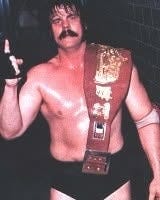
Jim Crockett Promotions called September the most eventful month of 1976 to that point, and the claim holds. On September 11 in Greenville, South Carolina, Wahoo McDaniel beat Ric Flair in a fence match to regain the NWA Mid-Atlantic Heavyweight Championship. The summer had been built for that night. Flair had taken the belt from Wahoo on May 24 in Charlotte by hitting him with a broken table leg; the gash took forty stitches and became the territory’s Match of the Year in the memory of the people who were there. Wahoo spent June, July, and August hunting Flair through fence matches and television brawls. Greenville was the payoff. Flair did not alibi the loss. He promised the feud was not over. He was telling the truth. They would trade the belt again before the year ended.
Blackjack Mulligan still held the United States Heavyweight Championship, the bigger singles prize on the Crockett loop. Paul Jones and Rufus R. Jones spent the quarter trying to take it from him. Angelo Mosca held the Mid-Atlantic Television title he had won in August. Gene and Ole Anderson remained the defining heel tag team. Dino Bravo and Tim Woods (Mr. Wrestling) were their babyface counterparts. Greg Valentine and the Masked Superstar, the latter with Professor Boris Malenko, were the new heat.
Dusty Rhodes made a short, loud raid. On September 4 in Richmond he challenged Flair for the Mid-Atlantic title. On September 5 in Asheville he challenged Mulligan for the United States title. That same night in Greensboro he teamed with Rufus R. Jones against the Andersons for the NWA World Tag Team Championship. The television promo he cut in Tampa and mailed north—Gordon Solie’s Sportatorium as a foreign studio, Dusty talking about winning every belt in the Carolinas on his way back to Funk—was a Fragmentation artifact. Stars could appear in two territories in one weekend without either office surrendering its calendar. They just rented the American Dream for three dates and sent him home.
Georgia: Slater, the Dream, and a Sixty-Minute Broadway
Georgia Championship Wrestling under Jim Barnett and booker Paul Jones was a Friday-night Atlanta machine with satellite towns in Macon, Augusta, Columbus, and Savannah. Dick Slater was NWA Georgia Heavyweight Champion, a snarl in boots who had taken the belt from The Spoiler in August and spent September proving he belonged in a room with the world champion. On September 3 in Atlanta, in a no-disqualification number-one-contender match, Slater beat Dusty Rhodes. A week later Funk and Slater went sixty minutes. The magazines were already printing Funk’s line that Rhodes would never win his title. Georgia was staging the argument in public.
The tag picture flipped on September 3 as well. Tom Jones and Porkchop Cash, the Black Bombers, beat Jimmy and Johnny Valiant for the Georgia tag titles at the Municipal Auditorium. The Valiants were the kind of traveling heel pair Stage 6 used as currency. They could lose the belts in Atlanta on Friday and still be useful in Augusta on Monday. Jos LeDuc, Pak Song with Rock Hunter, Mr. Wrestling II, Jerry Oates, Gino Hernandez, and a young Ricky Steamboat filled out the cards. Steamboat versus Les Thornton on the September 10 Atlanta undercard is easy to miss if you only look at Funk and Slater. It is one of those quiet September bookings that later looks like a beginning.
Florida: Eddie Graham’s Laboratory
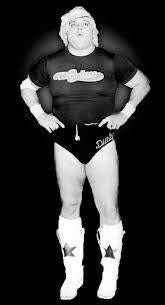
Championship Wrestling from Florida in September was Dusty Rhodes against the wreckage of the Missouri Mauler program, with Terry Funk arriving at the end of the month like a comet the office had scheduled in advance. Rhodes held the Florida Heavyweight Championship. He beat The Assassin for it on September 25 in Sarasota and spent the surrounding dates in I Quit matches, taped-fist matches, and coin-toss two-out-of-three-falls matches against the Mauler. Billy Robinson was in as the English technician. Ray Stevens was in as the veteran heel who could beat Hiro Matsuda on a Tuesday and hang with Rhodes on a Wednesday. The Ortons and Bob Roop kept the Brisco brothers occupied. The Hollywood Blondes, Buddy Roberts and Jerry Brown, were still a tag-team problem.
Gordon Solie’s Saturday television made all of it feel like journalism. That was Florida’s advantage in a fragmented map: the voice. Other territories had announcers. Florida had a man who could make a double count-out in West Palm Beach sound like a ruling from a commission.
Funk’s late-September swing—West Palm Beach, Tampa, Miami Beach—was the NWA model at its most elegant. The world champion did not have to live in Tampa. He only had to pass through while the local champion was hot. Rhodes did not win the belt. He did not need to. The office sold the chase.
Tennessee and the Mid-South Coliseum
Nick Gulas’s Mid-America office, with Memphis as the crown jewel and Nashville, Louisville, Evansville, and Chattanooga on the wheel, had one of the month’s cleanest local payoffs. On September 14 at the Mid-South Coliseum, in front of 8,496 on a Tuesday, Tommy Rich pinned Jerry Lawler to win the Southern Heavyweight Championship. The same night Tojo Yamamoto and Bill Dundee beat Phil Hickerson and Dennis Condrey for the Southern Tag Team titles. Six days later, on September 20, the building drew 10,938. Rich defended against Tommy Gilbert. Lawler went to a no-contest with Jackie Fargo. The Fair took the building on September 27, so the office skipped a week rather than dilute the town. That is territorial discipline: protect the arena, protect the weekly habit, let the fair have its midway.
Lawler and Rich had already traded the Southern title earlier in the year. The September switch was the second Rich reign, a reminder that Memphis could make a twenty-year-old look like the future without dismantling the King. Rocky Johnson was in the mix. Dundee was becoming indispensable. The Gulas-Jarrett tension that would split the territory in 1977 was not yet the story. In September 1976 the story was still a packed Coliseum and a title that changed because the town wanted it to.
On September 25 in Chattanooga, Bob Armstrong won the NWA Mid-America Heavyweight Championship. The Tennessee map was deep enough to support more than one “world” at a time.
Texas: Two Offices, One Blood Feud
Texas in 1976 was already a map inside the map. Fritz Von Erich’s Big Time Wrestling ran Dallas, Fort Worth, Houston in concert with Paul Boesch, San Antonio, Corpus Christi. Dory Funk Sr.’s Western States office ran Amarillo, Lubbock, Odessa, El Paso, Abilene. The Funk family and the Von Erich family had spent the year turning that border into a feud. The June 5 Super Bowl of Wrestling at Texas Stadium—Funk versus Fritz, double count-out, something like 17,000 in the building—was still the shadow over September.
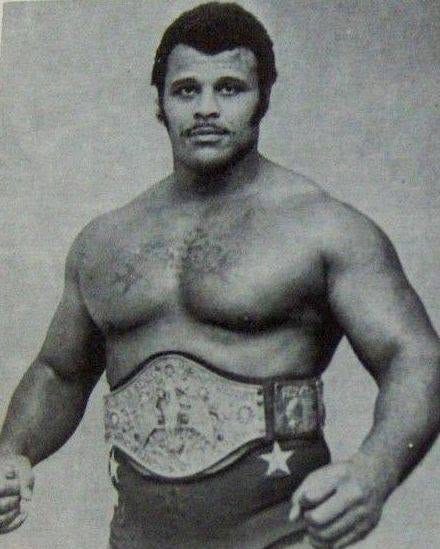
Rocky Johnson won the NWA Texas Heavyweight Championship on September 1 and held it through the month. Funk’s mid-September Western States defenses against Fritz and the Super Destroyer kept the champion’s own backyard hot while Slater and Rhodes kept him honest in Georgia. The Texas offices did not need to become one company. Fragmentation let them sell the same blood on two television stations.
St. Louis: The Sunday School of the NWA
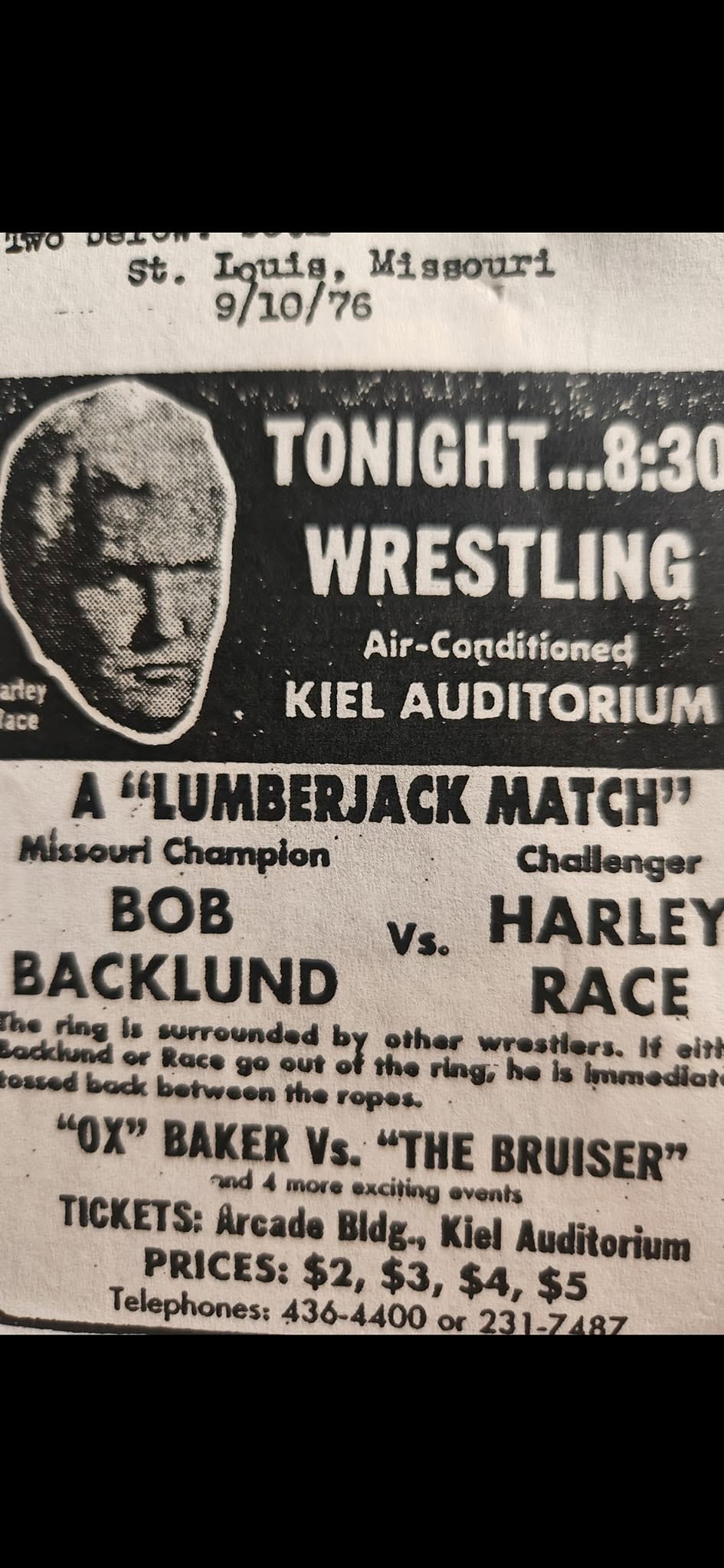
Sam Muchnick’s St. Louis Wrestling Club was still the prestige office, even when the Kiel Auditorium numbers were merely good instead of historic. September 10 drew 5,262. Bob Backlund, Missouri Heavyweight Champion, beat Harley Race in a two-out-of-three-falls lumberjack match. Dick the Bruiser beat Ox Baker. Pedro Morales and Rick Gibson beat Black Gordman and the Great Goliath. Pat O’Connor and Rufus R. Jones beat Bulldog Brown and Moose Cholak. That card is a Stage 6 museum exhibit: a future WWWF champion as the local titleholder, a former and future NWA champion as the challenger, Bruiser as the visiting wrecking ball, Morales as the hired name, Muchnick’s television tapings at the Chase Park Plaza still teaching the Midwest how wrestling was supposed to look.
September 24 fell off to 3,540. Jack Brisco beat O’Connor two falls to one. Backlund, Morales, and Wilbur Snyder beat Bob Geigel, Tank Patton, and Baron von Raschke. Bob Slaughter—years from the sergeant’s hat—beat Buddy Wolfe. St. Louis did not panic at a 3,500 night. The office had years of credit in the bank. But the drop between the two Kiel cards is a small September warning. Prestige is not the same thing as heat. Even the best-run territory had to keep making the town care.
Wrestling at the Chase on Saturdays kept the titles in living rooms. Backlund defended against television jobbers and midcarders. The Missouri title was a serious belt in a serious city. That seriousness was Muchnick’s product.
The Rest of the American Map
Central States under Bob Geigel kept Kansas City and the surrounding towns on a weekly pulse; Funk would be there in October against Race. Tri-State under Bill Watts—Tulsa, Shreveport, the Louisiana towns—was still a hard-nosed NWA office, not yet the Mid-South brand of the next decade. Detroit’s Big Time Wrestling still belonged to The Sheik; the bloodbath language in the September magazines, Sheik versus Abdullah, was the Detroit sales pitch in four words. Championship Wrestling from Florida’s sister logic lived in every Southern office: local television, local champion, visiting world champion as a special.
Pacific Northwest under Don Owen ran Portland and Seattle with the usual mix of tough guys and tourists. NWA Hollywood and the Los Angeles office still put bodies in the Olympic Auditorium and the Bakersfield buildings. San Francisco’s Big Time Wrestling under Roy Shire was past its absolute peak but still a West Coast stop. Hawaii’s 50th State Big Time Wrestling under Ed Francis remained a distant NWA cousin. Mid-America’s Knoxville cousin, Southeastern, kept Ron Fuller in the conversation; Funk would stop there in October.
The point of listing them is not completeness for its own sake. It is to insist on what September 1976 actually was: a full employment map. A wrestler could work Memphis on Tuesday, Atlanta on Friday, Tampa on Tuesday again, and Japan in between if the office would clear him. The talent was not national. The talent was portable.
Canada: Four Countries That Shared a Border
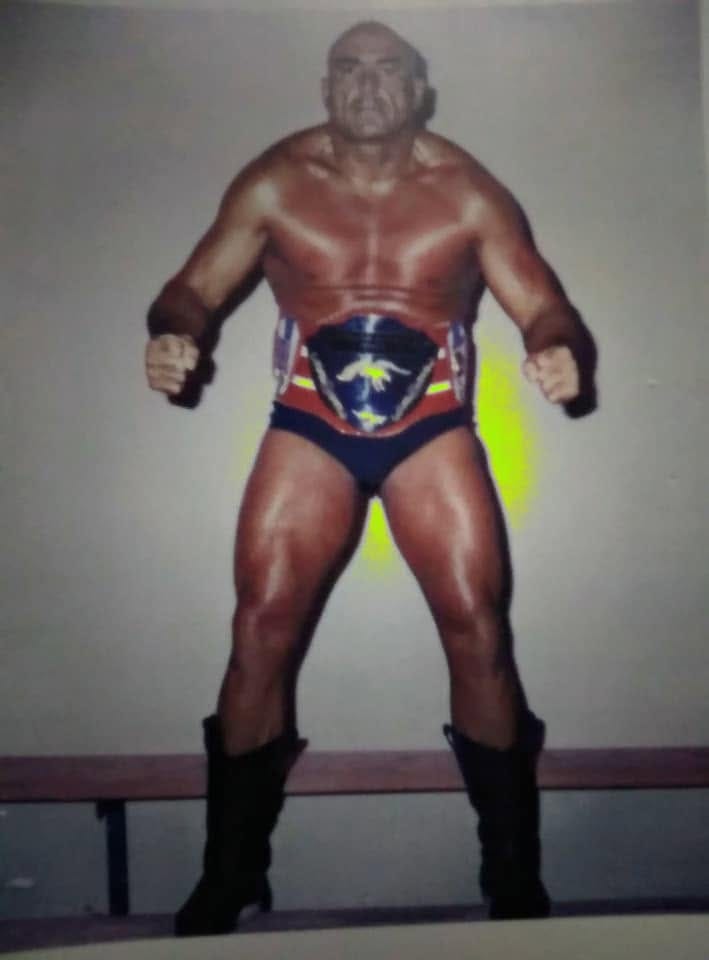
Canada was not one territory. It was a set of offices that used the same word.
Stampede Wrestling under Stu Hart ran Calgary, Edmonton, and Regina on the September calendar. Archie Gouldie, the Mongolian Stomper in other offices and the North American Heavyweight Champion at home, was the clubhouse villain and the clubhouse draw. On September 24 in Calgary, Ripper Collins and Larry Sharpe beat Ed and Jerry Morrow for the International Tag Team titles. The Hart boys were not yet the story the world would later tell. The story in September was still Stu’s circuit, Gouldie’s title, and a tag division that turned over like a prairie storm.
All-Star Wrestling in Vancouver under Al Tomko, the old NWA All Star office, ran the PNE circuit and the island towns. Gene Kiniski was still the mountain the visiting champion had to climb; Funk would go sixty minutes with him in October. John Quinn and Kinji Shibuya had spent the summer trading the Pacific Coast title.
Maple Leaf Wrestling in Toronto, still in the Frank Tunney orbit and still tied to the NWA, used Maple Leaf Gardens as a big-city date for world champions and local television names. Montreal’s International office, the Rougeau family business, saw Johnny Rougeau recognized as Canadian International Champion in September after the belt passed through Serge Dumont and Billy Two Rivers. Eastern Sports Association in the Maritimes—Halifax, Fredericton—kept the Atlantic pocket alive.
Winnipeg belonged to the AWA as much as to Canada. That double citizenship is Fragmentation again: a Canadian city whose world champion was an American in Minneapolis, not the man with the NWA belt.
Mexico: The 43rd Anniversary
Empresa Mexicana de Lucha Libre did not wait for the NWA to tell it what a major show was. On September 24, the same night St. Louis was doing 3,540 and Memphis was dark for the fair, EMLL packed Arena México for the 43rd Anniversary.
The documented main event was a lucha de apuestas, best two of three falls: El Faraón against Perro Aguayo, mask versus hair in some accounts of the buildup and hair versus hair in others after Faraón’s own mask history that year. Faraón won two falls to one. Aguayo’s head was shaved. El Halcón retained the Mexican National Heavyweight Championship against Gran Markus. The undercard that survives in the record books included Dardo Aguilar over Tauro, David Taylor over Raúl Reyes by disqualification, and a rudo six-man that put Adorable Rubí, Alfonso Dantés, and César Valentino over Blue Demon, Carlos Plata, and El Santo.
Santo on the undercard of his own company’s anniversary is the Mexican version of territorial logic. The legend does not have to close the show if the apuesta is hotter. Aguayo, still early in the long career that would make him a national heel, was the man EMLL could unmask or unhair in front of the capital and know the building would remember it in 1977. EMLL had been an NWA member since the 1950s. In practice, September 24 in Mexico City was a sovereign holiday.
Japan: Two Promotions, Two Theories of the Foreigner
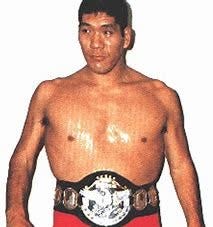
All Japan Pro Wrestling and New Japan Pro Wrestling split the Japanese mainland the way the AWA and WWWF split the American Midwest and Northeast, except the split was sharper and the work rate was different.
Giant Baba’s All Japan spent early September closing the Black Power Series and then opened the Giant Series on September 24. Jumbo Tsuruta was the point of the spear. He had beaten Jack Brisco on August 28 in Tokyo to become the first All Japan United National Heavyweight Champion, a tournament crowning that the office treated as a coronation. In September he beat Big Red, Tank Patton, Ted DiBiase, The Wolfman, and, on September 9 in Osaka, Bobo Brazil in a test-series two-out-of-three-falls match. The Giant Series brought Abdullah the Butcher and Waldo von Erich as the foreign horror show. Baba and Jumbo defended the NWA International Tag Team titles against them in Morioka on September 30. Jerry Oates went thirty minutes with Jumbo on the September 24 television taping. DiBiase, still years from the Million Dollar voice, was a young American body on the undercard learning how Baba’s company worked.
Antonio Inoki’s New Japan was running the Toukon Series, and the imported monster was Superstar Billy Graham, often tagged with Ivan Koloff. Graham’s September was a study in the Japanese foreigner formula: short singles against Inoki that ended in disqualification or submission, double count-outs with Seiji Sakaguchi and Strong Kobayashi, and a tag-title loss. On September 3 in Nagoya, Sakaguchi and Kobayashi beat Graham and Koloff for the NWA North American Tag Team Championship. Inoki beat Graham in Tagawa on September 10 and again in Niigata on September 14. The Superstar who would take Bruno’s title in April 1977 was, in September 1976, a gaijin drawing heat in prefectural gymnasiums while the WWWF sold Brody in his place.
The June Ali–Inoki closed-circuit experiment still hung over both offices. The September magazines in America were still explaining it. In Japan it had already been absorbed into Inoki’s larger claim that wrestling could stand next to combat sports and not blink. All Japan answered with work rate and the slow elevation of Jumbo. Two theories. One island. Fragmentation with better food.
Puerto Rico’s WWC, not Japan but part of the same Atlantic exchange, put Antonino Rocca back with Miguel Pérez on September 11 to beat The Infernos for the North American Tag Team titles. The old New York names still had value in San Juan. Territories borrowed history when they could not borrow a champion.
The Magazines and the Imagined National Audience
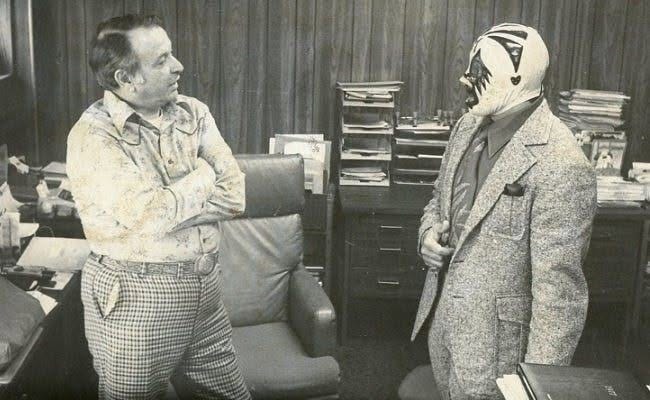
Stanley Weston’s T.V. Sports group—The Wrestler, Inside Wrestling, Sports Review Wrestling—was the closest thing 1976 had to a national wrestling network, and it was a print network that lied in the service of heat. The September issues put Bruno and Inoki/Ali on one cover and Andre, Ernie Ladd, Hansen, and Funk on another. Features promised that the Executioners intended to keep the WWWF tag titles by vicious means, that Pez Whatley was coming out smokin’, that Dick Slater had declared war on Gary Hart’s army, that Steve Keirn would die for the Grahams, that Bob Backlund was a rookie already wearing a championship belt in St. Louis. None of that required a single television station to cover the continent. It required newsstands and the willingness of fans in Boston to care, a little, about Slater in Atlanta.
That imagined national audience is the hidden character of Stage 6. Promoters still feared it. Magazines already fed it. Cable television would later weaponize it. In September 1976 the weapon was still in the holster.
Business Analysis: Strength Through Isolation
September 1976 is Stage 6 operating at a profit.
The territorial model still did what it had been built to do. Each office owned a television slot, a set of arenas, a champion the local bartenders could name, and a visiting attraction calendar that made Friday night feel like an event. Memphis could draw 8,373 on September 6, 8,496 on September 14, and 10,938 on September 20 with a Southern title change and a tag title change, then go dark for the fair without losing the town. The Garden could still make a disqualification finish with Brody feel like a robbery. Greenville could close a four-month blood program with a fence and a title change. Arena México could shave Perro Aguayo and call it an anniversary. Osaka could put Jumbo over Bobo Brazil and call it a test.
Isolation was the product. A fan in Charlotte did not need to know that Bockwinkel had gone to a disqualification with The Crusher in Davenport. A fan in Minneapolis did not need Funk. A fan in Tokyo did not need Bruno except as a magazine myth. Promoters liked that ignorance. It kept labor costs local. It kept angles from being spoiled by a traveling customer. It kept the world champion scarce enough to sell.
The vulnerabilities were already visible if you looked at the seams.
First, the world titles had multiplied until the word “world” meant “our world.” That was good business in 1976. It would become a marketing problem the moment one office could put its champion on a satellite and dare the others to explain why their man mattered.
Second, the talent was already more mobile than the offices admitted. Graham in New Japan while Brody worked the Garden. Dusty in Richmond on Saturday and back in Florida logic by the following week. Funk in Atlanta, Amarillo, and Miami Beach inside twenty days. Abdullah in All Japan while his American reputation still sold Detroit and Georgia. The exchange system was the NWA’s pride. It was also a rehearsal for raiding.
Third, the big-room numbers were uneven in a way house-show territories always are in September. Kiel at 5,262 and then 3,540. Memphis at nearly 11,000 and then a dark week. The Garden still special, the secondary WWWF towns still the real payroll. Fragmentation hides softness because no single bad night can be compared, live, with a good night two time zones away. National television would later make those comparisons cruel.
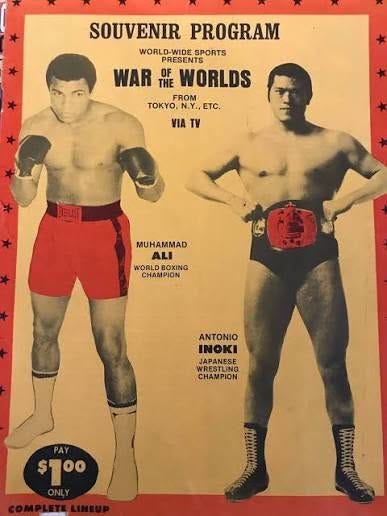
Fourth, closed-circuit and special-event logic had already been tested. Shea Stadium, Texas Stadium, the Ali–Inoki broadcast, Georgia on HBO later in the year—these were not yet a weekly plan. They were proofs of concept. The offices treated them as exceptions. Exceptions are how systems change.
Fifth, the next generation was already being paid in local gold. Ric Flair was not yet the world champion; he was the man who put Wahoo through a table and then lost a fence match in Greenville. Dusty was not yet the booker of the 1980s; he was the man Funk said would never win the belt. Backlund was the Missouri champion beating Race in a lumberjack match. Tommy Rich was the kid who pinned Lawler on a Tuesday. Jumbo was the United National champion learning how to carry Baba’s company. Graham was the Superstar collecting count-outs in Iwate. Stage 6’s irony is that it trained the men who would outgrow it.
The whole of Stage 6, viewed from this particular September, still looks like the Territory Era’s high plateau: self-sustaining regional kingdoms, bound by the NWA banner in theory and by AWA and WWWF independence in practice, with Mexico and Japan running their own centuries in the same month. The fragmentation was lucrative. It put ten thousand people in Memphis for a Southern title and five thousand in St. Louis for a Missouri title and a full Arena México for a shaved head, and it did so without a national television contract or a national touring roster.
That same fragmentation would later be the open door. Cable did not invent ambition. It only gave ambition a wire. In September 1976 the wire was not yet strung. The offices still believed the walls were load-bearing. For one more autumn, they were.
The towns were full enough. The champions were busy. The stories made sense inside their own zip codes. That was the business of Stage 6 in the ninth month of its second year: a map that still worked because nobody had yet been paid enough to stop respecting it.
Thank You for Watching and Listening
I’m Tony Richards, Pro Wrestling Historian, Author and Storyteller. I share pro wrestling historical items in each issue of the Time Tunnel Pro Wrestling History Newsletter and each episode of our podcast show. Thanks for your support! If you enjoy my information on select events, matches and insights, please share with folks you think might like to be a subscriber!
Remember, Premium subscribers get access to exclusive and special content such as some special issues including a multi-part deep dives on wrestling territories, wrestler bios and championship title histories, special audio and video interviews on territory pro wrestling and more available in the Pro Wrestling Time Tunnel for Premium Subscribers. Being a Premium Subscriber also means you support me in my efforts to document Pro Wrestling History through my research, writing, books, vidoes and podcasts. And…I have something very special planned for our Premium Subscribers on the Podcast side of things in 2026! Details soon here in the Pro Wrestling Time Tunnel.