


Today’s Favorite Quote: Whenever you find yourself on the side of the majority, it’s time to pause & reflect - Mark Twain
Happy Birthday to those who have passed on and to those great wrestlers still with us:
In Memoriam:
Harry Light 1898
Bulldog Brower 1933
Happy Birthday:
Wild Bill Irwin (72)
Jim Cornette (65)
Masahiro Chono (63)
Henry Dell Rios\Spellbinder (54)

Also, a Happy 75th to our very own George Schire, who graciously shares his knowledge of pro wrestling history with us anytime we ask him and who is celebrating his birthday today! Happy birthday from me and all our Pro Wrestling Time Tunnel Family!
RIP Memorial: We stop & remember those who have passed on this day and gave themselves to the business for us, the fans. We salute you and thank you.
Prince Mihalakis 9-17-1973 at the age of 60
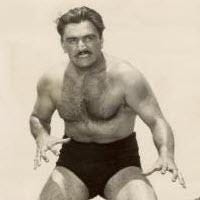
William Desmond Goodman\Big Bad John 9-17-1980 at the age of 37
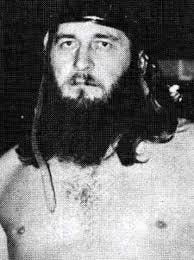
Dory Detton 9-17-1991 at the age of 79
Jim Barnett 9-17-2004 at the age of 80
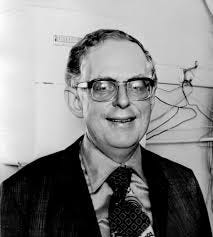
Bobby Heenan 9-17-2017 at the age of 73
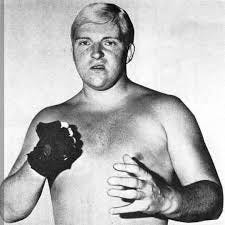
Gordon Ivey 9-17-2017 at the age of 75
(no photo available)
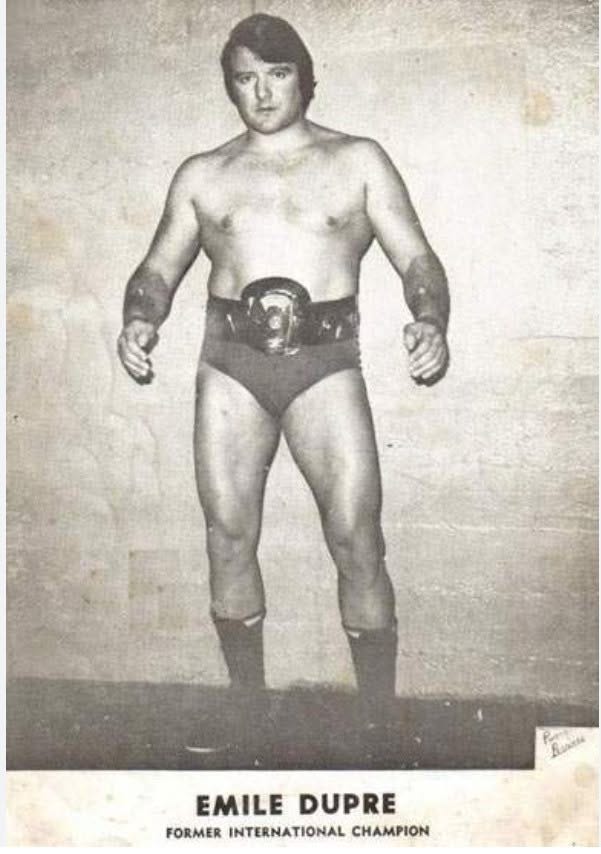
Emile Dupree 9-17-2023 at the age of 87
The Life and Career of Paul LeDuc
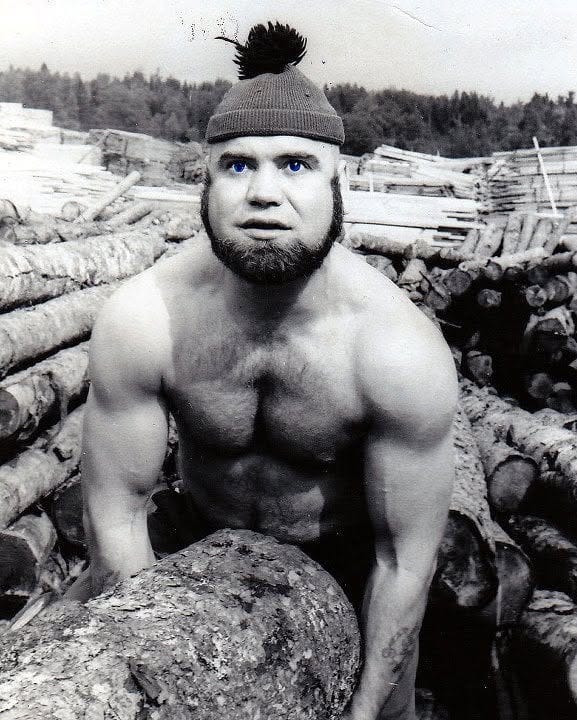
Paul LeDuc occupied a distinctive place in the history of professional wrestling. He was never the largest man in the locker room and never a lasting international television star, yet for a generation of Quebecers he was one of the most recognizable figures in the sport. As one half of the LeDuc Brothers, as a lumberjack-costumed tag team specialist, as a groom who took his vows inside the Montreal Forum, and later as a promoter, columnist, and family patriarch, he spent nearly seven decades in and around the ring. His death on August 30, 2026, at the age of eighty-nine, closed a life that had begun in a small Gaspé village and stretched from the territorial circuits of the late 1950s to the independent scene of the twenty-first century.
Origins on the Gaspé Peninsula
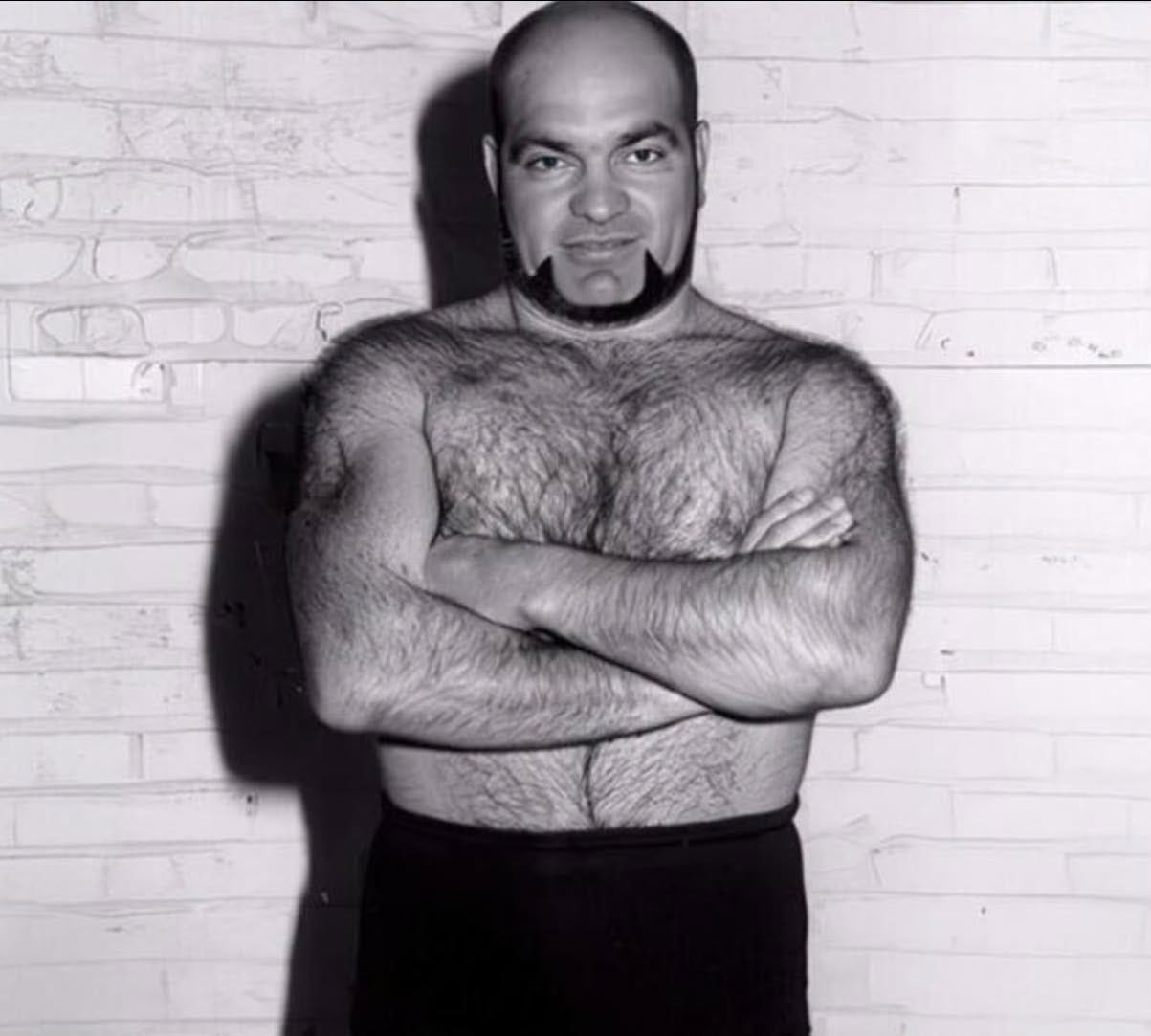
He was born Léodard Mimeault on November 10, 1936, in Saint-Maxime-du-Mont-Louis, a fishing and lumber community on the north shore of the Gaspé Peninsula. The world that produced him was French-speaking, working-class, and physically demanding. Those qualities would later be distilled into the lumberjack gimmick that made his name. He was not a natural giant. As an adult he stood five feet ten inches and weighed around 195 pounds, a frame that, in an era of two-hundred-and-fifty-pound brawlers, invited skepticism. People told him he was too small. He decided to wrestle anyway.
In 1957, at eighteen, he began training in Montreal, in the same gym culture that produced Pat Patterson and other Quebec wrestlers who would later travel the continent. The city was then one of the great wrestling capitals of North America, a place where Friday-night cards at the Forum and smaller arenas across the province could still fill buildings on the strength of local heroes and imported heels. Mimeault learned the basics there, then did what ambitious young wrestlers of that period often did: he left. He spent roughly two years in Mexico, working and training, putting on weight, and absorbing the more athletic, high-paced style of lucha libre. He even appeared for Empresa Mexicana de Lucha Libre, the promotion later known as CMLL. Those years mattered. They gave him seasoning, a broader sense of the business, and the confidence to invent a partner when he needed one.
Inventing a Brother
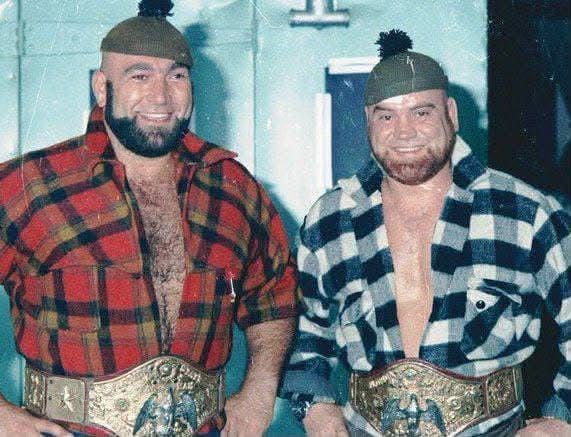
The decisive creative act of his career was not a hold or a finish. It was a fiction. In the mid-1960s he talked a friend, Michel Pigeon, into becoming a wrestler. Pigeon was larger, powerful, and raw. Jack Britton, a veteran of the Montreal territory, encouraged the pairing and helped shape the idea that they should work as lumberjacks, a tribute to Yukon Eric Holmback, the popular Canadian wrestler who had died in 1965. Pigeon took the name Jos LeDuc. Mimeault became Paul LeDuc. They presented themselves as brothers.
The lie was so complete that it outlived the act. Both men later changed their legal names. On February 28, 1973, Michel Pigeon became Joseph Leduc. On August 3, 1978, Léodard Mimeault became Paul Leduc. When the truth finally circulated widely after Jos’s death in 1999, Quebec talk shows treated it as a small civic scandal. People had believed them for decades. That belief was the point. Professional wrestling of the territorial era depended on kayfabe, the discipline of treating the story as real. The LeDucs practiced it with unusual thoroughness.
They first teamed in Saint-Hyacinthe against Roy and Don McLarty. In 1968 they went west to Stu Hart’s Stampede Wrestling in Calgary. Hart’s promotion was a finishing school as much as a circuit: hard travel, hard crowds, and a dungeon that tested anyone who wanted to last. In January 1969 the LeDucs won the Stampede International Tag Team Championship from Yvon “The Beast” Cormier and Bob Sweetan. The lumberjack presentation—plaid, toques, the suggestion of men who had come out of the woods rather than a gym—gave them an identity that traveled well. They were not merely two men who happened to wrestle together. They were a type.
Montreal, the Forum Wedding, and the Promotional Wars
The center of their fame was always Quebec. Back in Montreal they entered a crowded field of family acts and territorial stars: the Rougeaus, the Vachons, Édouard Carpentier, and the promoters who fought over the province’s buildings and television time. The LeDucs feuded with Johnny and Jacques Rougeau and, more memorably, with Maurice “Mad Dog” Vachon and Paul “The Butcher” Vachon. Those programs were not subtle. They were bloody, personal, and commercially explosive.
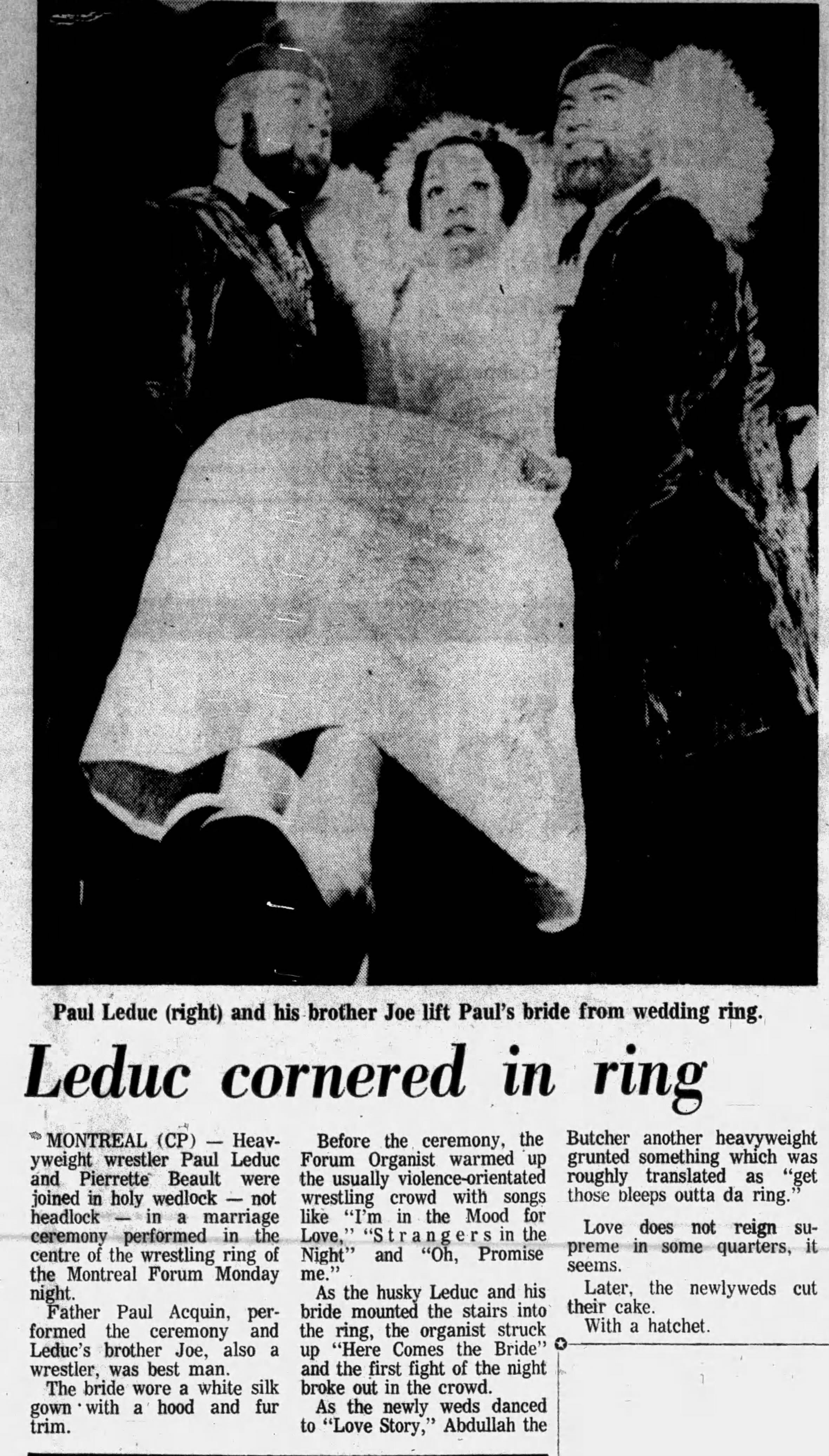
Pictured: December 28th, 1971 Hamilton Spectator, Hamilton, Ontario, Canada
In December 1971 Paul married Pierrette inside the ring at the Montreal Forum before a crowd of nearly fifteen thousand. It was a genuine wedding, not a storyline ceremony, and it became one of the most frequently retold anecdotes in Quebec wrestling. The Forum was the cathedral of the local sport. To take vows there was to collapse the boundary between the spectacle and ordinary life, which is precisely what wrestling, at its most effective, has always done.
The early 1970s were also a period of promotional war. In 1972 the LeDucs jumped to Grand Prix Wrestling, the Vachon-run group challenging the established Montreal office. Paul later told historian Pat Laprade that he and Jos were each offered five thousand dollars up front and fifteen hundred a week, a substantial guarantee for the time. They took it. The irony was obvious: they went to work for the same family they were booked to fight. The feud with the Vachons became their signature. A bloody angle in Sherbrooke led to a July 31 match at the Quebec Coliseum that drew fifteen thousand. Two weeks later the building was oversold at 17,008, a figure the promotion could not advertise because it exceeded capacity and a record that still stands for professional wrestling in Quebec City.
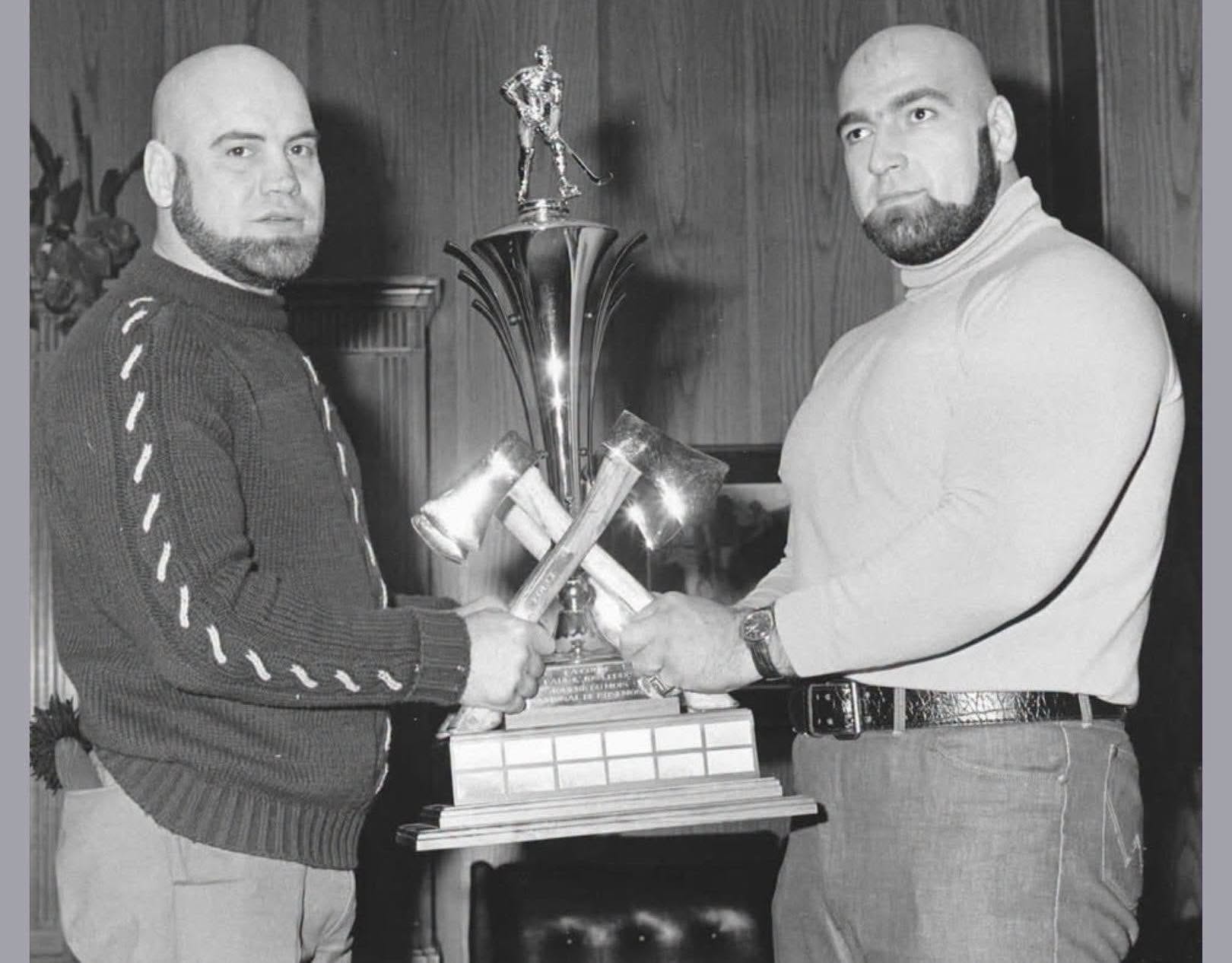
They won the Grand Prix Tag Team Championship twice, in 1972 and 1973. In Florida they were billed as the Canadian Lumberjacks and, in December 1973, defeated Dusty Rhodes and Dick Slater for the NWA Florida Tag Team Championship. Rhodes would become one of the defining stars of the next decade. Slater was a tough, respected hand. The title win placed the LeDucs, briefly, on the same map as the National Wrestling Alliance’s southern territories, proof that the Quebec lumberjacks could work outside their home language and home crowds.
Jos would later have a substantial singles career, especially in Memphis against Jerry Lawler. Paul remained, in the public mind, the other half of the team. He was the smaller man, the organizer, the one who had recruited the partner and sold the story. His last regularly recorded matches came in the mid-1970s. He always said his in-ring career ended because of heart problems in 1978. Three heart attacks between 1978 and 1990 confirmed that the body that had been called too small had also been asked to do too much.
After the Bell: Quebecor, the Column, and the FLQ
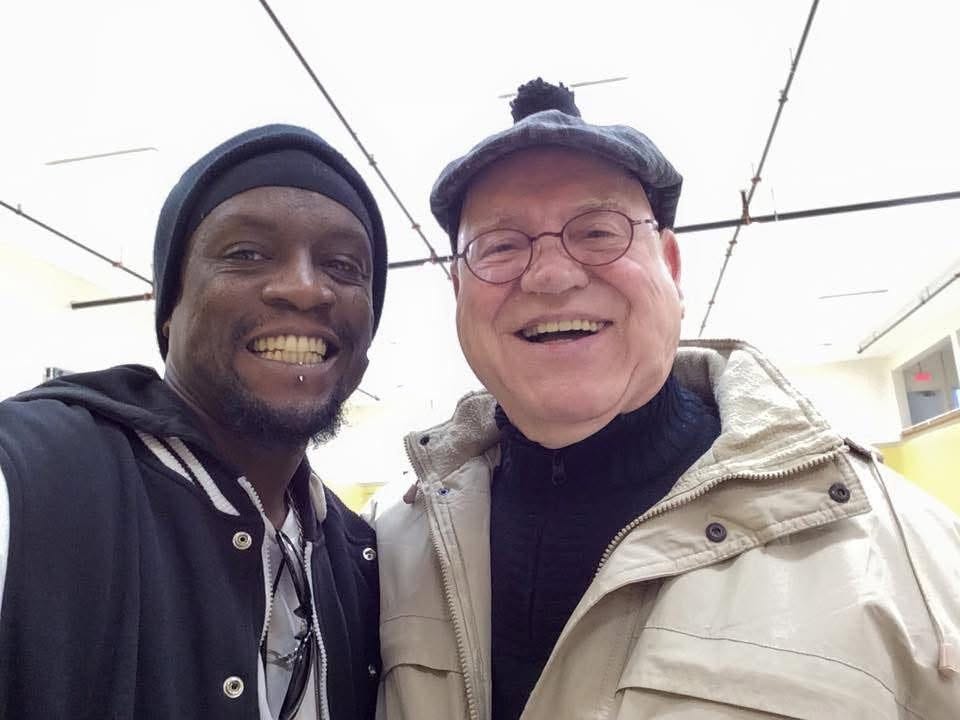
Pictured: Paul LeDuc and Velvet Jones
Retirement from the ring did not mean retirement from public life. In 1979 he went to work for Quebecor, the Montreal communications company then still relatively modest. He rose to become director general of media distribution in Montreal and watched the firm grow from about 1,200 employees to a multinational with tens of thousands. The contrast amused him. Wrestling locker rooms had been intimate. Corporate scale was not.
He never left the sport intellectually. He wrote a French-language column, “1-2-3,” for the Canoë site of Canadian Online Explorer, keeping an older generation of fans in conversation with a business that had been transformed by cable television, national expansion, and eventually the internet. He appeared in local media as a living archive of the Forum years, including a 1996 Radio-Canada segment on the last WWF card in the old building, in which he spoke about the lumberjacks, the plaid shirts, the tuques, and the disappearance of francophone stars from a spectacle that American companies now owned.
In 2000 he founded the Fédération de Lutte Québécoise, or FLQ. The name was a joke with a barb: the same initials as the Front de libération du Québec, the separatist group that had defined a darker chapter of the province’s 1960s and 1970s. Wrestling promoters have always understood the value of a name that makes people talk. The FLQ ran a steady schedule through 2006, then more sporadically, and closed in 2022. It was never going to rival the WWF. That was not the point. It gave Quebec wrestlers dates, gave his son Carl a home promotion, and kept a local tradition from vanishing entirely into imported television.
Carl LeDuc, born September 24, 1974, trained with Stu and Bruce Hart in Calgary, debuted in 1995, and even worked WWF dark and house-show matches in 1996, including the first wrestling match at Montreal’s Molson Centre. He later co-owned and then inherited the FLQ. Two other children, Yan and Kim, also remained part of the family enterprise. Pierrette died on February 28, 2011, at sixty-three, almost forty years after the Forum wedding. In 2016 Paul formally stepped back and left the promotion to Carl, Carl’s partner Dina Marneris, and Kim.
Illness, Death, and the Shape of a Reputation
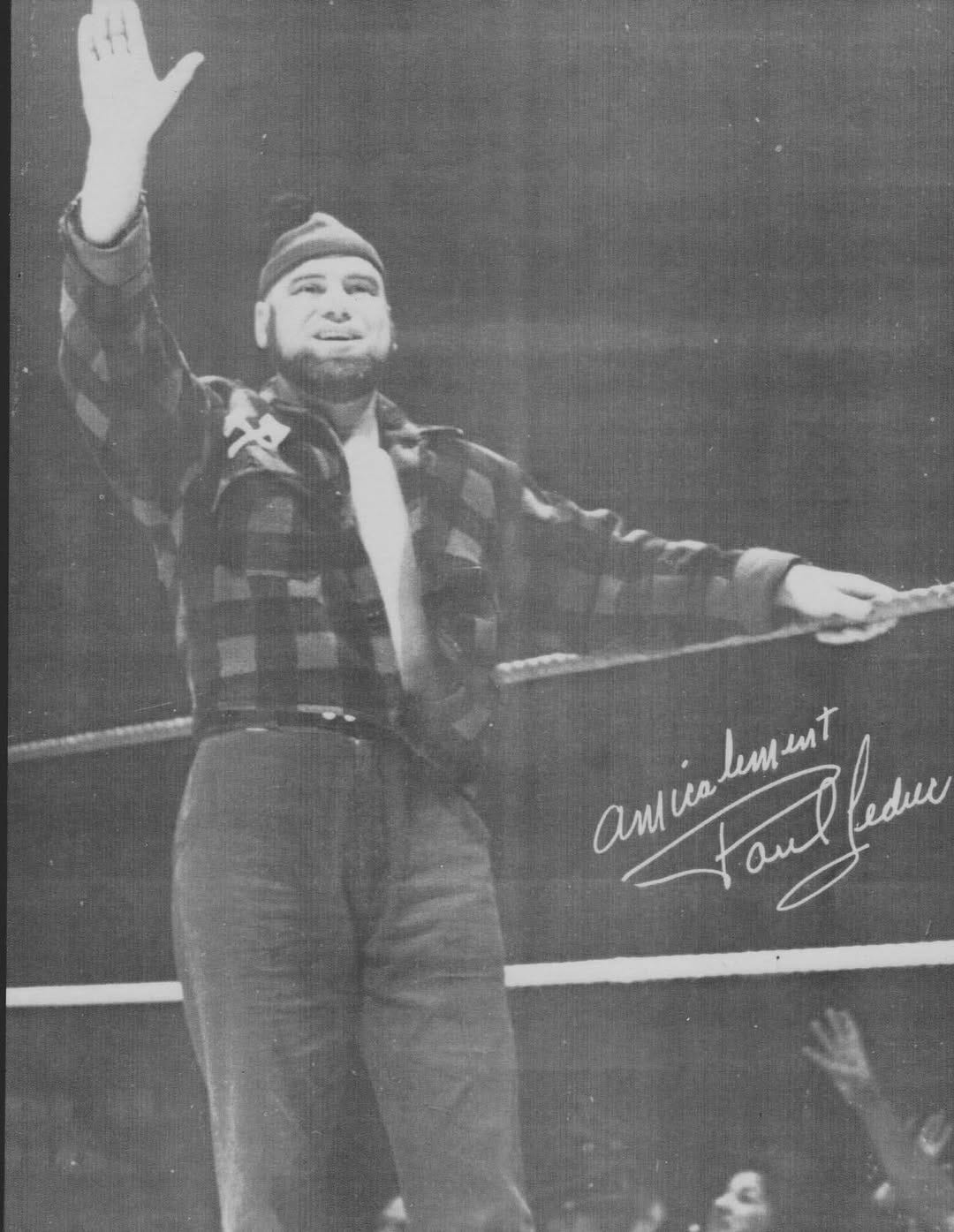
The last quarter-century of his life was marked by accumulating illness. Strokes in 2001 and 2003 followed the earlier heart attacks. Bladder cancer was diagnosed in 2006. In his final years he suffered from cardiorenal syndrome. He died in Quebec on August 30, 2026. Historian Pat Laprade confirmed the news. The Cauliflower Alley Club and the Quebec press treated him as a regional institution rather than a curiosity, which is the more accurate judgment.
Paul LeDuc’s career does not fit the modern template of wrestling fame. He did not headline WrestleMania. He did not become a cartoon on national television. His importance is local, which in wrestling is not a lesser category. Territories were built on men who could draw in one city, one language, one set of buildings, week after week. The LeDucs did that in Quebec at a moment when the province’s wrestling culture was still dense enough to support rival promotions, family dynasties, and genuine public belief in storylines.
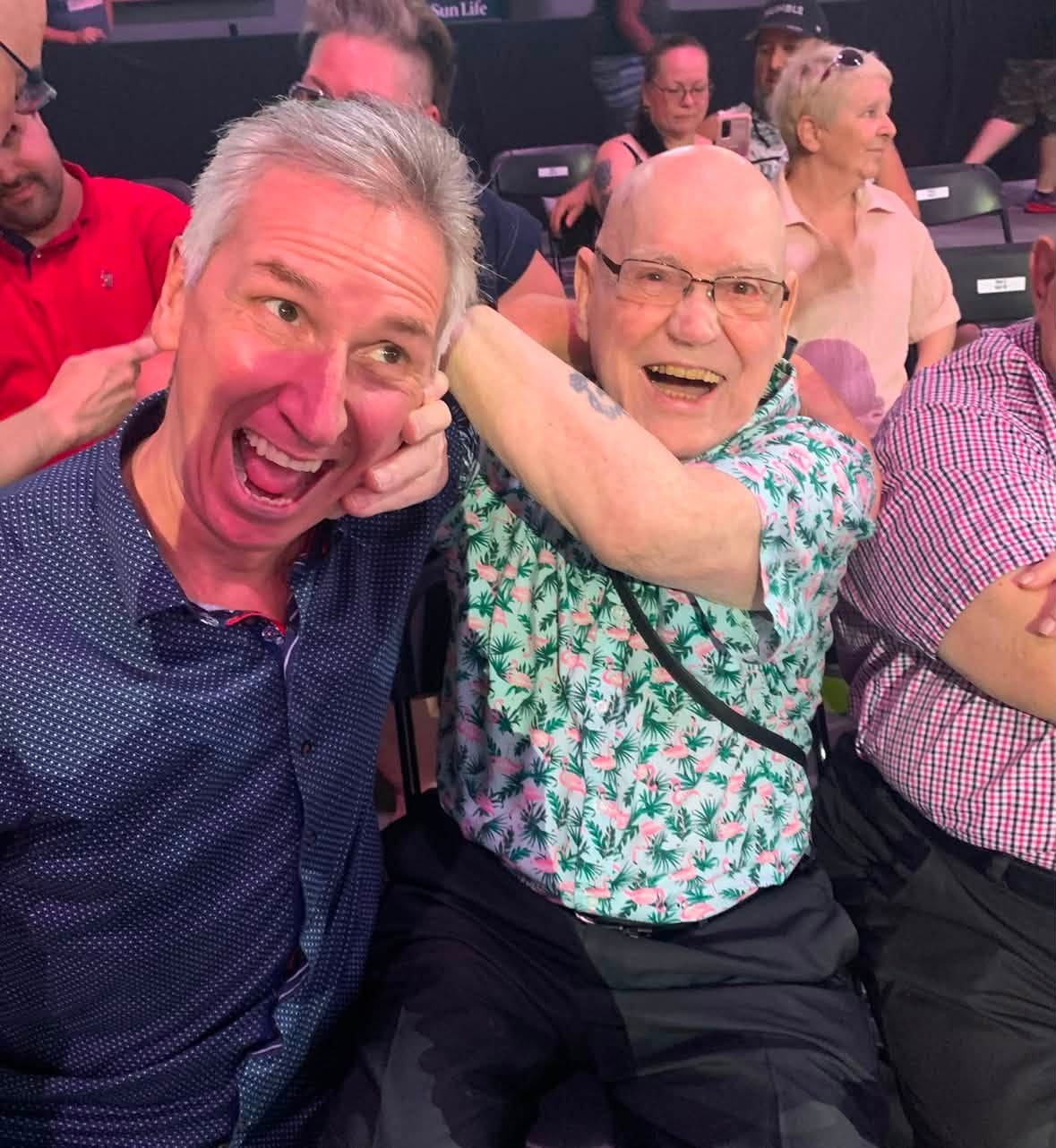
He also illustrates how wrestling identities can become legal and familial facts. A man named Léodard Mimeault became Paul Leduc on paper. A friend became a brother, then a namesake. A son carried the name into another generation of rings. The lumberjack clothes were costume, but the persistence was not. He stayed in the business as a writer, a promoter, an adviser, and a memory-keeper long after his body had refused the work.
If there is a single image that concentrates the life, it is still the Forum in December 1971: a wrestler in his mid-thirties, not especially large, marrying his wife in the same square of canvas where he had bled and been cheered, while thousands of people who thought they knew him as a brother and a bûcheron watched a private rite become public theater. That was Paul LeDuc’s talent in compressed form. He understood that wrestling is a popular art of invented kinship, and he lived inside that invention until the invention, and then the man, were gone.
One Thing I Learned About Jos LeDuc
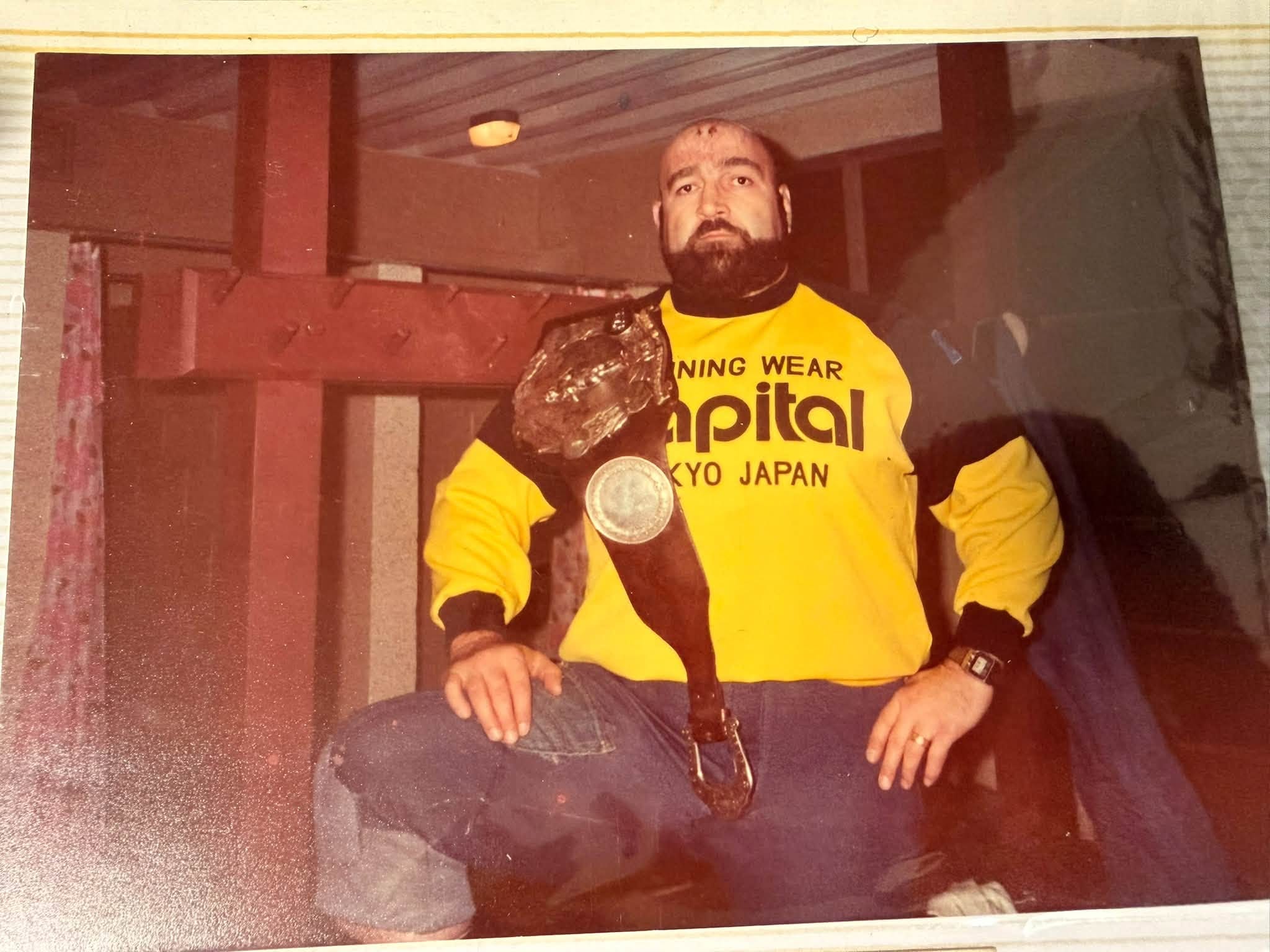
Before he was Jos LeDuc, Michel Pigeon was a Quebec provincial policeman with a judo background. Paul LeDuc did not pull him out of a lumber camp. He pulled him out of a uniform.
That is the detail that makes the lumberjack act stranger, not smaller. The man who later cut his own arm with an axe on live Memphis television, towed buses for strength spots, and spent years as a blood-and-plaid wildman had already been trained to keep order. Jack Britton and Paul sold him to Don Owen’s Portland office with tapes in which Pigeon promised to come west and protect his “little brother.” He had not even started yet. The character arrived before the wrestler did.
In February 1973 he went one step further and legally changed his name to Joseph Leduc, the same year Paul was still legally Léodard Mimeault. The fake brotherhood ended up on government paper. After Jos died in 1999, Quebec talk shows treated the “they were never brothers” reveal like a civic scandal. By then both men had already made the lie official.
Thank You for Watching and Listening
I’m Tony Richards, Pro Wrestling Historian, Author and Storyteller. I share pro wrestling historical items in each issue of the Time Tunnel Pro Wrestling History Newsletter and each episode of our podcast show. Thanks for your support! If you enjoy my information on select events, matches and insights, please share with folks you think might like to be a subscriber!
Remember, Premium subscribers get access to exclusive and special content such as some special issues including a multi-part deep dives on wrestling territories, wrestler bios and championship title histories, special audio and video interviews on territory pro wrestling and more available in the Pro Wrestling Time Tunnel for Premium Subscribers. Being a Premium Subscriber also means you support me in my efforts to document Pro Wrestling History through my research, writing, books, vidoes and podcasts. And…I have something very special planned for our Premium Subscribers on the Podcast side of things in 2026! Details soon here in the Pro Wrestling Time Tunnel.