


Today’s Favorite Quote: The most effective way to change your habits is to focus not on what you want to achieve, but on who you want to become - James Clear
Happy Birthday to those who have passed on and to those great wrestlers still with us:
In Memoriam:
Wilbur Snyder 1929
King Curtis Iaukea 1937
Man Mountain Mike 1940
Verne Langdon 1941
Adrian Adonis 1953
Happy Birthday:
Teddy Long (71)
Rhett Titus (39)
RIP Memorial: We stop & remember those who have passed on this day and gave themselves to the business for us, the fans. We salute you and thank you.
Billy Sandow 9-15-1972 at the age of 88
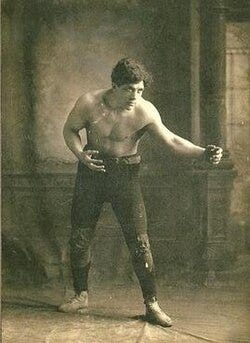
Bulldog Brower 9-15-1977 at the age of 68
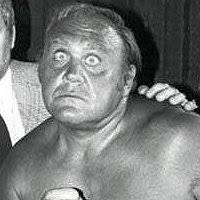
Billy Riley 9-15-1977 at the age of 81
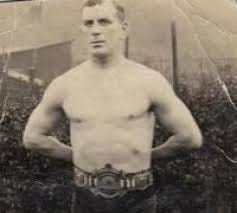
Ricky Gibson 9-15-2006 at the age of 53
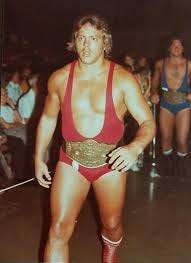
Jerry Brown 9-15-2020 at the age of 83
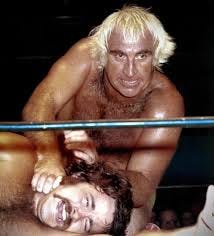
Significant Wrestler Debut:
9-15-1937: Gory Guerrero made his professional wrestling debut against the wrestler known as El Rojo (Rafael “El Rojo”) at Arena Nilo in Guadalajara, Jalisco, Mexico.
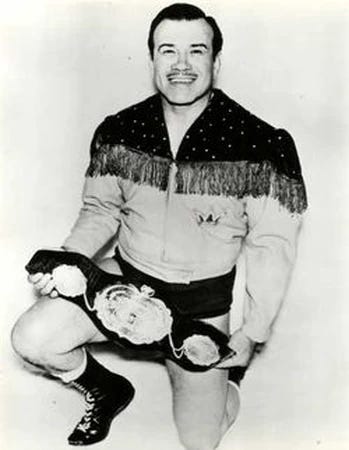
At the time, Guerrero was just 16 years old and wrestling under the ring name Joe Morgan. He lost the match (commonly referred to as “jobbing” in wrestling terminology, meaning he took the fall to put over his opponent) and was paid a modest 15 centavos for his performance. This marked the start of his career in Mexican lucha libre, where he would go on to become a legendary figure, innovating techniques like the frog splash and helping popularize the style internationally.
He developed a reputation for his brutal, hard-hitting style that often resulted in bloody matches, earning him a following as a heel (villain) in the early days of lucha libre.Fans began chanting “Gory! Gory!” during his bouts, a reference to the gory, blood-soaked nature of his matches where opponents were frequently left in pools of their own blood. Recognizing the chant’s catchiness and marketability, he officially adopted the name Gory Guerrero, ditching both his real name and the less memorable Joe Morgan alias. This change marked the beginning of his rise to prominence as one of the premier Mexican-American wrestlers and laid the foundation for the legendary Guerrero wrestling family dynasty.
Learn more about the life and career of Gory Guerrero in this week’s Episode 14 of The History of Texas Wrestling with Stories with Brisco and Bradshaw!
The Life and Career of Wilbur Snyder
Wilbur Everard Snyder was one of the most athletic and technically gifted professional wrestlers of the television era, a former college and Canadian football player who became known first as the “California Comet” and later as “the World’s Most Scientific Wrestler.” From the early 1950s through the early 1980s he packed arenas across North America, popularized the abdominal stretch, challenged Lou Thesz and Verne Gagne, and then settled into a quieter second act as co-owner of the Indianapolis World Wrestling Association with his friend and rival Dick the Bruiser. He never quite became a household name on the scale of those two men, but among peers and older fans he was remembered as a handsome, high-flying heavyweight who could work a scientific match or a brawl and still go home to a stable family life.
Early Life and the Gridiron
Snyder was born on September 15, 1929, in Santa Monica, California, and grew up in the San Fernando Valley. At Van Nuys High School he was a four-letter football player and a gymnast, the kind of all-around athlete whose balance and explosiveness would later look unusual in a 230-pound wrestler. Shortly after graduation he married his high-school sweetheart, Shirlee Ann Hanson, at the Little Church of Sherman Oaks. The early marriage shaped almost everything that followed. When he enrolled at the University of Utah in 1948, he played football for the Utes—tackle and kicker, listed around 210 pounds as an underclassman—and joined the wrestling team in the off-season to stay in shape. Teammates included future professional wrestlers Joe Tangaro and Guy Brunetti. In April 1950 he left school after his junior year. “It was simply a case of needing money,” he later said. “I’d married Shirlee before my freshman year.” He went to work driving a cement truck for his father’s business in Van Nuys.
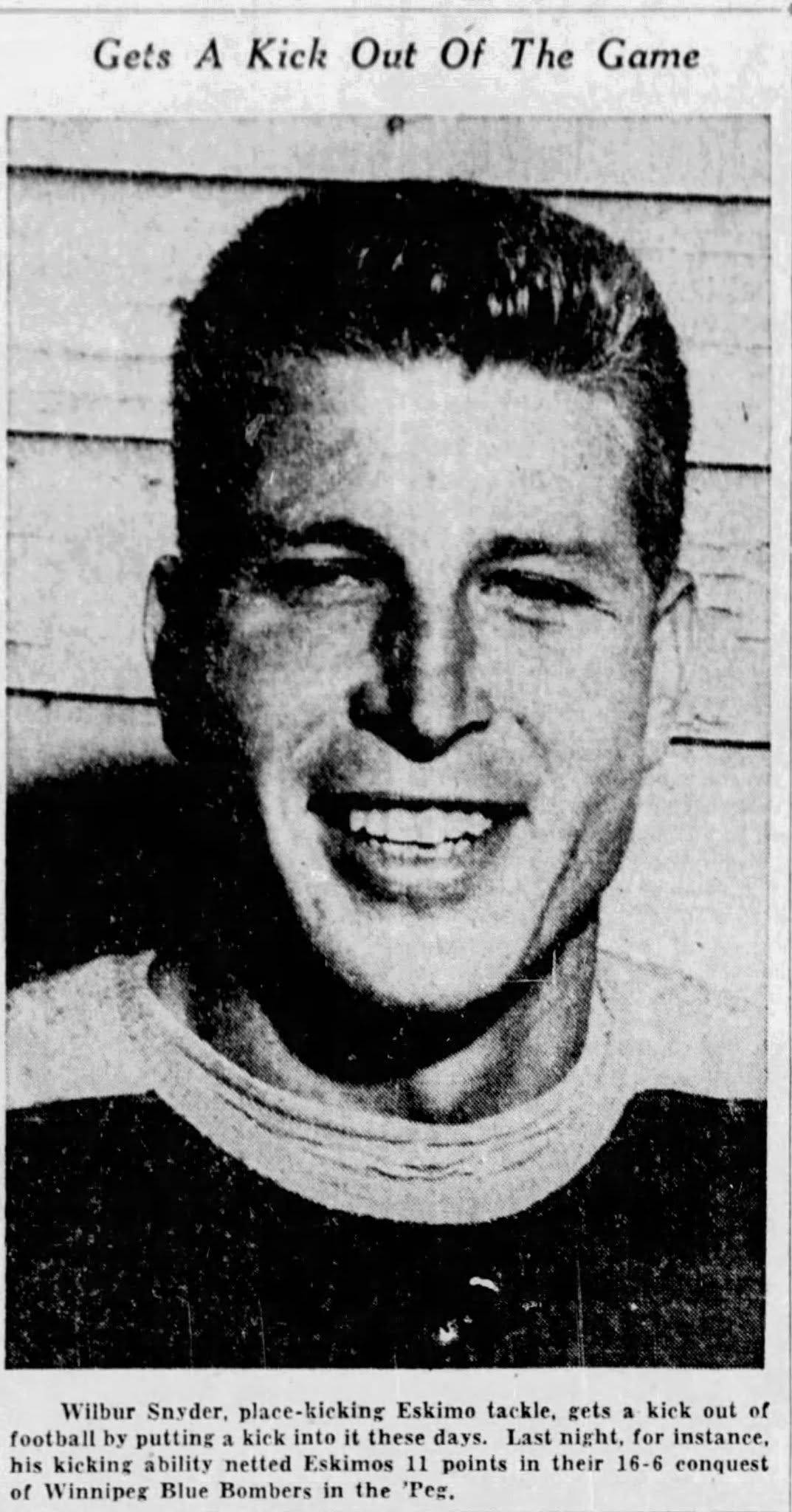
Professional football still beckoned. An old Van Nuys teammate, Los Angeles Rams quarterback Bob Waterfield, helped him get a look from the Rams. Snyder signed with Los Angeles in 1952 and was released the same year. He then spent two seasons with the Edmonton Eskimos of the Western Interprovincial Football Union, the forerunner of the CFL West. In 1952 and 1953 he played tackle, handled kicking duties, and appeared in 19 games. In 1953 he converted 31 of 31 extra-point attempts and kicked five field goals. Edmonton teammates included future NWA World champion Gene Kiniski and Joe Blanchard, father of Tully Blanchard. Wrestling and football overlapped in those years. Snyder wrestled in the off-season, arguing that the ring kept him in shape and sharpened his reflexes. The club eventually objected when playoffs arrived. By May 1954 the money in wrestling had become impossible to ignore. He told Edmonton he was finished with football.
Breaking In
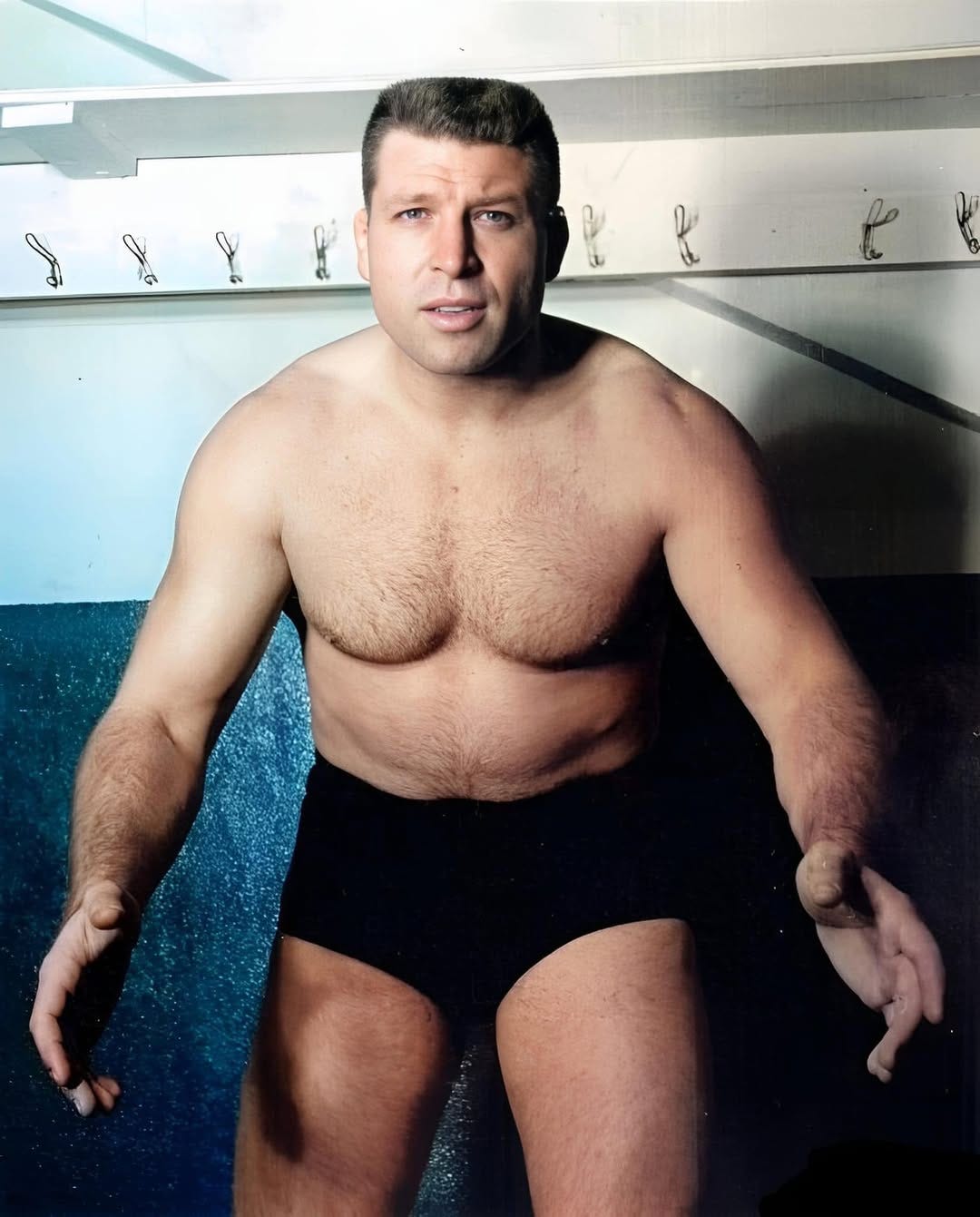
Snyder’s first attempts to enter wrestling were rebuffed. Los Angeles booker Jules Strongbow reportedly said the office did not need more football players. Benny Ginsberg steered him toward the business anyway. Jerry Christy, a Van Nuys acquaintance already working in the territory, finally agreed to train him and later recalled that Snyder at first “just can’t do that”—meaning sell, or look hurt. Hugh Nichols saw the raw athlete and pushed him. Sandor Szabo and Warren Bockwinkel, father of Nick Bockwinkel, refined him in Southern California; Tony Morelli later worked with him in Hawaii. Snyder debuted in early 1953, often cited at Valley Garden Arena and Hollywood Legion Stadium, and was on television almost immediately. Within months he was challenging Mr. Moto and, remarkably, NWA World Heavyweight champion Lou Thesz. Thesz later remembered a crew-cut football player with quick reflexes who learned the craft fast. They ran three-match programs from city to city and sold out in a lot of towns that usually did not do business.
The gimmick wrote itself. Snyder used football tackles and dropkicks, mixed them with amateur holds, and moved like a lighter man. Promoters billed him from Woodland Hills or Van Nuys. The press called him the California Comet. As his repertoire grew he acquired the longer-lasting nickname: the World’s Most Scientific Wrestler. The hold most associated with him was the abdominal stretch—sometimes called the cobra twist—applied from a standing side position with leverage across the opponent’s midsection. Bobby Heenan later claimed Snyder “basically invented” it; more cautiously, historians say he perfected and popularized it. Decades later Jim Ross would still say “shades of the late Wilbur Snyder” whenever a wrestler used the move.
National Star of the Territory Era
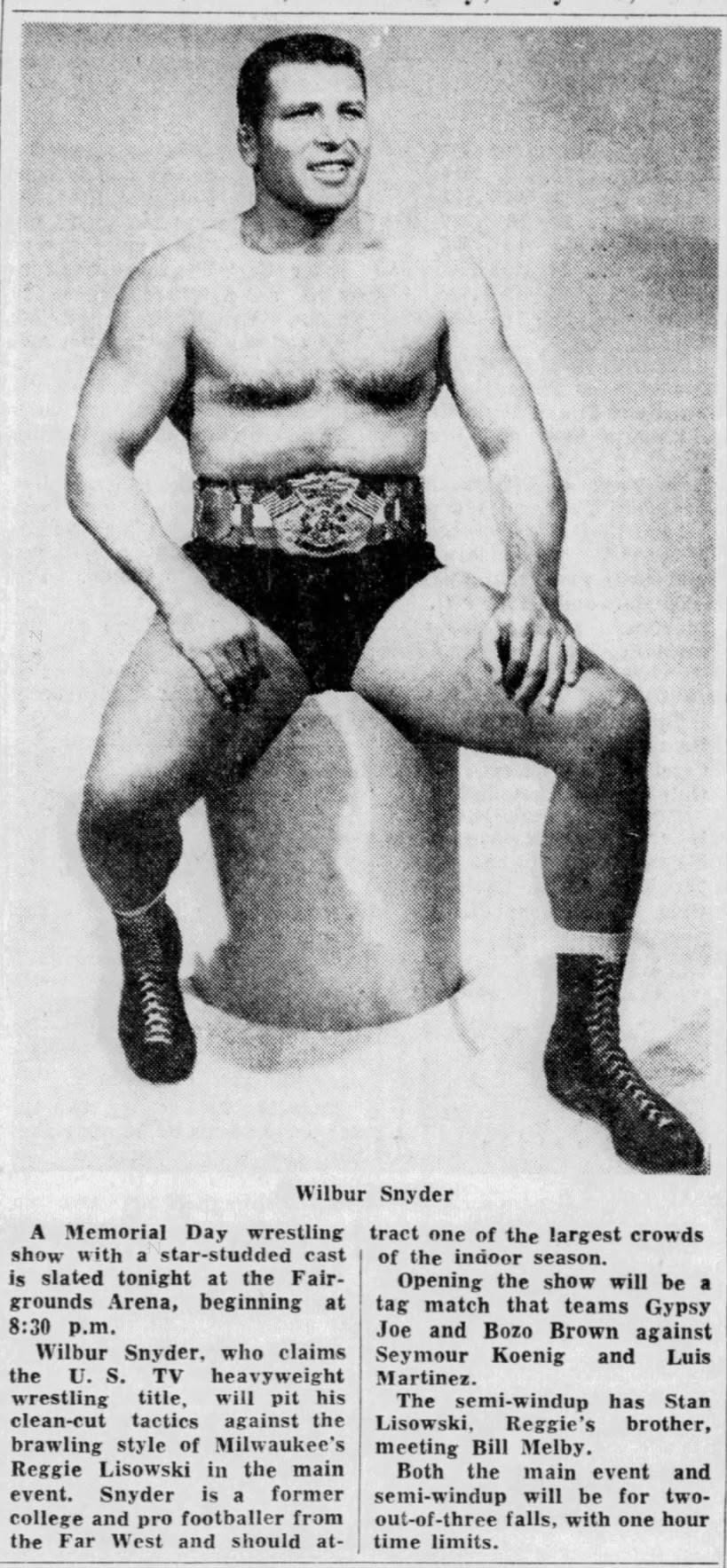
Pictured: May 30th, 1956 The Capitol Times, Madison, Wisconsin
By 1954 Snyder had left football for good. He won early tag gold in California with Szabo and with Bobo Brazil. Johnny Doyle brought him from Los Angeles to Chicago, where DuMont Network television made regional stars into national names. On April 7, 1956, at Marigold Arena, Snyder defeated Verne Gagne for the United States Championship after Gagne had held the belt for five years. That win, more than any other single match, made him a headliner in the Midwest. In August 1956 he and Gagne drew 16,069 to Milwaukee Stadium, with Jack Dempsey as referee, for a gate of $33,689.90—then a local record. Between 1956 and 1962 Snyder was a ten-time United States champion in various NWA-affiliated versions of the title, trading it with Gagne, Hans Schmidt, Angelo Poffo, and Dick the Bruiser.
On November 15, 1958, in Omaha, he beat Gagne in two of three falls for the regionally recognized World Heavyweight Championship (the Omaha version) and the Mayor’s Trophy. Gagne had an injured elbow; Snyder finished him with the abdominal stretch. He also held the Omaha world title a second time. Other major singles and tag accomplishments included AWA United States title reigns, AWA World Tag Team titles with Leo Nomellini and with Pat O’Connor, NWA United States and World Tag titles in San Francisco (the latter with Nick Bockwinkel), IWA International Heavyweight gold in Montreal, and, on a 1969 Japan tour, the Japan Wrestling Association’s NWA International Tag Team Championship with Danny Hodge. Japanese fans knew him as Genbaku Otoko—“Atomic Bomb Man.” He never captured the NWA World Heavyweight Championship, but he was a credible challenger to Thesz, including a three-fall loss in St. Louis on October 22, 1965.
The Bruiser rivalry defined his late-1950s prime. William Afflis, like Snyder an ex-football lineman, was the opposite personality: a snarling brawler to Snyder’s clean-cut technician. They tore up Detroit, Denver, Chicago, and Indianapolis. In June 1959 they drew 16,500 to Olympia Stadium in Detroit for a $42,700 gate; they drew more than 15,000 there the next year. A Texas Death Match under jujitsu rules in Denver on October 24, 1959, went eight falls. The feud was good business. It also became a friendship. Both men came from relatively comfortable backgrounds, both liked a beer after the show, and both were family-oriented enough to imagine a life that was not entirely on the road.
Indianapolis and the World Wrestling Association
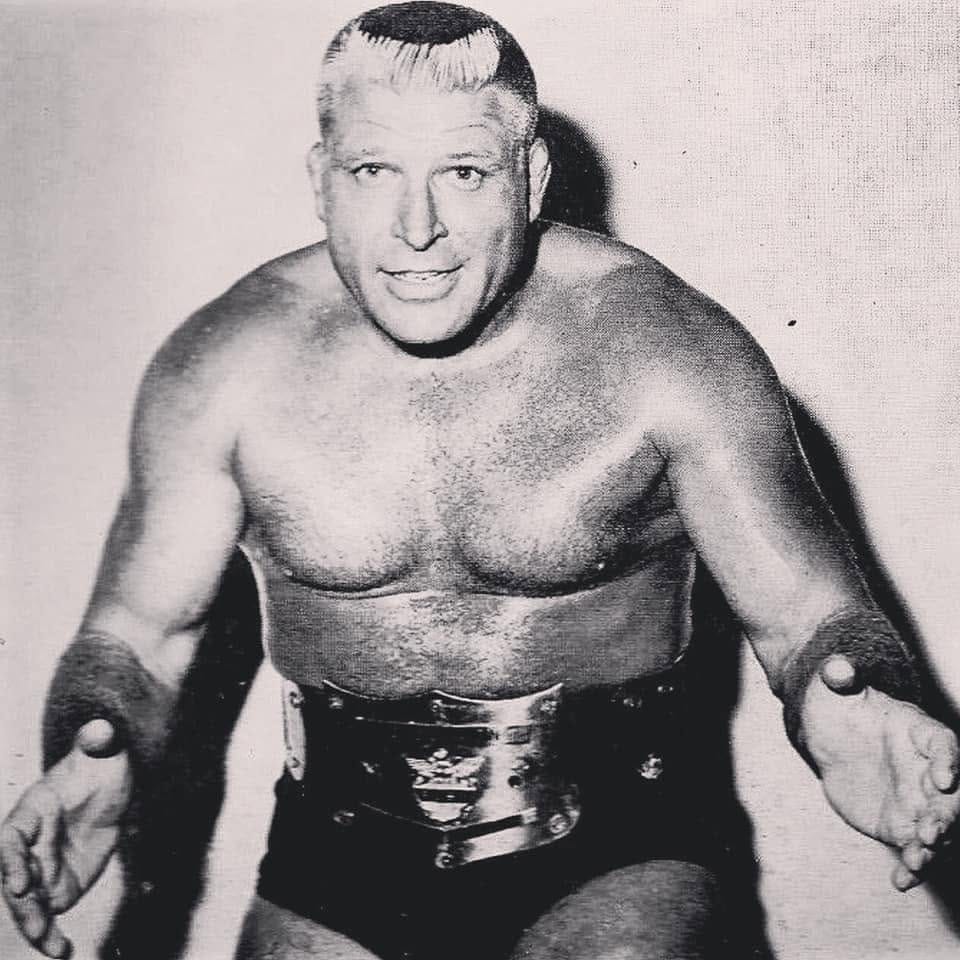
Pictured: Wilbur Snyder, WWA world Heavyweight Champion
Jim Barnett and Johnny Doyle had been promoting Indianapolis. After they turneed attention to Australia, Snyder and the Bruiser moved in. They ran their first card on April 24, 1964, at the Southside Armory, defending tag titles in an hour draw with the Millers. Championship Wrestling, Inc. was incorporated on April 27, 1965. To keep wrestler ownership quiet, Shirlee Snyder was listed as registered agent and the Bruiser’s mother, Margaret Johnston, as a director. The office promoted as the World Wrestling Association, used Los Angeles WWA tapes at first, and shared Chicago dates with Gagne’s AWA. Snyder won the WWA World Heavyweight Championship from Mitsu Arakawa in September 1967 and held it for about two years. He was a thirteen- or fourteen-time WWA World Tag Team champion with partners including the Bruiser, Moose Cholak, Luis Martinez, Pat O’Connor, Paul Christy, Pepper Gomez, Dominic Denucci, and Spike Huber.
As a promoter-wrestler Snyder did something unusual: he stopped pushing himself as the unquestioned top babyface. He worked midcards and tags, still hitting flying headscissors and leapfrogs into his late forties, and put others over. Lanny Poffo, who knew him in the mid-1970s, called him “the handsomest man ever” and noted the discipline behind the after-show drinking and smoking: when it was time to wrestle, he was ready. Nick Bockwinkel, who resembled him in the ring and had been trained in part by him, said Snyder repaid Warren Bockwinkel’s early help by mentoring Nick. Snyder declined to force his son Mike into the business when Mike debuted in 1974. “My father left the final decision to me,” Mike said. “A lot of people would expect me to be Wilbur Snyder all over again.”
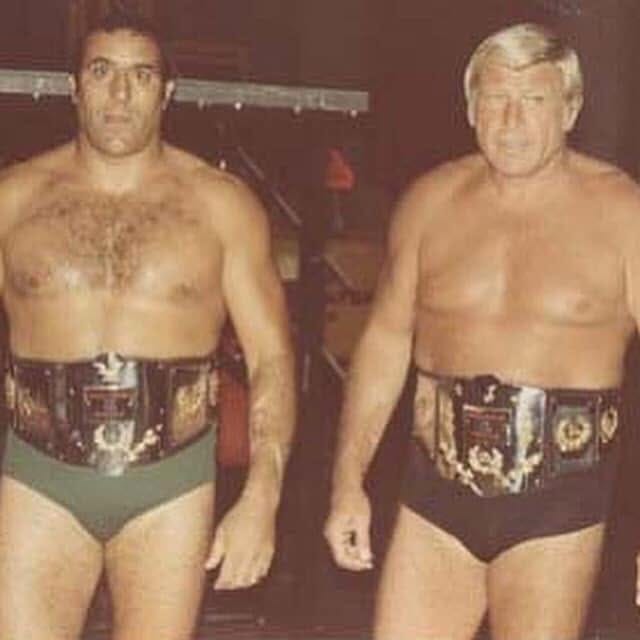
Pictured: Dominic DeNucci and Wilbur Snyder as WWA World Tag Team Champions
The WWA made both partners wealthy. A planned invasion of The Sheik’s Detroit territory failed, and by the early 1980s the territory system was dying under national cable expansion. Snyder sold his share around 1983, invested in real estate, and retired from the ring about 1984. He disliked the emerging style that treated wrestling openly as entertainment. He had already settled the family in the Indianapolis area—Carmel, with a tennis court in the backyard—so his children could have a normal high-school life after years of basement apartments and nine-month moves from California to Illinois to Texas to Minnesota and back.
Style, Family, and Character
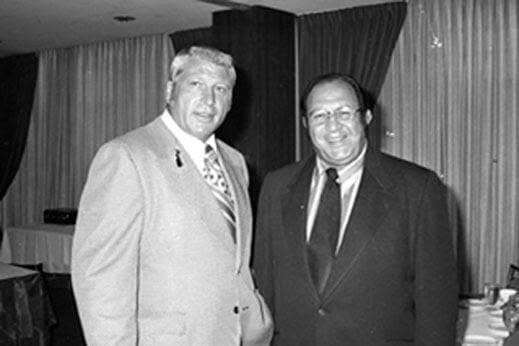
Pictured: Wilbur Snyder and Sam Menacker at a Soldier Field Press Conference in Chicago, Illinois in 1972
Snyder stood about 6-foot-2 and wrestled around 235 pounds, though some programs listed him taller and heavier. He could dropkick, leapfrog, throw flying headscissors, apply ankle scissors, and backdrop opponents over the top rope—moves more common among junior heavyweights. His arm drags and flying hammerlocks were showpieces. Football tactics remained part of the act. The abdominal stretch was the finish that meant the match was nearly over, whether by submission or by a heel’s interference. He was a natural babyface: crew cut, suntan, “shell-like ears,” as the Milwaukee Journal put it, “a veritable arsenal of virtue.”
At home he was, in his son’s words, “the nicest man who ever lived.” Shirlee and Wilbur had at least two children who appear consistently in the record: Mike, who wrestled briefly and later worked in advertising after a chance meeting with an agency owner, and Cindy, who married wrestler Steve Regal after they met at Pike High School in Indianapolis. Gene Kiniski was Mike’s godfather. The family followed the bookings for more than a decade before Indianapolis gave them roots. Grandchildren followed. Snyder played tennis seriously in retirement. Friends from outside wrestling were as numerous as friends inside it. He smoked heavily—accounts mention two and a half packs a day in later years—and drank, but colleagues distinguished the after-bell habits from the professional who still looked like an athlete when the bell rang.
Death and Legacy
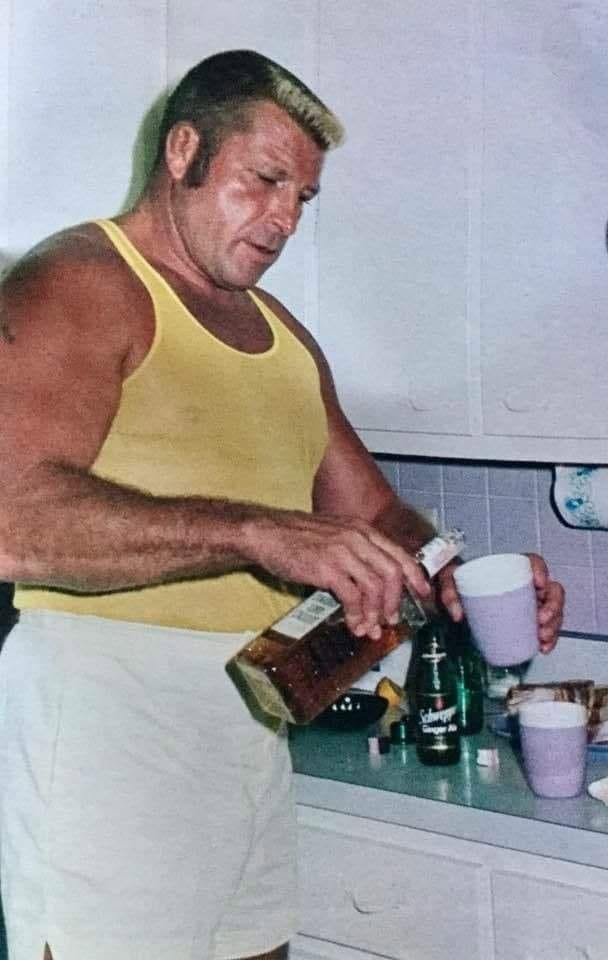
In 1991, while in Florida, Snyder was diagnosed with lymphatic leukemia. He was hospitalized for a week and died of heart failure on December 25, 1991, at Broward Medical Center in Pompano Beach. He was 62. Dick the Bruiser had died only eight weeks earlier. Snyder was later inducted into the George Tragos/Lou Thesz Professional Wrestling Hall of Fame (National Wrestling Hall of Fame Dan Gable Museum) and the St. Louis Wrestling Hall of Fame, both in 2014. A full biography, Wilbur Snyder: The World’s Most Scientific Wrestler by Richard Vicek and Steven Verrier, finally appeared decades after his death, an implicit admission that his prime had been underserved by popular memory.
Snyder’s career sits at a hinge in wrestling history. He was a television-era athlete who could have been a world champion in another booking climate, a scientific worker who also pioneered the kind of football-based brawling later associated with the Bruiser, and a co-owner who chose family stability over endless self-promotion. He helped train Nick Bockwinkel. He gave Jim Ross a catchphrase that lasted into the Attitude Era. He packed Milwaukee County Stadium and Detroit Olympia when those buildings still felt like the center of the sport. If later fans remember only a midcard Indianapolis veteran standing next to Dick the Bruiser, that is a trick of perspective. For a stretch in the 1950s he was one of the faces of American wrestling: the good-looking Californian who left the cement truck and the Eskimos behind, learned to sell, and made the abdominal stretch look like the most scientific thing in the world.
One Thing I Learned About King Curtis Iaukea
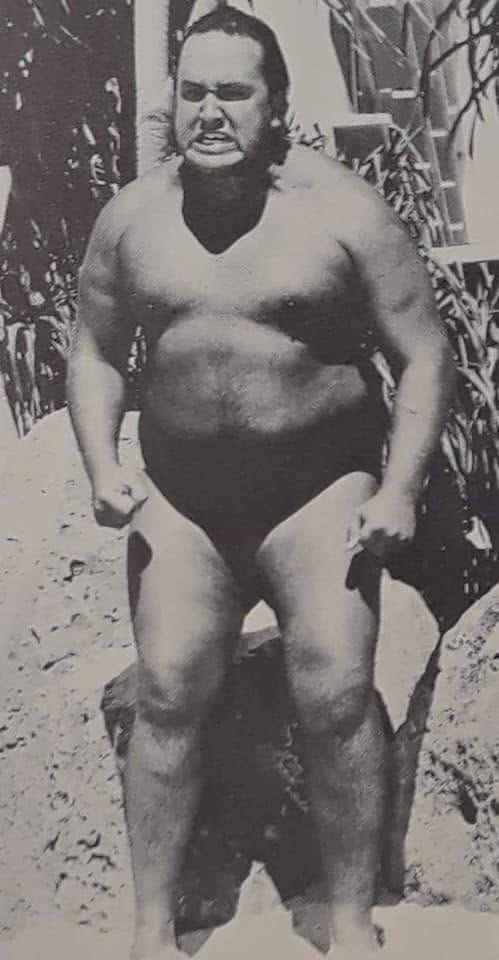
In late 1968, the hole in King Curtis Iaukea’s match record is not an injury or a falling-out with a promoter. He finally took his wife on a four-month world honeymoon they had kept putting off, which is why he vanishes from the books between September 1968 and February 1969.
Thank You for Watching and Listening
I’m Tony Richards, Pro Wrestling Historian, Author and Storyteller. I share pro wrestling historical items in each issue of the Time Tunnel Pro Wrestling History Newsletter and each episode of our podcast show. Thanks for your support! If you enjoy my information on select events, matches and insights, please share with folks you think might like to be a subscriber!
Remember, Premium subscribers get access to exclusive and special content such as some special issues including a multi-part deep dives on wrestling territories, wrestler bios and championship title histories, special audio and video interviews on territory pro wrestling and more available in the Pro Wrestling Time Tunnel for Premium Subscribers. Being a Premium Subscriber also means you support me in my efforts to document Pro Wrestling History through my research, writing, books, vidoes and podcasts. And…I have something very special planned for our Premium Subscribers on the Podcast side of things in 2026! Details soon here in the Pro Wrestling Time Tunnel.