


Today’s Favorite Quote: Everything should be a simple as it is, but not simpler -Albert Einstein
Happy Birthday to those who have passed on and to those great wrestlers still with us:
In Memoriam:
Charlie Carr 1909
Mike Doggendorf 1950
Happy Birthday:
Tio Tuufuli\The Great Tio (87)
Akahisa Mera\The Great Kabuki (77)
Timothy Well\Rex King (56)
Scott Levy\Raven (61)
Bradley Cain\Lodi (55)
Tonea Brooks\Rebel (47)
RIP Memorial: We stop & remember those who have passed on this day and gave themselves to the business for us, the fans. We salute you and thank you.
Duncan Ross 9-8-1919 at the age of 65

Brian Hildebrand\Mark Curtis 9-8-1999 at the age of 37
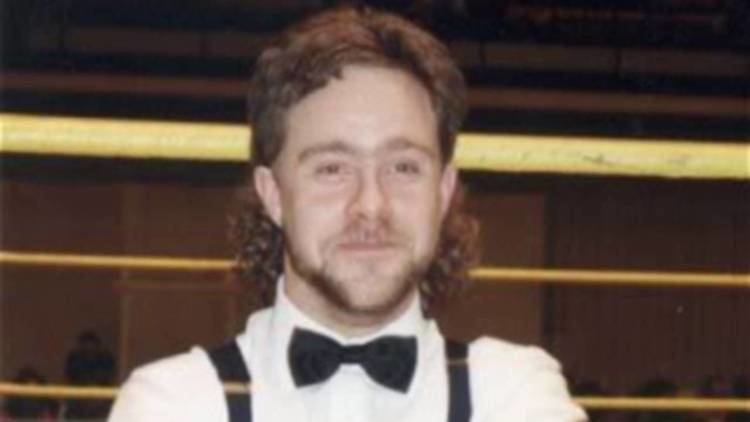
Sean O’Haire 9-8-2014 at the age of 43
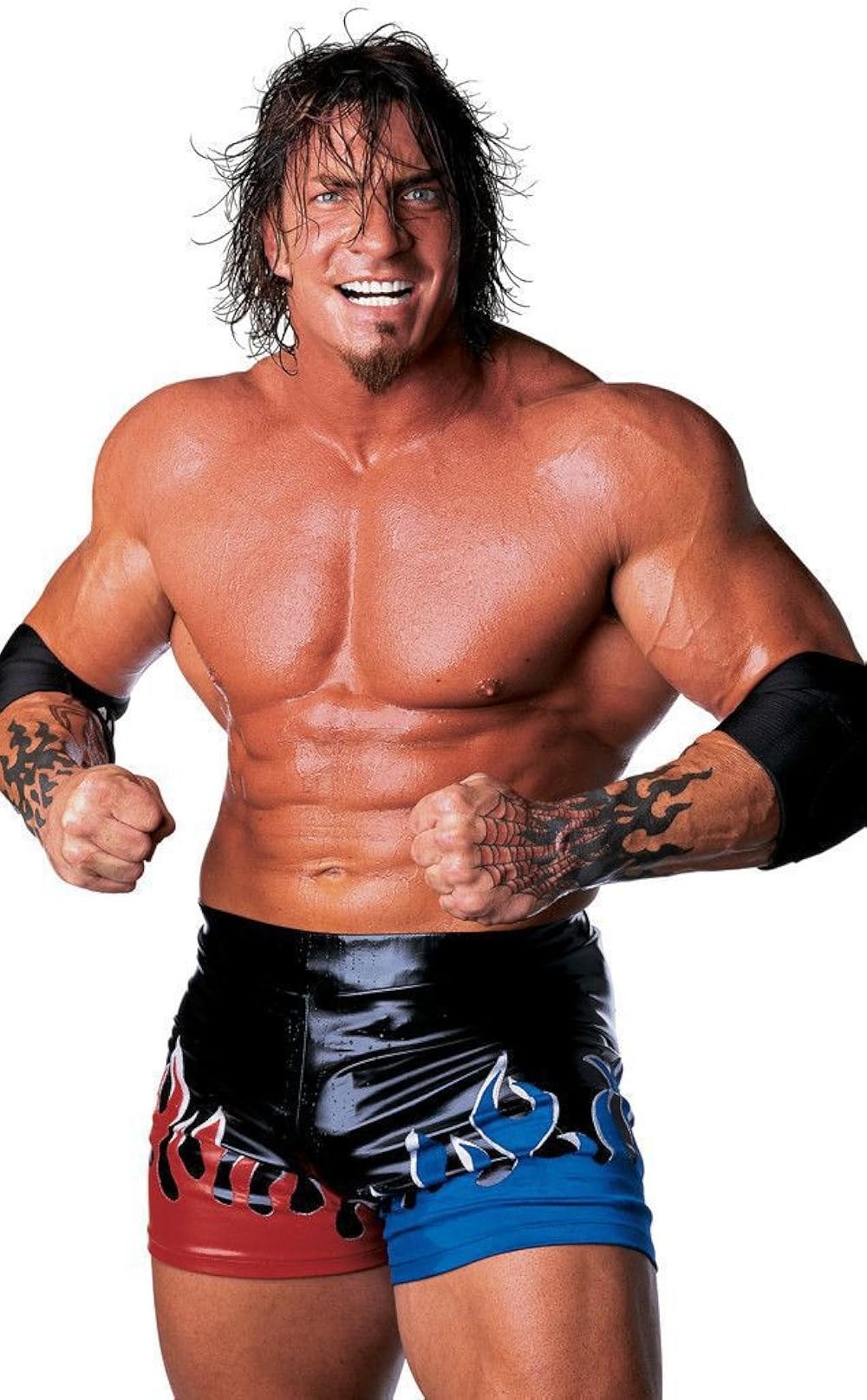
Brett Woyan\Brett Sawyer 9-9-2023 at the age of 63
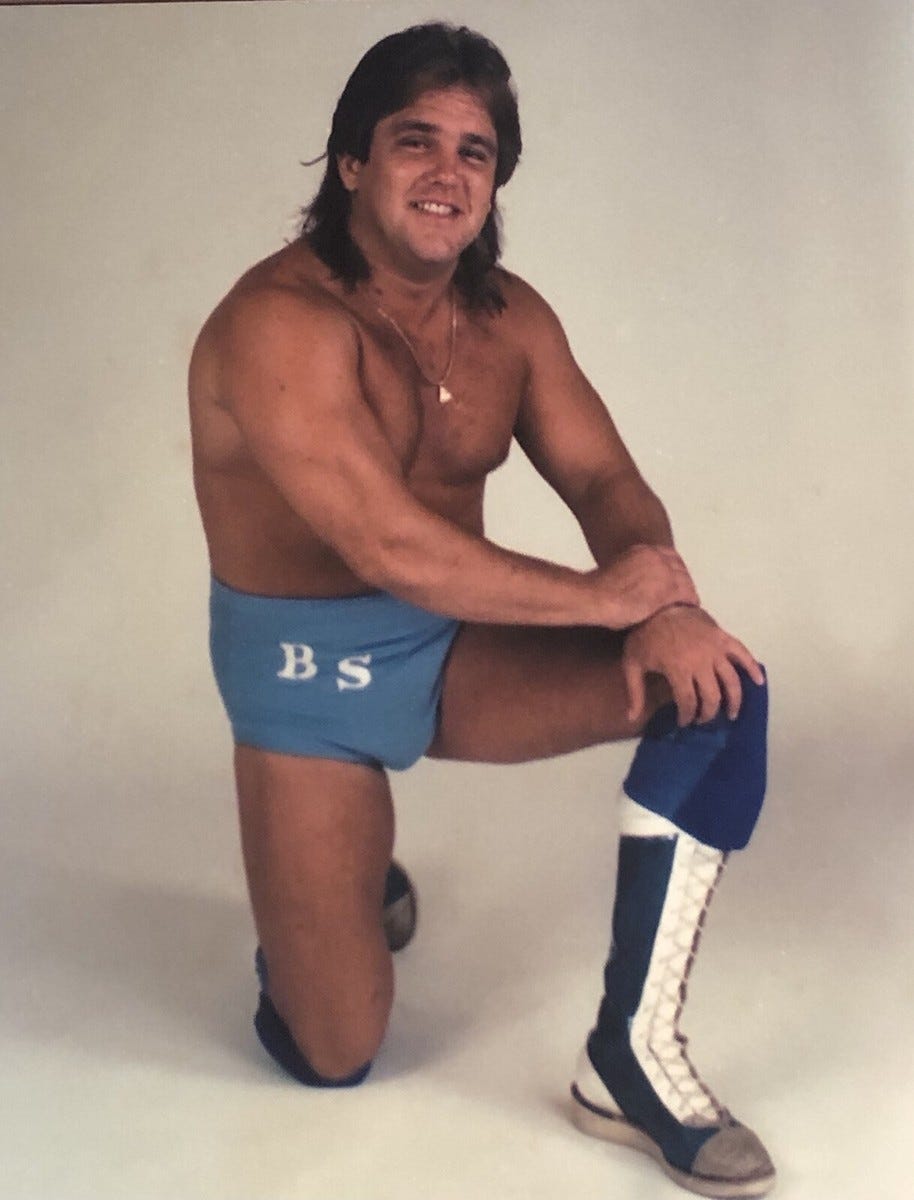
The Life and Career of LeRoy Brown
Roland C. Daniels, better known to wrestling fans as “Bad, Bad” Leroy Brown, was one of the most recognizable territorial characters of the late 1970s and 1980s: a 6-foot-2, 310-pound brawler billed from Chicago’s South Side, named after Jim Croce’s 1973 hit, and often walking to the ring to that same song. His career was short—roughly a decade—but it stretched across Texas, California, Florida, Mid-South, Mid-Atlantic, Memphis, Japan, and the Universal Wrestling Federation. He could play a blue-collar babyface or an arrogant heel, and later reinvented himself as the militant Elijah Akeem. He died at 37, leaving behind a catalog of regional titles and a reputation as a talker who understood how to work a crowd. 
Daniels was born on November 30, 1950, in Savannah, Georgia. Public records of his childhood and amateur athletic background are thin. Promotional copy sometimes billed him from Chicago, which fit the song’s street-tough image better than Savannah did. Some Japanese sources later claimed a brief NFL stint with the New York Jets; that claim is not well documented in English-language wrestling histories and should be treated as billing rather than confirmed fact. 
What is clear is the character he chose in 1977. Croce’s “Bad, Bad Leroy Brown” had already given popular culture a ready-made outlaw: meaner than a junkyard dog, badder than old King Kong. Daniels took the name and, unusually for the era, the record itself. Several historians have argued he was among the first modern American wrestlers to use a pop song as regular entrance music. The gimmick was simple and durable. At 310 pounds he looked the part of a neighborhood enforcer, and his finishing move—the Big Elbow—matched the power style promoters wanted from him.
Debut and the Southern Circuit (1977–1979)
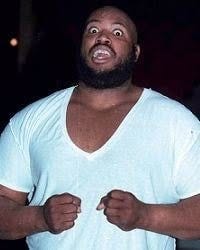
Daniels debuted in 1977 and was quickly put on television in Jerry Jarrett’s Memphis territory. There Jerry Lawler packaged him as a convict paroled into Lawler’s custody, a heel heat magnet who immediately feud with Bill Dundee. A June 27, 1977, cage match at the Mid-South Coliseum—Lawler putting up $1,000 if Brown could not beat Dundee twice in 15 minutes—ended with Dundee winning the money. Brown spent the rest of that Memphis run working the babyfaces before leaving in the fall.
Texas came next. In Fritz Von Erich’s NWA Big Time Wrestling, Brown and Killer Tim Brooks defeated José Lothario and Al Madril on March 31, 1978, for the NWA Texas Tag Team Championship. The reign lasted about ten days before David and Kevin Von Erich took the belts. It was his first title and a typical territorial pattern: a short, high-visibility run, then a move to the next town.
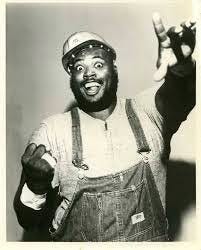
By 1979 he was in California for NWA Hollywood Wrestling. Teaming with Allen Coage (later Bad News Allen / Bad News Brown), he won the NWA Americas Tag Team Championship from Héctor and Mando Guerrero on August 4. Earlier that spring he had beaten Chavo Guerrero Sr. for the NWA Americas Heavyweight Championship, holding it about fifty days before losing to Al Madril. The Hollywood booking also opened Japan. On a New Japan Pro-Wrestling tour he challenged Seiji Sakaguchi for the NWF North American Heavyweight Championship and lost by disqualification. George Steele later wrote about the tour’s roughness, including a bottle-spot that went wrong and left Japanese wrestlers rewatching the tape in amusement. For a still-young American big man, the trip was both a résumé line and a hard lesson in how differently other countries worked.
Florida, Mid-South, and Mid-Atlantic (1979–1982)
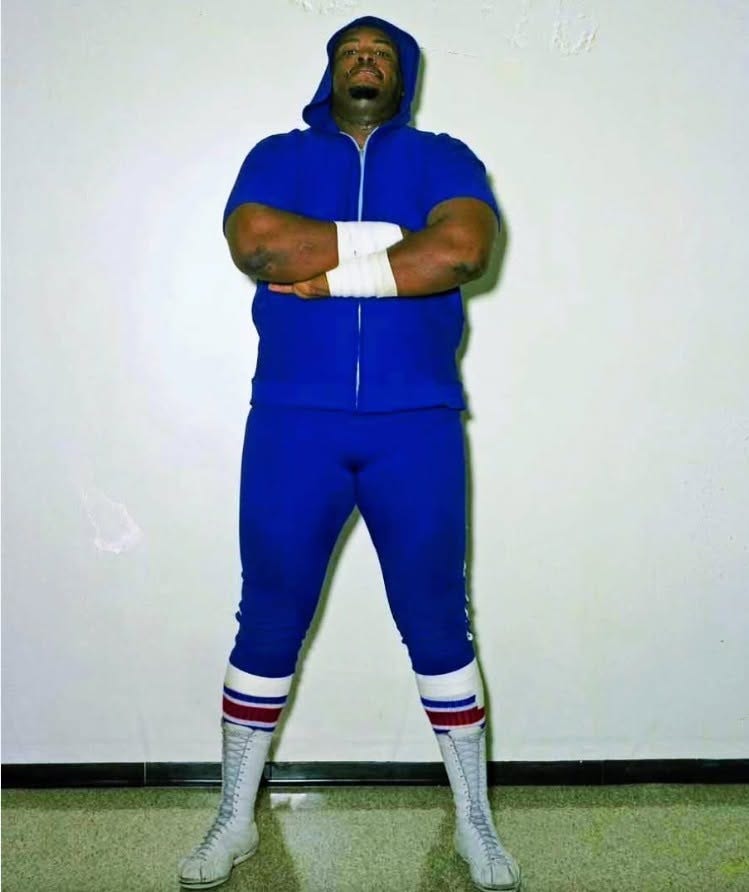
Championship Wrestling from Florida became one of his most important stops. After a program with Manny Fernandez, Brown defeated Sweet Brown Sugar (Skip Young) on November 24, 1979, for the NWA Florida Southern Heavyweight Championship. He held it 84 days and dropped it to Dusty Rhodes on February 16, 1980, in Jacksonville. That is the version most match databases support; a few secondary write-ups have him beating Dory Funk Jr. for the same belt, which appears to be a later error.
In Bill Watts’s Mid-South Wrestling he formed a power tandem with Ernie Ladd. They won the Mid-South Tag Team Championship from Junkyard Dog and Terry Orndorff in late 1980, then recaptured it from Junkyard Dog and Killer Karl Kox on February 1, 1981. The programs with JYD were racially charged in the way Mid-South often was: two large Black stars, one beloved hometown hero and one hired gun, drawing heat in Louisiana and Mississippi buildings. Ladd and Brown were not technical wizards; they were size, interviews, and crowd control.
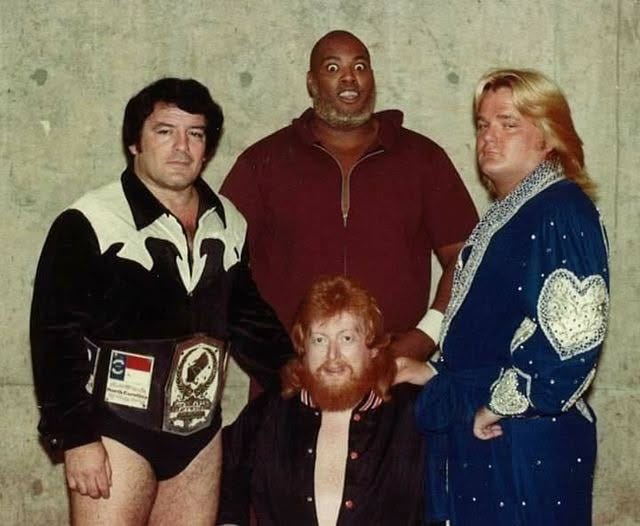
Pictured: Brown as part of the Sir Oliver Himperdink stable with aul Jones and Greg Valentine
Jim Crockett Promotions recast him in 1981 as a working-class babyface—coveralls, hard hat, the man who ran in when Sgt. Slaughter’s army stacked the numbers. He tagged with Ricky Steamboat and Sweet Ebony Diamond against the Minnesota Wrecking Crew. The 1982 Ric Flair program was his highest-profile singles story. It began with arm-wrestling challenges that Brown won, then a beating from Big John Studd before a title match at the Omni. Brown won that bout by disqualification when Flair walked out on the belt. Flair’s next move was classic Nature Boy booking: fancy clothes, jewelry, the jet-set life. After a June loss, Brown took the offer, turned heel, and joined Sir Oliver Humperdink’s House of Humperdink. On November 27, 1982, he won a 20-man battle royal for the vacant NWA Mid-Atlantic Television Championship. Mike Rotunda beat him for it on Christmas Day. Shortly afterward he left Crockett.
The Flair angle showed what Daniels did best. He was not going to outwrestle Flair in a scientific match. He could, however, sell the idea that a neighborhood tough guy might be bought, and he could make an arm-wrestling segment feel like a title match.
Elijah Akeem and the Zambuie Express (1983–1984)
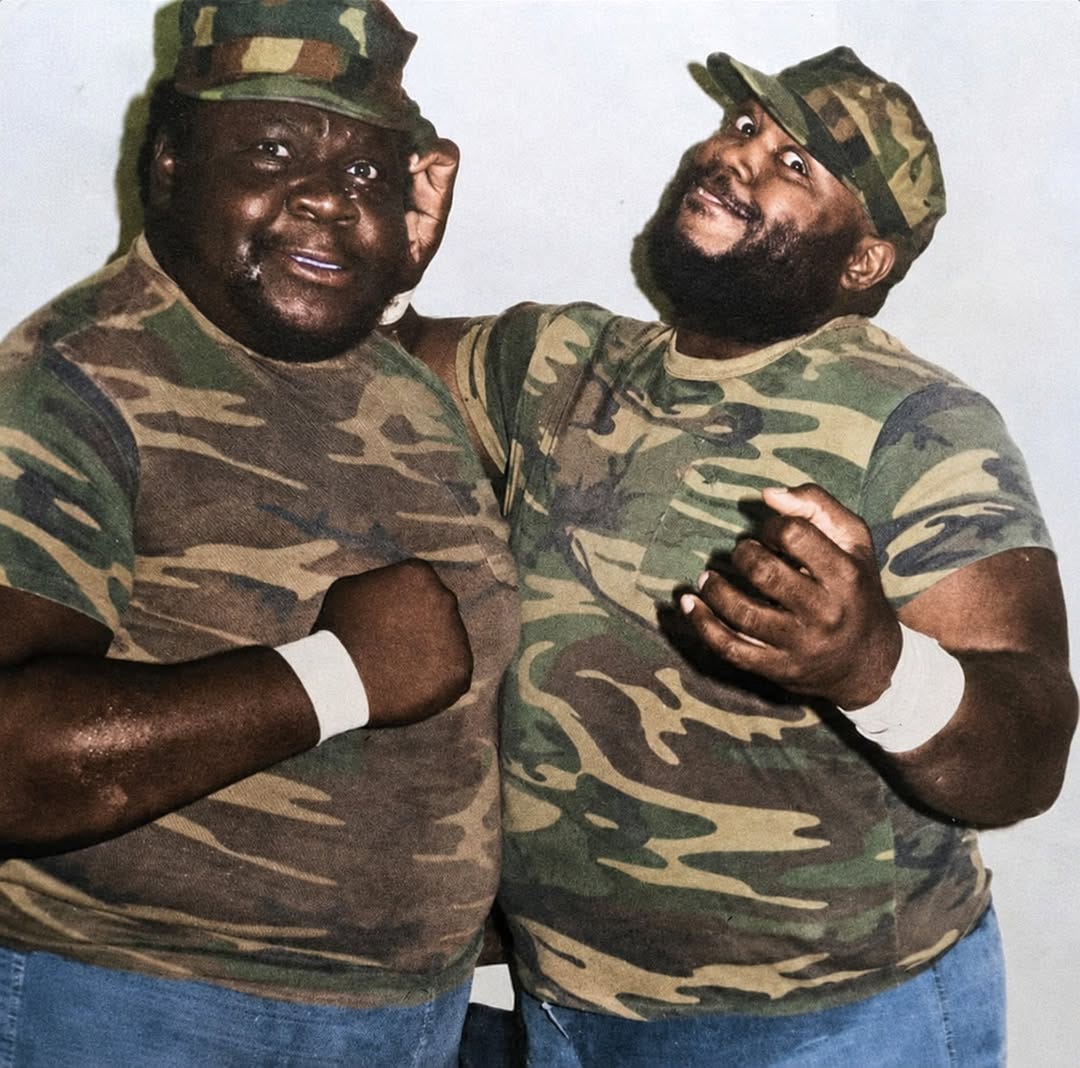
Florida bookers rebuilt him in 1983. Daniels announced that Elijah Akeem was his Muslim name, first as bodyguard to “Exotic” Adrian Street, then as partner to Ray Candy, who became Kareem Muhammad. Together they were the Zambuie Express, sometimes billed as the Muslim Connection: camouflage, military bearing, a militant Black Muslim presentation loosely echoing the era’s political imagery. In the segregated memory of Southern crowds the act was designed to get heat, and it did. Humperdink often managed them.
They won the NWA Florida Global Tag Team Championship from Mike Graham and Scott McGhee on July 31, 1983. When that title was replaced by the Florida version of the NWA United States Tag Team Championship, the Express were recognized as champions via a tournament storyline, then lost the belts to Dusty Rhodes and Blackjack Mulligan on November 5. Memphis followed. The CWA put them against the Fabulous Ones, then into a tournament for the vacant AWA Southern Tag Team Championship. As Elijah Akeem and Kareem Muhammad they beat the Pretty Young Things (Koko B. Ware and Norvell Austin) on January 31, 1984, lost the titles a week later, and won them back on February 14. Jerry Lawler and Jos LeDuc ended the second reign on March 12 in Memphis.
Spring 1984 took the team to New Japan, including a Korakuen Hall count-out win over Animal Hamaguchi and Riki Choshu. Back in Crockett country they joined Paul Jones’s Army against Jimmy Valiant’s allies and lost at Starrcade ’84 on November 22 to Buzz Tyler and the Masked Assassin. The team split soon after. The gimmick had been commercially useful and politically blunt. It also locked Daniels into a role that was hard to sustain once the heat cooled.
Last Years: Japan, UWF, and Retirement
In 1985 he went back to being Leroy Brown and toured New Japan again, often with Bad News Allen. The following year he returned to the old Mid-South towns, now operating as the Universal Wrestling Federation. On November 9, 1986, Brown and “Wild” Bill Irwin beat John Tatum and Jack Victory for the UWF Tag Team Championship. They defended at the November 27 Superdome Extravaganza against Gary Young and Joe Savoldi, then lost the titles to Terry Taylor and Jim Duggan on December 27 after a 48-day reign. Brown’s last documented match was a UWF bunkhouse battle royal on January 1, 1987. Wikipedia lists that date as his retirement. He was 36.
WWF interest was rumored and never materialized. By then national expansion had already begun to swallow the territories that had employed him.
Death
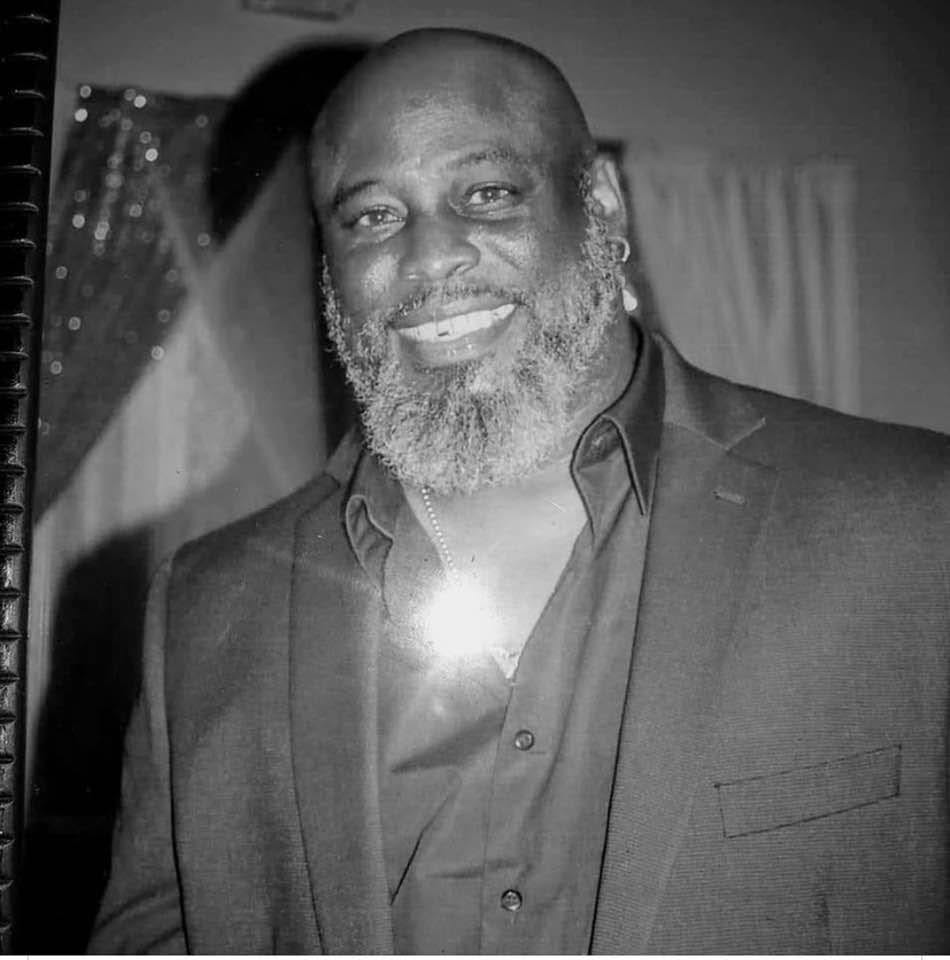
Daniels died on September 6, 1988, in Savannah, at age 37. The cause is generally given as a stroke followed by a heart attack, linked to severe cirrhosis. Wrestling in that era asked large men to travel constantly, work stiff, and live hard; his death fits a grim pattern of 1980s wrestlers who did not live to see middle age.
Style, Titles, and Place in the Territory Era
Brown was a power wrestler and an interview man more than a technician. CageMatch commenters and contemporary reports tend to agree: he could get a building up as a babyface, and his heel work was uneven except when the character had a clear hook—the convict, the bought-off working man, the UWF tag specialist with Irwin. The Elijah Akeem run is the most dated part of the résumé; it was a product of 1983 Southern booking, not a nuanced portrait of faith or politics.
His championship list is a map of the NWA system itself:
• NWA Texas Tag Team Championship, with Killer Tim Brooks (1978)
• NWA Americas Heavyweight Championship (1979)
• NWA Americas Tag Team Championship, with Allen Coage (1979)
• NWA Florida Southern Heavyweight Championship (1979–80)
• Mid-South Tag Team Championship, twice, with Ernie Ladd (1980–81)
• NWA Mid-Atlantic Television Championship (1982)
• NWA Florida Global and United States Tag Team Championships, with Kareem Muhammad (1983)
• AWA Southern Tag Team Championship, twice, with Kareem Muhammad (1984)
• UWF Tag Team Championship, with Bill Irwin (1986)
He also appeared in Georgia, Puerto Rico, Toronto, Hawaii-adjacent bookings, and other short stops. He should not be confused with the Hawaiian wrestler Leroy Tuifao, who also used the name Leroy Brown in Polynesian promotion.
“Bad, Bad” Leroy Brown never became a national television star. He did something the territory system valued more in its last healthy decade: he could be recast from town to town, put in a song people already knew, and trusted to draw a reaction. The Croce theme, the Flair arm-wrestling segments, the Mid-South tags with Ladd, and the brief UWF title run with Irwin are the pieces that still circulate among tape traders.
His career lasted about ten years. The record shows a large man who learned the business on the road, collected belts in every major Southern office that would have him, and was gone before the Monday Night Wars made household names of men with half his itinerary. In that sense the essay of his life is also an essay of the era that produced him: inventive, itinerant, racially complicated, and unforgiving of the body.
One Thing I Learned About Bob Roop
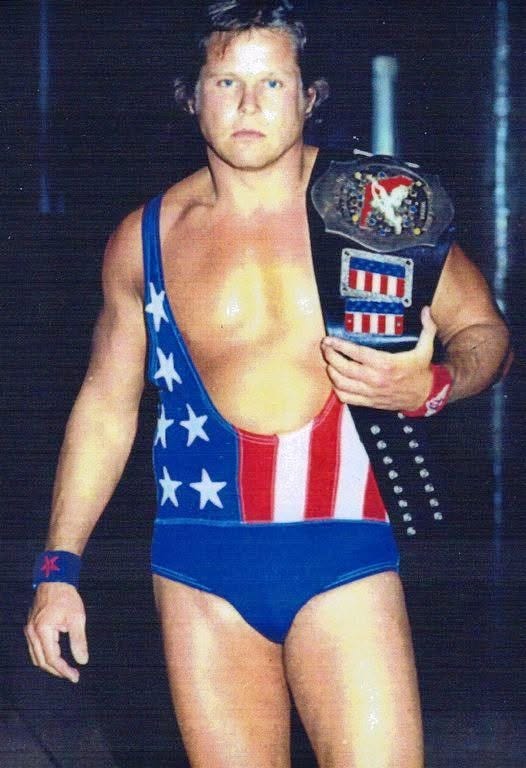
As a freshman varsity heavyweight at East Lansing High, Bob Roop went 0-22-1. By his senior year he was 27-0 and the Michigan state champion.
That turnaround is the quieter half of the Roop story people skip when they jump straight to Mexico City 1968. The other piece that rarely gets told: after the Games he sold his U.S. Olympic team jacket for $100 because he needed the cash. A few months later he was in Eddie Graham’s Florida office, turning that amateur résumé into a heel who wore medals to the ring—while privately asking promoters not to call him a gold medalist, which he wasn’t.
Thank You for Watching and Listening
I’m Tony Richards, Pro Wrestling Historian, Author and Storyteller. I share pro wrestling historical items in each issue of the Time Tunnel Pro Wrestling History Newsletter and each episode of our podcast show. Thanks for your support! If you enjoy my information on select events, matches and insights, please share with folks you think might like to be a subscriber!
Remember, Premium subscribers get access to exclusive and special content such as some special issues including a multi-part deep dives on wrestling territories, wrestler bios and championship title histories, special audio and video interviews on territory pro wrestling and more available in the Pro Wrestling Time Tunnel for Premium Subscribers. Being a Premium Subscriber also means you support me in my efforts to document Pro Wrestling History through my research, writing, books, vidoes and podcasts. And…I have something very special planned for our Premium Subscribers on the Podcast side of things in 2026! Details soon here in the Pro Wrestling Time Tunnel.