


Today’s Favorite Quote: Obstacles don’t have to stop you. When you run into a wall, don’t give up. Figure out how to climb it, go through it or work around it-Michael Jordan
Happy Birthday to those who have passed on and to those great wrestlers still with us:
In Memoriam:
Ray “The Crippler” Stevens 1934
Winona Littleheart 1955
Happy Birthday:
Jerry Oates (79)
Cinta de Oro\Sin Cara\Mistico (49)
RIP Memorial: We stop & remember those who have passed on this day and gave themselves to the business for us, the fans. We salute you and thank you.
George Tragos 9/5/1955 at the age of 58
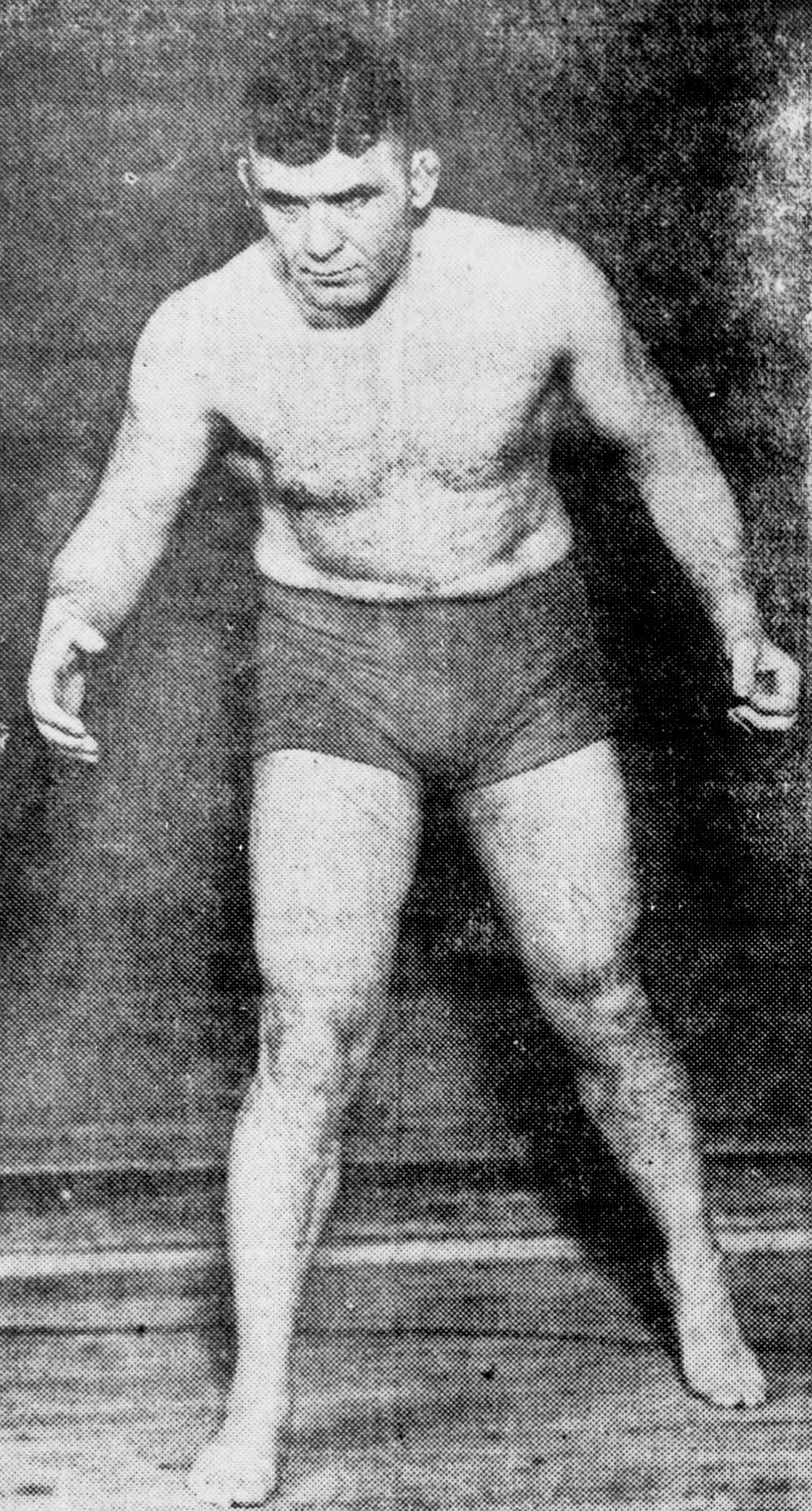
Dick Lane 9/5/1982 at the age of 83

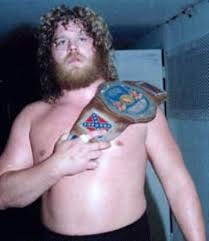
Scott Irwin 9/5/1987 at the age of 36
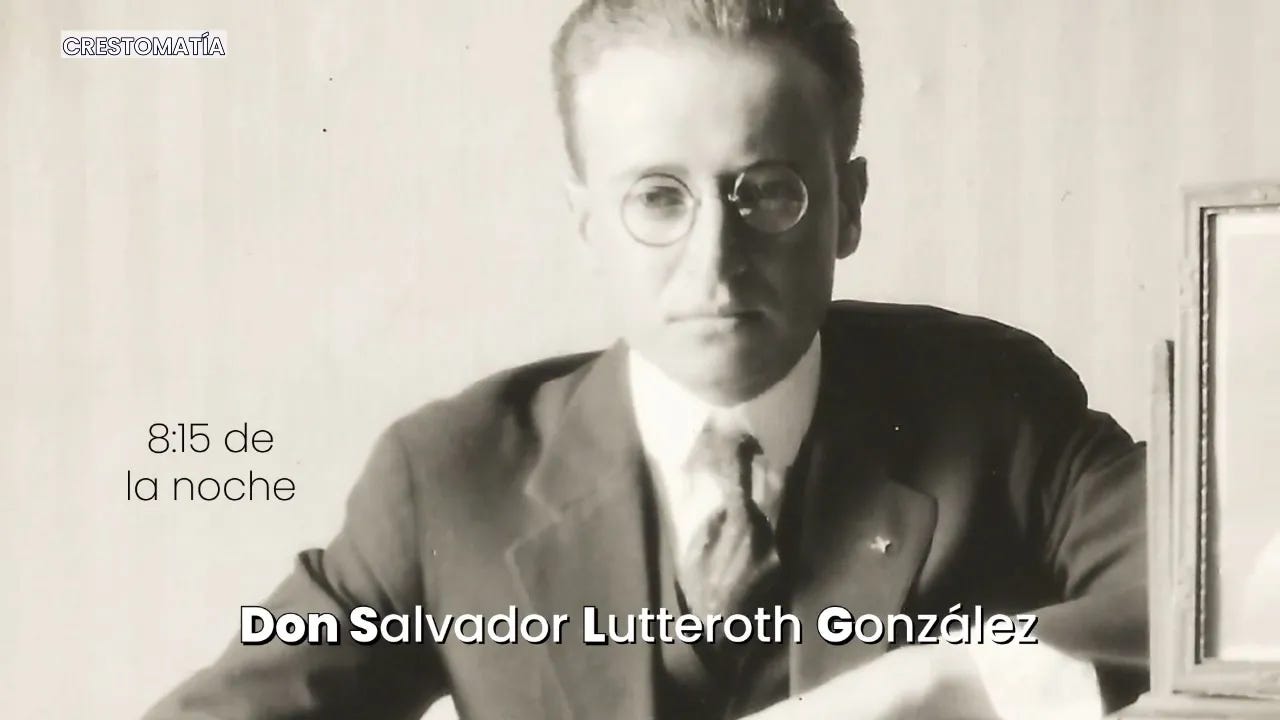
Salvador Lutteroth 9/5/1987 at the age of 90
The Life and Career of Winona Littleheart
Winfred “Winnie” Childree, better known to wrestling fans as Winona Littleheart and later The Lock, was a journeyman women’s wrestler whose career spanned the territorial era of the 1970s and 1980s. Born September 5, 1955, in Reynolds, Georgia, she worked under multiple names, traveled widely, held a regional championship, trained future stars, and later reinvented herself as a painted, hooded heel in one of Florida wrestling’s most infamous factions. She died on May 9, 2020, at age 64 after a long battle with kidney disease.
Early Life and Entry into Wrestling
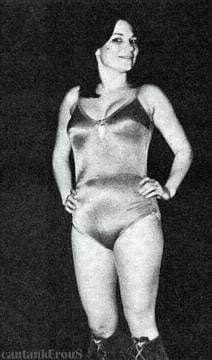
Childree was born to Franklin Childree and Martha Jean Taunton. Her parents separated when she was in the second grade. Her mother later married “Dirty” Dick Barkley, a wrestler, booker, and small-time promoter who worked in the Southeast, including Thomasville, Georgia, as part of Fred Ward’s Atlanta-area operation. Childree adopted the Barkley surname for a period of her life. She had a stepsister, Peggy Lee Leather (Peggy Fowler), who later followed her into the business.
She attended school in Thomasville until the 11th grade, then left to live with an aunt. In a later interview she described restlessness: she wanted something more than the life that seemed laid out for her. Barkley’s connections in the business provided the opening. In 1975 he contacted The Fabulous Moolah, who ran the primary training camp for women wrestlers in Columbia, South Carolina. Childree spent several months there learning holds, psychology, and how to take bumps safely. Trainers included Moolah, Joyce Grable, and Sue Green. Grable later recalled that Childree listened well and that they roomed together both at the compound and later in California. Childree herself remembered the physical toll: mornings when her body ached so badly it was hard to get out of bed.
Her debut came on January 1, 1976, in a ten-woman battle royal at the Omni Coliseum in Atlanta, in front of a home-state crowd. Moolah supplied the ring name Winona Littleheart (sometimes spelled Wenona or billed as Princess Littleheart). The character was a stock “Native American” babyface of the era—fringe vest, feather in long dark hair—used by several women who were not themselves Native. Childree played the role as a fan favorite. That same year she was named Girls’ Wrestling Rookie of the Year.
Territorial Grind and Championship Success
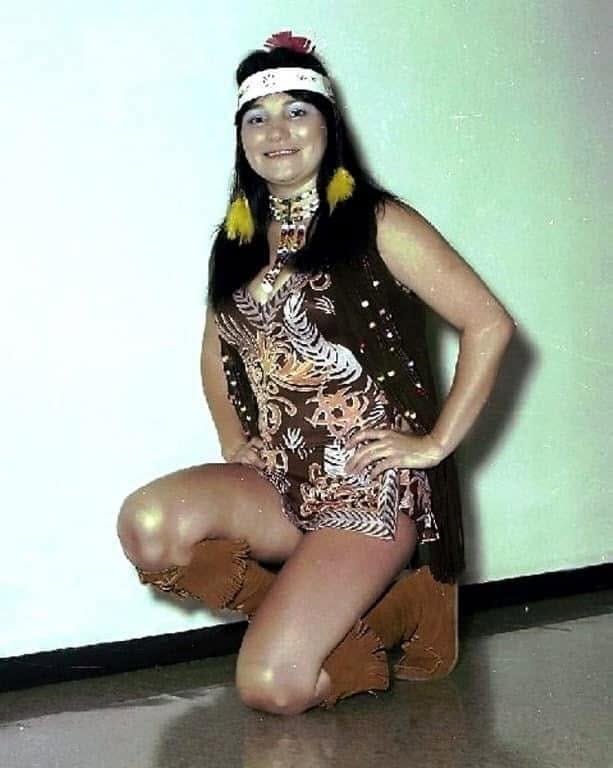
Pictured: Winnie Childree as Winona Littleheart
For the next several years Childree worked the NWA territory circuit: Georgia, Florida, Mid-South, Mid-Atlantic, Houston, Memphis, Dallas, St. Louis, Kansas City, Hawaii, Calgary, and others. Women’s divisions were thin, so the same small group of wrestlers traveled constantly. In a 1982 interview she noted that women had to travel more than the men simply because there were fewer of them.
She frequently challenged Moolah for the NWA World Women’s Championship but never captured it. In October 1980, billed as Princess Little Heart, she won the NWA United States Women’s Championship in Paul Boesch’s Houston promotion (one account says via forfeit). She defended it against Judy Martin, Leilani Kai, Suzette Ferreira, and others before dropping it to Martin. It was her only singles title. She later said the extra money that came with being champion made it one of the more enjoyable stretches of her career.
She also appeared regularly in the WWWF/WWF in the late 1970s and early-to-mid 1980s, often opposite Moolah or Judy Martin. In 1985 she challenged Leilani Kai for the WWF Women’s Championship during Kai’s brief reign. At Moolah’s school she helped train newer talent, including Wendi Richter.
International work included tours of Japan (as Winnie Barkley, with dyed blonde hair), Mexico, Europe, and Malaysia. She did not enjoy Japan—language, food, and style all grated on her. In Malaysia she teamed with Linda Gonzales and was remembered for a simple piece of advice to a nervous partner: look at the crowd as if they were in their underwear.
Reinvention as The Lock
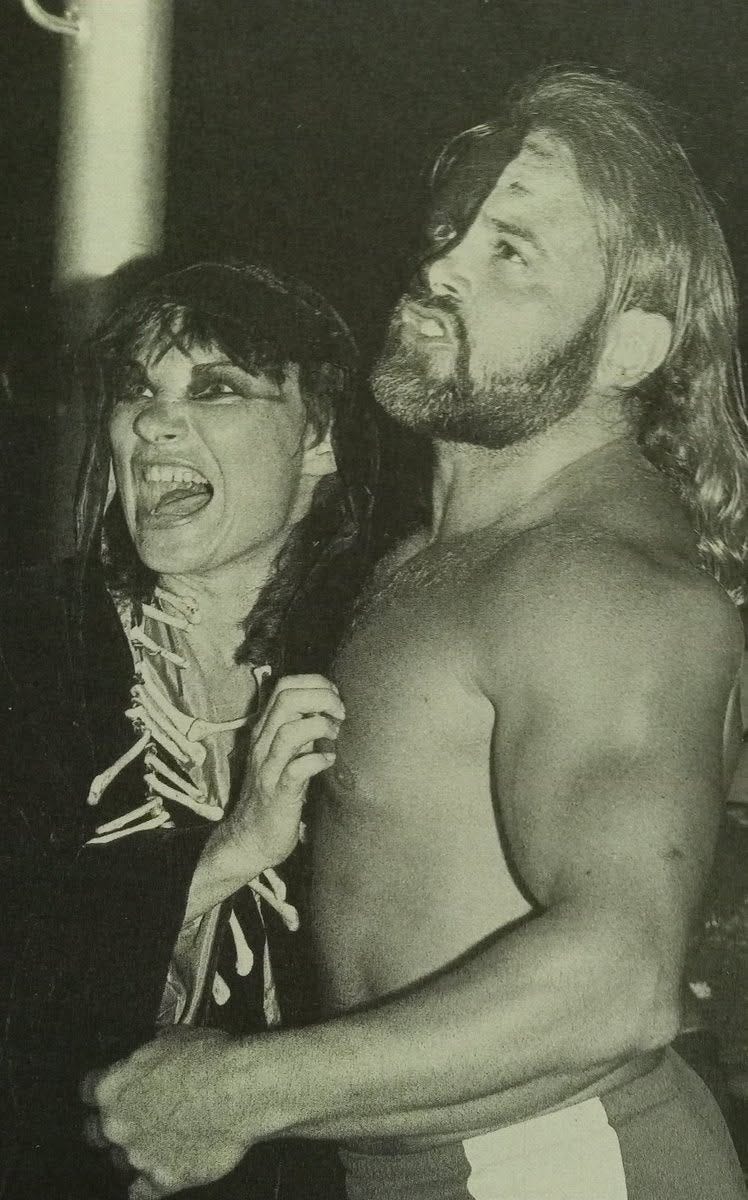
Pictured: Winnie Childree with Kevin Sullivan in Championship Wrestling from Florida as “The Lock”, one of Sullivan’s Army of Darkness in 1985
Around 1985 Childree left Moolah’s group. She surfaced in Championship Wrestling from Florida first as Cindy Lou, presented as a childhood friend of Barry and Kendall Windham. The angle then turned dark: Kevin Sullivan “abducted” her, placed her under a satanic spell, and renamed her The Lock because he kept her under lock and key. The storyline echoed Stockholm-syndrome / SLA-type kidnapping tropes. She adopted a mohawk, face paint, and hooded look and became part of Sullivan’s Army of Darkness, interfering on his behalf.
She formed a tag team with Luna Vachon as the Daughters of Darkness. They worked Florida, later toured Japan with Paul “Butcher” Vachon as manager (he once led them on a chain through Ginza for a publicity stunt), and won the World Women’s Tag Team Championship in the short-lived Women’s Championship Wrestling promotion based in Las Vegas. They defended titles in Memphis against Candi Devine and Debbie Combs in early 1987. Childree also worked David McLane’s Powerful Women of Wrestling in 1988, managed by Genie Beret.
The heel turn gave her a second act after more than a decade as a smiling babyface. Peers later described her as a “speed-ball” in the ring and a hard worker who gave everything once the bell rang.
Retirement, Personal Life, and Death
Most accounts place her retirement around 1988 after roughly 12–14 years in the business, though one source notes some Georgia independent dates into the early 1990s and even a mid-1990s appearance against Leilani Kai. After leaving the ring she contributed backup vocals to a track on the Florida thrash-metal band Nasty Savage’s 1987 album Indulgence.
She married Mark Morrell and they had one son, Mark Morrell Jr. Friends from the business remembered her warmth. Terri Shane, maid of honor at a 1977 wedding held at Moolah’s home, reconnected with her shortly before her death after 30 years and called her “larger than life” with “a good heart.” Linda Gonzales recalled a contagious smile. Velvet McIntyre described her in-ring style as a little speed-ball. Her stepsister Peggy Lee Leather said that when Winnie stepped in the ring she gave it her all.
Childree died on May 9, 2020 (some reports say May 10) after a prolonged fight with kidney disease. She was 64. She was survived by her husband, son, two sisters, and one brother.
Winona Littleheart never became a household name like Moolah, Wendi Richter, or later stars of the Attitude Era and beyond. She belonged to the generation that filled cards across dozens of territories when women’s wrestling was a supporting attraction rather than a centerpiece. She learned the trade in Moolah’s demanding school, paid her dues on the road, held a regional title, helped train the next wave, and then successfully recast herself as a bizarre heel when the babyface Native American character had run its course.
The gimmicks she used—both the feathered princess and the locked-away cult follower—were products of their time: theatrical, stereotypical, and built for heat rather than authenticity. What contemporaries emphasized after her death was not the costumes but the work rate, the willingness to travel, and the decency she showed colleagues. In an era when the women’s division was small and the schedule punishing, that combination was enough to sustain a career that lasted more than a decade and left a clear if understated mark on the territorial and early national scene.
One Thing I Learned About Ray Stevens
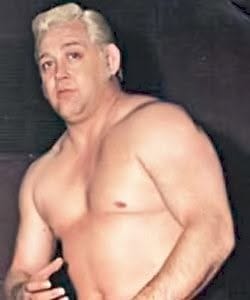
In a local fan survey conducted during his peak years as the top heel in San Francisco, he was voted both the most hated wrestler and the most popular wrestler at the same time.
The dual result stunned promoters and insiders. Fans despised him enough to pack buildings just to see him get beaten, yet they were so drawn to his charisma, ring work, and larger-than-life persona that they also considered him the territory’s biggest overall star.
Thank You for Watching and Listening
I’m Tony Richards, Pro Wrestling Historian, Author and Storyteller. I share pro wrestling historical items in each issue of the Time Tunnel Pro Wrestling History Newsletter and each episode of our podcast show. Thanks for your support! If you enjoy my information on select events, matches and insights, please share with folks you think might like to be a subscriber!
Remember, Premium subscribers get access to exclusive and special content such as some special issues including a multi-part deep dives on wrestling territories, wrestler bios and championship title histories, special audio and video interviews on territory pro wrestling and more available in the Pro Wrestling Time Tunnel for Premium Subscribers. Being a Premium Subscriber also means you support me in my efforts to document Pro Wrestling History through my research, writing, books, vidoes and podcasts. And…I have something very special planned for our Premium Subscribers on the Podcast side of things in 2026! Details soon here in the Pro Wrestling Time Tunnel.