


Today’s Favorite Quote: Strength is born in the deep silence of long-suffering hearts; not amid joy - Arthur Helps
Happy Birthday to those who have passed on and to those great wrestlers still with us:
In Memoriam:
Ernie Roth\The Grand Wizard\Abdullah Farouk 1926
Matt Jewell\Bearcat Brown 1935
Happy Birthday:
Scott Stafford (58)
RIP Memorial: We stop & remember those who have passed on this day and gave themselves to the business for us, the fans. We salute you and thank you.
Erneste “Gorilla” Poggi 8-30-1988 at the age of 88

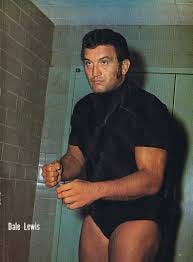
Dale Lewis 8-30-1997 at the age of 64
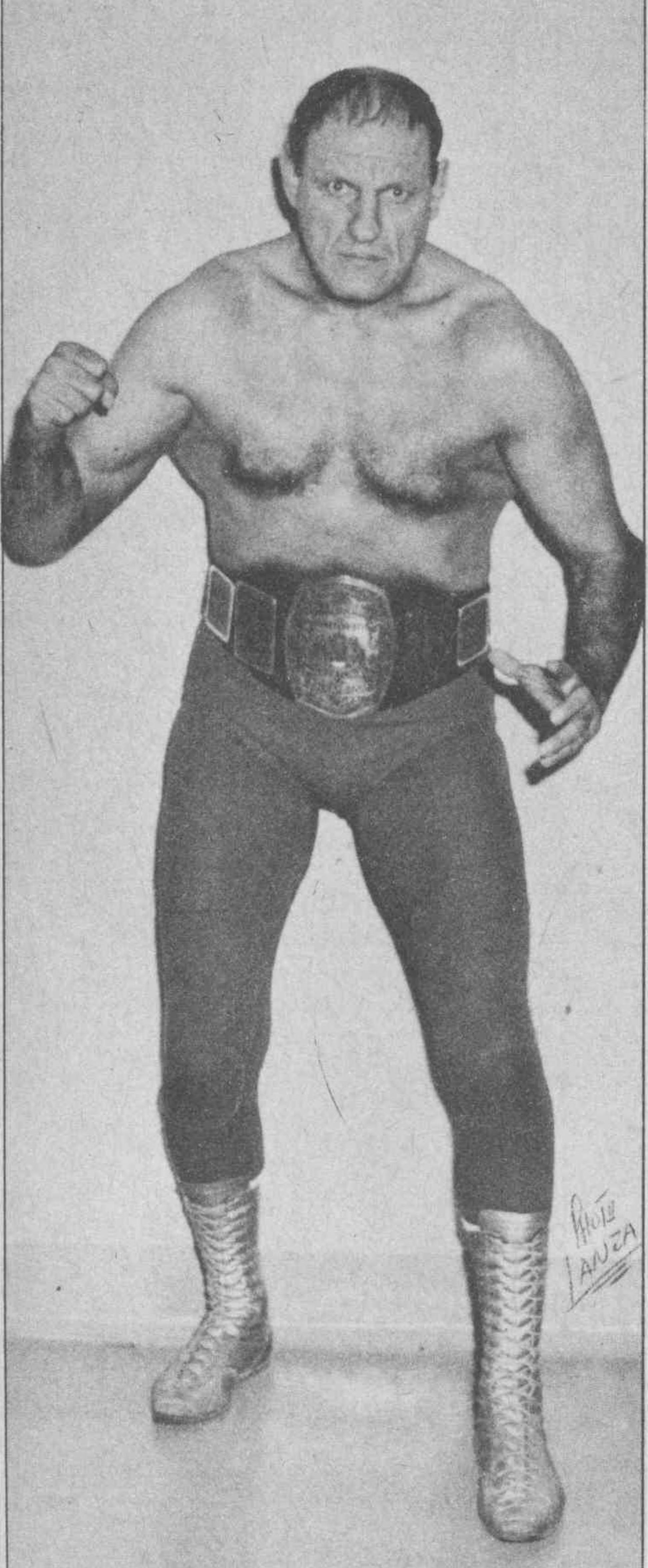
Walter “Killer”“ Kowalski 8-30-2008 at the age of 81
Beverly Lehmer 8-30-2010 at the age of 77

Ric Drason 8-30-2020 at the age of 76

Flashback 1976
Q3 Analysis
July-September
American Wrestling Association (AWA)
Minneapolis, Minnesota Office
The American Wrestling Association entered the third quarter of 1976 as a mature Midwestern powerhouse still operating at the peak of the territorial system. Verne Gagne’s Minneapolis-based office controlled Minnesota, Wisconsin, Illinois, Iowa, Nebraska, Colorado, the Dakotas, and Winnipeg. Television from Minneapolis and Moline sold the circuit. The year was the first full calendar year of Nick Bockwinkel’s world title reign after he ended Gagne’s seven-year championship on November 8, 1975 in St. Paul, and that change still defined every main-event conversation in the territory.
What follows is an analysis of the wrestlers, matches, angles, storylines, and business of July through September 1976.
The champion and the office
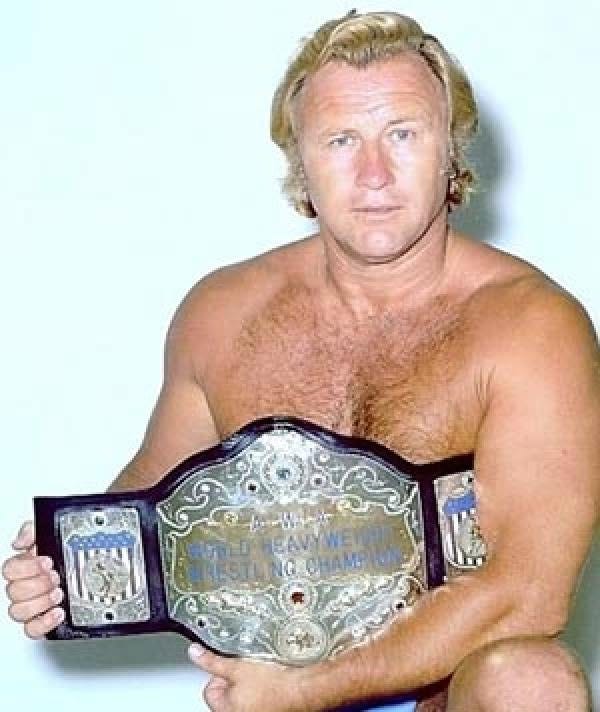
Bockwinkel was the axis of the company. At forty-one he was a polished technician who sold himself as the smartest wrestler alive. Bobby “The Brain” Heenan managed him. The champion did not work a death-match style. He worked long, methodical matches, stole finishes, took frequent disqualifications against bigger babyfaces, and talked down to the crowd. That formula kept the belt on him while still giving fans a reason to buy tickets: they believed Crusher, Bruiser, Verne Gagne, or a special attraction might finally catch him.
The Heenan Family around him was the quarter’s real booking engine. Blackjack Lanza and “Big Bad” Bobby Duncum were the muscle. Heenan himself wrestled when the office needed extra heat. Ray Stevens made at least one July appearance in Milwaukee, losing to Mad Dog Vachon, a reminder that the old Bockwinkel–Stevens tag partnership still lived in the territory’s memory even if Stevens was not a weekly fixture that summer.
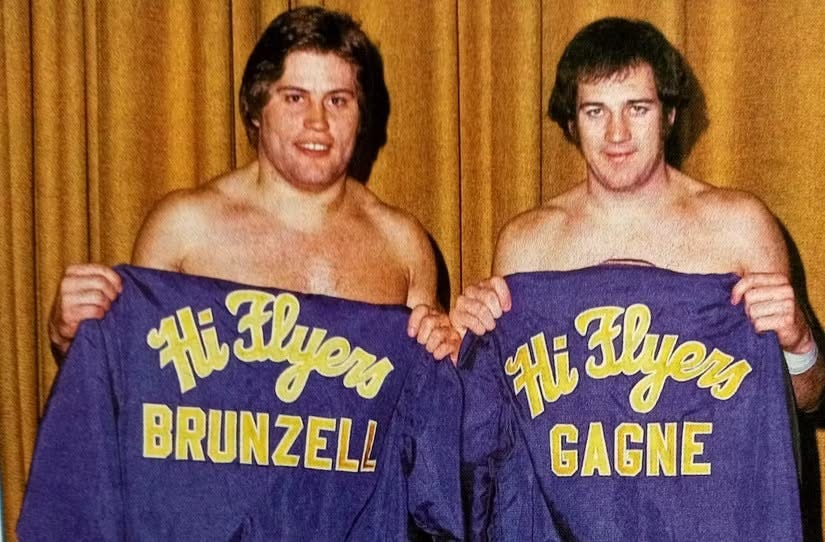
Opposite them stood the promotion’s traditional blue-collar heroes. The Crusher (Reggie Lisowski) and Dick the Bruiser remained the biggest drawing babyfaces in Milwaukee and Chicago. Larry “The Axe” Hennig and Jos Leduc formed a second heavy tag unit. Greg Gagne and Jim Brunzell—the High Flyers—were the athletic, younger face team being built for the next decade. Peter Maivia, still billed as Chief Peter Maivia, worked a strong upper-midcard program, usually against Kim Duk. Mad Dog Vachon and Baron von Raschke were the other heel pair, more chaotic than Lanza and Duncum, and they spent the summer in lumberjack matches and disqualification wars with Hennig, Leduc, and the High Flyers.
Verne Gagne, now promoter first and wrestler second, appeared as a special attraction rather than a weekly worker. That scarcity was the point. When he challenged Bockwinkel, the buildings treated it as an event.
July: the tag titles change hands
July opened with the standard AWA loop. Dixon, Brainerd, Winnipeg, Milwaukee, Omaha, Davenport, Denver, St. Paul, Green Bay, and Chicago all ran variations of the same programs. Six-man tags mixed Bockwinkel with Lanza and Duncum against Hennig and the High Flyers. Lumberjack matches between Hennig/Leduc and Vachon/von Raschke traveled from Winnipeg to Omaha to Denver. The High Flyers repeatedly beat Lanza and Duncum in two-out-of-three-falls matches in Milwaukee, Omaha, Davenport, and Green Bay—important because those wins established the Flyers as credible before the belts moved.
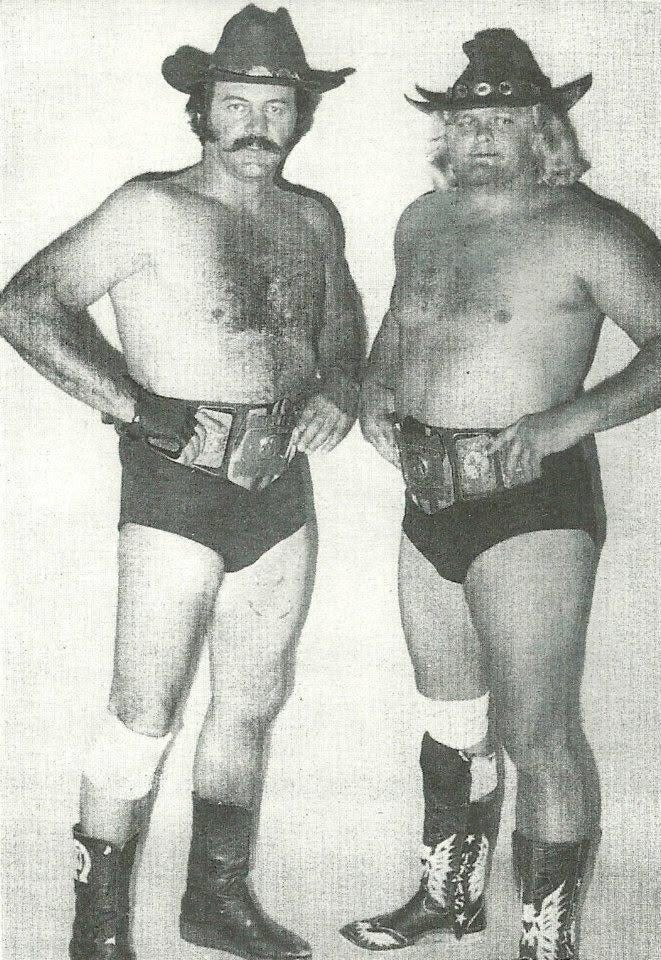
Pictured: Blackjack Lanza and Bobby Duncum, AWA World Tag Team Champions
The quarter’s first major title change came on July 23 at the International Amphitheatre in Chicago. Lanza and Duncum defeated Crusher and Bruiser for the AWA World Tag Team Championship. The belts had been on Crusher and Bruiser since August 16, 1975. Putting them on Heenan’s power team immediately created a long-term program: the new champions could defend against the old champions, against Hennig and Leduc, and against the High Flyers without the office having to invent a new heel unit.
Bockwinkel’s July title defenses were typical of the reign. He beat Buddy Wolff in Milwaukee and St. Paul, beat Wilbur Snyder in Chicago the night the tags changed, took a disqualification win over von Raschke in Omaha, and pinned Vachon in Davenport. He also beat Vachon by disqualification in Green Bay. The pattern was deliberate. Clean pins were reserved for midcard challengers. Against the names that sold tickets, the champion usually needed Heenan, a rope break, or a referee’s decision.
Television remained the weekly engine. Minneapolis All-Star Wrestling and the Moline tapings (often billed as World Championship Wrestling) fed jobber matches, interviews, and short programs that justified the next house-show loop. Bockwinkel squashing Kenny Jay or Buck Zumhofe on TV was not filler. It was the champion’s weekly reminder that he was still the man.
August: Comiskey Park and the old champion returns
August raised the scale. On August 4 in Peoria, Bruiser beat Bockwinkel by disqualification. On August 12 in Cambridge, Iowa, Crusher did the same. Those DQ losses were not accidents. They built the idea that the brawlers could hang with the champion if the referee would let them. The same week, Lanza and Duncum began defending the new tag titles against Hennig and Leduc in Milwaukee and Green Bay and against Crusher and Bruiser in Davenport and Winnipeg.
Special attractions arrived. Wahoo McDaniel challenged Bockwinkel on August 21 in Milwaukee and lost. Russ Francis, then a young football-to-wrestling crossover, beat Kim Duk on the same card. Milwaukee drew 5,725 that night. Winnipeg on August 19 drew a reported 9,248 for a card headlined by Lanza and Duncum versus Crusher and Bruiser (the champions winning by disqualification after Bruiser manhandled the referee) and Bockwinkel pinning Greg Gagne.
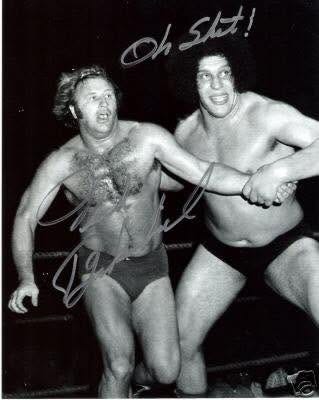
Pictured: Andre The Giant whips Bockwinkel into the corner during their match at Comiskey Park in Chicago, Illinois
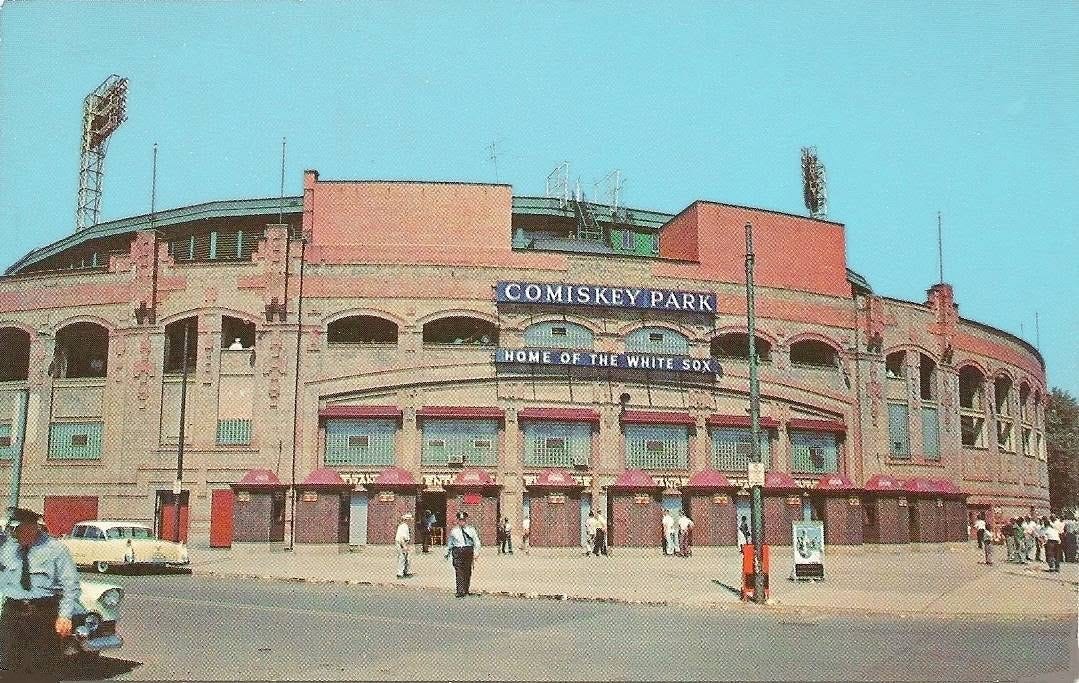
The summer’s showcase was August 27 at Comiskey Park in Chicago. Reported attendance was 15,000, one of the AWA’s larger outdoor gates of the decade and the third-largest Comiskey Park wrestling crowd of the era behind the 1970 Gagne–von Raschke show and the 1974 Gagne–Robinson show. The card mixed local Chicago flavor with AWA main-eventers:
• Bounty Hunter II over Bobby Bold Eagle
• Pepper Gomez over Johnny Starr
• Art Thomas over Bounty Hunter I by disqualification
• Peter Maivia over Kim Duk
• Moose Cholak over Buddy Wolff
• High Flyers and Wilbur Snyder over Vachon, von Raschke, and Ox Baker
• Bockwinkel versus André the Giant, no contest by double disqualification, title retained
• Steel cage: Lanza and Duncum retain the tag titles over Crusher and Bruiser
The André match was a special attraction, not a long program. André was already a touring giant; putting him in with the world champion on a baseball stadium card was the AWA version of a summer blockbuster. The cage match was the real story. Crusher and Bruiser had lost the belts in the same city five weeks earlier. A cage removed Heenan from the apron and forced a finish. The heels kept the titles. That decision kept the program alive into the fall instead of giving the old champions a cheap hometown win.
The next two nights Verne Gagne returned to the title picture. St. Paul on August 28 drew 6,641 for Bockwinkel versus Gagne, which ended in a no contest. Green Bay the following night ran the same match to another no contest. Denver had advertised the pairing on August 20. The office was using Gagne the way a later era would use a part-time legend: scarce, protected, and always close enough to the title to make the next date feel important.
September: six-mans, Heenan in the ring, and the loop continues
September did not produce another stadium show, but it tightened the existing programs. On September 6 in Davenport, Crusher again beat Bockwinkel by disqualification. On September 11 in Milwaukee, Vachon and von Raschke went to a no contest with the High Flyers, while a six-man of Maivia, Hennig, and Crusher beat Bockwinkel, Lanza, and Duncum two falls to one in 27:45. Those six-mans were the AWA’s favorite way to put the champion in a match he could lose without dropping the belt.
Winnipeg on September 16 gave the babyfaces a clean moral victory. The High Flyers beat Vachon and von Raschke when Greg Gagne pinned Vachon in 27:00. Verne Gagne then pinned Heenan in 8:45 under a stipulation that Gagne had to beat the manager inside ten minutes or lose. Putting Heenan in the ring was a heat device the office used sparingly. Fans wanted to see the mouthpiece get his, and a short, decisive pin by the promoter himself was cheap heat that cost nothing on the title picture.
Chicago on September 18 saw Bockwinkel beat Bruiser by disqualification, reversing the Peoria result from six weeks earlier. The champion was again protected. Midcard names such as Billy Francis (Pat Leahy) began appearing more often in August and September, including a television draw with Bockwinkel, a sign the office was testing another heavyweight body against the champion for later loops.
By the end of the quarter the championships had not moved again. Bockwinkel was still champion. Lanza and Duncum were still tag champions. The programs were designed to last into the winter loop, not to climax in September.
Wrestler analysis
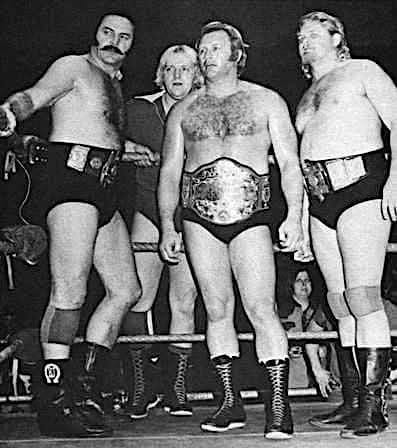
The heels draw the money.
Heel stables, if they are elite, lik ethe Heenan Family in 1976, draw a lot of money.
Nick Bockwinkel was the best worker on the roster and the best talker after Heenan. His reign depended on credibility. He could go twenty minutes with André, survive Bruiser and Crusher, and still look like a champion when he beat Buddy Wolff or Greg Gagne clean. The frequent DQs were a booking crutch, but they fit the character: the smartest wrestler alive was also the one most willing to break a rule if the title was at risk.
Bobby Heenan was the glue. He managed the world champion and both tag champions. When he wrestled, it was as a coward who could still win by disqualification (as he did over Buddy Wolff in Milwaukee on July 31) or as a sacrificial lamb for Verne Gagne. His interference angles—backfiring in Winnipeg when Crusher pinned Duncum—gave babyfaces wins without weakening the heel wrestlers.
Blackjack Lanza and Bobby Duncum were a well-chosen champion team. Lanza had the veteran presence and the “Blackjack” brand from earlier years. Duncum was the brawling Texan, a prototype for the cowboy heels who would follow. Together they could work a cage, a two-out-of-three-falls match, or a six-man. They were not as over as Crusher and Bruiser, which is why they needed the belts and Heenan.
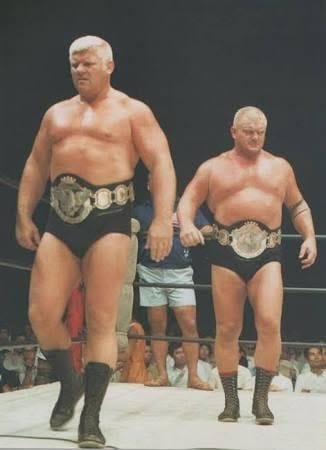
Pictured: The Crusher and The Bruiser, AWA World Tag Team Champions
The Crusher and Dick the Bruiser were still the territory’s emotional core, especially in Milwaukee and Chicago. Their style was limited—punches, stomps, no-rope brawling—but it matched the audience. Losing the tag titles in July and the cage match in August did not hurt them. It gave them a grudge. Bruiser beating Bockwinkel by DQ in Peoria and Crusher doing the same in Cambridge and Davenport kept both men in the world-title conversation without putting the belt on a part-time brawler.
The High Flyers were the future the office was planting in 1976. Greg Gagne had the name and the amateur base. Jim Brunzell had the dropkick and the likeability. They beat Lanza and Duncum repeatedly before the title change, went to no contests with Vachon and von Raschke, and worked six-mans with Wilbur Snyder and Verne. They would not win the tag titles until July 1977, but the third quarter of 1976 is when the team was clearly positioned as the next babyface champions.
Larry Hennig and Jos Leduc filled the “tough guys who can hang with the monsters” role. Their lumberjack matches with Vachon and von Raschke were a traveling specialty. Hennig’s “Axe” identity still meant something in Minnesota and Wisconsin.
Peter Maivia was used as a reliable win machine against Kim Duk, Buddy Wolff, and midcard heels, and as a partner in six-mans with Crusher and Verne. He was over enough to main-event smaller towns and to look credible in Chicago.
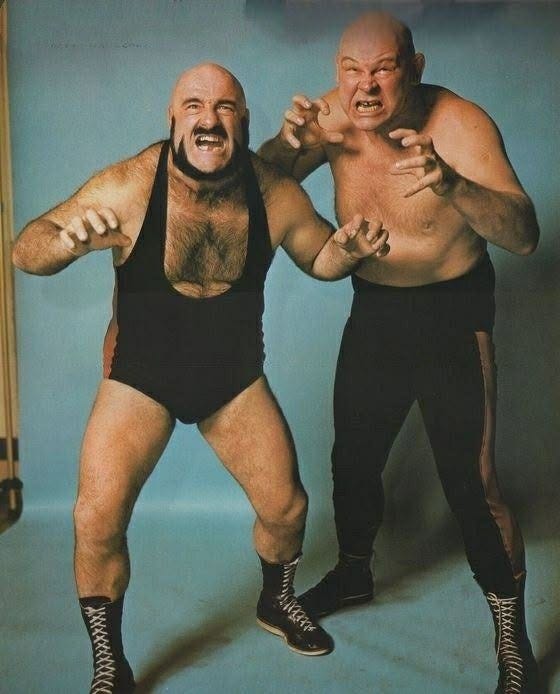
Pictured: Mad Dog Vachon and Baron Von Raschke
Mad Dog Vachon and Baron von Raschke provided a second heel texture. Vachon was the biting, clawing veteran. Von Raschke’s claw hold gave television a visual finish. They lost as often as they won, which is how the office kept the High Flyers and Hennig/Leduc strong.
André the Giant and Wahoo McDaniel were short-term attractions. André’s Comiskey Park double DQ with Bockwinkel was a spectacle. Wahoo’s Milwaukee loss to the champion was a one-night name-value booking. Neither man was being built as a long-term AWA resident that quarter.
Matches and angles
The AWA in 1976 still believed in two-out-of-three-falls tag matches, lumberjack matches, judo-jacket matches, Indian chain matches, and the occasional steel cage. The cage at Comiskey Park was the quarter’s biggest stipulation. Most title matches still ended in disqualification, count-out, or no contest. That was not incompetence. It was how a territory with a long-reigning champion and a weekly television show stretched programs across a dozen towns.
Recurring angles:
Heenan on the apron, getting caught, costing his man the match or causing a DQ.
Six-man tags that let Bockwinkel lose without dropping the title.
Babyface teams winning the first or second fall and losing the third on a foul.
Verne Gagne appearing just often enough to make “Gagne versus Bockwinkel” a live question.
Crusher or Bruiser “almost” beating the champion, always stopped by the referee. The booking was conservative. No one turned. No one was fired in an angle. The moral universe was stable: Heenan’s men cheated, the Midwestern heroes bled, and the title stayed put until the office was ready.
Business analysis
The AWA in Q3 1976 was not in crisis.
It was a profitable regional company with a clear hierarchy and a proven touring model.
Geography and buildings.
The money towns were Chicago (Amphitheatre and Comiskey Park), Milwaukee, St. Paul, Minneapolis, Winnipeg, and Denver. Omaha and the Iowa loop (Davenport, Peoria, Burlington, Cambridge) were secondary.
Omaha’s July 13 crowd of 1,946 shows the gap between a Civic Auditorium Tuesday and a Chicago stadium Friday.
Milwaukee’s 5,725 on August 21 and St. Paul’s 6,641 on August 28 were solid mid-tier gates.
Winnipeg’s 9,248 on August 19 shows how well the Canadian date still paid.
Comiskey Park’s 15,000 was the quarter’s profit center and a statement that the AWA could still fill a major-league ballpark without a world-title change.
Television.
Two taping hubs—Minneapolis and Moline—kept the product on the air across the territory. The shows were short, interview-heavy, and built around the next house-show main events. That model was cheap to produce and effective at driving ticket sales. There was no national cable play yet. The AWA did not need one in 1976. Talent costs and structure. The roster mixed homegrown names (the Gagnes, Crusher, Hennig, Brunzell) with veterans who could work any Midwestern town (Lanza, Duncum, Vachon, von Raschke, Maivia, Snyder). Special attractions—André, Wahoo, Russ Francis, Moose Cholak, Art Thomas—were booked for the big Chicago date and a few surrounding shows.
That is how a territory controlled payroll: the regulars worked the loop; the names dropped in for the stadium. Competitive position. In the summer of 1976 the WWWF still revolved around Bruno Sammartino in the Northeast. The NWA world title was on Terry Funk. The AWA’s claim to a “world” championship was taken seriously in its own footprint and respected by other offices.
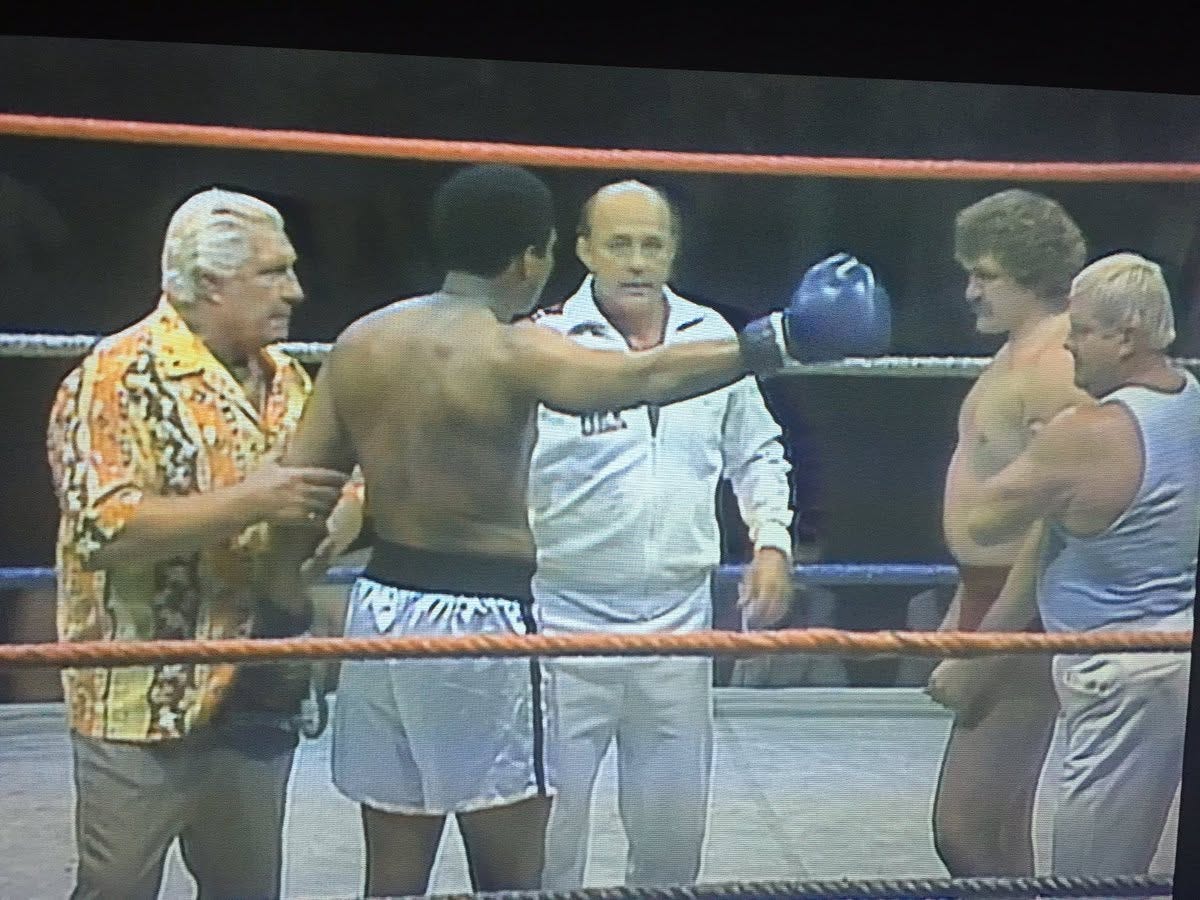
Pictured: Freddie Blassie, Muhammad Ali, Verne Gagne, Buddy Wolfe and Dick the Bruiser
Muhammad Ali’s June appearances for the AWA, tied to the Inoki closed-circuit event, had given the promotion a brief mainstream spike just before this quarter. Q3 itself was more traditional: house shows, TV tapings, one stadium date. Strategic picture. Dropping the world title from Verne Gagne to Bockwinkel in late 1975 was the most important business decision of the mid-1970s AWA.
It let Gagne promote full-time, created a hated champion who could talk, and kept Gagne himself as the ghost challenger. Q3 1976 shows that plan working. The champion was over as a heel. The tag titles had fresh champions. The High Flyers were being groomed. Chicago still drew.
The weakness, visible only in hindsight, was the reliance on disqualification finishes and on aging babyfaces. Crusher and Bruiser could still draw 15,000 in a cage, but they were not a ten-year solution. The office’s answer was already on the cards: Greg Gagne and Jim Brunzell.
Conclusion
July, August, and September 1976 were not a revolutionary quarter for the AWA. They were a well-run one. The world title stayed on Nick Bockwinkel. The tag titles moved from Crusher and Bruiser to Lanza and Duncum in Chicago and were then defended in a stadium cage. Verne Gagne hovered at the edge of the title picture. The High Flyers rose. Heenan’s group absorbed the heat. Comiskey Park proved the company could still do big-event business.
The AWA of that summer was a territory that knew what it was: technical wrestling and brawling for a Midwestern audience, sold on local television, climaxed in Chicago and the Twin Cities. Within a decade the national expansion of the WWF would expose the limits of that model. In the third quarter of 1976 those limits were not yet the story. The story was a smart heel champion, a loud manager, two new tag champions, and 15,000 people in a Chicago ballpark watching a cage match and a giant.
Thank You for Watching and Listening
I’m Tony Richards, Pro Wrestling Historian, Author and Storyteller. I share pro wrestling historical items in each issue of the Time Tunnel Pro Wrestling History Newsletter and each episode of our podcast show. Thanks for your support! If you enjoy my information on select events, matches and insights, please share with folks you think might like to be a subscriber!
Remember, Premium subscribers get access to exclusive and special content such as some special issues including a multi-part deep dives on wrestling territories, wrestler bios and championship title histories, special audio and video interviews on territory pro wrestling and more available in the Pro Wrestling Time Tunnel for Premium Subscribers. Being a Premium Subscriber also means you support me in my efforts to document Pro Wrestling History through my research, writing, books, vidoes and podcasts. And…I have something very special planned for our Premium Subscribers on the Podcast side of things in 2026! Details soon here in the Pro Wrestling Time Tunnel.