


Today’s Favorite Quote: There is only one success – to be able to spend your life in your own way - Christopher Morley
Happy Birthday to those who have passed on and to those great wrestlers still with us:
In Memoriam:
Jody Hamilton 1938
Cowboy Lang 1950
Happy Birthday:
Joel Goodhart (72)
“The Colorado Kid” Mike Rapada (61)
Linda Miles\Shaniqua (47)
Colby Corino (29)
RIP Memorial: We stop & remember those who have passed on this day and gave themselves to the business for us, the fans. We salute you and thank you.
Tom Jones 8-28-1978 t the age of 47
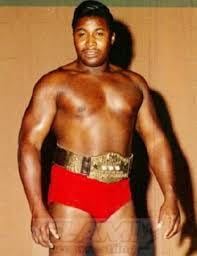
Edward “Bearcat” Wright 8/28/1982 at the age of 50
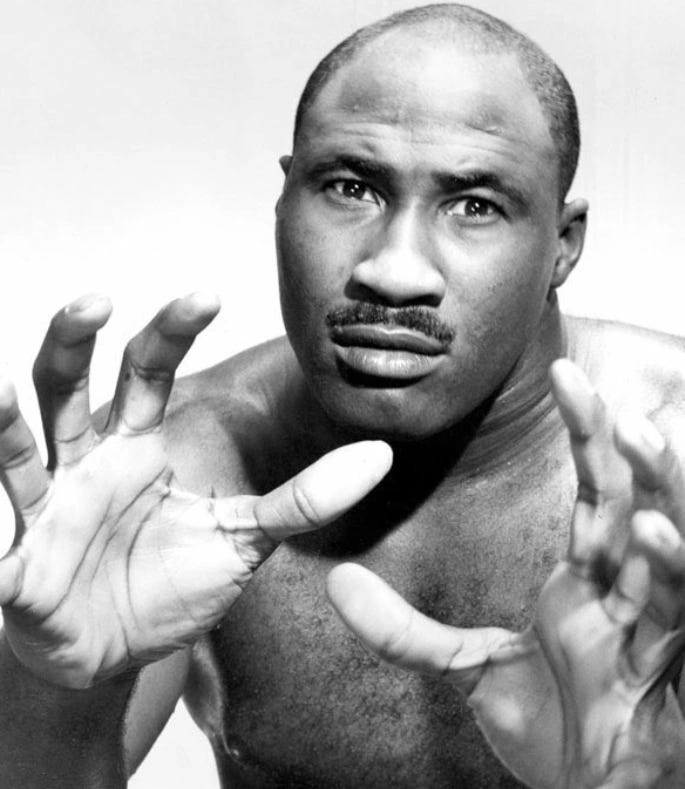
Alexander Charles Newman\Al Lovelock 8-28-1984 at the age of 68

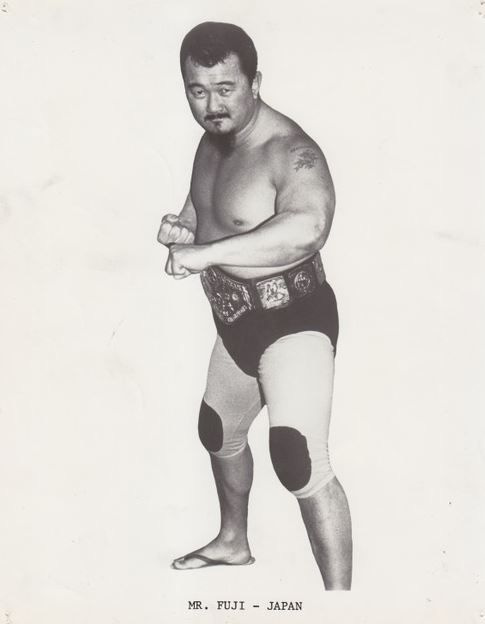
Masayoshi Fujiwara\Mr. Fuji 8/28/2016 at the age of 82
Bill Ash 8/28/2022 at the age of 76

The Life and Career of Bob Armstrong
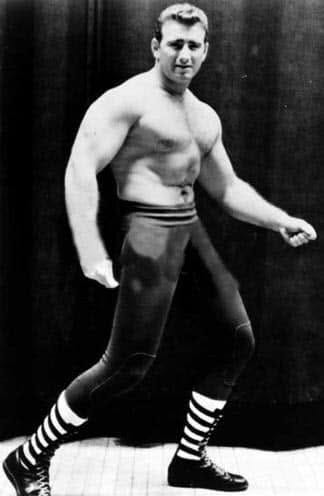
Bob Armstrong was one of the defining babyfaces of Southeastern professional wrestling during the territorial era. A former Marine and firefighter who became a working-class hero in Georgia, Alabama, Florida, and surrounding states, he built a career spanning nearly six decades on toughness, microphone skill, loyalty, and an unshakable connection to Southern fans. He was also the patriarch of one of wrestling’s most notable families.
Joseph Melton James was born in Marietta, Georgia. As a boy his father took him to see Gorgeous George, an experience that left a lasting impression. Nicknamed “Pep” for his boundless energy, James served in the United States Marine Corps in the early 1960s, stationed in Korea, and was named Honor Man of his platoon during recruit training at Parris Island. After his service he joined the Fair Oaks (later Cobb County) Fire Department in 1962 and worked as a firefighter while beginning his wrestling career.
He debuted in 1960 under the ring name Bob Armstrong (inspired in part by the old radio serial Jack Armstrong, the All-American Boy and his own muscular build). Early on he was often billed as “the wrestling fireman from Marietta, Georgia.” By 1966 he had become a popular draw in the Savannah area. Around 1969–1970 he left firefighting to wrestle full time.
Rise in the Territories
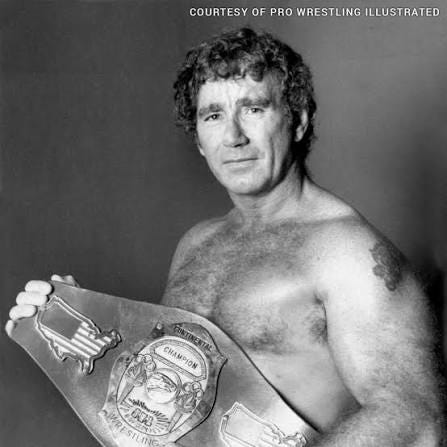
Armstrong made his deepest mark in National Wrestling Alliance territories, especially Georgia Championship Wrestling and the Alabama/Tennessee-based Southeastern Championship Wrestling (later Continental Championship Wrestling). Standing about 5’11” and billed at 227 pounds, he was never the largest man on the card, but he projected power, tenacity, and credibility. His style mixed solid technical wrestling with brawling, strong psychology, and fiery promos that resonated with blue-collar audiences. His signature finish was the Georgia Jawbreaker (sometimes called the Jaw Jacker).
Bob Armstrong’s singles championship record was built almost entirely on the regional NWA titles that defined the Southeastern territories. He never held the NWA World Heavyweight Championship, though he challenged Jack Brisco for it in Miami Beach in October 1974 and later won a number-one contendership tournament. His success instead came through consistent, hard-earned runs as a top babyface across Georgia, Florida, Mid-America, and especially the Alabama-Tennessee circuit.
In Georgia Championship Wrestling during the early-to-mid 1970s, Armstrong established himself as a reliable main-event attraction. He captured the NWA Columbus Heavyweight Championship four times (some records suggest as many as seven), becoming the title’s most frequent holder, with one reign stretching 131 days. He also won the NWA Macon Heavyweight Championship on three occasions—most notably a 147-day run that began with a victory over Buddy Colt in September 1973, followed by shorter reigns in 1974 and a brief nine-day hold in 1975. That same December 1972 victory over Colt also gave him the Georgia version of the NWA Southern Heavyweight Championship for roughly two weeks. Additional Georgia hardware included the North American Heavyweight Championship in June 1974 (again over Colt) and at least one reign with the NWA Georgia Television Championship.
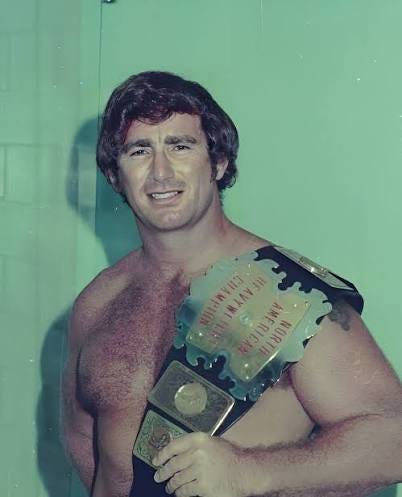
Armstrong’s Florida push under Bill Watts produced two reigns with the Florida version of the NWA Southern Heavyweight Championship. The confirmed highlight came on February 18, 1975, when he defeated The Mongolian Stomper in a steel-cage match in Tampa and held the belt for two weeks.
In the Tennessee and Memphis territories between 1975 and 1977, he worked as a top babyface opposite Jerry Lawler and The Mongolian Stomper. He held the NWA Mid-America Heavyweight Championship at least twice in the summer and fall of 1976, and captured the Memphis/Mid-America version of the Southern Heavyweight Championship three or four times, including notable wins over Stomper in October 1975 and Lawler later that year and again in April 1977.
The most prolific stretch of Armstrong’s singles career unfolded in Southeastern Championship Wrestling and its Continental successor from the late 1970s through the mid-1980s. He became the inaugural champion of the Southern Division of the NWA Southeastern Heavyweight Championship on March 10, 1978, by defeating David Schultz in Dothan, Alabama, and traded the belt multiple times with Ron Fuller and The Mongolian Stomper over the next two years.
Across both the Southern and Northern/unified versions of the Southeastern title, sources credit him with eight or nine reigns in total. Highlights included a Christmas 1979 victory over Sterling Golden (Hulk Hogan), wins over Jos LeDuc, Austin Idol, Jimmy Golden, and Ken Lucas in 1982–83, and a tournament victory in December 1983. He also held the NWA Alabama Heavyweight Championship three to five times, including a tournament win around November 1980 and a 119-day reign as The Bullet in 1987, plus three or four reigns with the Continental Heavyweight Championship between 1984 and 1986.
Even in the later independent years, Armstrong continued collecting singles gold. As The Bullet he won the SCW Heavyweight Championship for two weeks in September 1988 and held the USA Heavyweight Championship once or twice that same year.
Taken together, Armstrong’s singles title history reflects more than twenty documented reigns across the major Southeastern belts. These were classic territorial workhorse championships rather than national television prizes, yet they kept him in main events for well over a decade and cemented his status as one of the most dependable and respected babyfaces in the region.
Tag Team Gold
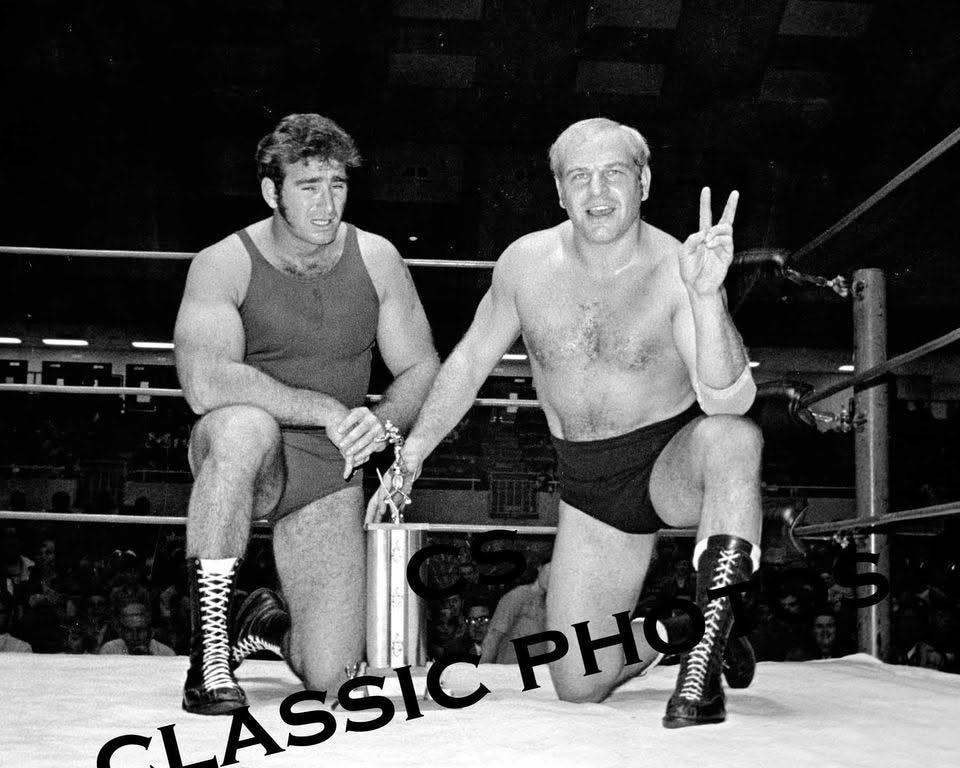
Pictured: Bob Armstrong and Paul DeMarco
**Photo Credit: Chris Swisher CS Classic Photos
In Macon he captured the NWA Macon Tag Team Championship six times, more than any other individual. His partners included Paul DeMarco in a November 1970 win over Skandor Akbar and Buddy Colt, El Mongol in a January 1971 victory over the Assassins, and especially Bill Dromo, with whom he shared multiple reigns between late 1971 and 1973. He also held the belts once with Argentina Apollo in August 1972. These Macon titles were defended almost exclusively in the Macon Coliseum and City Auditorium and formed the backbone of Armstrong’s early reputation as a reliable babyface partner.
On the broader Georgia circuit he won the NWA Georgia Tag Team Championship four times. His first reign came with Dick Steinborn in 1972; the remaining three were with longtime friend and frequent partner Robert Fuller between October 1973 and May 1975. The Armstrong-Fuller combination proved particularly effective against teams such as Bobby Duncum and Stan Vachon and the Garvin brothers. He also held the NWA Columbus Tag Team Championship once with Fuller and the Georgia version of the NWA Southeastern Tag Team Championship four times—partnering with El Mongol, Bill Dromo, and twice with Roberto Soto.
A career highlight arrived on Thanksgiving night 1981 when Armstrong teamed with his eldest son Brad to win a tournament for the vacant NWA National Tag Team Championship, defeating Mr. Fuji and Mr. Saito in the final in Atlanta. The father-son duo held the prestigious belts for 57 days, collecting a $30,000 cash prize in the process.
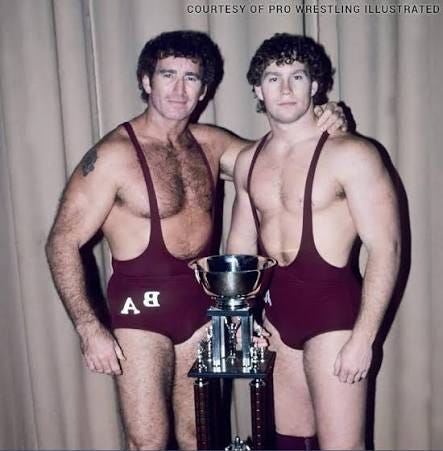
Pictured: Bob Armstrong and son, Brad
Armstrong’s most extensive tag-team success came in Southeastern Championship Wrestling and its Continental successor. He captured the Northern Division of the NWA Southeastern Tag Team Championship eight times with an array of partners that reflected the shifting alliances of the territory: once with Ken Lucas, twice with Robert Fuller, twice with Jos LeDuc, once with son Steve, and at least twice with Brad. He also held the Southern Division version once with Fuller. In the late 1980s, working as The Bullet, he and Brad won the CWF Tag Team Championship for a 27-day reign. Armstrong further shared the NWA Six-Man Tag Team Championship (Southeastern version) with Brad and Steve.
Even in the later independent years he continued to collect tag gold, including a Global Championship Wrestling Tag Team Championship with Steve and occasional titles alongside Scott or Brad on the nostalgia circuit. Across more than three decades Armstrong’s tag-team résumé—dozens of reigns with partners ranging from territory veterans to his own sons—underscored both his longevity and his central place in the family-oriented storytelling that defined Southern wrestling.
Armstrong showed notable loyalty during the early-1970s split in the Georgia territory. When most talent sided with Ann Gunkel’s All-South Wrestling Alliance, he remained with the NWA office under promoter Paul Jones despite a substantial guaranteed offer. The decision paid off: All-South folded, and Armstrong received a strong main-event push in Atlanta, trading the Southern Heavyweight Title with Buddy Colt.
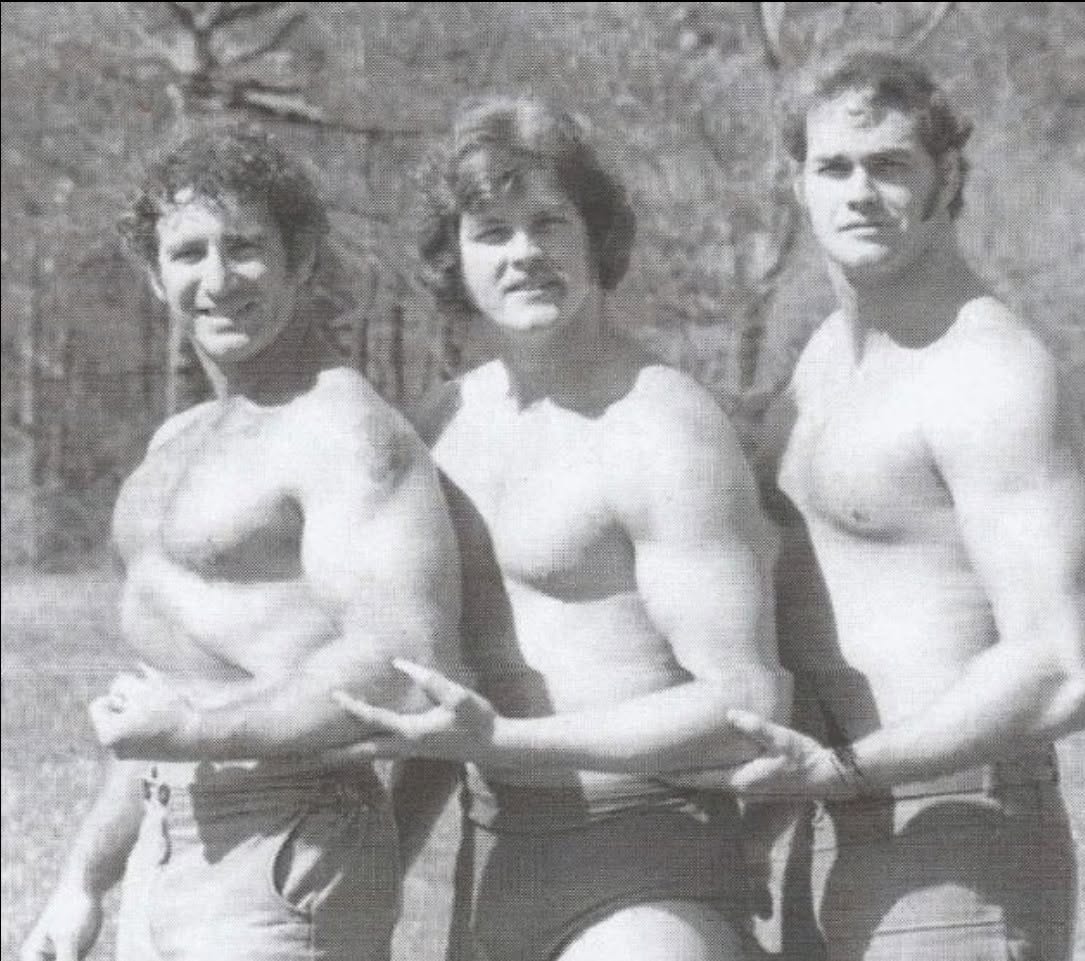
Pictured: Bob Armstrong, Robert and Ron Fuller
In 1974 he worked Florida under Bill Watts’s booking for Eddie Graham, capturing that territory’s Southern title and earning an NWA World Heavyweight Championship challenge against Jack Brisco on October 9 in Miami Beach. He also drew a one-hour time-limit draw with Dory Funk Jr. in Macon. In 1979 he scored a clean pinfall victory over a young Hulk Hogan to win the Southeastern Heavyweight Championship in Knoxville.
One of his most memorable programs came in the early 1980s against Roddy Piper in Georgia Championship Wrestling. Their verbal exchanges were sharp—Armstrong once answered Piper’s mockery of his thick upper body and thinner legs by noting that “jackasses don’t run with racehorses”—and the feud sold out buildings in Georgia and even in the Carolinas for Jim Crockett Promotions, often without Armstrong appearing on Mid-Atlantic television.
The Accident and “The Bullet”
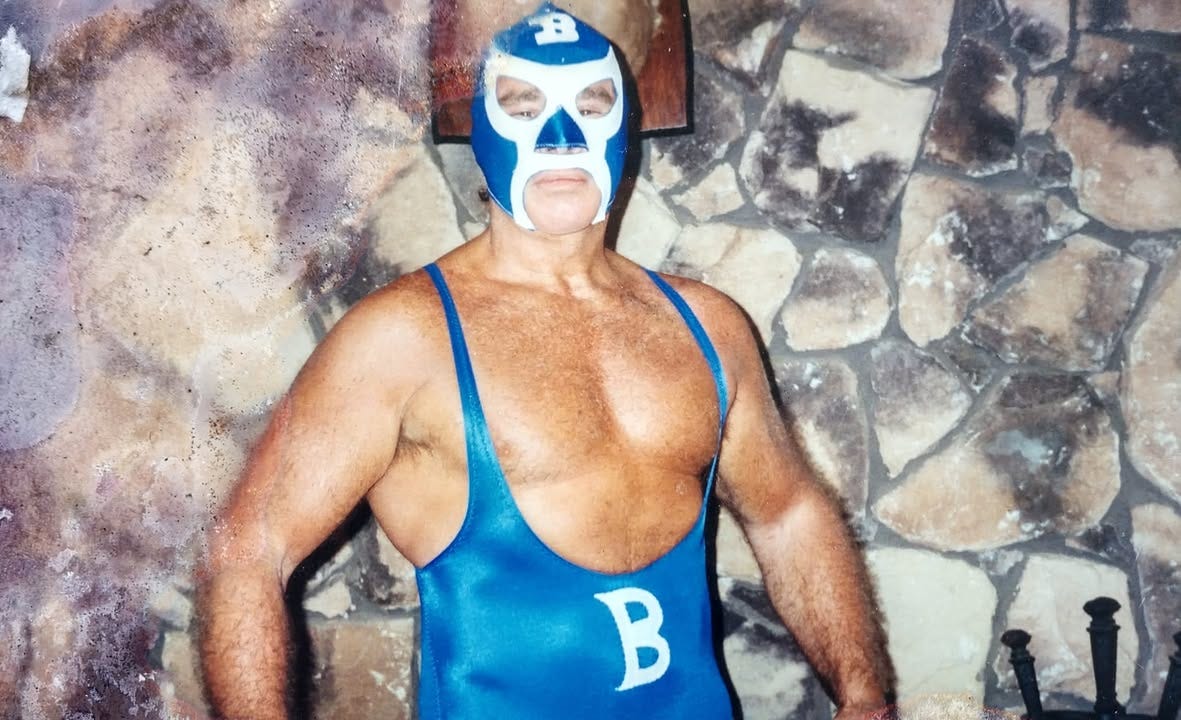
In the early 1980s (commonly placed around 1983), Armstrong suffered a catastrophic weightlifting injury. While performing pullovers or a similar movement with roughly 180–185 pounds, the unsecured bench collapsed. The bar crashed onto his face, tearing his nose completely off and breaking multiple facial bones. He required extensive plastic surgery (reported costs around $38,000 at the time) and lost significant weight during recovery.
He returned wearing a mask as “The Bullet,” both to conceal the scarring and as a compelling new identity. The character allowed him a sustained main-event run in Continental Championship Wrestling, including feuds with the Stud Stable. Even after the surgeries healed and he discarded the mask, the “Bullet” nickname stuck for the rest of his career. The injury and subsequent persona extended his top-of-the-card years and became part of his legend.
Family and Later Career
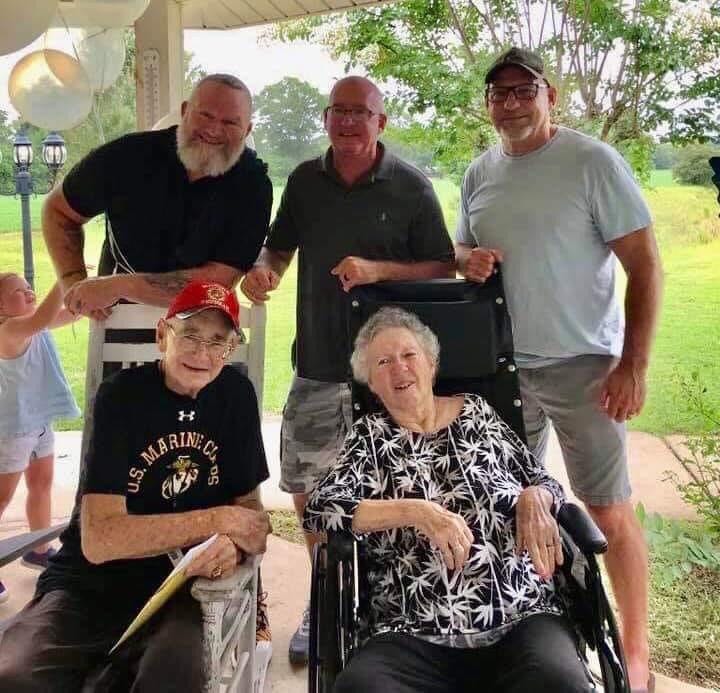
Armstrong and his wife Gail (his childhood sweetheart) raised four sons—Joseph Scott (Scott Armstrong), Robert Bradley (Brad Armstrong), Steve, and Brian Girard (Brian James, better known as Road Dogg)—all of whom became professional wrestlers. Bob trained them and frequently teamed with them, winning championships together. Brad in particular became a highly regarded worker in WCW; Brian achieved major success in WWE during the Attitude Era as a member of D-Generation X and the New Age Outlaws. The Armstrongs formed one of the most successful multi-generational families in Southern wrestling.
Armstrong scaled back full-time wrestling around 1988 but remained active on the independent circuit and in key roles. Jim Cornette brought him into Smoky Mountain Wrestling in the early 1990s as a commissioner and credible figurehead who still connected with fans decades after his peak. He made sporadic appearances in WCW, the USWA, and TNA/Impact Wrestling (including storylines involving his sons and a return of the Bullet character). He continued wrestling into his late seventies.
His final match took place on May 11, 2019, for Continental Championship Wrestling in Dothan, Alabama, where he defeated The Assassin at age 79 while already dealing with cancer. In 2011 he was inducted into the WWE Hall of Fame, recognition that celebrated both his in-ring career and his role as a respected veteran and family patriarch.
Final Years and Legacy
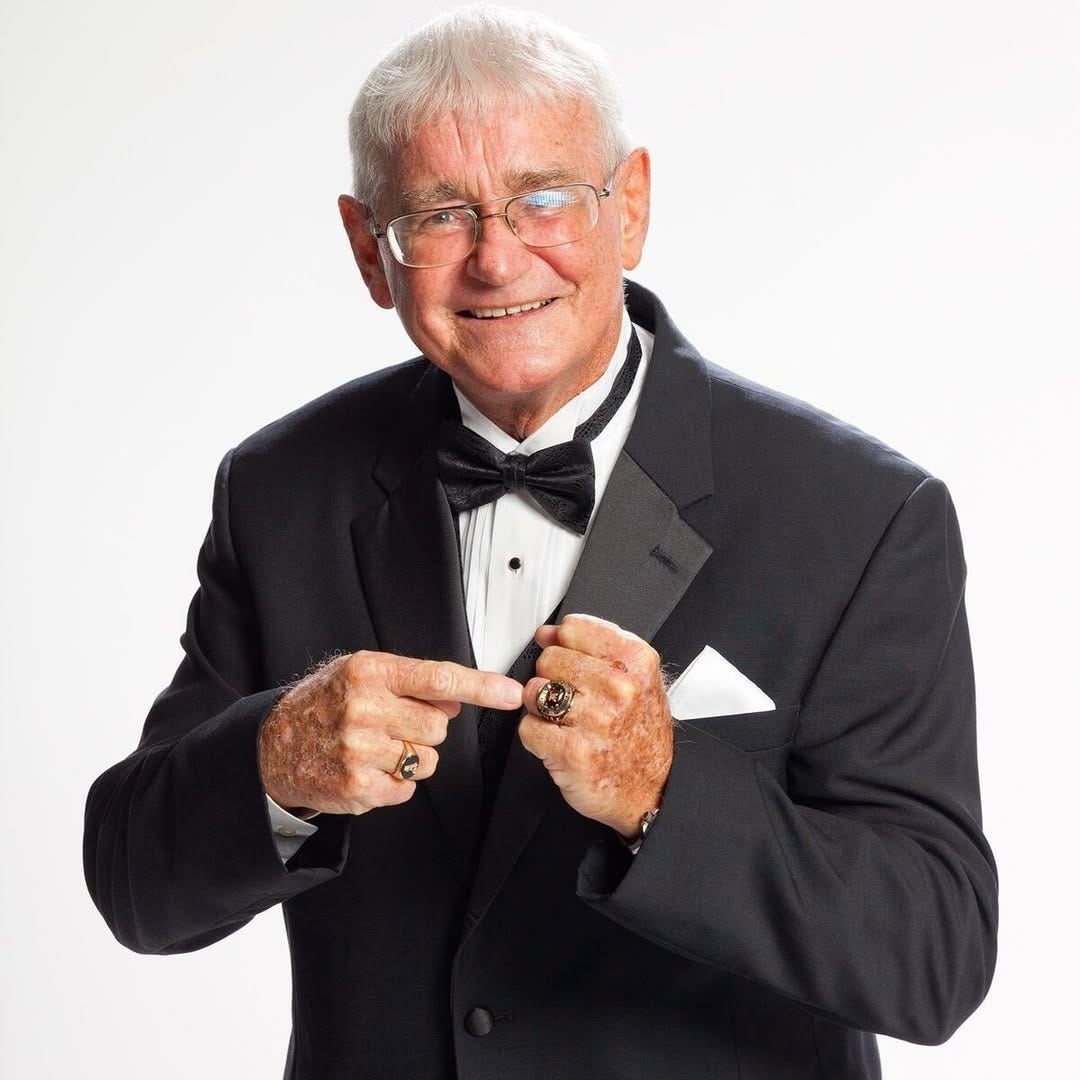
In March 2020 Armstrong was diagnosed with bone cancer that had spread to his ribs, shoulder, and prostate. Knowing the prognosis was terminal, he declined treatment. He died on August 27, 2020, in Pensacola, Florida, at age 80. Gail had passed only weeks earlier after nearly sixty years of marriage. He was survived by sons Scott, Steve, and Brian, as well as grandchildren and great-grandchildren. Brad had died in 2012.
Armstrong was never a national television star in the modern sense, yet within the Southeastern territories he was a genuine draw and a cultural figure—an honest, tough, no-nonsense hero who looked and talked like the people in the seats. Peers remembered him as a decent man in a hard business, a strong locker-room presence, a skilled talker, and someone who helped younger talent (including giving early opportunities that aided Arn Anderson’s career). His loyalty to promoters and the territory system, his physical toughness, and the lasting success of his sons cemented his place in wrestling history.
“Bullet” Bob Armstrong embodied the best of territorial Southern wrestling: credibility earned the hard way, a direct connection with fans, and a career measured not only in titles but in the respect he commanded for nearly sixty years.
One Thing I Learned About Cowboy Lang
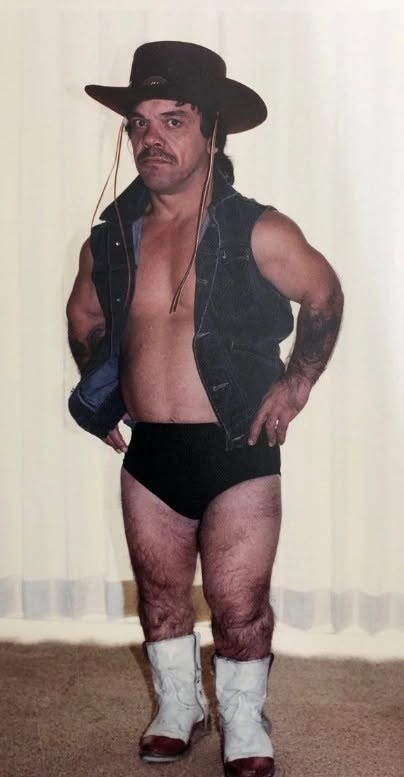
He appeared in the 1976 martial arts film Black Samurai. In the movie he played a character billed as Cowboy Lang (essentially himself), appearing as one of the villain’s henchmen alongside fellow midget wrestler Little Tokyo.
Lang, a 4-foot Canadian from Saskatchewan who was raised in Alberta, debuted as a teenager in the mid-1960s after hopping a train to train under Lord Littlebrook. He went on to become a two-time NWA World Midgets Champion and worked major promotions and venues for more than 30 years, but the film credit remains one of the more obscure footnotes in his career.
Thank You for Watching and Listening
I’m Tony Richards, Pro Wrestling Historian, Author and Storyteller. I share pro wrestling historical items in each issue of the Time Tunnel Pro Wrestling History Newsletter and each episode of our podcast show. Thanks for your support! If you enjoy my information on select events, matches and insights, please share with folks you think might like to be a subscriber!
Remember, Premium subscribers get access to exclusive and special content such as some special issues including a multi-part deep dives on wrestling territories, wrestler bios and championship title histories, special audio and video interviews on territory pro wrestling and more available in the Pro Wrestling Time Tunnel for Premium Subscribers. Being a Premium Subscriber also means you support me in my efforts to document Pro Wrestling History through my research, writing, books, vidoes and podcasts. And…I have something very special planned for our Premium Subscribers on the Podcast side of things in 2026! Details soon here in the Pro Wrestling Time Tunnel.