


Today’s Favorite Quote: Acquire knowledge, acquire skill. They weigh nothing and you can carry them with you all your life - Ruskin Bond
Happy Birthday to those who have passed on and to those great wrestlers still with us:
In Memoriam:
George Scott 1929
Reggie Parks 1934
Denny Kass 1956
Happy Birthday:
Bob Remus\Sgt. Slaughter (78)
Dalip Singh Rana\The Great Kahli (54)
Carlene Moore-Begraud\Jazz (54)
RIP Memorial: We stop & remember those who have passed on this day and gave themselves to the business for us, the fans. We salute you and thank you.
Tony Borne 8-27-2010 at the age of 84

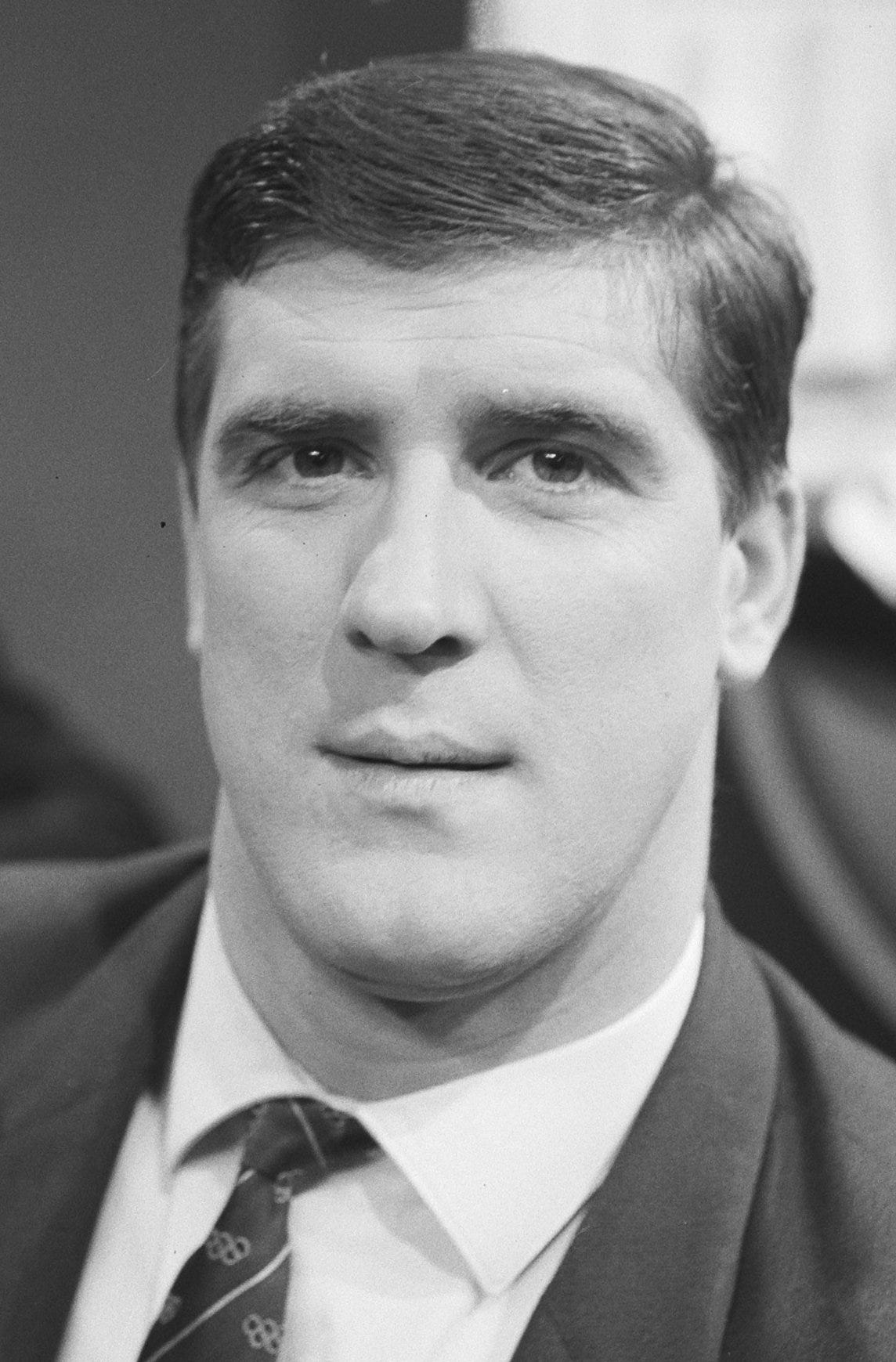
Luna Vachon 8-27-2010 at the age of 48
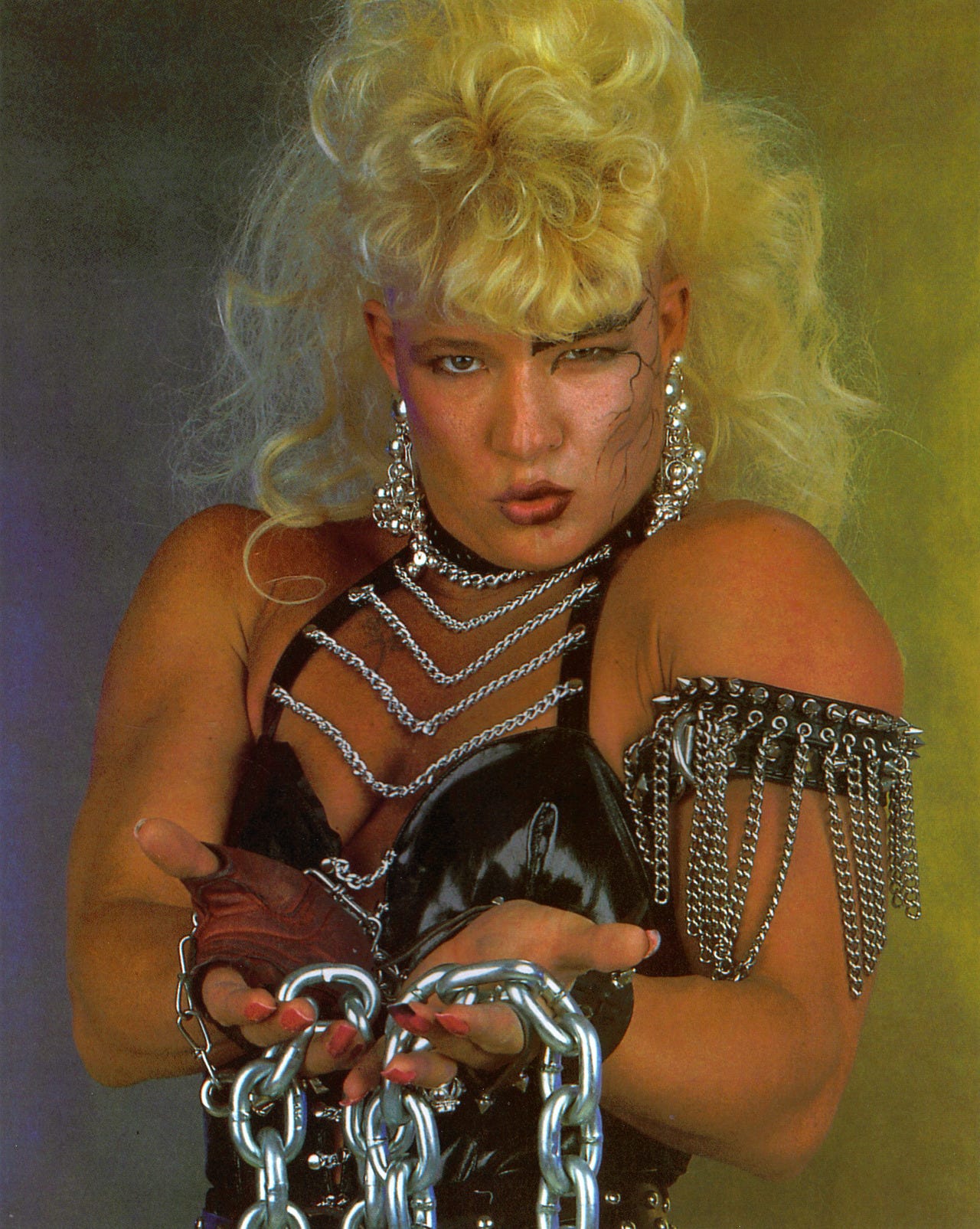
Anton Geesink 8/27/2010 at the age of 76
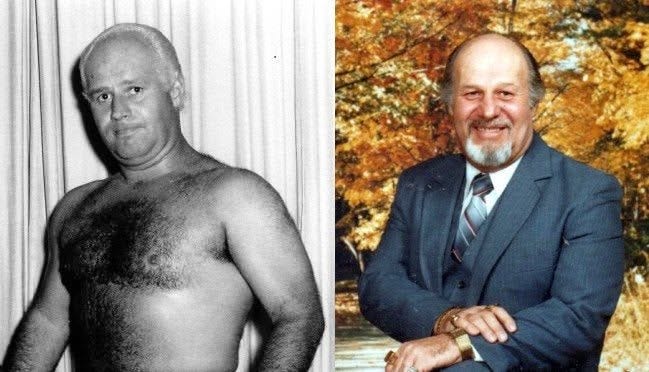
Bob Armstrong 8-27-2020 at the age of 80

The Life and Career of Don Greene
Don Lewis Greene was a longtime mainstay of the NWA Gulas-Welch Tennessee territory, best remembered as one-half of the original Heavenly Bodies with his kayfabe brother Al Greene (Al Denney). A durable, inventive heel and later solid babyface, Greene spent the better part of three decades headlining or near the top of cards across Tennessee, Alabama, and neighboring states, holding multiple versions of the Southern, World, Mid-America, and Tennessee tag team titles along with several junior heavyweight reigns. Outside the ring he was a family man, appliance-store operator, church deacon, and later a law-enforcement and hotel-security professional—living proof that the “Mean” Greene persona was strictly for the ring.
Early Life and Entry into the Business
Born in San Francisco, Greene moved as a boy to Nashville, where his father Lewis opened a grocery that evolved into the long-running Greene’s Appliance and furniture stores. The family business would remain a constant in Don’s life for decades. A solid high-school athlete who clashed with school authorities, Greene drifted into amateur wrestling exhibitions run by local promoter Dick Lever. For roughly three years he worked small shows around Nashville, sometimes taking on audience challengers as a special attraction while still helping run the store.
By the mid-1950s he had turned pro and gravitated to the dominant Mid-America promotion of Nick Gulas and Roy Welch. Early on he occasionally worked under a hood as the Black Bat. Lou Thesz personally taught him the neckbreaker that became his signature finish. The decisive career move came when he teamed with Al Denney. The two first worked together for Lever, then began billing themselves as the Greene Brothers. The name “Heavenly Bodies” simply occurred to Don one day; the flamboyant, rule-breaking heel gimmick—complete at times with green-dyed hair at Jack Pfefer’s suggestion—stuck for years.
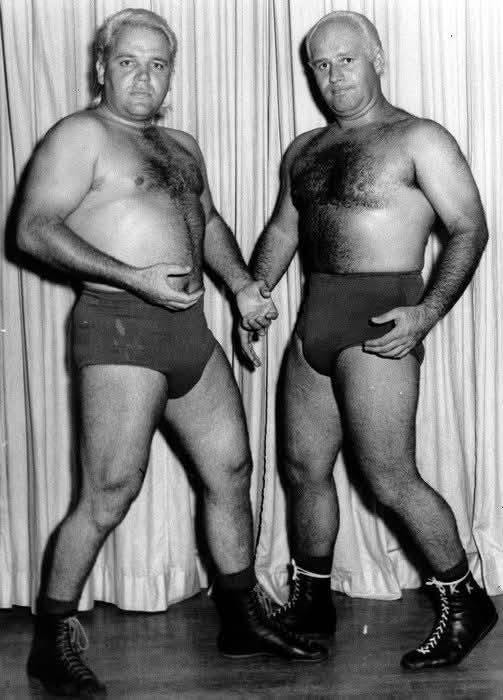
Gulas was initially skeptical of the pairing. An Alabama unmasking angle involving the Black Bat, followed by Al’s interference, forced the issue; the team simply started working together and soon proved themselves. They held the Tennessee version of the NWA World Tag Team titles multiple times beginning in 1959 and captured the NWA Southern Tag Team titles repeatedly, especially during a dominant 1969–1971 stretch after Jerry Jarrett began booking Memphis. Their October 6, 1969 debut under the Heavenly Bodies name at the Mid-South Coliseum—defeating Tojo Yamamoto and Johnny Long for the Southern titles—marked the start of a high-drawing heel run against the territory’s top babyfaces.
Greene described the division of labor clearly: he was the more scientific, hold-oriented worker and primary talker with his thick Southern accent and gravelly voice; Al was the brawling “clubber with the big hands.” Together they feuded with Jackie and Don (or Sonny) Fargo, Len Rossi and Bearcat Brown, the Von Brauners, Jerry Jarrett and Tojo Yamamoto, and others. They were not above outrageous heat-seeking: tarring and feathering Bearcat Brown (one of the first regularly integrated tag teams in the South), using a dead bird as a grotesque prop, and dyeing their hair green. Don later reflected that the publicity, even the negative kind, kept their names in the papers.
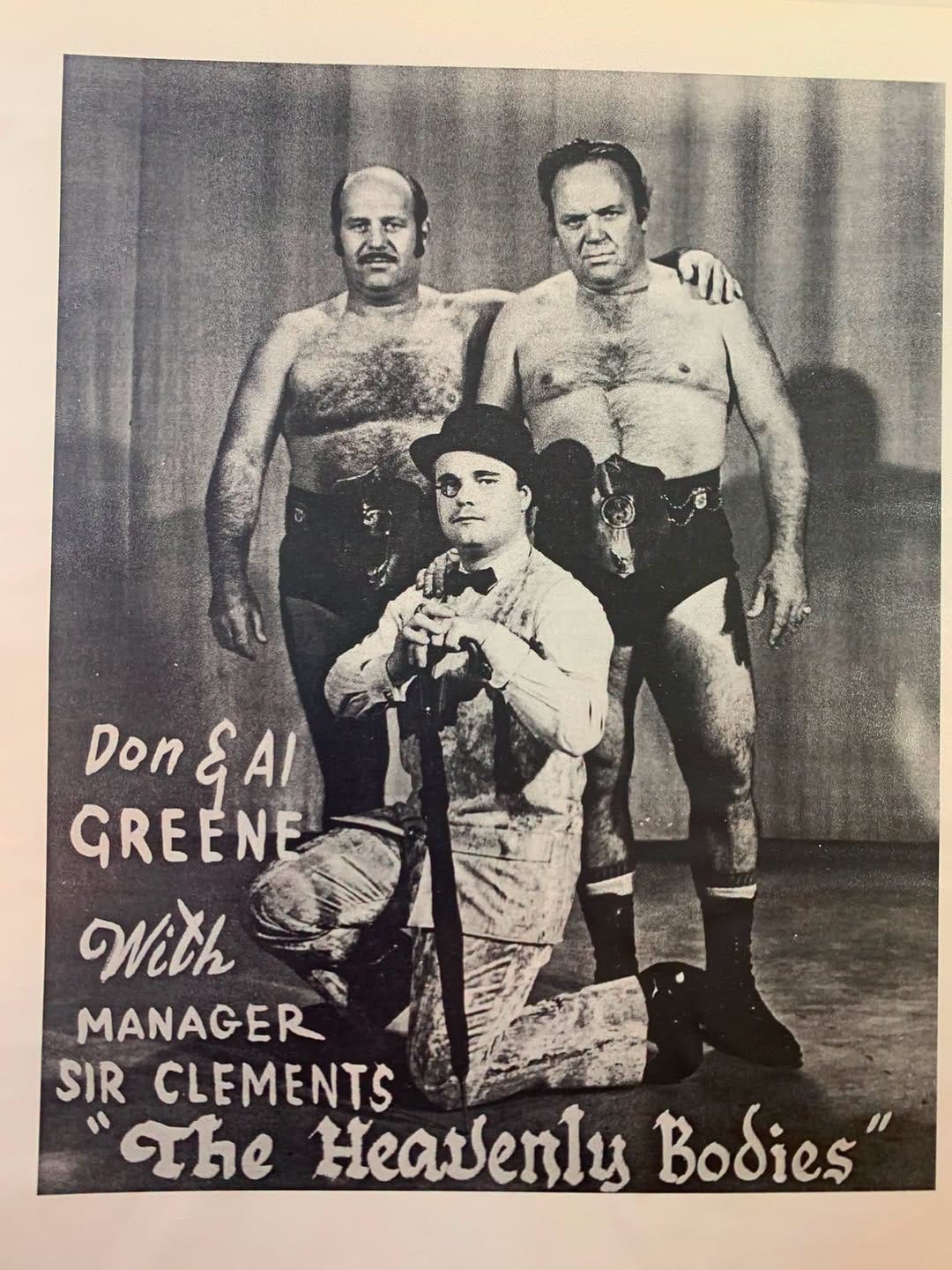
The team’s longevity was unusual. They worked steadily in the late 1950s, then more sporadically through the 1960s while Don largely homesteaded in Nashville and Al traveled (including Japan and the West Coast). The 1969–1972 Memphis peak under Jarrett, often with Sir Steven Clements (or Rock Riddle) as manager, cemented their place among the territory’s great tag teams. They also held Gulf Coast Southern Tag Team gold and other regional belts.
Singles Work, Later Teams, and Innovation
As a singles competitor Greene was a credible junior heavyweight champion, winning the Mid-America United States/Southern Junior Heavyweight title on multiple occasions between 1961 and 1974 and engaging in a notable rivalry with Lorenzo Parente. He received several NWA World Heavyweight Championship opportunities against Dory Funk Jr. and worked under masks or alternate names (Mr. Wrestling, Masked Superstar #1) when the situation called for it. In 1971 he and Jerry Jarrett participated in what some historians regard as the first scaffold match in professional wrestling; Greene legitimately broke his wrist in a fall.
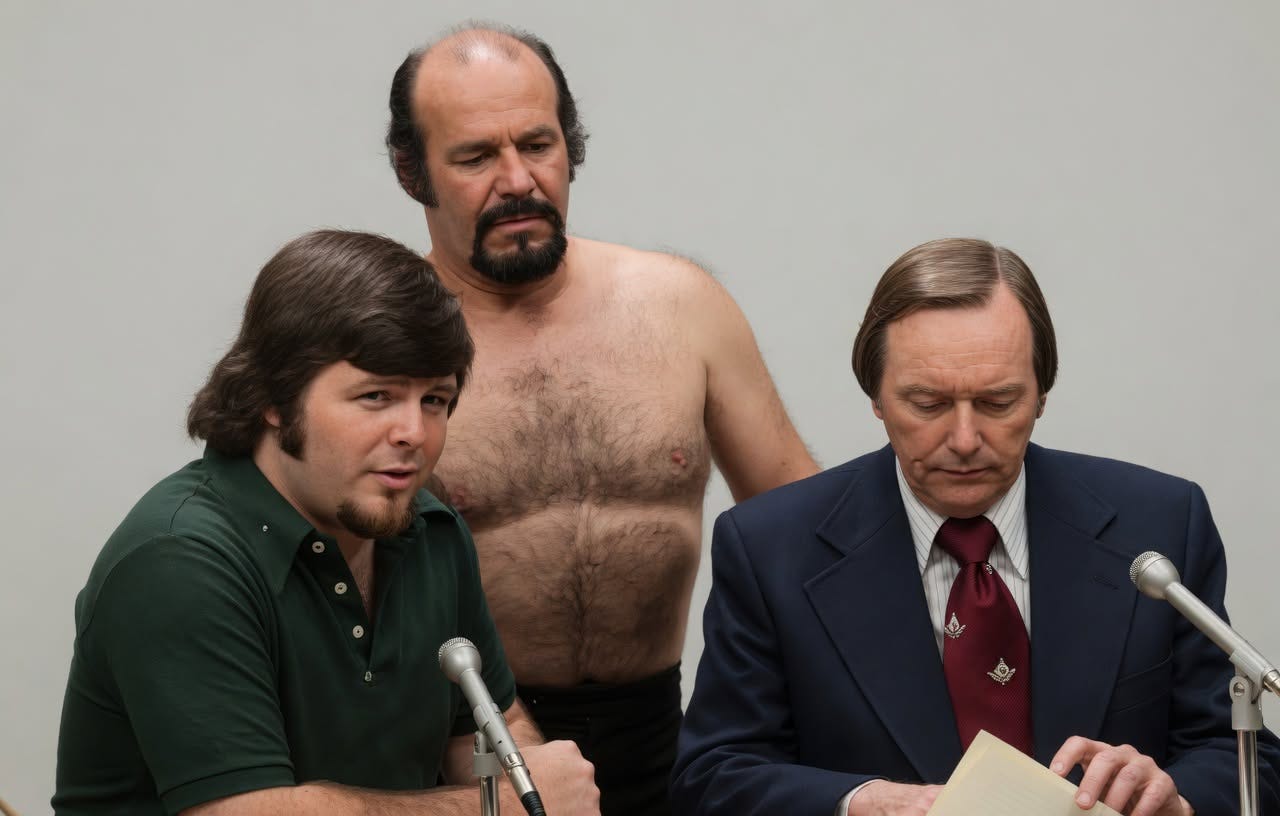
Pictured: Jerry Lawler, Don Greene and Gordon Solie on Georgia Championship Wrestling in 1975
After the original Heavenly Bodies partnership cooled in 1973, Don turned babyface following an angle in which one of the Interns slapped his daughter at the television studio in Chattanooga, Tennessee. He teamed successfully with Jackie Fargo, Bearcat Brown, Joey Rossi, and, most notably, a young Jerry Lawler. In 1974–1975 the Greene–Lawler “Heavenly Bodies” combination worked Georgia Championship Wrestling and Florida, capturing the NWA Macon Tag Team titles. Greene also returned to the Southern Tag titles with partners such as The Scorpion and continued working the Tennessee Territory loop into 1977.
He was creative and fearless. He once recalled being shot at twice—once while in the ring in Somerset, Kentucky, and once outside a Louisville building—and credited a high-school coach’s advice: if they don’t know who you are, do something to make them remember. That philosophy served him well in a territory that demanded constant reinvention.
Life Outside the Ring and Later Years
Throughout his career Greene continued working in the family appliance business. After retiring from full-time wrestling around 1978 he joined the Metro Nashville Sheriff’s Department and later served as director of security for a corporate hotel chain. He was a longtime member and deacon of Grace Baptist Church in the Nashville area. Married to Betty for 63 years until her death in 2012, he was the father of three daughters (Diane Hooker, Tina Greene, and Donna, who predeceased him). Friends and former colleagues remembered him as a genuine nice guy and natural comedian away from the ring—the opposite of his “Mean” Greene persona.
In 1994 Jim Cornette brought the original Greenes back for a Night of Legends appearance; Cornette later carried the Heavenly Bodies name forward with Tom Prichard, Stan Lane, and Jimmy Del Rey. Don and Al both passed away in 2014, only months apart.
Legacy
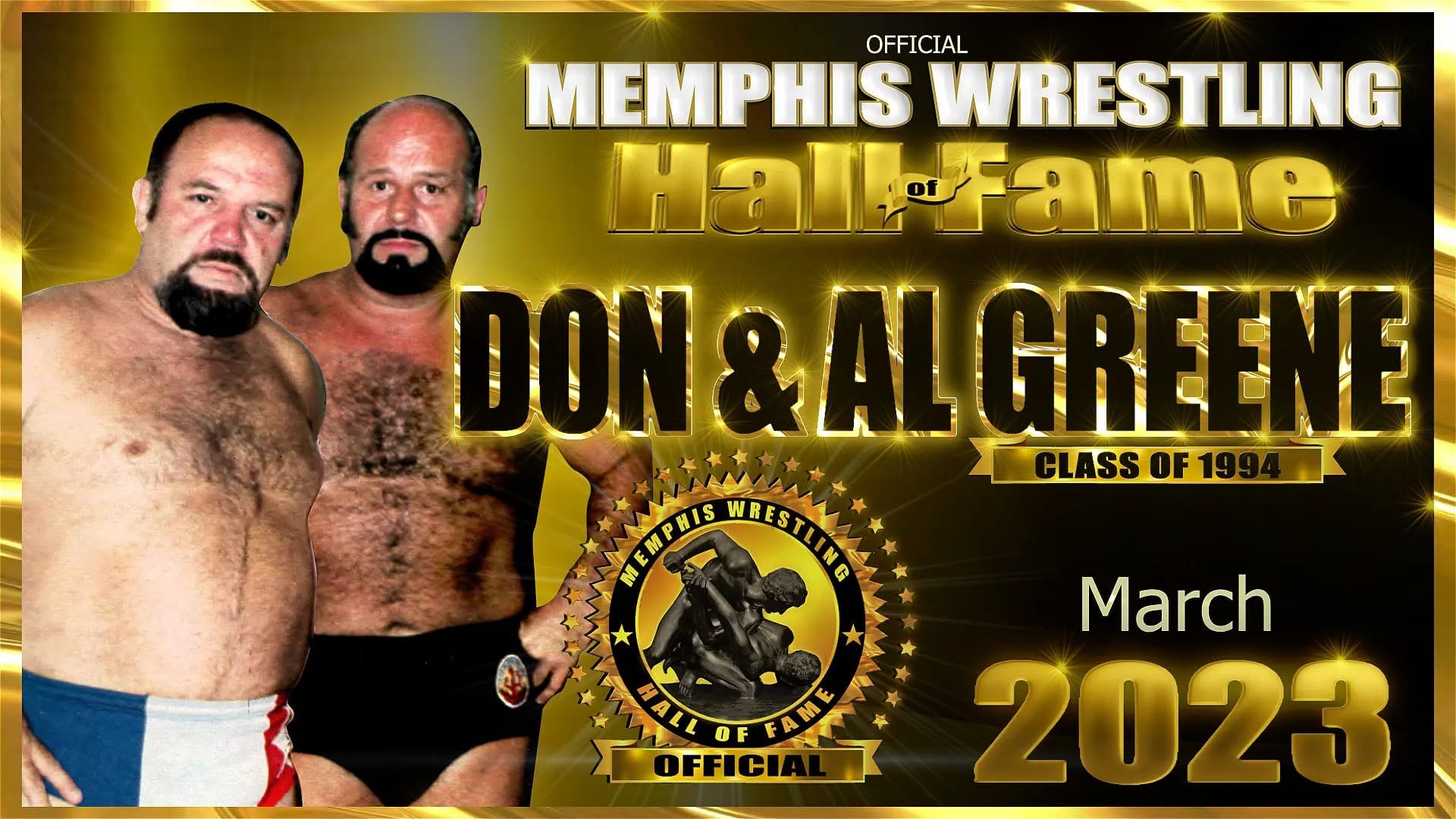
Don Greene never became a national television star, yet within the Mid-America territory he was a foundational figure for more than two decades. He helped define the heel tag-team style that filled Mid-South Coliseum and smaller towns across Tennessee and Alabama, mentored or worked with future stars such as Jerry Lawler, and left behind a body of work that still resonates with territory historians and Memphis wrestling fans. Don and Al Greene, The Heavenly Bodies were inducted into the Memphis Wrestling Hall of Fame in 2023. The combination of technical ability, promotional creativity, and longevity made him one of the most reliable and colorful performers of the Gulas–Welch era. In an industry that often chewed people up, Greene managed to build a full life both inside and outside the ring—an achievement as impressive as any title reign.
One Thing I Learned About Sgt. Slaughter
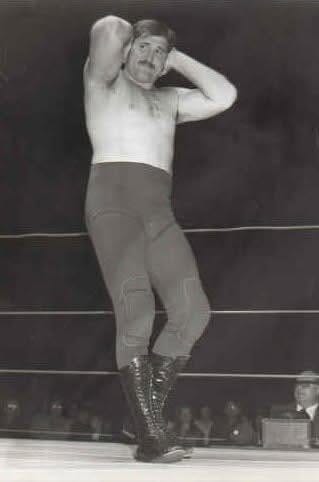
Before he became the iconic drill sergeant, Robert Remus debuted in the AWA in the mid-1970s as “Beautiful” Bobby Remus — a flamboyant, bleached-blond, tie-dye-wearing pretty-boy character whose own wife dyed his hair. The gimmick flopped hard (crowds laughed and other wrestlers blew him kisses), so he quickly switched to the masked Super Destroyer Mark II before finally landing on the Sgt. Slaughter persona that made him famous.
Thank You for Watching and Listening
I’m Tony Richards, Pro Wrestling Historian, Author and Storyteller. I share pro wrestling historical items in each issue of the Time Tunnel Pro Wrestling History Newsletter and each episode of our podcast show. Thanks for your support! If you enjoy my information on select events, matches and insights, please share with folks you think might like to be a subscriber!
Remember, Premium subscribers get access to exclusive and special content such as some special issues including a multi-part deep dives on wrestling territories, wrestler bios and championship title histories, special audio and video interviews on territory pro wrestling and more available in the Pro Wrestling Time Tunnel for Premium Subscribers. Being a Premium Subscriber also means you support me in my efforts to document Pro Wrestling History through my research, writing, books, vidoes and podcasts. And…I have something very special planned for our Premium Subscribers on the Podcast side of things in 2026! Details soon here in the Pro Wrestling Time Tunnel.
Fred Kohler was running for lack of a better term, pro-am cards into the late 1940s. Off the top of my head, he had a show with Angelo Poffo of DePaul v Carl Engstrom in 1948. Usually, it was a series of amateur boxing bouts followed by a wrestling match.
I