Today’s Favorite Quote: Disciplined people do not make things all or nothing. They think in terms of continuums, priorities & hierarchies-Steven R. Covey
Happy Birthday to those who have passed on and to those great wrestlers still with us:
In Memoriam:
Chick Garibaldi 1915
Gypsy Joe Dorsetti 1915
Lee Fields 1930
Betty Joe Hawkins 1930
Happy Birthday:
Dr. Tom Prichard (67)
RIP Memorial: We stop & remember those who have passed on this day and gave themselves to the business for us, the fans. We salute you and thank you.
Terrence Joyal\Terry Garvin 8-18-1998 at the age of 61

The Life and Career of Dara Singh
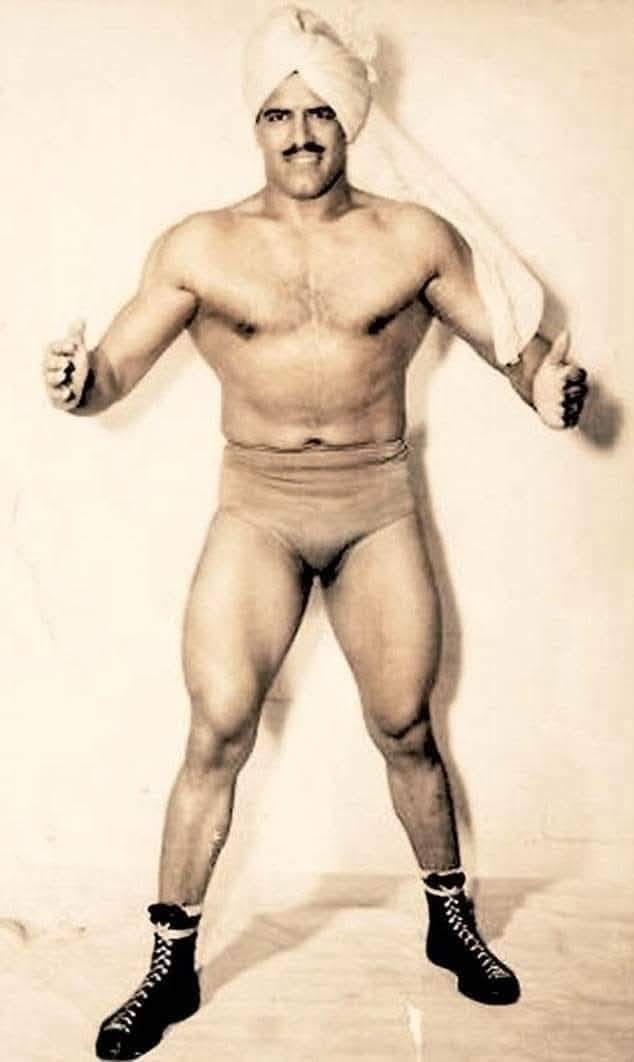
Dara Singh Randhawa, born Deedar Singh Randhawa on 19 November 1928 in the village of Dharmuchak near Amritsar in Punjab (then under British rule), remains one of the most singular figures in modern Indian cultural history. Standing 6 feet 2 inches tall and weighing around 127 kilograms in his prime, with a chest measuring over 50 inches, he embodied raw physical power while projecting an image of quiet dignity and moral strength. Across more than six decades he dominated professional wrestling, became Bollywood’s original muscle-bound action hero, defined the popular image of Lord Hanuman for an entire generation of Indians, produced and directed films, served in Parliament, and left a legacy that continues to inspire athletes, actors, and ordinary citizens. His journey from a bullied farm boy in rural Punjab to an international wrestling champion and national icon is a story of discipline, reinvention, and quiet determination.
Born into a modest Jat Sikh farming family to Surat Singh Randhawa and Balwant Kaur, young Deedar experienced the hardships typical of rural Punjab in the 1930s. The family worked small holdings, and formal education was cut short so he could help on the land. He was not born a prodigy of strength; accounts from his life describe a childhood in which he was bullied until an awakening of physical power—reminiscent of the mythological figures he would later portray—changed his path. Traditional pehlwani wrestling, practiced in village akharas with its emphasis on oil, mud, and rigorous conditioning (including thousands of Hindu squats), became his outlet and eventual profession.
At a very young age he entered an arranged marriage to Bachno Kaur, a woman older than himself. The union produced a son, Parduman (or Praduman), but domestic tensions, particularly between his wife and mother, made home life difficult. In 1947, amid the turmoil of Partition and seeking opportunity, the young man left for Singapore, where relatives lived. There he worked as a watchman and labourer in a drum-manufacturing mill. It was in Singapore that he began formal training under the wrestler Harnam Singh at the Great World Stadium. The combination of natural size, relentless conditioning, and the competitive environment of the Malay Peninsula transformed him. By the early 1950s he had claimed the title of Champion of Malaysia and was wrestling regularly across Southeast Asia.
The Wrestling Career: Undefeated Champion of a Generation
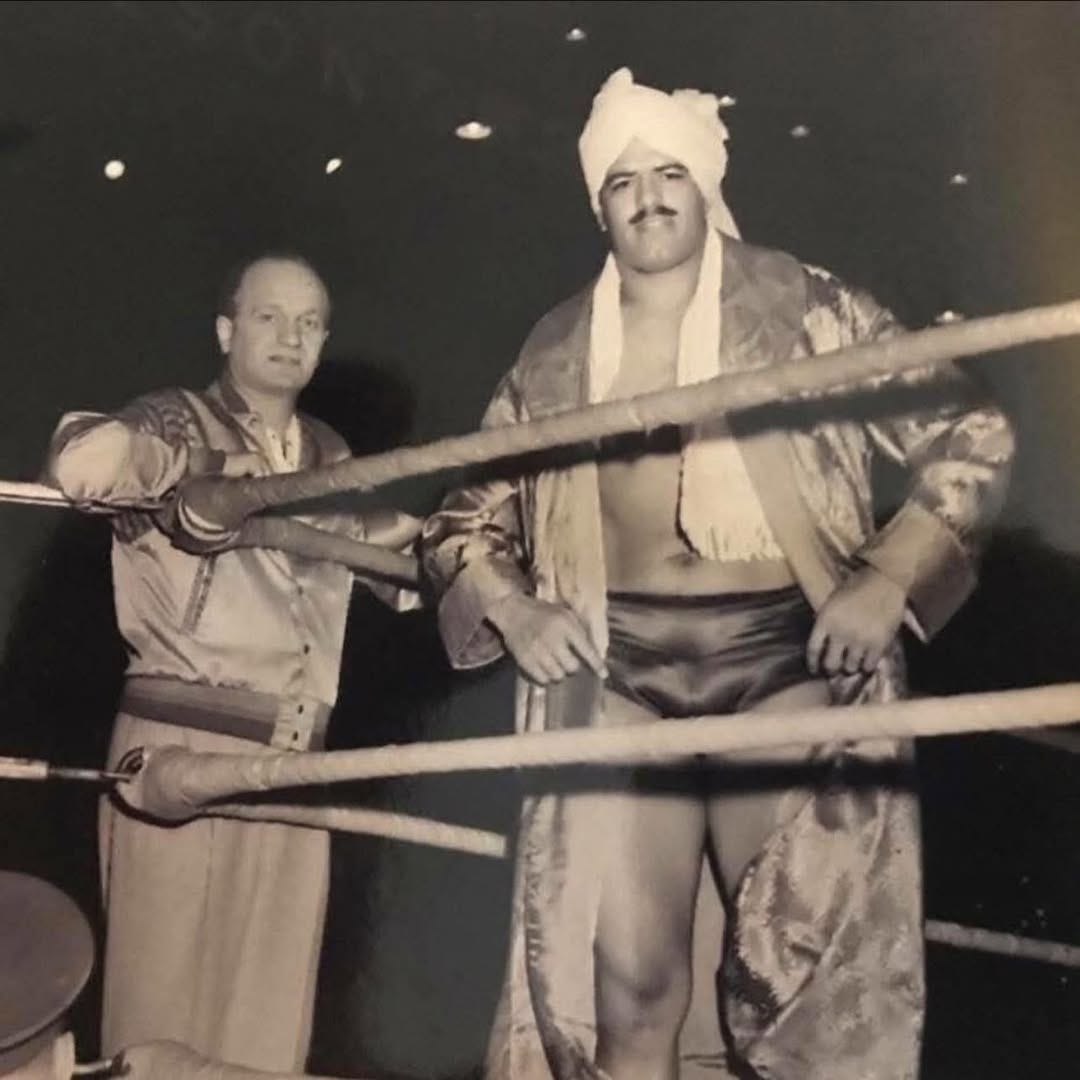
Dara Singh’s professional wrestling career, spanning roughly 1948 to 1983, is the foundation of his legend. In an era when professional wrestling blended athletic contest, theatrical presentation, and national pride, he became India’s pre-eminent representative. Standing against larger or more experienced foreign opponents, he built a reputation for authenticity and conditioning that even American greats acknowledged.
In 1954 he captured the prestigious Rustam-e-Hind (Champion of India) title by defeating Tiger Joginder Singh in the final, receiving a silver cup from Maharaja Hari Singh. Five years later, in 1959 in Calcutta, he defeated the Canadian champion George Gordienko to claim the Commonwealth Championship. His most celebrated physical displays came against the massive Australian wrestler known as King Kong (Emile Czaja), who weighed close to 200 kilograms. In matches that drew enormous crowds—sometimes tens of thousands—Dara Singh lifted and spun the giant, a feat that entered wrestling folklore and later inspired a film of the same name.
On 29 May 1968 in Bombay he defeated the legendary American Lou Thesz, a multiple-time world champion, to claim a version of the World Heavyweight Championship. Thesz, in his writings, described Singh as “an authentic wrestler, superbly conditioned.” Singh also competed successfully in Canada (winning the NWA Canadian Open Tag Team Championship with Yukon Eric), Japan, Britain, and elsewhere, facing names such as Rikidōzan, Bill Verna, and others. Popular accounts credit him with approximately 500 professional bouts without a loss, though the nature of professional wrestling of the period included draws and predetermined outcomes; a rare early Greco-Roman loss in 1951 is noted in some records. What is undisputed is his dominance on the Indian and regional circuits and the pride he generated for a newly independent nation.
He continued wrestling into middle age, winning the Rustam-e-Punjab title in 1966 and remaining active until a farewell tournament in Delhi in June 1983, attended by senior political figures. He was later inducted into the Wrestling Observer Newsletter Hall of Fame (1996) and, posthumously, the WWE Hall of Fame Legacy wing (2018). Throughout his career he maintained the rigorous pehlwani discipline that had shaped him, combining traditional Indian methods with the demands of international freestyle and catch-as-catch-can styles.
From the Ring to the Screen: Bollywood’s Original Strongman
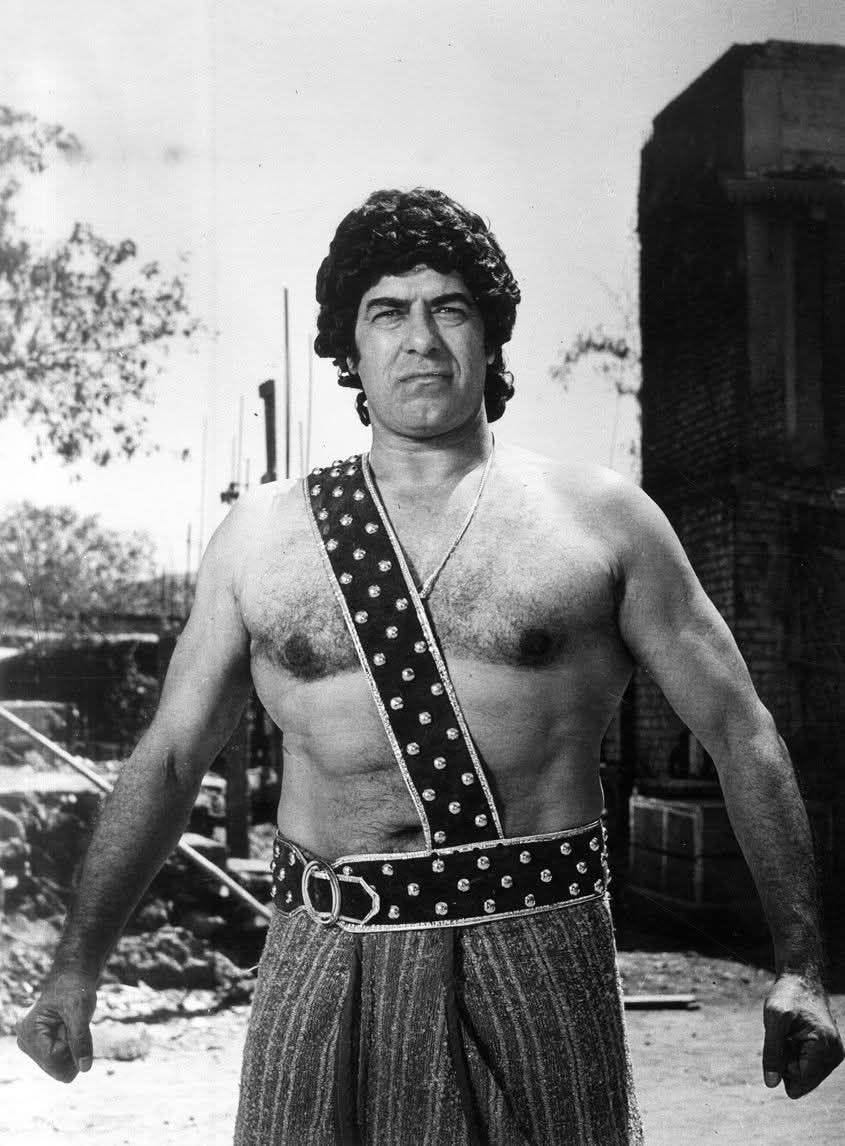
Even while active as a wrestler, Dara Singh entered cinema. His first appearance came in a cameo in the 1952 Dilip Kumar–Madhubala film Sangdil, followed by a wrestling sequence in Pehli Jhalak (1954). The real breakthrough arrived with the 1962 film King Kong, which capitalized on his real-life reputation and established him as a leading man in the B-circuit of action, costume, and fantasy pictures that flourished in the 1960s.
Between 1963 and the late 1960s he formed one of Hindi cinema’s most successful pairings with the young actress Mumtaz, appearing together in sixteen films. At a time when leading ladies were reluctant to work opposite a “wrestler-hero,” Mumtaz accepted the roles and the pair became the highest-paid actors in the B-grade market. Films such as Faulad, Samson, Tarzan Comes to Delhi, Sikandar-e-Azam (in which he played Alexander opposite Prithviraj Kapoor’s Porus), and numerous others showcased his physique, strength, and straightforward heroic presence. He was among the first Indian screen stars whose body itself was a major selling point—decades before the modern “six-pack” ideal.
Beyond pure action, he took character parts that revealed range: the circus strongman Sher Singh in Raj Kapoor’s Mera Naam Joker (1970), a brief but memorable appearance in Anand (1971), and later paternal or elder roles in mainstream films. He also directed and produced, establishing Dara Studios in Mohali, Punjab, in 1978 and making several Punjabi and Hindi pictures under his own banner, including Nanak Dukhiya Sub Sansar and Rustom.
The Immortal Hanuman and Mythological Stature
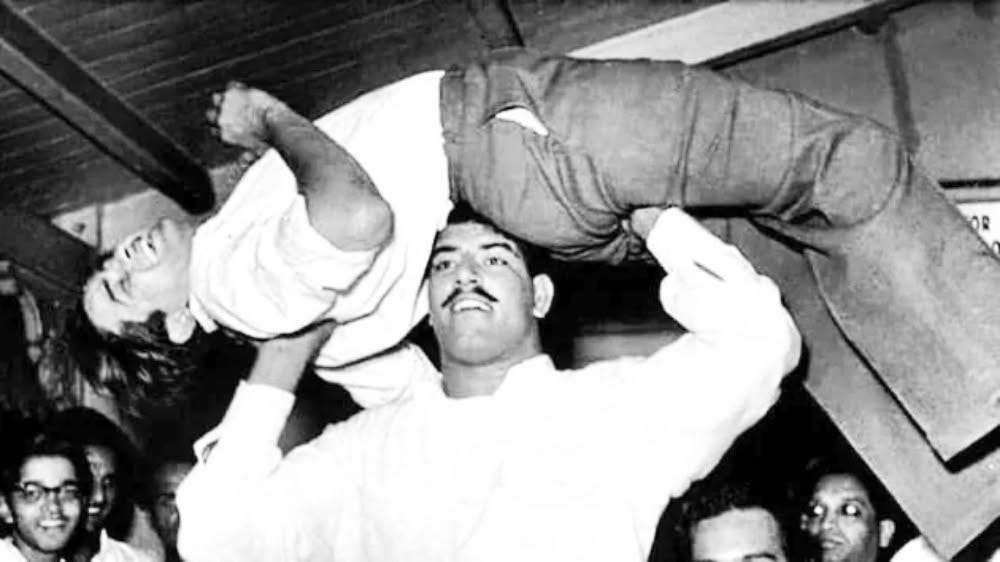
It was in mythological cinema and television that Dara Singh achieved his most lasting cultural imprint. In 1976 he starred as Hanuman in Chandrakant’s Bajrangbali, a major commercial success that fixed his image as the devoted, powerful, and noble son of the wind god. He had already played related strongman roles—Bhima, Balram, Shiva—in earlier films, but Hanuman became definitive.
When Ramanand Sagar cast the Ramayana for television in the mid-1980s, he chose Dara Singh, then approaching sixty, for the role of Hanuman. The series Ramayan (1987–1988) became a national phenomenon, watched by hundreds of millions. Singh’s portrayal—dignified, powerful, full of quiet devotion—imprinted itself so deeply that for decades afterwards he remained the popular face of Hanuman in the Indian imagination. He revisited the character in later serials including Lav Kush and made brief appearances in other mythological productions. The role transcended entertainment; it connected his real-life image of strength and integrity with one of Hinduism’s most beloved figures.
Later Years, Politics, and Personal Life
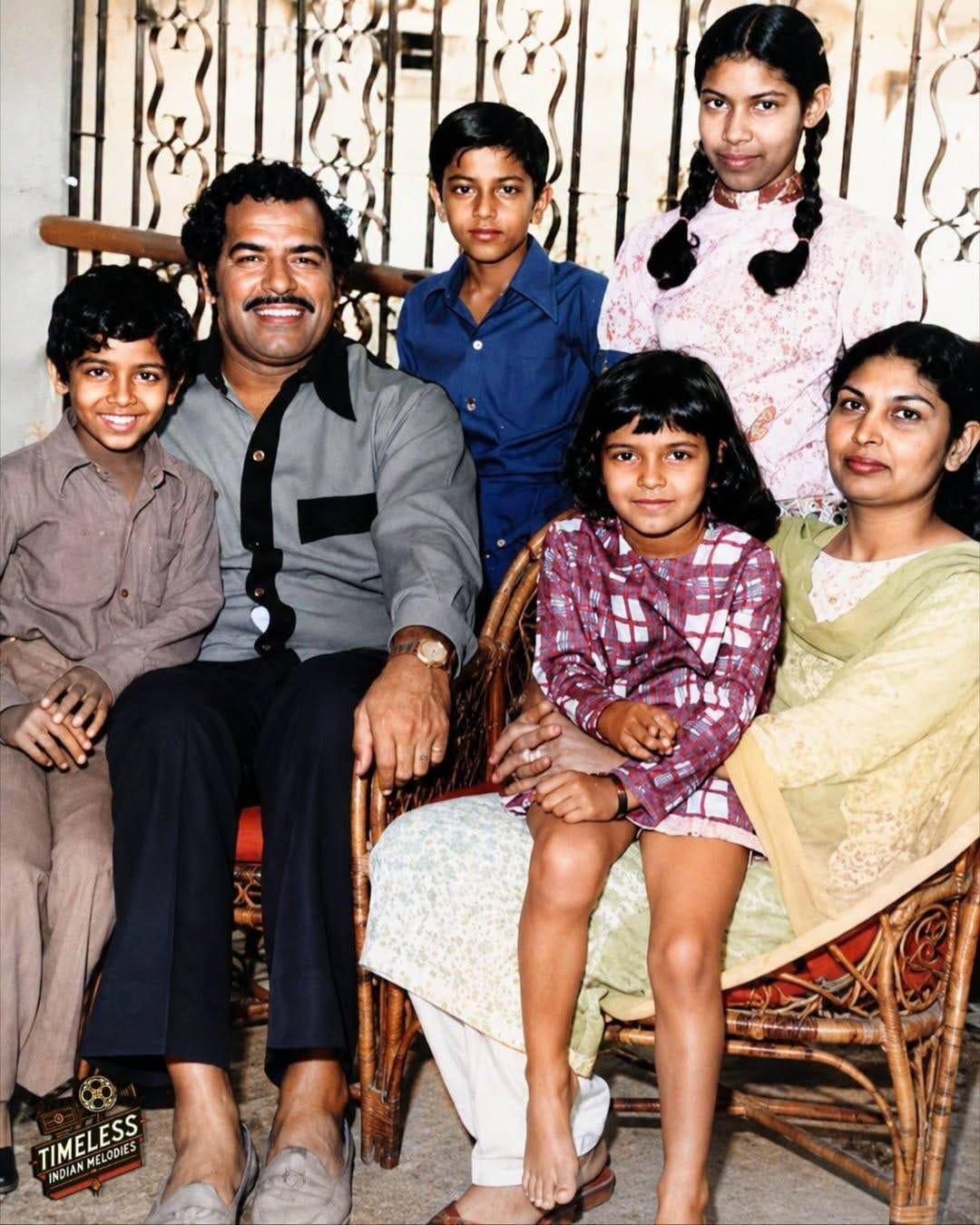
After retiring from the ring in 1983, Dara Singh continued acting into the 2000s, notably as Shah Rukh Khan’s warm-hearted uncle in Kal Ho Naa Ho (2003) and as Kareena Kapoor’s grandfather in Jab We Met (2007). He published his autobiography, Meri Atmakatha, in Punjabi in 1989. In 1996 he received the Padma Shri.
In January 1998 he joined the Bharatiya Janata Party. In 2003 he became the first sportsperson nominated to the Rajya Sabha, serving until 2009. He participated in parliamentary committees on human resource development, youth affairs and sports, information technology, and information and broadcasting, and held leadership positions in Jat community organizations.
His personal life stabilized with his second marriage, to Surjit Kaur in 1961. Together they raised a family that included sons Vindu Dara Singh (himself an actor who later portrayed Hanuman) and others, as well as daughters. His brother Sardara Singh (Randhawa) also pursued wrestling and acting. Those who knew him described a gentle, nature-loving man beneath the formidable exterior—curious, soft-spoken, and devoted to family.
Final Days and Enduring Legacy
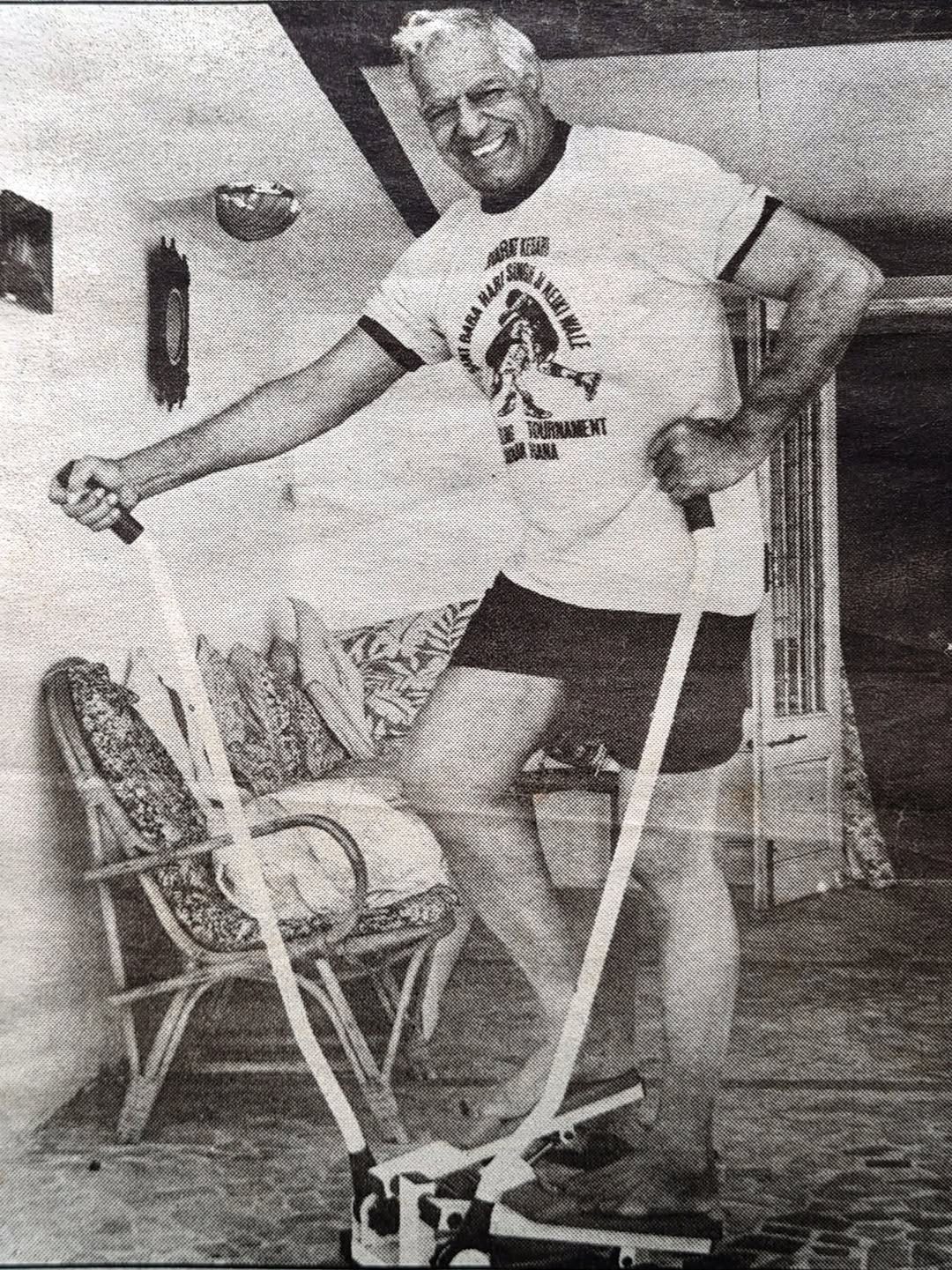
In early July 2012 Dara Singh suffered a massive heart attack. After hospitalization and confirmation of irreversible brain damage from lack of blood flow, he was brought home at his wish. He died on 12 July 2012 at the age of 83 in Mumbai and was cremated at the Juhu crematorium. The New York Times remembered him as “India’s first superhero.”
Dara Singh’s legacy rests on several interlocking foundations. In wrestling he proved that an Indian athlete, trained in traditional methods and conditioned with extraordinary discipline, could compete successfully on the international stage and become a source of national pride in the decades after independence. In cinema he pioneered the muscular action hero and then transcended genre to become a cultural and religious icon. On television he gave millions a living image of devotion and strength. In public life he demonstrated that sporting achievement could open doors to political service.
More than any single title or film, what endures is the example of a man who transformed limited circumstances through relentless self-mastery. From the mud of Punjab’s akharas to the global ring, from B-movie sets to the living rooms of India during Ramayan, and finally to the floor of Parliament, Dara Singh lived a life of uncommon completeness. He remains the Lion of Punjab—strong in body, steady in character, and permanently etched in the collective memory of a nation.
One Thing I Learned About Betty Jo Hawkins
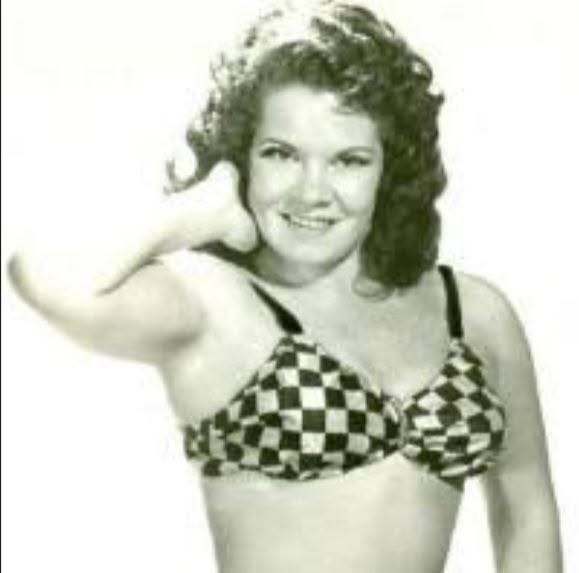
She suffered from rheumatoid arthritis that caused severe joint pain; it was misdiagnosed as polio.
Despite this, she took up weightlifting as therapy, trained under Ella Waldek, debuted as a pro wrestler in 1948, and built a successful career (including multiple NWA Florida Women’s Championship reigns and tag titles with Penny Banner) before the condition forced her retirement in 1959 at age 29.