



Today’s Favorite Quote: Failure is often that early morning hour of darkness which precedes the dawning of the day of success - Leigh Mitchell Hodges
Happy Birthday to those who have passed on and to those great wrestlers still with us:
In Memoriam:
Lord James Blears 1923
Herman Gust Funk 1926
Eddie Marlin 1930
Frankie Cain 1932
Jack Lotz 1933
Happy Birthday:
Jim Brunzell (77)
Sue Green (73)
Tony Falk (65)
Matthew Hyaon\Spike Dudley (56)
RIP Memorial: We stop & remember those who have passed on this day and gave themselves to the business for us, the fans. We salute you and thank you.
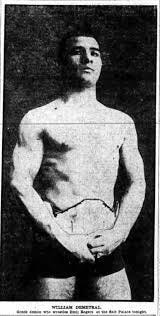
William Demetral 8-13-1968 at the age of 81
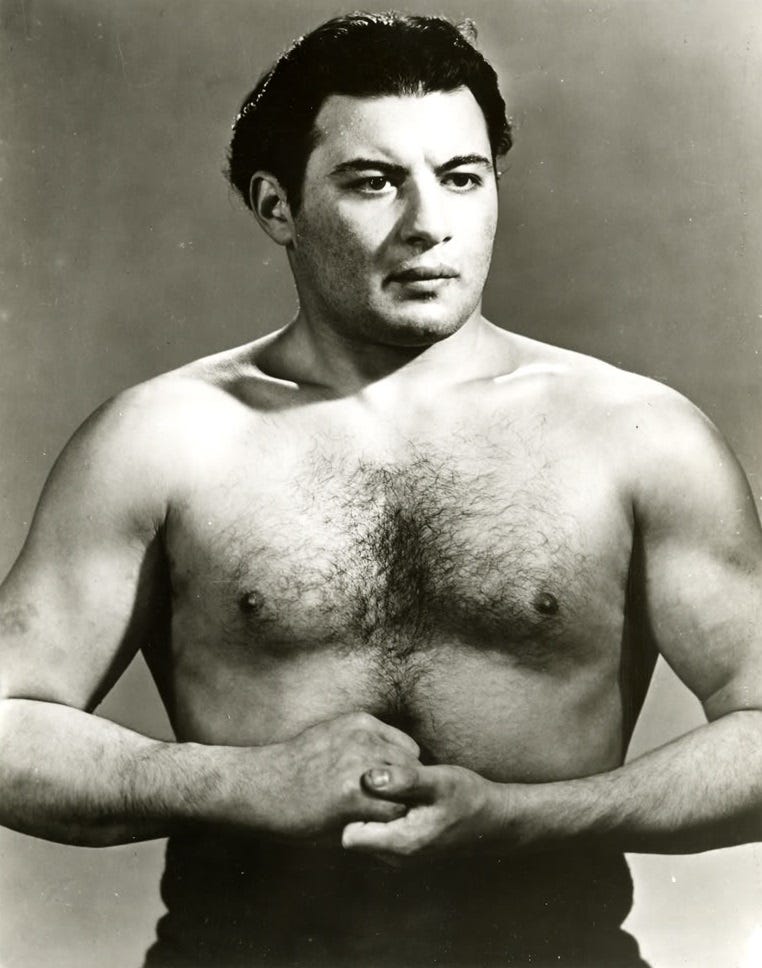
Chris Tolos 8-13-2005 at the age of 75
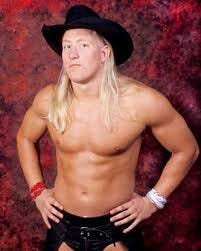
Brian Adams/Crush 8-13-2007 at the age of 43

Lance Cade 8-13-2010 at the age of 29
Bobby Fields 8-13-2011 at the age of 77

Jim Neidhart 8-13-2018 at the age of 63

Fritz Von Georing 8-13-2024 at the age of 94

The Life and Career of Jumpin Jim Brunzell
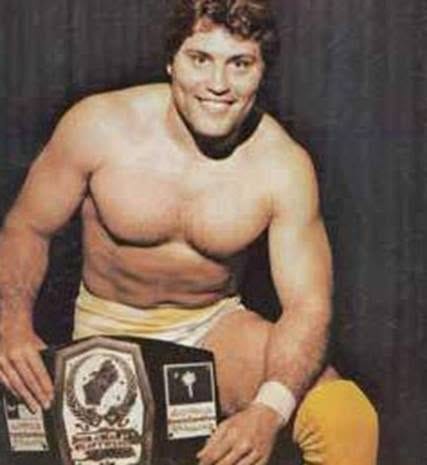
Pictured: Jim Brunzell NWA Mid-Atlantic Heavyweight Champion
known throughout his career as “Jumping” Jim Brunzell, stands as one of the most athletic and reliable tag-team specialists of the territorial era and the early national expansion of professional wrestling. A product of Minnesota amateur athletics and Verne Gagne’s rigorous training system, Brunzell built a nearly three-decade career defined by high-flying dropkicks, technical proficiency, and two of the most memorable tag teams of the 1970s and 1980s: the High Flyers with Greg Gagne in the American Wrestling Association and the Killer Bees with B. Brian Blair in the World Wrestling Federation.
Born in Minneapolis, Minnesota, Brunzell was the son of a U.S. Navy pilot. The family spent a period of his childhood in Memphis, Tennessee, before settling primarily in the White Bear Lake area of Minnesota. At White Bear Lake High School he excelled as a multi-sport athlete, competing in football, scholastic wrestling, and track and field. He won the Minnesota state high jump championship, a skill that would later define his ring nickname and style.
Brunzell continued at the University of Minnesota, where he played football (teaming with future partner Greg Gagne) and high jumped competitively, clearing heights over 6’6” in sanctioned meets and reportedly 6’7½” in an unsanctioned one. He possessed a reported 36-inch vertical leap while competing around 220 pounds. After a tryout as a tight end with the Washington Redskins ended without a roster spot, he returned to finish his degree. The combination of football toughness, elite jumping ability, and college discipline formed the physical and mental base for his wrestling career.
Training and Entry into the Business
In the early 1970s, Greg Gagne approached Brunzell about professional wrestling. He joined one of the most stacked training classes Verne Gagne ever assembled, working under Gagne and British catch wrestling master Billy Robinson. Classmates included Ric Flair, Ken Patera, The Iron Sheik (Khosrow Vaziri), and Bob Bruggers. Brunzell has described the group as a “jackpot” for Gagne, noting that the class produced multiple long-term stars. He debuted in late 1972 (sources commonly list December 27 or 28) in the AWA, losing to Dennis Stamp in one of his earliest matches.
Gagne’s central belief was that a performer must first become a real wrestler. He came from a strong amateur background himself (Big Ten champion, Olympic alternate, Marine Corps hand-to-hand combat instructor) and insisted on building genuine athletic foundations, submission knowledge, and physical toughness before adding the entertainment elements. The goal was to create athletes who would not be afraid of anyone in the business and who could deliver credible, high-quality matches. Character work and “the show” came after the fundamentals were mastered.
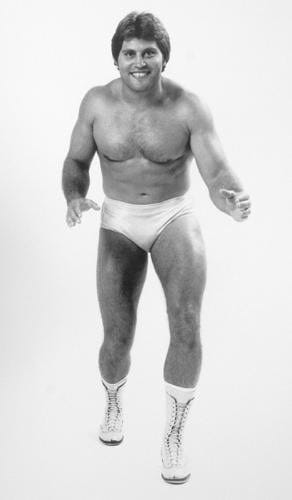
Camps typically ran several weeks to about three months, six days a week, for roughly six hours a day. The famous 1972 class (which produced Ric Flair, Ken Patera, the Iron Sheik, Jim Brunzell, Greg Gagne, and Bob Bruggers) is the most frequently described and followed this model closely.
A typical day broke down roughly as follows:
• First hour (and often more): Pure conditioning. Heavy emphasis on calisthenics, running, and free squats. Trainees worked up to extremely high volumes—accounts commonly cite building to 500 or even 1,000 free squats in a session (sometimes in sets of 100). Push-ups, sit-ups, and other bodyweight work were also intense. Many prospective students quit in the first hour or first day because of the sheer volume and difficulty.
• Ring work and fundamentals. Learning to hit the ropes properly (early attempts often tore skin), take bumps safely, execute basic holds and counters, and move around the ring. There was significant amateur-style drilling (sits, reverses, etc.) mixed with pro techniques.
• Submission and technical instruction. British catch wrestler Billy Robinson was a key trainer alongside Gagne. Robinson specialized in submission holds and European-style catch-as-catch-can wrestling. He was known for being extremely strict and proficient, applying holds with real pressure during training. This gave graduates legitimate knowledge of joint locks and body control that many other American-trained wrestlers of the era lacked.
• The final “Hour Six” or gauntlet. One trainee would stay in the ring while the others lined up and came at him in succession. Gagne or Robinson would call out moves (armbar, headlock, body slam, etc.). The man in the middle had to handle continuous action until exhausted, then rotate to the end of the line. In the cold Minnesota winter barn, the cycle of extreme heat from work followed by shivering while waiting was particularly brutal.
• Additional elements. Some accounts mention farm chores (chopping wood and other physical labor) as part of the overall conditioning and toughness-building. Verne himself often arrived later in the day, when the trainees were already worn down, and would work them hard or “stretch” them to test their limits and resilience.
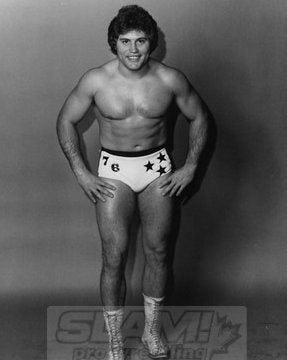
The barn was rudimentary—frequently described as unheated, with minimal lighting (sometimes just a single bulb over the ring) and a hard floor. Winter sessions made conditions especially harsh. The environment was deliberately old-school and no-nonsense: high dropout rates were expected and accepted as a filtering mechanism. Only those with the mental toughness and physical capacity to endure stayed. Graduates repeatedly described it as the hardest thing they had ever done, but also as the experience that gave them confidence they could handle anyone once they entered the professional ranks.
Gagne is credited with training well over 100 wrestlers (one frequently cited figure is around 144), with an extremely high percentage going on to become successful main-event or significant performers. Beyond the famous 1972 class, his trainees included Baron von Raschke, the Anderson brothers (Ole, Gene, Lars), Blackjack Lanza, Blackjack Mulligan, Larry Hennig, Ricky Steamboat (who received additional help), Sgt. Slaughter, Buddy Rose, and many others.
The methods produced wrestlers known for solid fundamentals, conditioning, and the ability to work a credible style. This stood in contrast to some later training approaches that emphasized spectacle or character more quickly. Graduates often spoke of the lasting respect the camp earned them from veterans when they first hit the territories—other wrestlers recognized the toughness and skill that came from surviving Gagne’s program.
In later years Gagne’s influence continued through family members and associates who carried elements of the system forward, though the pure intensity of the original farm barn camps remained unique to his era. The combination of Marine-style conditioning, amateur wrestling roots, Billy Robinson’s catch-wrestling expertise, and Verne’s own demanding standards created one of the most effective and respected training pipelines in the history of the sport.
Central States and the Formation of the High Flyers
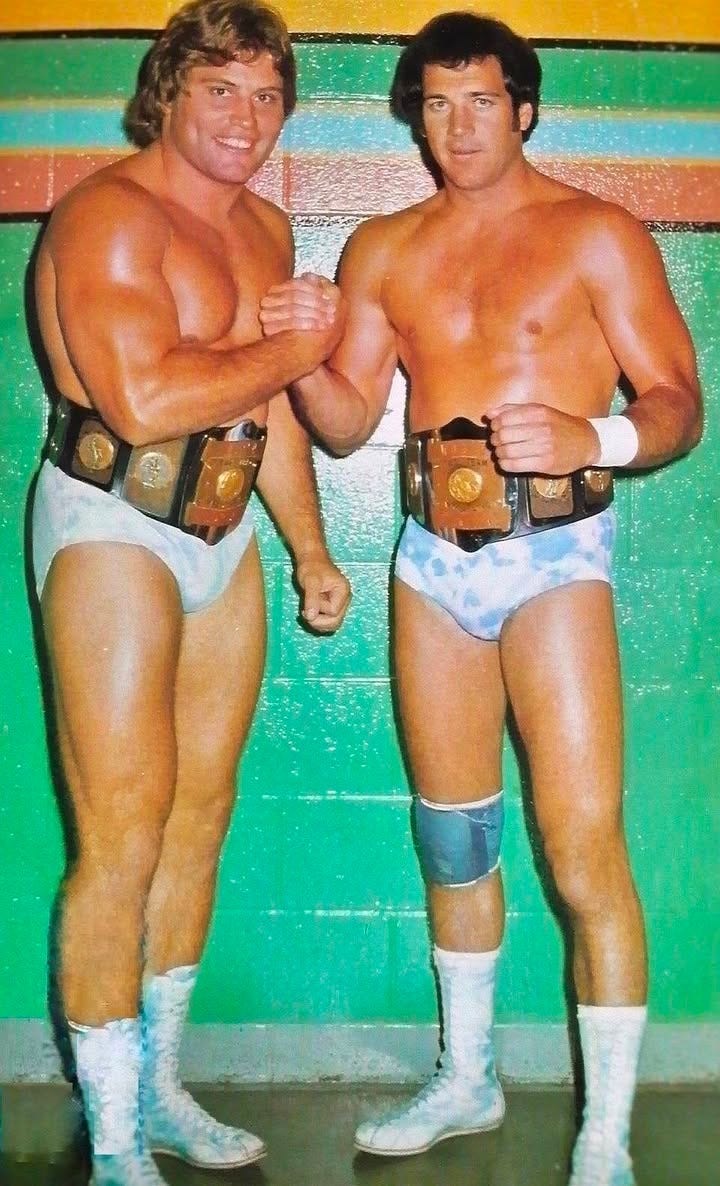
Brunzell gained early experience in NWA Central States Wrestling, where he teamed with Mike George to capture the NWA Central States Tag Team Championship (sometimes listed as the Central States version of the NWA World Tag Team titles) on October 25, 1973. The pairing helped him develop timing and crowd work in a traditional territory environment.
Returning to Minnesota, Brunzell formed the High Flyers with Greg Gagne in May 1974. The team combined Gagne’s technical base with Brunzell’s athleticism and explosive dropkicks. On July 7, 1977, they defeated Blackjack Lanza and Bobby Duncum (managed by Bobby Heenan) to win the AWA World Tag Team Championship. They held the titles for more than a year until Brunzell suffered an injury (often linked to a charity baseball game) that forced the belts to be vacated on September 23, 1978.
Mid-Atlantic Singles Success
Seeking to prove himself as a singles competitor after years primarily as a tag-team specialist, Brunzell left the AWA in 1979 for Jim Crockett Promotions in the Mid-Atlantic territory. He has stated that after roughly four and a half years as a High Flyer he wanted to “cut the mustard” on his own. In the Carolinas he flourished, winning the NWA Mid-Atlantic Heavyweight Championship twice—first by defeating Ken Patera and later by defeating Ray Stevens. He also worked a program with the Iron Sheik after dropping the title. The run lasted approximately 16 months and included work in Atlanta under Jim Barnett. Brunzell later called the experience “fast and furious,” noting the depth of talent (Steamboat, Flair, Mulligan, and others) and the demanding schedule.
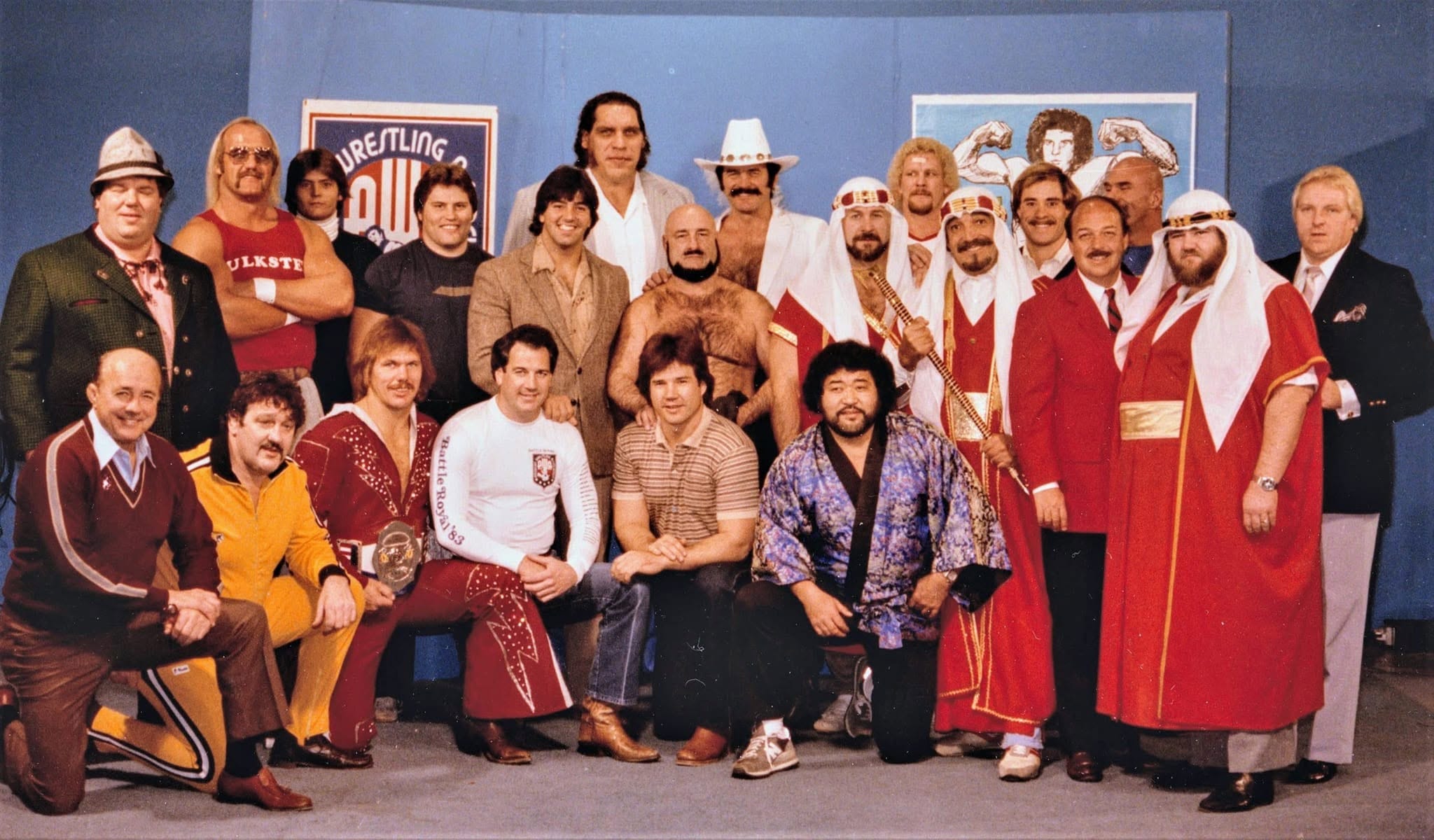
Pictured: The famous 1983 AWA Group Photo
Return to the AWA and Peak High Flyer Years
Brunzell returned to the AWA in 1981. On June 14, 1981, the High Flyers regained the AWA World Tag Team Championship by defeating the East-West Connection (Jesse Ventura and Adrian Adonis). They held the titles for more than two years before dropping them to Jerry Blackwell and Ken Patera in 1983. The team was named PWI Tag Team of the Year in 1982. Brunzell also worked singles matches and spent time in Montreal’s Lutte Internationale between 1983 and 1985. He left the AWA for good in mid-1985.
The Killer Bees in the WWF
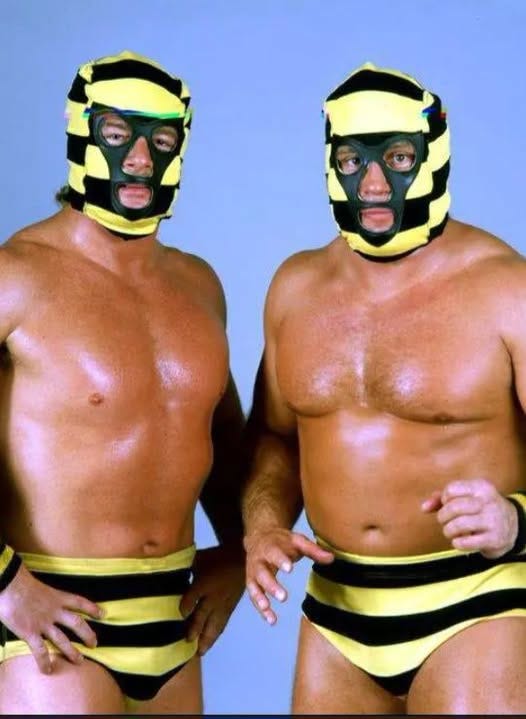
The Killer Bees gimmick was one of the more distinctive and fan-friendly acts in the mid-to-late 1980s WWF tag team division. The team consisted of Brunzell and B. Brian Blair and ran primarily from 1985 to 1988.
The pairing itself was suggested by Hulk Hogan. Blair was already in the WWF; Brunzell arrived from the AWA. Booker George Scott told the two they needed a catchy team name shortly before their debut. Blair suggested “The Killer Bees,” drawing from the nickname of the Miami Dolphins’ defensive unit (the “Killer B’s”), whose key players had last names starting with B—just like Blair and Brunzell. Vince McMahon approved it almost immediately.
Right after the name was locked in, Lanny Poffo (who happened to be nearby with a bag of gear) pulled out two pairs of black-and-yellow striped tights he already owned. Those became the foundation of the Bees’ signature look. The team wore bright yellow-and-black striped trunks, boots, and often jackets or headbands featuring bee motifs. The colors deliberately evoked a bumblebee or wasp, giving them an instantly recognizable, colorful “yellow and black attack” visual that stood out in an era of more traditional gear.
The heart of the act was a tactic called Masked Confusion. At a key point in matches—usually when one Bee was in trouble—both men would put on identical yellow-and-black masks (sometimes with antennae-like details). Because Blair and Brunzell had similar builds and were now completely covered, they could switch places under the ring or while the referee was distracted. The opponent and referee often could not tell who was legal, allowing the “fresh” Bee to enter illegally for a surprise attack or pin.
This was a classic heel tactic (switching without a legal tag), but the Bees used it as babyfaces. Fans accepted and cheered it because it was usually deployed against rule-breaking heels (most notably the Hart Foundation, the Funks, and the Iron Sheik & Nikolai Volkoff). It felt like the underdogs evening the odds rather than pure cheating. The idea came from veteran Billy Red Lyons, who had used a similar mask-switch concept earlier in Maple Leaf Wrestling and suggested it to Blair.
The masks turned the Bees into something of a masked superhero/duo act—agile, coordinated, and a little mysterious—while still remaining clear babyfaces. It was unusual for a face team at the time and helped make their matches memorable and kid-friendly.
Beyond the masks and colors, the Bees worked a high-energy, athletic style built around quick tags, dropkicks (especially Brunzell’s), and coordinated offense. They were positioned as scrappy, likeable underdogs rather than dominant powerhouses. Their entrance and overall presentation leaned into the bee theme without becoming fully cartoonish, fitting the colorful Rock ’n’ Wrestling era.
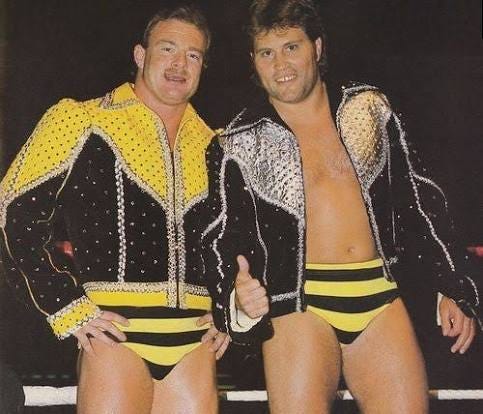
The Killer Bees were popular with live crowds and regularly challenged for the WWF Tag Team Championship, though they never won it (Blair has said they were promised the titles on multiple occasions that never materialized). They had strong feuds, appeared at WrestleMania III, and were sole survivors (with the Young Stallions) at the first Survivor Series in 1987. The act worked because the masks and colors made them easy for kids to identify with, while the in-ring work was solid enough for older fans.
The team was split in 1988. Both men continued in the WWF for a time in singles or other roles, but the Killer Bees identity largely ended there (aside from later independent reunions and nostalgia appearances). The “Masked Confusion” gimmick remains their most remembered trademark and one of the more creative babyface tag team innovations of that period.
Later Career and Retirement
Brunzell reunited with Blair in Herb Abrams’ Universal Wrestling Federation (as Masked Confusion) and captured the UWF Tag Team Championship. He worked independent shows, primarily in the Midwest, appeared at WCW’s Slamboree 1993 in a legends multi-man match, and continued wrestling into the late 1990s. His final match is generally dated to 2000. Career estimates place him in the vicinity of 5,000 matches over roughly 27–28 years.
Style, Reputation, and Legacy
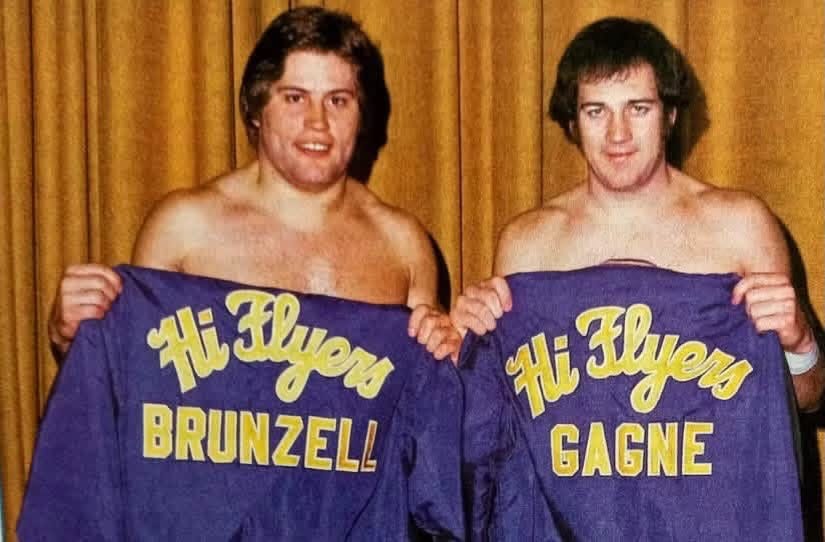
Brunzell’s signature was the high, snapping dropkick that leveraged his high-jump background. He was a pure babyface technician who relied on speed, timing, and aerial ability rather than size or power. In an era when high-flying was still relatively rare in North American heavyweight wrestling, the High Flyers stood out. The Killer Bees brought a unique masked-babyface gimmick to the national stage during the peak of the 1980s boom. Brunzell never became a major singles world champion, but he was consistently booked as a reliable, over worker who could deliver clean, athletic matches night after night.
Personal Life and Post-Career
Brunzell married Mary Iten in 1975; they have two children and remain together more than 50 years later. After retirement he worked in sales for a family-owned company, stayed active in his local church as a practicing Catholic, and supported charity work related to children with diabetes. He has maintained a long friendship with Bruce Springsteen, attending dozens of concerts over the decades. In 2015 he self-published MatLands: True Stories from the Wrestling Road, a collection of more than 40 road stories. He received the Frank Gotch Award from the George Tragos/Lou Thesz Professional Wrestling Hall of Fame in 2013 and, with Greg Gagne, the Cauliflower Alley Club Tag Team Award in 2016. He continues to appear at conventions, often alongside Blair.
Jim Brunzell’s career bridges the classic territory system and the early national television era. He was never the biggest star of either, yet he left a clear imprint through athleticism, consistency, and two of the better tag teams of his generation. For fans of the AWA’s 1970s–early 1980s peak and the mid-1980s WWF tag division, “Jumping” Jim Brunzell remains a respected and fondly remembered figure whose high dropkick still stands as a model of the form.
One Thing I Learned About Chris Tolos
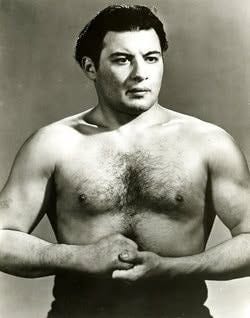
He was an accomplished cook who published a cookbook featuring Greek recipes around 1973–1974.
He was known among fellow wrestlers as a genuine gourmet-level home cook, and he actively promoted the book on television during his later career appearances. Announcers (including Lord Athol Layton in Toronto) sometimes grew visibly exasperated as Tolos plugged the cookbook week after week in true heel-style fashion.
This side of him stood in contrast to his tough “Golden Greek” / Canadian Wrecking Crew persona alongside brother John, and it remains one of the more obscure personal details about the older Tolos brother.

Thank You for Watching and Listening
I’m Tony Richards, Pro Wrestling Historian, Author and Storyteller. I share pro wrestling historical items in each issue of the Time Tunnel Pro Wrestling History Newsletter and each episode of our podcast show. Thanks for your support! If you enjoy my information on select events, matches and insights, please share with folks you think might like to be a subscriber!
Remember, Premium subscribers get access to exclusive and special content such as some special issues including a multi-part deep dives on wrestling territories, wrestler bios and championship title histories, special audio and video interviews on territory pro wrestling and more available in the Pro Wrestling Time Tunnel for Premium Subscribers. Being a Premium Subscriber also means you support me in my efforts to document Pro Wrestling History through my research, writing, books, vidoes and podcasts. And…I have something very special planned for our Premium Subscribers on the Podcast side of things in 2026! Details soon here in the Pro Wrestling Time Tunnel.