


Today’s Favorite Quote: Don’t be afraid to give up the good to go for the great - John D. Rockefeller
Happy Birthday to those who have passed on and to those great wrestlers still with us:
In Memoriam:
Lou Plummer 1907
Dr. Jerry Watson 1943
Happy Birthday:
Kris Statlander (31)
RIP Memorial: We stop & remember those who have passed on this day and gave themselves to the business for us, the fans. We salute you and thank you.
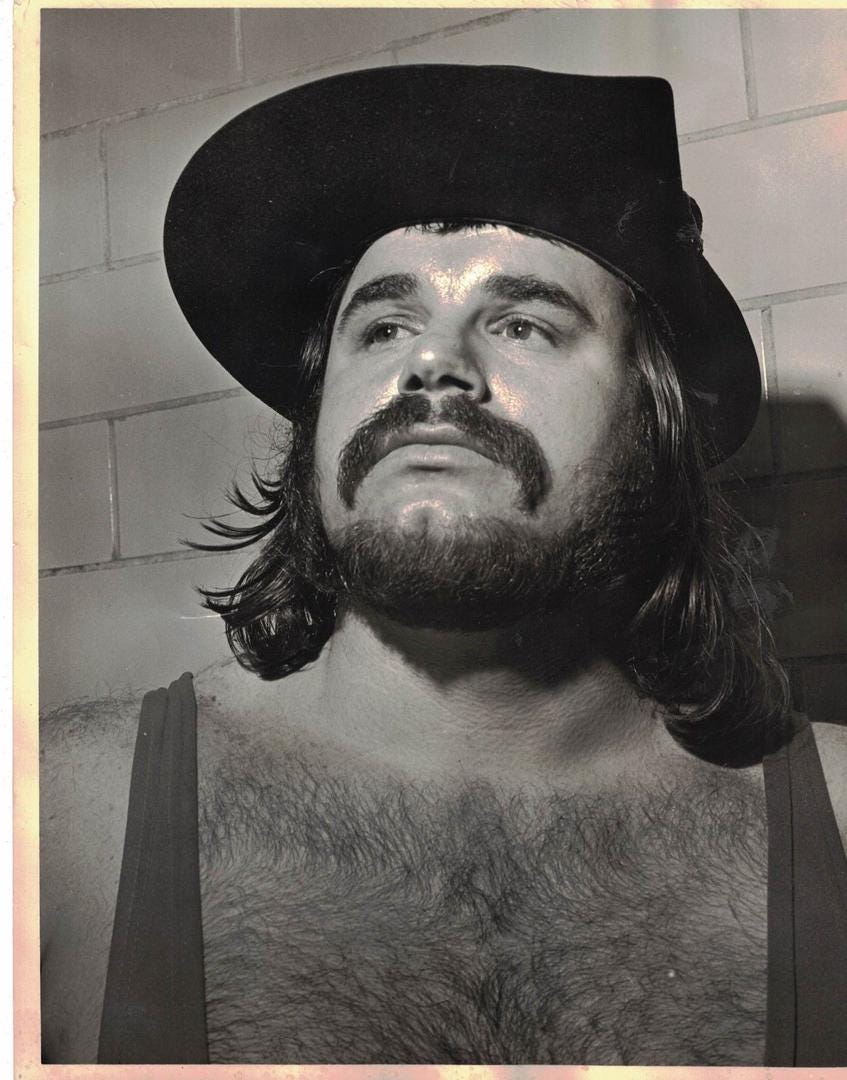
Lord Jonathan Boyd 8-7-1999 at the age of 54
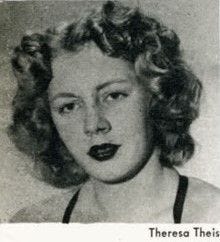
Theresa Theis 8-7-1999 at the age of 68
The Life and Career of Dino Bravo
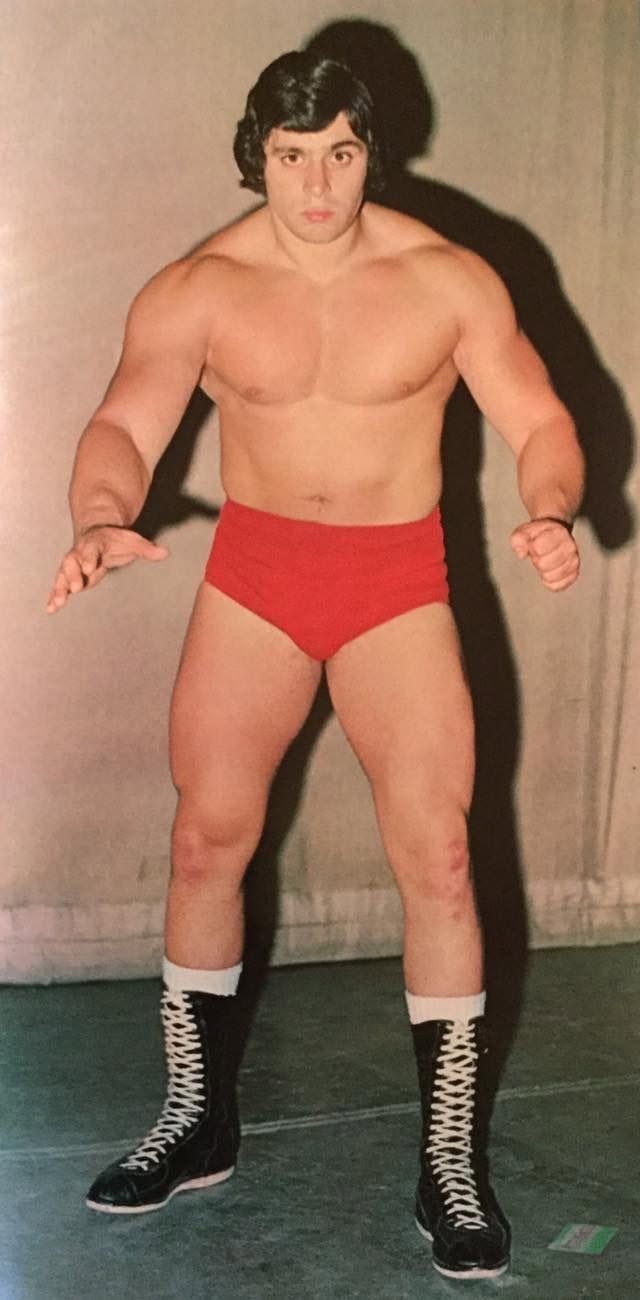
Dino Bravo (Adolfo Bresciano) was one of the defining figures of Canadian professional wrestling from the early 1970s through the early 1990s—a powerful, athletic babyface who became a top draw in Montreal and across NWA territories before reinventing himself as a bleached-blonde strongman heel in the World Wrestling Federation. His career mirrored the transition from the territorial system to national expansion, and his life ended in a still-unsolved gangland-style murder that has overshadowed much of his in-ring legacy.
Early Life and Training
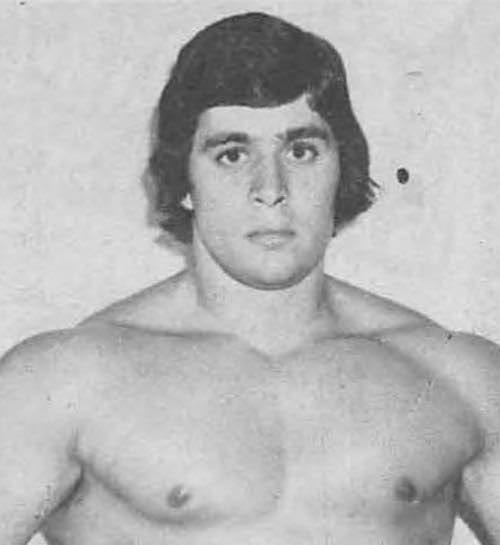
Adolfo Bresciano was born on August 6, 1948, in Campobasso, Molise, Italy. His family emigrated to Canada when he was young and settled in the working-class Centre-Sud neighborhood of Montreal. He began amateur wrestling and weight training in his early teens. A pivotal connection came through proximity to the Accocella family; Gino Brito (real name Louis Gino Acocella), son of veteran wrestler and promoter Jack Britton, became his mentor and trainer. Bresciano debuted professionally in 1970 under the ring name Dino Bravo—borrowed, with permission, from an earlier Italian wrestler who had teamed with Dominic DeNucci as the “Bravo Brothers” in the late 1950s and early 1960s. He was often billed as Brito’s cousin and quickly developed a reputation as a strong, mobile technician who used dropkicks and the airplane spin effectively.
Territorial Rise: Tag Teams and Early Titles
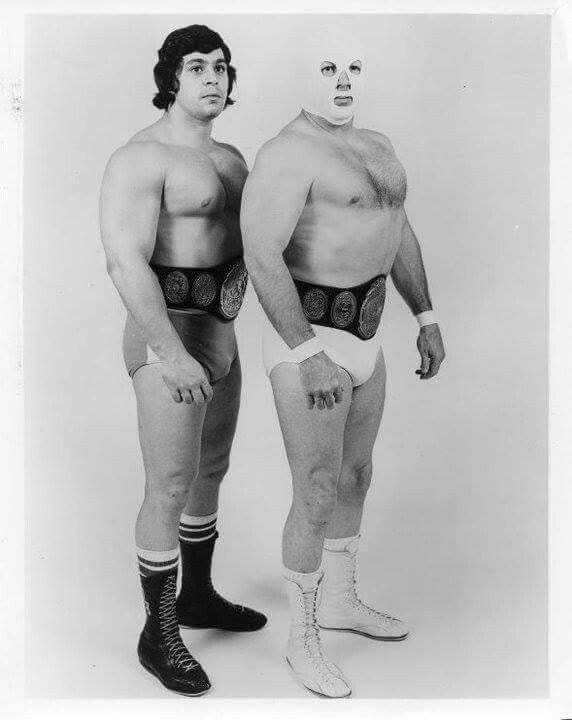
Pictured: Dino Bravo and Mr. Wrestling (Tim Woods)
Bravo’s early career centered on Montreal’s Grand Prix Wrestling. Teaming with Brito, he captured the Grand Prix Tag Team Championship in November 1972 by defeating Gilles Poisson and Killer Kowalski. The pair became reliable draws against local heels and visiting teams.
He expanded into the United States. In NWA Hollywood Wrestling in 1974 he won the NWA Americas Tag Team Championship with Victor Rivera. In Jim Crockett’s Mid-Atlantic Championship Wrestling he found greater success: with “Mr. Wrestling” Tim Woods he won the Mid-Atlantic version of the NWA World Tag Team Championship from Gene and Ole Anderson in May 1976, and he later held the NWA Mid-Atlantic Tag Team titles with Tiger Conway Jr. and others. He also worked Georgia Championship Wrestling and briefly in other NWA spots, gaining experience against established names while remaining primarily a tag-team specialist.
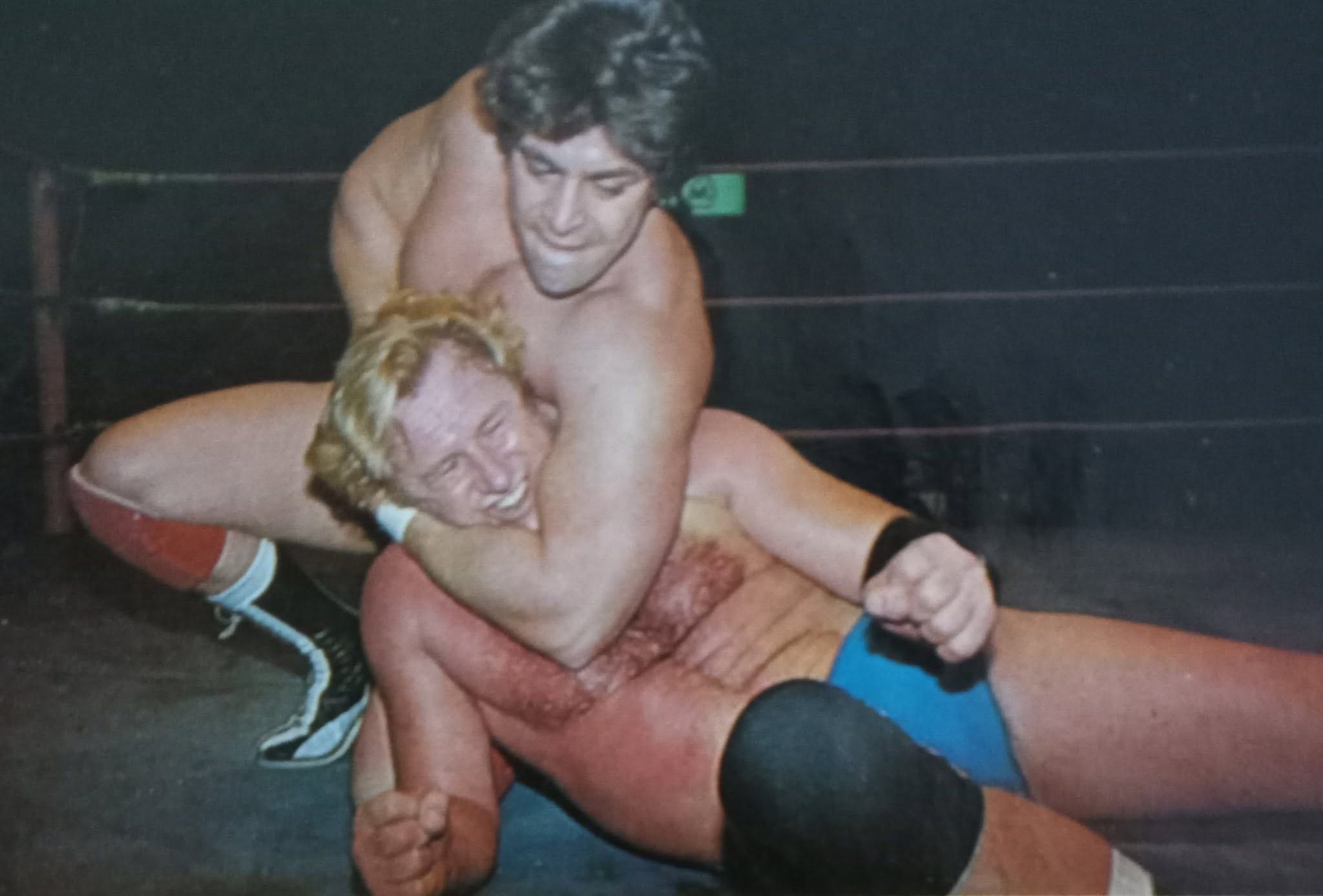
Pictured: Dino Bravo with a rear chinlock on Nick Bockwinkel
In 1978 Bravo entered the World Wide Wrestling Federation. Partnering with Dominic DeNucci, he defeated Mr. Fuji and Professor Toru Tanaka for the WWWF World Tag Team Championship on March 14 (or April 1, depending on the source account of the title match) in Philadelphia. They held the belts for roughly three months before dropping them to the Yukon Lumberjacks. The run established him as a credible mid-card attraction in the Northeast.
Later that year he returned to Canada and claimed the newly created NWA Canadian Heavyweight Championship (Toronto version) by defeating former NWA World Champion Gene Kiniski on December 17, 1978, in Toronto. He regained the title from Greg Valentine in 1979. He also worked the AWA and continued to appear in Mid-Atlantic, including matches against Ric Flair and Harley Race.
Peak in Montreal: International Wrestling
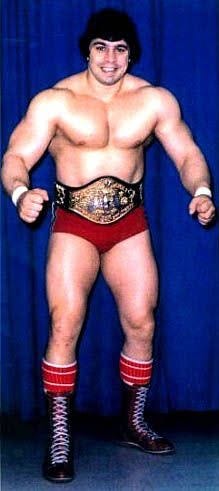
The early-to-mid 1980s marked Bravo’s highest territorial standing. In 1980 Gino Brito, André the Giant, and Frank Valois launched what became Lutte Internationale (International Wrestling) in Montreal. Bravo emerged as the promotion’s top babyface and eventually a partner/promoter after buying out André’s shares around 1983–84 when the Giant committed more fully to the WWF.
He captured the Canadian International Heavyweight Championship multiple times—sources credit him with six or seven reigns between 1980/81 and 1986. Key defenses and title changes involved Sailor White, Billy Robinson, King Tonga (later Haku), and others. He headlined major cards at the Montreal Forum and Paul Sauvé Arena against Abdullah the Butcher, the Rougeau family members in various combinations, and visiting stars. The promotion thrived on a mix of local French-Canadian talent and international imports until the WWF’s national expansion absorbed much of its roster and eventually the territory itself.
The WWF Years: Strongman Heel
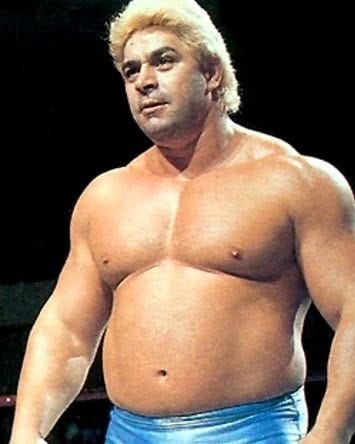
Bravo returned to the WWF in 1985, initially recognized in Canada as the WWF Canadian Champion (a short-lived recognition tied to his International title that was abandoned in early 1986). After a brief period and some creative friction—including a planned Montreal match against Hulk Hogan that was reportedly pulled over concerns about hometown cheering—he fully reinvented himself in late 1986.
Gone was the dark-haired babyface. Bravo bleached his hair blonde, bulked up further, and adopted a pure power gimmick as “Canada’s Strongest Man” / “The World’s Strongest Man.” Managed first by Johnny Valiant (alongside Greg Valentine), then by Frenchy Martin (who carried anti-American signs and used “La Marseillaise” as entrance music), and later by Jimmy Hart, he became a reliable mid-card heel. Signature spots included feats of strength, the sidewalk slam as a finisher, and a memorable (if unsuccessful) attempt to break a world bench-press record of 715 pounds at the 1988 Royal Rumble, with Jesse Ventura assisting.
Notable programs included feuds with Jim Duggan (complete with flag battles between the Fleur-de-lis and the Stars and Stripes), Don Muraco, Ronnie Garvin, Ken Patera, and a challenge to the Ultimate Warrior for the Intercontinental Championship. He appeared at multiple WrestleManias, losing to Duggan at WrestleMania VI and Kerry Von Erich at WrestleMania VII. In 1990–91 he was paired with Earthquake as a tag team designed primarily to elevate the larger man; Bravo’s role diminished to house-show duty and enhancement work. He left the WWF after a European tour in the spring of 1992 and retired from full-time competition.
Final Years and Death
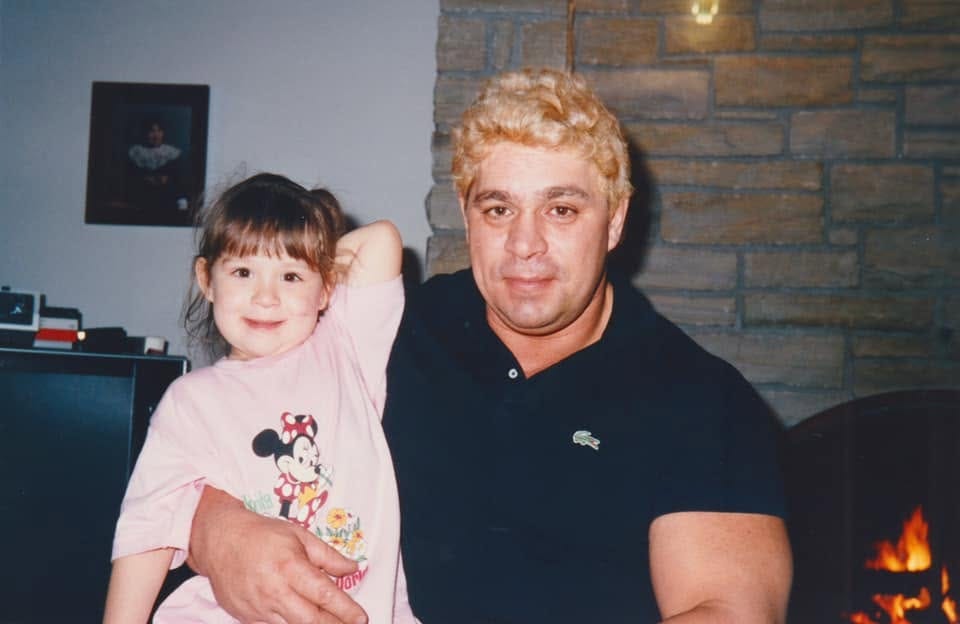
After leaving the WWF, Bravo returned to Montreal and trained younger wrestlers. His post-ring life took a darker turn. Related by marriage to Montreal crime figure Vincenzo “Vic” Cotroni, Bravo became involved in the lucrative (and violent) cigarette-smuggling trade that flourished in Canada amid high taxes. Multiple accounts and the 2020 Dark Side of the Ring episode on his death indicate he was connected to organized crime networks and may have been skimming proceeds or otherwise fallen out of favor.
On March 10, 1993 (some reports list March 11), Bravo was found dead in his home in the Vimont neighborhood of Laval, Quebec. He had been shot approximately 17 times—seven times in the head and ten in the torso—while watching a hockey game. There were no signs of forced entry, suggesting he knew his killers. He was 44. The murder remains officially unsolved. His wife Diane and young daughter Claudia discovered the body.
The case remains officially unsolved more than three decades later, with no arrests or charges filed. Police and contemporary reporting quickly linked it to his alleged involvement in organized crime, specifically cigarette (and possibly cocaine) smuggling tied to Montreal’s underworld.
The Night of the Murder
Around 9 p.m., Bravo’s wife, Diane Rivest, left with their six-year-old daughter, Claudia, for ballet class. Bravo stayed home to watch a Montreal Canadiens hockey game (against the New York Islanders).
When Diane and Claudia returned between approximately 12:20 and 12:30 a.m., they found him dead in his recliner in the living room. The television was still on. The remote control was loosely held in his hand. Blood was extensive.
Forensic details reported across sources include:
• Approximately 17 shots fired at the scene (casings recovered).
• Common accounting of hits: seven to the head and additional shots to the torso (some reports total 11 bullets striking the body; numbers vary slightly by source).
• Two different calibers (.22 and .380), consistent with possibly two weapons or two shooters.
• Silencers almost certainly used—neighbors reported hearing nothing despite the volume of fire. One stray bullet broke a window.
• No signs of forced entry; the door was unlocked. No footprints in the snow outside. No evidence of a struggle.
Investigators concluded Bravo knew his killer(s), let them in, and was shot from behind while seated and watching television.
The Investigation
Laval police responded and treated it as a homicide from the outset. A dedicated team (one account references a 12-person group) examined the scene.
Key findings in the days that followed:
• Contraband cigarettes and roughly $55,000 in cash were discovered in the house about three days later.
• Ballistics from the recovered casings did not match any weapons then on file.
• No witnesses came forward.
• The crime scene and method (overkill shooting from behind after gaining entry, no noise, professional execution style) aligned with organized-crime hits. Two other mafia-linked murders (involving an accountant and a cigarette smuggler) had occurred in the same general area in the preceding months.
The investigation stalled rapidly. The “code of silence” (omertà) in Montreal’s underworld meant almost no cooperation from potential sources. Crime reporters later noted that in the first 48 hours, little concrete evidence useful for identifying perpetrators was developed. Quebec police have treated the case as still open in later years (they declined to participate in the 2020 Dark Side of the Ring episode for that reason). No charges have ever been laid.
Background: Organized Crime Connections and Motive Theories
Bravo was the nephew by marriage of Vincenzo “Vic” Cotroni, longtime head of the influential Cotroni crime family in Montreal (linked to the Bonanno family of New York). After leaving the WWF in 1992 and facing reduced income, he reportedly turned to these connections to maintain his lifestyle. He is widely described as having worked as an enforcer and in logistics for cigarette-smuggling operations.
High Canadian tobacco taxes in the late 1980s and early 1990s created a lucrative black market. Smuggling often moved product through Indigenous reserves that straddled the U.S.–Canada border (where tax advantages applied). Bravo’s celebrity status reportedly helped him operate with less scrutiny, and he developed working relationships with groups on the reserves who respected him.
The dominant theory centers on a deal that went wrong roughly a week before the murder. According to accounts from fellow wrestler Rick Martel (who spoke about it in interviews, including material used in Dark Side of the Ring), Bravo had an arrangement involving a major cocaine figure who wanted a cut of the cigarette business in exchange for involving Bravo in cocaine. A shipment valued at around $400,000 sat in a warehouse for three days. When associates went to collect it, the RCMP was already there and seized it. Mutual blame followed—Bravo accused the others of delay; they held him responsible. Martel and others reported that Bravo told close friends his “days were numbered” and that he wanted out but could not leave.
Additional or overlapping theories include:
• Skimming money or product from the operation.
• Fear that Bravo, under pressure from police scrutiny, might cooperate or talk.
• Retaliation ordered by parties in the smuggling network (possibly involving outlaw motorcycle gangs hired to carry out a hit, or elements tied to the reserves, though some crime reporters have expressed skepticism that reserve-based groups would typically order an off-reserve execution of this type).
The extreme number of shots is generally interpreted as a deliberate message rather than a simple professional kill.
Aftermath and Public Record
Jacques Rougeau later recalled receiving a call from Bravo asking him to visit the next day (unusual given their relationship). Rougeau planned to go; he learned of the murder while en route. Family members, including the widow and daughter, have spoken publicly in later years about the trauma and the lack of resolution. Crime reporters André Cédilot and Claude Poirier provided detailed context on the Montreal underworld and the cigarette trade in the Dark Side of the Ring episode “The Assassination of Dino Bravo” (2020).
The case has never produced publicly named suspects who were charged, and no forensic breakthroughs (such as DNA matches or ballistic links to known weapons) have been reported that advanced it to court. It remains one of professional wrestling’s most notorious unsolved murders, frequently cited as a classic example of the dangers some wrestlers encountered when financial pressures after their in-ring careers intersected with organized crime.
As of the most recent reporting (through 2025–2026), the investigation is still classified as open but inactive in practical terms, with no new public developments.
Legacy
Dino Bravo’s career encapsulates both the opportunities and the limits of the territorial era. In Montreal he was a genuine main-event draw and part-owner of a promotion that produced or featured future stars. In the WWF he was a dependable power worker who adapted to the national television style of the late 1980s, even if he never reached the absolute top of the card. His physical presence, legitimate strength, and ability to work both babyface and heel styles made him valuable across more than two decades.
The violent circumstances of his death have dominated public memory, particularly after Dark Side of the Ring examined the case. Yet among wrestling historians and Canadian fans he is also remembered as a product of the Montreal scene who carried the local tradition into the national era—one of the last major territorial stars whose peak coincided with the industry’s fundamental transformation. His story remains a cautionary tale of the thin line some wrestlers walked between the scripted violence of the ring and the unscripted dangers outside it.
One Thing I Learned About Lord Jonathan Boyd
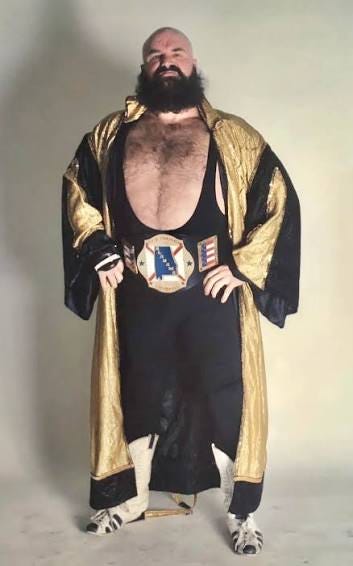
Boyd owned a DMC DeLorean.
This stands out as a quirky personal detail. The stainless-steel gull-wing car (famous from Back to the Future) was a rare and eccentric choice that matched Boyd’s larger-than-life, eccentric heel persona. Contemporaries noted it as distinctive—one account described him as “the only guy I ever knew that had a DeLorean,” calling it fitting for someone with such a strange and colorful career.
Boyd was a wild brawler known for the Iron Claw and neckbreaker, intense anti-American promos, and later managing the Sheepherders after a serious car accident. The DeLorean ownership is one of those lesser-mentioned personal facts that adds color to the man behind the “Lord” gimmick.
Thank You for Watching and Listening
I’m Tony Richards, Pro Wrestling Historian, Author and Storyteller. I share pro wrestling historical items in each issue of the Time Tunnel Pro Wrestling History Newsletter and each episode of our podcast show. Thanks for your support! If you enjoy my information on select events, matches and insights, please share with folks you think might like to be a subscriber!
Remember, Premium subscribers get access to exclusive and special content such as some special issues including a multi-part deep dives on wrestling territories, wrestler bios and championship title histories, special audio and video interviews on territory pro wrestling and more available in the Pro Wrestling Time Tunnel for Premium Subscribers. Being a Premium Subscriber also means you support me in my efforts to document Pro Wrestling History through my research, writing, books, vidoes and podcasts. And…I have something very special planned for our Premium Subscribers on the Podcast side of things in 2026! Details soon here in the Pro Wrestling Time Tunnel.
What's really suspicious is that the wife took their 6-year old daughter to a "ballet class" at 9pm and returned just past midnight......on a supposed school night.