


Today’s Favorite Quote: Only actions give life strength; only moderation gives it charm-Jean Paul Richter
Happy Birthday to those who have passed on and to those great wrestlers still with us:
In Memoriam:
“The Black Panther” Jim Mitchell 1908
Roy McClarity 1918
Kevin Greene 1962
Happy Birthday:
John Laurinaitis (64)
David Tyler “Kid” Kash (57)
Eric Watts (41)
RIP Memorial: We stop & remember those who have passed on this day and gave themselves to the business for us, the fans. We salute you and thank you.
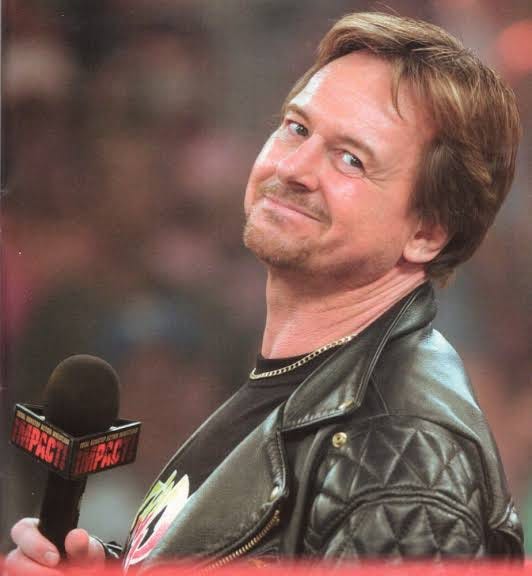
Roddy Piper 7-31-2015 at the age of 61
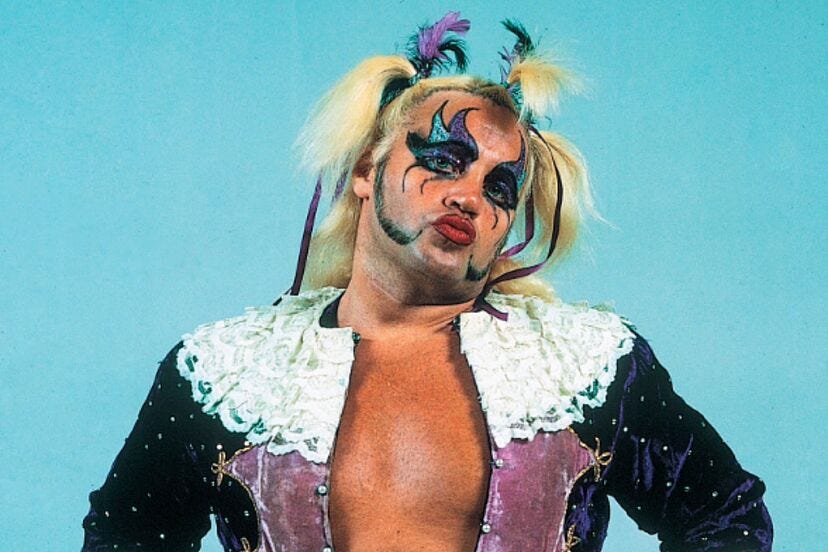
“The Exotic” Adrian Street 7-31-2023 at the age of 83
The Life and Career of Dirty Dutch Mantell
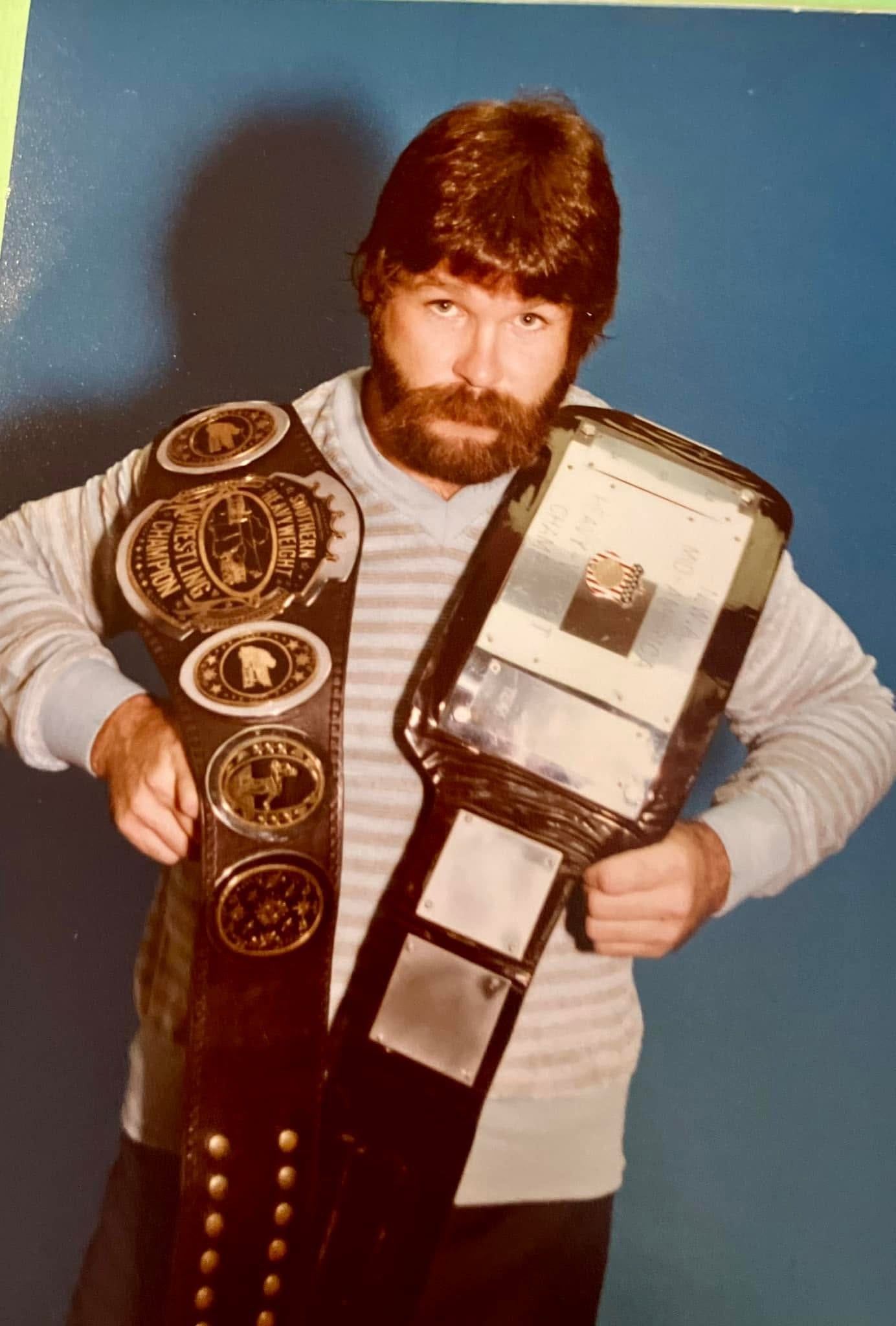
Pictured: Dutch Mantell with both the AWA Southern Heavyweight Championship belt and the NWA Mid-America Heavyweight Championship belt.
Wayne Maurice Keown, known throughout professional wrestling as Dutch Mantell and later as Uncle Zebekiah and Zeb Colter, stands as one of the most enduring and multifaceted figures to emerge from the territorial era. Born on November 29, 1949, in Walhalla, South Carolina, Keown built a career that spanned more than four decades as a wrestler, manager, commentator, booker, writer, and storyteller. Billed at times from Oil Trough, Texas, Nashville, Tennessee, or simply “wandering along the roads of U.S. Route 190,” he became most closely identified with the Tennessee and Mid-South territories, particularly Jerry Jarrett’s Memphis promotion, where his combination of toughness, mic skills, and backstage acumen left a lasting mark. His journey from small-town South Carolina through military service, the rough-and-tumble regional circuits, national television, and creative roles in major promotions reflects the full arc of American professional wrestling from the early 1970s into the modern era.
Keown graduated from Walhalla High School and attended Clemson University for one year before being drafted into the U.S. Army. He completed basic training at Fort Jackson, South Carolina, and was assigned to the 25th Infantry Division, serving during the Vietnam War and receiving the Vietnam Service Medal. Upon returning to civilian life, he entered professional wrestling in 1972 under the name Wayne Cowan. Early accounts describe a green but determined young wrestler working the Southern territories. The “Dutch Mantell” name was adopted from an earlier wrestler, Alfred Albert Joe de Re la Gardiur, a Luxembourg-born pioneer known as the original Dutch Mantell or Flying Dutchman in the early twentieth century. Keown later added the “Dirty” moniker around 1980, cementing the gritty, no-nonsense heel persona that defined much of his in-ring career. He was typically billed at 6 feet and 225 pounds, projecting the image of a hard-edged road warrior rather than a polished technician.
In the 1970s and early 1980s, Mantell worked extensively across National Wrestling Alliance territories. He competed in Georgia Championship Wrestling in his formative years and booker Tom Renesto was an early believer in Cowan. Renesto could see money in Cowan along with another young wrestler Ted Oates. Renesto booked and featured Cowan in regular matches against Oates, including programs that referees and fans of the era later recalled as drawing strong interest. One highlighted bout was a lights-out Texas Death Cage match that Cowan won. Ted Oates appears among Mantell’s notable early rivals in career summaries, and the pair’s encounters were part of the territory’s mix of established and developing talent during ASWA’s roughly two-year run before it was absorbed.
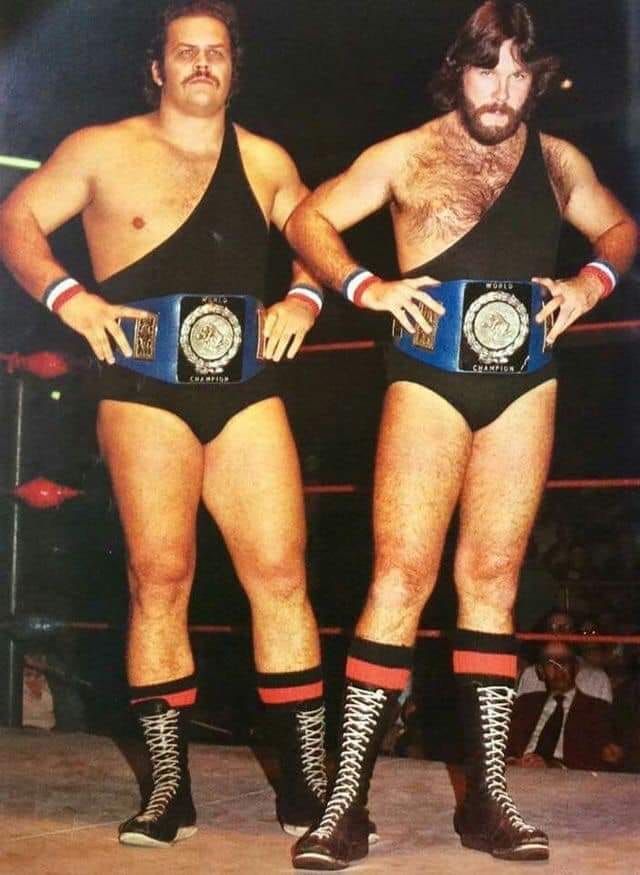
Pictured: Ron Bass and Dutch Mantell, NWA World Tag Team Champions
Mantell later achieved tag-team success in Central States Wrestling, capturing the NWA World Tag Team Championship (Central States version) twice with Ron Bass. One of his most notable early peaks came in Puerto Rico with the World Wrestling Council. Teaming with Cowboy Frankie Laine as Los Vaqueros Locos, Mantell and Laine sold out Hiram Bithorn Stadium in San Juan—capacity roughly 16,000—for nine consecutive weeks, a record that stood for years. The pair even put up $1,000 in silver dollars as a stake, underscoring the high-stakes, carnival-style atmosphere of the territory.
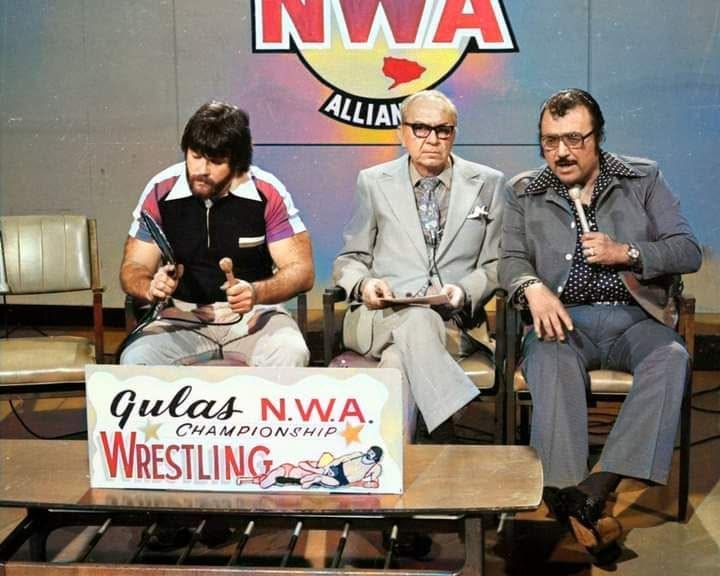
Pictured: Dutch Mantell, Mr. Kent and Tom Renesto
It was in the Tennessee and Memphis territories, however, that Mantell truly became a mainstay. Working for Nick Gulas’s NWA Mid-America and later Jerry Jarrett’s Continental Wrestling Association (CWA) and United States Wrestling Association (USWA), he established himself as a reliable top-card attraction. He holds the distinction of the most reigns as NWA Mid-America Heavyweight Champion, capturing the title a record 13 times (some records list as many as 14). Again, under the influence and direction of Tom Renesto as the booker, a couple of those reigns revolved around a feud with a young Randy Savage in 1978. Both were working as heels amid soft houses, sometimes around 200 fans. After taking stock of the situation, Mantell suggested they turn their attention on each other. Savage’s intense, wild style contrasted with Mantell’s more straightforward approach as he transitioned toward a babyface role.
The resulting hard-fought, often bloody bouts—including title exchanges for the NWA Mid-America Title, which Mantell won from Savage on March 26, 1978—quickly improved attendance to the 1,200–1,400 range and produced some of Mantell’s best early work. The rivalry helped establish Mantell in the territory and is frequently cited alongside his other classic programs for its storytelling and physicality under Gulas.
He also held the AWA Southern Heavyweight Championship multiple times, the CWA World Tag Team Championship (with Austin Idol), various Mid-America and Southern tag titles with partners including Bill Dundee, Koko Ware, Tommy Rich, Gypsy Joe, Ken Lucas, David Schultz, and John Foley, and additional regional singles and tag gold. His feuds with Jerry “The King” Lawler were particularly memorable; Mantell defeated Lawler as a babyface in 1982, a rare accomplishment at the time, and later teamed with Lawler against Bill Dundee and Buddy Landel in a marathon Texas Tornado Death Match at the Mid-South Coliseum that lasted over an hour and featured 26 falls. In 1997, Mantell became the final USWA Unified World Heavyweight Champion by defeating Lawler in a title-versus-all-body-hair match, retaining his hair and the belt before the promotion closed later that year.
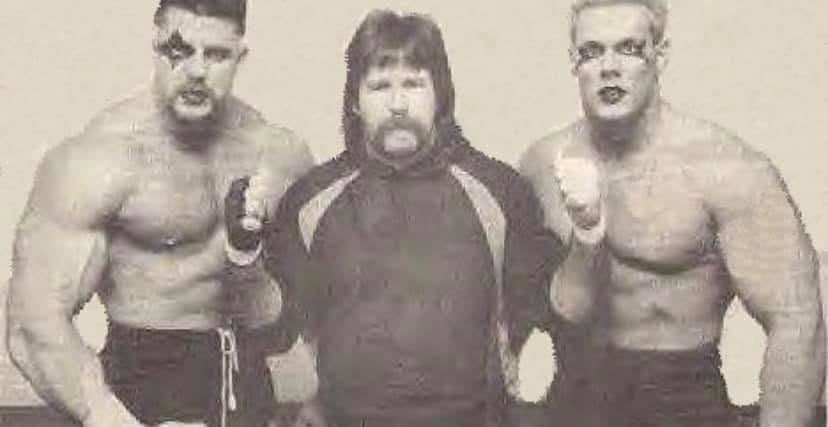
Beyond his own in-ring accomplishments, Mantell contributed significantly to talent development in Memphis. While working with Jerry Jarrett’s promotion, he played a role in the early careers of future stars. He is credited with helping shape the Blade Runners (the team that included the future Sting and Ultimate Warrior) and with giving Steve Williams the ring name Steve Austin—after considering alternatives such as Stevie Rage or William Stevenson III—during Williams’s time in the territory. Mantell’s combination of street-smart psychology, promo ability, and willingness to put over younger talent made him a valuable veteran presence during the transition from pure territory wrestling toward the national expansion of the 1980s.
As the territories declined, Mantell adapted. In 1990–1991 he worked for World Championship Wrestling as a commentator on WCW WorldWide alongside Tony Schiavone and later as part of the short-lived Desperados stable with Black Bart and Deadeye Dick, a bumbling cowboy faction that sought (and failed to find) Stan Hansen. From 1991 to 1994 he served as the original color commentator for Jim Cornette’s Smoky Mountain Wrestling, bringing a heel perspective opposite Bob Caudle and hosting the “Down and Dirty with Dutch” interview segment that became a highlight of the promotion’s television. In 1995–1996 he appeared in the World Wrestling Federation as Uncle Zebekiah, managing the Blu Brothers and later Justin “Hawk” Bradshaw before being released.
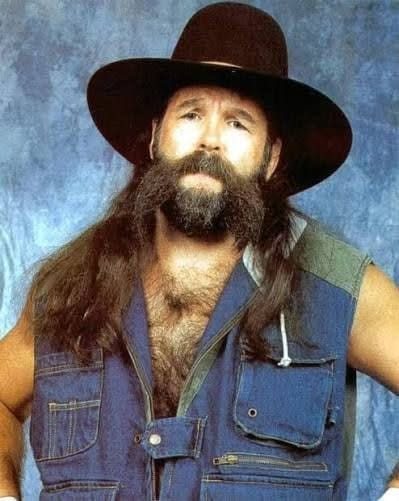
Mantell’s most substantial post-territory impact came as a booker and creative force. He returned to Puerto Rico in the late 1990s and early 2000s, working for both the World Wrestling Council and its rival International Wrestling Association. As a writer and producer for the IWA he generated approximately four hours of original weekly television for five years—an extraordinary volume of content—and helped the promotion achieve strong ratings, including peaks in the high teens with significant audience shares.
In 2003 he joined Total Nonstop Action Wrestling (later Impact Wrestling) as a writer, producer, and agent, eventually becoming a full member of the creative team. There he was instrumental in establishing the TNA Knockouts division, which revitalized women’s wrestling on the national stage in the mid-to-late 2000s, and he helped bring Awesome Kong into the company. Creative differences led to his release in 2009; he returned briefly as a creative consultant and head of the creative team in 2017 before departing again.
In February 2013 Mantell returned to WWE under the name Zeb Colter, managing Jack Swagger in a heel character that satirized Tea Party and anti-immigration rhetoric. The angle generated significant controversy and media attention. Colter later aligned with Antonio Cesaro to form The Real Americans. After Cesaro turned on him in favor of Paul Heyman, Colter and Swagger shifted toward a face alignment, feuding with Rusev and Lana. Colter was written off television after a storyline attack that “broke his leg,” returned briefly in late 2015 managing Alberto Del Rio in a short-lived “MexAmerica” concept, and was released in May 2016.
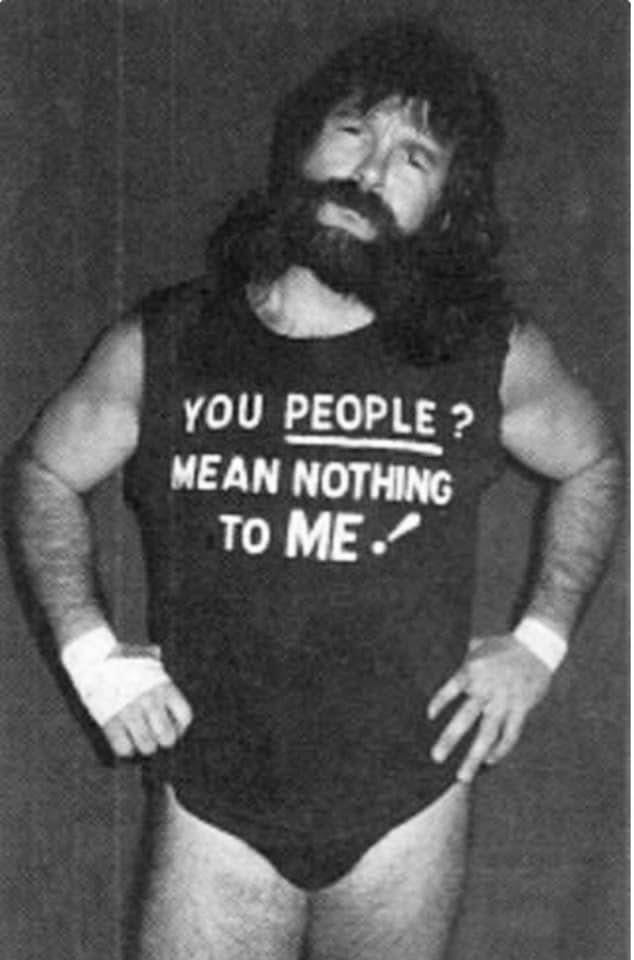
Outside the major promotions, Mantell continued working the independents, released two books—The World According to Dutch (2009) and Tales From a Dirt Road (2010)—and established himself as a popular podcaster and storyteller. His Story Time with Dutch Mantell series, produced with James Romero on the Wrestling Shoot Interviews Network, and the companion Ask Dutch Anything format have allowed him to share decades of road stories, booking insights, and candid opinions with a new generation of fans. He retired from active wrestling around 2013 but remained involved in creative and on-air roles into the late 2010s.
On a personal level, Mantell has one daughter. In August 2012 his 16-year-old granddaughter Amelia was killed in a car crash involving a parolee who had drugs in his system and was fleeing police. The tragedy led the family to advocate for legislation; in 2014 Tennessee Governor Bill Haslam signed Amelia’s Law, requiring certain parolees with drug- or alcohol-related offenses to wear transdermal monitoring devices. In late 2024 a GoFundMe was launched to assist Mantell and his wife with medical expenses following serious health issues that included sepsis.
Dutch Mantell’s career embodies the evolution of professional wrestling itself. He was a product of the territorial system—tough, adaptable, and deeply versed in the psychology of drawing money in different towns—yet he successfully navigated the shift to national television, creative writing rooms, and modern media. His record 13 Mid-America title reigns, memorable Memphis wars with Lawler, Puerto Rican box-office success, contributions to the early careers of major stars, creation of the TNA Knockouts division, and later success as a manager and podcast host illustrate a rare longevity and versatility. Whether remembered as the Dirty Dutchman from the roads of the South, the sharp-tongued commentator of Smoky Mountain, the booker who helped fill arenas in Puerto Rico, or the political firebrand Zeb Colter, Wayne Cowan’s body of work remains a significant chapter in the history of the business.
One Thing I Learned About Exotic Adrian Street
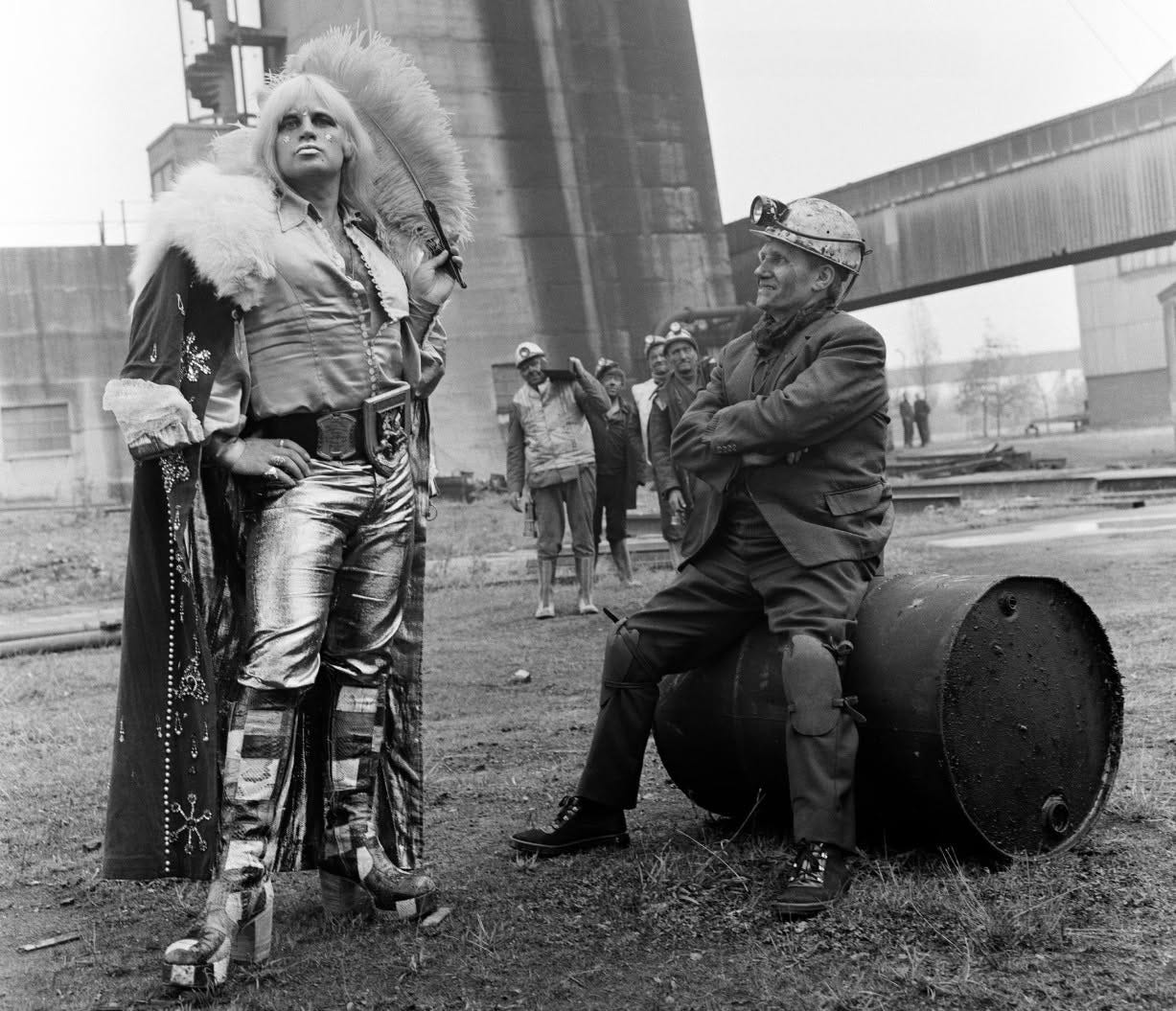
In August 1957, at just 16 years old and billed as “Kid Tarzan Jonathan,” Street wrestled his first pro match against “Gentleman” Geoff Moran at a show in Croydon, England. Street had no idea that professional wrestling was predetermined or “worked.” When Moran went over the planned spots and moves beforehand, Street assumed the veteran was revealing his actual strategy so he could counter it.
When the bell rang, Street ignored everything discussed, applied a legitimate hold, and dislocated Moran’s shoulder in under two minutes, ending the match almost immediately. Moran’s wife stormed into the dressing room furious, the promoter was livid, and cut Street’s pay, and Street walked out thinking he was ready for a title shot.
Thank You for Watching and Listening
I’m Tony Richards, Pro Wrestling Historian, Author and Storyteller. I share pro wrestling historical items in each issue of the Time Tunnel Pro Wrestling History Newsletter and each episode of our podcast show. Thanks for your support! If you enjoy my information on select events, matches and insights, please share with folks you think might like to be a subscriber!
Remember, Premium subscribers get access to exclusive and special content such as some special issues including a multi-part deep dives on wrestling territories, wrestler bios and championship title histories, special audio and video interviews on territory pro wrestling and more available in the Pro Wrestling Time Tunnel for Premium Subscribers. Being a Premium Subscriber also means you support me in my efforts to document Pro Wrestling History through my research, writing, books, vidoes and podcasts. And…I have something very special planned for our Premium Subscribers on the Podcast side of things in 2026! Details soon here in the Pro Wrestling Time Tunnel.