



Today’s Favorite Quote:Strive not to be a success, but rather be of value - Albert Einstein
Happy Birthday to those who have passed on and to those great wrestlers still with us:
In Memoriam:
Ann Gunkel 1936
Happy Birthday:
Baron Jim Von Raschke (86)
Arnold Schwarznegger (79)
RIP Memorial: We stop & remember those who have passed on this day and gave themselves to the business for us, the fans. We salute you and thank you.
Corey Maclin 7-30-2013 at the age of 43
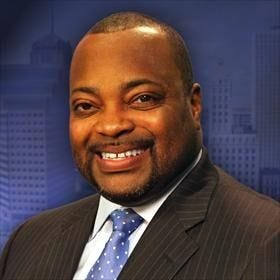
Mark “Rollerball” Rocco\Black Tiger 7-30-2020 at the age of 69

The Life and Career of Karloff LeGarde
Karloff Lagarde stands as one of the defining rudo (heel) stars of Mexican lucha libre’s golden age in the 1950s–1970s. Known as “El Chilaquil” and crowned the “King of the Welterweights,” he combined technical skill, aggressive ring presence, and remarkable longevity with championship dominance in the welterweight division. He was a three-time NWA World Welterweight Champion (with the longest combined reign in the title’s history) and a four-time Mexican National Welterweight Champion, while also capturing the Mexican National Middleweight Championship and teaming with René Guajardo as one of the era’s premier tag teams, Los Rebeldes.
Early Life and Entry into the Ring
Born in Zapotlán de Juárez, Hidalgo, Mexico, Lagarde came from a family with wrestling ties (he is described as a second-generation wrestler, though his father’s ring name is not well documented). His brother worked as the masked Ángel Negro. After military service, he trained in Olympic, Greco-Roman, and lucha libre styles. He began wrestling locally in Hidalgo around 1950, initially under names such as Erik Karloff Lagarde and, for a period, El Caballero Bush. His professional Mexico City debut came on June 3, 1955, at Arena Coliseo.
Standing a billed 5’7” (1.69 m) and around 150 pounds (68 kg), Lagarde was built for the welterweight class. He developed a hard-hitting rudo style and a signature hold known as La Lagardina. He never worked under a mask, which meant his hair became the frequent stake in luchas de apuestas.
Championship Dominance and the “King of the Welterweights”
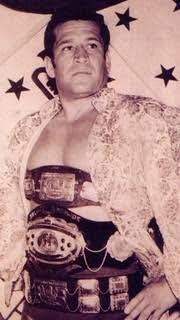
Lagarde’s rise was rapid. On June 3, 1956 (one year after his Mexico City debut in some accounts), he captured the Mexican National Welterweight Championship from Jalisco González. On January 31, 1958 (some sources list 1957), he defeated the legendary Blue Demon for the NWA World Welterweight Championship in Arena Coliseo. He held both titles simultaneously for extended periods, establishing himself as the top man in the division.
His first NWA World Welterweight reign was extraordinary—lasting until August 5, 1965 (approximately 2,743 days) before he lost to longtime rival Huracán Ramírez. He regained the title later in 1965, lost it to Vento Castella after roughly 590 days, and captured it a third time shortly thereafter for another long reign (about 1,469 days). Across three reigns he accumulated roughly 4,802 days as champion, far exceeding any other holder. He also regained and defended the Mexican National Welterweight title multiple times, including further exchanges with Ramírez into the early 1970s; his final National Welterweight reign ended in August 1973 against El Marque. Sources consistently credit him with four National Welterweight reigns.
In the early 1960s he added the Mexican National Middleweight Championship by defeating El Santo (dates vary across records—March 1961 in some accounts, or a 1963 tournament/win in others), briefly holding three major titles at once and earning wrestler-of-the-year recognition in the Mexican press. These multi-title runs cemented his status as the premier smaller-man star of the period.
Los Rebeldes and Tag Team Excellence
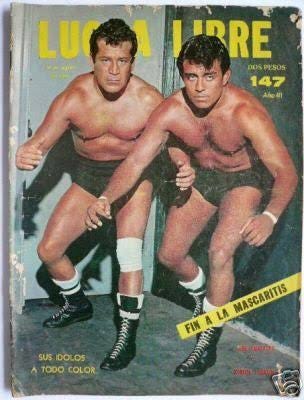
In the early 1960s Lagarde formed a long-running partnership with René Guajardo. As Los Rebeldes (“The Rebels”), they became one of the most successful and highly regarded tag teams in lucha libre history—frequently ranked among the top five of all time. They headlined cards across Mexico against elite técnico teams featuring El Santo, Blue Demon, Rayo de Jalisco Sr., and others, and captured the Mexican National Tag Team Championship at least once (reign falling between 1962 and 1967). Their chemistry as complementary rudos sustained the act for many years (claims of two decades of teaming appear in period accounts).
Feuds, Apuestas, and Notable Opponents
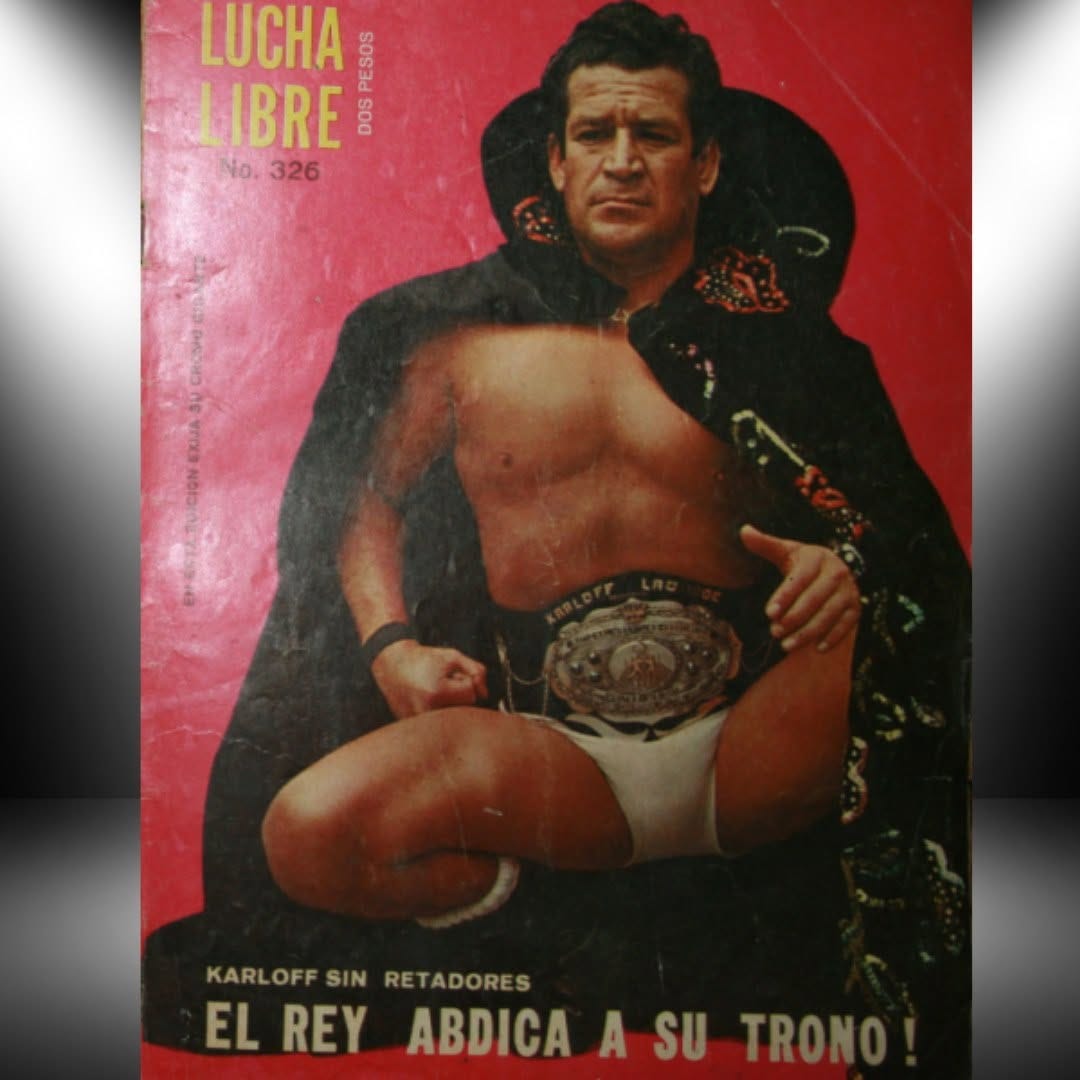
Lagarde’s career was defined by high-profile rivalries. Huracán Ramírez was a primary antagonist across title matches spanning the 1960s and early 1970s. He also worked extensively against El Santo, Blue Demon, Black Shadow, Gory Guerrero, Ray Mendoza, El Solitario, Mil Máscaras, Perro Aguayo, and others. These programs played out in the major arenas of Mexico City and regional strongholds.
As an unmasked rudo, hair matches were central. Documented apuestas results include wins over Cavernario Galindo (hair, 1965) and El Impostor/El Cobarde II (mask). Losses included hair matches against Ray Mendoza (1965, Arena México), Jerry London (1966), Halcón de Oro II, El Solitario, Black Shadow, and Perro Aguayo (1974, Tijuana), among others. He continued competing into the mid-to-late 1970s.
Film Work
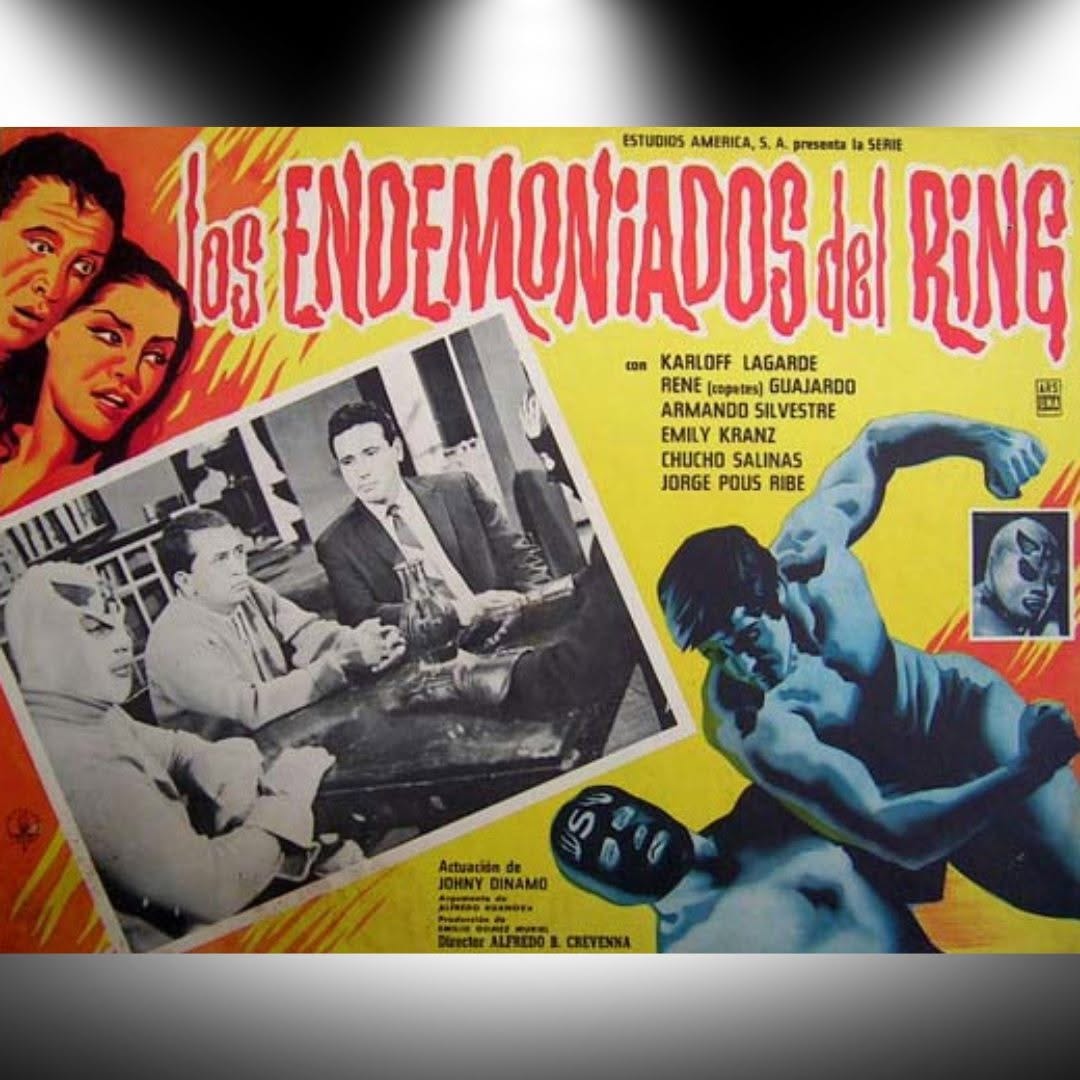
Like many top luchadores of the era, Lagarde appeared in Mexican wrestling cinema. He and Guajardo portrayed the masked characters Ángel and Satán in the 1964 film Los endemoniados del ring (“The Demons of the Ring”). He also appeared in other productions, including work connected to El Santo films (often uncredited) and vehicles such as La Mano que aprieta, in which he played a Satan-like role.
Family and Later Years
Lagarde’s influence extended through family. His brother competed as Ángel Negro. A nephew adopted the name Karloff Lagarde Jr. (César Baltazar de Lucio Valencia, 1970–2024) as a tribute and had a solid midcard career in CMLL and elsewhere, holding welterweight titles of his own; another relative worked as the clown Coco Rojo. (Some contemporary accounts loosely referred to the younger Lagarde as a “son,” but reliable records identify him as a nephew—a common practice in Mexican wrestling naming traditions.)
Lagarde’s active career wound down in the 1970s after more than two decades as a top attraction. He remained a respected figure in the community.
Death and Legacy
Karloff Lagarde died on August 31, 2007, at age 79, following a stroke and a period of declining health. He was inducted into the Wrestling Observer Newsletter Hall of Fame in the class of 2020.
His legacy rests on sustained excellence in the welterweight division during lucha libre’s classic era, the sheer length of his NWA World Welterweight reigns, the enduring reputation of Los Rebeldes, and his role as a reliable, hard-edged main-event rudo who could elevate programs against the biggest names of the day—El Santo, Blue Demon, and Ramírez foremost among them. In an era when the NWA World Welterweight Championship carried genuine prestige across the Mexican scene and maintained ties to the broader National Wrestling Alliance structure, Lagarde was its most dominant champion. For historians of territorial and international wrestling, he represents the depth and quality of Mexican talent that paralleled and sometimes intersected with the North American territory system of the same decades.
Lagarde’s career illustrates the professionalism, durability, and star power that defined the best of mid-20th-century lucha libre. He remains a foundational figure for anyone studying the welterweight ranks, classic rudo work, or the golden-age tag team landscape of Mexico.
One Thing I Learned About Baron Von Raschke
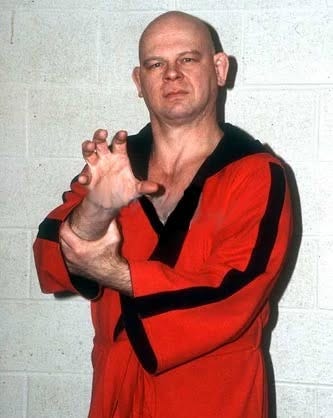
After his wrestling career wound down, the feared “Clawmaster” worked as a part-time monorail driver at the Minnesota Zoo in the 1990s. 
He also owned and ran a gift/souvenir shop called The Wigwam in Lake George, Minnesota (which he later sold), and frequently worked as a substitute teacher. This fits his pre-wrestling background: he earned a degree in zoology from the University of Nebraska, taught biology and general science, and was a genuinely mild-mannered, shy, polite guy in real life—the polar opposite of his goose-stepping, claw-applying German heel persona.
Thank You for Watching and Listening
I’m Tony Richards, Pro Wrestling Historian, Author and Storyteller. I share pro wrestling historical items in each issue of the Time Tunnel Pro Wrestling History Newsletter and each episode of our podcast show. Thanks for your support! If you enjoy my information on select events, matches and insights, please share with folks you think might like to be a subscriber!
Remember, Premium subscribers get access to exclusive and special content such as some special issues including a multi-part deep dives on wrestling territories, wrestler bios and championship title histories, special audio and video interviews on territory pro wrestling and more available in the Pro Wrestling Time Tunnel for Premium Subscribers. Being a Premium Subscriber also means you support me in my efforts to document Pro Wrestling History through my research, writing, books, vidoes and podcasts. And…I have something very special planned for our Premium Subscribers on the Podcast side of things in 2026! Details soon here in the Pro Wrestling Time Tunnel.