


Today’s Great Quote: The person who can bring the spirit of laughter into a room is indeed blessed - Bennet Cerf
Happy Birthday to those who have passed on and to those great wrestlers still with us:
In Memoriam:
Marv Westenberg 1910
Karloff Legarde 1928
Matt Borne 1957
Happy Birthday:
Greg Gagne (78)
Manny Fernandez (72)
Paul Levesque\Triple H (58)
Shannon Moore (48)
Nick Nemeth\Dolph Ziggler (47)
Stephen Woltz\”Hangman” Adam Page (36)
RIP Memorial: We stop & remember those who have passed on this day and gave themselves to the business for us, the fans. We salute you and thank you.
Sam Bass 7-27-1976 at the age of 41
Pepe Lopez 7-27-1976 at the age of 39
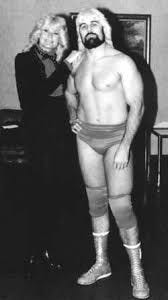
Frank Hester 7-27-1976 at the age of 37

Gordon Solie 7-27-2000 at the age of 71

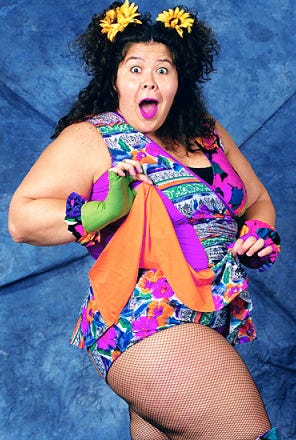
Rhonda Sing\Bertha Faye 7-27-2001 at the age of 40
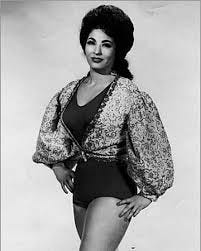
Brenda Joyce Sciarra\Brenda Britton 7-27-2007 at the age of 66
Rita Cortez 7-27-2012 at the age of 73
Kat LeRoux 7-27-2020 at the age of 55

Beckie Mullen\Sally The Farmer’s Daughter 7-27-2020 at the age of 56

Alan Blake\Vladimir Petrov 7-27-2024 at the age of 67

Pete Sanchez 7-27-2024 at the age of 81
7 Stages of the Territory Era
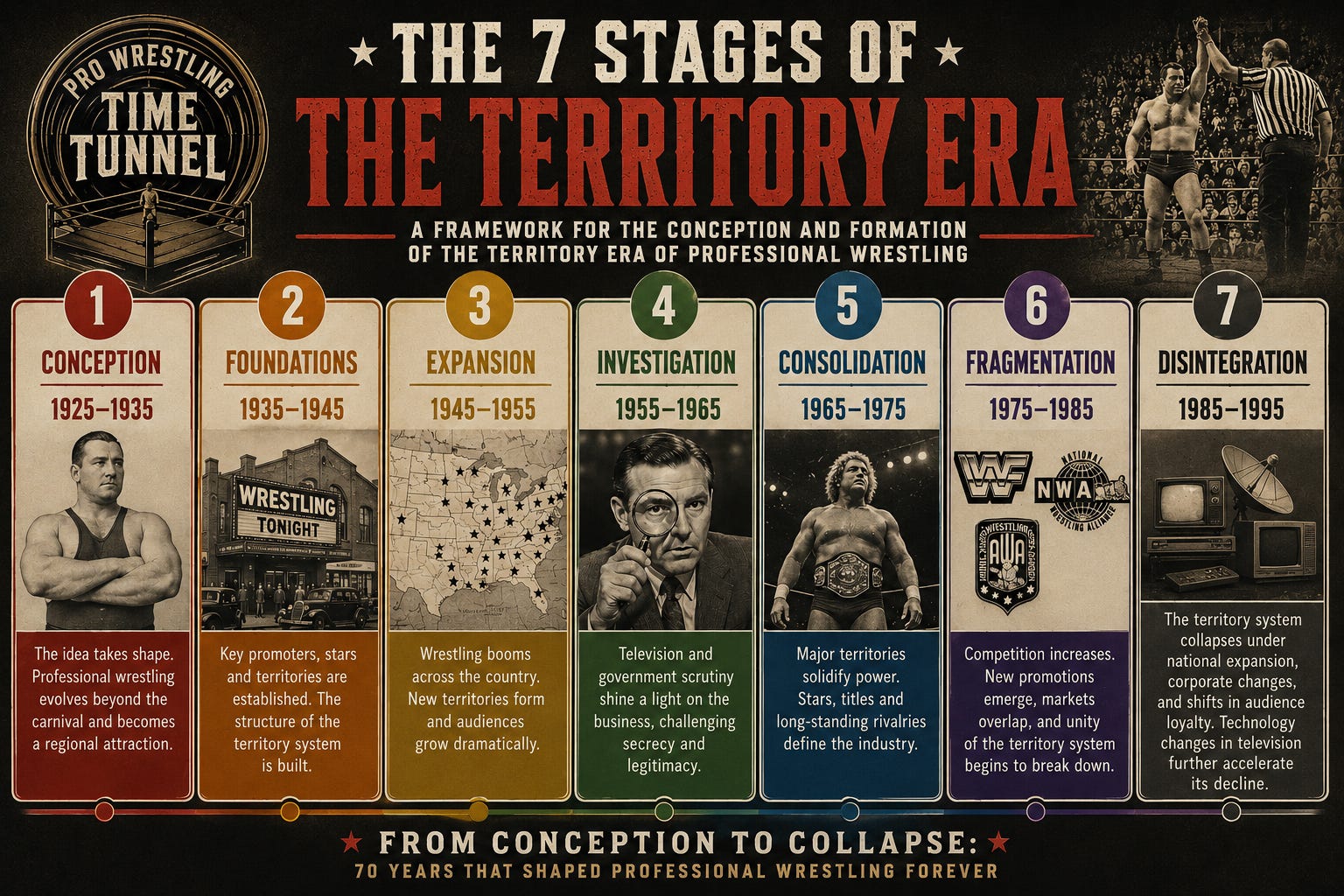
**7 Stages of the Territory Era Framework by Tony Richards
Stage 7: Disintegration
Year 2 Month 7
July 1986
The Territory Era’s final phase was fully underway. National expansion by the WWF had fractured the old regional system. Local television slots were vanishing, talent was migrating or being raided, house-show gates were uneven to poor outside a handful of strongholds, and the remaining promotions were either attempting their own national pushes or simply trying to survive. July sat squarely in this disintegration: the WWF was accelerating its national machine, Jim Crockett Promotions mounted its most ambitious stadium tour yet, Bill Watts’ newly rebranded Universal Wrestling Federation tried to muscle into the same space, and the traditional territories continued to lose ground.
WWF – National Dominance Accelerates
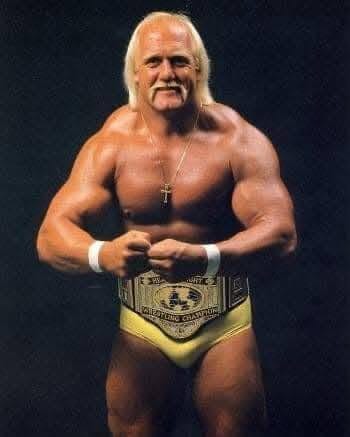
Hulk Hogan remained the undisputed centerpiece. The defining angle of the month was the “Great Betrayal.” On the Championship Wrestling episode that aired in mid-July (taped earlier at the Mid-Hudson Civic Center), Paul Orndorff turned on Hogan during a tag match against King Kong Bundy and Big John Studd. After the match, Orndorff hit Hogan with a clothesline and piledriver while Bobby Heenan and the Heenan Family celebrated. The turn had been teased for weeks by Adrian Adonis on the Flower Shop. It immediately elevated Orndorff into a top heel and set the table for the massive closed-circuit Big Event in Toronto at the end of August.
House shows continued to draw solid numbers across the country. Hogan defended against Studd, Bundy, and others in venues from Vancouver to Florida. The roster depth (Randy Savage as Intercontinental Champion, the British Bulldogs as Tag Team Champions, Ricky Steamboat, Jake Roberts, the Hart Foundation, etc.) allowed the WWF to run multiple strong cards simultaneously. Television remained the engine—syndicated Championship Wrestling and Superstars, plus Prime Time Wrestling—while the merchandise and national arena network continued to pull younger fans away from the territories.
Jim Crockett Promotions / NWA – The Great American Bash Tour
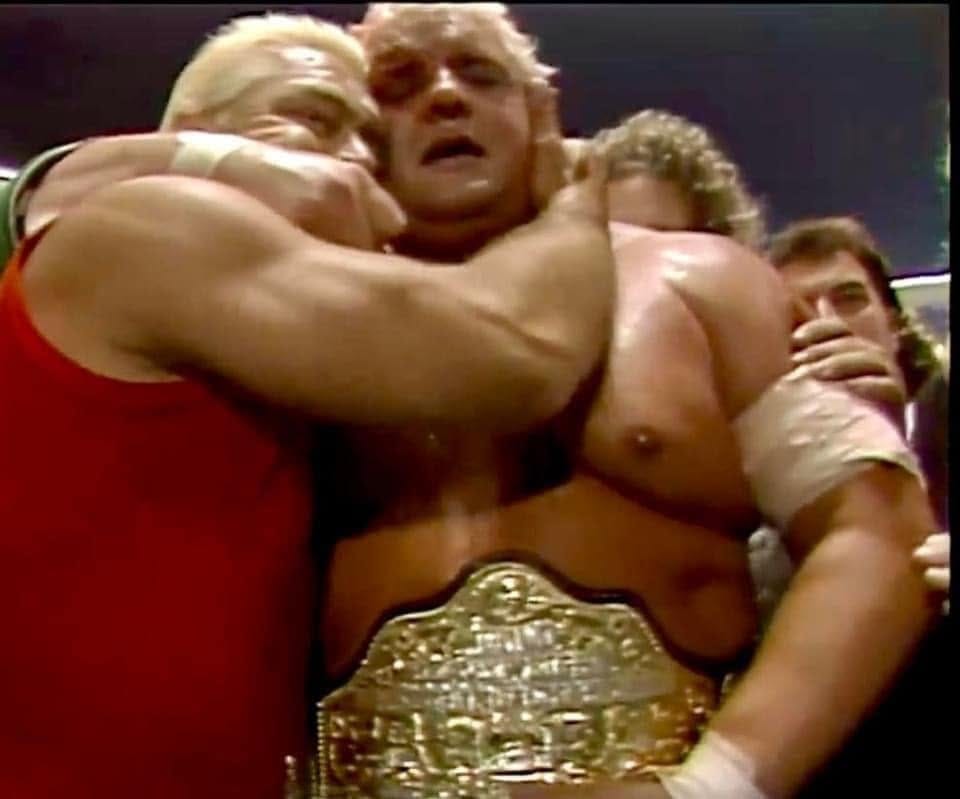
Pictured: Ron Garvin hugs Dusty Rhodes after Rhodes pins Ric Flair with a small package in Greensboro, North Carolina to win the NWA World Heavyweight Title
JCP’s answer to WWF expansion was the second Great American Bash, a multi-week stadium and arena tour laced with country-music concerts. It was the most ambitious single-month schedule of any territory-era promotion that summer.
Key July stops included:
• July 1 – Philadelphia Veterans Stadium (10,900)
• July 3 – RFK Stadium, Washington, D.C. (6,300)
• July 4 – Liberty Bowl, Memphis (only 1,900 – a clear warning sign)
• July 5 – Memorial Stadium, Charlotte (23,000 – the high-water mark)
• July 6 – Raleigh (TV taping, sell-out 8,500)
• Later stops in Cincinnati, Charleston, Roanoke, Jacksonville, San Antonio, Richmond, Fayetteville, Johnson City, Norfolk, and the climactic July 26 Greensboro Coliseum (15,000 sell-out)
Storylines and matches were classic Dusty Rhodes booking: heavy blood, steel cages, Indian strap matches, taped-fist matches, and bunkhouse brawls. The Four Horsemen (Ric Flair, Tully Blanchard, Arn and Ole Anderson, managed by J.J. Dillon) were the dominant heel force. The Road Warriors, Magnum T.A., the Rock & Roll Express, Wahoo McDaniel, Ron Garvin, and Jimmy Valiant carried the babyface side.
The U.S. Title Best-of-Seven series between Magnum T.A. and Nikita Koloff ran throughout the tour. Koloff built a 3-0 lead before Magnum scored his first win on July 26. The signature moment of the entire summer came that same night in Greensboro: Dusty Rhodes pinned Ric Flair inside a steel cage with an inside cradle to win the NWA World Heavyweight Championship. Both men bled heavily. The post-match celebration filled the ring with babyfaces and even David Allan Coe.
Business was mixed. Charlotte and Greensboro were strong, but the Memphis Liberty Bowl number was embarrassing and several mid-sized cities were only average. The tour proved JCP could still draw big on special events, yet it also showed the limits of trying to chase the WWF’s national footprint while still running a traditional territory schedule.
AWA – Title Chaos and Decline
The AWA was in open free-fall. On June 28 Nick Bockwinkel had been awarded the AWA World Heavyweight Championship after Stan Hansen no-showed a title defense in Denver. Hansen kept the physical belt, returned to All Japan, and continued to defend “his” AWA title throughout July. The promotion threatened legal action; Hansen eventually ran the belt over with his truck and mailed it back.
The brightest spot was the Midnight Rockers (Shawn Michaels and Marty Jannetty), who were drawing strong reactions and becoming the company’s most marketable act. Overall gates and television presence continued to erode as Verne Gagne’s promotion lost relevance against the WWF juggernaut.
Universal Wrestling Federation – Watts’ National Ambition
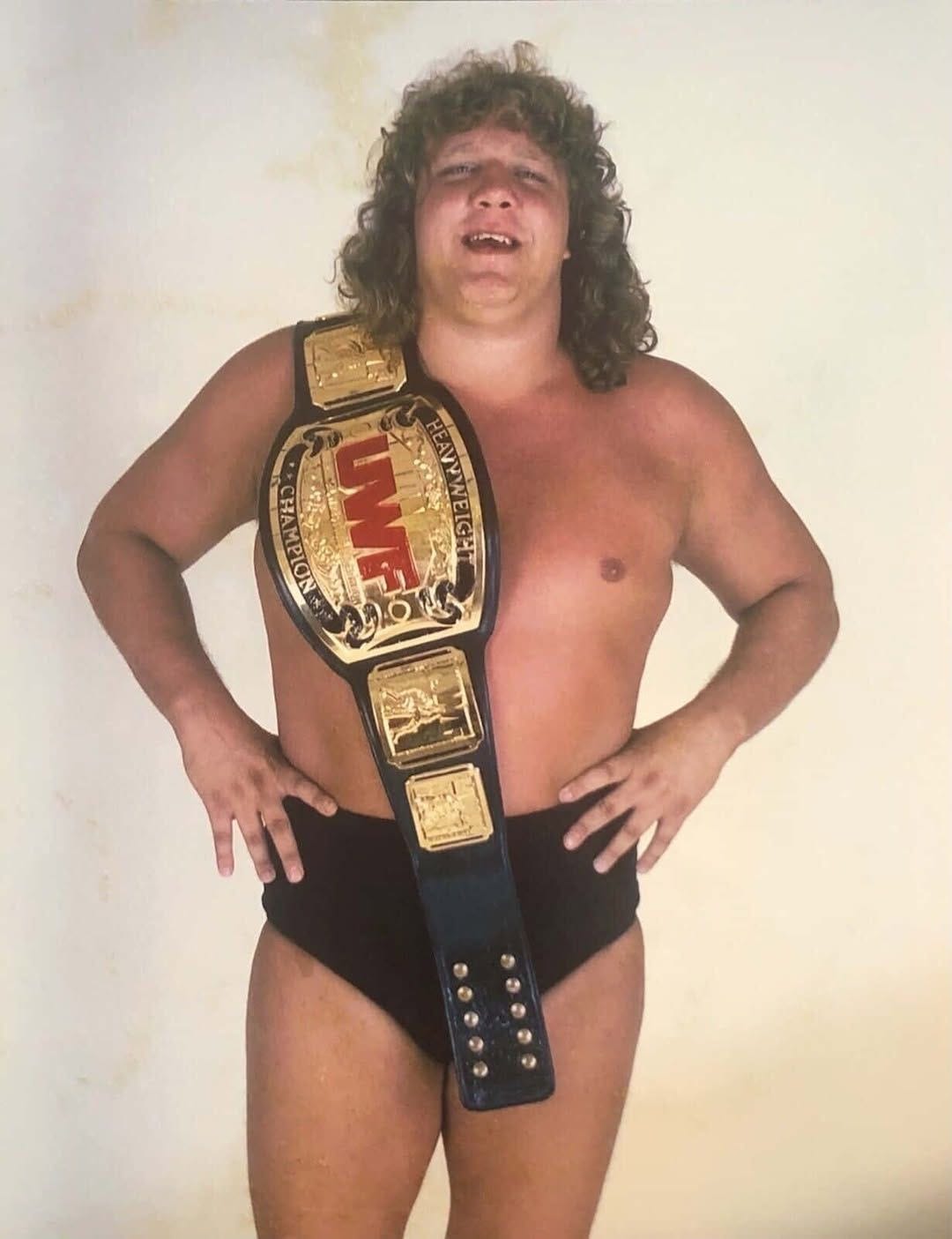
Bill Watts had rebranded Mid-South as the UWF earlier in 1986 and was aggressively expanding with national syndication. Terry Gordy was the UWF Heavyweight Champion. The Fantastics held the tag titles for much of the month before Eddie Gilbert and Sting captured them in late July. Key talent included “Dr. Death” Steve Williams, Ted DiBiase, Jim Duggan, Koko B. Ware, the Freebirds (who had jumped from World Class), One Man Gang, Kamala, Sting, and Chavo Guerrero.
July cards ran across Oklahoma, Arkansas, Louisiana, Texas, and even into Memphis and Dallas. A notable July 27 show at Reunion Arena in Dallas drew 7,500 and featured crossover talent (Road Warriors, Magnum T.A., Dusty Rhodes vs. Flair non-title). Watts was raiding World Class and trying to position the UWF as a third national power. The product was still strong, but the financial and television realities of competing with both the WWF and JCP were already beginning to show.
Memphis – Jarrett Promotions / CWA
The Mid-South Coliseum remained one of the most consistent weekly houses in the country. Jerry Lawler was the focal point. On July 14 he defeated Bill Dundee in a no-DQ, loser-leaves-town match to win the CWA International Title. Bam Bam Bigelow was being pushed hard and won the vacant Southern Title in a battle royal on July 28. Other active acts included the Nightmares, the MOD Squad, Fire & Flame, Jeff Jarrett & Pat Tanaka, Austin Idol, and various Japanese imports. Memphis still functioned as a classic territorial stronghold even as the national scene changed around it.
World Class Championship Wrestling
World Class was reeling from earlier talent raids (Ken Mantell and several key names had gone to the UWF). Mike Von Erich made a highly emotional return on July 4 at Reunion Arena after his near-fatal toxic-shock episode. Kerry Von Erich was still recovering from his June motorcycle accident. Kevin Von Erich, Chris Adams, and the remaining roster carried the load, but the loss of booker and stars left the promotion diminished. The once-hot Dallas-Fort Worth market was no longer drawing at previous levels.
Florida Championship Wrestling
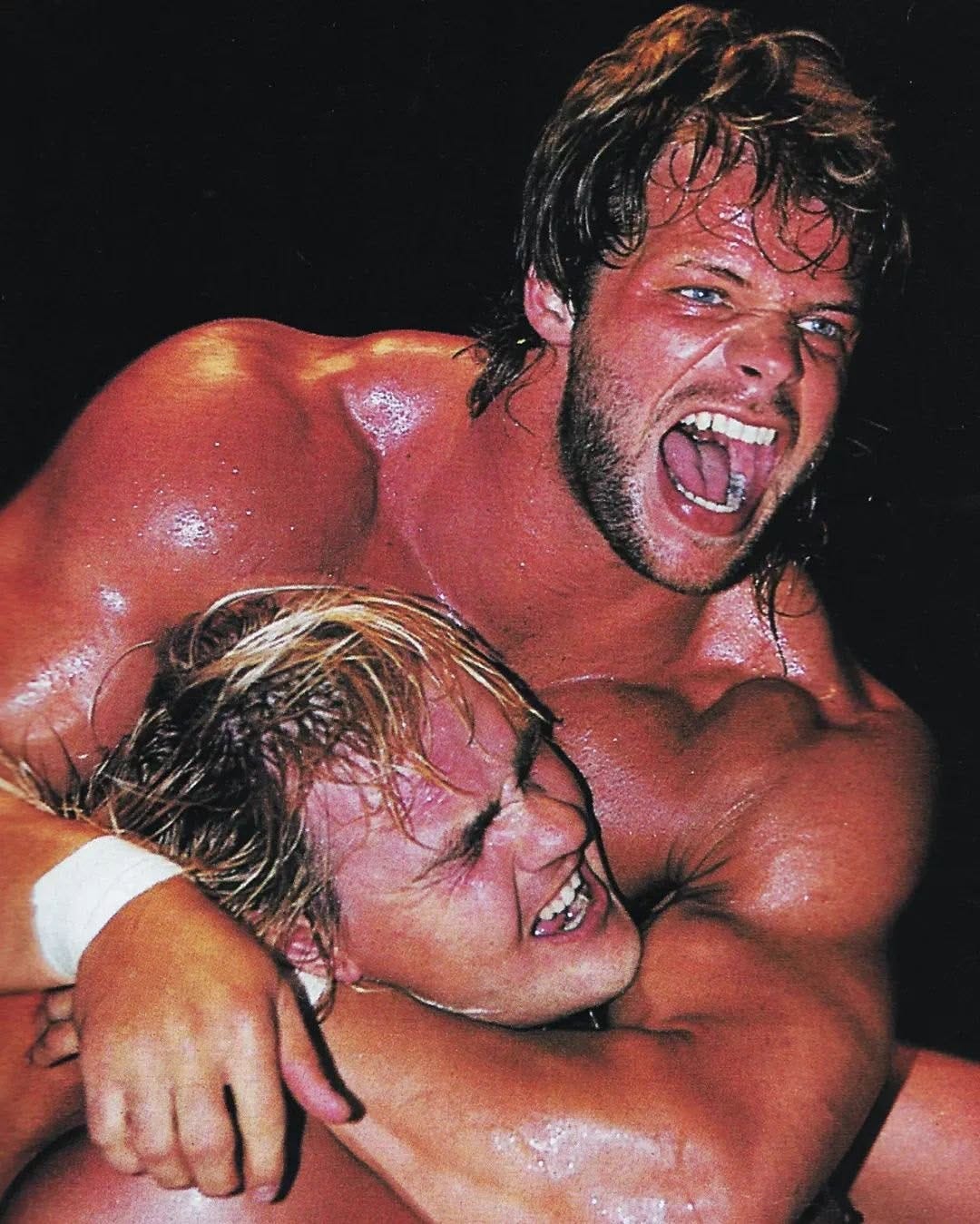
Pictured: Lex Luger puts a chinlock on Barry Windham in the Summer of 1986 in Championship Wrestling from Florida
Still operating under the Championship Wrestling from Florida banner, the territory was a shadow of its former self after Eddie Graham’s 1985 death. Barry Windham, Lex Luger, and a mix of veterans and young talent kept the shows going, but national expansion and the loss of key television markets had badly eroded the once-proud Florida operation.
Central States (including St. Louis and Kansas City)
Bob Geigel’s Central States promotion continued to run, with occasional St. Louis cards at the Kiel or Arena still drawing respectable (if reduced) numbers when big NWA names appeared. Harley Race remained a factor in the region earlier in the year, but by mid-1986 the territory was clearly in decline. Local television and talent depth were both eroding as the national companies pulled focus and bodies.
Portland Wrestling
Don Owen’s Pacific Northwest promotion continued its traditional weekly television and house-show schedule. It remained one of the more stable regional operations, largely insulated by geography, but it was no longer a major talent pipeline or national conversation piece.
Wild West / San Antonio Scene
True Wild West Wrestling under Ken Mantell would not launch until 1987. In July 1986 San Antonio was still part of the broader Texas landscape. JCP ran a Great American Bash card there on July 13 (Flair vs. Magnum T.A. headlined). World Class and independent operators also worked the market, but no single promotion dominated it the way the old territories once had.
International Scene
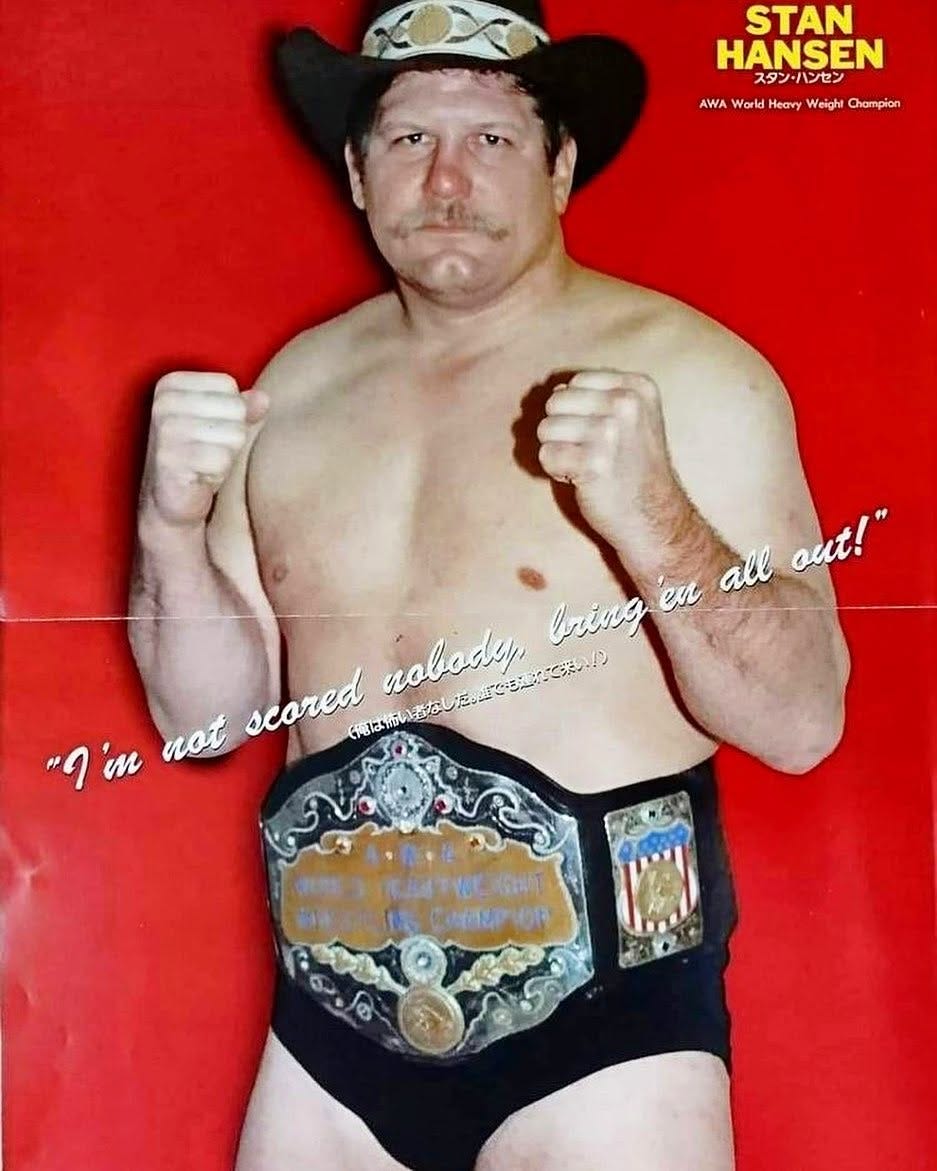
All Japan Pro Wrestling: Stan Hansen was a major attraction, still carrying and defending the physical AWA World Title belt against Genichiro Tenryu, Jumbo Tsuruta, and others during the Summer Action Series. Giant Baba’s promotion remained the strongest pure-wrestling product in the world.
New Japan Pro Wrestling: Antonio Inoki’s company continued its strong domestic run with the IWGP titles and heavy international talent exchanges in the 21-day Burning Spirit in Summer Series.
Puerto Rico (WWC): Carlos Colón’s World Wrestling Council remained the dominant force on the island, running consistent big shows and maintaining its unique hardcore/territorial hybrid style.
Mexico: EMLL continued its traditional lucha libre schedule in Arena México and Arena Coliseo. The scene was stable but largely separate from the North American territorial collapse.
Business and Structural Analysis – Stage 7 in Real Time
July 1986 illustrated every hallmark of disintegration:
• The WWF’s national television, merchandising, and arena network were sucking oxygen from every other promotion.
• JCP’s Bash tour proved that special events could still draw big, but the week-to-week territorial model was no longer sustainable at previous levels.
• Watts’ UWF represented the last major attempt by a traditional Southern promoter to go national on the old Mid-South strength; the financial and logistical costs were already high.
• Talent raids (UWF from World Class, WWF from everywhere) further weakened the remaining regions.
• Title situations (Hansen/AWA, the NWA World Title change) showed how the old “world” championship prestige was fracturing.
• Attendance variance was extreme: 23,000 in Charlotte one night, under 2,000 in Memphis a few days later for the same touring group.
The old NWA system of protected territories, talent exchanges, and shared world champions was collapsing under the weight of cable television, national expansion, and a new generation of fans who identified with Hogan rather than their local babyface. July 1986 was not the absolute end, but it was one of the clearest single months in which the disintegration of the Territory Era could be seen in real time across virtually every major promotion.
Thank You for Reading, Listening and Watching
I’m Tony Richards, Pro Wrestling Historian, Author and Storyteller. I share the history of pro wrestling territory era in each content vehicle of the Pro Wrestling Time Tunnel. We publish the Week-In-Review each Sunday as a digest for our community members. If you enjoy my information on select events, matches and insights, please share it with folks you think might like to be a subscriber!
Remember, premium investors get access to exclusive and special content such as some special issues including a multi-part deep dives on wrestling territories, wrestler bios and championship title histories, special audio and video interviews on territory pro wrestling and more available in the Pro Wrestling Time Tunnel for Premium Investors who contribute and invest in the work I do to preserve the history of the territory era.