


Today’s Best Quote: The secret of getting ahead is getting started-Mark Twain
Happy Birthday to those who have passed on and to those great wrestlers still with us:
In Memoriam:
Original Dutch Mantell 1881
Woody Strode 1914
Whipper Billy Watson 1917
Enrique Torres 1922
Bob Clay 1924
Norman Frederick Charles III 1941
Happy Birthday:
Jaguar Yokota (65)
Kenzo Suzuki (52)
Fergal Devitt\Finn Balor (45)
RIP Memorial: We stop & remember those who have passed on this day and gave themselves to the business for us, the fans. We salute you and thank you.
Shag Thomas 7-25-1982 at the age of 57
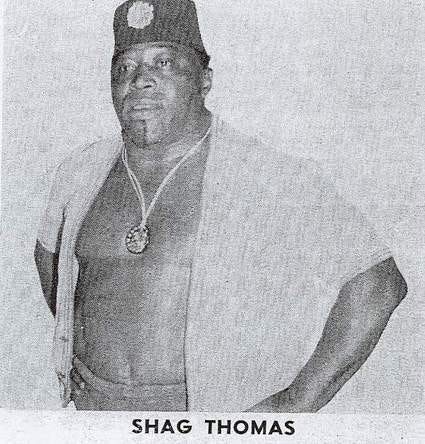
Tommy Siegler 7-25-2023 at the age of 85
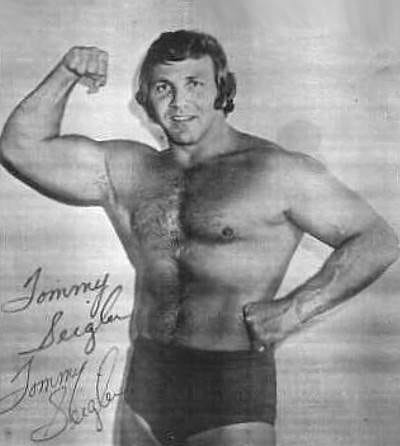
The Life and Career of Shag Thomas
James “Shag” Thomas stands as one of the most significant and beloved figures in mid-20th-century American professional wrestling. A pioneering African-American performer during an era when segregation still shaped many territories, Thomas built a remarkable career defined by longevity, versatility, and deep connection to one promotion: Don Owen’s Pacific Northwest Wrestling (PNW) in Portland, Oregon. Standing just 5 feet 6 inches tall and weighing around 255 pounds, the stocky, powerful brawler with a devastating headbutt finisher became a tag-team specialist extraordinaire, capturing the NWA Pacific Northwest Tag Team Championship a record 16 (or 17, per some local counts) times while also securing two reigns as NWA Pacific Northwest Heavyweight Champion.
His story embodies the territorial era at its best: a local star who thrived in an integrated environment, transitioned seamlessly between heel and babyface roles, and remained a community fixture in Portland long after his in-ring days. Thomas bridged the worlds of elite college football, military service, education, and wrestling, leaving a legacy that extended far beyond the ring.
Early Life, Education, Military Service, and Football
Born in Stewartsville (or the nearby Bellaire area), Ohio, Thomas attended Bellaire High School, where he excelled in football for the Big Reds. The team compiled an impressive 31–6–1 record during his years, winning an Ohio Valley Athletic Association title. He graduated in 1942.
World War II interrupted civilian life. Thomas served in the U.S. Army Medical Corps, rising to the rank of Sergeant. After the war, he attended Ohio State University, studying education and playing football for the Buckeyes. He was part of the 1949 squad that won the 1950 Rose Bowl, defeating California 17–14—the first Rose Bowl appearance and victory in Ohio State history. The team entered the game 6–1–2 and ranked sixth in the final AP poll; Thomas contributed notably in key games against strong opponents.
In July 1950, Thomas signed with the Green Bay Packers—one of the first Black players the franchise signed (alongside teammate James Clark). He appeared in pre-season games but was released before the final exhibition, likely due to his relatively small stature for an NFL lineman/guard at the time. Some accounts note local or team honors from his OSU days, though official All-American recognition appears unconfirmed in primary media guides.
Thomas earned a Bachelor’s degree in Education from Ohio State and worked as a schoolteacher in Columbus. He came from an athletic family; his younger brother Clyde Thomas starred in football at Ohio University (including an undefeated 1960 season) and later played professionally in the NFL (Philadelphia Eagles), CFL (British Columbia Lions), and UFL.
Entry into Wrestling and Early Career
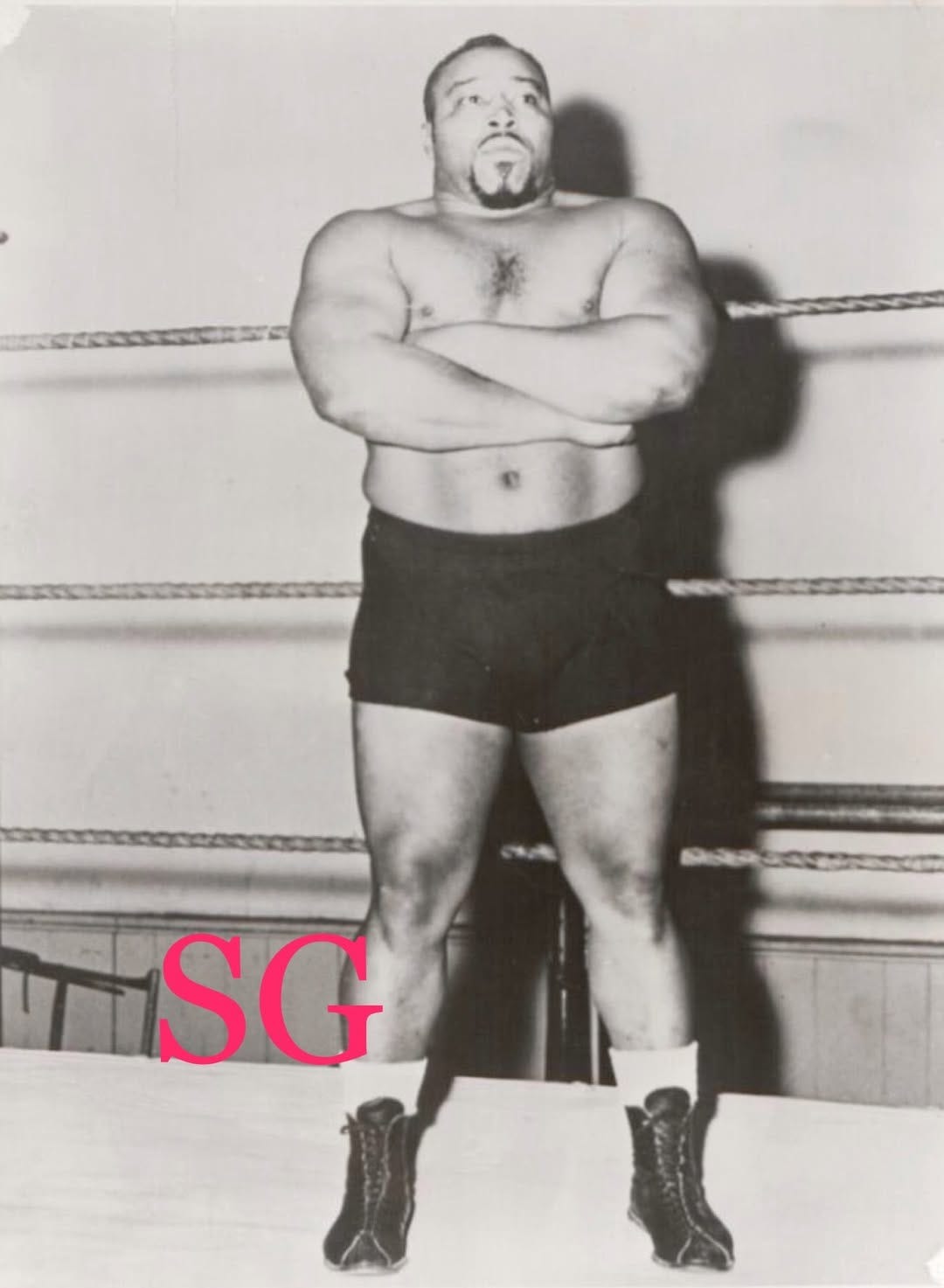
**Photo credit: Scott George
Thomas transitioned to professional wrestling around 1954–1955. He debuted in his home state under promoter Al Haft’s Midwest Wrestling Association (MWA), a strong Ohio territory. Early success came in the tag division. He captured American Tag Team titles (with Joe Scarpello in 1956) and Ohio Tag Team titles (with Charley Hoover in 1958), among other regional honors.
He also worked in Los Angeles, winning the NWA Beat the Champ International Television title by defeating Leo Garibaldi in April 1957. Like many Black wrestlers of the era (including Luther Lindsay and Bearcat Wright), Thomas navigated a fragmented landscape where some territories restricted or prohibited interracial matches. He occasionally faced such barriers, though one reported 1963 match in Georgia against Jim Dalton by disqualification has been noted by historians as potentially among the earlier interracial bouts in that region.
By the late 1950s, Thomas had toured sufficiently to build a reputation as a tough, reliable worker with a powerful, compact build honed from his football days. His signature headbutt became a feared finishing move.
Rise and Dominance in Pacific Northwest Wrestling
Thomas found his true home around 1960 when he joined Don Owen’s Pacific Northwest territory. Owen was notable for running an integrated promotion that did not segregate wrestlers by race—a progressive stance compared to many NWA territories at the time. This environment allowed Thomas to flourish as both a singles star and, especially, a tag-team attraction.
His impact was immediate. On February 18, 1960, he defeated “Gentleman” Ed Francis to capture his first NWA Pacific Northwest Heavyweight Championship (a reign of roughly a month). He formed early successful tag partnerships, including multiple reigns with “Tough” Tony Borne.
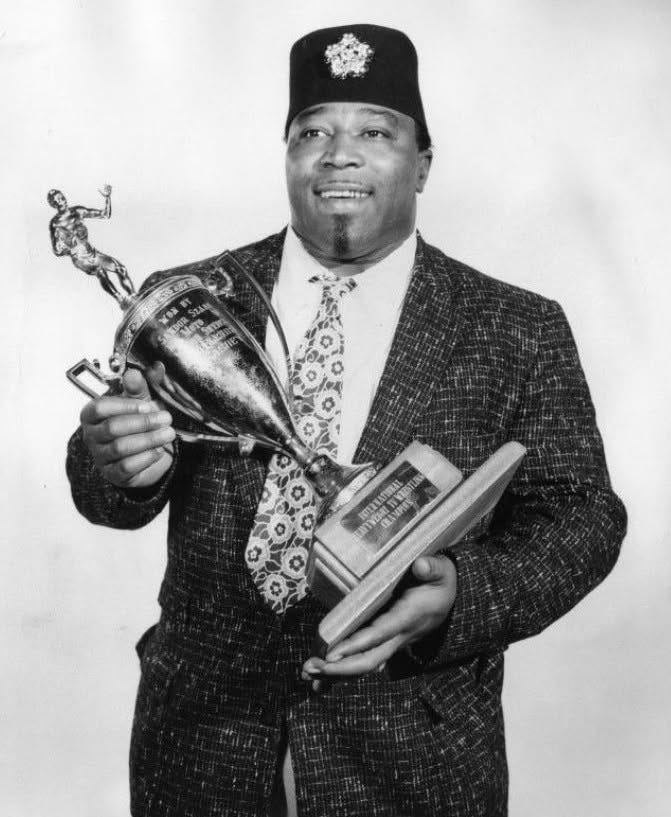
Thomas also experimented with a memorable heel persona as King Toby. Strutting to the ring with a goatee and ornate bejeweled fez, King Toby represented one of the rare prominent Black heels of the era. Teaming with Tony Borne, the duo drew strong heat. Their eventual storyline split allowed Thomas to transition into a top babyface and one of the most popular stars in the territory.
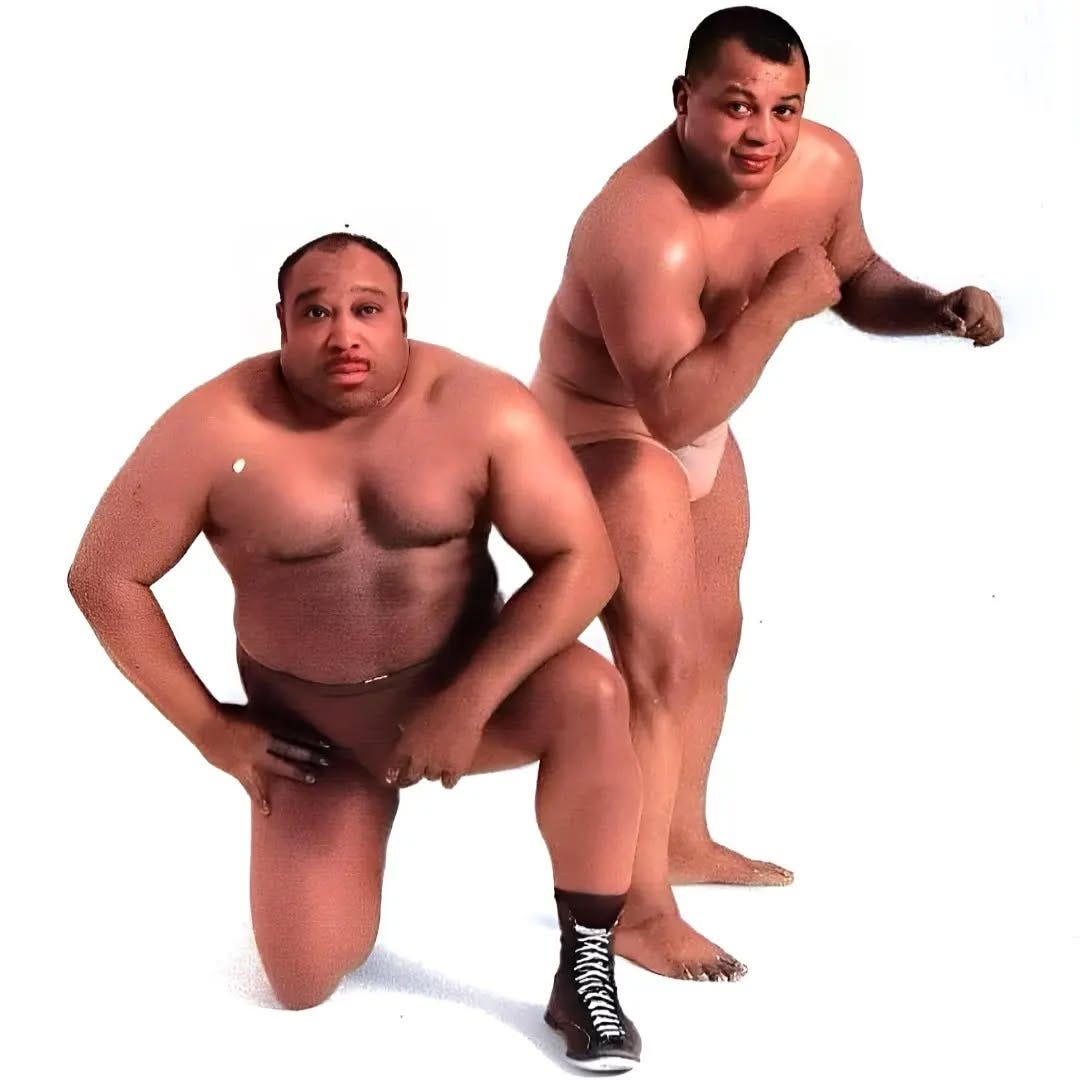
Pictured: Shag Thomas and Luther Lindsay, multi-time NWA Pacific Northwest Tag Team Champions
Tag-team excellence defined much of his PNW career. Thomas ultimately held the NWA Pacific Northwest Tag Team Championship 16 times (some Portland sources count 17), partnering with a diverse array of stars:
• Tony Borne (multiple reigns, including early 1960s)
• Luther Lindsay (at least four reigns, including a notable 1969 victory over the Von Steigers)
• Pepper Martin (three reigns in 1965–1966)
• Bearcat Wright (two reigns)
• Others including Billy White Wolf, Danny Hodge, Don Manoukian, Armand Hussein, and Rene Goulet
Reigns varied in length, with some extended runs showcasing consistent drawing power and fan investment in the division. He also secured titles elsewhere, including NWA Canadian Tag Team and International Tag Team titles in Calgary with Mighty Ursus (1959) and Hawaii Tag Team titles with Robert Duranton (1964).
Thomas remained a mainstay throughout the 1960s and into the 1970s, appearing regularly on Owen’s popular Portland Wrestling television program. His stocky physique, hard-hitting style, and charismatic presence made him a reliable draw in an era when territories relied on local heroes and long-term storylines.
Retirement, Refereeing, Brief Return, and Health Challenges
In 1969, Thomas wrestled what was intended as his retirement match, defeating Roger Kirby by disqualification in Portland. He transitioned smoothly into refereeing for Owen’s promotion, becoming a familiar and respected figure on Saturday night KPTV broadcasts.
He made a brief in-ring return in 1972, feuding with the heel team known as the Royal Kangaroos (Norman Frederick Charles III and Lord Jonathan Boyd). After that angle concluded, he largely returned to referee duties and occasional appearances, with his final full retirement around 1976.
In his 40s, Thomas experienced significant weight gain (“blew up”) and related health issues that contributed to the end of his active wrestling career.
Later Life, Community Impact, and Death
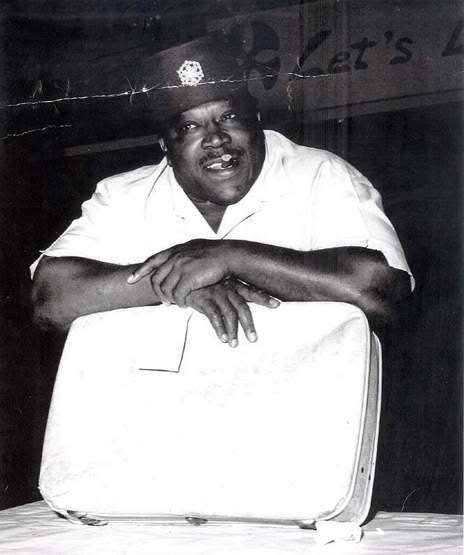
Thomas embraced life in Portland after wrestling. He opened a bar called Shag’s Arena, which served as a positive community hub; he reportedly mentored at-risk youth there, teaching boxing and wrestling fundamentals to help steer them away from trouble. He pursued real estate interests and made unsuccessful runs for local political office (including city commissioner). He remained connected to the wrestling community through refereeing and occasional angles.
Thomas had a large family and homesteaded in the area. His son Jerry is occasionally referenced in fan recollections. As a World War II veteran, he was buried at Willamette National Cemetery in Portland following his death from a heart attack on July 25, 1982, at age 57.
In 1993, he was inducted into the Bellaire High School Wall of Fame, recognizing his athletic achievements.
Legacy
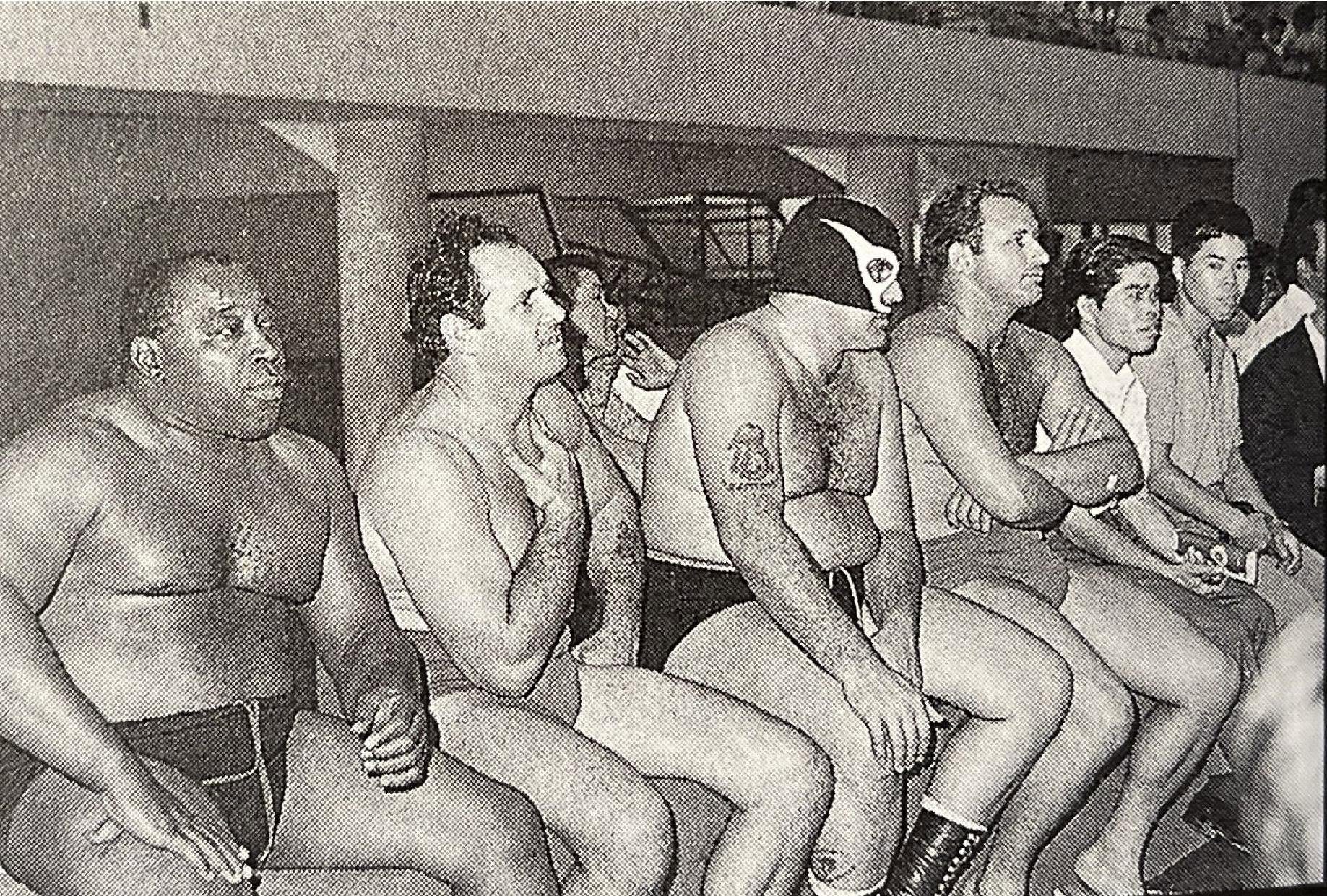
Pictured: Shag Thomas, Johnny Barend, The Spoiler, Nick Bockwinkel in Japan, August 25, 1964
Shag Thomas occupies a special place in pro wrestling history. As one of the most prominent African-American wrestlers of the 1950s and 1960s, he helped demonstrate that integrated booking could succeed and draw crowds when promoters like Don Owen committed to fairness and opportunity. His long-term success in PNW—spanning the peak territorial years through the early challenges of national expansion—illustrates the strength of regional promotions built on star loyalty and fan familiarity.
His record tag-team reigns highlight exceptional versatility and the ability to elevate partners across different eras and styles. The King Toby heel run remains a colorful footnote in an era when such characters were rare for Black performers. Post-ring, his community work in Portland extended his positive influence beyond entertainment.
In the broader context of NWA territorial wrestling, Thomas represents the ideal territorial star: tough, reliable, adaptable, and deeply embedded in his adopted home territory. While national attention often focused on larger promotions or flashier national stars, figures like Shag Thomas sustained the grassroots vitality of the business in places like Portland for decades.
Fans and historians remember him fondly—as a hard-hitting wrestler, a fair and authoritative referee, a community pillar, and a trailblazer whose contributions to Pacific Northwest wrestling remain foundational. His story is one of resilience, athletic excellence across multiple fields, and quiet but lasting impact in an industry and a city he helped shape.
One Thing I Learned About Norman Frederick Charles III

While training under Australian promoter Hal Morgan in the early 1960s, Lowndes repeatedly showed up at the gym begging to be trained. Morgan turned him down multiple times because he was unimpressed with the young man. Morgan eventually relented—and later considered it one of the best decisions he ever made. 
He took the ring name Murphy the Surfie from a pop song that reached #14 on the Australian charts in October 1963. Despite the name (and being billed from Australia), his early gimmick had nothing to do with surfing. He was essentially a Gorgeous George imitator—complete with flamboyant mannerisms, a valet, and spraying perfume in the ring.
He was born in Droylsden, England, near Manchester, and his family emigrated to Australia when he was a boy. He later became best known in North America as one half of the Royal Kangaroos with his cousin Jonathan Boyd.
Thank You for Reading
I’m Tony Richards, Pro Wrestling Historian, Author and Storyteller. I share pro wrestling historical items in each issue of the Time Tunnel Pro Wrestling History Newsletter. Thanks for reading! If you enjoy my information on select events, matches and insights, please share it with folks you think might like to be a subscriber!
Remember, premium investors get access to exclusive and special content such as some special issues including a multi-part deep dives on wrestling territories, wrestler bios and championship title histories, special audio and video interviews on territory pro wrestling and more available in the Pro Wrestling Time Tunnel for Premium Investors.