


Happy Birthday to those who have passed on and to those great wrestlers still with us:
In Memoriam:
Joe Brunetti 1927
Sky Low Low 1928
Bob Orton, Sr 1929
Tex McKenzie 1930
Nelson Royal 1935
Happy Birthday:
Paulo da Silva\Giant Silva (63)
Mark Romero\Mark Youngblood (63)
Shawn Stipich\Shawn Stasiak (56)
Shinjiro Otani (54)
“Bomber” Dave Minton\Mastiff (42)
Giovanni Vinci (36)
Megan O’Brian\Morant (32)
RIP Memorial: We stop & remember those who have passed on this day and gave themselves to the business for us, the fans. We salute you and thank you.
Wild Red Berry 7-21-1973 at the age of 66
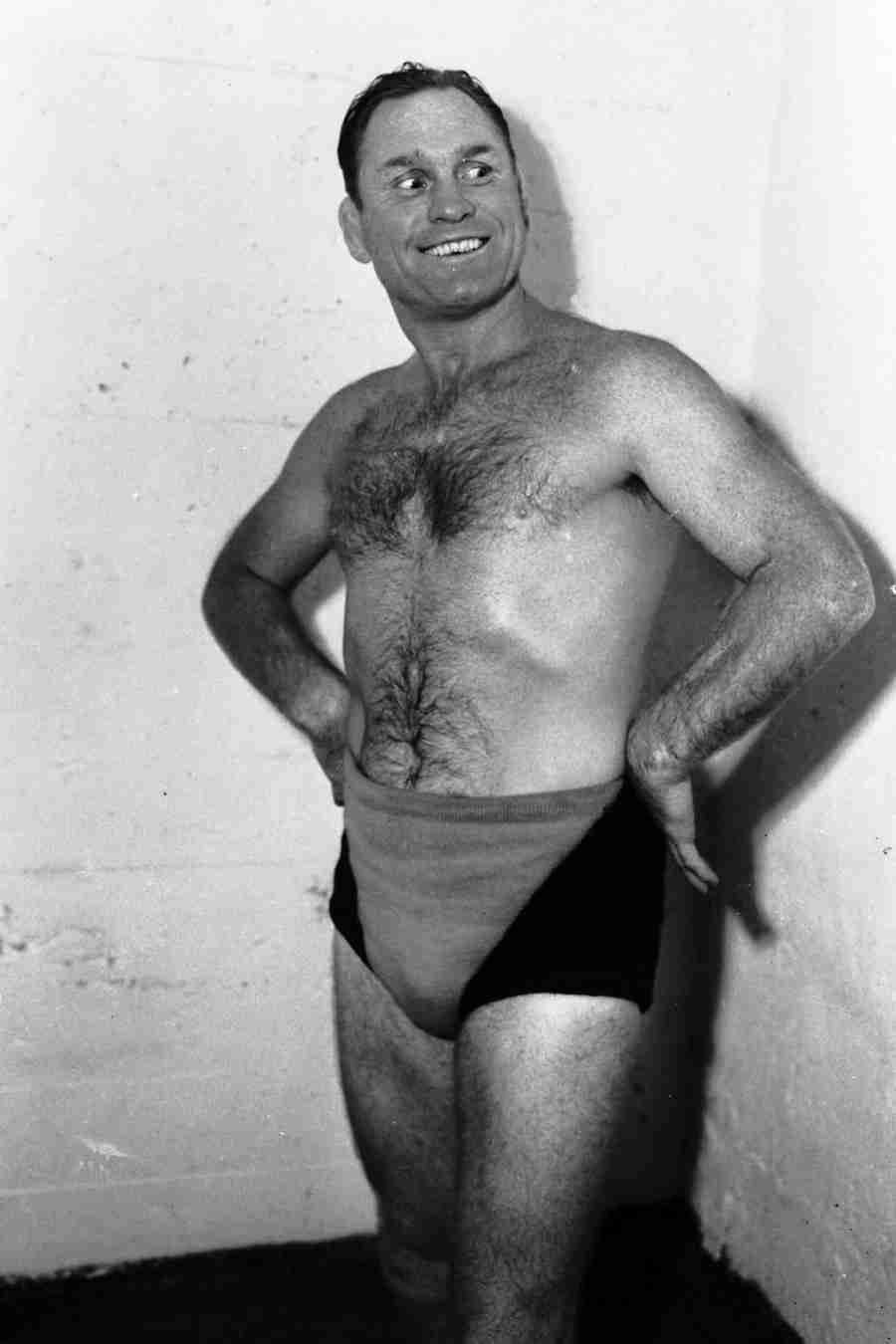
Chuck “Popeye” Richards 7-21-1995 at the age of 65
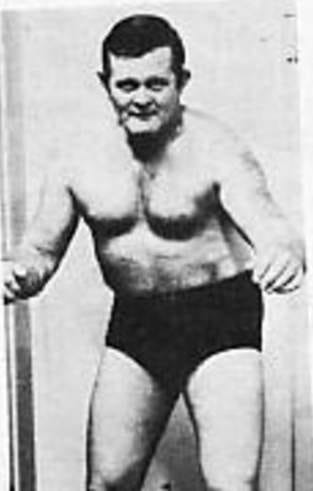
Lord Alfred Hayes 7-21-2005 at the age of 76
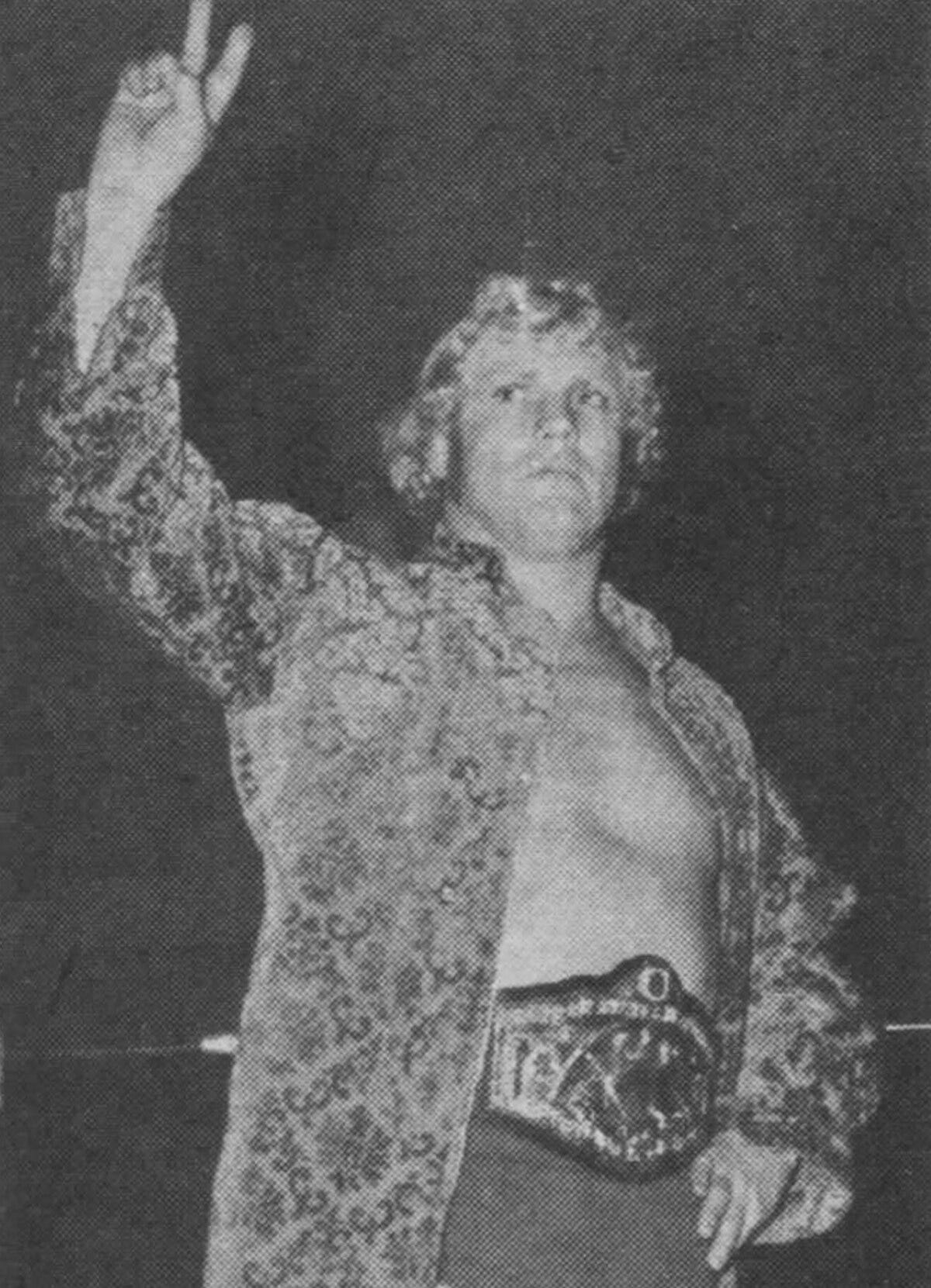
The Life and Career of Lord Alfred Hayes
Lord Alfred Hayes (Alfred George James Hayes) stands as one of the most distinctive and enduring figures in professional wrestling history—a bridge between the British territorial scene of the mid-20th century and the American expansion era of the 1970s–1990s. Born on August 8, 1928, in London (Westminster), he died on July 21, 2005, in Dallas, Texas, at age 76 from complications following a series of strokes.
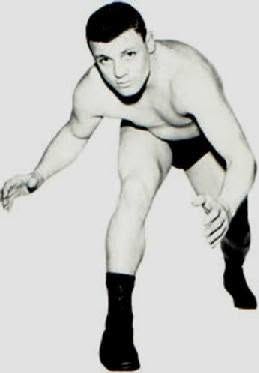
His journey spanned over four decades: from a technically gifted judoka and blue-eyed British hero known as “Judo” Al Hayes and the masked White Angel, to a sneering aristocratic heel “Lord Alfred Hayes” in U.S. territories, and finally to the beloved, posh-voiced commentator, interviewer, and on-screen personality whose refined diction and “Cheerio!” sign-off became synonymous with WWF/WWE’s Golden Era programming.
Hayes embodied adaptability, resilience, and the global nature of the business. He succeeded in the UK’s Joint Promotions and rival circuits, conquered multiple NWA territories (most notably Western States in Amarillo), briefly touched NWA World Heavyweight gold in a phantom reign, managed stars across promotions, and became the quintessential British voice of 1980s WWF television—Vince McMahon’s erudite sidekick on Tuesday Night Titans, the distinctive ring announcer and color commentator, and the omnipresent narrator of Coliseum Video releases.
Early Life, Judo Roots, and Entry into Wrestling (1928–1950s)
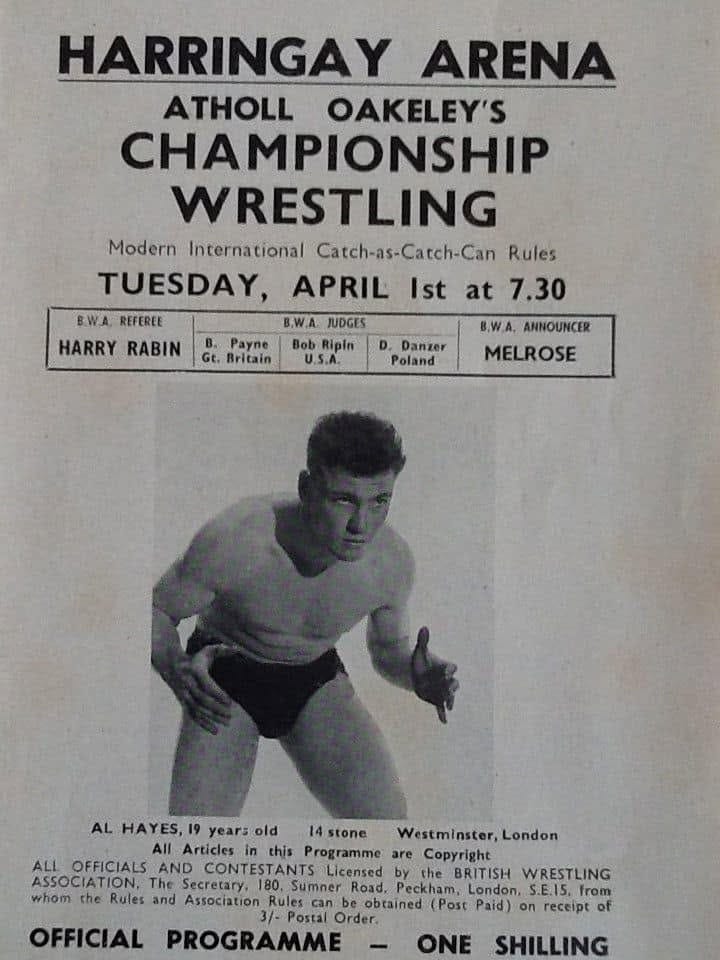
Alfred George James Hayes grew up in London during and after World War II. He attended the North-Western Polytechnic (evacuated to Luton Modern School during the war) and later studied at what became the University of North London. A standout athlete, he earned a black belt in judo and became one of the youngest Britons (at the time) to achieve 7th dan rank—a remarkable accomplishment that shaped his in-ring style for life.
He trained as a wrestler under the legendary Sir Atholl Oakeley, Bt., a genuine baronet, pioneering promoter, and Britain’s first heavyweight champion under All-In rules. Oakeley’s influence was profound; Hayes debuted professionally around 1950 as “Judo” Al Hayes, emphasizing judo chops, nerve holds, throws, and technical precision over brawling. At 5’9” (later billed around that height, though sources vary slightly) and eventually bulking to about 238 lbs, he was compact but formidable.
Early success came quickly in the UK scene dominated by Joint Promotions (Dale Martin Promotions and associates). In October 1952, at Harringay Arena, the young Hayes defeated fellow Oakeley protégé Jock Ward to capture a version of the British Heavyweight Championship—reportedly making him the youngest titleholder at the time. He held the Southern Area (or Southern England) Heavyweight Championship for an extended period, establishing himself as a reliable main-event blue-eye (fan favorite) who could work with the era’s top heels.
Hayes also excelled in tag team wrestling, partnering with Australian “Rebel” Ray Hunter. The duo enjoyed success touring France for the FFCP, appearing on RTF television (where commentator Roger Couderc playfully billed them as Australians) and remaining undefeated for stretches at venues like the Palais des Sports in Paris. His judo background gave him a distinctive, scientific edge in an era when British wrestling blended athleticism, showmanship, and carnival roots.
UK Peak: The White Angel and Political Detour (Late 1950s–1971)
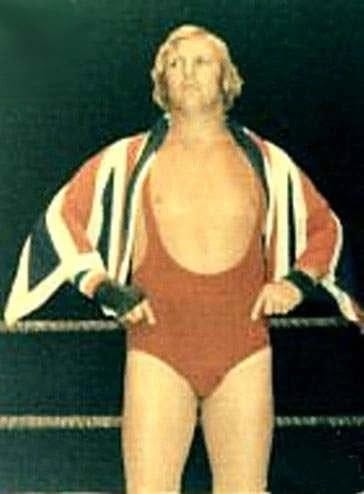
Hayes reached perhaps his most colorful UK fame in the early 1960s with Paul Lincoln Promotions, a rival to the Joint Promotions monopoly. Billed as the masked White Angel (inspired by French masked feuds like L’Ange Blanc vs. Le Bourreau de Béthune), he engaged in a massive, high-drawing program against the black-masked heel Dr. Death—portrayed by promoter Paul Lincoln himself.
The feud culminated in a legendary April 1962 bout at the packed Granada Cinema in Tooting, London. The crowd roared for the White Angel to unmask Dr. Death, but Death prevailed, forcing Hayes to unmask. It was one of the most famous British wrestling matches of the decade and showcased Hayes’ ability to draw as both hero and (later) antagonist. He later returned to UK television as a heel, incorporating the “American style” he had supposedly picked up abroad—much to the delight of fans who remembered him as a blue-eye.
Beyond the ring, Hayes demonstrated his charisma and community standing by becoming a Conservative councillor in the staunchly Labour stronghold of Islington in 1968. Colleagues regarded him as a “wrestler’s wrestler”—a superb tactician and lively dressing-room presence. He was also a keen amateur historian and golfer, traits that would later color his on-screen persona.
By the late 1960s/early 1970s, with interest in British wrestling waning amid television changes and shifting entertainment tastes, Hayes looked across the Atlantic.
Crossing the Pond: Territorial Glory and the Phantom NWA Title (1971–Early 1980s)
Hayes arrived in the United States around 1971–1972, bulked up, and quickly adapted. He found immediate success in the NWA Western States Sports territory based in Amarillo, Texas (the Funk family’s domain). He captured the NWA Western States Heavyweight Championship multiple times (sources cite four or five reigns concentrated in 1971–1972), earning a reputation for strong work and drawing power. Fans and observers noted his rapid popularity in the territory.
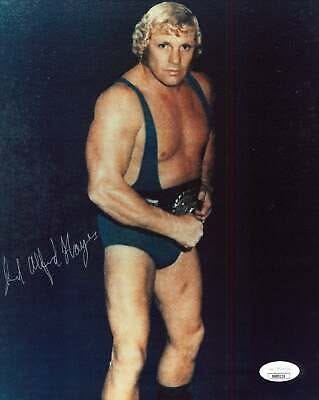
His most notorious (and briefest) achievement came in 1972. In a match against NWA World Heavyweight Champion Dory Funk Jr., Hayes defeated the champion. However, the reign was unrecognized or “phantom” because, according to accounts, Dory Funk Sr. attacked the referee afterward. The official, in anger or under duress, disqualified Funk Jr., technically returning the title to the champion. Details vary slightly by source (some place the change in April, others around June), but the outcome was the same: Hayes tasted world title glory for a fleeting, politically charged moment before it was reversed. He was also named PWI Inspirational Wrestler of the Year around this period.
While working for Sam Muchnick in St. Louis in the mid-1970s, Hayes turned heel and fully embraced the Lord Alfred Hayes aristocratic gimmick—a haughty, tea-sipping, bow-tie-and-frilly-shirt British snob who looked down on American audiences and their tea. The persona clicked perfectly in the territorial system.
He moved through several promotions as both wrestler and manager:
• AWA: Managed heels including Jimmy Valiant (rebranded “King James” Valiant), Baron von Raschke, and the Super Destroyers. He engaged in a notable feud with Bobby Heenan over the Super Destroyers; Super Destroyer II eventually fired Hayes in favor of Heenan, leading to a Loser Leaves Town match that Hayes lost.
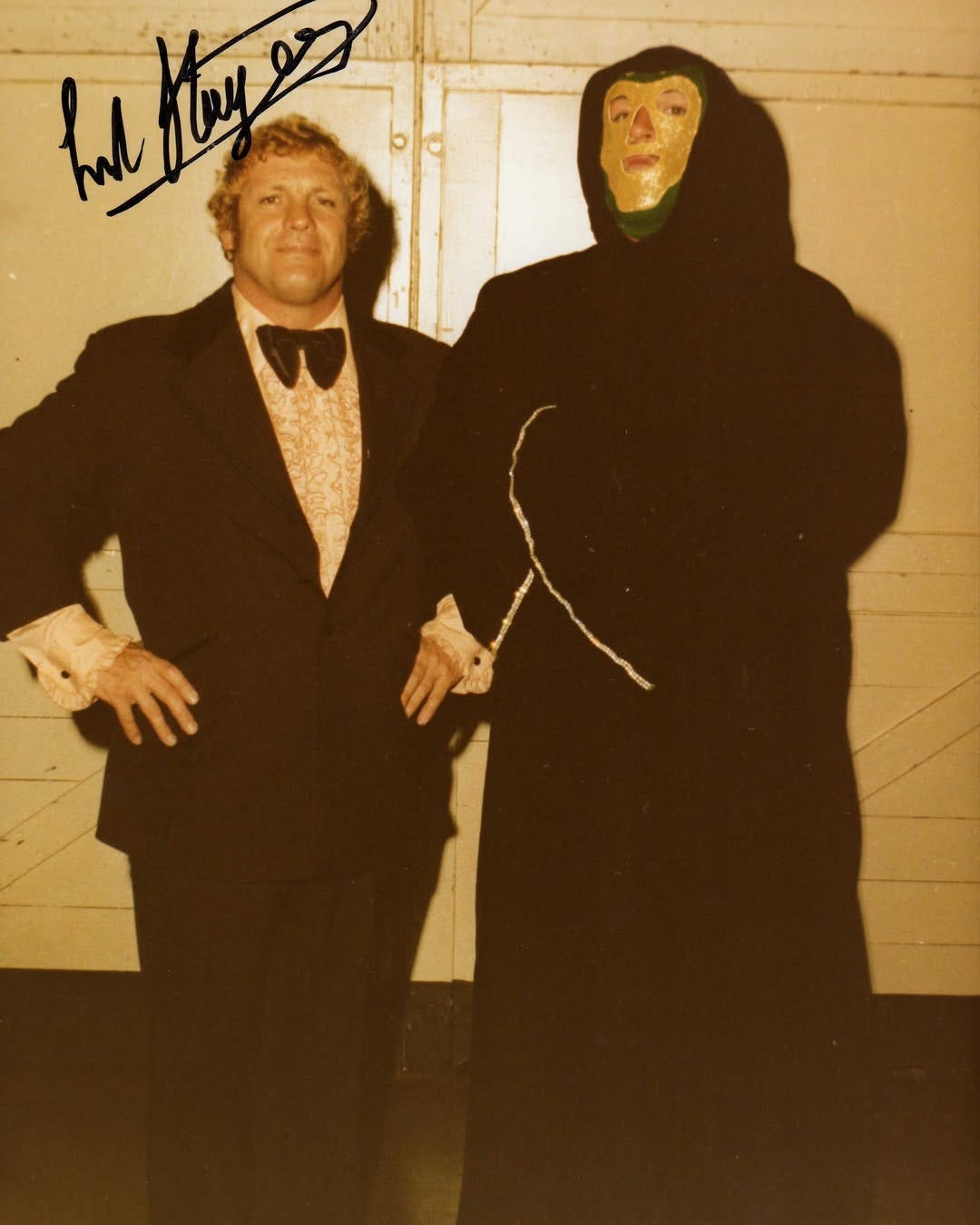
Pictured: Hayes with Super Destroyer Mark II
**Photo credit: George Schire
• Championship Wrestling from Florida (CWF): Managed Bobby Jaggers and Nikolai Volkoff, sparking a heated program with Oliver Humperdink and Dusty Rhodes.
Other stops included Central States (tag title success), Montreal’s Lutte Internationale (managing fellow Brit Billy Robinson during his Canadian International Heavyweight reign), and various NWA outposts.
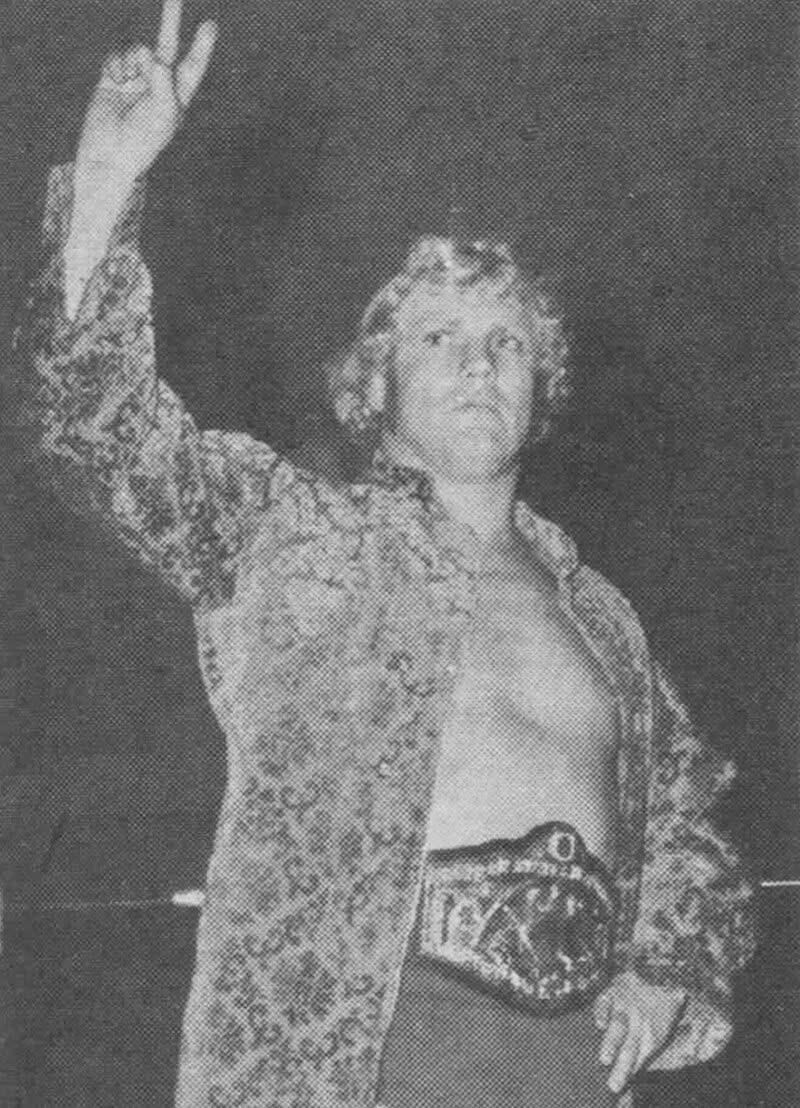
Pictured: Lord Alfred Hayes, NWA Western States Heavyweight Champion in West Texas
He held multiple tag team titles across territories, including NWA World Tag Team (Central States version, with partners like Bob Brown and Roger Kirby), NWA Texas Tag Team, ESA International Tag Team (with Mike Dubois), and Western States Tag Team reigns.
His final in-ring match occurred on June 6, 1983, in Texas—a judo exhibition loss to Chris Adams. Wrestling-related arthritis and knee issues had taken their toll, prompting his transition out of active competition. The West Texas Territory based in Amarillo was almost certainly his favorite he worked with the Central States Kansas City Territory most likely his second favorite.
WWF/WWE Era: The Voice, the Sidekick, and the Video Narrator (1982–1995)
Vince McMahon Jr. brought Hayes into the expanding WWF in 1982, initially as a road agent and producer. His on-screen television debut came as an interviewer at Madison Square Garden on December 26, 1983. Hayes quickly became indispensable.
His signature role was as Vince McMahon’s erudite, often put-upon sidekick on the talk-show parody Tuesday Night Titans (1984–1986). With his “Masterpiece Theatre diction” and softening “Oxford accent,” Hayes played a refined straight man (or comic foil) to McMahon’s bombast—enduring slapstick indignities like a face full of powder, pumpkin innards from Captain Lou Albano, one of Hulk Hogan’s diet shakes (leading to on-camera vomiting), a near-bite from one of Hillbilly Jim’s goats, and a slap from Roddy Piper. The chemistry was gold and helped humanize the larger-than-life WWF product.
He served as introductory announcer on Prime Time Wrestling, delivering rousing praise for face hosts and coolly worded (but complimentary) intros for heels like Bobby Heenan. He commentated portions of WrestleMania 2 (including the Los Angeles main event: Hulk Hogan vs. King Kong Bundy in a steel cage, alongside Jesse Ventura and Elvira). He handled backstage duties at the first WrestleMania and appeared on numerous Saturday Night’s Main Event episodes and early Monday Night RAW.
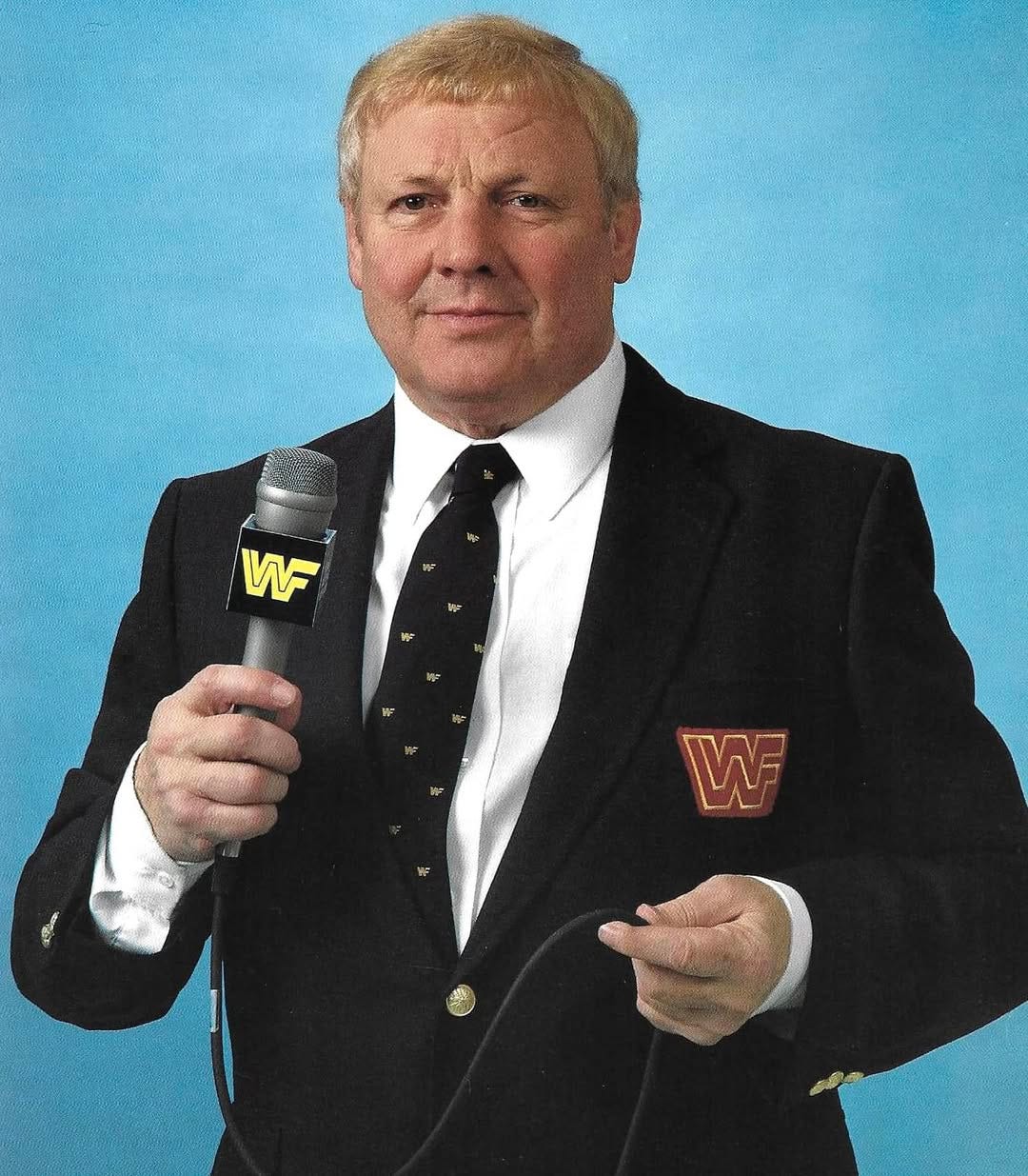
Perhaps his most pervasive legacy was as the voice of WWF home videos. He narrated countless Coliseum Video releases, delivered the iconic sponsor reads (“Promotional consideration paid for by the following…”), hosted etiquette segments (teaching table manners to Sensational Sherri and Brooklyn Brawler), and provided “Call of the Action” slow-motion breakdowns of maneuvers. His cultured voice lent an air of legitimacy and theatricality to the product for a generation of fans who grew up on VHS.
Hayes also had lighter on-screen moments, such as receiving affectionate (and sometimes full-lip) kisses from The Fabulous Moolah or awkwardly interviewing Sensational Sherri while she adjusted her stockings (earning a playful “dirty old man” rebuke).
Health Struggles, Later Years, and Passing
The physical toll of a 40-year career was severe. Hayes suffered from wrestling-induced rheumatoid arthritis and joint inflammation. In 1990, while in Stamford, Connecticut, he was struck by a speeding car, suffering a broken back, broken hip, and blood poisoning. The injuries required removal of several vertebrae, resulting in a loss of height.
Diabetes complications led to gangrene; one leg was amputated. By around 2001 he was largely confined to a wheelchair. Despite these challenges, he remained a beloved presence at Cauliflower Alley Club reunions and wrestling gatherings, known for his graciousness, dry wit, and refusal to complain. Peers like Sgt. Slaughter, Bobby Heenan, and “Mean” Gene Okerlund remembered him fondly as a perfect English gentleman—proud, mannered, and fun on the golf course (where missed putts were addressed with polite exasperation rather than profanity).
Hayes passed away on July 21, 2005, in Dallas. He was survived by his son, daughter, and three grandchildren.
Legacy and Enduring Influence
Lord Alfred Hayes was inducted into the Professional Wrestling Hall of Fame (International wing) in 2014 and the WWE Hall of Fame (Legacy wing) in 2018—the first Briton so honored in the latter at the time.
His career arc mirrors the evolution of wrestling itself: from the intimate, character-driven British halls and masked melodramas of the 1950s–60s, through the rugged territorial grind of the 1970s, to the national television spectacle of the 1980s WWF boom. He was among the first British wrestlers to build a sustained, high-profile career in the United States, paving the way for later stars. His aristocratic heel persona influenced managerial and character work, while his commentary and video narration helped define the presentation and nostalgia of an entire era.
His Amarillo runs, Western States titles, and brief flirtation with the NWA World Title offer fascinating case studies for me in booking, phantom reigns, and cross-cultural appeal. For fans of the expansion era, his voice on Tuesday Night Titans, sponsor reads, and video libraries remains instantly evocative—“Cheerio!” serving as a warm, dignified farewell to countless broadcasts.
Lord Alfred Hayes was more than a wrestler, manager, or commentator. He was a cultured ambassador, a resilient survivor, and a master of reinvention whose posh exterior masked the toughness of a judoka and the heart of a true wrestling lifer. His story enriches our understanding of how British and American wrestling traditions intertwined, leaving an indelible mark on the industry he loved.
One Thing I Learned About Mark Youngblood
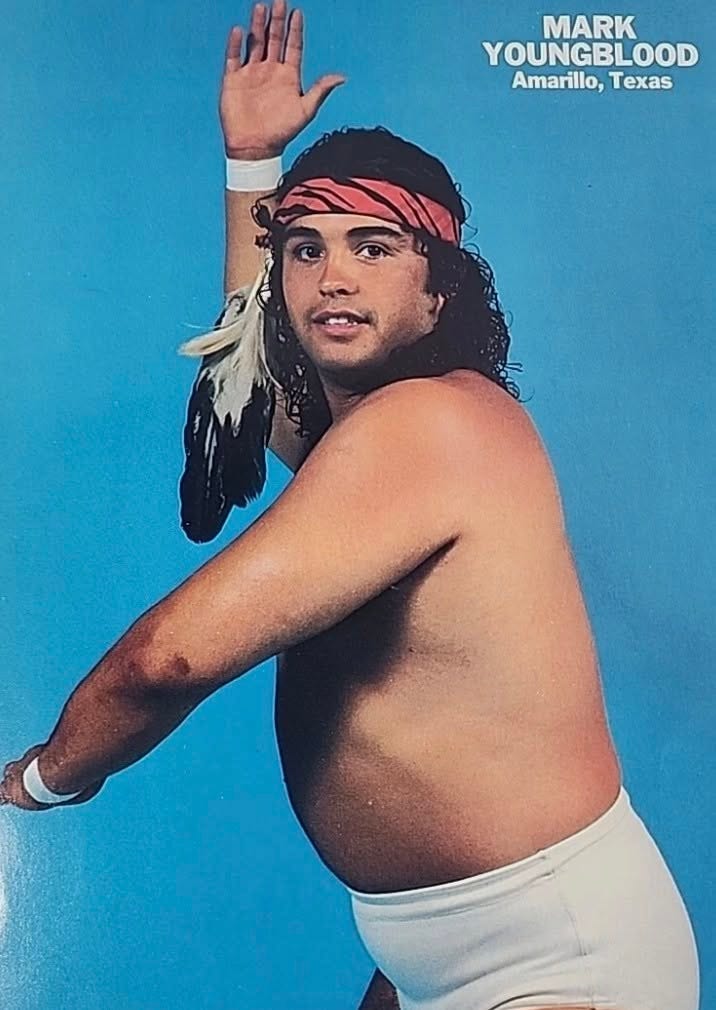
He was an accomplished amateur wrestler and had a background in judo. This legitimate grappling foundation helped him stand out in an era of big men, allowing him to blend athleticism with technical skill in his matches alongside his brother Chris.
A true second-generation talent from the Romero wrestling family.
Thank You for Reading
I’m Tony Richards, Pro Wrestling Historian, Author and Storyteller. I share pro wrestling historical items in each issue of the Time Tunnel Pro Wrestling History Newsletter. Thanks for reading! If you enjoy my information on select events, matches and insights, please share it with folks you think might like to be a subscriber!
Remember, premium investors get access to exclusive and special content such as some special issues including a multi-part deep dives on wrestling territories, wrestler bios and championship title histories, special audio and video interviews on territory pro wrestling and more available in the Pro Wrestling Time Tunnel for Premium Investors.