


Happy Birthday to those who have passed on and to those great wrestlers still with us:
In Memoriam:
George Hackenschmidt 1878
Farmer Brown 1917
Sonny “Roughhouse” Fargo 1928
David Shelton\Angel of Death 1953
Happy Birthday:
Arvil Hutto (70)
RIP Memorial: We stop & remember those who have passed on this day and gave themselves to the business for us, the fans. We salute you and thank you.
Larry Hamilton\The Missouri Mauler 7-20-1996 at the age of 65
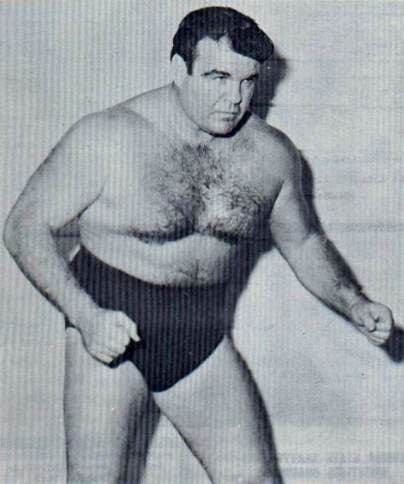
June Byers 7-20-1998 at the age of 76
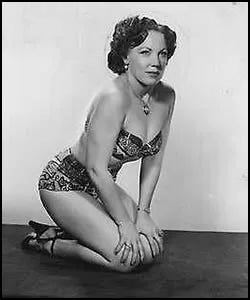
David Sherwin\Goldie Rogers 7-20-2012 at the age of 62
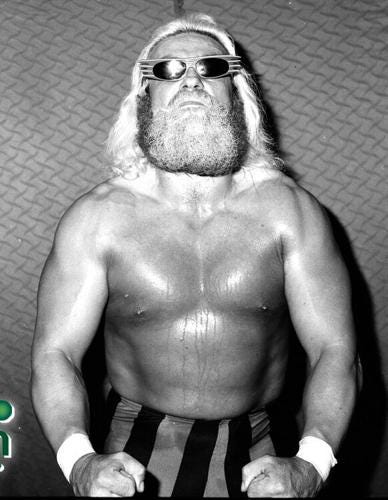
Joaquin Rivera\El Olympico 7-20-2023 at the age of 87

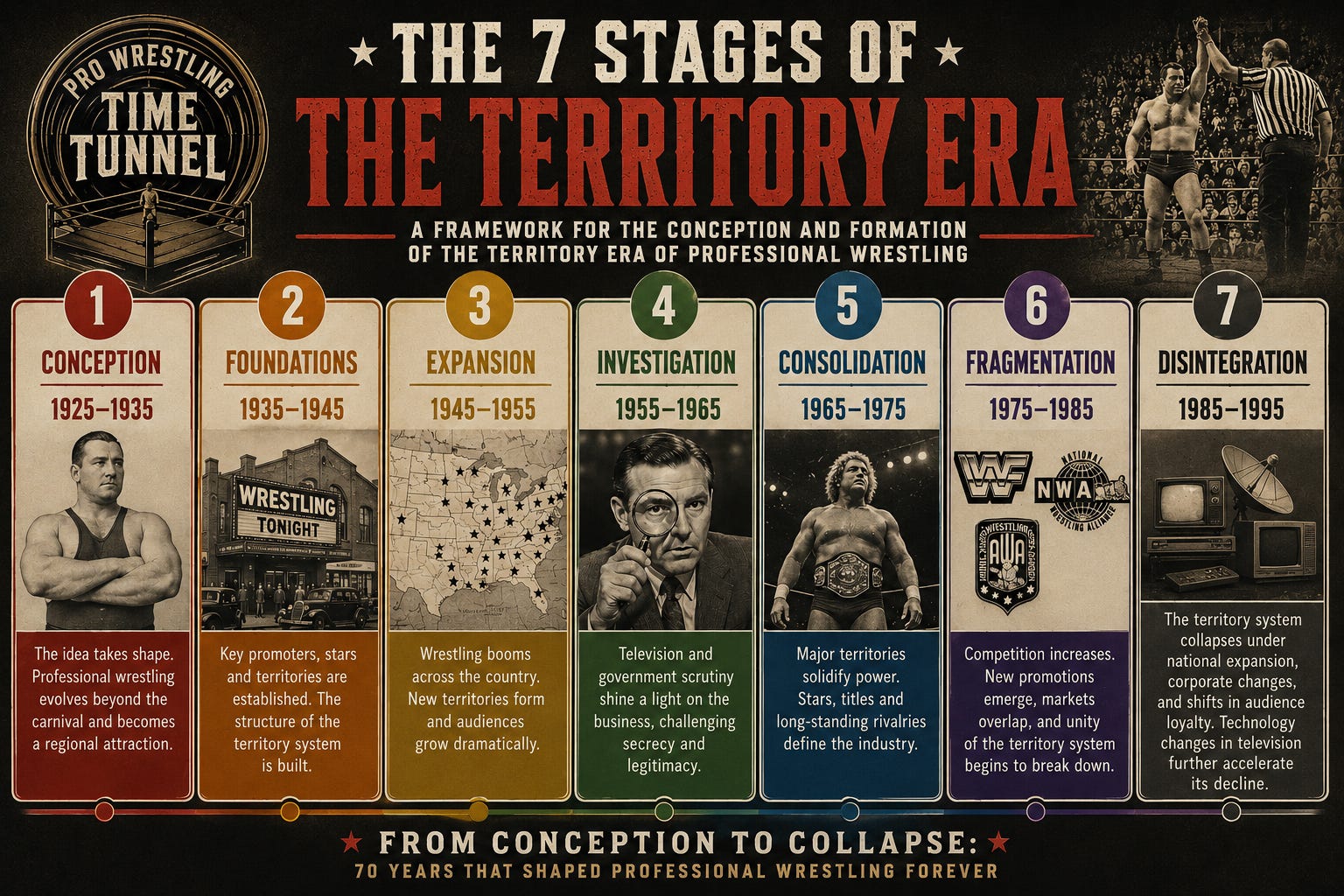
7 Stages of the Territory Era
Stage 6: Fragmentation
Year 2 Month 7
July 1976
In July 1976, as the United States continued its Bicentennial celebrations with summer fairs, fireworks, and patriotic fervor, professional wrestling maintained its vibrant decentralized empire within the National Wrestling Alliance. Terry Funk remained the resilient NWA World Heavyweight Champion, carrying the ten pounds of gold on a demanding schedule of defenses that crisscrossed territories and reinforced the Alliance’s shared prestige. The month featured intense rivalries, title shifts, high-attendance spectacles, and the usual mix of athletic showcases, brawls, and storytelling that defined the era. From the Carolinas armories to Tokyo arenas and beyond, promoters and wrestlers sustained packed houses through regional pride and cross-promotional talent exchanges.
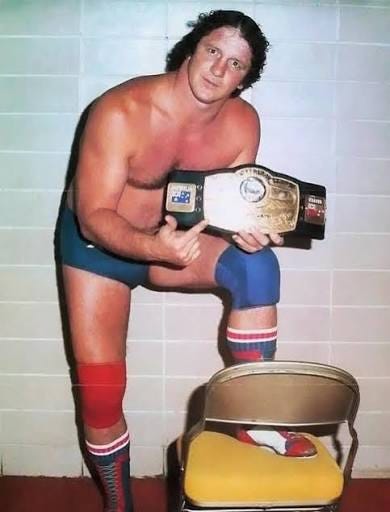
Pictured: Terry Funk, NWA World Heavyweight Champion
In the Mid-Atlantic territory under Jim Crockett Promotions, the ongoing saga between Ric Flair and Wahoo McDaniel kept fans riveted. Their steel cage clash in Richmond on July 30 drew over 11,000, with Wahoo emerging victorious in a brutal encounter filled with chops, figure-fours, and cage-assisted offense. NWA World Heavyweight Champion Terry Funk made several key stops, defeating Wahoo McDaniel in Greensboro on July 4, Paul Jones in Greenville on July 5, and Rufus R. Jones in Columbia on July 6. These defenses highlighted Funk’s gritty resilience against the territory’s top challengers, blending technical wrestling with hard-hitting Southern style that packed venues across the Carolinas and Virginia.
Georgia Championship Wrestling under Jim Barnett continued its upward trajectory with strong cards and title activity. On July 16 in Atlanta, Jimmy and Johnny Valiant captured the Georgia Tag Team Titles from Ted Oates and Tully Blanchard in a hard-fought match that energized the crowd. Terry Funk defended the NWA World Heavyweight Championship against Dusty Rhodes, retaining via disqualification in a heated main event. Other July shows in Columbus, Macon, Augusta, and Griffin featured battles involving Mr. Wrestling II, Dick Slater, Stan Stasiak, and the Spoiler, maintaining the territory’s mix of athleticism and drama while building momentum for its expanding television reach.
In Championship Wrestling from Florida, Dusty Rhodes claimed the NWA Florida Heavyweight Championship from Bob Orton Jr. on July 27 in Tampa, capping a strong summer push for the American Dream. Cards across Tampa, Miami, Orlando, and Sarasota featured Rhodes in prominent roles alongside visitors and local talent, blending technical exchanges with the territory’s signature brawling intensity. The promotion’s television presence helped sustain fan interest amid the summer heat.
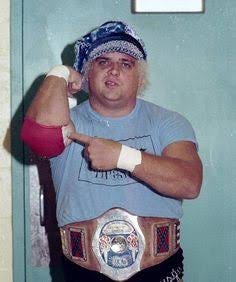
Pictured: Dusty Rhodes, NWA Florida Heavyweight Champion
The Dallas territory, promoted by Fritz Von Erich as Big Time Wrestling, delivered consistent action with family legacy and intense feuds. Terry Funk defended the NWA World title against Dennis Stamp in Lubbock on July 27 and against Swede Hanson in Abilene on July 26. Moondog Mayne featured prominently in angles against Jose Lothario, Rocky Johnson, and others, with cards in Dallas, Fort Worth, and San Antonio showcasing high-energy bouts and DQ finishes that kept storylines moving. The territory’s rugged style resonated with Texas fans throughout the month.
In the NWA Tri-State territory under Leroy McGuirk, spanning Oklahoma, Louisiana, and surrounding areas, Bill Watts stood out as a dominant force with his powerful brawling and leadership presence. Cards in Tulsa, Shreveport, and other spots featured Watts in main events alongside talents like Danny Hodge and local competitors, emphasizing stiff competition and regional storytelling that kept houses strong.
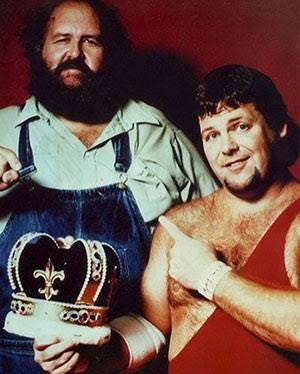
Pictured: Jerry Lawler and Plowboy Stan Frazier
NWA Mid-America, particularly in Memphis under the Gulas-Welch banner, saw Jerry Lawler at the peak of his dominance as Southern Heavyweight Champion. On July 19 at the Mid-South Coliseum, Lawler defeated Bobo Brazil before a solid crowd. On July 26, he pinned Harley Race in a featured bout. Tag team action saw the Bicentennial Kings (Dennis Condrey and Phil Hickerson) capture the Southern Tag Titles from Jackie Fargo and Jerry Jarrett on July 19. Tragedy struck after the July 26 show when wrestlers Sam Bass, Frank Hester, and Pepe Lopez were killed in a car accident near Dickson, Tennessee, casting a somber shadow over the territory. July 12 featured a boxing-versus-wrestling match where Rocky Johnson knocked out Lawler.
Central States Wrestling in the Kansas City area maintained steady house show loops with competitive cards featuring regional stars and occasional NWA visitors. Events in Kansas City and surrounding venues emphasized scientific wrestling mixed with brawling, sustaining the heartland’s traditional fanbase.
Gulf Coast Championship Wrestling in the Mobile area delivered accessible weekly programming with talents like Ken Lucas and local favorites in straightforward Southern-style bouts that kept smaller-market interest alive.
In the Los Angeles NWA Hollywood territory at the Olympic Auditorium, the heated feud between Roddy Piper and Chavo Guerrero Sr. continued to generate tremendous heat. Piper’s antagonizing of the Guerrero family fueled intense singles and multi-man matches throughout July, blending athleticism with personal drama that drew passionate crowds.
Portland Wrestling under Don Owen and San Francisco Big Time Wrestling under Roy Shire offered solid Pacific Northwest and Bay Area programming. Portland cards in Portland, Salem, and Eugene featured clean, competitive wrestling with emerging talents and occasional crossovers. San Francisco shows at the Cow Palace and other venues blended technical exchanges with high-impact action, maintaining steady regional followings.
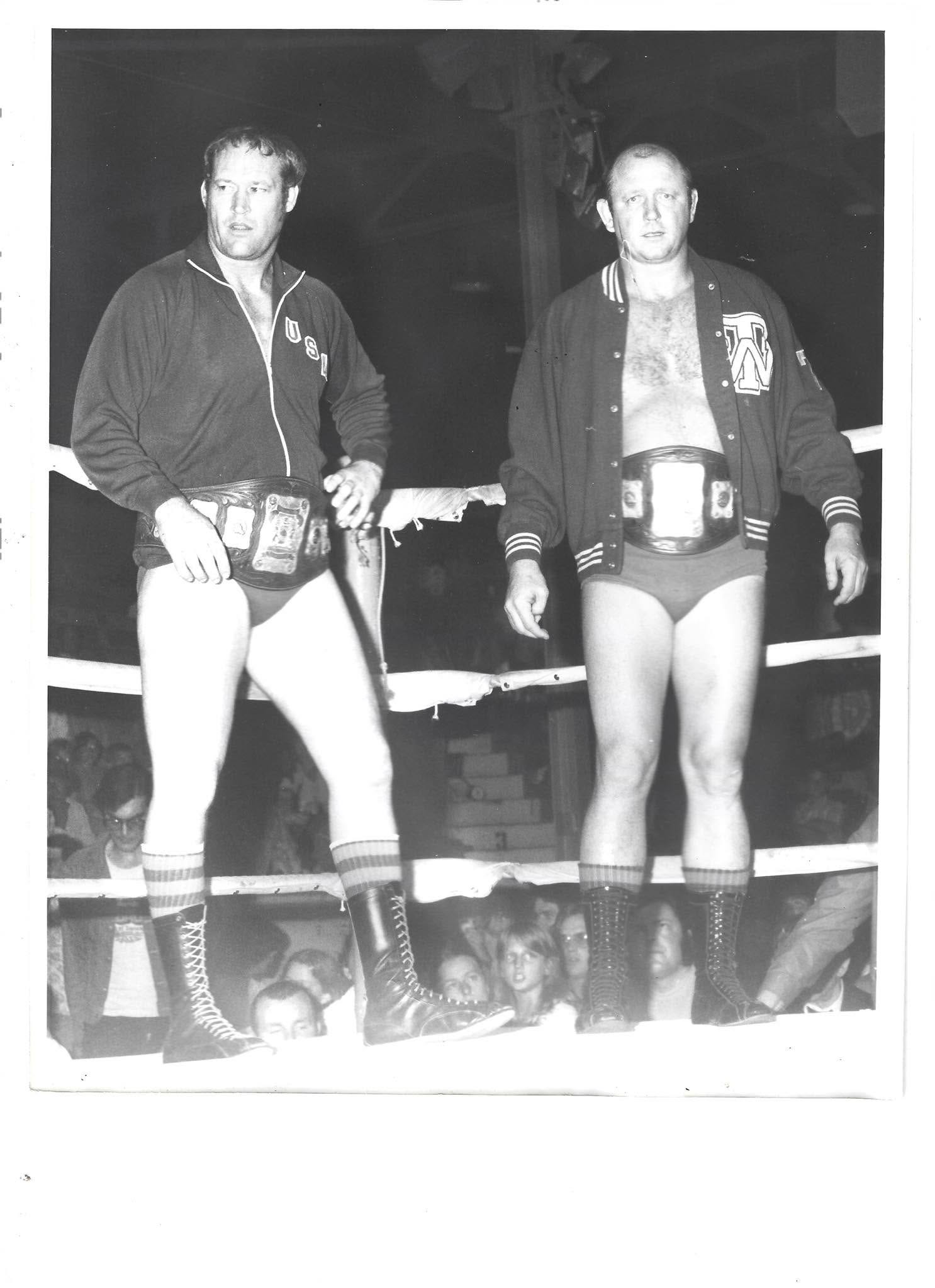
Pictured: Larry Lane and Dory Funk, Jr, NWA Western States Tag Team Champions
In Amarillo and the Western States territory, the Funk brothers’ influence remained strong. Terry Funk defended the NWA World title against The Super Destroyer on July 1 in Amarillo and in other spots. Title changes included Larry Lane capturing the International Title on July 22 after a series of matches involving Dory Funk Jr., Rip Hawk, Swede Hanson, and others. Texas Death matches and tag bouts kept the rugged West Texas style vibrant.
In the WWWF, Bruno Sammartino remained the undisputed world champion, anchoring the territory with his enduring charisma and resilience. A standout event came on July 31 at the Philadelphia Spectrum, where an 18-man $10,000 battle royal was won by Executioner #1 (Killer Kowalski) under special stipulations that earned him a world title shot later that night. Sammartino successfully defended the WWWF World Heavyweight Championship against Kowalski in the main event, pinning the Executioner after a hard-fought contest that highlighted Bruno’s power and crowd-pleasing comebacks. The Executioners tag team, managed by Captain Lou Albano, continued their dominant heel run, clashing with fan favorites like Chief Jay Strongbow and Billy White Wolf in disqualification-filled best-of-three-falls bouts that built long-term heat. Other notable July cards included strong showings by Ivan Putski in power matches, Stan Hansen as a disruptive force, and undercard work from talents like SD Jones, Johnny Rodz, and Jose Gonzalez. Multi-man tags and battle royals added variety, while the territory’s focus on physical storytelling and ethnic pride kept arenas like the Spectrum, Madison Square Garden area shows, and smaller venues packed. The WWWF’s blend of spectacle and substance allowed it to thrive independently, occasionally benefiting from closed-circuit broadcasts that tied into broader wrestling interest.
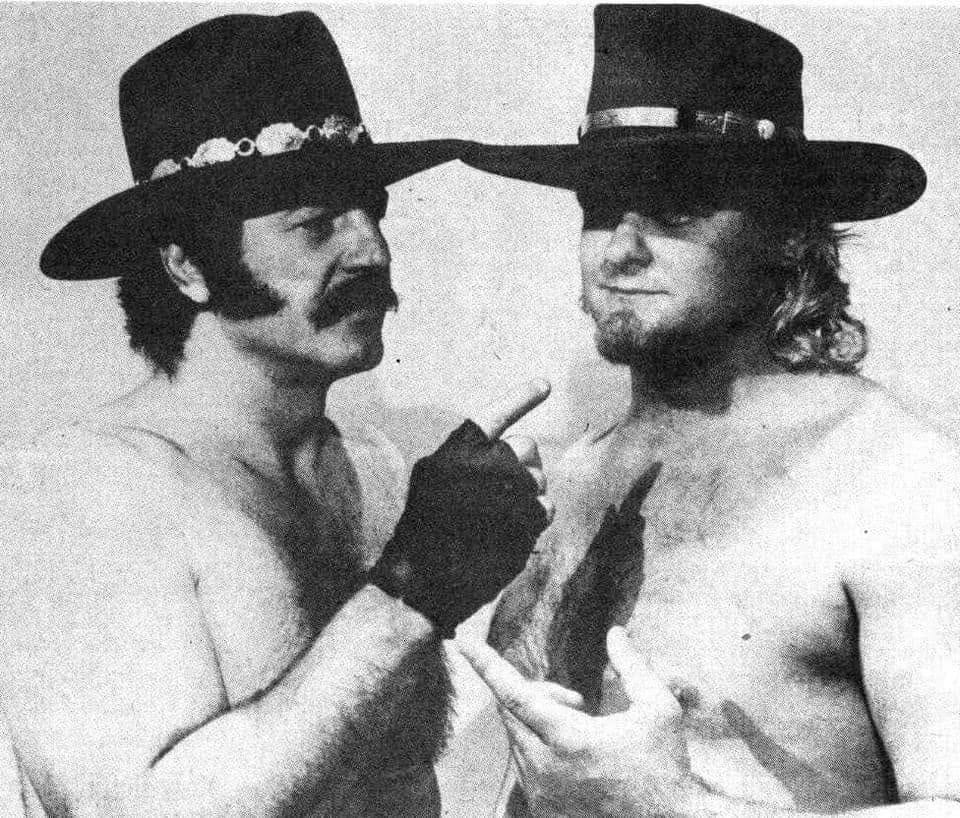
Pictured: Blackjack Lanza and Bobby Duncum, AWA World Tag Team Champions
The American Wrestling Association, led by Verne Gagne, showcased its signature emphasis on scientific wrestling and legitimate athletic competition. Nick Bockwinkel held the AWA World Heavyweight Championship with calculated precision and Heenan-managed cunning, defending against a range of challengers throughout the month. A major highlight occurred on July 23 in Chicago at the International Amphitheater, where Blackjack Lanza and Bobby Duncum captured the AWA World Tag Team Championship from Dick the Bruiser and The Crusher in a heated encounter that shifted the tag division’s balance. The match featured stiff brawling, interference from Bobby Heenan, and the challengers’ opportunistic teamwork prevailing in a crowd-pleasing upset. Gagne himself remained active in programs, including earlier no-contest title bouts with Bockwinkel that preserved both men’s credibility while fueling ongoing feuds. Other July action included Greg Gagne and Jim Brunzell (the High Flyers) in exciting tag matches, Larry Hennig in power roles, and undercard contributors like Mad Dog Vachon and Baron Von Raschke adding veteran presence. The AWA’s house show loops across Minnesota, Wisconsin, Illinois, and surrounding areas emphasized clean finishes, technical exchanges, and believable rivalries, drawing consistent crowds who appreciated the promotion’s focus on “real” wrestling skill over pure pageantry.
Both promotions exemplified the strength of major non-NWA (or semi-independent) entities in July 1976. The WWWF’s Northeast stronghold relied on Sammartino’s heroic aura, Executioner-driven chaos, and battle royal spectacles to fill arenas, while the AWA’s Midwest base thrived on Bockwinkel’s championship reign and the Lanza/Duncum tag title victory that injected fresh dynamics into the division. These efforts, combined with strong supporting casts and managerial intrigue from figures like Albano and Heenan, kept wrestling vibrant as a summer entertainment staple. Their distinct approaches—dramatic spectacle in the WWWF and athletic purity in the AWA—complemented the NWA territories and helped define the era’s diverse wrestling landscape.
Building on the broader landscape of July 1976 pro wrestling, the international territories delivered distinctive flavors of athleticism, drama, and cultural resonance. While the NWA World Heavyweight Champion Terry Funk focused much of his schedule on North American defenses that month, Japan’s promotions hosted rigorous tours and league play, Mexico emphasized high-stakes apuesta matches and title tournaments, and Australia sustained its established house-show circuit with a mix of local heroes and occasional international flavor. These scenes operated with their own rhythms yet remained connected through the Alliance’s talent exchanges and shared prestige.
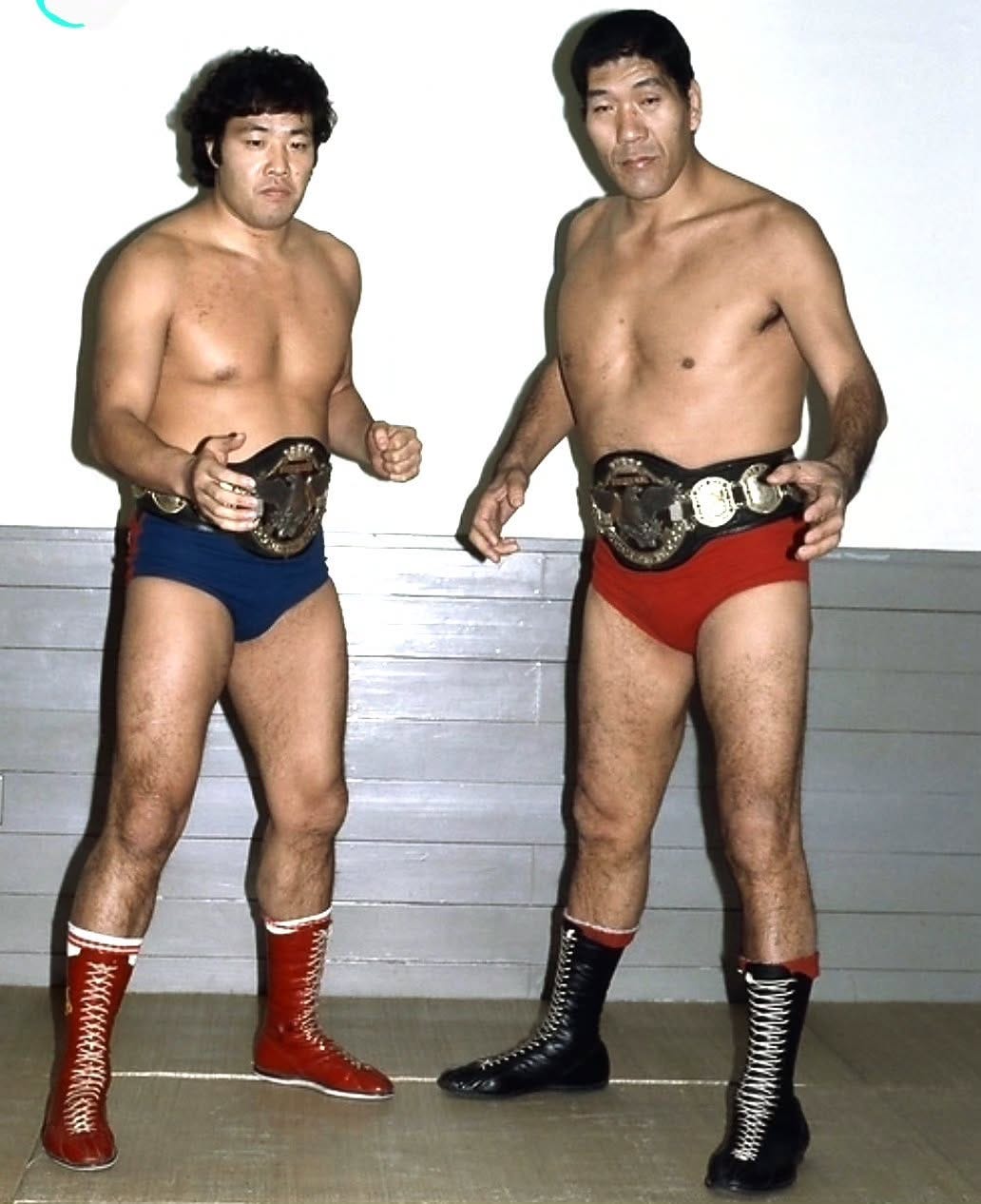
Pictured: Giant Baba and Jumbo Tsuruta, NWA international Tag Team Champions
In Japan, All Japan Pro Wrestling’s Summer Action Series dominated the month with a grueling loop of cards across cities like Hirosaki, Kitakyushu, Matsue, Tottori, Sakai, and others. Giant Baba and the rising Jumbo Tsuruta headlined many tags and multi-man bouts, showcasing Baba’s veteran power alongside Tsuruta’s explosive athleticism and growing star power. Notable encounters included Baba & Tsuruta defeating Scott Casey & The Avenger in best-of-three-falls action, Tsuruta besting Jerry Brisco in singles showcases that highlighted the young star’s technical growth and resilience, and The Destroyer (Dick Beyer) grinding out victories over opponents like Scott Casey with his signature figure-four leglock. A standout moment came on July 17 in Kitakyushu during a taped TV show, where Bill Robinson battled Jumbo Tsuruta to a hard-fought 70-minute time-limit draw in a Jumbo Tsuruta Test Series match. The encounter featured Robinson’s masterful strong-style grappling, selling, and psychology against Tsuruta’s power and speed, with multiple time extensions and near-falls that left the crowd drained in the summer heat. Other series highlights saw Hiro Matsuda and Samson Kutsuwada contributing solid undercard work, while tag teams like Great Kojika & Motoshi Okuma and Mitsu Hirai & Samson Kutsuwada added depth. The series reinforced AJPW’s emphasis on stiff, believable competition and helped elevate Tsuruta as a future cornerstone.
New Japan Pro Wrestling ran its Asia League tournament throughout late July, creating a competitive league format that built intrigue across multiple cities. Antonio Inoki, Seiji Sakaguchi, Strong Kobayashi, and Kantaro Hoshino anchored the NJPW side, clashing with international challengers including Tiger Jeet Singh, Gama Singh, The Mongols (Bolo & Geeto Mongol), and Majid Akra. Key developments included Tiger Jeet Singh capturing the new Asia Heavyweight Championship by defeating Seiji Sakaguchi in a best-of-three-falls final on July 29 in Osaka. Inoki had intense encounters with Tiger Jeet Singh, including a double count-out on July 22 in Okayama and a no-contest or count-out finish later in the tour. Tag league action featured Strong Kobayashi & Seiji Sakaguchi battling The Mongols and the Singh brothers in best-of-three-falls bouts, with NJPW teams often prevailing through superior teamwork and power. The league format allowed for ongoing storylines and showcased NJPW’s blend of Japanese strong style with international talent, keeping crowds engaged through the summer.
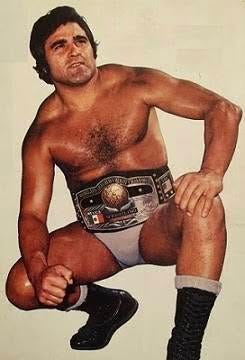
Pictured: Carlos Plata, NWA World Light Heavyweight Champion
Mexico’s Empresa Mexicana de Lucha Libre (EMLL) delivered its signature blend of aerial spectacle, technical wrestling, and high-stakes apuesta drama in July. On July 16 at Arena México, Carlos Plata captured the NWA World Light Heavyweight Championship from Adorable Rubi in a best-of-three-falls match, marking a significant title shift that elevated Plata’s status. Fishman continued his strong run as NWA World Welterweight Champion, successfully defending against Blue Demon in Acapulco on July 8 and later against Mano Negra in Guadalajara. A standout hair-versus-hair match on July 30 at Arena Coliseo saw Enrique Vera defeat Raúl Reyes, adding emotional intensity to the undercard. Blue Demon featured prominently, defeating Mano Negra in a welterweight bout on the same card. Tournaments for the Mexican National Welterweight Title unfolded with participants like Hermano King I, Ráfaga Moreno, Roy Stive, and Tauro, setting up future stakes. Other notable action included Fishman’s defenses and multi-man tags that highlighted tecnicos like Blue Demon alongside rudos such as Gran Markus and Perro Aguayo (in surrounding storylines). EMLL’s July programming reinforced lucha libre’s cultural depth, with mask and hair implications driving fan investment and packed houses in Arena México and regional venues.
The UWA, founded in 1975 by promoters Francisco Flores, Ray Mendoza, and Benjamín Mora as a direct rival to EMLL (Empresa Mexicana de Lucha Libre), was a significant force in Mexican wrestling by mid-1976. It operated with a more progressive booking style, emphasizing younger talent, international crossovers, and high-stakes apuesta (bet) matches, often at venues like El Toreo de Naucalpan. While detailed July-specific cards are less comprehensively documented than EMLL’s Arena México shows, the promotion ran regular events throughout the month as part of its ongoing challenge to EMLL’s dominance. Coverage is warranted for a complete territorial overview, as the UWA helped diversify Mexico’s wrestling scene with fresh storylines and emerging stars.
Key figures included Ray Mendoza (a driving force behind the split), Dr. Wagner, El Canek (who was beginning his rise as a major draw), Aníbal, Villano III, and international or touring talent. The UWA promoted its own championships, including early versions of what would become the UWA World Heavyweight and Light Heavyweight titles, alongside apuesta matches that frequently involved masks and hair. July programming likely featured tag team relevos suicidas (suicide teams) formats, mask-versus-mask clashes, and builds toward anniversary shows, maintaining momentum in markets like Naucalpan, Monterrey, and Guadalajara. The promotion’s focus on athleticism and innovation complemented EMLL’s more traditional approach, attracting fans seeking alternatives and contributing to the vibrant, competitive Mexican wrestling landscape of 1976.
In Australia, World Championship Wrestling maintained its steady presence through house shows in Sydney, Melbourne, and other cities, though specific July lineups were less densely documented than in peak earlier years. Ron Miller remained a central figure as a reliable top star, often competing in singles and tags against local competitors like Cyclone Negro, Steve “Crusher” Rackman, and international visitors. Cards typically blended power-based brawling with athletic exchanges, sustaining the promotion’s television-driven fanbase. While no major title changes or mega-events were highlighted specifically in July, the circuit continued its tradition of drawing solid crowds with established names like Spiros Arion (in surrounding periods) and emerging or touring talent. The territory’s emphasis on consistent live events and its connection to the broader NWA network kept Australian wrestling vibrant amid the global summer schedule.
These international scenes in July 1976 complemented the North American action by showcasing unique styles—AJPW’s stiff endurance tests and tag mastery, NJPW’s league intrigue and strong-style clashes, EMLL’s apuesta-fueled drama and aerial innovation, and Australia’s gritty house-show reliability. Together, they illustrated the NWA’s global reach and the era’s emphasis on regional identity within a connected wrestling world.
Thank You for Reading
I’m Tony Richards, Pro Wrestling Historian, Author and Storyteller. I share pro wrestling historical items in each issue of the Time Tunnel Pro Wrestling History Newsletter. Thanks for reading! If you enjoy my information on select events, matches and insights, please share it with folks you think might like to be a subscriber!
Remember, premium investors get access to exclusive and special content such as some special issues including a multi-part deep dives on wrestling territories, wrestler bios and championship title histories, special audio and video interviews on territory pro wrestling and more available in the Pro Wrestling Time Tunnel for Premium Investors.