



Happy Birthday to those who have passed on and to those great wrestlers still with us:
In Memoriam:
Dean Ho 1940
Happy Birthday:
Carlos Colon (78)
Dusty Wolfe (64)
Al Snow (63)
Masanori Murakawa\The Great Sasuke (57)
Adam Birch\Joey Mercury (47)
Amanda Saccomanno\Mandy Rose (36)
RIP Memorial: We stop & remember those who have passed on this day and gave themselves to the business for us, the fans. We salute you and thank you.
John Kronus 7-18-2007 at the age of 38

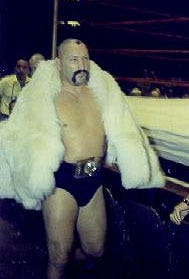
Newton Tattrie\Geeto Mongol 7-18-2013 at the age of 82
The Life and Career of Ann Casey
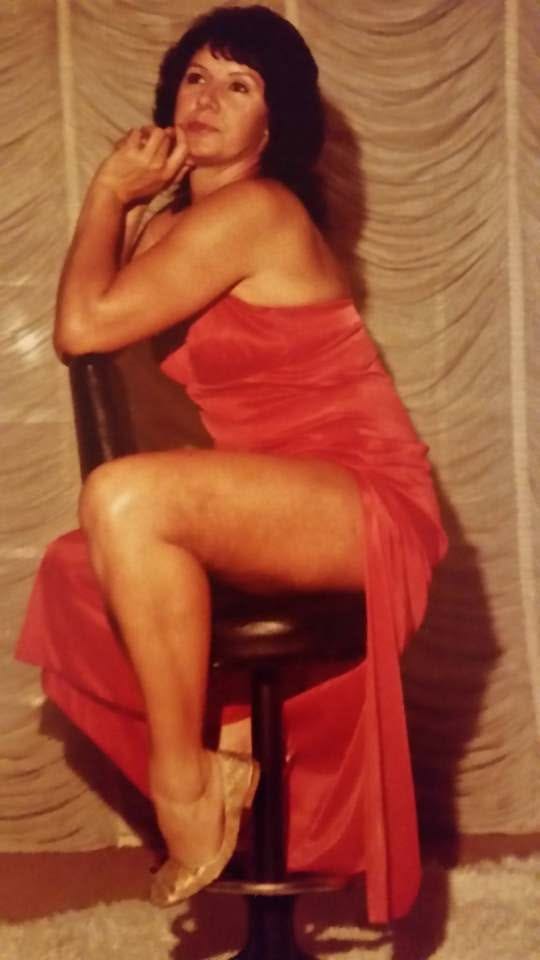
Lucille Ann Casey, better known to wrestling fans as Ann Casey or the Panther Girl, lived a life that read like a Southern gothic novel crossed with the hard-knock realities of territorial-era professional wrestling. Born on September 29, 1938, in Saraland, Alabama, as one of nine children to John B. Casey, a man of Irish descent with a violent streak, and Viola Lillian Smith, who carried Creek Indian ancestry, Ann entered a world of hardship from the start. The family soon moved to a cotton farm near Lucedale in southern Mississippi, where young Ann toiled in the fields as what she later described as a “white slave, a 10-fingered cotton-picking machine.” Her father had wanted a boy to work the land and showed little affection; beatings from both parents were routine, and one incident left a permanent scar on her cheek from a blunt knife. Electricity arrived in their rural community when she was five, but the comforts of modern life did little to soften the daily grind or the emotional scars of an abusive home.
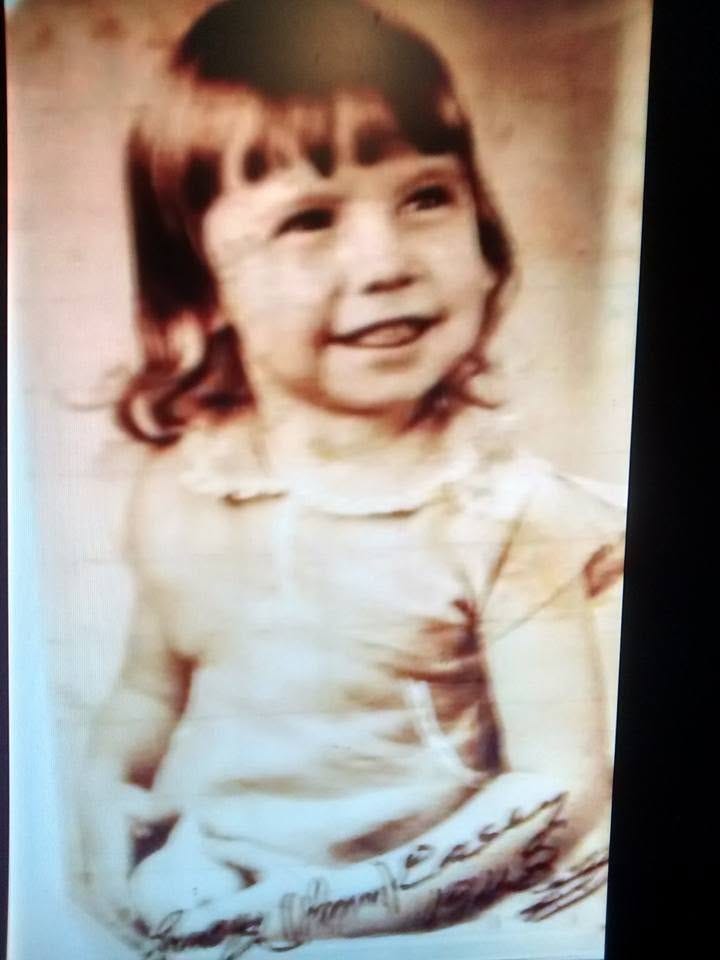
The farm, however, forged something extraordinary in her. Barefoot sprints across fields, fence-jumping, and relentless physical labor built a powerful, athletic frame—strong legs, muscular back, and remarkable agility with high arches that would later serve her spectacularly in the ring. She grew into a tall, striking young woman at 5-foot-8, with the kind of natural beauty and presence that turned heads. After high school, a brief early marriage (she eloped young, faking her age) produced a son, George, but ended in annulment under pressure from her father. As a single mother navigating the 1950s recession, Ann took whatever work she could find, eventually landing a job in 1960 selling tickets and working the box office for the Fields Brothers wrestling promotion in Mobile, Alabama. It was there, amid the smoke and roar of the National Guard Armory shows, that her destiny shifted.
The Fabulous Moolah—Mary Lillian Ellison, the dominant figure in women’s professional wrestling—spotted the tall, leggy ticket seller and saw potential. Moolah offered training and a path out of poverty. In 1962, Ann drove her old Ford to Columbia, South Carolina, and entered Moolah’s grueling training camp. She adapted quickly, her farm-honed body proving ideal for the demands of the ring. Her professional debut came that fall in Spartanburg, South Carolina, in a tag team match alongside Judy Grable against Rita Cortez and Brenda Scott. Billed as the Panther Girl in a revealing leopard-print swimsuit, with long dark curls and dramatic makeup, she exploded over the top rope to the crowd’s delight. The announcer’s introduction and her athletic display made an immediate impression. Moolah, impressed by her protégé’s speed and power, pushed her hard, though the arrangement came with the usual territorial-era costs: a significant cut of earnings, strict control, and the grind of constant travel.
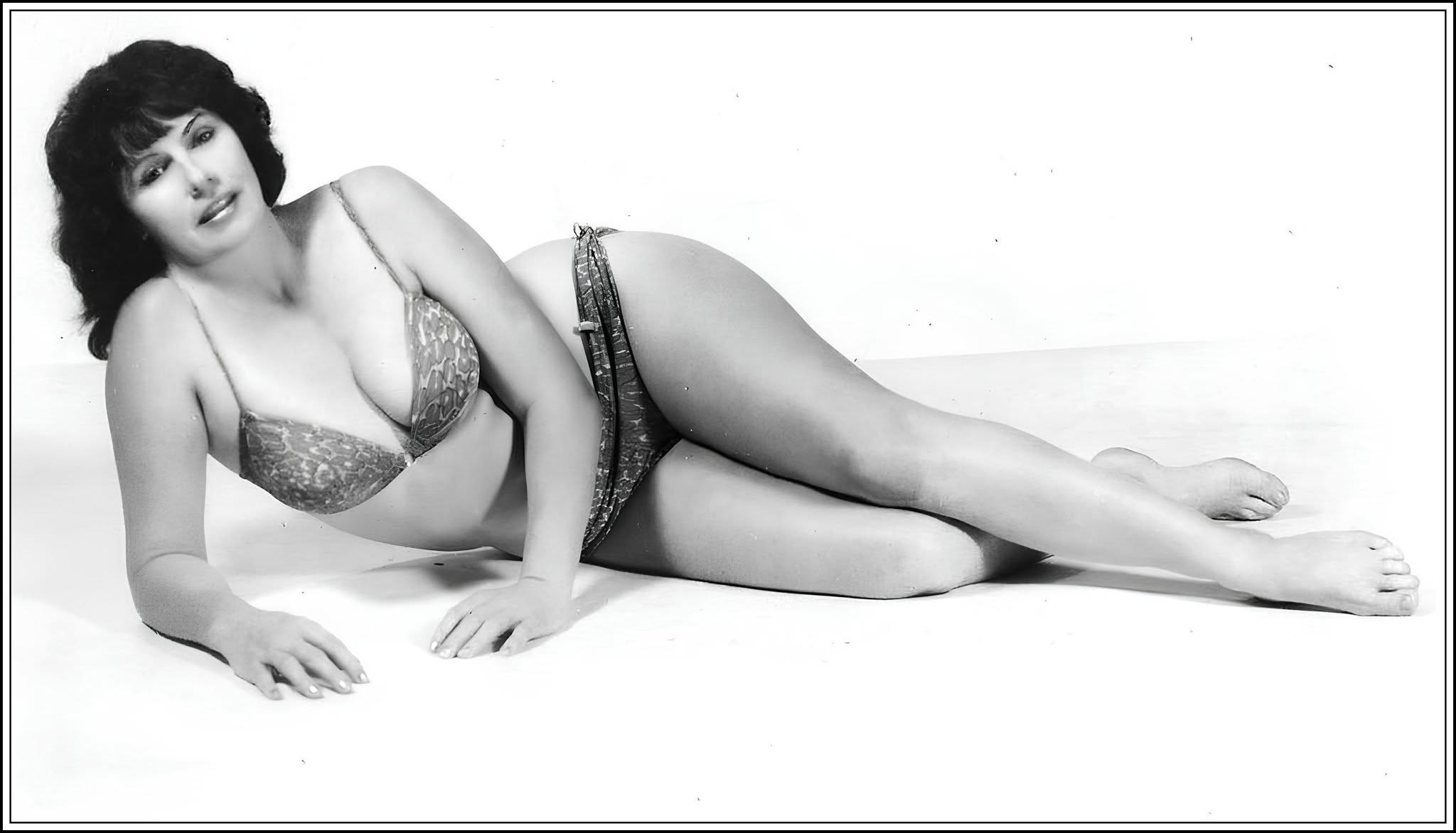
Casey’s early years under Moolah’s banner took her across the South and beyond. She barnstormed small towns and larger venues alike, often sleeping in cars and surviving on minimal food between towns. Her style stood out—powerful dropkicks delivered with precision and a signature airplane spin finisher that could whirl and slam opponents to the mat. She frequently competed barefoot after an early boot-related injury, turning her natural agility into a visual and functional advantage. Opponents and fans alike noted her athleticism and striking appearance; she became one of the first true “pinup” figures in women’s wrestling, blending genuine in-ring skill with sex appeal in an era when women’s matches were often treated as sideshows.
A brief but memorable interlude came in Hawaii, where she participated in what some accounts describe as one of the first women’s tag team matches on the big island. There she fell in love with a local surfer and chose to stay, prompting a furious split with Moolah. Returning to the mainland, Casey struck out more independently, working for major promoters including Vince McMahon Sr. and Jr. in the Northeast and Leroy McGuirk in Oklahoma and surrounding territories. She appeared at Madison Square Garden, most notably against Donna Christanello in a match that brought one of her largest payoffs. Other highlights included tag team bouts with Penny Banner and later with Vivian Vachon, victories over wrestlers such as Kay Noble, and tough contests against Mae Young, Bette Boucher, and others. She also formed strong working relationships with talents like Sweet Georgia Brown, Toni Rose, and Anne Laverne, while developing a particular dislike for matches against Cora Combs and, at times, Moolah herself when their paths crossed as opponents.
By the early 1970s, Casey had established herself as a serious contender in the fragmented landscape of women’s wrestling under the National Wrestling Alliance umbrella and beyond. In 1970 she captured the Mississippi State Ladies Championship in a hard-fought match in Water Valley, using her airplane spin to secure victory before a large local crowd. Her reputation grew for delivering exciting, athletic performances in an era when women’s wrestling was still fighting for respect and consistent booking. She traveled widely, sometimes bringing her son George along during summers, and earned praise from grizzled announcers and fans for both her physique and her in-ring ability.
Tragedy struck in 1973. After discovering that her teenage son had become entangled with a drug trafficking operation involving a truck driver, Ann intervened and cooperated with authorities to protect him. The trucker, learning of her actions, ambushed her at an intersection near Columbus, Mississippi. Multiple shots from a German Luger struck her—grazing her head, passing through her chest (miraculously missing her heart), and lodging in her liver. In a display of sheer will, she drove herself to a service station, where she collapsed, reportedly asking only, “Why?” Surgeons fought to save her life; she flatlined twice on the operating table. Doctors told her she would never wrestle again and would likely need crutches. Moolah reportedly wept upon hearing the news, and Ann’s father showed rare emotion. Yet within months, through relentless rehabilitation, she returned to the ring stronger than before.
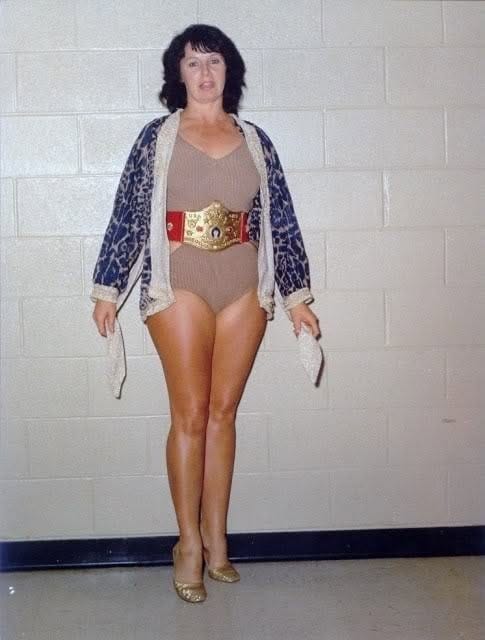
The comeback proved triumphant. In 1974, at a small show in Liberty Hill, South Carolina, Moolah allowed Casey to defeat her for the USA Women’s Wrestling Championship. Ann remained undefeated with the title for the rest of her career, defending it successfully into her later years. Later that December, she won the vacated NWA United States Women’s Championship by defeating Toni Rose. She held the prestigious NWA title for approximately four years before eventually dropping it to Joyce Grable. In 1975, Pro Wrestling Illustrated named her Girl Wrestler of the Year, a fitting recognition of her peak form and popularity. She continued to compete against top talent, including Leilani Kai later in her career, and maintained a strong presence in Southern territories and occasional national spots.
Personal life brought further chapters of resilience and reinvention. In the late 1970s she remarried, and a daughter, Lucy, was born. The demands of motherhood led her to cut back on extensive travel while still wrestling locally in Mississippi and Alabama. She took a steady job as a dispatcher with the Mississippi Forestry Commission from 1980 to 1985. After that period, she pursued formal education with characteristic determination: she earned a paralegal license and then a bachelor’s degree in criminal justice with a minor in psychology from the University of South Alabama around 1990. She later worked as a bail bondsman and bounty hunter—once using her wrestling-honed instincts and strength during a chaotic pursuit that ended in a tumble through red ants—and even opened a barbecue restaurant with her daughter in southern Mississippi.
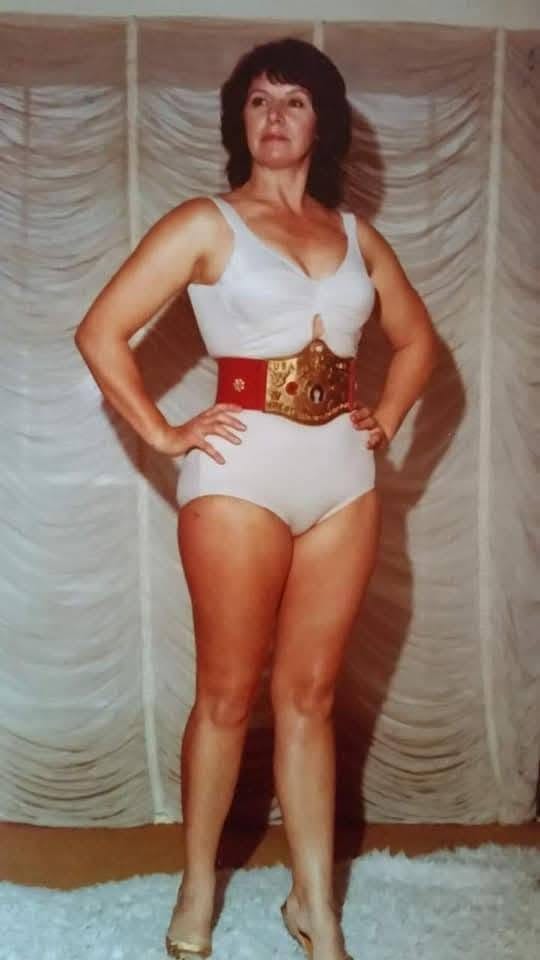
In 1998, at age 56, Casey took up long-haul trucking, driving 18-wheelers cross-country and earning solid money before health concerns forced her to step away. Her final documented match came in 1990, when she defeated Judy Grable to retain the USA Women’s Championship. She never lost that title in the ring. Throughout her career she had been known as a natural babyface—wholesome, Southern, and relatable—whose attempts at heel tactics sometimes backfired comically, as when a language lesson in El Paso led to her unintentionally insulting a Mexican crowd in Spanish and drawing a barrage of debris.
After retirement, Casey documented her extraordinary journey in a lengthy self-published autobiography, The Lady, The Life, The Legend, released in multiple volumes around 2009. The book delivers a sweeping, first-person chronicle of her entire life, far beyond ring exploits. It begins with her difficult rural upbringing in Saraland, Alabama (born Lucille Ann Casey on September 29, 1938), and the move to a cotton farm near Lucedale/Agricola, Mississippi. She details the abusive household—violent parents, her father’s disappointment at not having a son for field work, physical punishments, and emotional neglect—alongside the physical forging of her athletic body through farm labor (cotton picking, barefoot running, fence-jumping).
Early chapters cover her brief teenage marriage (elopement, son George born shortly after), annulment under family pressure, single motherhood, and odd jobs that led to her entry into wrestling. The pivotal 1960 meeting with The Fabulous Moolah at the Fields Brothers promotion in Mobile, Alabama, and her subsequent training in Columbia, South Carolina, receive in-depth treatment: the bunkhouse gym, rigorous drills, bunkmates like Judy Grable and Brenda Scott, and her transformation into the Panther Girl in leopard-print attire.
Her wrestling career forms the core narrative—debut tag match in Spartanburg (1962), barnstorming tours under Moolah’s control (earnings splits, travel hardships, sleeping in cars), the Hawaii interlude and romantic entanglement that caused a split with Moolah, independent work for promoters like Vince McMahon Sr./Jr. and favorite Leroy McGuirk, major venues including Madison Square Garden, and signature style (powerful dropkicks, airplane spin finisher, often barefoot after a boot injury).
Vivid anecdotes include the Elvis Presley dressing-room visit (pig’s feet, Coca-Cola, Southern bonding, and a kiss), colorful ribs (the dead rattlesnake prank in Jackson and the disastrous Spanish phrase in El Paso that incited a crowd), fan encounters, and specific matches against talents like Toni Rose, Donna Christanello, Sweet Georgia Brown, Natasha the Hatchet Lady, Mae Young, and others. Partnerships (e.g., with Vivian Vachon or Penny Banner) and rivalries are explored.
The dramatic centerpiece is the 1973 shooting in Mississippi—her son’s entanglement with a drug-trafficking truck driver, her intervention and cooperation with authorities, the ambush at an intersection (multiple gunshot wounds including liver trauma), her drive to a gas station, “Why?” moment, flatlining twice in surgery, and miraculous recovery against doctors’ predictions. This leads into her 1974 comeback: winning the USA Women’s Wrestling Championship from Moolah (undefeated thereafter) and the vacated NWA United States Women’s Championship from Toni Rose (held approximately four years before losing to Joyce Grable). She covers the 1975 Pro Wrestling Illustrated Girl Wrestler of the Year honor, continued wrestling into her fifties, and her final match in 1990 against Judy Grable to retain the USA title.
Later sections shift to personal reinvention: remarriage (to Phillip Yates), birth of daughter Lucy, scaling back travel for motherhood, jobs with the Mississippi Forestry Commission, pursuit of education (paralegal license and bachelor’s in criminal justice with psychology minor from University of South Alabama), bail bonds/bounty hunting work (including a chaotic incident involving a jumper and red ants), opening a barbecue restaurant, and long-haul trucking in the late 1990s. Health struggles, reflections on resilience, family dynamics (estrangement from son George), and wrestling’s impact on her personality and outlook are woven throughout. The book likely closes with her post-retirement life, the Cauliflower Alley Club honor in 2004, and the act of writing her story itself.
The writing is raw, detailed, and narrative-driven rather than a dry chronology. The most accessible public window into its voice is the December 2014 shorter adaptation in Victory Journal (“The Legend of Panther Girl”), explicitly drawn from the autobiography. That piece employs a vivid, almost pulp-fiction style—sensory details of farm life (“10-fingered cotton-picking machine”), dramatic tension in the shooting (“blood jetted walls,” flatlining, garden vision), emotional directness, and colorful Southern storytelling. Expect a first-person Southern voice: honest about trauma and exploitation (Moolah’s control and cuts, industry grind for women), proud of athletic achievements and beauty that made her a standout “pinup” wrestler, and reflective on grit, reinvention, and legacy. It is not sanitized; it confronts abuse, violence, single motherhood struggles, and the physical/ emotional toll of the road.
Her Cauliflower Alley Club interviews (conducted by Kurt Nielsen, available in archived parts online) align closely in tone and content—likely drawing from or paralleling the book—with candid quotes on training, favorite opponents/promoters (Leroy McGuirk tops her list), hated matchups (Cora Combs and Moolah in certain contexts), ribs, last match, titles (USA Women’s undefeated; also Southern States and Mississippi State Ladies), and post-career life. She comes across as modest yet proud, resilient, and still connected to wrestling.
Physical copies are rare and likely held in private collections, wrestling archives, or by family/historians. No active commercial POD or ebook appears publicly available. The 2014 Victory Journal adaptation (online at victoryjournal.com) serves as the best public proxy for the book’s storytelling essence and many key stories. For deeper access, networking through Cauliflower Alley Club circles, wrestling historians, or post-2021 family contacts (via Brent Casey mentions) would be the practical path—similar to how other obscure territorial-era self-published works circulate among researchers.
In short, Ann Casey’s autobiography is a monumental, unfiltered self-portrait: part survival memoir, part wrestling history, part Southern life story. Its scale and candor make it invaluable for anyone studying women’s roles in the territorial system or the personal price of a pioneering career in the ring. The condensed Victory Journal version captures its dramatic heart, while the full volumes represent her determination to own and share her complete legacy on her own terms—much like the resilience that defined her airplane spins and comebacks.
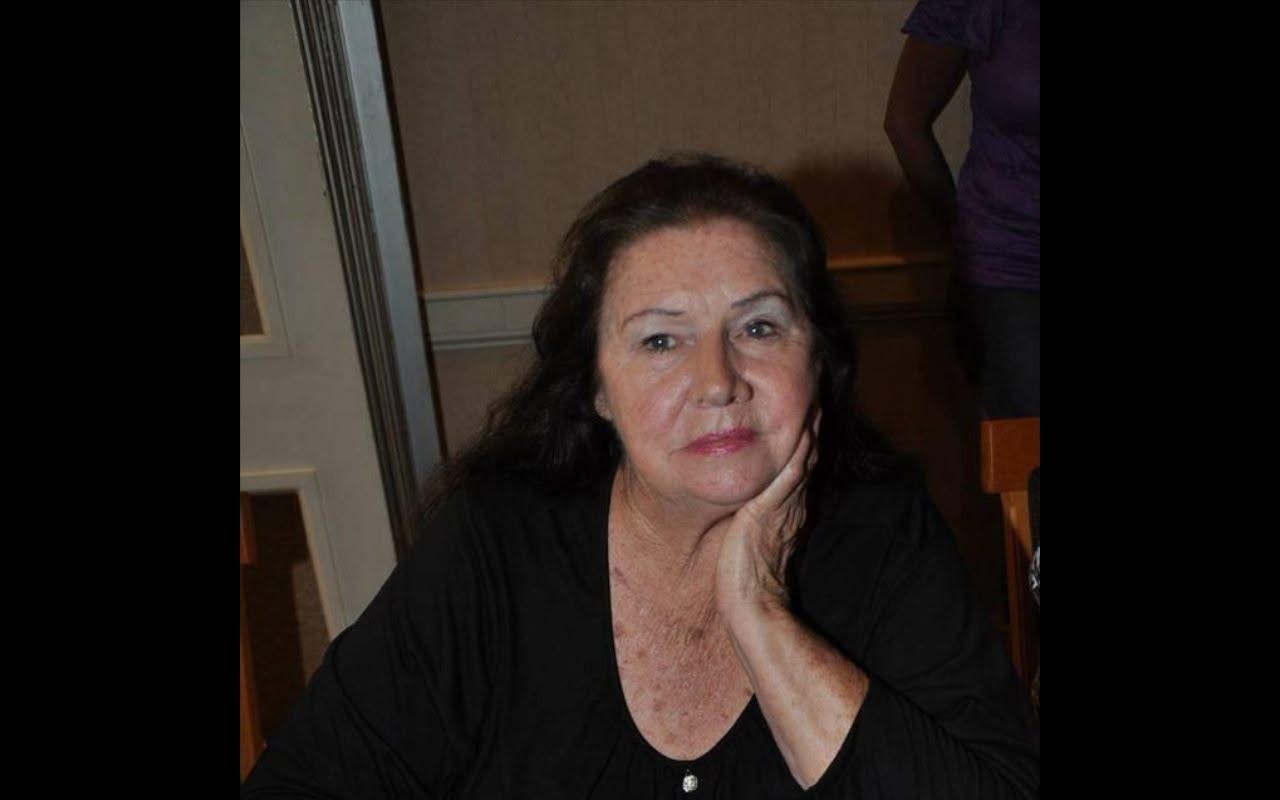
She remained connected to wrestling through fan groups and online engagement. In 2004 the Cauliflower Alley Club honored her with its Women’s Wrestling Award (sometimes referenced in connection with the Art Abrams Lifetime Achievement Award), a moment she approached with typical modesty while getting back into gym shape, even joking about one last match against Moolah. Health challenges persisted—she suffered a heart attack in 2005 and faced later illnesses—but her spirit endured.
Ann Casey passed away on March 1, 2021, at the age of 82. Her story remains one of the most compelling in women’s professional wrestling history. From the cotton fields of Mississippi to the bright lights of Madison Square Garden and the battlegrounds of NWA territories, she overcame abusive beginnings, near-fatal violence, industry politics, and the limitations placed on women wrestlers of her era. Her athleticism, resilience, and undeniable presence helped elevate the visibility and respect for women in the territorial system. The Panther Girl did not merely survive; she thrived, won championships, inspired fans, raised children, educated herself, and lived multiple lives with the same grit that carried her over the top rope night after night. In an industry built on larger-than-life characters, Ann Casey’s real-life legend stands as authentic and enduring as any airplane spin she ever delivered.
One Thing I Learned About Geeto Mongol
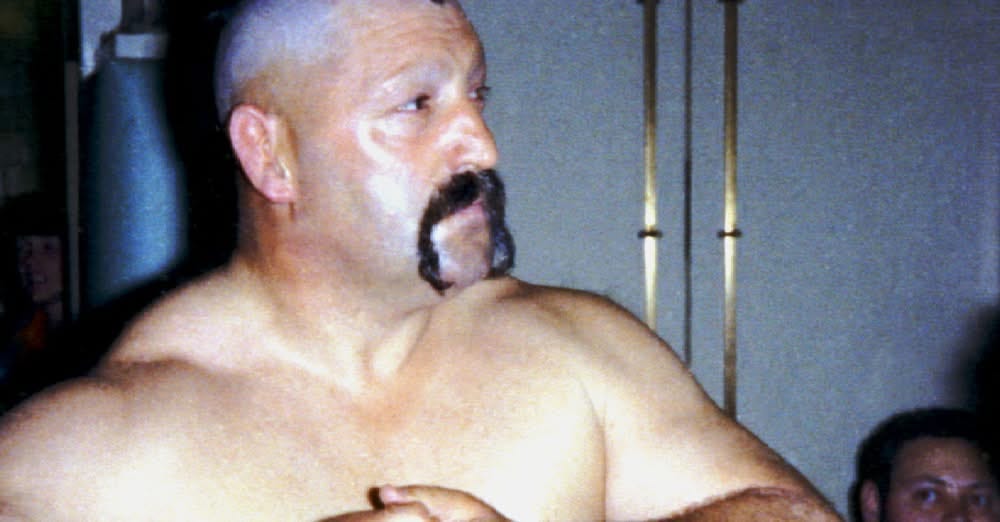
He once wrestled under the gimmick of “Skunkman,” complete with a de-scented pet skunk as part of the act. In one memorable match against Terrible Ted (the 700-pound wrestling bear), the bear caught sight of the skunk and bolted through the crowd—leading the referee to count the bear out for failing to return to the ring. 
This quirky, comedic side of Tattrie contrasts with his more famous menacing Mongol persona and highlights the creative (and sometimes absurd) experimentation common in territorial wrestling.
Thank You for Reading
I’m Tony Richards, Pro Wrestling Historian, Author and Storyteller. I share pro wrestling historical items in each issue of the Time Tunnel Pro Wrestling History Newsletter. Thanks for reading! If you enjoy my information on select events, matches and insights, please share it with folks you think might like to be a subscriber!
Remember, premium investors get access to exclusive and special content such as some special issues including a multi-part deep dives on wrestling territories, wrestler bios and championship title histories, special audio and video interviews on territory pro wrestling and more available in the Pro Wrestling Time Tunnel for Premium Investors.