



Happy Birthday to those who have passed on and to those great wrestlers still with us:
In Memoriam:
Frankie Talaber 1912
Edouard Carpentier 1926
Jean Antone 1943
Randy “Pee Wee” Anderson 1959
Shannon Sprull\Daffney 1975
Happy Birthday:
Michael Hettings\Mike Knox (48)
Dean Muhtadi\Mojo Rawley (40)
Lacey Adkisson\Lacey Von Erich (40)
RIP Memorial: We stop & remember those who have passed on this day and gave themselves to the business for us, the fans. We salute you and thank you.
Gus Schoenlein\Americus 7-17-1958 at the age of 74
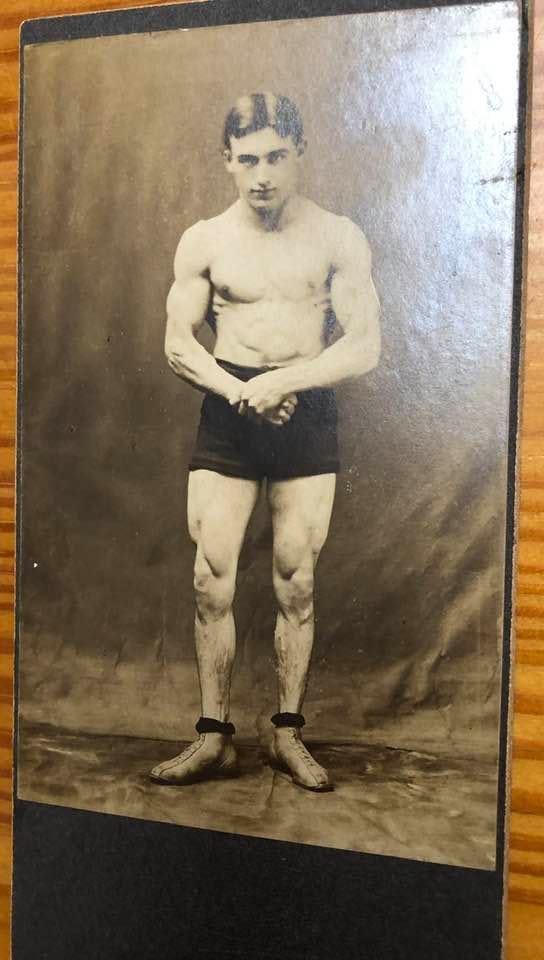
Paul Bowser 7-17-1960 at the age of 74

Frank Goodish\Bruiser Brody 7-17-1988 at the age of 42
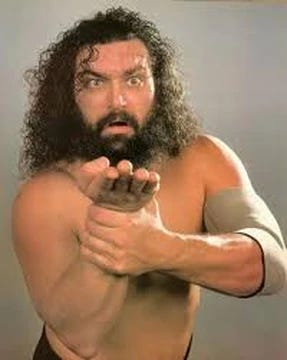
Al “King Kong” Kashey 7-17-2005 at. the age of 75
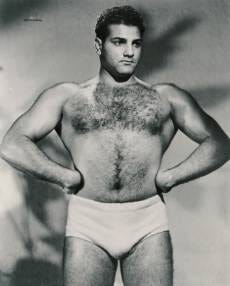
Dale Mann 7-17-2017 at the age of 78
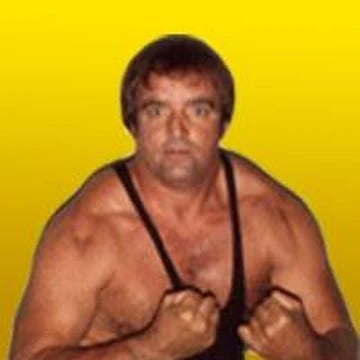
The Lfe and Career of Jesse Ventura
Jesse Ventura carved one of the most improbable and colorful paths in modern American life. A Vietnam-era Navy SEAL turned flamboyant professional wrestler, actor, broadcaster, and ultimately the 38th Governor of Minnesota, Ventura repeatedly reinvented himself while refusing to be confined by conventional expectations. His 1998 election as a Reform Party candidate stunned the political establishment, proving that a larger-than-life personality from the squared circle could capture a governorship with a shoestring budget and raw authenticity. Yet Ventura’s story is far richer than a single upset victory. It spans military service, territorial wrestling trenches, national entertainment fame, local and state governance, authorship, and decades of provocative media commentary. Through it all, he maintained the brash, unfiltered persona that first made him “Jesse ‘The Body’ Ventura.”
Early Life and Military Service

Born James George Janos on July 15, 1951, in Minneapolis, Minnesota, Ventura grew up in a working-class family shaped by World War II. His parents, George William Janos and Bernice Martha (née Lenz), were both veterans; his mother worked as a nurse anesthetist, and his father for the city street department. He has described his heritage as Slovak on his father’s side and German on his mother’s, and he was raised Lutheran. Janos attended Cooper Elementary and Sanford Junior High before graduating from Roosevelt High School in 1969, where he participated in football and swimming.
Like many young men of his generation, he faced the draft and the Vietnam War. In December 1969 he enlisted in the U.S. Navy. He completed the grueling Basic Underwater Demolition/SEAL (BUD/S) training as part of Class 58 in December 1970 and served with Underwater Demolition Team 12 before transitioning to SEAL Team 1. His active-duty service included time in the Mekong Delta and with an amphibious ready group in the South China Sea, homeported in the Philippines. He received the National Defense Service Medal, Vietnam Service Medal, Republic of Vietnam Campaign Medal, and Navy Expeditionary Medal. Ventura was discharged in September 1975 as a Petty Officer Third Class. He has often credited the discipline, resilience, and skepticism forged in the military for shaping his later worldview and public persona.
The Birth of “Jesse ‘The Body’ Ventura”
After leaving the Navy, Ventura briefly attended North Hennepin Community College on the G.I. Bill and worked as a bouncer. A chance visit to a wrestling show in Minneapolis changed everything. Watching “Superstar” Billy Graham perform with his charismatic, muscular, bleach-blond heel persona, Ventura saw a possible future. He began training under Eddie Sharkey and debuted professionally in 1975 in the Central States territory.
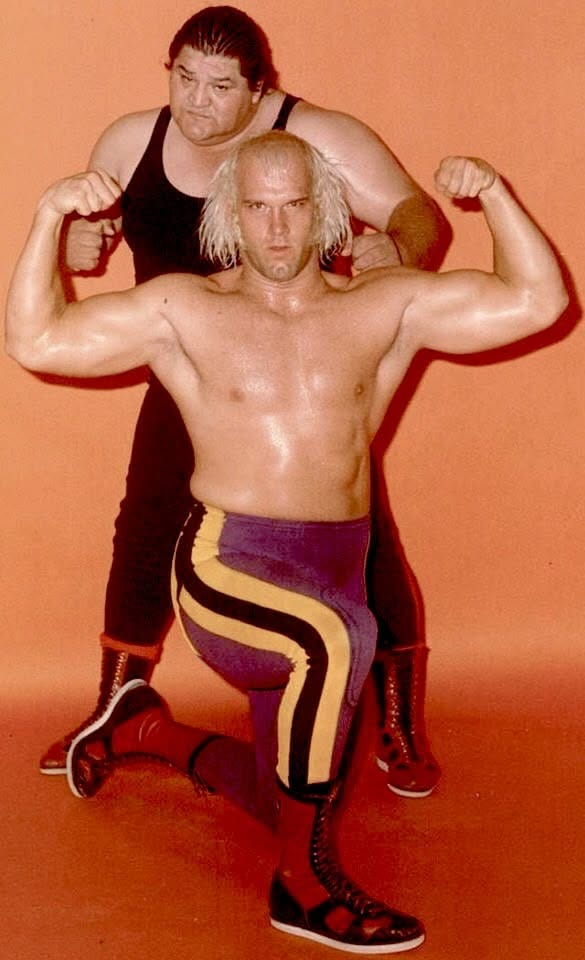
Pictured: Jesse Ventura and Apache Bull Ramos
He quickly moved to Pacific Northwest Wrestling, where promoter Don Owen billed him as Jesse “The Great” Ventura before he fully embraced the “Jesse ‘The Body’ Ventura” gimmick. Billed from San Diego or later Brooklyn Park, Minnesota, the 6-foot-2, 245-pound performer cultivated an arrogant beach-bodybuilder image complete with feather boas, leopard-print tights, and a strutting, trash-talking style. He revived Gorgeous George’s old motto — “Win if you can, lose if you must, but always cheat!” — and emblazoned it on T-shirts. In Portland, he feuded memorably with Dutch Savage and Jimmy Snuka, capturing the Pacific Northwest Wrestling title twice and the tag team title five times (with partners including Bull Ramos, “Playboy” Buddy Rose, and Jerry Oates). He also won versions of the NWA World Tag Team Championship (Central States) and NWA Hawaii Tag Team Championship.
AWA Success and the National Stage
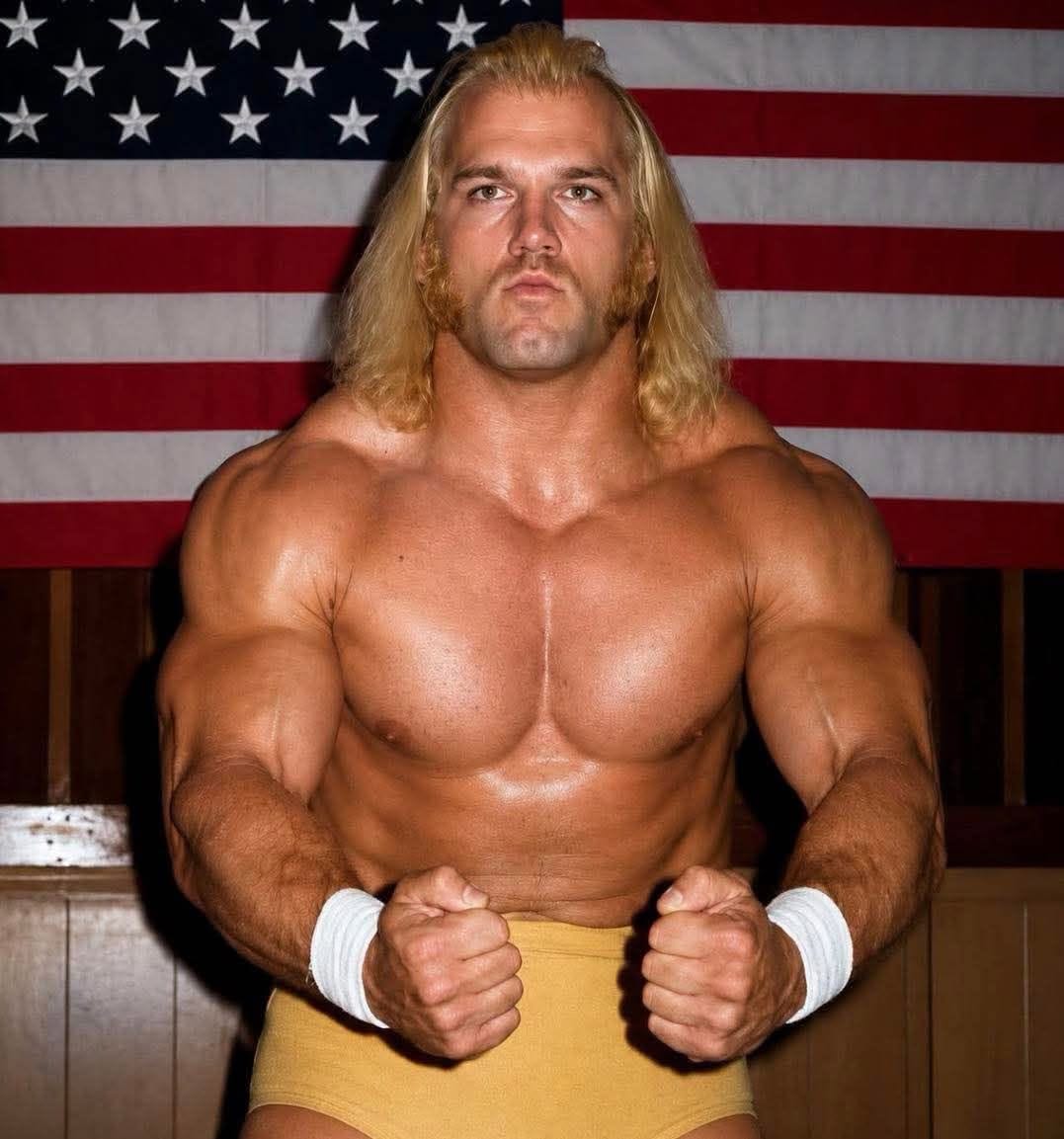
In 1979 Ventura returned to his home state and joined the American Wrestling Association. There he formed the “East-West Connection” tag team with Adrian Adonis. On July 20, 1980, they won the AWA World Tag Team Championship by forfeit when Verne Gagne and Mad Dog Vachon failed to defend. They held the titles for nearly a year, showcasing Ventura’s growing mic skills and larger-than-life presence alongside Adonis’s flamboyance.
Ventura’s charisma and in-ring presence attracted attention from the expanding World Wrestling Federation. He and Adonis moved to the WWF in 1981. While they never captured the WWF World Tag Team Championship, they earned high-profile shots against champion Bob Backlund. Ventura’s in-ring career was cut short in September 1984 after a series of matches against Hulk Hogan. Doctors discovered blood clots in his lungs — a pulmonary embolism that Ventura long attributed to exposure to Agent Orange during his Vietnam service. The condition forced his primary retirement from active wrestling, though he made limited returns, including a 1985 angle teaming with Randy Savage and Miss Elizabeth, and a final match in March 1990 alongside Roddy Piper against The Orient Express.
The Voice of Wrestling: Color Commentary Stardom
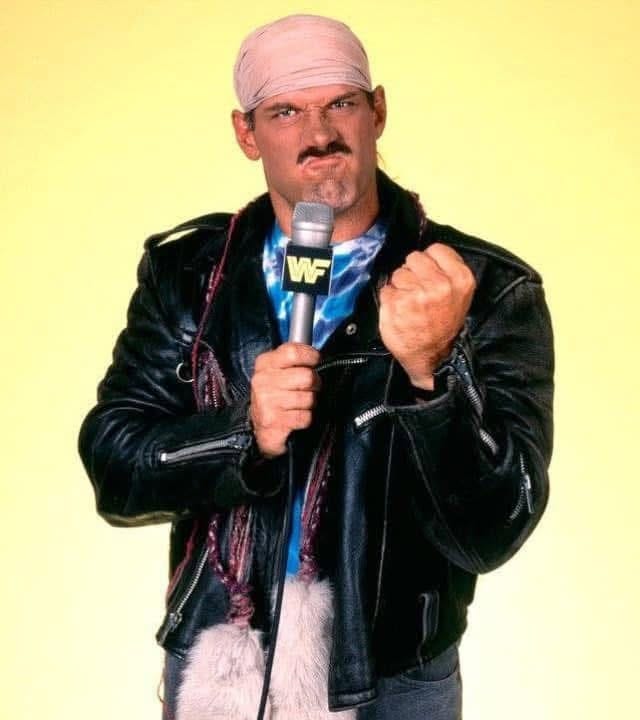
What might have ended Ventura’s wrestling career instead launched its most enduring chapter. He transitioned seamlessly into color commentary, becoming one of the most distinctive and controversial voices in the industry. Paired most famously with Gorilla Monsoon, Ventura called Superstars of Wrestling, Saturday Night’s Main Event, and the first six WrestleManias (plus numerous pay-per-views). His booming delivery, unapologetic heel bias, and willingness to praise athletic babyfaces like Ricky Steamboat or Randy Savage while excoriating others made him essential viewing. He hosted the interview segment “The Body Shop” and became a merchandising and ratings draw in his own right. Wrestling Observer Newsletter readers voted him Best Color Commentator from 1987 to 1990. He briefly commentated for WCW in the early 1990s and later made select WWE returns, including as a SummerSlam 1999 referee and guest host roles into the 2020s.
Hollywood and Parallel Fame
Ventura’s physique, voice, and persona opened doors in Hollywood. His most iconic role came in 1987’s Predator, where he played Blain Cooper alongside Arnold Schwarzenegger. The film gave him the memorable line “I ain’t got time to bleed,” which became a cultural touchstone and the title of his later bestselling book. Other credits included The Running Man (1987) as Captain Freedom, Demolition Man (1993), Batman & Robin (1997), and numerous cameos and supporting parts that leveraged his larger-than-life presence. He also appeared in television, commercials (notably Miller Lite), and even served as a bodyguard for the Rolling Stones in the late 1970s and early 1980s.
Political Awakening: Mayor of Brooklyn Park
Ventura’s first foray into elected office came in 1990. Running as a nonpartisan candidate, he defeated incumbent Jim Krautkremer to become mayor of Brooklyn Park, Minnesota, winning 63 percent of the vote. He served from January 1991 to January 1995. Remarkably, he continued color-commentating for WCW during much of his mayoral term. His time in local government gave him practical experience in budgeting, public safety, and constituent service while reinforcing his independent streak.
The 1998 Earthquake: Governor of Minnesota
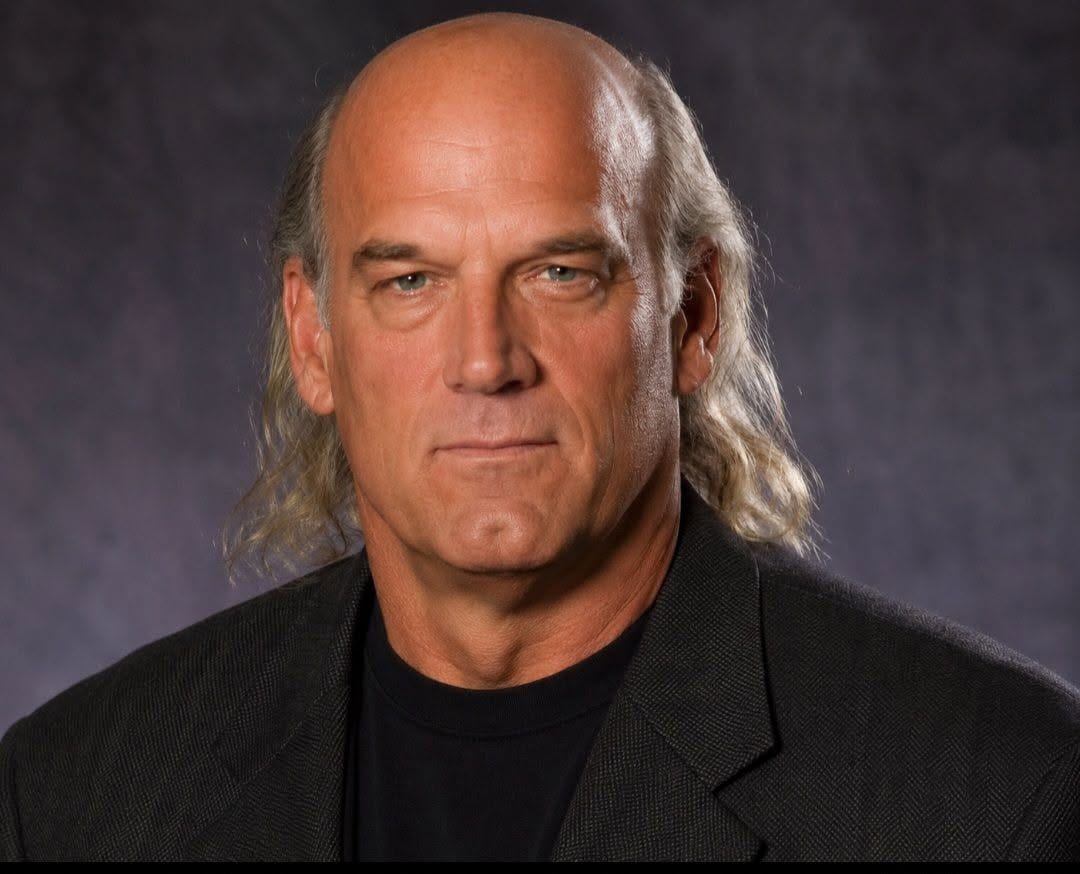
After leaving office, Ventura hosted a popular sports radio show on KFAN and KSTP. In 1998 he made the leap that would define his public legacy. Running as the Reform Party nominee for governor, with teacher Mae Schunk as his running mate, Ventura mounted a low-budget, grassroots campaign masterminded by Doug Friedline and featuring memorable ads by Bill Hillsman. The central slogan — “Don’t vote for politics as usual” — and pioneering use of the internet resonated with voters disillusioned by the two major parties.
On November 3, 1998, Ventura pulled off one of the great political upsets in modern American history. He defeated Democratic-Farmer-Labor Attorney General Hubert H. “Skip” Humphrey III and Republican St. Paul Mayor Norm Coleman, capturing 37 percent of the vote (773,713 votes) to Coleman’s 34.3 percent and Humphrey’s 28.1 percent. In his victory speech he declared, “We shocked the world!” Merchandise proclaiming “My governor can beat up your governor” became instant classics. He later left the Reform Party amid internal disputes and finished his term as a member of the Independence Party of Minnesota.
Governing as an Outsider (1999–2003)
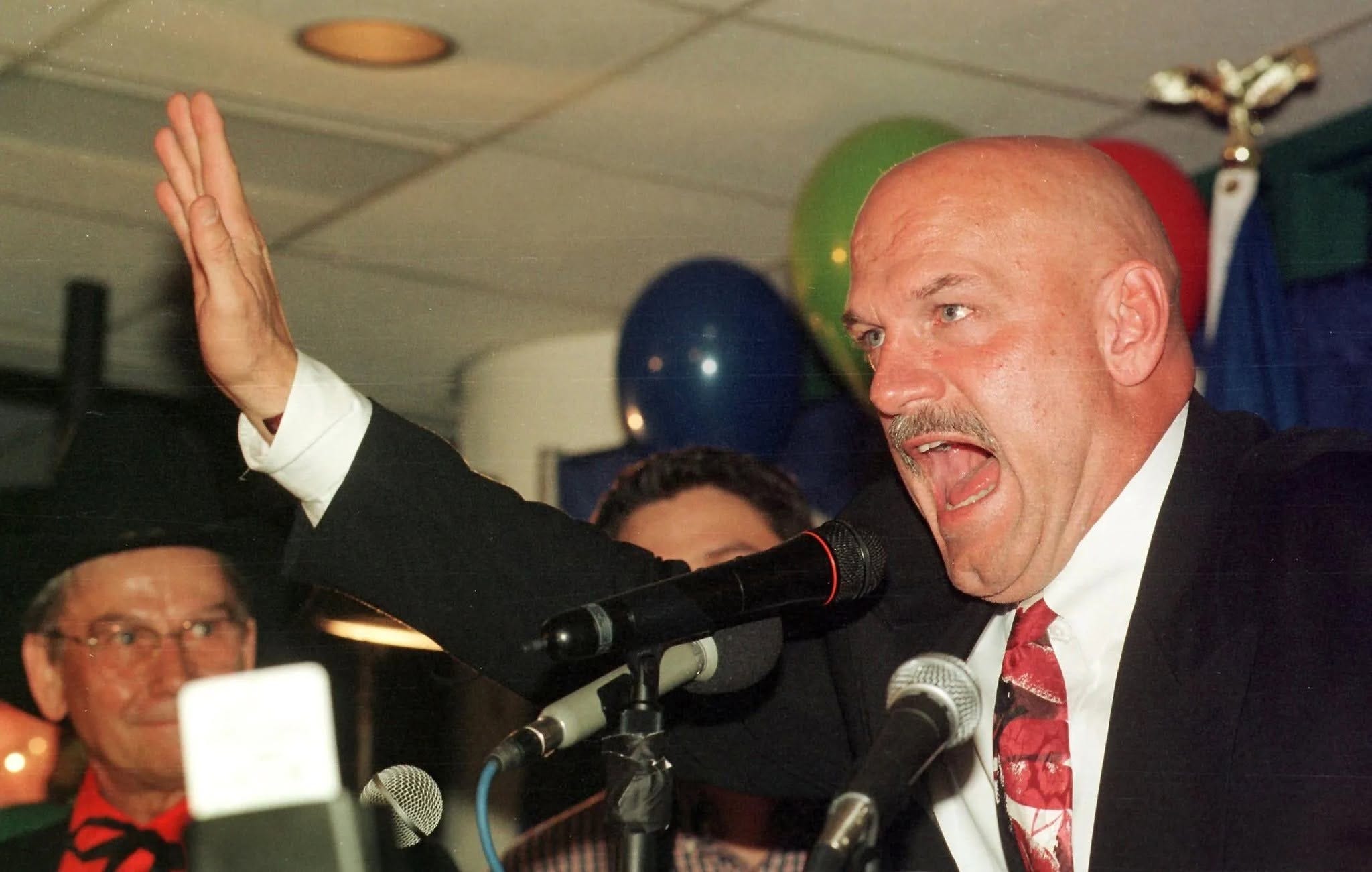
As governor from January 4, 1999, to January 6, 2003, Ventura pursued a fiscally conservative yet socially liberal agenda. His administration delivered popular annual sales tax rebates — affectionately called “Jesse Checks” — during budget surpluses. He advanced property tax reform, championed the METRO Blue Line light rail project for the Twin Cities, supported increased education funding (while clashing with teachers’ unions), and backed income tax cuts and land-use reforms. He was an early and vocal supporter of gay rights, recreational marijuana legalization, abortion rights, and even a unicameral legislature.
Yet governance proved challenging. Without a strong legislative base, many initiatives stalled. He vetoed dozens of bills; some overrides contributed to later budget pressures. His celebrity status drew intense media scrutiny. He clashed with reporters (famously labeling them “media jackals”), chose not to live in the Governor’s Residence for security reasons, and faced criticism that his administration focused more on his persona than policy substance. Approval ratings started high (peaking near 73 percent) but declined to around 40 percent by the end. A controversial 2002 appearance on Late Show with David Letterman and his decision to leave the Wellstone memorial service early added to the friction. In 2002 he announced he would not seek re-election, citing the toll on his family and frustration with media coverage over substantive issues.
Post-Governorship: Author, Provocateur, and Independent Voice
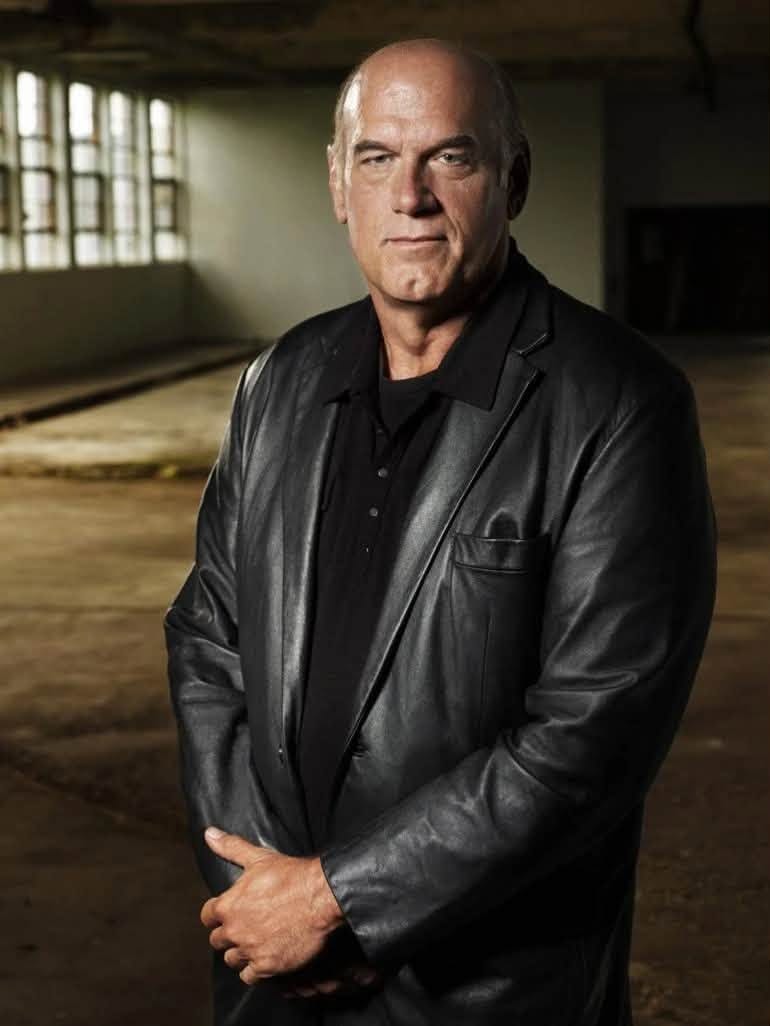
Ventura remained a prolific and polarizing public figure after leaving office. He authored or co-authored numerous books, beginning with the bestselling campaign memoir I Ain’t Got Time to Bleed (1999) and Do I Stand Alone? (2000). Later works included Don’t Start the Revolution Without Me! (2008), American Conspiracies (2010), DemoCRIPS and ReBLOODlicans (2012), They Killed Our President (2013), and Jesse Ventura’s Marijuana Manifesto (2016). These books critiqued the two-party system, explored government secrecy and conspiracy theories, and advocated for cannabis legalization and political reform.
On television he hosted Conspiracy Theory with Jesse Ventura (TruTV, 2009–2012), which investigated topics from 9/11 to secret societies and drew strong ratings alongside significant criticism for promoting unsubstantiated claims. He later hosted Off the Grid (Ora TV) and The World According to Jesse (RT America until 2022). He has been a frequent speaker, podcast guest, and political commentator, endorsing candidates across the spectrum including Ron Paul, Gary Johnson, Angus King, and in 2024 first Robert F. Kennedy Jr. before shifting support to Kamala Harris and Tim Walz. He has remained sharply critical of the two-party duopoly and, in recent years, of Donald Trump and aspects of contemporary Republican politics. As of 2026 he has expressed interest in potentially running again for Minnesota governor, noting he “only did one term” and felt “owed a second.”
Personal Life and Later Years
Ventura married Theresa “Terry” Larson Masters on July 18, 1975, three days after his 24th birthday. The couple has two children: son Tyrel, a film and television director and producer, and daughter Jade. They have split their time between White Bear Lake, Minnesota, and Los Cabos in Baja California Sur, Mexico. Ventura has spoken positively about the quality of life and lower costs in Mexico while maintaining strong ties to his home state. He has dealt with recurring health challenges related to blood clots, including a serious pulmonary embolism in 2002.
Legacy: The Body Who Became the Governing Body
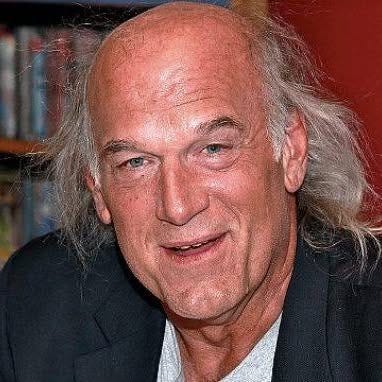
Jesse Ventura’s career defies easy categorization. He succeeded in four distinct arenas — elite military service, professional wrestling, Hollywood, and elective politics — while carrying a singular, unapologetic persona from the ring to the governor’s mansion and beyond. His 1998 victory remains a landmark moment demonstrating voter appetite for outsiders and the power of personality-driven, low-budget campaigns in the emerging internet age. His governorship delivered tangible results in transportation and tax relief but also highlighted the difficulties independent executives face within a partisan legislature and media environment.
Critics have accused him of prioritizing style and celebrity over substance, and his later embrace of conspiracy-oriented media has polarized audiences. Supporters admire his authenticity, willingness to challenge orthodoxies, and consistent anti-establishment message. For wrestling historians and fans, he remains a bridge between the territorial era’s colorful heels and the national spectacle of the 1980s WWF, as well as one of the most influential color commentators in the industry’s history.
Ultimately, Jesse Ventura’s life illustrates the possibilities — and contradictions — of reinvention in a media-saturated democracy. Whether body-slamming opponents, calling historic matches with Gorilla Monsoon, delivering iconic film lines, signing “Jesse Checks,” or grilling guests on conspiracy theories, he has always been unmistakably himself: loud, larger-than-life, and impossible to ignore. In an era often defined by carefully managed political images, Ventura’s unfiltered journey from Minneapolis streets to the heights of entertainment and governance stands as a uniquely American story of self-creation, disruption, and enduring cultural resonance.
One Thing I Learned About Edouard Carpentier
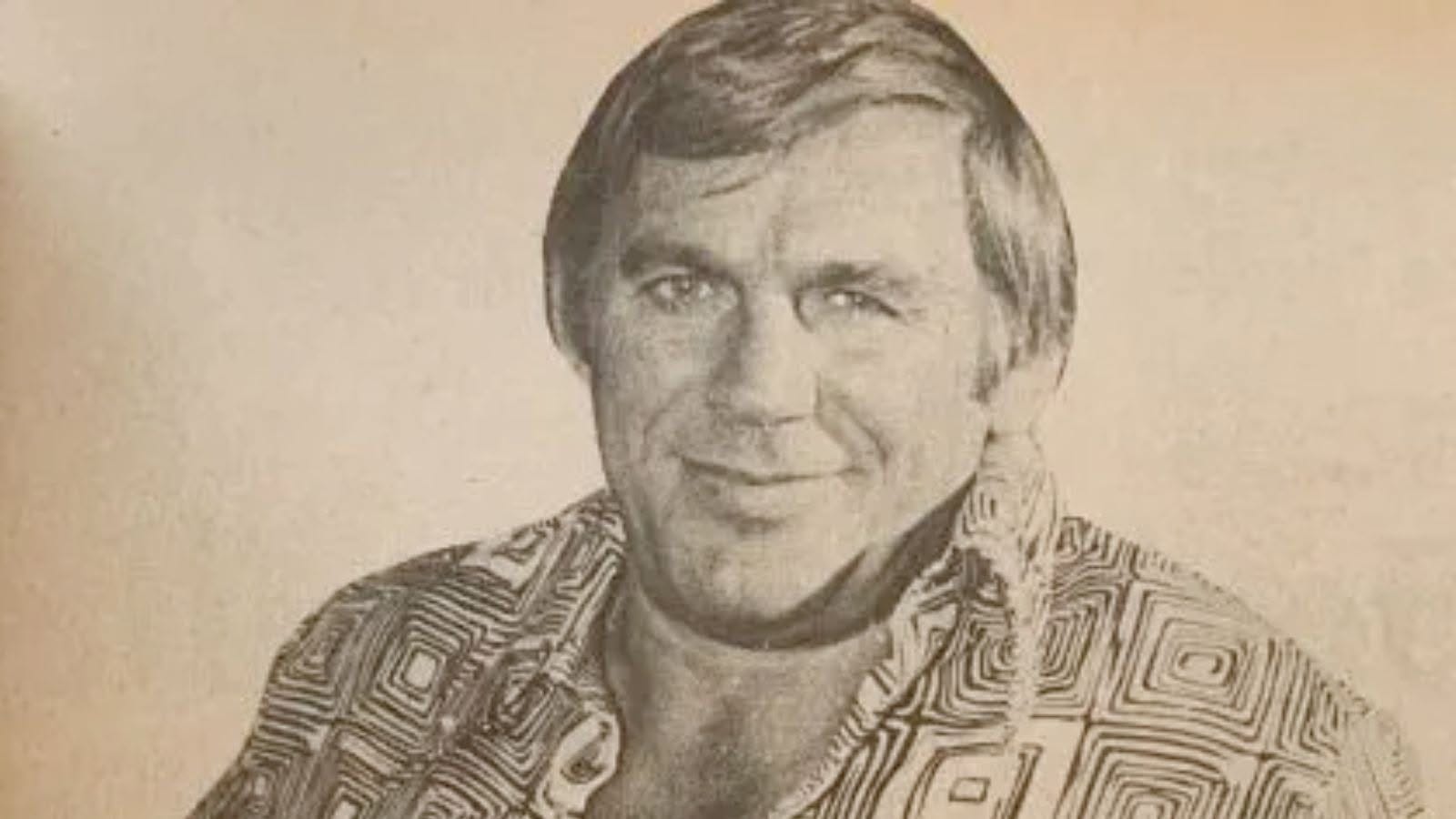
Before becoming the high-flying “Flying Frenchman” in pro wrestling, the Polish-Russian immigrant born in France in 1926 was a teenage member of the French Resistance during World War II. At age 16, he was captured by German forces, sent to a concentration camp near Paris, escaped, and continued fighting with the Resistance. For his bravery, he was awarded the Croix de Guerre and the Croix du combattant volontaire de la Résistance. 
This wartime heroism and resilience later informed his athletic, acrobatic wrestling style (rooted in gymnastics and Greco-Roman training), which stood out in an era when most heavyweights were grounded brawlers.

Thank You for Reading
I’m Tony Richards, Pro Wrestling Historian, Author and Storyteller. I share pro wrestling historical items in each issue of the Time Tunnel Pro Wrestling History Newsletter. Thanks for reading! If you enjoy my information on select events, matches and insights, please share it with folks you think might like to be a subscriber!
Remember, premium investors get access to exclusive and special content such as some special issues including a multi-part deep dives on wrestling territories, wrestler bios and championship title histories, special audio and video interviews on territory pro wrestling and more available in the Pro Wrestling Time Tunnel for Premium Investors.
Excellent piece. Jesse was also the color commentator for the Tampa Bay Buccaneers football radio broadcasts in 1989 & 1990.
Blassie managed the East-West Connection in the WWWF not AWA.