


Happy Birthday to those who have passed on and to those great wrestlers still with us:
In Memoriam:
Leo Burke 1911
William Cobb\Happy Humphrey 1926
Mighty Igor Vodik 1931
Happy Birthday:
Luis Rabadan, Jr\Blue Demon, Jr (60)
Chris Chetti (52)
Bobby Lashley (50)
Marc Letzmann\Excalibur (46)
Marshall Cuellari\QT Marshall (41)
Emile Charles Ballargeon-Laberge\”Speedball” Mike Bailey (36)
RIP Memorial: We stop & remember those who have passed on this day and gave themselves to the business for us, the fans. We salute you and thank you.
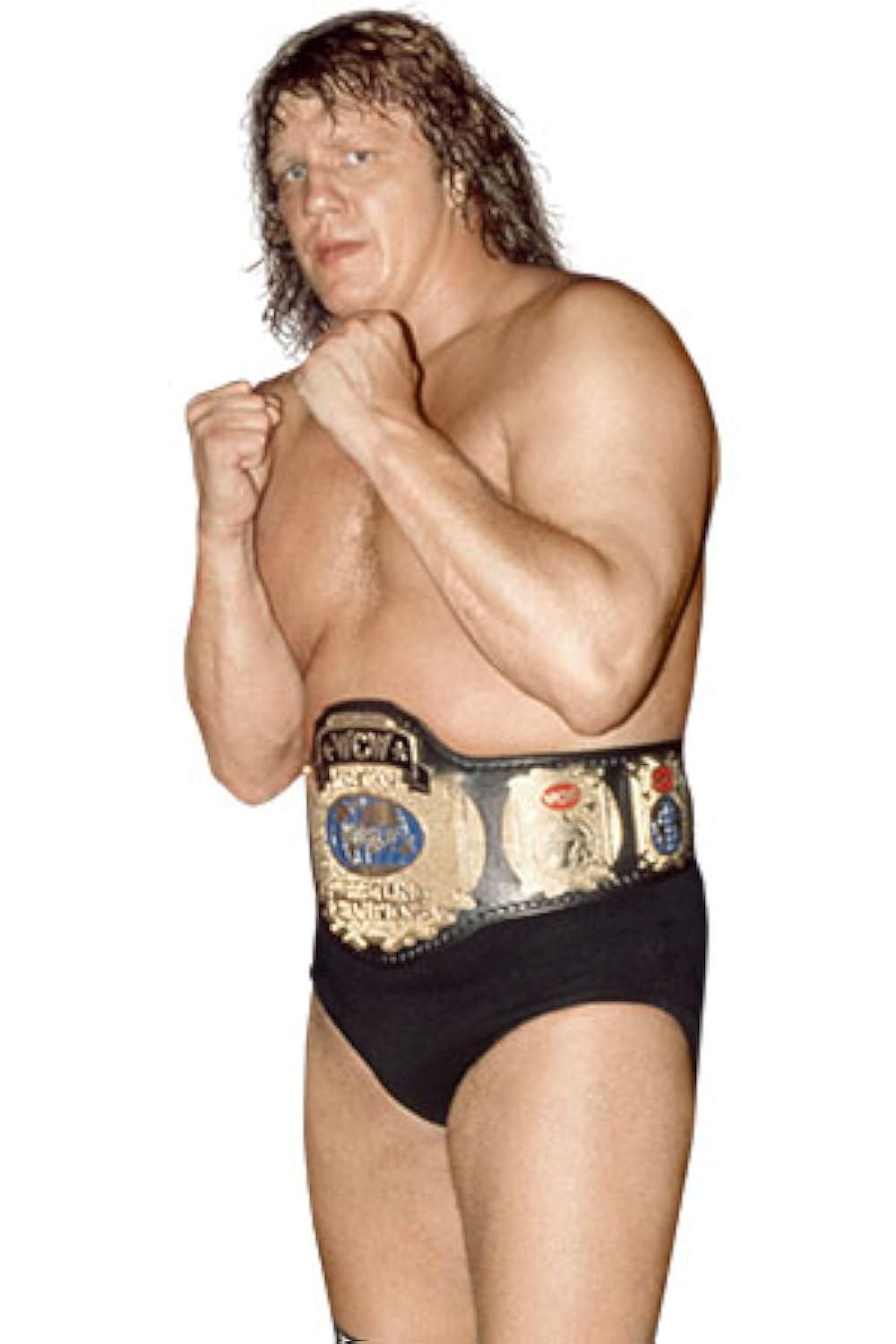
Terry Gordy 7-16-2001 at the age of 40
Miguel Perez 7-16-2005 at the age of 68

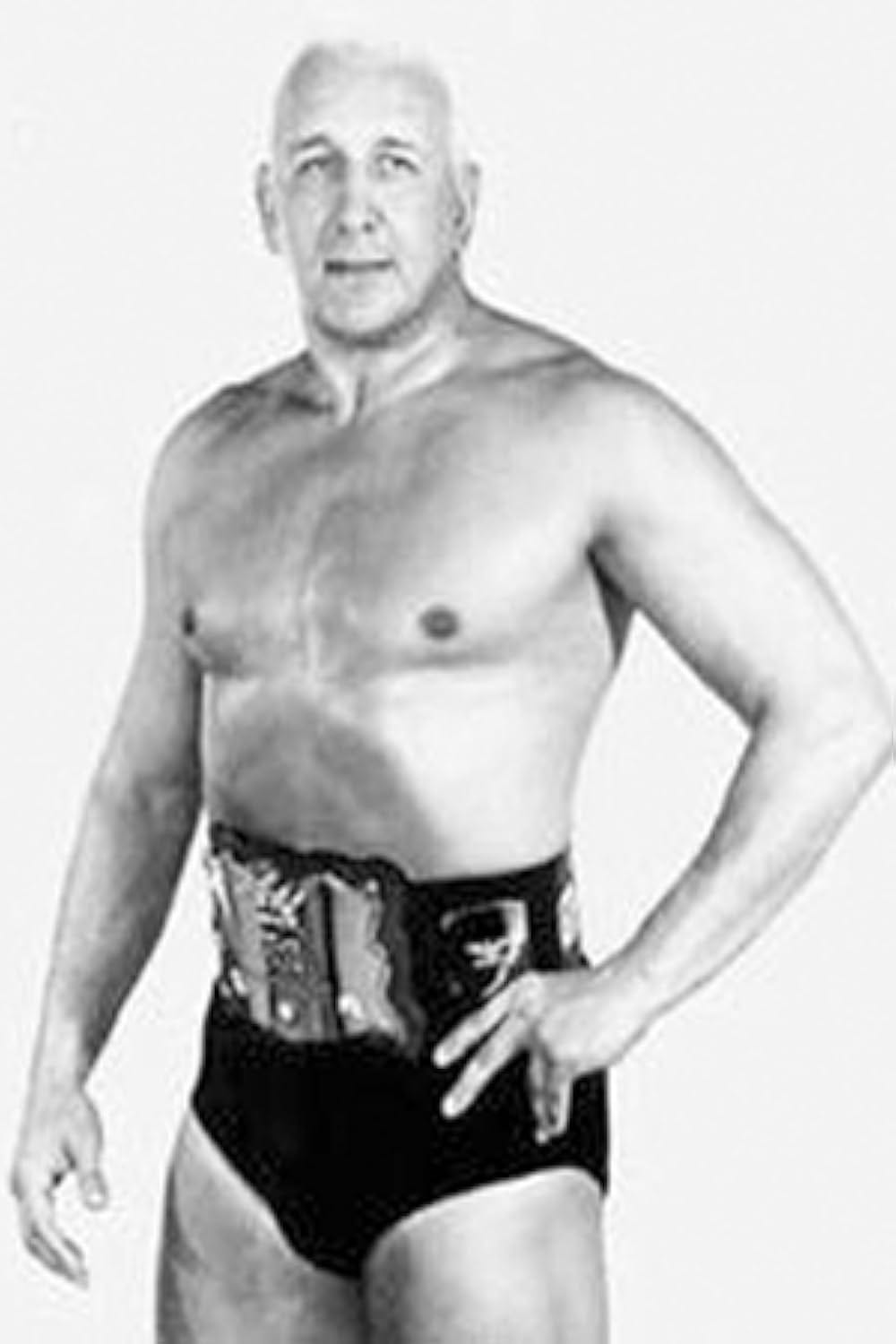
Bob Orton, Sr 7-16-2006 at the age of 76
Important Debut:
Dr. Wagner made his professional wrestling debut on 7-16-1961
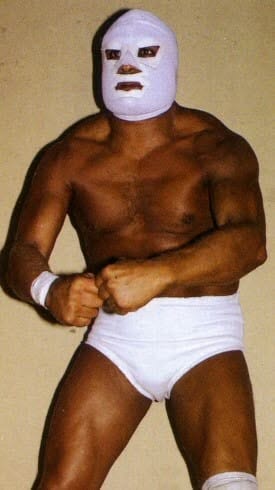
One of the top heels of the 1960s and 1970s in Mexico, Manuel Rivera was the father of Dr Wagner, Jr and Black Tiger. Originally an idea to make him the tag team partner of the original medical heel doctor character in Mexico, El Medico, the death of that wrestler put him then as a singles performer. Salvador Luetteroth, when thinking about the new character was reading a book about the composer, Wagner, and so he put the names together, Dr. Wagner, and the rest is history.
The Life and Career of Terry Gordy
Terry Ray Gordy Sr. was one of professional wrestling’s most gifted and tragic figures—a 6-foot-4, nearly 300-pound athlete who moved like a cruiserweight, delivered devastating power moves with surgical precision, and helped define the rebellious, rock ‘n’ roll spirit of 1980s wrestling as a founding member of the Fabulous Freebirds. Born April 23, 1961, in Rossville, Georgia, and raised in the Chattanooga, Tennessee area, Gordy packed an extraordinary career into just over two decades before his body and the hard-partying culture of the business caught up with him. He died on July 16, 2001, at age 40 in Soddy-Daisy, Tennessee, from a heart attack caused by a blood clot. His story is one of prodigious talent, larger-than-life charisma, international acclaim, and heartbreaking decline—a cautionary tale wrapped in undeniable greatness.
Early Life and a Teenage Phenomenon
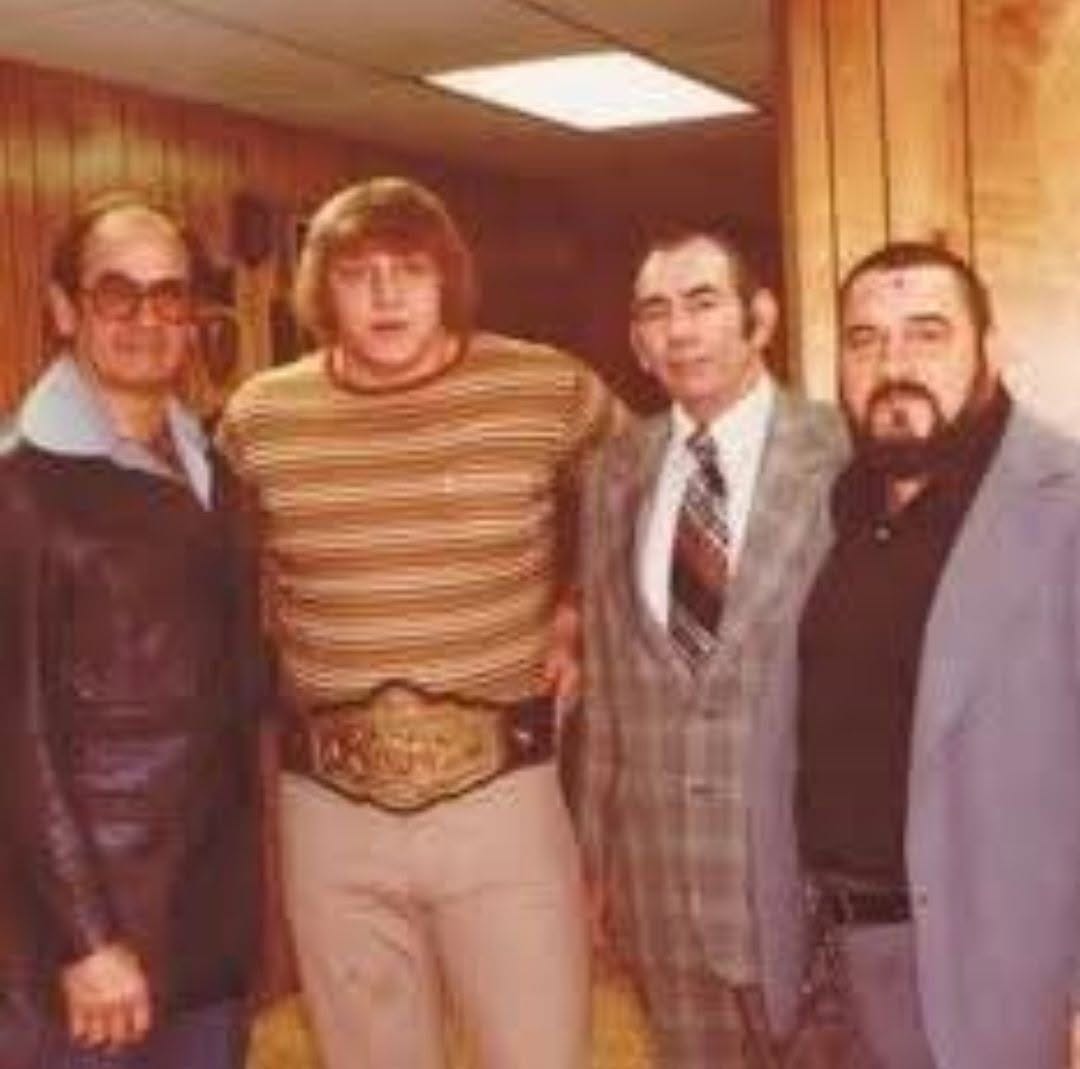
Pictured: Lou Thesz, Terry Gordy, George Culkin and Frankie Cain in 1976 Mississippi Territory
Gordy was a standout high school football and baseball player at Rossville High School but dropped out after his freshman year, already drawn to the squared circle. He began training under veteran Archie Gouldie (and later worked with Lou Thesz) and debuted professionally around age 13 or 14 in 1974–1975, often working under a mask as part of the Masked Scavengers or as “Terry Mecca” in the International Wrestling Association and other Southern territories. Billed from New York City at times to hide his youth, the big, athletic kid with the curly hair and baby face quickly showed instincts far beyond his years.
By 1979, at just 18, Gordy had met Michael Hayes while training in Mississippi. Together with Buddy Roberts, they formed the Fabulous Freebirds—a stable that would revolutionize tag-team and six-man wrestling with its outlaw persona, long hair, rock music entrances, and unapologetic heel attitude. Gordy adopted the “Bam Bam” nickname, and the trio’s chemistry was immediate and electric. They brought a dangerous, unpredictable edge that felt fresh in an era still dominated by more traditional babyface/heel dynamics.
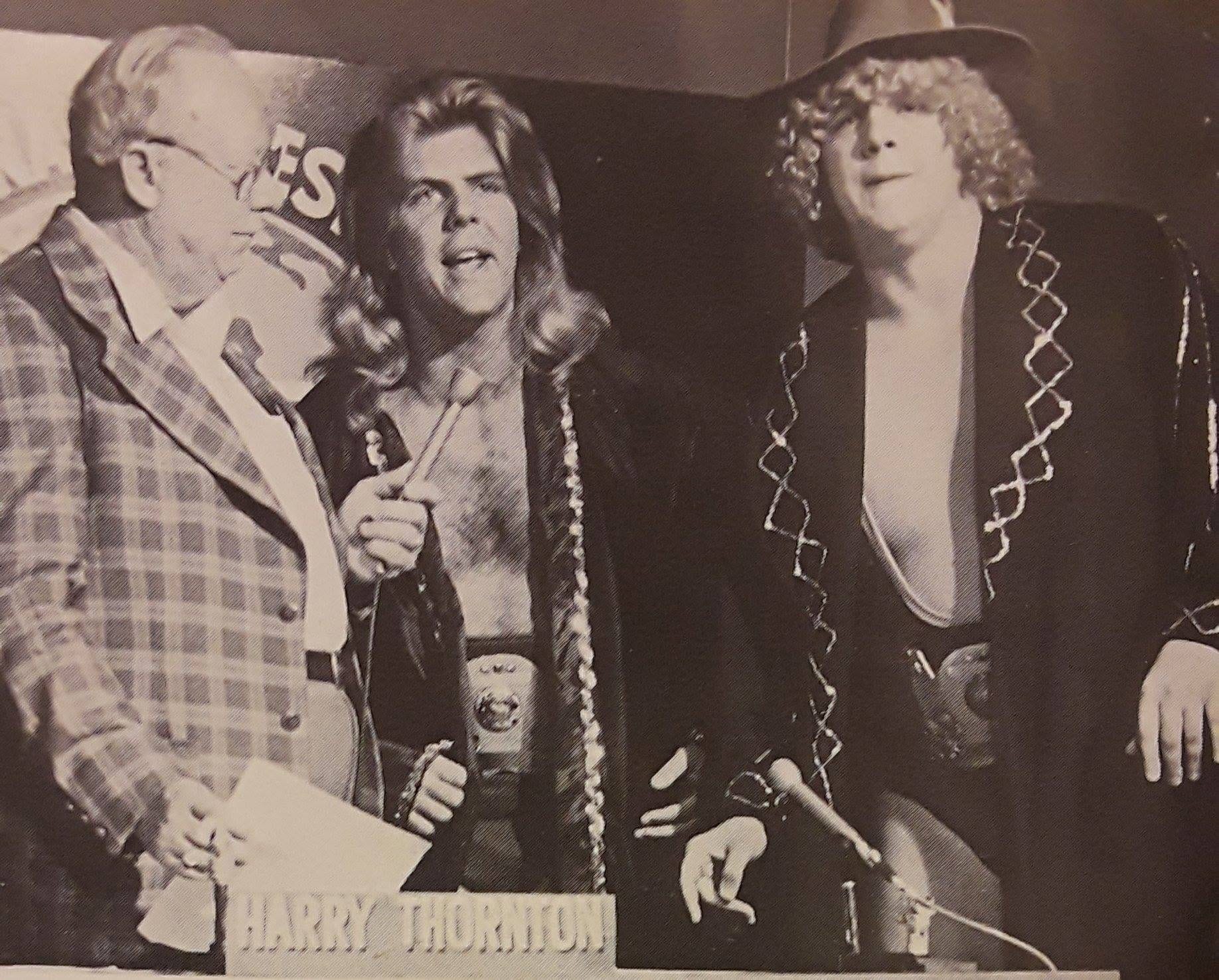
Pictured: The Freebirds being interviewd on Nick Gulas Chattanooga, Tennessee Television
Georgia Championship Wrestling and the Birth of a Phenomenon
The Freebirds landed in Georgia Championship Wrestling in 1980 and immediately made noise. They captured the NWA Georgia Tag Team Championship and became one of the first acts to consistently use entrance music, a innovation that would soon sweep the industry. Their in-ring work was stiff and believable; Gordy’s size and agility made him a perfect wrecking ball. A legendary angle saw Gordy deliver four consecutive piledrivers to Ted DiBiase on live WTBS television, leaving “The Million Dollar Man” to be stretchered out—an image that cemented the Freebirds as must-see TV.
The group feuded with the likes of Tommy Rich, the Junkyard Dog, Kevin Sullivan, and Austin Idol. When Buddy Roberts briefly left, Gordy and Hayes turned on each other before reuniting. By 1982 they were ready for their defining run.
The Von Erich Wars: World Class Championship Wrestling
Late in 1982 the Freebirds arrived in Dallas-based World Class Championship Wrestling and ignited one of the most iconic feuds in wrestling history against the Von Erich family—David, Kevin, Kerry, and later Mike. The rivalry exploded during the Christmas Holiday in 1982, when Gordy slammed a steel cage door on Kerry Von Erich’s head during a high-profile match against Ric Flair (with Hayes as special guest referee), sparking a riot inside the Dallas Sportatorium and beyond.
The Freebirds and Von Erichs traded the WCCW Six-Man Tag Team Championship multiple times in brutal, bloody matches that drew massive crowds across Texas and the Southwest. Gordy also held the WCCW American Tag Team Championship and learned the Oriental Spike (rechristened the Asiatic Spike) from Killer Khan, adding a deadly submission to his arsenal of power moves, including the powerbomb he had been taught by Lou Thesz.
The feud transcended wrestling. It was personal, territorial, and emotionally charged—two families (one real, one chosen) battling for supremacy in a hot territory. The Freebirds’ rock-star arrogance clashed perfectly with the Von Erichs’ All-American, blue-jeans-and-boots heroism. Even after the peak years, the rivalry’s shadow lingered over both sides for the rest of their careers.
Bill Watts’ UWF
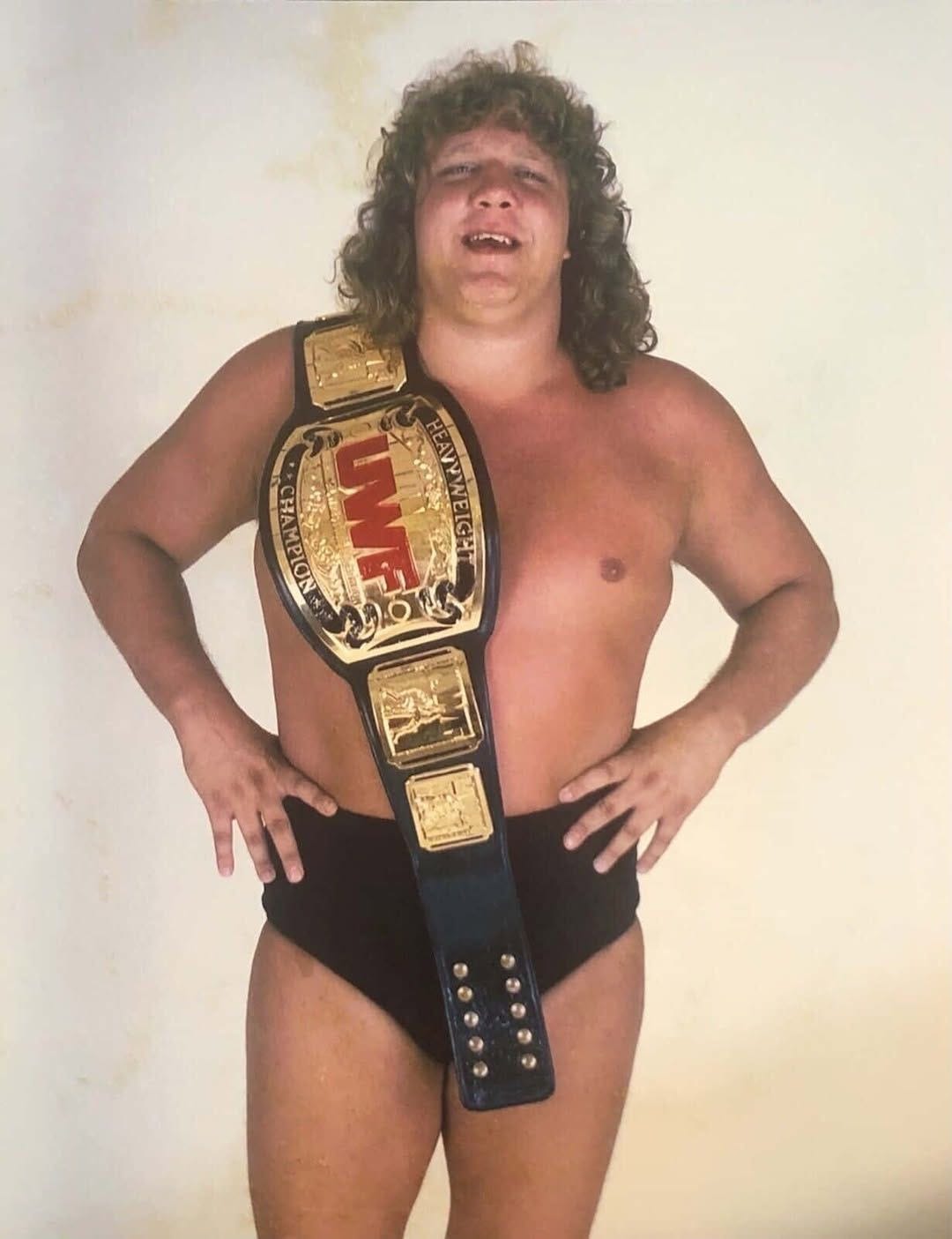
Following their landmark run in World Class Championship Wrestling and various stints in Georgia and other territories, the Fabulous Freebirds (Gordy, Michael Hayes, and Buddy Roberts) made their way to Bill Watts’ Mid-South Wrestling in the mid-1980s. Watts’ promotion, known for its gritty, realistic style and strong emphasis on athleticism and hard-hitting action, provided a natural home for the group’s rebellious energy. As Mid-South transitioned into the Universal Wrestling Federation (UWF) in 1986, the Freebirds thrived in the rebranded territory. Gordy, in particular, elevated his singles credentials by becoming the inaugural UWF Heavyweight Champion.
He captured the title in 1986 and held it for approximately six months, showcasing his power and versatility as a top heel. An angle involving a storyline “car accident” orchestrated by Steve Williams led to him forfeiting the belt to One Man Gang, which further fueled intense rivalries with Williams and others. The Freebirds’ presence helped draw strong crowds and added star power to the UWF during its relatively short but influential run before much of the talent (including Gordy) moved on to other opportunities, including returns to WCW and extended tours in Japan.
All Japan Pro Wrestling: Proving Himself on the World Stage
While the Freebirds dominated in the U.S., Gordy began making regular trips to All Japan Pro Wrestling starting in 1982–1983. What began as a supporting role evolved into one of the most respected gaijin runs in Japanese wrestling history. Paired initially with Stan Hansen, Gordy impressed with his size, stiffness, and willingness to work the strong style. He participated in Terry Funk’s first retirement match in August 1983.
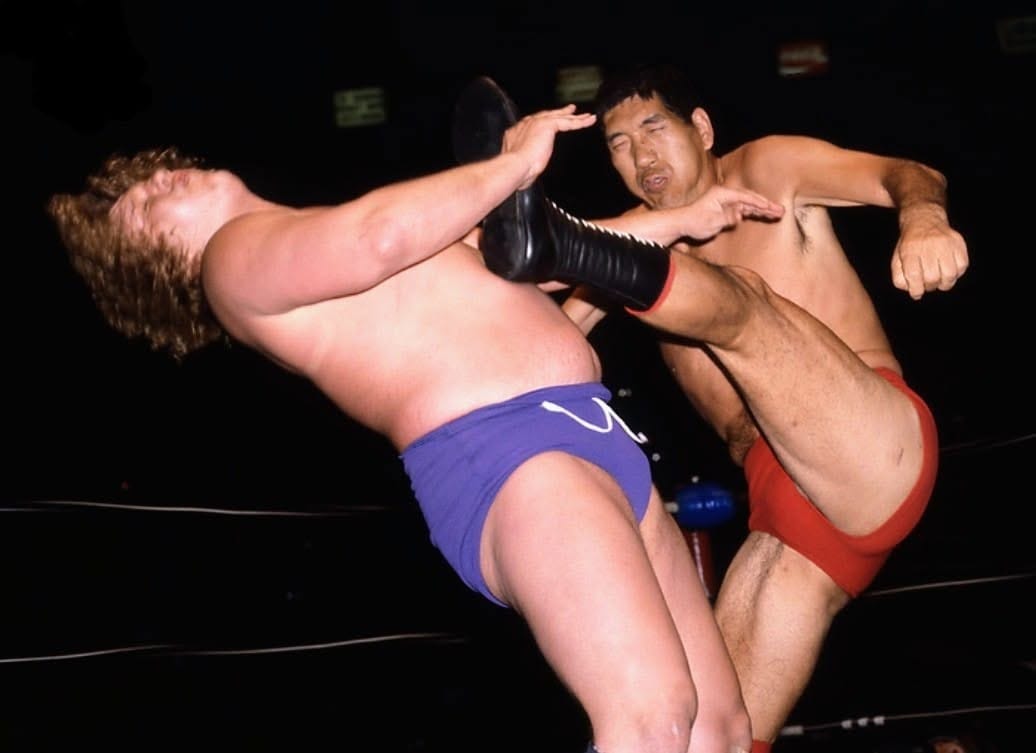
Pictured: Terry Gordy takes a big foot from Giant Baba in All Japan Pro Wrestling in 1982
By the mid-to-late 1980s, after Hayes and Roberts returned stateside, Gordy became a singles standout. He challenged Jumbo Tsuruta for the NWA International Heavyweight Championship and competed in the prestigious World’s Strongest Tag Determination League tournaments alongside Hansen, placing highly multiple times. In 1988–1989 they captured the AJPW World Tag Team Championship.
The pinnacle came in 1990 when Gordy teamed with “Dr. Death” Steve Williams to form the Miracle Violence Connection. The duo was unstoppable—two massive, hard-hitting Americans who could brawl, suplex, and powerbomb their way through any opposition. They won the World Tag Team Championship multiple times (including tournament victories) and feuded with legends like Hansen, Tenryu, Kawada, and Misawa.
On June 5, 1990 (or around that period), Gordy defeated Jumbo Tsuruta to become the first non-Japanese wrestler to win the prestigious Triple Crown Heavyweight Championship. He held it briefly before dropping it, regained it, and established himself as a true ace-level performer in Japan. His athleticism at that weight—flying splashes, top-rope moves, and crisp chain wrestling—earned genuine respect from Japanese fans and wrestlers who prized believability above all.
The Miracle Violence Connection and Peak Dominance
The MVC years (roughly 1990–1993) represented Gordy at his absolute best. The team’s black-and-red gear, intimidating presence, and stiff, violent matches became must-watch television in Japan. They held the AJPW World Tag Team titles on multiple occasions, winning tournaments and delivering classics against teams like Tsuruta & Taue or Misawa & Kawada. Gordy’s powerbomb and Williams’ lariat became signature weapons in one of the greatest foreign tag teams ever to work the Japanese style.
They also made select appearances back in the U.S., including a run in WCW where they won the WCW World Tag Team Championship (and briefly unified it with the NWA version in a tournament). Their refusal to work New Japan out of loyalty to Giant Baba underscored the respect they commanded in All Japan circles.
Setbacks, Substance Struggles, and the 1993 Tragedy
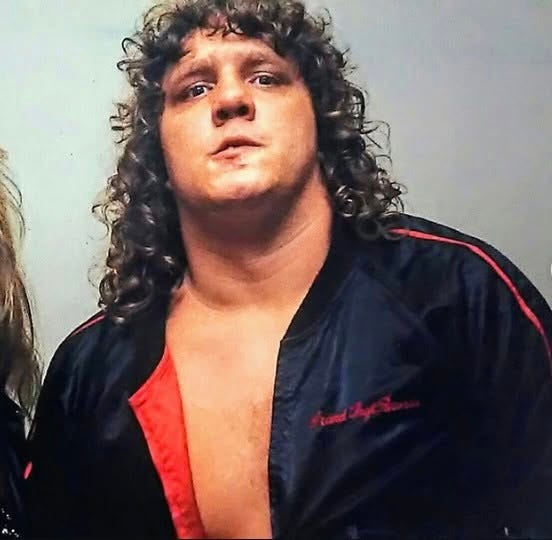
Like many wrestlers of his era, Gordy lived a high-octane Southern lifestyle—intense physical punishment in the ring compounded by painkillers, alcohol, and the road’s temptations. In July 1990, after a show in Isesaki, Japan, he collapsed while drinking and suffered cardiac arrest. He recovered consciousness the next day, but the scare was real; AJPW officials had briefly prepared for the worst.
Far more devastating was the 1993 incident. While traveling to Japan for a tour, Gordy overdosed on pain medication. He slipped into a coma for approximately five days and suffered permanent brain damage. Upon waking, he had to relearn how to walk, talk, and wrestle. Though he returned to the ring later that year and even worked one more tour in 1994, he was never the same physically or mentally. The viciousness, timing, and explosiveness that had defined him were diminished. He vacated any remaining title pursuits and transitioned into a different phase of his career.
Later Career and Brief WWF Stint
Gordy made sporadic appearances in the mid-1990s. In late 1996 he showed up in the WWF as “The Executioner,” a mysterious masked figure who aided Mankind and attacked the Undertaker in the build to the Buried Alive match at Survivor Series. The run was short-lived and largely forgettable, a shadow of his former self. He also worked independents, Smoky Mountain Wrestling (winning the SMW Heavyweight Championship), and other smaller promotions, trying to stay active while managing his health.
Personal Life and Family
Gordy married Connie in 1979; they had three children, including son Ray Gordy (who later wrestled in WWE as Jesse and Slam Master J) and daughters Amber and Miranda. His nephew, Richard Slinger, also became a wrestler and competed in All Japan. Gordy was known as a devoted family man off-camera, but the road and the business’s demands took a heavy toll on his personal life.
Death and Enduring Legacy
On July 16, 2001, Terry Gordy was found dead in his home in Soddy-Daisy, Tennessee. He was only 40. The official cause was a heart attack caused by a blood clot—the cumulative result of years of physical trauma, substance issues, and the unrelenting grind of professional wrestling.
His legacy, however, is secure and multifaceted. As part of the Fabulous Freebirds (alongside Hayes, Roberts, and later Garvin), he was inducted into the Wrestling Observer Newsletter Hall of Fame (2005), the Professional Wrestling Hall of Fame and Museum (2015), and the WWE Hall of Fame (2016, inducted by his son Ray). The Freebirds are remembered as pioneers of the rock ‘n’ roll heel archetype, entrance pageantry, and innovative six-man tag warfare that influenced generations.
Individually, Gordy is celebrated as one of the greatest big men in wrestling history—an athletic marvel who could fly, brawl, and work stiff with the best of them. His work in All Japan, particularly as half of the Miracle Violence Connection and as the first non-Japanese Triple Crown champion, earned him genuine respect in the most demanding wrestling environment in the world. Fans and historians still point to his early career as a teenage prodigy and his peak years in the late ’80s and early ’90s as examples of what a 300-pound athlete could achieve when blessed with exceptional timing, psychology, and physical gifts.
Terry Gordy’s story is ultimately one of soaring highs and devastating lows. He lived fast, wrestled harder, and left an indelible mark on territories from Georgia and Texas to the bright lights of All Japan and the national stage. In an industry that often chews up its biggest stars, “Bam Bam” Gordy remains a beloved and respected figure—a Freebird who flew higher and fell harder than most, but whose impact continues to echo in the ring and in the memories of those who saw him at his best.
His son Ray carried a piece of that legacy forward, and the countless wrestlers who cite Gordy’s athleticism, power, and charisma as inspiration ensure that the Bam Bam name will never be forgotten in the annals of professional wrestling history.
One Thing I Learned About Mighty Igor Vodik
Mighty Igor Vodik (real name Richard Joseph “Dick” Garza) was a popular American professional wrestler known for his strongman gimmick. Born July 16, 1931, in Dearborn, Michigan, he was a bodybuilder and weightlifter who won Mr. Michigan in 1954 before entering wrestling in the late 1950s.  He captured the AWA World Heavyweight Championship on May 15, 1965, defeating Mad Dog Vachon (holding it for about a week) and was frequently billed as the “World’s Strongest Wrestler” during his career in the AWA and other Midwest territories. 
He passed away on January 7, 2002. His eccentric, lovable character made him a fan favorite in the territorial era.

Thank You for Reading
I’m Tony Richards, Pro Wrestling Historian, Author and Storyteller. I share pro wrestling historical items in each issue of the Time Tunnel Pro Wrestling History Newsletter. Thanks for reading! If you enjoy my information on select events, matches and insights, please share it with folks you think might like to be a subscriber!
Remember, premium investors get access to exclusive and special content such as some special issues including a multi-part deep dives on wrestling territories, wrestler bios and championship title histories, special audio and video interviews on territory pro wrestling and more available in the Pro Wrestling Time Tunnel for Premium Investors.
Igor was my first favorite wrestler, while he was working for Eddie Einhorn's IWA in 1975. His feud with Dick "Bulldog" Brower was the highlight of the three Jersey City NJ supercards which I attended.
Igor worked the Great Lakes area summer fair/ festival circuit until the mid-80s.