


We are going to start including some of my favorite quotes of all time in each issue of the Daily Chonicle:
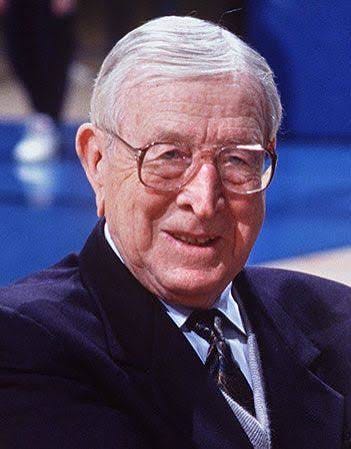
Today’s Favorite Quote: Be true to yourself. Help others. Make each day your masterpiece. Drink deeply from good books, especially the Bible. Make friendship a fine art. Build a shelter against a rainy day. Pray for guidance & give thanks for your blessings every day - Coach John Wooden
Happy Birthday to those who have passed on and to those great wrestlers still with us:
In Memoriam:
Charlie Laye 1924
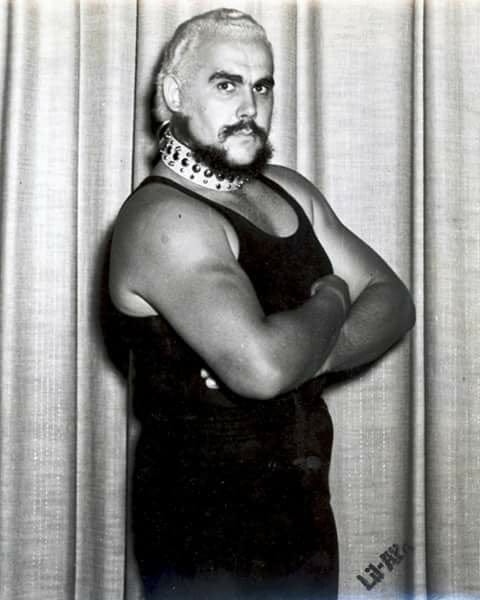
Ruben Cruz\Hercules Ayala 1950
Happy Birthday:
Jeff Jarrett (59)
Mark LaMonaco\Bubba Ray Dudley (55)
Joseph Bonsignore\Joey Styles (55)
Charly Arnolt\Caruso (39)
Pricilla Zuniga\Diamante (35)
RIP Memorial: We stop & remember those who have passed on this day and gave themselves to the business for us, the fans. We salute you and thank you.
Billy McGuire 7-14-1979 at the age of 32

Brute Bernard 7-14-1984 at the age of 63
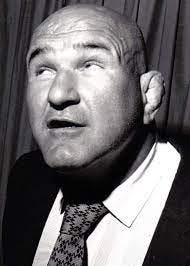
Danny McShain 7-14-1992 at the age 79
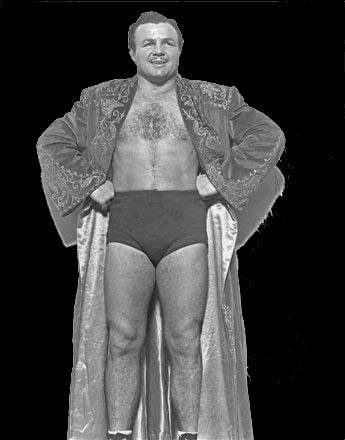
Ray St Clair 7-14-2013 at the age of 85
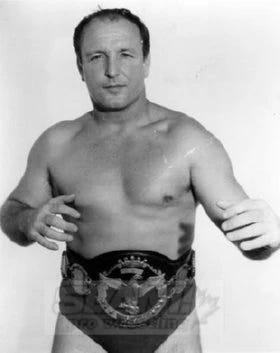
Ramon Napoliatano\Tinker Todd 7-14-2013 at the age of 85

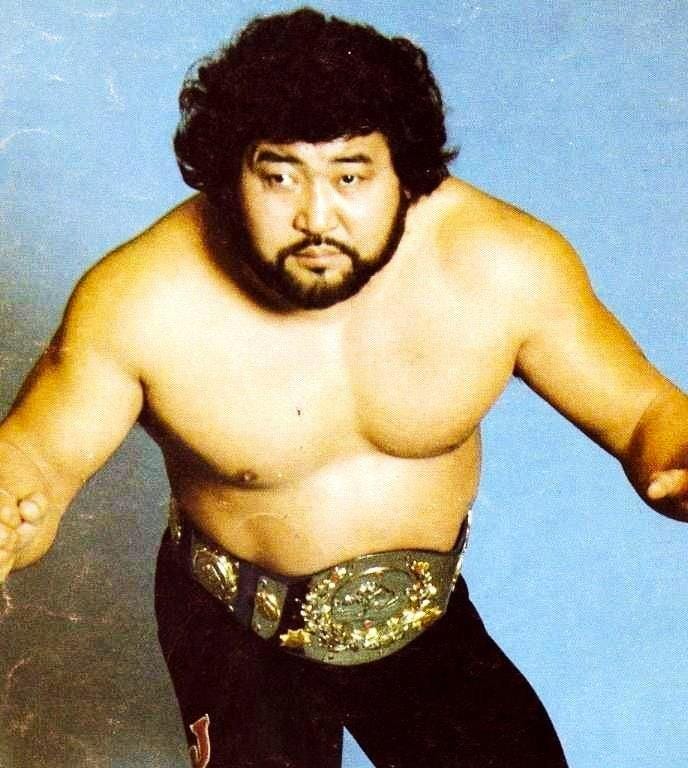
Masa Saito 7-14-2018 at the age of 76
Bill Melby 7-14-2019 at the age of 92

Robert Aebi\Count Drummer\The Mummy 7-14-2023 at the age of 74
A Huge Thank You To The Hall of Fame
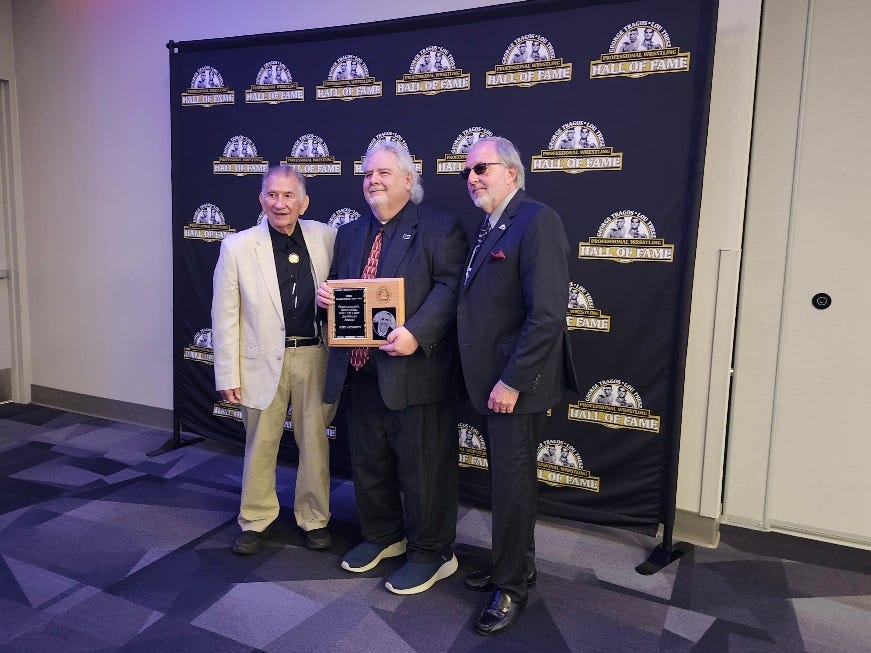
I wanted to give a shout out and a huge thank you to the George Tragos-Lou Thesz Hall of Fame in Waterloo, Iowa for being a part of this past weekend’s ebent. I was honored to win the James C. Melby award and be inducted into the 2026 Class this year. Here’s a photo of me, Gerald Brisco of the Hall of Fame and my friend who introduced me that night, George Schire. If you haven’t attended one of our events in Waterloo, make plans now and budget for a trip to our event in July of 2027. We will have details as the become available, but next year will be bigger than this year’s event because it improves and gets better each year.
Flashback July 14th, 1948
Orville Brown Becomes the First NWA World Heavyweight Champion
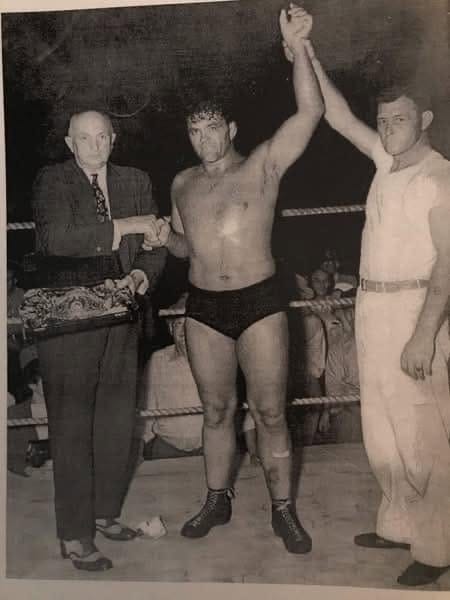
On a summer evening in Iowa, the professional wrestling world quietly turned a corner that would shape its next four decades. In the weeks surrounding July 14, 1948, a group of Midwest promoters gathered in the Des Moines–Waterloo corridor and made a decision that ended years of fragmented “world” title claims. They recognized Orville Brown — the rugged, respected champion out of Kansas City — as the first official World Heavyweight Champion of the newly formed National Wrestling Alliance. Brown’s hard-earned victory over Sonny Myers earlier that year in Des Moines had helped solidify his standing, and the promoters now elevated that claim into something larger: a single champion recognized across multiple territories. It was not merely another title change. It was the birth of the NWA as wrestling’s central governing alliance.
Orville Brown: The Self-Made Territorial King
Orville Brown was born March 10, 1908, in Sharon, Kansas, into a poor farming family. He attended only one year of formal schooling before life on the farm demanded his full attention. What he lacked in classroom education he made up for in relentless self-discipline and physical toughness. Standing 6-foot-1 and a solid 240 pounds in his prime, Brown possessed the build and work ethic of a man who had spent his youth lifting hay bales and wrestling livestock. He trained under Ernest Brown and debuted in 1929. Almost immediately he went on an undefeated streak that reached 71 matches, a remarkable run that announced a new talent who combined raw power with genuine technical skill.
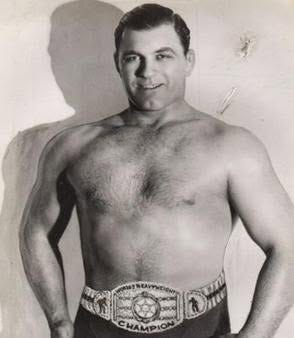
Brown’s style was “scientific” by the standards of the era — a mix of punishing holds, leverage-based takedowns, and clean, believable wrestling that appealed to fans who wanted to believe the contests were more than pure carnival. He became a cornerstone of the Midwest Wrestling Association (MWA) based in Kansas City. Between 1940 and 1948 he captured the MWA World Heavyweight Championship a record eleven times. Promoters trusted him. Fans in Kansas, Missouri, Iowa, and surrounding states knew him as a reliable draw who could work long, dramatic matches and still leave the building under his own power night after night.
By 1947 Brown was not only a top wrestler but also a promoter himself, deeply invested in the stability of the Midwest territory. That combination of in-ring credibility and business sense would prove decisive when the alliance formed.
Sonny Myers: The Young Lion Who Briefly Dethroned a King
Harold “Sonny” Myers, born January 22, 1924, in St. Joseph, Missouri, represented the next generation. Trained by the legendary Gust Karras, Myers was athletic, charismatic, and hungry. He rose quickly through the Central States and Iowa territories, drawing attention with his energy and willingness to mix it up. In November 1947 he achieved the upset of his young career, defeating Orville Brown to claim a version of the World Heavyweight Championship in Des Moines. The victory was brief but significant — it proved the title could change hands and created genuine excitement in the heartland.
Myers was the perfect foil: younger, flashier, and capable of making Brown look vulnerable. Their program tapped into classic generational storytelling that territories relied upon to keep fans coming back. When Brown regained the title from Myers on January 5, 1948, in Des Moines in a best-two-out-of-three-falls match, it felt like order had been restored. The veteran had answered the challenge. That victory in front of Iowa fans became a cornerstone of Brown’s résumé when the promoters later weighed who should carry the new unified championship.
The Fragmented Landscape Before the Alliance
Before 1948, professional wrestling suffered from a surplus of “world champions.” Lou Thesz held a strong claim through the St. Louis office. Other promoters ran their own world title tournaments or recognized their local stars as world champions. The result was confusion for fans and inefficiency for promoters trying to book inter-territorial matches. A champion from one office might be ignored or even derided in another territory. Talent raids and contradictory booking hurt business.
A handful of forward-thinking promoters — Paul “Pinkie” George in Des Moines, Sam Muchnick in St. Louis, Al Haft in Columbus, Harry Light in Detroit, Tony Stecher in Minneapolis, Don Owen in Portland, and Orville Brown himself in Kansas City — decided the chaos had to end. They envisioned an alliance that would recognize one true world champion while still protecting each promoter’s territorial rights. The champion would tour member territories, drawing big houses and lending prestige, but the local promoters would retain control over their own cards and talent development.
July 1948: The Historic Gathering in Iowa
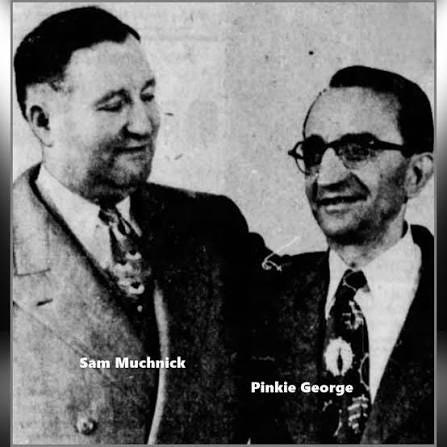
The pivotal meetings took place in mid-July 1948 in the Des Moines–Waterloo area of Iowa. On or around July 14, the group formally recognized Orville Brown as the first NWA World Heavyweight Champion. Brown already held the MWA title and the Iowa version of the world championship; his recent victory over Sonny Myers in Des Moines had further strengthened his position as the consensus choice among the Midwest power brokers. The promoters were not simply handing Brown a belt — they were anointing a champion whose credibility spanned the heartland and whose business instincts aligned with the alliance’s long-term goals.
A few days later, on July 18 in Waterloo, the promoters officially chartered the National Wrestling Alliance at the Hotel President. That same night at Electric Park, Brown defended his newly recognized title against Joe Dusek in what is widely regarded as the first practical defense under the NWA banner. The belt he wore was a modified version of the old MWA championship — plates changed from “Midwest Wrestling Association” to “National Wrestling Alliance,” with Brown’s photograph placed prominently in the center. It was a symbolic and practical statement: the old territorial order was evolving into something bigger.
Brown’s Reign and the Promise of Stability
Brown’s reign as the inaugural NWA World Heavyweight Champion lasted 501 days. He defended the title across the member territories, bringing a level of legitimacy that scattered claimants could never achieve alone. His matches emphasized wrestling skill over spectacle, helping to elevate the overall presentation of the champion. For promoters, the arrangement reduced destructive competition over titles. For fans in places like Des Moines, Kansas City, and St. Louis, it meant regular visits from a recognized world champion they could believe in.
The alliance model was pragmatic rather than revolutionary. It did not create a single national company; it created a cooperative framework in which independent promoters could thrive while sharing one world title. This structure would define the territorial era for the next thirty-plus years.
The Sudden End and the Passing of the Torch
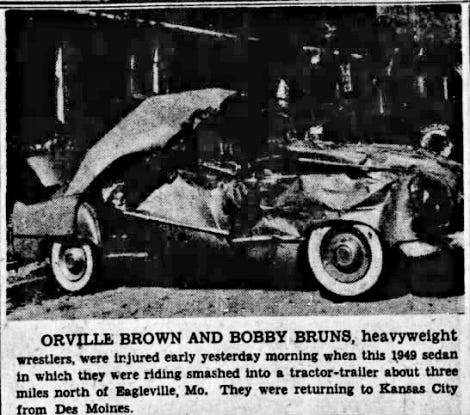
Tragedy struck on November 1, 1949. Brown suffered severe injuries in an automobile accident that ended his in-ring career. A planned unification match against Lou Thesz — who carried a powerful St. Louis claim — was scrapped. On November 27, 1949, the NWA awarded the championship to Thesz, beginning one of the most legendary reigns in wrestling history. Brown, though no longer an active wrestler, continued promoting in Kansas City for another decade, helping shape the Central States territory that would remain an NWA stronghold.
Sonny Myers, the man whose brief 1947 upset had indirectly helped position Brown for the historic recognition, went on to a long and successful career. He captured numerous Central States titles, worked across the country, and later served as a county sheriff while running his own carnival. He embodied the working-class resilience that defined so many territorial performers.
Legacy of That Iowa Summer
The events of July 1948 did not produce immediate headlines across the nation, but they created the foundation for everything that followed. Orville Brown’s recognition as the first NWA World Heavyweight Champion marked the moment when a collection of proud, independent promoters chose cooperation over chaos. The Des Moines victory over Sonny Myers months earlier had supplied the in-ring legitimacy; the July gathering supplied the institutional legitimacy. Together they launched a championship lineage that would eventually include Lou Thesz, Pat O’Connor, Buddy Rogers, Gene Kiniski, Dory Funk Jr., Harley Race, and Ric Flair.
For wrestling historians and fans who trace the territorial era’s evolution, July 1948 stands as a quiet but decisive turning point — the moment the fragmented claims of the 1930s and 1940s gave way to a structured alliance that would dominate North American wrestling until the national expansion of the 1980s. Orville Brown, the Kansas farm boy who had fought his way to the top of the Midwest, became the first man to carry that new standard. In the ring and in the boardroom, he helped write the opening chapter of the NWA’s long and influential story.
Thank You for Reading
I’m Tony Richards, Pro Wrestling Historian, Author and Storyteller. I share pro wrestling historical items in each issue of the Time Tunnel Pro Wrestling History Newsletter. Thanks for reading! If you enjoy my information on select events, matches and insights, please share it with folks you think might like to be a subscriber!
Remember, premium investors get access to exclusive and special content such as some special issues including a multi-part deep dives on wrestling territories, wrestler bios and championship title histories, special audio and video interviews on territory pro wrestling and more available in the Pro Wrestling Time Tunnel for Premium Investors.