


Happy Birthday to those who have passed on and to those great wrestlers still with us:
In Memoriam:
“Tough” Tony Borne 1926
Donna Marie Dieckman 1933
Otto Wanz 1943
Happy Birthday:
Claude Giroux\Tiger Jackson/Diunk the Clown (70)
Akira Hokuto (59)
Sean Waltman\X-Pac (55)
Dylan Summers\Necro Butcher (523
RIP Memorial: We stop & remember those who have passed on this day and gave themselves to the business for us, the fans. We salute you and thank you.
(NONE)
7 Stages of the Territory Era
Stage 5: Consolidation
Year 2 Month 7
July 1966
In the proprietary 7 Stages of the Territory Era framework, Stage 5: Consolidation (roughly the mid-1960s) represents the sweet spot of the classic territorial system. After the post-WWII expansion, the 1950s television boom-and-bust cycles, and early-1960s realignments (including the WWWF split and AWA’s independence), the major promotions had solidified their regional strongholds. The NWA provided a loose but effective cooperative framework for the World Heavyweight Championship, while powerhouse independents like the WWWF and AWA operated with confidence alongside dozens of NWA-affiliated territories.
Live gates in protected “home towns” drove the business. Syndicated and local television promoted rather than cannibalized events. International outposts in Mexico, Japan, Canada, and Australia thrived in parallel. July 1966 offers a perfect microcosm: steady, profitable programming across the map, a new heel NWA World Champion on tour, Bruno Sammartino entrenched as the Northeast’s ethnic hero, Verne Gagne anchoring the Midwest, and no major crises or fragmenting forces yet on the horizon. This was wrestling at the height of its decentralized yet interconnected power—the strongest “town year” period of the entire territorial era.
The NWA World Title and the Touring Champion Model
On January 7, 1966, in St. Louis’ Kiel Auditorium (11,612 fans), Gene Kiniski defeated Lou Thesz in a two-out-of-three-falls match to win the NWA World Heavyweight Championship.  Kiniski’s reign (which would last nearly three years until he dropped the title to Dory Funk Jr. in 1969) exemplified Stage 5 consolidation. Unlike the athletic, respected Thesz, Kiniski was a brash, physical heel who drew genuine heat through interviews and dominant performances. His role was not to dominate one territory but to tour NWA affiliates, lending “world” prestige and boosting local gates.
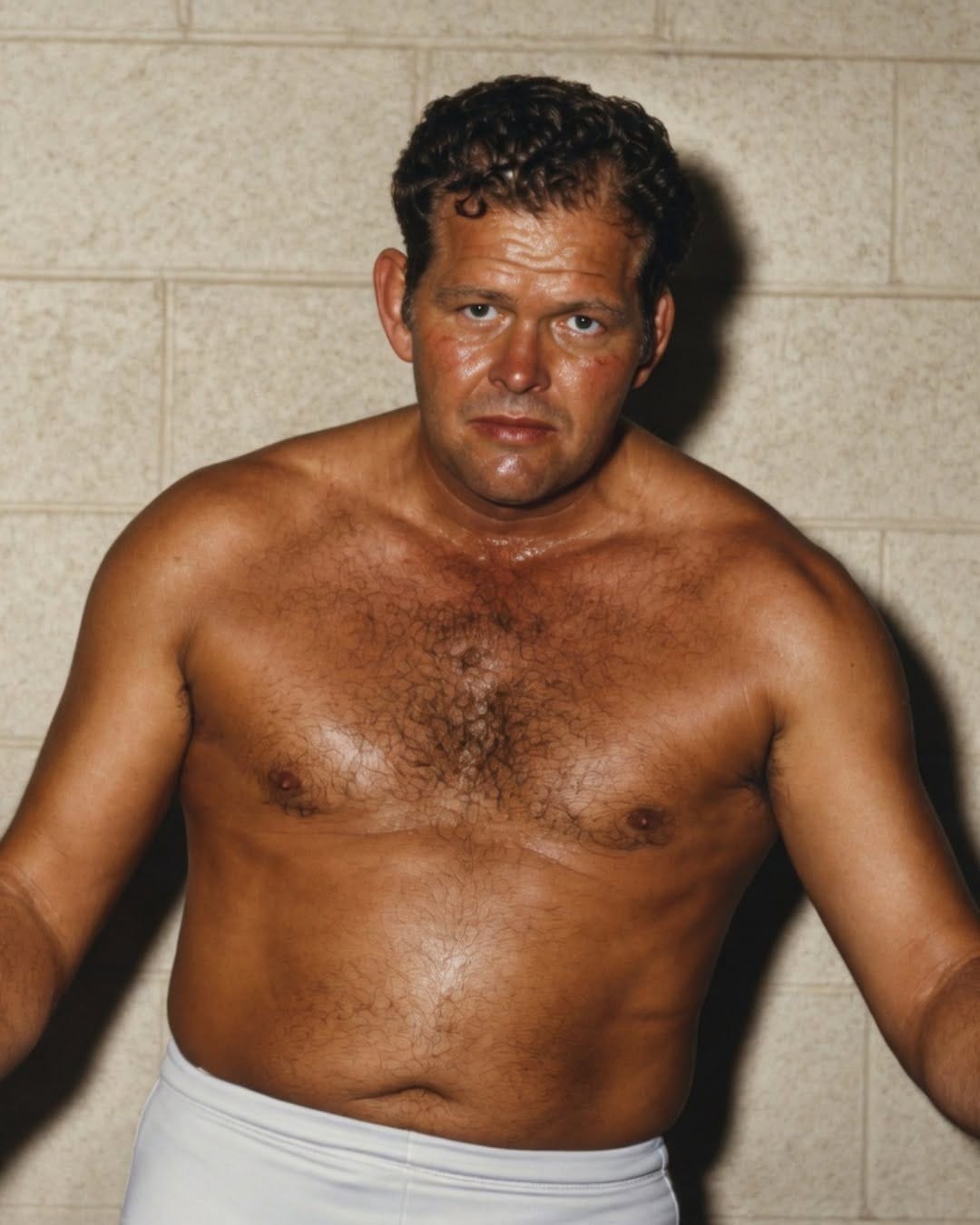
Pictured: NWA Georgia Heavyweight Champion, Buddy Fuller
July 1, 1966, Atlanta, Georgia (City Auditorium) provided a textbook example. Kiniski defended against Buddy Fuller (father of Ron Fuller) on a double-world-title card that also featured the Infernos challenging for the World Tag Team Championship. The previous week’s match had ended in controversy (DQ), building heat for the return bout. Kiniski won cleanly this time. These Southern swings—Atlanta, Nashville, Houston, and beyond—were essential to the NWA model: the champion’s presence turned regular weekly cards into major events, filling mid-sized venues and reinforcing territorial boundaries while generating revenue for both the local promoter and the alliance.
Kiniski’s style—powerful, no-nonsense, and interview-savvy—fit the era’s evolution. He contrasted with technical babyfaces and brought a fresh, aggressive edge that kept the world title relevant across regions.
WWWF Northeast: Bruno Sammartino’s Unbreakable Domain
In the Northeast, Bruno Sammartino remained the undisputed WWWF World Heavyweight Champion (a reign that had begun in 1963 and would stretch into 1971). His drawing power among Italian-American and broader ethnic audiences made the WWWF the most stable and profitable single territory in North America. July 1966 showed the machine running at full efficiency.
Bruno worked a heavy schedule of defenses and TV tapings across Philadelphia, Baltimore, Washington D.C., Pittsburgh, Asbury Park, Newark, and smaller towns like Indiana, PA, and Frederick, MD. Key opponents included:
• Curtis Iaukea (Prince Iaukea) — Multiple bouts, including a draw in Philadelphia (July 9) and a win for Bruno in Asbury Park (July 1) and Brooklyn (July 6).
• Baron Mikel Scicluna — A frequent, reliable heel foil (wins for Bruno in Asbury Park July 15 and Allentown July 22).
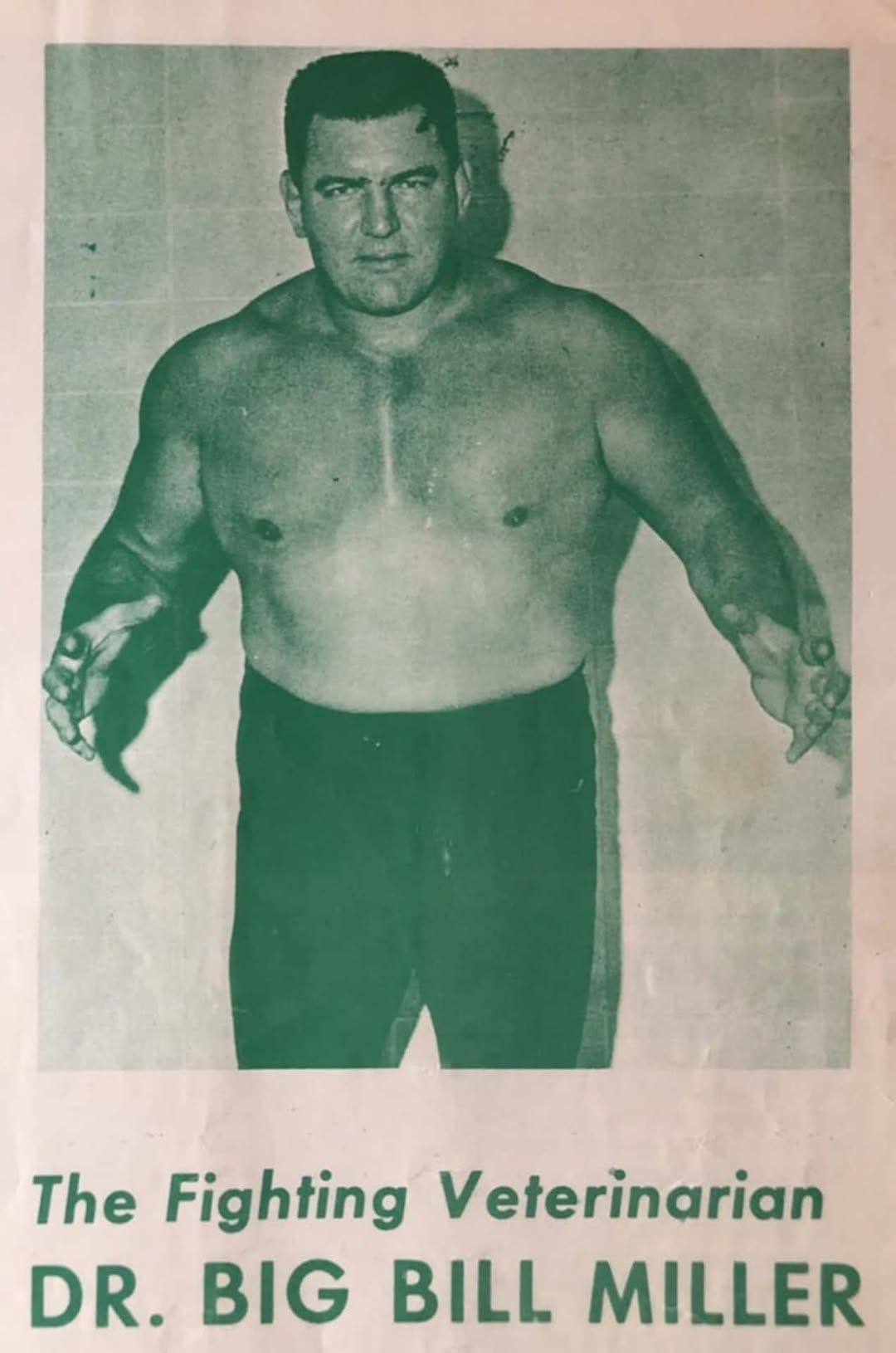
• Waldo Von Erich, Bill Miller, and Dr. Jerry Graham — Adding variety to the heel rotation.
Tag team action stayed hot, with Johnny Valentine & Antonio Pugliese (U.S. Tag Team Champions) defending against combinations like Von Erich & Smasher Sloan and Scicluna & Sloan. Television tapings in Philadelphia, Baltimore, and Pittsburgh kept storylines moving between live events.
The formula was pure Stage 5 consolidation: a beloved, unbeatable babyface hero protecting “his” territory against a rotating cast of colorful, rule-breaking challengers. Crowds responded with loyalty and consistent spending. While exact July attendance figures are sparse in surviving records, the pattern of strong Northeast business (earlier 1966 MSG shows drew 10,000+) continued uninterrupted.
AWA Midwest: Scientific Wrestling and Intense Rivalries
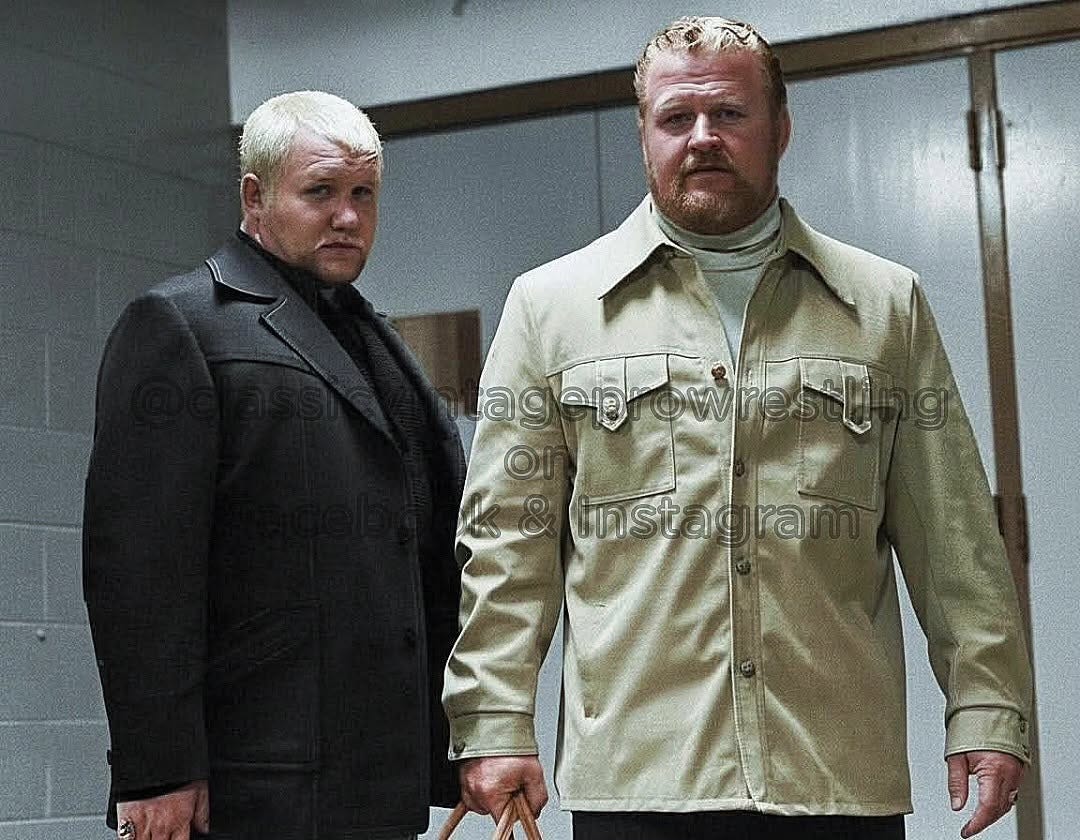
Pictured: Harley Race and Larry Hennig
The American Wrestling Association, under Verne Gagne, operated as a powerful independent in the Upper Midwest and parts of Canada. By July 1966, Gagne had recently regained the AWA World Heavyweight Championship from Mad Dog Vachon (May 16 in Omaha) and held it through the summer until losing it again in October. 
The AWA style emphasized technical wrestling, amateur roots, and strong in-ring psychology, contrasting with more brawling territories. Gagne’s feuds with Vachon, The Crusher, Dick the Bruiser, and the rising tag team of Larry Hennig & Harley Race provided consistent main-event heat. Tag division storylines (including earlier 1966 bouts involving Gagne & Danny Hodge against Hennig & Race) added depth.
Venues like the Minneapolis Auditorium, Chicago, Omaha, and Winnipeg delivered reliable gates. The AWA’s independence from the NWA (while still respecting many territorial norms) demonstrated how Stage 5 allowed multiple strong centers of power to coexist without constant warfare. Gagne’s dual role as top star and promoter exemplified the era’s successful consolidation of talent and business control.
Other U.S. NWA and Regional Territories
Across the rest of the country, the model repeated with local flavor:
• Georgia/Atlanta: Kiniski’s July 1 title defense headlined strong cards.
• Tennessee/Mid-South: Stars like Jackie Fargo and Tojo Yamamoto anchored weekly shows; Kiniski defended there around this period.
• Texas/Houston: July 1 featured The Destroyer (Dick Beyer) vs. Ernie Ladd at the Coliseum—a typical big-match attraction.
• Los Angeles (WWA/Olympic Auditorium): Strong cards with Pedro Morales, Buddy Austin, and The Destroyer drew well (pattern of 10,000+ in later 1966 shows). 
• St. Louis (Sam Muchnick): Frequent NWA title stops and solid local business.
• Central States, Pacific Northwest, Florida, Gulf Coast, Mid-Atlantic: Each ran its protected towns with a mix of local heroes, touring talent, and occasional NWA champion visits.
The genius of Stage 5 was this decentralized strength. No single entity controlled everything, yet the NWA champion’s tours and mutual respect created cohesion. Each territory maximized revenue in its core markets without the oversaturation or national TV fragmentation that would come later.
International Outposts: Parallel Strength and Style Evolution
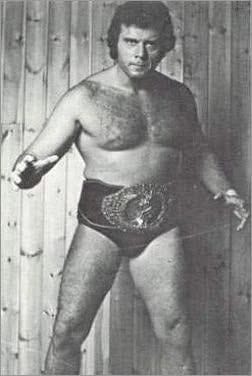
Pictured: Spiros Arion
Canada remained deeply integrated. Toronto’s Maple Leaf Gardens (Frank Tunney) hosted major shows, including a July 17 appearance by Bruno Sammartino. Kiniski (a Canadian) defended the NWA title there regularly. Stu Hart’s Stampede Wrestling in Calgary built family legacies and future stars in a classic territorial environment.
Mexico (EMLL) operated with its own vibrant identity at Arena México. Lucha libre’s high-flying, mask-and-hair (apuestas) traditions thrived independently yet connected to the broader wrestling world through occasional NWA title recognition and touring talent. July 1966 featured the usual deep rudo/tecnico feuds and building storylines toward bigger autumn events.
Japan (JWA) was in a transitional but strong phase after Rikidōzan’s 1963 death. Giant Baba and Antonio Inoki were rising as the new aces. Earlier 1966’s World Big League tournament showcased the promotion’s growing international ambitions with gaijin participants. Strong-style foundations were being laid that would influence global wrestling for decades. Tokyo and Osaka shows drew reliably.
Australia (World Championship Wrestling in Sydney Stadium) ran consistent big-venue cards featuring locals like Roy Heffernan alongside imports such as Spiros Arion, Ray Stevens, and The Destroyer. Bruno had toured successfully earlier in 1966; the July scene reflected steady, profitable business with local and IWA-style titles adding prestige. 
These international territories operated with their own styles and business models but participated in the same global ecosystem of touring talent and title prestige.
Evolution Mid-Decade: The Strongest Town Business Era
By July 1966, pro wrestling had evolved into its most efficient territorial form:
• Business Model Peak: Protected territories + touring world champions = maximized per-town revenue. Live events (gates, programs, concessions) were primary; TV was promotional. “Strongest town year” meant loyal, repeat crowds in armories, civic centers, and stadiums without the later dilution from cable or national expansion.
• In-Ring Product: A rich blend—technical/scientific (Gagne, Thesz legacy), power and brawling (Kiniski, Vachon, Crusher), ethnic heroics (Sammartino), colorful gimmickry (Scicluna, Von Erich), and emerging international flavors (lucha, Japanese strong style). Long-term feuds and deep psychology kept fans invested week after week.
• Talent & Presentation: Established draws headlined while mid-carders built toward payoffs. Kayfabe remained strong. Wrestling felt like serious, athletic entertainment with regional and ethnic resonance.
• Stability and Seeds of Change: No major wars or collapses. The system worked. Yet subtle shifts (more international tours, evolving TV landscapes) hinted at future pressures that would eventually fragment the model in Stages 6 and 7.
July 1966 was not a month of revolutionary changes or record-shattering single events. It was something more telling: a portrait of a mature, consolidated industry operating at peak efficiency across dozens of markets. The NWA champion toured and drew. Bruno protected his Northeast kingdom. Gagne held the AWA banner high. Regional promoters ran their towns profitably. Mexico, Japan, Canada, and Australia added global color and parallel strength.
This was the territorial era at its most robust—the height of Stage 5 Consolidation and the strongest “town business” period in wrestling history. The foundation was solid, the model proven, and the crowds still coming through the turnstiles with faith in their local heroes and the occasional visiting world champion. For those who lived it or study it today, July 1966 represents a golden snapshot of wrestling’s decentralized golden age—before the winds of national expansion, cable television, and eventual fragmentation began to blow.
The territories were consolidated, the towns were strong, and the business was very, very good.
Thank You for Reading
I’m Tony Richards, Pro Wrestling Historian, Author and Storyteller. I share pro wrestling historical items in each issue of the Time Tunnel Pro Wrestling History Newsletter. Thanks for reading! If you enjoy my information on select events, matches and insights, please share it with folks you think might like to be a subscriber!
Remember, premium investors get access to exclusive and special content such as some special issues including a multi-part deep dives on wrestling territories, wrestler bios and championship title histories, special audio and video interviews on territory pro wrestling and more available in the Pro Wrestling Time Tunnel for Premium Investors.