


Happy Birthday to those who have passed on and to those great wrestlers still with us:
In Memoriam:
Les Wolfe 1907
Bobby Bruns 1914
Joe Murnick 1916
Roy Hefferman 1925
Newton Tattrie\Geeto Mongol 1931
Rene Goulet 1932
Happy Birthday:
Gregory “Hurricane” Helms (52)
Brock Lesnar (49)
Rami Sebei\Sami Zayn (42)
RIP Memorial: We stop & remember those who have passed on this day and gave themselves to the business for us, the fans. We salute you and thank you.
Jack Curley 7-12-1937 at the age of 61
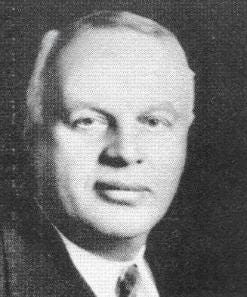
Yvon Robert 7-12-1971 at the age of 56
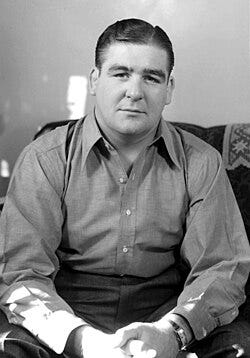
Dara Singh 7-12-2012 at the age of 83
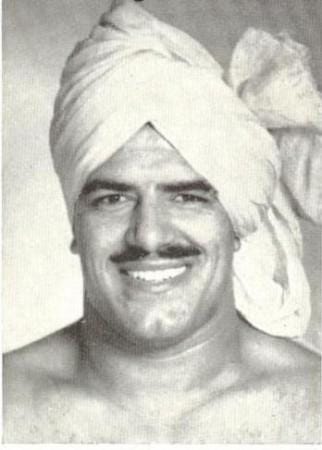
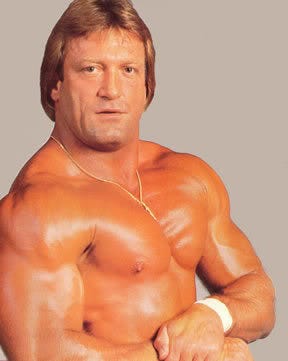
Paul Orndorff 7-12-2021 at the age of 71
Flashback 1976:
Q3 July-September
Central States Territory
Kansas City, Missouri Office
In the summer of 1976, the Heart of America Sports Attractions promotion—better known as Central States Wrestling—operated as a vital link in the National Wrestling Alliance chain. Based in Kansas City, Kansas, under the steady hand of promoter and active wrestler Bob Geigel, the territory delivered consistent, high-quality professional wrestling across a loop that included Wichita, Topeka, St. Joseph, Missouri, and occasional swings into Iowa towns such as Des Moines and Cedar Rapids. Memorial Hall in Kansas City, Kansas, served as the flagship Thursday-night venue, a classic arena whose roughly 3,000-seat capacity could feel electric when national-caliber talent headlined. The third quarter of 1976 proved particularly compelling, marked by a high-profile singles title change, a loaded tag-team tournament, and the ongoing blend of local stalwarts, rising talent, and touring stars that defined the best of territorial wrestling.
July: A Championship Night at Memorial Hall
The quarter opened with one of its signature moments on July 8 at Memorial Hall. In the main event, Harley Race defeated Bulldog Bob Brown to capture the NWA Central States Heavyweight Championship. Brown, a multi-time champion and the gritty embodiment of Central States toughness, had held the title earlier in the year after trading it with Mike George in the spring. Race’s victory carried extra weight. Already a previous NWA World Heavyweight Champion and one of the most respected workers in the business, Race brought national prestige and a polished, intense style that elevated any territory he visited. The win positioned him as the territory’s top singles attraction for the summer while giving Brown a clear program for a rematch.
The undercard that night reflected the territory’s depth. Mike George, a young, athletic standout who had already held the Central States title multiple times, defeated Ed Wiskoski. In another featured bout, The Super Intern (Tom Andrews) scored an upset victory over the legendary Pat O’Connor. These matches showcased the mix of established veterans and hungry up-and-comers that kept Central States cards fresh. O’Connor, a former NWA World Champion and still a major drawing card, frequently worked the territory, lending his technical mastery and star presence to both singles and tag matches.
Throughout July, Race’s reign as Central States champion became the focal point of the singles division. He carried the gold with the seriousness of a man who understood the value of territorial titles, defending against a variety of challengers while the promotion built toward a return match with Brown. Meanwhile, the tag-team scene gained momentum as the territory prepared for a special tournament to determine new champions.
The July 29 Tag Team Title Tournament
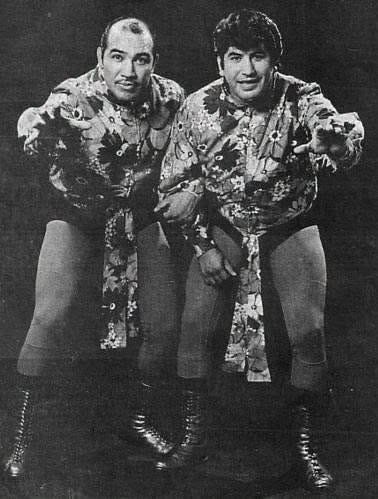
Pictured: Black Gordman and Great Goliath
On July 29 at Memorial Hall, Central States staged an eight-team tournament for the NWA Central States Tag Team Championship (sometimes presented with World Tag Team branding in the territory). The field featured an impressive cross-section of the roster and highlighted the promotion’s ability to create compelling pairings.
Black Gordman and Great Goliath— a powerful, often brutal heel tandem known for their size and aggressive style—advanced through the bracket with authority. They defeated teams including Hubert Gallant & Chief Thundercloud and The Great Seki & Joe Polardy before overcoming other strong combinations. In the final, Gordman and Goliath defeated Pat O’Connor and The Super Intern (Tom Andrews) to capture the titles. The victory gave the territory a dominant new tag-team act with legitimate main-event potential.
The tournament itself was a showcase of roster versatility. Harley Race teamed with Mike George, creating a dream pairing of two of the promotion’s top singles stars. Akio Sato, the skilled Japanese technician, partnered with promoter Bob Geigel in a matchup that blended international flavor with local authority. Al Hayes teamed with Bob Brown, adding veteran savvy to the mix. Other participants included Tank Patton & John Foley. The format allowed fans to see fresh combinations while crowning champions who could immediately enter high-profile programs. Gordman and Goliath’s triumph set up a strong summer reign that would include defenses against top competition, including a notable September matchup against Race and George.
August: Defenses, Depth, and Steady Gates
August saw Harley Race settle into his role as Central States champion while the tag-team division found its rhythm under Gordman and Goliath. Race’s defenses emphasized his technical excellence and ring generalship against a mix of local challengers and touring talent. Mike George remained a frequent opponent, their matches highlighting the contrast between Race’s experience and George’s youthful athleticism. Bob Brown, licking his wounds from the July loss, stayed visible and positioned for a comeback.
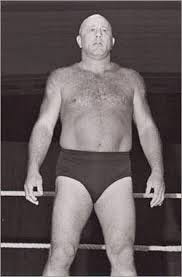
Pictured: Bob Geigel
The tag-team picture stayed active. Gordman and Goliath defended the titles and engaged in programs that mixed power wrestling with the more technical or veteran styles of their opponents. Pat O’Connor continued to appear in prominent spots, often teaming or working singles, while wrestlers like Tom Andrews (Super Intern) gained valuable ring time. The territory’s loop remained busy, with regular cards in Wichita, Topeka, and St. Joseph keeping the promotion visible across its core market. Crowds at Memorial Hall benefited from the star power of Race and the tournament’s aftermath, maintaining the solid, reliable attendance typical of a well-run NWA territory in the mid-1970s.
Behind the scenes, Bob Geigel’s dual role as promoter and wrestler added authenticity. He frequently competed, often in tag matches that showcased his rugged, no-nonsense style. The presence of international talent—Akio Sato’s precise striking and submissions, Black Gordman’s hard-hitting approach—gave Central States a worldly flavor that complemented its Heartland roots.
September: Brown Reclaims the Gold
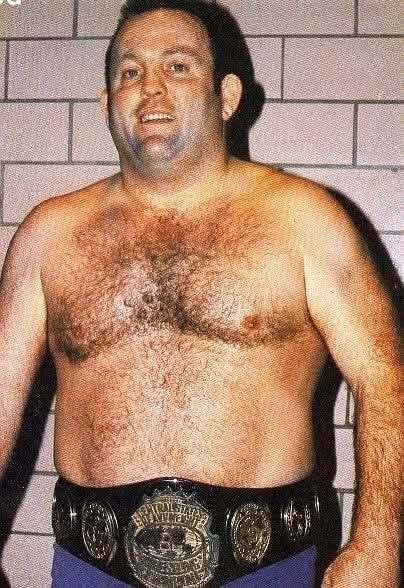
Pictured: Bulldog Bob Brown, NWA Central States Heavyweight Champion
The quarter closed with another pivotal title change. On September 5 in Wichita, Kansas, Bulldog Bob Brown regained the NWA Central States Heavyweight Championship from Harley Race. The victory was more than a simple title switch; it reinforced Brown’s status as the territory’s enduring workhorse champion. A 19-time Central States titleholder across his career, Brown embodied the blue-collar resilience that resonated with Midwestern audiences. His win in Wichita gave fans a triumphant moment and set up fresh storylines heading into the fall.
Around the same period, the tag-team division saw continued activity. Gordman and Goliath remained champions through much of September, though their reign would face challenges as the month progressed. A September 11 card (noted in some records as featuring them against Race and George) underscored the drawing power of mixing the new tag champions with the former singles titleholder. Bob Brown, now once again the Central States Heavyweight Champion, appeared in strong positions, including a September 5 appearance in Cedar Rapids, Iowa, where he defeated Mike George.
The singles division retained its depth. Pat O’Connor, Ed Wiskoski, Akio Sato, and rising names like Tom Andrews kept cards balanced. The territory’s style—hard-hitting yet athletic, with a premium on credible finishes—remained consistent. Feuds often carried personal stakes: Brown’s quest to reclaim his title from Race had the feel of a local hero fighting to restore order, while the tag tournament had injected new energy and fresh rivalries.
Roster, Towns, and Territorial Flavor
Throughout July, August, and September 1976, Central States Wrestling presented a roster that balanced experience and youth. Harley Race and Pat O’Connor represented the highest levels of national recognition. Bob Geigel and Bulldog Bob Brown anchored the local identity. Mike George and Tom Andrews (Super Intern) represented the next generation gaining invaluable ring time alongside legends. Akio Sato brought technical excellence and international appeal. Black Gordman and Great Goliath supplied size, power, and heel charisma. Supporting players such as Ed Wiskoski, Al Hayes, Tank Patton, and others filled out strong undercards and multi-man tags.
The promotion’s geographic footprint was classic territory wrestling. Memorial Hall in Kansas City, Kansas, remained the emotional and financial heart, with its Thursday-night shows serving as the weekly ritual for dedicated fans. Wichita and Topeka provided important secondary markets where title changes could be strategically placed to maximize impact. St. Joseph, Missouri, and the Iowa swing towns added reach without overextending the roster. While precise attendance figures for individual 1976 cards are not extensively documented, the territory’s ability to draw steady crowds—sometimes approaching or filling Memorial Hall’s capacity when Race or other major names appeared—reflected healthy business. Star bookings and hot angles translated into reliable gates across the loop.
Other elegant details of the era included the promotion’s willingness to use tournaments for titles, creating organic drama and spotlighting multiple teams in a single night. The blending of Mexican-American power (Gordman), Japanese technique (Sato), Canadian grit (Race, Brown), and American veterans (O’Connor, Geigel) gave Central States a distinctive texture. Storylines stayed grounded in believable rivalries rather than excessive spectacle, aligning with the NWA’s overall philosophy of protecting finishes and building long-term credibility.
Legacy of the Quarter
The third quarter of 1976 stands as a representative slice of Central States Wrestling at its most effective. Harley Race’s brief but impactful reign as Central States champion, Bob Brown’s resilient comeback, and Black Gordman & Great Goliath’s tournament victory provided clear narrative arcs that fans could follow across towns and weeks. The undercard depth ensured that even non-title matches delivered quality, while the multi-town loop kept the promotion connected to its audience.
In an era before national cable and corporate consolidation, territories like Central States thrived on this precise formula: recognizable local heroes, occasional national stars, credible title changes, and a steady schedule that made wrestling part of the community fabric. The summer and early fall of 1976 delivered exactly that—memorable nights at Memorial Hall, championship drama in Wichita, and the kind of in-ring action that rewarded regular attendance. For historians and fans of the territorial era, these months exemplify why Central States earned its reputation as a cornerstone of NWA wrestling in the Heart of America.
Thank You for Reading
I’m Tony Richards, Pro Wrestling Historian, Author and Storyteller. I share pro wrestling historical items in each issue of the Time Tunnel Pro Wrestling History Newsletter. Thanks for reading! If you enjoy my information on select events, matches and insights, please share it with folks you think might like to be a subscriber!
Remember, premium investors get access to exclusive and special content such as some special issues including a multi-part deep dives on wrestling territories, wrestler bios and championship title histories, special audio and video interviews on territory pro wrestling and more available in the Pro Wrestling Time Tunnel for Premium Investors.
Central States had a weird relationship with Illinois. Over the years, they would try to expand into west-central Illinois towns near Iowa but never seemed to get a real foothold. They also got as far east as Springfield.
Illinois is usually considered Gagne/AWA territory but it is more like Tennessee. I think it could be a good topic for the Tragos Thesz weekend, similar to what Steve Johnson and Count Grog did for the Rust Belt this year.