


Happy Birthday to those who have passed on and to those great wrestlers still with us:
In Memoriam:
Murray Gerald Aitkin\Jerry London 1929
Bert Assirati 1908
Herb Abrams 1955
Jerry Gray 1963
Happy Birthday:
Bobo Johnson (78)
Kevin Nash (67)
Marc Mero (66)
Leonardo Gomez\Damian 666 (65)
Paul Neu\PN News (60)
Salvatore Sincere\Tom Brandi\Johnny Gunn (60)
Shelton Benjamin (51)
RIP Memorial: We stop & remember those who have passed on this day and gave themselves to the business for us, the fans. We salute you and thank you.
Emil Dusek 7-9-1986 at the age of 81

The Life and Career of Billy Jack Haynes
William Albert Haynes III, better known as Billy Jack Haynes, stands as a compelling figure in professional wrestling history. Born on July 10, 1953, in Portland, Oregon, he embodied the powerful, no-nonsense babyface ideal of the territorial era while briefly tasting national exposure during the WWF’s explosive expansion in the mid-1980s.
At 6’3” and around 246–260 pounds, with a chiseled physique honed through bodybuilding and weightlifting, Haynes possessed legitimate strength and an intense, working-class charisma. His full nelson became a signature finisher and the centerpiece of one of the era’s most memorable midcard feuds. Yet his career also illustrates the perils faced by many territorial wrestlers: the grind of constant travel, inconsistent pay, physical toll, substance issues, mental health struggles, and the difficult transition when the old territory system collapsed under national expansion.
Haynes debuted in 1982 at age 28 after a hardscrabble early life and retired in the mid-1990s. His story spans the Pacific Northwest’s gritty independents, Florida’s hot territory, a brief national spotlight, a failed promotional venture, journeyman heel runs, notorious shoot interviews, health battles, and profound personal tragedy in later years.
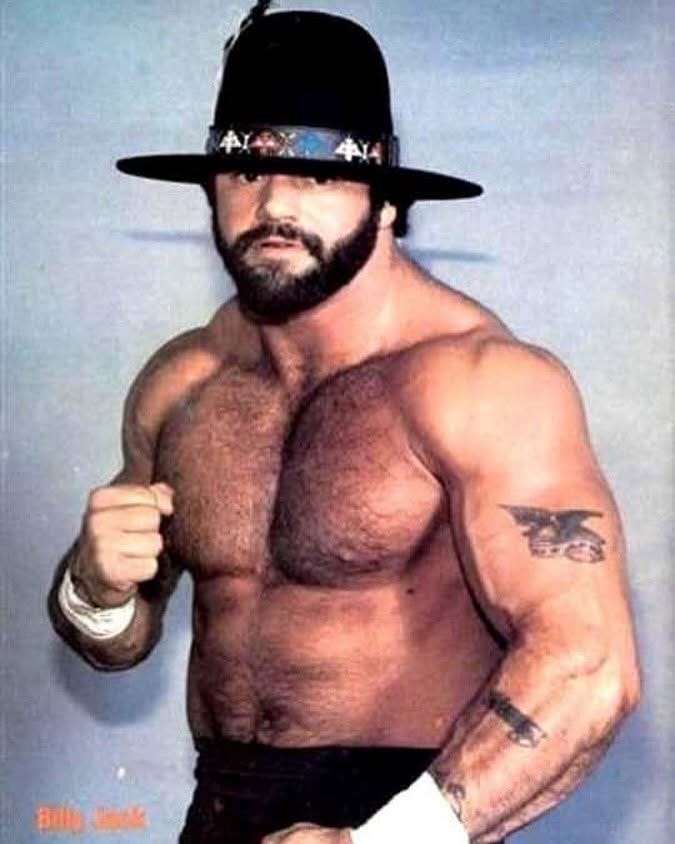
Haynes grew up in southeast Portland amid a rough crowd. His mother died in 1968 when he was 15. He found structure through boxing, training under former light-heavyweight Andy Kendall (“The Scappoose Express”) and competing in amateur bouts. His father, a carpenter, lost his sight to diabetes around 1975; Haynes worked as a janitor while caring for him.
A bar brawl led to a first-degree assault conviction and prison time. There, he discovered weightlifting and bodybuilding, emerging post-release at nearly 300 pounds and placing second in the Mr. Pacific Coast competition in 1982. He worked as a bouncer at the Stone Pony nightclub, a hangout for Don Owen’s Portland wrestlers. Dutch Savage encouraged him to try the business.
In 1982, Haynes quit his janitorial job and trained in Stu Hart’s infamous Dungeon in Stampede Wrestling (Calgary). He initially served as a bodyguard for manager J.R. Foley before teaming with Bruce Hart against the Foley family. Some accounts note Hart found him overly rough on trainees. He soon headed home to Portland.
In Don Owen’s Pacific Northwest Wrestling (PNW), he debuted as “Billy Jack,” inspired by the 1971 film’s unhinged vigilante hero (a half-Navajo Vietnam veteran fighting injustice). A legal threat from the film’s producers forced him to add his real surname. The gimmick—cowboy hat, strongman presence, full nelson finisher—suited his physique and Portland roots perfectly. He quickly became a top babyface.
Haynes captured the NWA Pacific Northwest Heavyweight Championship five times (first on October 7, 1983, defeating Dynamite Kid; with later reigns including a 1991 full-nelson challenge victory for the vacant title late in the promotion’s life). He also won the PNW Tag Team titles three times (twice with Stan Stasiak). A notable early highlight was a house show or TV match against NWA World Champion Ric Flair in Portland. He feuded intensely with Rip Oliver and his associates, establishing himself as one of the territory’s most reliable draws.
Pro Wrestling Illustrated named him Most Improved Wrestler of the Year in 1984, recognizing his rapid rise.
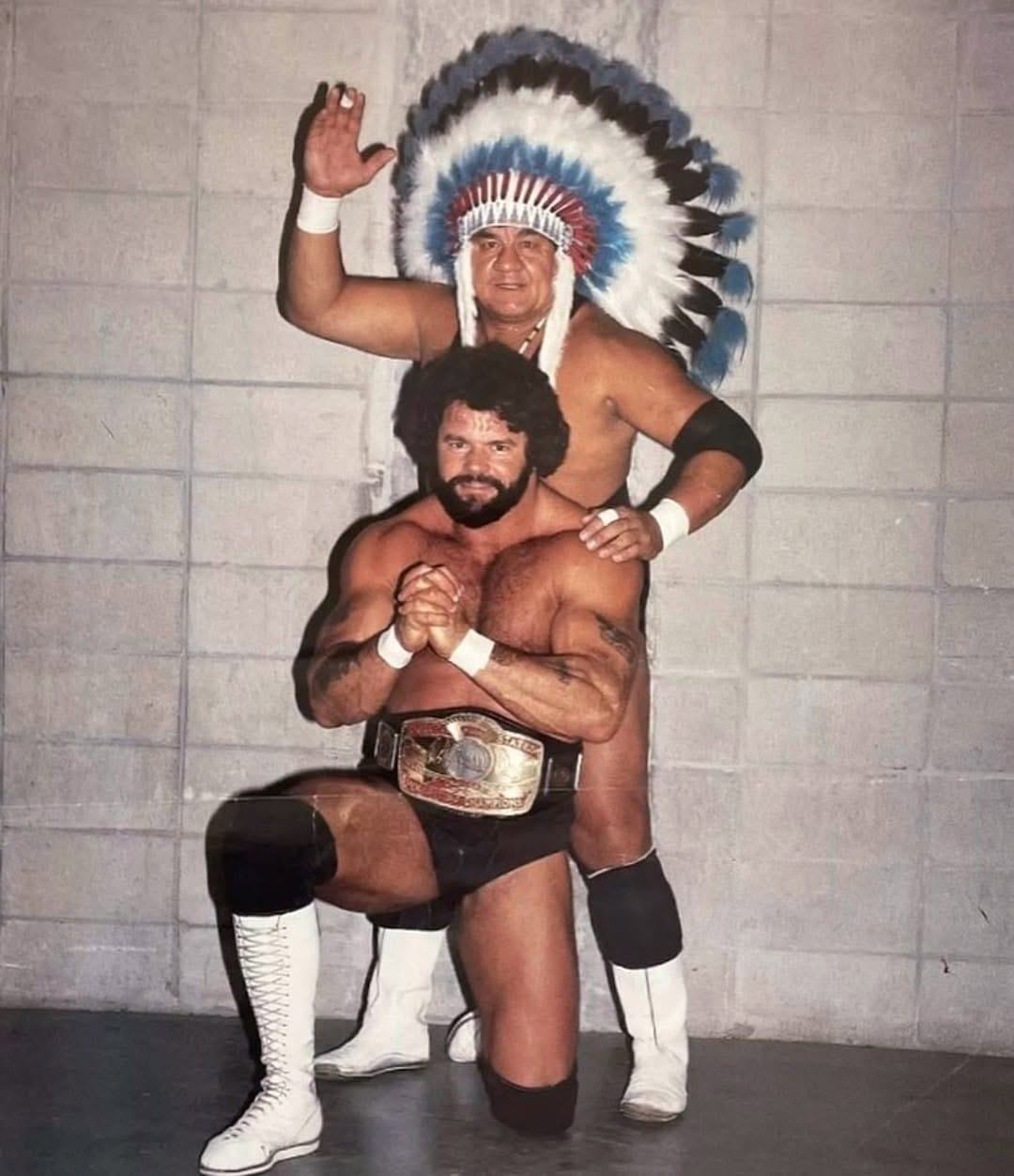
Haynes moved to Championship Wrestling from Florida (CWF), where he became a featured babyface. He defeated Kendo Nagasaki for the NWA Florida Heavyweight Championship and teamed with Wahoo McDaniel to win the Florida version of the NWA United States Tag Team Championship. He crossed over into Jim Crockett Promotions (JCP), feuding with Arn and Ole Anderson. A strength rivalry with The Barbarian highlighted his power-based style.
He abruptly left Florida after a heated confrontation with Jim Crockett over pay disparities (he reportedly earned less than several peers). A short 1985 run in World Class Championship Wrestling (WCCW) saw him managed by Sunshine; internal conflicts with Fritz Von Erich led to him being written out via a bloody angle with Rip Oliver. He defeated a young Shawn Michaels in a squash and briefly held the WCCW Television Title (won from Gino Hernandez) before vacating it.
These years showcased Haynes at his peak as a territorial attraction: credible in-ring work, believable strength, and strong crowd connection in the NWA’s fragmented but still vibrant regional landscape.
In June 1986, Haynes signed with the expanding WWF. Vince McMahon positioned him as a strong babyface with vigilante/cowboy overtones. He challenged Randy Savage for the Intercontinental Championship and reached the King of the Ring semifinals.
His most memorable program was the “Battle of the Full Nelsons” with fellow powerlifter Hercules Hernandez. Both men claimed the superior version of the hold. The feud culminated at WrestleMania III (Pontiac Silverdome, March 29, 1987) before a record 93,173 fans in a double count-out. Post-bell chaos saw Bobby Heenan interfere; Hercules then struck Haynes repeatedly with a chain (Haynes bladed himself using a hidden razor for dramatic effect). Follow-up chain matches added intensity.
Haynes later teamed with fellow Oregonian Ken Patera against Demolition. His WWF run ended abruptly in January 1988. Official explanations varied (refusing to do a job in Portland or creative differences), but reports indicate the catalyst involved an in-flight overdose that forced an emergency landing. Vince McMahon released him to protect the company’s image amid heightened scrutiny of wrestler drug use.
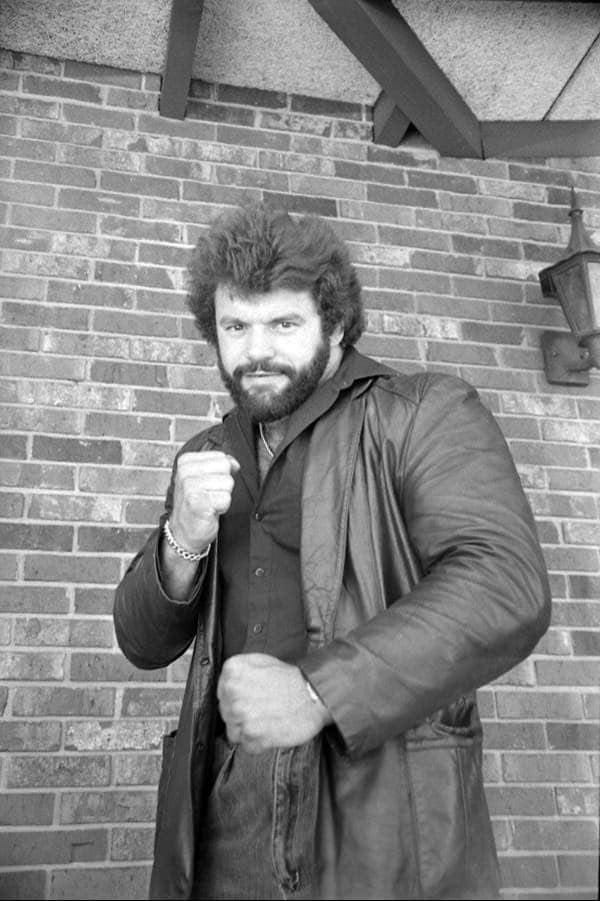
Returning to Oregon in early 1988, Haynes pursued a new ambition: becoming a wrestler-promoter who treated talent fairly. He secured a promoter’s license and launched the Oregon Wrestling Federation (OWF). The debut on May 7, 1988, at Oregon City Civic Center drew a solid 1,800 fans and aired on local TV.
He recruited names including Brian Adams, Rip Oliver and son Larry, Coco Samoa, and others, promising better pay, transportation, and profit shares. Initial crowds were respectable, but they collapsed rapidly. Advertising faltered, promised perks never materialized, and Haynes—under immense stress—physically and mentally deteriorated. Wrestlers faced pay cuts and humiliation. A July 15, 1988, mutiny meeting ended with most walking out. The Oregon commission shuttered OWF on July 18 after less than three months. It was later ranked among the year’s worst promotions. Haynes lost his license and faced creditors while his gym venture struggled.
The OWF failure remains a cautionary tale of good intentions colliding with the harsh economics of promoting in a dying territorial system.
Back in Portland Wrestling, Haynes turned heel in April 1990, betraying allies Rip Oliver and Larry during a match involving The Grappler and others. He feuded with the Olivers, Scott Norton, and Scotty the Body. A 1990 run in Herb Abrams’ UWF renewed his strength rivalry with Ken Patera.
In May 1991, WCW brought him in masked as Black Blood—an executioner-style character billed from “a little town in France,” managed by Kevin Sullivan. The gimmick involved dominating jobbers and hooding them post-match. His run was brief (roughly mid-May to mid-July 1991): fewer than 20 matches, limited TV exposure, and one PPV appearance at The Great American Bash. A severe knee injury, combined with a pay dispute, led to his release. He returned to Portland without proper rehab, feuding with Steve Doll and Demolition Crush.
After PNW folded in 1992, Haynes took 18 months off for the knee. He made scattered appearances in 1994 (co-promoted AAA/Championship Wrestling USA shows) and a 1995 run in the USWA (Memphis), where he won and lost the World Title in programs involving Brian Christopher and crossovers with WWF talent. He retired in early 1996.
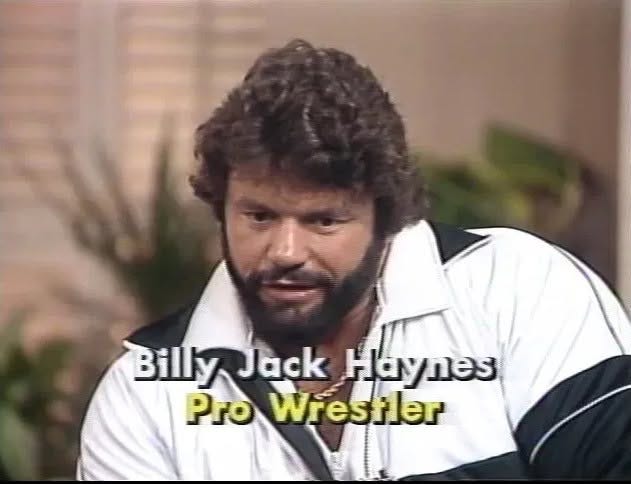
Haynes became known in retirement for lengthy, often incendiary shoot interviews (RF Video’s “The Conspiracy Theory” series and Hannibal TV appearances). These featured extreme claims about Vince McMahon, drug dealing in the 1970s–80s involving wrestlers, conspiracies surrounding the Chris Benoit tragedy, and more. Many in the industry dismissed them as unhinged or fabricated; colleagues described a “Jekyll and Hyde” personality and volatility.
Health issues mounted. He was hospitalized in 2013 for an aortic aneurysm plus liver and kidney problems. He joined the class-action concussion/traumatic brain injury lawsuit against WWE, alleging concealment of risks linked to CTE—part of broader litigation that was ultimately dismissed. He openly discussed heavy painkiller use (reportedly 25 pills daily during his career) and later meth addiction (2002–2008).
Haynes was married briefly to English valet Lady Blossom (Jeanie Clarke) from 1983 to 1984. In 2022 he married Janette Becraft. On February 8, 2024, police responded to a shooting at their southeast Portland home; 85-year-old Janette Becraft was killed by gunshot wound. Haynes, then 70, was involved in a two-hour standoff before surrendering. He was charged with second-degree murder (domestic violence) and unlawful use of a weapon.
Court proceedings followed: he was initially ruled mentally unfit to stand trial (May 2025) and committed to Oregon State Hospital for evaluation/treatment. By early 2026 he was found competent; a trial is scheduled for 2027. Becraft’s estate filed a civil lawsuit alleging elder abuse. In interviews from custody, Haynes has described the incident as a “mercy killing” tied to her dementia and his own struggles, while reflecting on career regrets and personal demons.
These matters remain part of the public record; legal outcomes will be determined by the courts.
Billy Jack Haynes was never a world champion or top-tier national superstar, but he was a genuine territorial attraction who connected with crowds through physical credibility and babyface fire. His five PNW Heavyweight reigns, Florida success, and WrestleMania III moment represent the high points of a career lived across wrestling’s pivotal transition from regional territories to national entertainment conglomerates.
In the context of the territorial era’s later stages—fragmentation and the rise of national promotions—Haynes exemplifies both the opportunities and the harsh realities: talented performers could shine regionally and earn a national shot, yet many struggled with the physical/mental costs, lack of long-term support, and the collapse of the old system. His OWF attempt, while short-lived and flawed in execution, reflected a desire to treat wrestlers better than the promoters he had known.
Post-career, his story joins those of many 1980s wrestlers who faced addiction, CTE-related issues, financial instability, and mental health challenges in an era before modern wellness protocols or robust aftercare. The shoot interviews and later legal troubles add layers of complexity and tragedy.
Today, Haynes remains a figure of fascination for historians of the Pacific Northwest territory and 1980s wrestling enthusiasts. His powerful look, memorable feuds (especially the full-nelson battles), and embodiment of the “local hero makes good then struggles with the machine” archetype ensure his place in the broader narrative of professional wrestling’s evolution. His journey—from Portland gyms and armories to the Silverdome and back—mirrors the industry’s own dramatic shifts in the final decades of the 20th century..
One Thing I Learned About Eric Embry
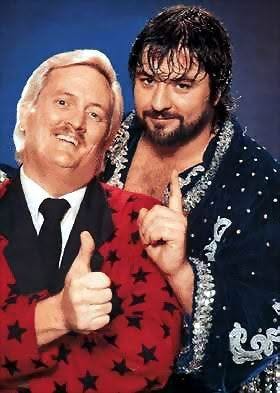
During his time as a booker for World Class Championship Wrestling (WCCW) at the Dallas Sportatorium from 1988 to 1991, Embry actually lived inside the iconic arena itself because he had no other place to stay. 
This gritty detail from the late territorial era highlights the often precarious financial and personal situations many wrestlers and behind-the-scenes figures faced, even while creatively shaping storylines in a major promotion during its declining years. It adds a layer of realism to his “Flamboyant” on-screen persona.
Thank You for Reading
I’m Tony Richards, Pro Wrestling Historian, Author and Storyteller. I share pro wrestling historical items in each issue of the Time Tunnel Pro Wrestling History Newsletter. Thanks for reading! If you enjoy my information on select events, matches and insights, please share it with folks you think might like to be a subscriber!
Remember, premium investors get access to exclusive and special content such as some special issues including a multi-part deep dives on wrestling territories, wrestler bios and championship title histories, special audio and video interviews on territory pro wrestling and more available in the Pro Wrestling Time Tunnel for Premium Investors.