


Happy Birthday to those who have passed on and to those great wrestlers still with us:
In Memoriam:
John Cazana 1913
Sandor Kovacs 1920
Alfonso Lamamie de Clairac\Hercules Cortez 1932
Eddie Don Lee Whittler\Smasher Sloan 1935
Happy Birthday:
(none)
RIP Memorial: We stop & remember those who have passed on this day and gave themselves to the business for us, the fans. We salute you and thank you.
Henri Deglane 7-7-1975 at the age of 73

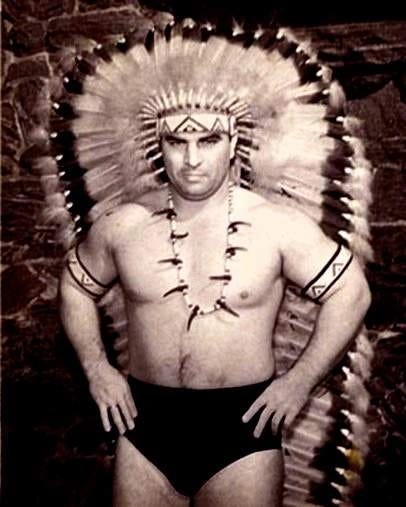
Richard Bryant\Chief Little Eagle 7-7-1990 at the age of 55
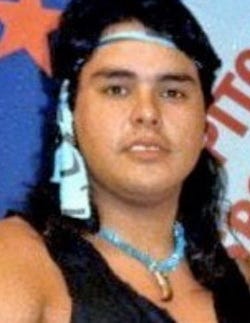
Chris Romero\Chris Youngblood 7-7-2021 at the age of 55
Significant Debuts:
Nancy Daus Sullivan Benoit\Fallen Angel\Woman 7-7-1984

7 Stages of the Territory Era
Stage 5: investigation
July 1956
Month 7 Year 2 of Stage 5
McMahon Sr.’s (and CWC’s) Role in the NWA Antitrust Battles of the 1950s
Vince McMahon Sr.’s Capitol Wrestling Corporation (CWC) was deeply embedded in the National Wrestling Alliance (NWA) during the mid-1950s “Investigation” phase of the territorial era (Stage Four: 1955–1965). This period saw the U.S. Department of Justice (DOJ) scrutinize the NWA’s cooperative structure for alleged monopolistic and anti-competitive practices. While McMahon and his partner Toots Mondt were not the primary targets of separate lawsuits, their powerful Northeast operation made them central players in the broader legal and regulatory drama that reshaped the industry.
The NWA Under DOJ Scrutiny (1955–1956)
By the early 1950s, the NWA had evolved from a loose alliance of promoters (founded in 1948) into a dominant force that effectively divided North America into exclusive territories. Members recognized a single NWA World Heavyweight Champion, exchanged talent under agreed rules, and largely respected each other’s geographic boundaries. Critics, including “outlaw” promoters shut out of the system and some wrestlers, accused the alliance of functioning like an illegal monopoly: blacklisting talent who worked for non-members, pressuring promoters to stay in line, and stifling competition.
In 1955, the DOJ’s Antitrust Division launched a formal investigation into these practices. The case focused on claims that the NWA conspired to:
• Divide the country into exclusive territories.
• Blacklist wrestlers and promoters who challenged the system.
• Control bookings and limit competition in major markets.
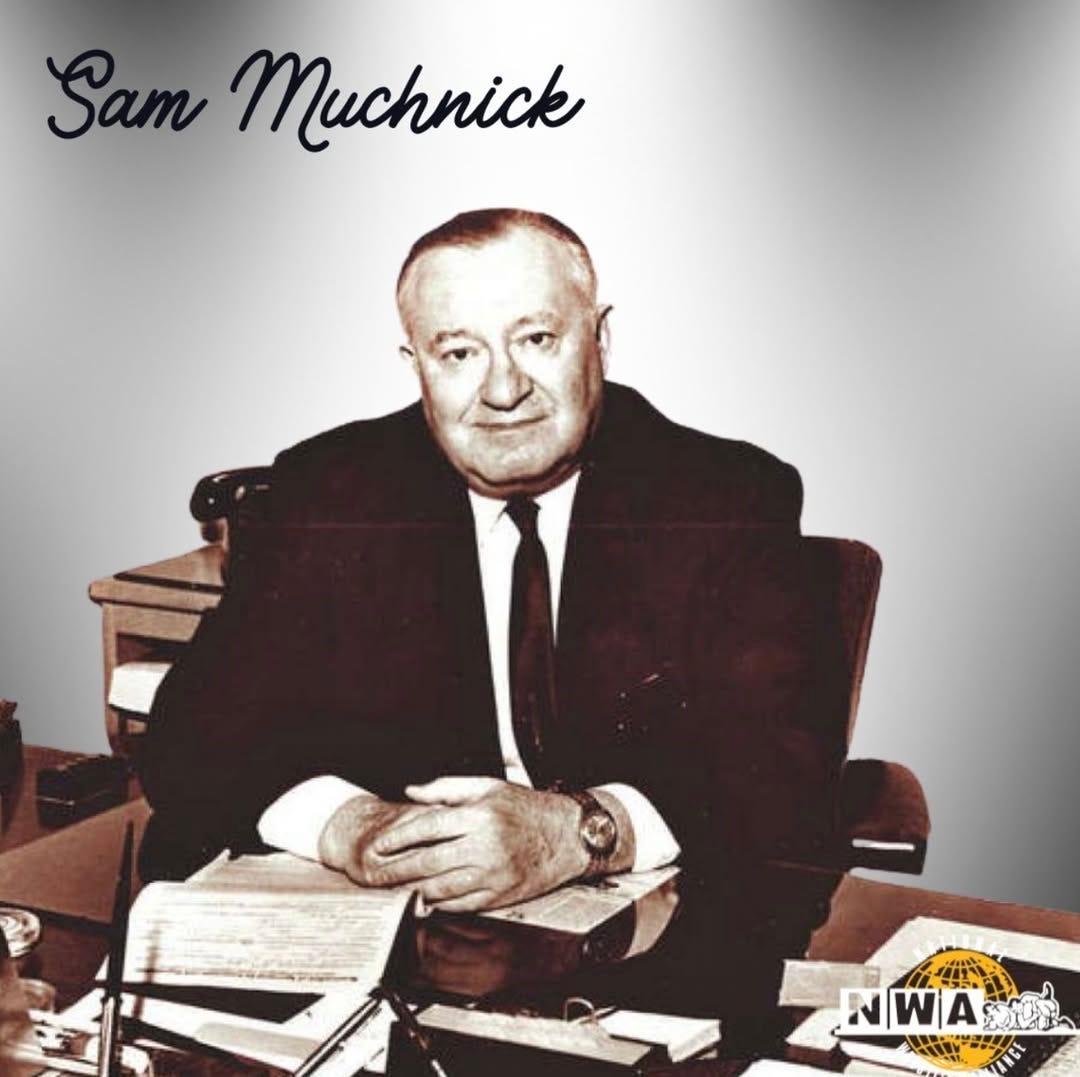
The investigation culminated in the NWA Consent Decree of 1956 (United States v. National Wrestling Alliance). Filed in federal court in Des Moines, Iowa (around October 1956), the decree was a negotiated settlement. The NWA admitted no wrongdoing but agreed to cease certain practices, including conspiring to exclude competitors or enforce territorial monopolies through blacklisting. NWA President Sam Muchnick (St. Louis promoter) played a leading role in the negotiations, helping steer the alliance toward compliance while preserving as much of the cooperative framework as possible.
The consent decree did not dismantle the NWA or end territorial wrestling overnight. However, it created uncertainty, forced greater transparency in bookings, and emboldened some independent operators. Several promoters distanced themselves or left the alliance in the following years.
McMahon Sr. and CWC’s Position in the Conflict
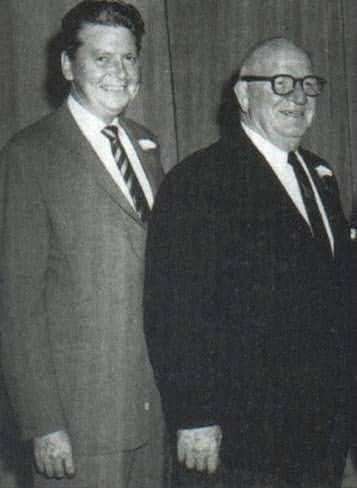
Pictured: Vince. McMahon, Sr. and Toots Mondt
McMahon Sr. and Toots Mondt’s CWC was one of the most influential members of the NWA during this period. Their control of the heavily populated Northeast (New York, New Jersey, Pennsylvania, Baltimore, and surrounding areas) gave them outsized power—reportedly influencing around 70% of NWA booking decisions at peak due to the market’s size and revenue potential. This dominance aligned with the very practices under DOJ scrutiny: strong territorial control, coordinated talent movement, and unified promotion of the world champion.
McMahon’s aggressive expansion strategy in New York—particularly the 1956 launch and syndication of Heavyweight Wrestling from Washington on WABD Channel 5—occurred right amid the investigation. By using television to build stars (like Antonino Rocca) and drive live gates while consolidating fragmented local promoters (including navigating or marginalizing figures like Rudy Dusek’s Eastern Sports Enterprises booking office and the Johnston brothers), CWC strengthened its position. The TV push helped CWC thrive even as the broader NWA faced legal pressure, turning potential vulnerability into a competitive advantage.
The consent decree’s restrictions on overt collusion may have indirectly encouraged McMahon and Mondt to seek greater autonomy. Tensions within the NWA grew over issues like world title bookings (notably disputes involving Buddy Rogers). In 1963, McMahon and Mondt formally withdrew from the NWA, rebranding CWC’s operations as the World Wide Wrestling Federation (WWWF) and creating their own world title. This break allowed them to operate more independently in their core Northeast territory without the constraints (or shared obligations) of the alliance—while still benefiting from the foundational territorial model they had helped strengthen.
The 1956 consent decree marked a turning point. It didn’t kill territorial wrestling but signaled the beginning of its vulnerabilities. It coincided with rising television influence, which favored promoters like McMahon who could leverage media effectively. CWC’s success in New York during this exact window demonstrated how individual promoters could adapt and even thrive under scrutiny by focusing on local market dominance and innovative promotion.
McMahon Sr. himself faced no high-profile personal antitrust lawsuit separate from the NWA case; the legal battles were primarily directed at the alliance as a collective. However, CWC’s outsized role meant McMahon and Mondt were active participants in the NWA’s response and subsequent evolution. Their 1963 departure can be seen, in part, as a strategic response to the post-decree environment—prioritizing control over their lucrative territory.
In the wider context of Stage Four, these antitrust pressures exemplified the external “investigation” facing the territorial system. McMahon’s New York strategy—TV syndication, talent consolidation, and gradual unification of fragmented promoters—positioned CWC as a survivor and eventual leader. It laid the groundwork for the later national expansion under his son, Vince McMahon Jr., which ultimately dismantled the old territorial order in the 1980s.
Toots Mondt’s Booking Role in the Expansion Strategy into New York
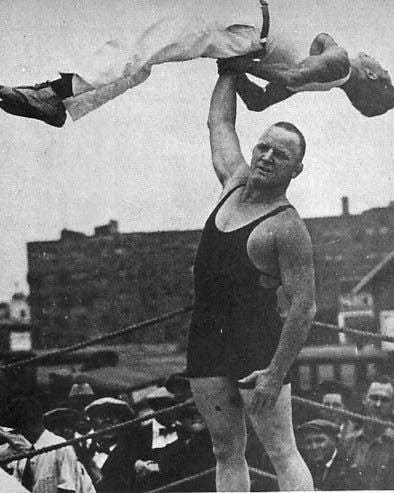
Joseph “Toots” Mondt (1894–1976) was one of the most transformative figures in professional wrestling history—a former wrestler, promoter, and visionary booker whose innovations in the 1920s through the 1950s helped shape modern pro wrestling as entertainment. His partnership with Vince McMahon Sr. in Capitol Wrestling Corporation (CWC) during the mid-1950s was pivotal to the Northeast’s (and New York’s) consolidation, directly tying into Stage Four’s themes of investigation, adaptation, and power shifts amid antitrust scrutiny.
Mondt’s Early Innovations and “Slam Bang Western Style”
Mondt began as a wrestler in the 1910s but made his lasting mark as a booker and promoter in the 1920s–1930s. He is credited with developing “Slam Bang Western Style Wrestling”—a faster, more athletic, and theatrical approach that moved away from long, pure-mat contests toward dynamic action, storylines, and crowd-pleasing drama. Key elements he popularized or refined included:
• Heel/Face Dynamics: Clear heroes and villains with escalating personal feuds.
• Tag Team Wrestling: Structured, high-energy matches that became staples.
• Angles and Angles: Building long-term storylines around rivalries, betrayals, and special stipulations to drive repeat business.
• Television Readiness: Mondt understood early that wrestling’s visual, compact nature suited TV. His style emphasized movement and spectacle that translated well to the screen.
These changes helped wrestling survive the post-World War I and Depression eras and set the template for the territorial golden age.
Mondt’s Role in New York and the Partnership with McMahon
By the early 1950s, Mondt had significant influence in the fragmented New York wrestling scene. He had worked with figures like Jack Curley and helped manage the Manhattan Booking Agency. As Curley’s health declined and the market struggled (partly due to earlier exposures of wrestling’s worked nature), Mondt partnered with Jess McMahon (Vince Sr.’s father) and then directly with Vince McMahon Sr. to form CWC around 1953 (with formal operations launching in Washington, D.C.).
Mondt’s primary contribution to CWC was as the chief booker and creative force. He:
• Handled talent acquisition, match layouts, and long-term angles for the Northeast territory.
• Oversaw the integration of stars like Antonino Rocca, whose acrobatic style Mondt amplified to rebuild New York interest.
• Dictated much of the NWA World Champion’s bookings in the region (CWC reportedly influenced ~70% of champion dates at one point due to their market power).
• Collaborated on the 1956 TV expansion (WABD Channel 5 in New York), ensuring programming featured compelling, TV-friendly matches that hyped live events at venues like Madison Square Garden.
In the July 1956 timeframe, Mondt’s booking helped CWC supply and coordinate talent for the expanding WABD shows while maintaining strong live gates. His approach balanced NWA obligations (champion defenses, talent exchanges) with CWC’s local priorities—protecting the Northeast as a stronghold amid DOJ scrutiny of the alliance.
Mondt’s Influence on McMahon’s New York Strategy
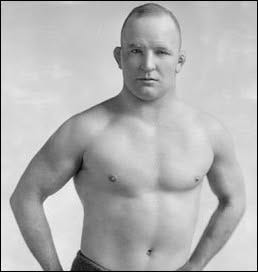
Mondt was instrumental in McMahon Sr.’s consolidation of the New York area:
• Navigating Fragmentation: He helped marginalize or absorb rival offices (e.g., dealing with Dusek and Johnston influences) through superior talent control and TV leverage.
• Creative Direction: Mondt’s “Slam Bang” philosophy made CWC cards more exciting and marketable, aiding the revival of MSG shows (McMahon’s first in November 1956).
• Long-Term Vision: He pushed for autonomy, which contributed to the 1963 NWA exit and WWWF formation. Mondt remained a key advisor/booker into the mid-1960s before selling his stake and retiring.
Mondt taught Vince Sr. (and others in the organization) effective booking principles—focusing on fan psychology, star elevation, and sustained storylines rather than short-term wins. His role was less “day-to-day operations” (McMahon handled much of the business side) and more strategic creative and talent management.
During the “Investigation” era, Mondt’s booking helped CWC thrive under regulatory pressure. The Northeast’s dominance (bolstered by his work) made CWC a major NWA player while positioning it to eventually break away. His innovations influenced everything from TV presentation to modern sports entertainment storytelling.
Toots Mondt was the behind-the-scenes architect who made McMahon’s territorial empire viable and entertaining. Without his booking vision, the 1956 New York TV push and subsequent growth might not have succeeded as dramatically. He remains one of wrestling’s most underappreciated foundational figures.
Rocca’s Role In the Expansion Strategy into New York City
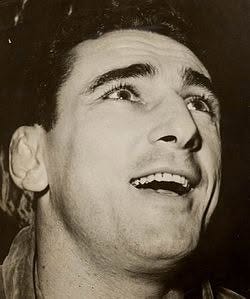
Antonino Rocca was one of the most revolutionary and popular professional wrestlers of the territorial era. An Italian-born, Argentina-raised athlete with a soccer and rugby background, Rocca brought an exciting, high-flying style to North American rings that contrasted sharply with the era’s more grounded, mat-based wrestling. His impact in the mid-1950s—particularly around July 1956—directly fueled Vince McMahon Sr.’s Capitol Wrestling Corporation (CWC) expansion into New York and helped define the Northeast territory’s success during Stage Four (“Investigation”).
Rocca innovated what many consider an early version of high-flying wrestling in the U.S. Known for barefoot performances, cartwheels, dropkicks, flying head scissors, and acrobatic maneuvers, he turned matches into spectacles of agility and athleticism. This “Slam Bang” approach aligned perfectly with Toots Mondt’s booking philosophy and made wrestling more visually compelling for the emerging television audience. Promoters and fans alike noted that Rocca “did more for legs than Betty Grable,” highlighting his dynamic, crowd-pleasing offense that elevated the entire product.
New York wrestling had declined in the late 1940s–early 1950s due to overexposure of its worked nature and fragmented promotion. Rocca was the box-office catalyst for its revival:
• He became a massive draw in the New York metropolitan area, especially among Italian-American and Hispanic communities, who saw him as a cultural hero.
• His appearances helped bring wrestling back to Madison Square Garden on a regular basis for the first time since the late 1930s. Rocca set post-WWII attendance records there, including a reported 21,950 fans for a 1960 singles match (a peak that built on his 1950s momentum).
• In 1956, Rocca was a fixture on CWC’s expanding TV programming, including the key WABD Channel 5 syndication into New York starting in June. His charisma and in-ring excitement translated exceptionally well to television, creating new fans who then attended live events.
Rocca’s popularity was so strong that he headlined or featured prominently on major cards, including the July 18, 1956, Montreal show (drawing vs. Édouard Carpentier) and McMahon’s first MSG card in November 1956. His presence helped CWC consolidate the Northeast by providing a reliable main-event attraction that justified higher ticket prices and bigger venues.
Mondt and McMahon recognized Rocca’s value early. Mondt had previously managed or booked him through agencies like the Manhattan Booking Office. As CWC formed and expanded:
• Rocca served as the flagship star that allowed McMahon to compete in and eventually dominate the New York DMA.
• His drawing power supported the TV strategy—live broadcasts from Washington, D.C., and syndication into New York created a virtuous cycle: TV exposure built Rocca’s fame, which drove live gates.
• Rocca’s mainstream appeal extended beyond wrestling; he appeared in media, drew huge ethnic audiences, and helped legitimize the product during a time when wrestling faced skepticism and regulatory scrutiny.
This impact was crucial in Stage Four. While the NWA faced DOJ antitrust investigation for territorial monopolies, CWC used a charismatic, TV-friendly draw like Rocca to strengthen its regional stronghold without relying solely on the alliance’s world champion. Rocca’s success demonstrated how individual star power could bolster a territory’s independence and profitability.
Rocca also excelled in tag teams (notably with Miguel Pérez) and held regional titles. His popularity helped sustain wrestling in the Northeast through the late 1950s and early 1960s, paving the way for later stars like Bruno Sammartino. Though his peak drawing power waned somewhat by the mid-1960s, Rocca remained a beloved figure until his death in 1977.
In summary, Antonino Rocca was the charismatic, athletic bridge that helped McMahon Sr. turn a struggling New York market into a CWC powerhouse. His high-flying style, ethnic appeal, and TV readiness were instrumental in the 1956 expansion and the broader territorial model’s resilience during a time of external pressure. Without Rocca, the Northeast revival—and by extension, the foundation for what became WWWF/WWE—would have been far more difficult. He remains one of the most important “forgotten” superstars who shaped modern wrestling entertainment.
Thank You for Reading
I’m Tony Richards, Pro Wrestling Historian, Author and Storyteller. I share pro wrestling historical items in each issue of the Time Tunnel Pro Wrestling History Newsletter. Thanks for reading! If you enjoy my information on select events, matches and insights, please share it with folks you think might like to be a subscriber!
Remember, premium investors get access to exclusive and special content such as some special issues including a multi-part deep dives on wrestling territories, wrestler bios and championship title histories, special audio and video interviews on territory pro wrestling and more available in the Pro Wrestling Time Tunnel for Premium Investors.
CWC / WWWF Heavyweight Wrestling was broadcasted live from DC into NYC thanks to WTTG ch. 5 into WABD (WNEW / WNYW) ch. 5 Thursday nights from 9-11pm helped out a great deal in with a family audience watching. Good or Bad it showed CWC that bringing in the NWA World Champion Lou Thesz wasn't really needed.