


Happy Birthday to those who have passed on and to those great wrestlers still with us:
In Memoriam:
Vince J. McMahon, Sr 1914
Ray Mendoza 1929
Happy Birthday:
Dylan Miley\Lars Sullivan (38)
RIP Memorial: We stop & remember those who have passed on this day and gave themselves to the business for us, the fans. We salute you and thank you.
Masaru Charles Iwamoto\Mr Moto 7-6-1991 at the age of 76

Phyliss Burch\Moondog Fifi/Diane Von Hoffman 7-6-2017 at the age of 55

7 Stages of the Territory Era
Stage 5 Investigation
July 1956
Month 7 Year 2 of Stage 5
In the framework of the 7 Stages of the Territory Era, July 1956 sits squarely in Stage Five: Investigation. This was the decade when the territorial system, built on the cooperative foundation of the National Wrestling Alliance since 1948, operated at or near its zenith of organization, talent exchange, and regional profitability. Yet it simultaneously faced mounting external pressures—most notably U.S. Department of Justice scrutiny over alleged monopolistic practices in booking and talent control, alongside shifting television landscapes that threatened traditional gate receipts. Promoters defended their markets while adapting, using the NWA’s shared world champion and inter-territory talent flow to sustain the model. July 1956 captured this duality perfectly: thriving weekly cards across North America and beyond, big outdoor draws, title defenses and draws that kept the NWA World Heavyweight Championship credible, and behind-the-scenes consolidation in key markets like New York, all while the broader industry navigated regulatory clouds and media evolution.
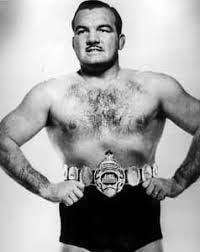
The NWA World Heavyweight Champion that summer was Canada’s Whipper Billy Watson, who had captured the title from Lou Thesz on March 15, 1956, in Toronto via count-out (with boxing legend Jack Dempsey as special referee). Watson’s reign embodied the territorial ideal—he defended across strong Canadian and U.S. markets, drawing passionate crowds while maintaining the champion’s aura through competitive bouts rather than constant decisive changes. On July 23 in Edmonton, Alberta, at the sold-out Edmonton Gardens (6,000 fans), Watson wrestled Pat O’Connor to a time-limit draw after splitting one fall each. The match showcased the scientific, hard-hitting style that defined much of the era’s top work, with Watson’s power and O’Connor’s technical prowess keeping fans engaged without risking an unplanned title shift. Watson’s presence in Western Canada highlighted the NWA’s effective talent circulation, as champions and top stars crisscrossed territories to bolster local gates.
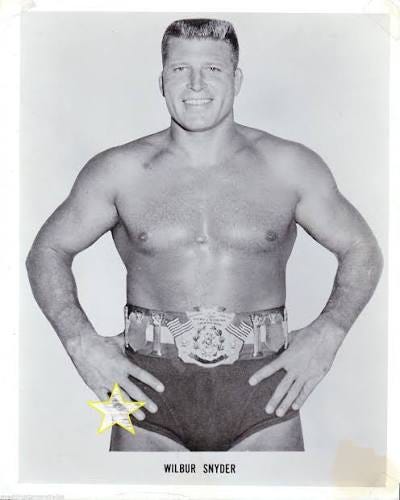
Regional action pulsed with the familiar rhythm of the territorial machine. In Chicago on July 6 at the International Amphitheater (8,853 in attendance), a strong card reflected the Midwest’s robust scene. Angelo Poffo defeated Don Pollack, The Sheik of Araby bested Warren Bockwinkel, and Bill Melby overcame Benito Gardini. The Lisowski Brothers (Reggie and Stan, defeated Dick the Bruiser and Hans Schmidt by disqualification in two falls, continuing the rough-and-tumble tag-team rivalries that packed houses. The main event saw former champion Lou Thesz wrestle NWA United States champion Wilbur Snyder to a one-hour draw—a classic territorial encounter blending credibility, endurance, and star power that kept Thesz relevant and Snyder protected as a local draw. These Chicago shows, part of the broader Midwest network tied to promoters like Verne Gagne’s orbit, demonstrated how territories leveraged traveling NWA names alongside homegrown talent to create consistent weekly programming.
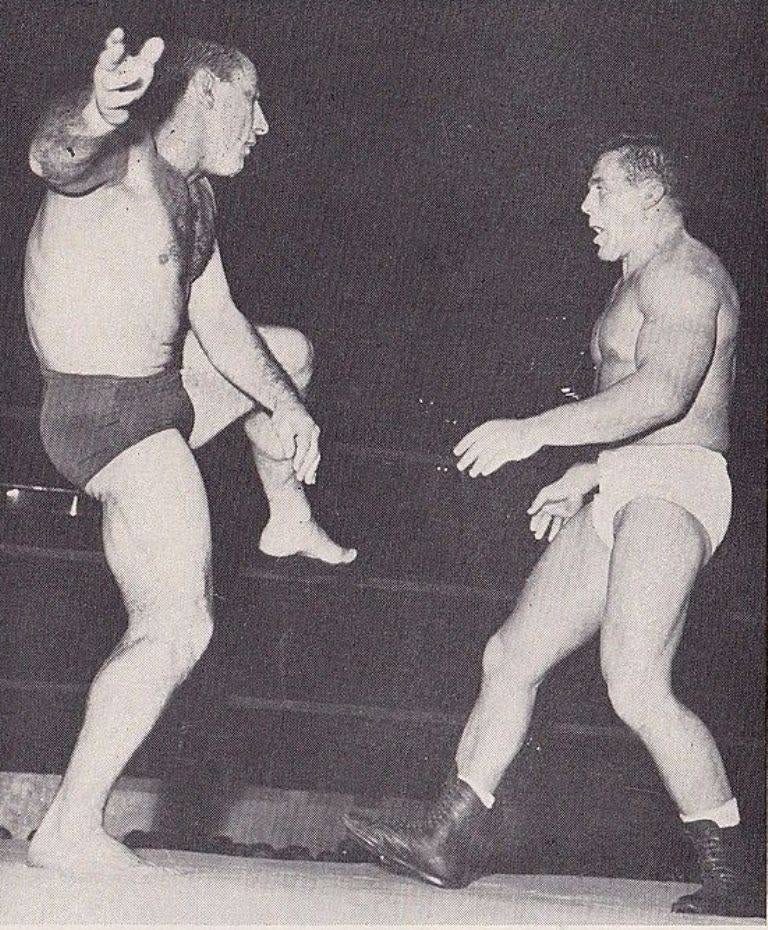
Pictured: Antonino Rocca vs Eduoard Carpentier
Further north, Canada remained a cornerstone of the system. On July 18, Montreal’s Eddie Quinn promotion staged a massive outdoor card at Delorimier Stadium that drew 23,227 fans—one of the largest gatherings of the summer. The card opened with midget wrestling, as Little Beaver and Brown Panther defeated Sky Low Low and Fuzzy Cupid. Other bouts included Manuel Cortez drawing with Ernie Dusek, Yvon Robert defeating Emil Dusek, Bobby Managoff drawing Don Eagle, and Don Leo Jonathan defeating Frank Valois. The main event pitted Antonino Rocca against Édouard Carpentier in a time-limit draw. Rocca, the acrobatic Italian star known for his aerial attacks and charisma, clashed with the athletic, gymnastic-style Carpentier (a French-born talent who had recently debuted in Montreal and was quickly rising as a popular babyface). Their styles complemented each other perfectly—Rocca’s innovative high-flying offense against Carpentier’s agility and technical prowess—delivering an exciting, back-and-forth match that exemplified the era’s emphasis on athleticism and crowd-pleasing action. This high-profile bout capped the show and highlighted Montreal’s status as a key NWA stronghold, where outdoor summer cards could pack in huge crowds for star-driven attractions.
The Northeast, particularly New York, stood at a pivotal moment of consolidation and television-driven growth. Vince McMahon Sr.’s Capitol Wrestling Corporation (CWC), operating from the Capitol Arena in Washington, D.C., and building strongholds in Baltimore, New Jersey, and New York, was actively consolidating control over the fragmented New York promotional landscape. Working with influential figures like Toots Mondt, McMahon had been methodically unifying bookings and venues in the nation’s largest media market. A landmark development occurred around late June into July when CWC’s Heavyweight Wrestling television program expanded syndication to WABD Channel 5 in New York City. This move revitalized interest in a market that had seen ups and downs, bringing stars like Antonino Rocca (who appeared on the Montreal card, showing the exchange system at work) directly into living rooms across the Northeast. Far from cannibalizing live gates as some feared, television created new fans who then flocked to arenas.
In the fragmented New York scene of the mid-1950s, various promoters had operated across different segments of the market. Earlier figures like Jack Curley had held significant influence at venues such as Madison Square Garden before health and competitive pressures shifted the landscape. Toots Mondt, with his booking expertise and innovations in athletic, predetermined styles, played a central role in consolidating power alongside the McMahons. Brief operators such as Pedro Martinez had ties to the Manhattan Booking Agency amid periods of bankruptcy and transition. Rudy Dusek—one of the noted Dusek brothers from the prominent Nebraska/Omaha wrestling clan (alongside brothers Ernie, Emil, and Joe)—owned and operated Eastern Sports Enterprises, an active NWA booking office in New York City from 1950 to 1957.
Rudy’s office supplied talent to various promotions, including the emerging WABD TV shows, while running cards in smaller New York venues. By the mid-1950s, however, Dusek’s influence waned as conflicts with Mondt and McMahon led to him being largely frozen out of major arenas by 1957. The Johnston brothers (Charley and Bill Johnston) were also active New York promoters during this era; they collaborated at times with other offices (including brief alliances or syndicates involving Mondt and others) and operated within the Manhattan/New York scene before the broader consolidation under CWC. These players, along with supporting figures like Phil Zacko (who handled New Jersey armory shows and received ownership stakes for his loyalty) and Willie Gilzenberg (a veteran Newark, New Jersey-based promoter who managed regional events, navigated local politics, and later became the first president of the WWWF with his offices serving as early headquarters), formed the complex web that McMahon and Mondt systematically unified.
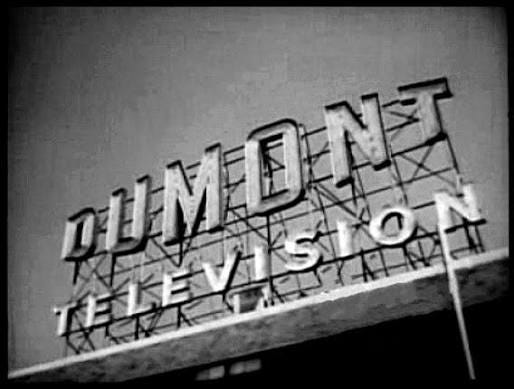
By mid-1956, McMahon Sr.’s CWC, leveraging its Washington base and expanding TV reach, effectively unified much of the Northeast’s operations under a stronger, more coordinated structure that emphasized television exposure to drive live attendance at major arenas. Rival promoters in Manhattan and surrounding areas found it increasingly difficult to compete with CWC’s TV exposure and booking muscle, illustrating the “investigation” era’s internal power shifts alongside external regulatory eyes on the NWA as a whole. The first McMahon-promoted card at Madison Square Garden in November 1956 (headlined by Antonino Rocca) marked a tangible step in this revival.
Other territories maintained their steady output. In Texas, Houston Wrestling saw tag-team title activity on July 27 when Duke Keomuka and Tony Martin captured a version of the NWA tag titles, reflecting the region’s emphasis on hard-hitting, story-driven matches and local hero building. St. Louis under Sam Muchnick continued as a key NWA hub, often hosting high-profile defenses or draws that lent national prestige. California’s Los Angeles territory (then transitioning under various promoters, including the Hollywood/American Wrestling Association lineage) featured its own mix of touring stars and local talent, sustaining the West Coast presence within the alliance. Across these regions, storylines followed classic territorial patterns: babyface champions or top faces defending against aggressive heels, tag-team wars escalating into personal feuds, and occasional “invasions” or special attractions that justified bigger gates. Midget divisions remained popular draws for family audiences, while women’s wrestling added variety, with ongoing activity in various territories (including a Mexican National Women’s Championship change early in the month).
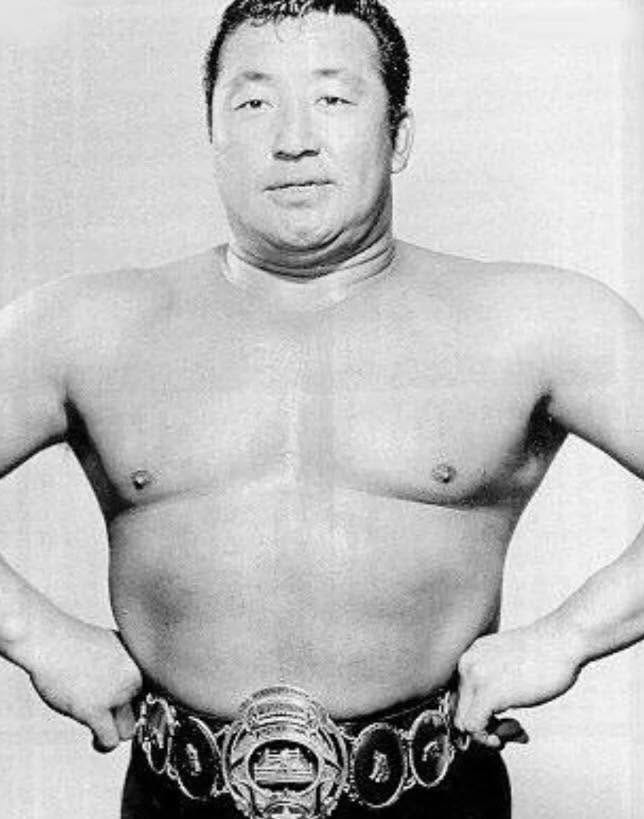
Pictured: Rikidozan
Internationally, the NWA’s reach extended the territorial model. In Japan, the Japan Pro Wrestling Alliance (JPWA) under Rikidōzan operated as a vital partner, blending traditional strong-style wrestling with NWA-sanctioned talent exchanges. Rikidōzan, a national hero in post-war Japan, drew enormous crowds with matches against international stars, often the Sharpe Brothers or other NWA-affiliated wrestlers, helping establish professional wrestling as a major entertainment force in Asia. Cards in Tokyo and other cities maintained the high-energy, athletic style that contrasted yet complemented North American work. In Mexico, Empresa Mexicana de Lucha Libre (EMLL) under Salvador Lutteroth continued its unique lucha libre tradition while holding NWA affiliations for world titles. Early July saw activity in the women’s division, with Rosita Williams capturing the Mexican National Women’s Championship on July 1 in Guadalajara, showcasing how territories adapted the NWA framework to local customs, mask-vs-mask drama, and high-flying innovation. These international outposts reinforced the “world” in National Wrestling Alliance, providing talent pipelines and cultural exchange that enriched the overall ecosystem.
Television’s significance rippled through July 1956. McMahon Sr.’s expansion into New York syndication stood out as a forward-looking move that strengthened Capitol Wrestling’s grip while challenging the old assumption that TV would kill live events. Other territories maintained local or regional TV deals that built stars and drove attendance, though the Northeast’s scale made McMahon’s play particularly consequential. The broader media shift contributed to the “investigation” atmosphere—regulators and traditional promoters alike watched how television altered power dynamics and market control.
Throughout July 1956, the territorial system demonstrated remarkable resilience and operational sophistication. Weekly cards from Chicago’s International Amphitheater to Montreal’s massive outdoor stadiums, from Canadian heartlands to Texas and California outposts, delivered consistent entertainment and revenue. Talent like Watson, Thesz, Rocca, Carpentier, and the Lisowskis moved between territories under NWA auspices, while local promoters crafted angles that kept fans invested week after week. Yet the stage’s name—Investigation—hovered as a reminder of vulnerabilities: antitrust pressures on the NWA’s cooperative structure, evolving media that favored those best positioned to exploit it (like McMahon in New York), and the first subtle cracks in what had seemed an unassailable regional monopoly model.
July 1956 thus stands as a vivid snapshot of Stage Four in action. The territories were not yet fragmenting or disintegrating; they were investigating their own limits, defending their boundaries, and adapting to new realities while the NWA champion toured, crowds filled arenas, and promoters like Vince McMahon Sr. consolidated power in the most important markets. The system’s genius—shared prestige through one world title, autonomous local storytelling, and fluid talent exchange—remained fully operational, even as external forces and internal ambitions began to test its long-term foundations. This month captured the territorial era at its most confident and collaborative, poised on the edge of the challenges that would define the decades.
Thank You for Reading
I’m Tony Richards, Pro Wrestling Historian, Author and Storyteller. I share pro wrestling historical items in each issue of the Time Tunnel Pro Wrestling History Newsletter. Thanks for reading! If you enjoy my information on select events, matches and insights, please share it with folks you think might like to be a subscriber!
Remember, premium investors get access to exclusive and special content such as some special issues including a multi-part deep dives on wrestling territories, wrestler bios and championship title histories, special audio and video interviews on territory pro wrestling and more available in the Pro Wrestling Time Tunnel for Premium Investors.