


Happy Birthday to those who have passed on and to those great wrestlers still with us:
In Memoriam:
Jack Curley 1876
Billy Wolfe 1896
Carey Lloyd\Rufus R “Freight Train” Jones 1933
Bob Sweetan 1940
Happy Birthday:
Donald G Cox\Don Diamond (69)
Barry Windham (66)
Jose Estrada, Jr\Super Medico III (53)
RIP Memorial: We stop & remember those who have passed on this day and gave themselves to the business for us, the fans. We salute you and thank you.
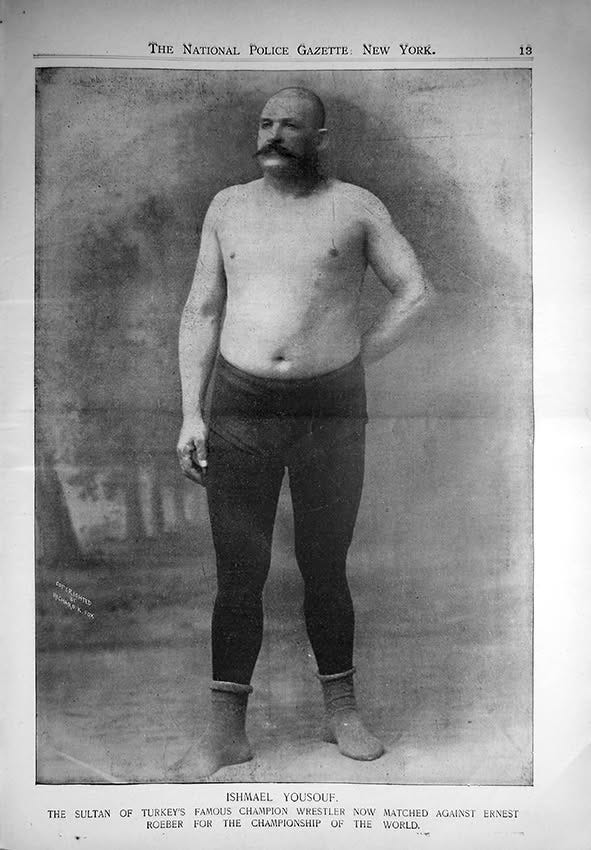
Yusif Ismail\The Terrible Turk 7-4-1898 at the age of 41
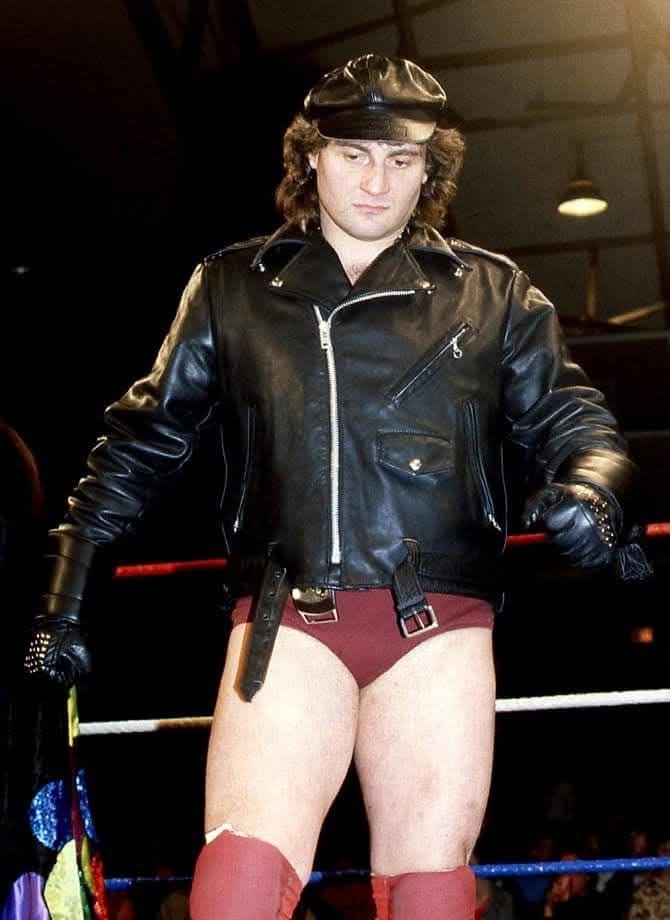
Adrian Adonis 7-4-1988 at the age of 34
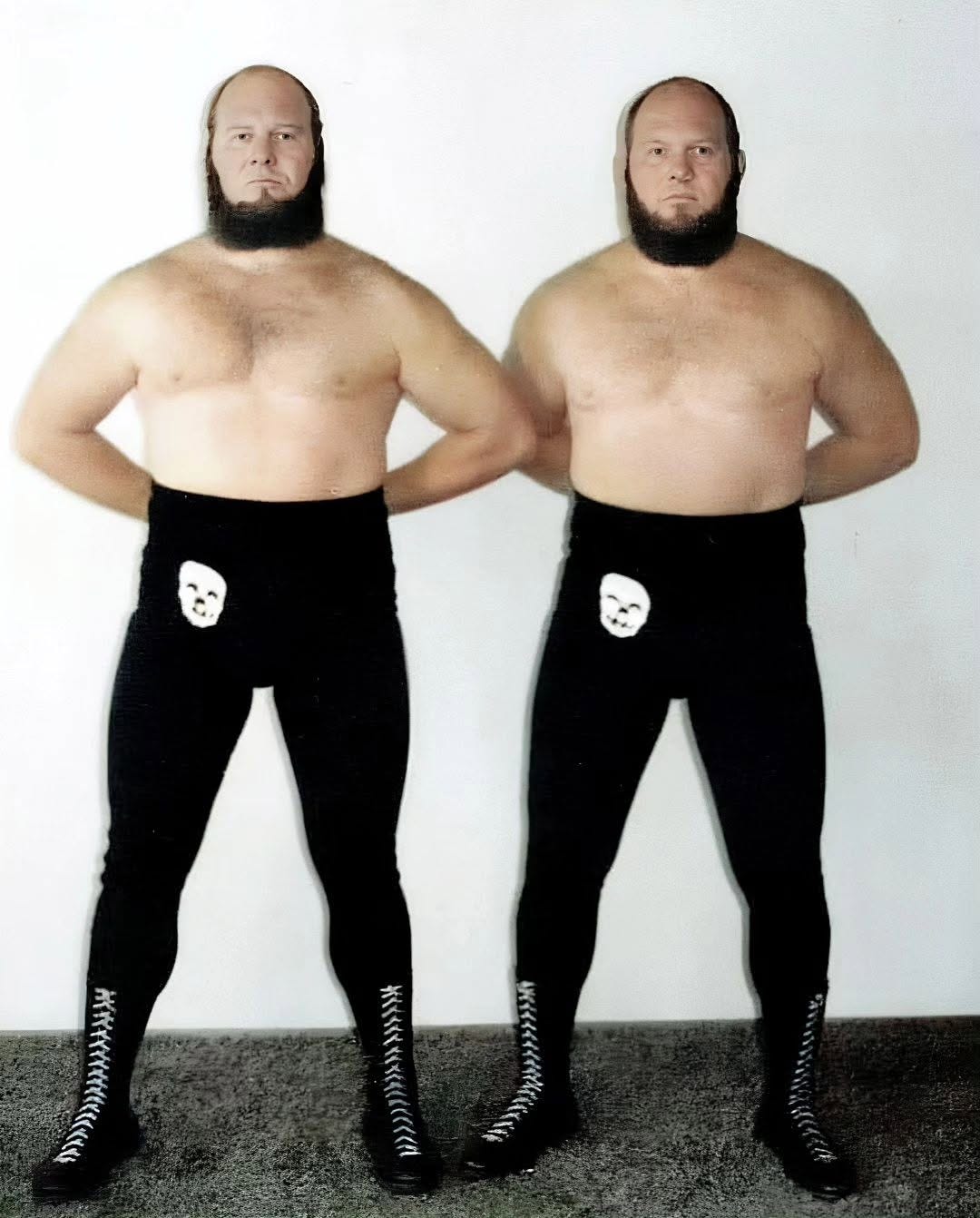
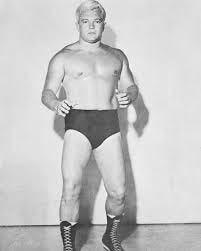
Pat Kelly 7-4-1988 at the age of 40 (Photo of twin Kelly Brothers Mike. and Pat)
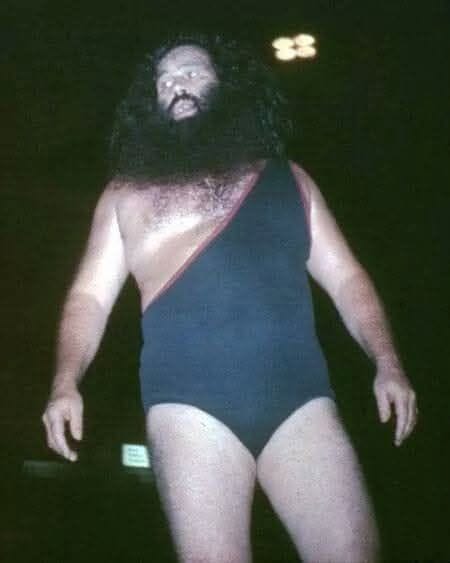
Dave “The Bearman” McKigney\The Wolfman 7-4-1988 at the age of 56
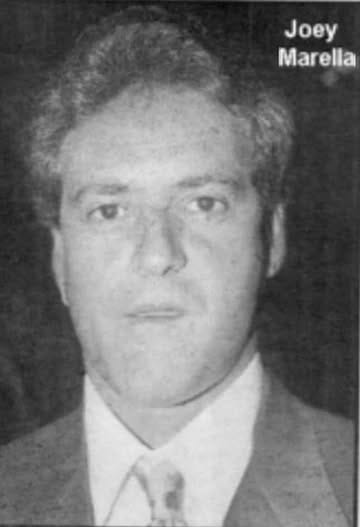
Joey Marella 7-4-1994 at the age of 31
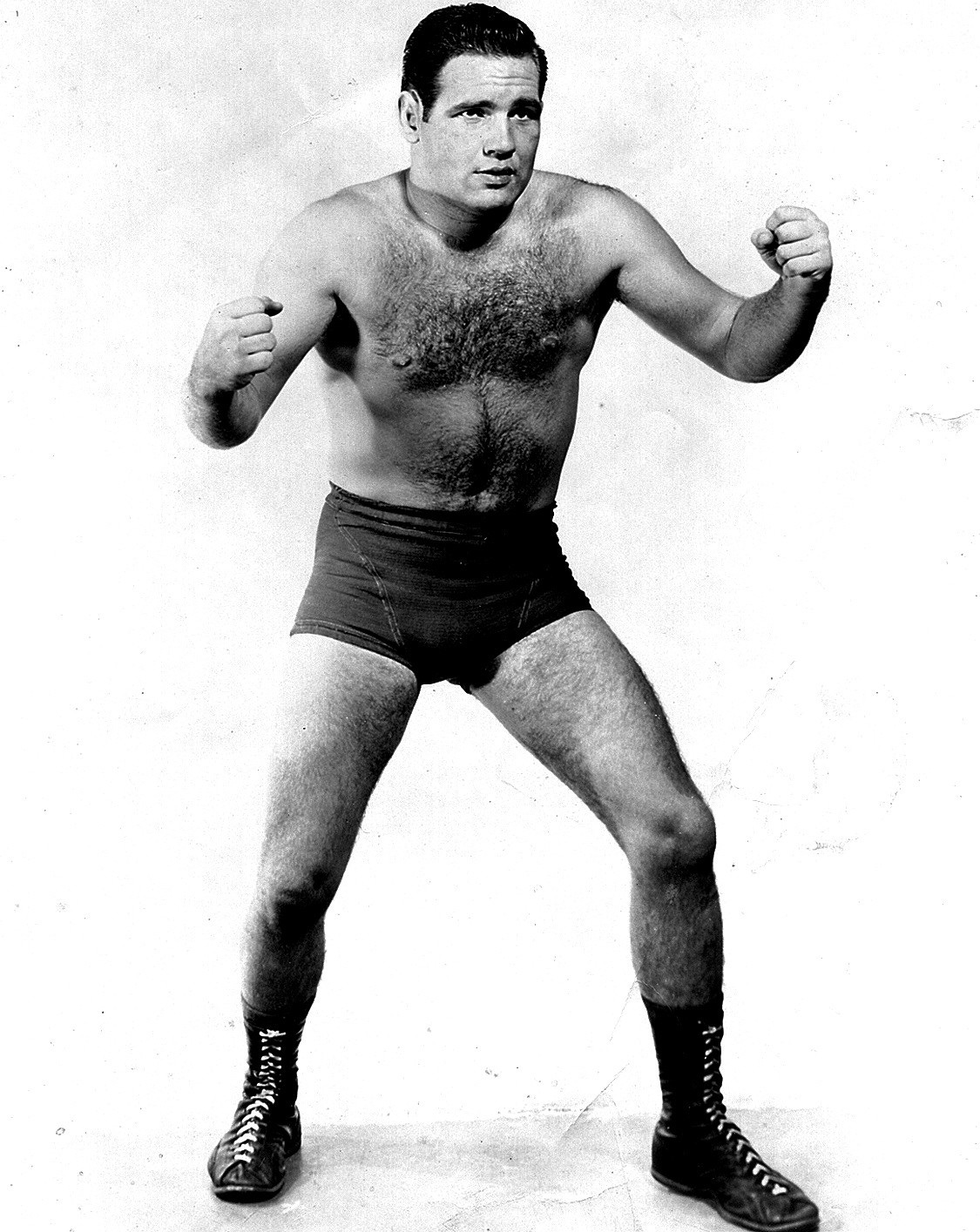
Lee Fields 7-4-2000 at the age of 69
Significant Debuts:
7-4-1939: Buddy Rogers vs Moe Brazen in Camden, New Jersey
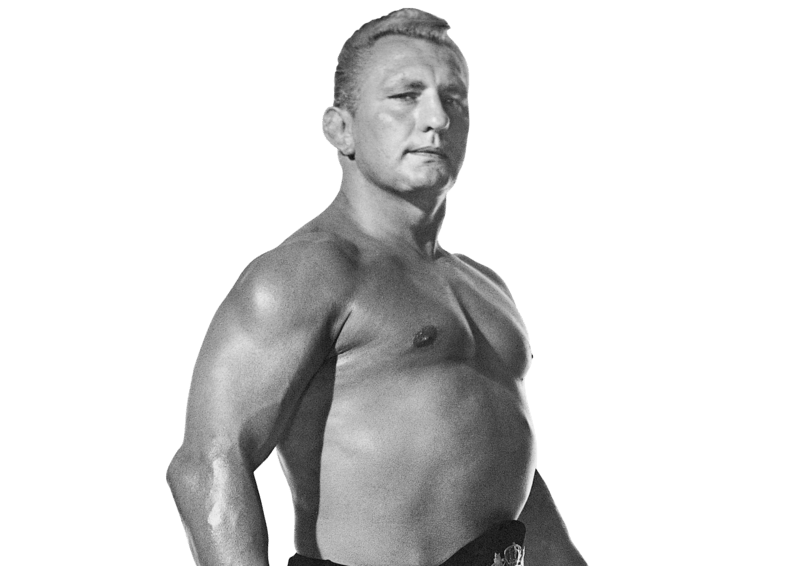
7-4-1960: Les Thatcher, Les had his first match against Cowboy Ronnie Hill in Blue Hills, Maine. He was 19 years old.
Flashback 1913: On July 4, 1913, in Benton Harbor, Michigan, Dr. Benjamin F. Roller defeated Charles Cutler to capture the American Heavyweight Championship for the second time.
The victory came via disqualification in a contentious best-of-three-falls match at the House of David Baseball Field, capping a dramatic holiday afternoon that marked the lakeside city’s first professional wrestling event. In an era of fractured title claims following Frank Gotch’s retirement earlier that year, the win restored the prestigious American title to a wrestler whose unique background set him apart from most mat men of the time.
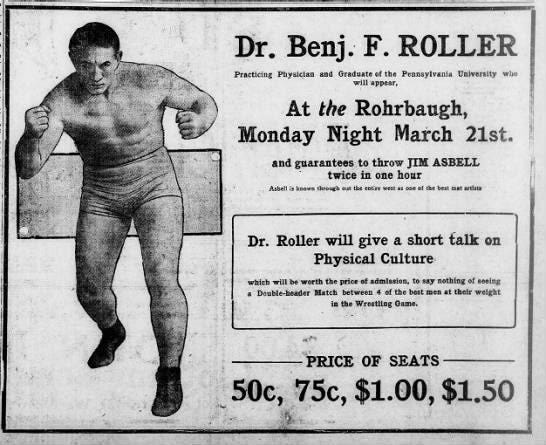
The years immediately after Gotch’s dominance created a vacuum. Multiple wrestlers advanced competing claims to world or American heavyweight honors, with promoters in the Midwest staging high-stakes challenges to fill the void. The American Heavyweight Title carried real weight in this landscape, defended across cities from Chicago to Dallas and now, on Independence Day, in a modest Michigan venue chosen for its drawing power and festive timing. Promoter Floyd FitzSimmons, a familiar figure in regional boxing and wrestling circles, billed the Roller-Cutler clash as the main event on an outdoor card that drew a sizable holiday crowd eager for spectacle.
Dr. Benjamin Franklin Roller brought an unusual pedigree to the ring. Born in 1876 in Newman, Illinois, and raised on a family farm, Roller had pursued medicine with determination. He attended DePauw University, where he captained the football and track teams despite his relatively slight build for the era, then earned further credentials at the University of Pennsylvania. He served as a physiology professor at the University of Washington, supervised athletics, and maintained a medical practice before financial pressures from the Panic of 1907 pushed him toward full-time wrestling in 1906. At six feet and around 200 pounds, Roller competed as a scientific, methodical catch-as-catch-can stylist who leveraged his education and athletic foundation. He had already held the American title once, defeating Cutler in straight falls in Chicago on March 6, 1911. That earlier triumph established him as a credible claimant, but the title had changed hands again amid the post-Gotch confusion.
His opponent, Charles “Charlie” Cutler, presented a stark contrast in style and background. Born Charles Olsen in 1884 in Michigan, Cutler stood about six feet and weighed roughly 225 pounds. Trained by Gotch himself and Jack Coleman, Cutler possessed the raw power and toughness associated with the old-school catch wrestlers. He had boxed professionally and maintained connections in combat sports circles, reportedly helping prepare future heavyweight boxing champion Jess Willard. Cutler had secured the American title in the wake of Gotch’s exit and defended it vigorously, including victories that solidified his claim in early 1913. The two men shared a history of title exchanges, lending personal stakes to their 1913 rematch. Cutler entered as the recognized champion, while Roller positioned himself as the rightful challenger reclaiming what he had once held.
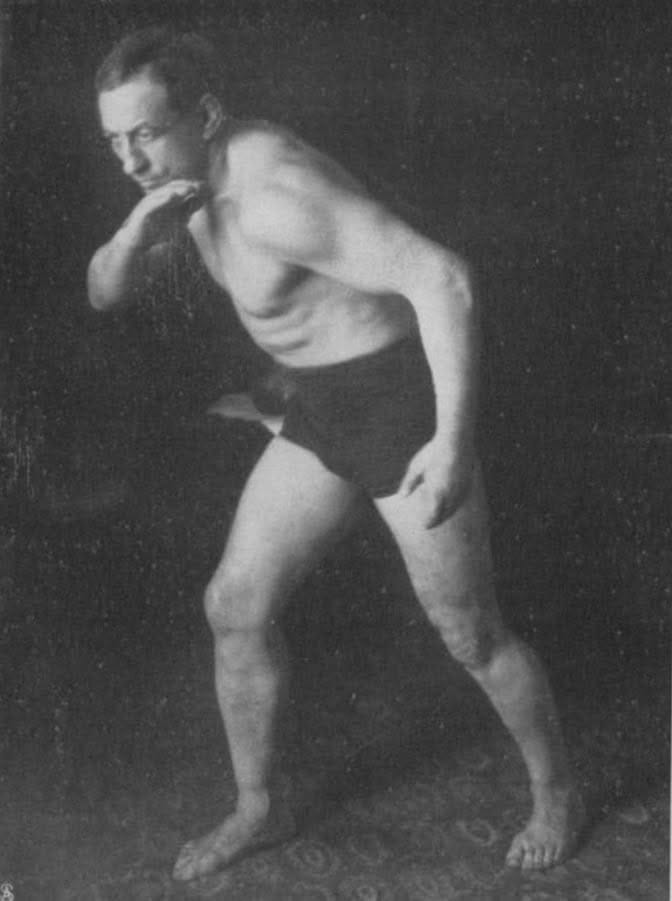
Pictured: Dr. Benjamin Roller
The atmosphere at the House of David ball field crackled with anticipation. The religious commune’s grounds, already gaining fame for its baseball team, provided an open-air setting perfect for a July Fourth celebration. Local press noted the novelty; it was Benton Harbor’s first wrestling match, and excitement built from the moment the wrestlers stepped onto the mat. Referee Ed Smith and announcer Edd Epple oversaw proceedings under FitzSimmons’s promotion. The crowd, primed for drama on a national holiday, quickly divided in its loyalties—cheering the educated physician and jeering the powerful titleholder.
The action unfolded in classic two-out-of-three-falls fashion. Cutler seized the first fall after twenty minutes and twenty seconds of grueling struggle, imposing his strength and wearing down his opponent. Roller responded forcefully in the second, evening the match by securing a fall in just thirteen minutes and fourteen seconds. His quicker, more precise approach began to tell. The decisive third fall turned chaotic. Cutler, perhaps sensing momentum slipping or frustrated by Roller’s resilience, lost control. He clamped onto Roller’s throat in a blatant choke, prompting intervention. Referee Smith disqualified the champion on the spot, awarding the fall—and with it the American Heavyweight Championship—to Dr. Roller. The physician had regained the title he first won two years earlier.
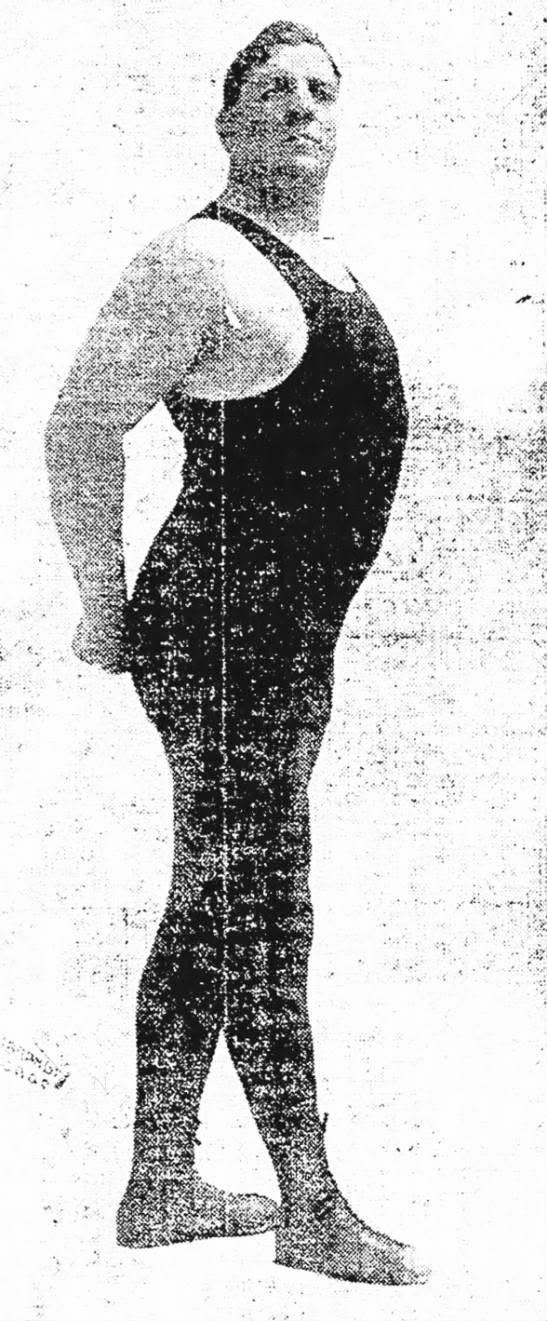
Pictured: Charlie Cutler
Contemporary accounts described the finish as thrilling and contentious. The Benton Harbor News-Palladium called the entire contest a “thriller from the moment the two mat artists stepped into the ring.” As Cutler gripped Roller’s throat in the third fall, spectators surged around the ring, heightening the tension. Roller emerged the victor to cheers, while Cutler faced boos. The disqualification finish, common in heated title matches of the era, protected both men’s drawing power while delivering a decisive outcome on a major holiday. It underscored how personal rivalries and in-ring tempers could decide championships when pure athletic superiority reached a stalemate.
Roller’s second reign proved brief but symbolically important. Just over two months later, on September 18, 1913, Ed “Strangler” Lewis defeated him in Lexington, Kentucky, for one version of the title. Meanwhile, Cutler continued pressing his own claims elsewhere, including high-profile bouts that kept him relevant in the fragmented scene. The back-and-forth between Roller and Cutler illustrated the fluid nature of championship wrestling in 1913: titles changed hands through skill, controversy, and promotional positioning rather than a single undisputed lineage. Roller’s victory in Benton Harbor added another chapter to his remarkable journey from farm boy and physician to respected mat technician who competed against the era’s elite.
For Cutler, the loss did not end his career. The Michigan native remained a fixture on cards into the 1920s, securing multiple American title claims and even a disputed world championship nod. His power-based style and Gotch connection kept him a draw, even as newer stars like Lewis rose. Roller, for his part, continued wrestling until around 1918 before returning more fully to medicine and other pursuits. He passed away in 1933 at age 56. Both men embodied different facets of early twentieth-century professional wrestling: Roller the educated innovator bringing legitimacy and scientific method to the sport, Cutler the rugged, powerful competitor forged in the Gotch tradition and fighting to maintain prominence in its aftermath.
The July 4, 1913, match in Benton Harbor stands as a vivid snapshot of wrestling’s transitional period. It captured the excitement of outdoor holiday cards, the drama of disqualification finishes, and the personal stakes between two athletes with intertwined histories. In a small Michigan city hosting its first wrestling show, Dr. Benjamin Roller climbed back to the top of the American title picture through resilience, technique, and a controversial yet decisive third fall. The event helped sustain interest in heavyweight wrestling during a time of uncertainty, paving the way for the more structured territorial promotions that would define later decades. For Roller, it marked a triumphant return to championship glory on one of the most American of stages—an Independence Day celebration under the open sky.
One Thing I Learned About Pro Wrestling on the 4th of July
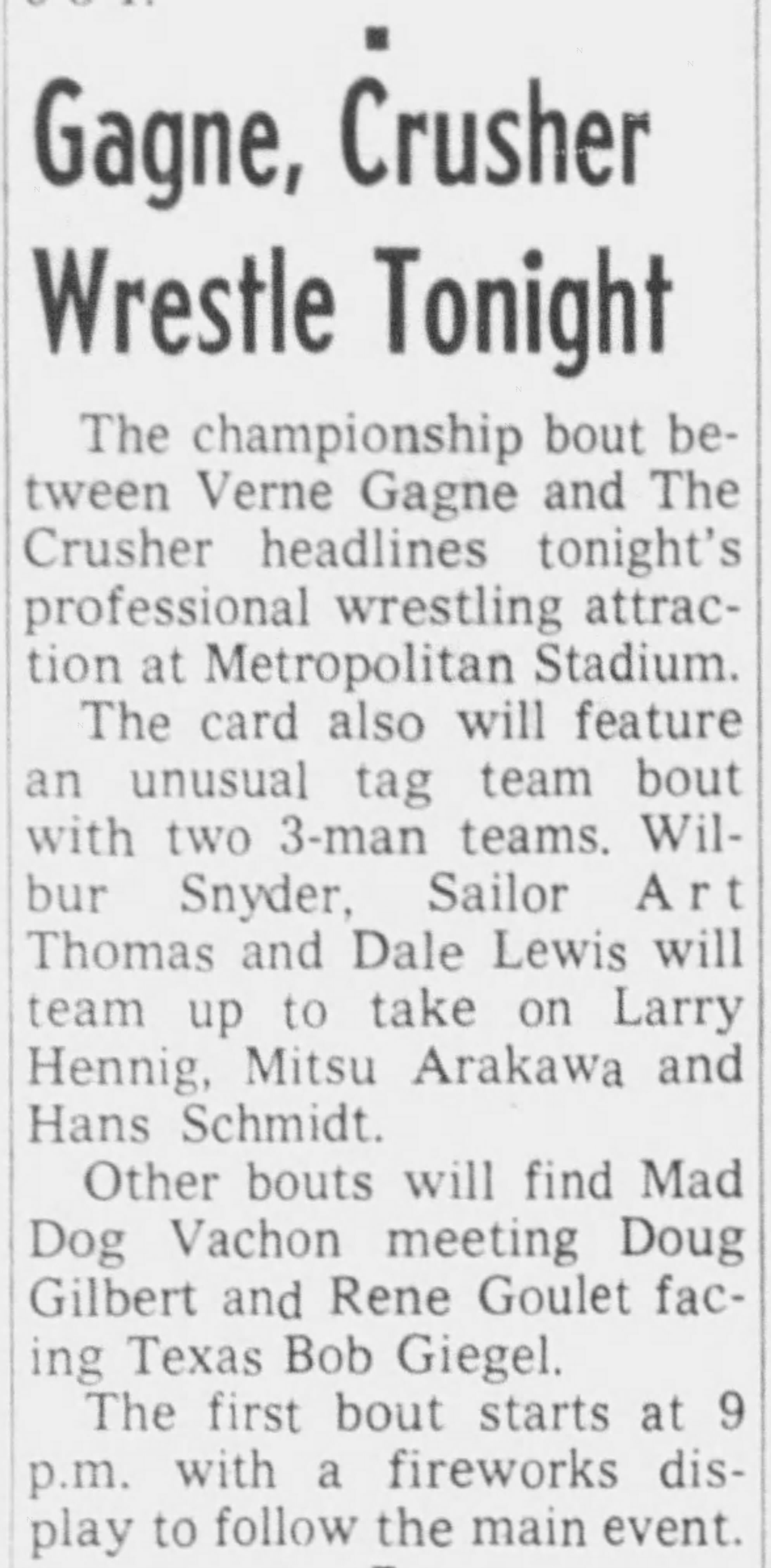
July 4, 1964, the AWA held a major outdoor stadium show at Met Stadium in Bloomington, Minnesota, drawing around 11,000 fans. The event featured established stars like Bob Geigel, Wilbur Snyder, and others in a festive summer showcase typical of the territorial era’s big holiday promotions.
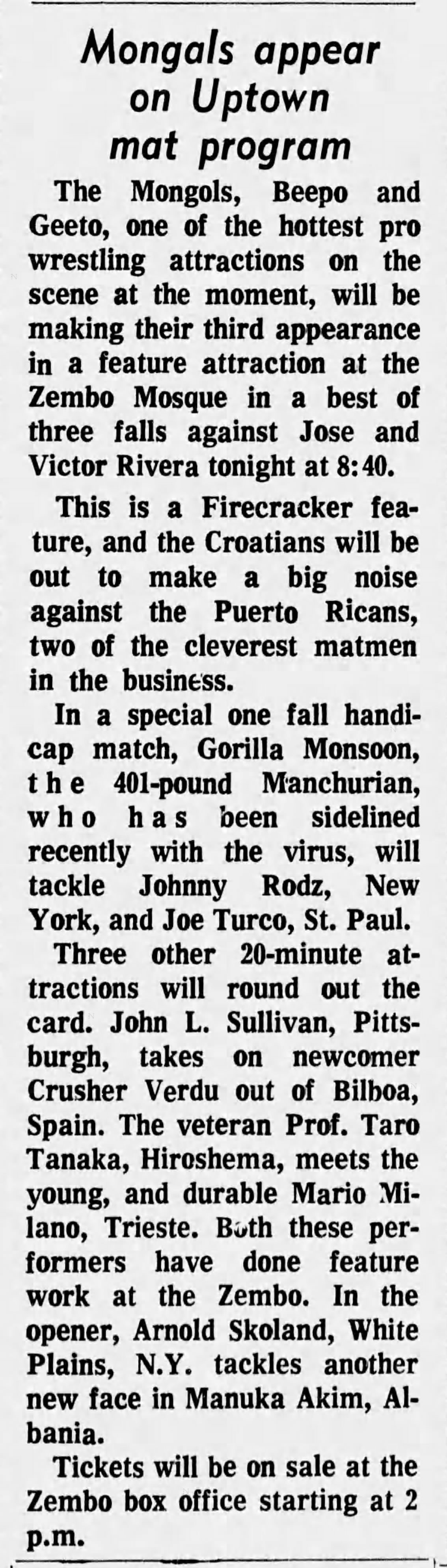
July 4, 1970, the WWWF held a live event in Harrisburg, Pennsylvania, at the Zembo Mosque as part of its regular territorial touring schedule. The card featured matches with stars like Arnold Skaaland, Crusher Verdu, and others, typical of Bruno Sammartino-era house shows that drew steady crowds for holiday dates.
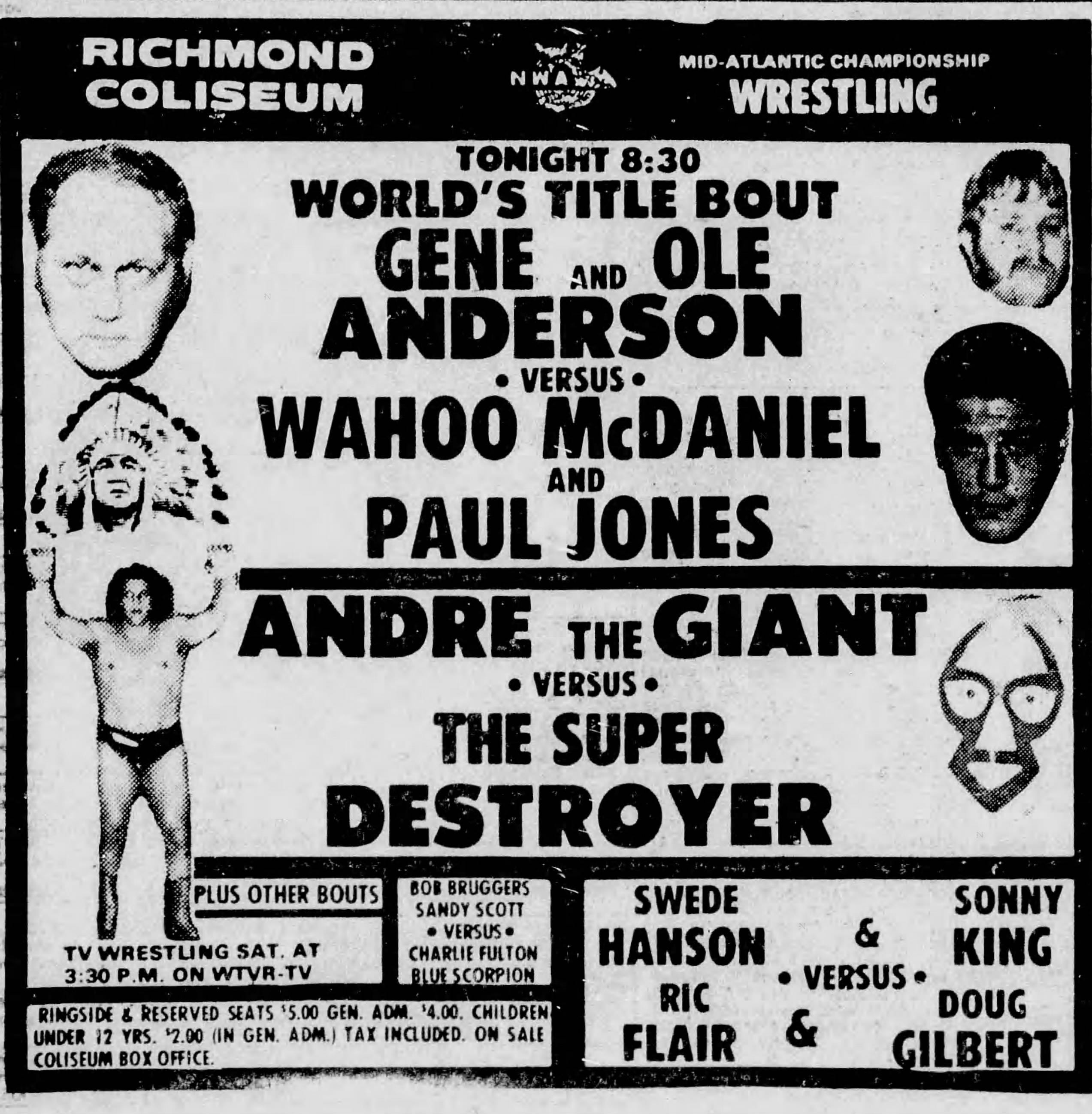
July 4, 1975, Mid-Atlantic Wrestling staged a major holiday supercard at the Richmond Coliseum in Virginia that set a gate record. The show was headlined by a 60-minute time-limit draw between top stars, capitalizing on Independence Day patriotism and the territory’s strong drawing power in the region during the 1970s.
Thank You for Reading
I’m Tony Richards, Pro Wrestling Historian, Author and Storyteller. I share pro wrestling historical items in each issue of the Time Tunnel Pro Wrestling History Newsletter. Thanks for reading! If you enjoy my information on select events, matches and insights, please share it with folks you think might like to be a subscriber!
Remember, premium investors get access to exclusive and special content such as some special issues including a multi-part deep dives on wrestling territories, wrestler bios and championship title histories, special audio and video interviews on territory pro wrestling and more available in the Pro Wrestling Time Tunnel for Premium Investors.